
Menu

















































Modern life has trained us to expect immediate results, so it is hardly surprising that the slow burn romance novel gets dragged.
Modern life has trained us to expect immediate results, so it is hardly surprising that the slow burn romance novel gets dragged for taking its sweet time.
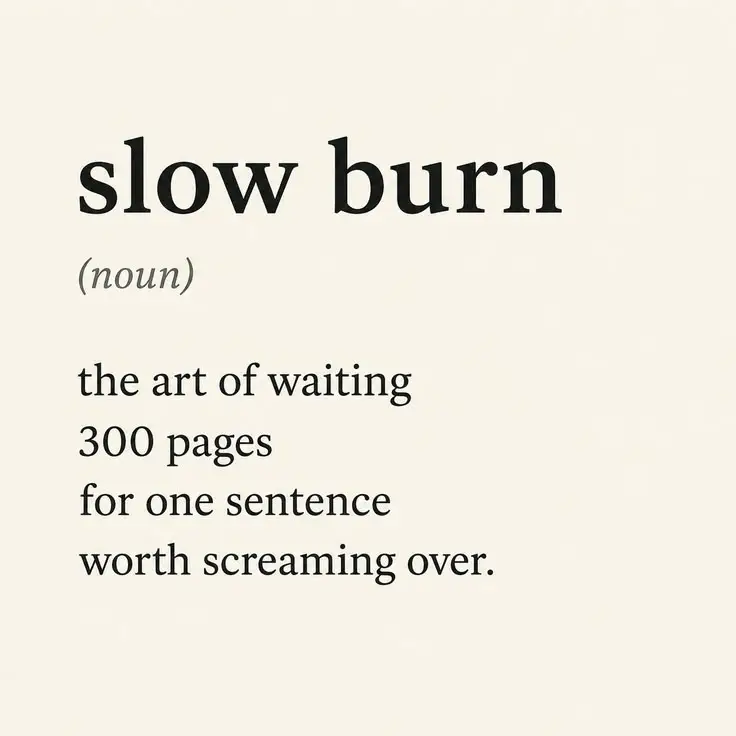
Two attractive people meet, develop suspiciously intense feelings, and then spend 300 pages refusing to do anything about them.
One person is convinced the other is merely being friendly, while the other is busy having a private emotional crisis over a six-second conversation about coffee. But it is what it is.
A good slow burn romance novel doesn’t simply delay the confirmation. Attraction develops through conversations, tiny gestures, awkward silences, jealousy, proximity, and all those apparently insignificant moments that become impossible to ignore.
By the time the characters finally admit what’s been obvious for half the book, the relationship feels lived-in rather than conveniently delivered.
The best slow burns rarely begin with curiosity, irritation, familiarity, or an inexplicable interest in what the other person is doing.
None of these moments look particularly romantic on their own. Together, however, they create something much more dangerous: intimacy. This is one of the pleasures of delayed gratification.
The characters often fall into emotional familiarity before they understand what is happening.
They become the person the other one looks for in a crowded room, the person whose opinion suddenly carries too much weight, or the person they instinctively want beside them after a terrible day.
When physical attraction can’t carry the entire relationship, conversation has to do some serious work.
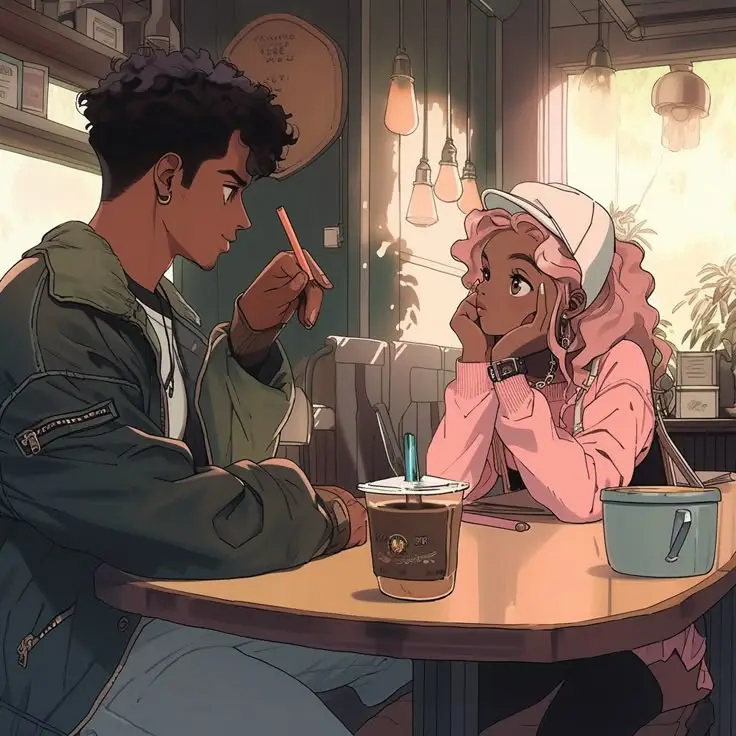
Slow burns give characters room to become interesting to each other. They argue, tease, confide, misunderstand, apologise, and occasionally say something far too revealing before pretending they meant something else entirely.
This works especially well because attraction becomes tied to personality rather than appearance alone. Someone becomes attractive because they are unexpectedly funny, because they remember something insignificant, or because they are kinder than they pretend to be.
It also gives the characters a reason to fall in love that exists beyond the fact that both of them happen to be ridiculously attractive.
There is something satisfying about watching two people discover each other in pieces. The audience gets to notice the relationship changing before the characters are emotionally prepared to admit it.
Because if they did, we would have a novella instead of a romance novel. Of course, the characters need believable reasons to stay silent.
A slow burn cannot survive entirely on two people refusing to use basic communication skills when one sensible conversation could solve every obstacle.
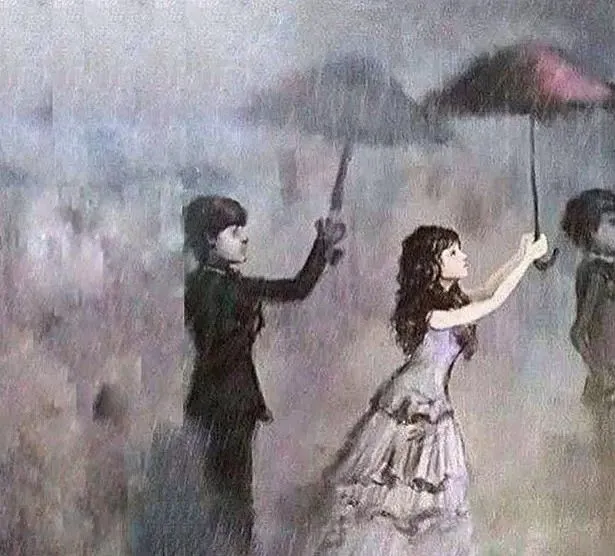
Fear of rejection also plays a part in the long wait. A previous betrayal can make intimacy frightening. Workplace boundaries can make acting on attraction risky. Family expectations, complicated circumstances, or an existing friendship can raise the cost of getting it wrong.
Or sometimes the problem is even simpler. A character may genuinely believe the other person could never feel the same way.
The trick is making the hesitation feel human rather than convenient. If the characters could resolve everything over a cup of tea, the romance starts testing patience rather than rewarding it.
There should be an Olympic category for “almost-ing”. The event would involve two people with palpable chemistry in close range, and doing absolutely nothing about it.
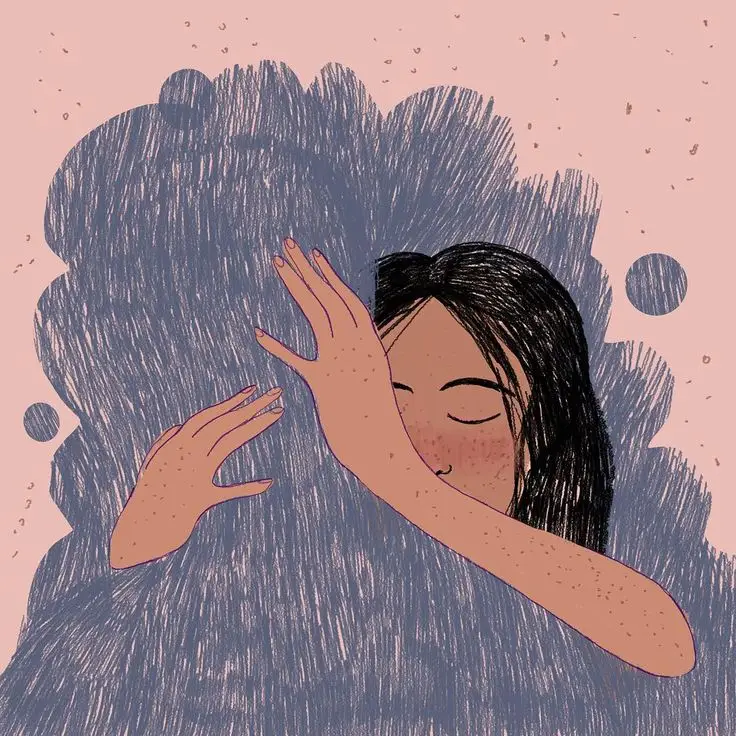
The “not quite there” works because it creates possibility without resolving it immediately. The characters leave the moment knowing that something has shifted, even though neither is prepared to discuss it.
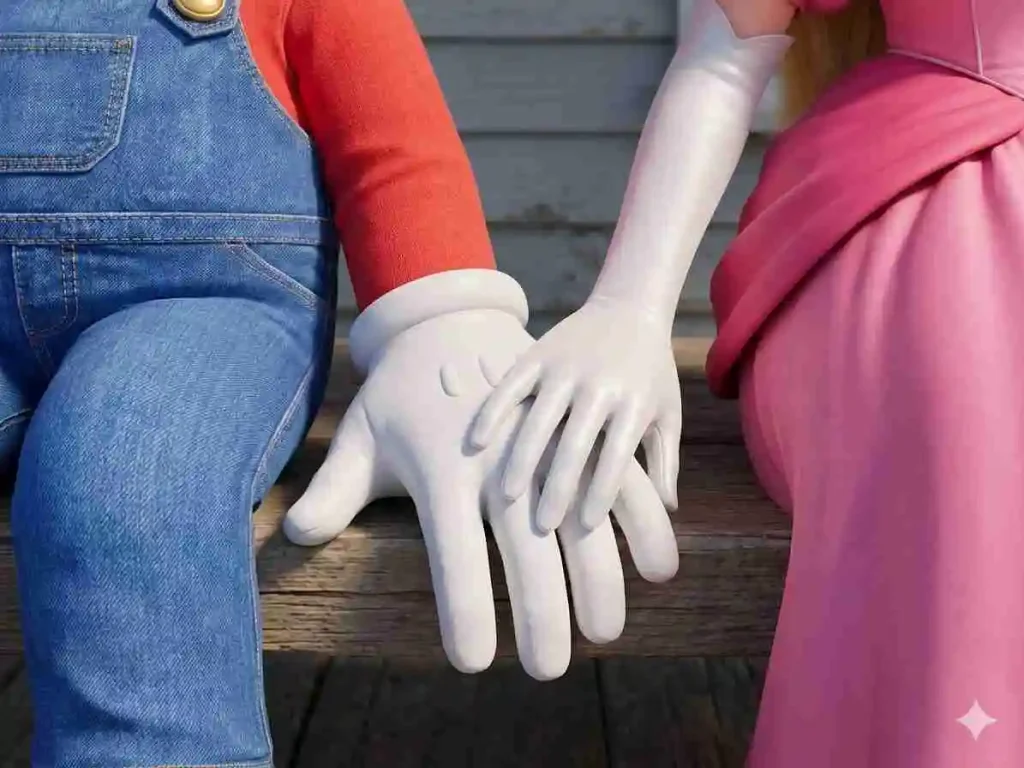
This restraint gives ordinary gestures unusual weight. A hand brushing or a hug can become significant when the two “love interests” carefully avoided physical contact.
The humour comes from the disproportionate reaction. In real life, somebody passing a book and accidentally touching another person’s fingers would rarely qualify as a major event. However, the slow burn equivalent is a government announcement.
Slow burns are particularly good at turning ordinary behaviour into evidence.

A character may insist that someone is “just a friend”, then notice immediately when that friend enters a room or what the person likes for breakfast.
At some point, denial starts looking less convincing than the attraction itself.
Nothing exposes buried feelings like watching someone else flirt with the person you supposedly don’t want.
The character does not necessarily admit jealousy. Instead, their jaw tightens, their mood changes, and suddenly the stranger who made the love interest laugh has become public enemy number one.
It is usually ridiculous. Jealousy forces the character to confront an uncomfortable possibility: perhaps this person matters far more than they have been willing to admit.
Put two people who are already attracted to each other in a cramped space and watch their carefully constructed denial collapse.
A stalled lift, a shared hotel room, a long journey, or being stranded somewhere remote removes the comfortable distance they normally rely on. They have to notice each other without the distractions of everyday life.
Even ordinary habits become intimate under those circumstances. Who wakes first, who steals the blanket, who gets the bathroom first, and who cannot sleep because the other person is breathing three feet away suddenly become matters of enormous importance.
Apparently, romance can be built on absolutely nothing and still make everyone involved lose their minds.
Few things expose affection faster than caring for someone who is sick or injured. The usual defences tend to disappear when one character is feverish, exhausted, frightened, or otherwise vulnerable.
The sarcastic rival becomes gentle. The emotionally distant friend becomes attentive. The person who insists they do not care suddenly makes tea and checks whether the other person has taken their medicine.
It is not a declaration, but it communicates something words might not. Care reveals investment. Investment reveals attachment. Eventually, attachment becomes very difficult to explain away as friendship.
The appeal of a slow burn is not simply that the characters take longer to get together. It is that the relationship has had time to accumulate meaning.
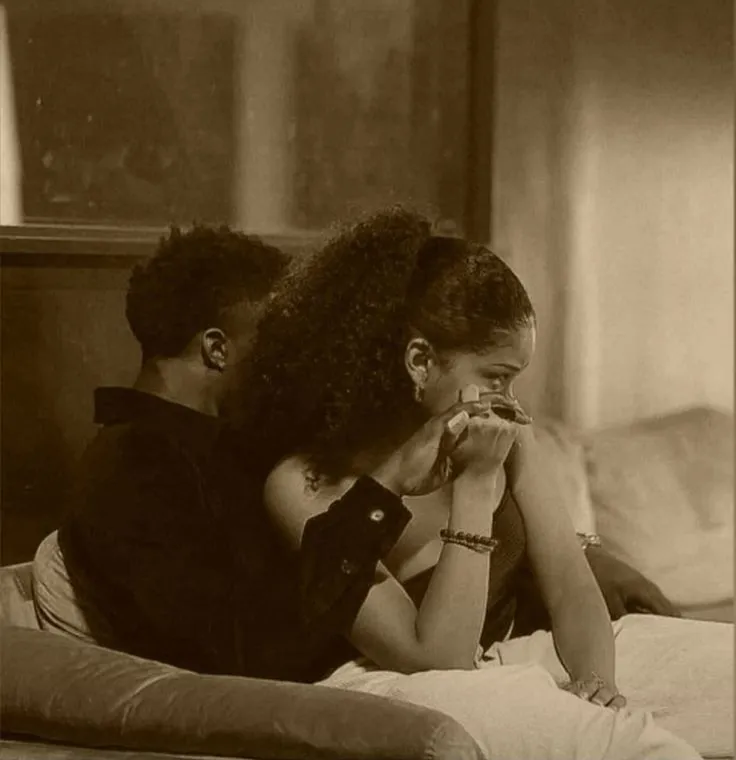
By the time acceptance sets in, it carries every conversation, argument, near-miss, act of kindness, and badly concealed feeling that came before it. It is the moment when both characters finally catch up with the relationship they have already been building.
That makes the payoff feel personal.
A fast romance can absolutely be satisfying, especially when the story is built for immediate chemistry. Slow burn offers a different pleasure. It lets affection gather weight until the smallest breakthrough can feel enormous.
A hand held for the first time can matter more than a grand declaration because the story has taught us exactly why that hand matters.
Unfortunately, there is a limit. “Trust the process” only works when there is an actual process.

A slow burn needs movement, even when the relationship itself is not moving forward. The characters should learn something, become closer, reveal something, misunderstand each other differently, or face a new obstacle.
If the story keeps producing the same “almost”, the same argument, and the same denial without changing the emotional situation, tension becomes repetition.
There is a difference between making the audience wait and making them watch the same scene wearing different clothes.
The strongest slow burns understand that restraint only works when something is quietly building underneath it. The characters may not be together yet, but they should not be exactly where they were 100 pages earlier.
The greatest argument for the slow burn romance novel is that love does not always arrive as a lightning strike. Sometimes it creeps in through friendship, familiarity, irritation, admiration, and the gradual realisation that one particular person has become unusually important.
That process can be messy. It can involve denial, terrible timing, unnecessary overthinking, and at least one character making a spectacularly poor decision. Frankly, that sounds more like being a person than most instant romances do.
The slow burn asks for patience, but it gives something back. It lets attraction develop into affection, affection into trust, and trust into an eventual romance that feels deserved.

15 Writing-Adjacent Careers for Writers Looking for a Career Change
Authors Spotlight: Khaled Hosseini
The Sound Souls Make When They Die by Chinemefun Chimuanya
If Nollywood Cast Our Favourite African Books: Who Would Play Who?
Best Films About Unexpected Age Gap Romance
Literary Awards and the Racism Card: A Wake-Up Call for Black Africa
Interview with the Vampire Relationships, Ranked
10 Top Recent Films for Action and Comedy Fans
Comma Rules Every Writer Should Know
10 Most Hype-worthy 2026 Book Releases (African Literature Version)
Five Gambling Films That Know the Bet Is Only Half the Story
Movies Where Poker Reveals Who a Character Really Is
July 20, 2025 .
Animation, Lists
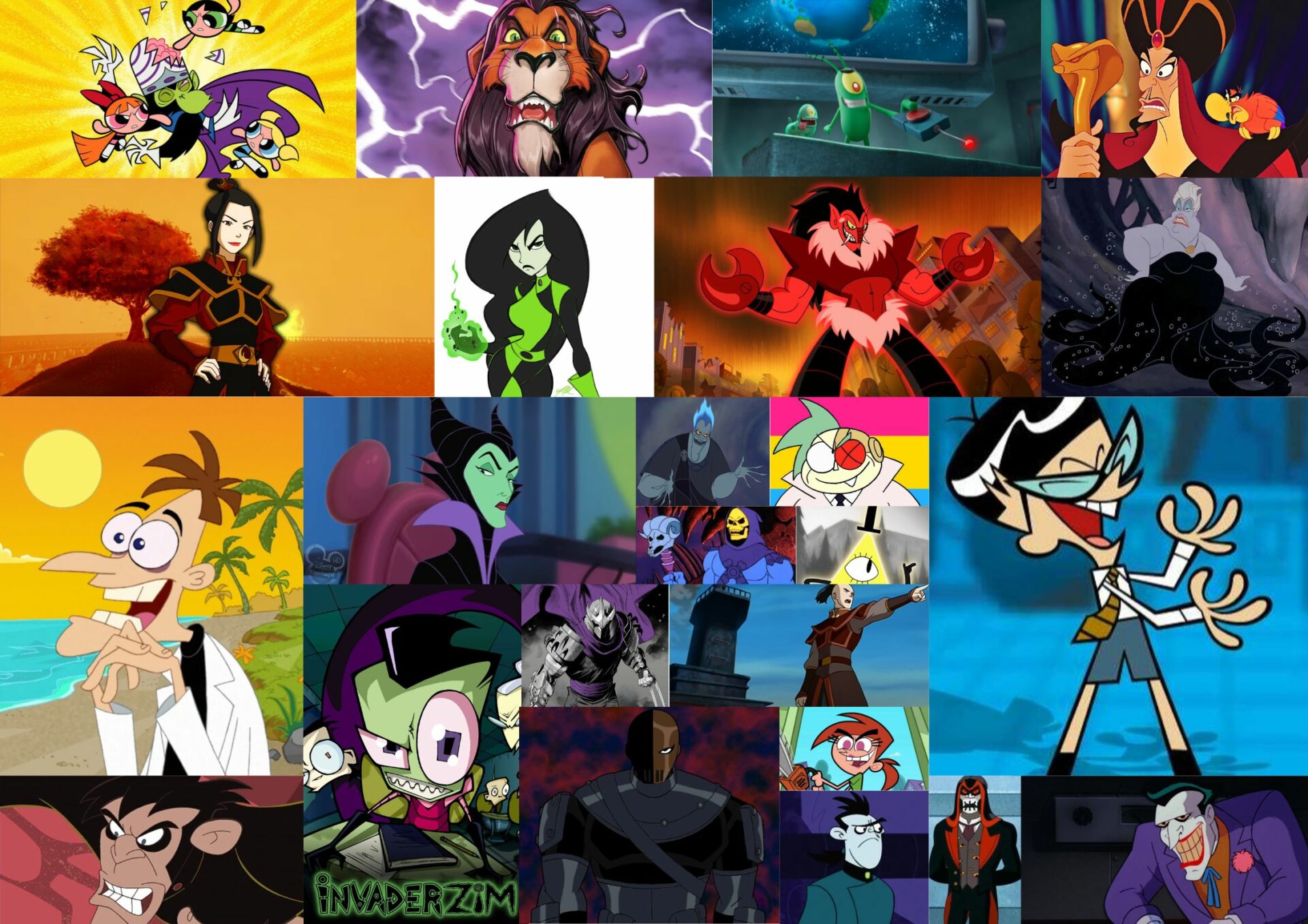
Our list rounds up the top 30 cartoon characters that were villains, each one more wonderfully wicked than the last.
READ MORE

November 27, 2025 .
Lists, Mythology
While this isn’t an exhaustive list, it comprises some of the most popular mythical creatures from around the world.
READ MORE
April 29, 2026 .
Lists, Opinions
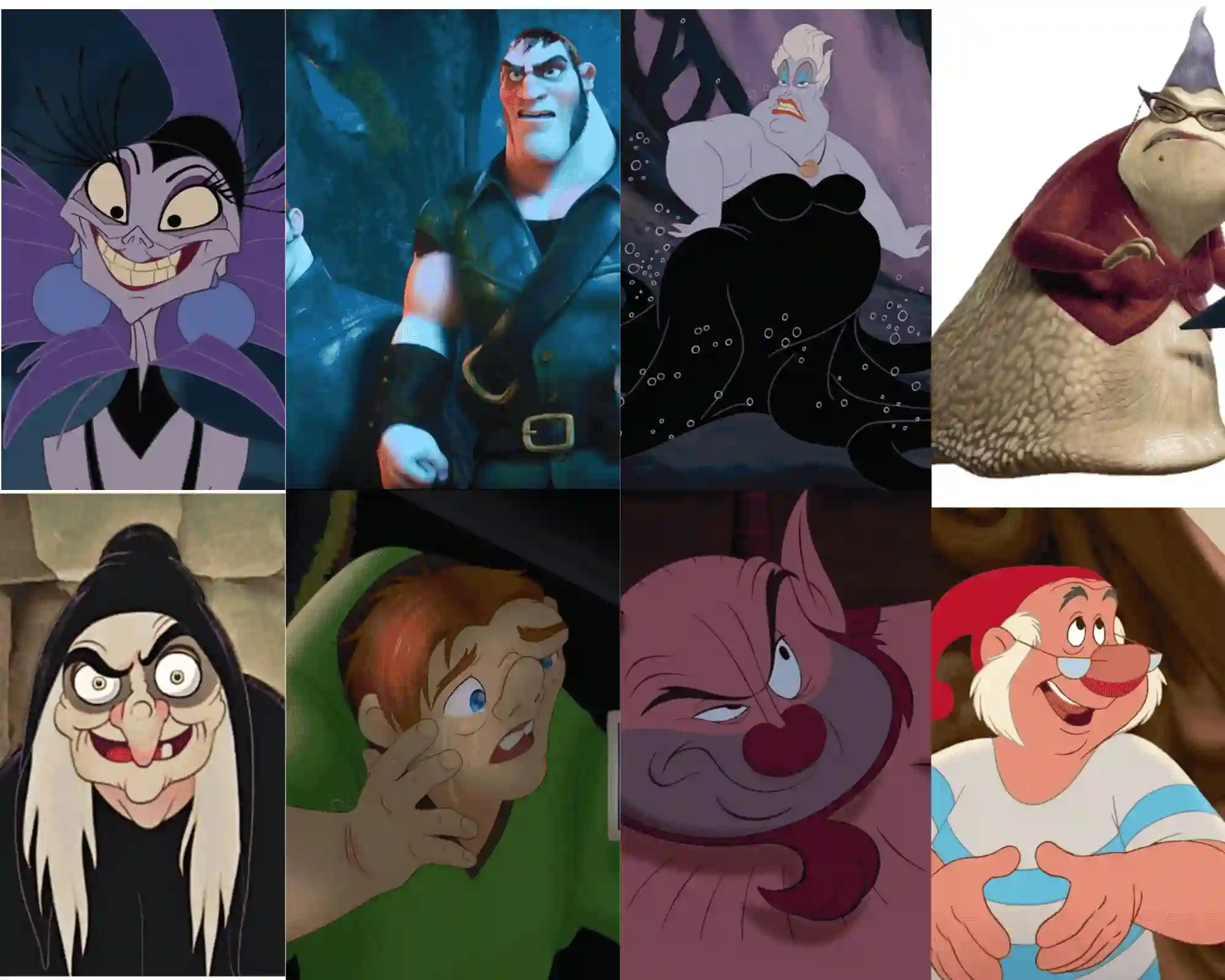
The Mouse is famous for its princesses and princes. However, the studio’s true genius lies in its embrace of “ugly Disney characters”.
READ MORE
October 28, 2025 .
Lists, Marvel, MCU, Opinions
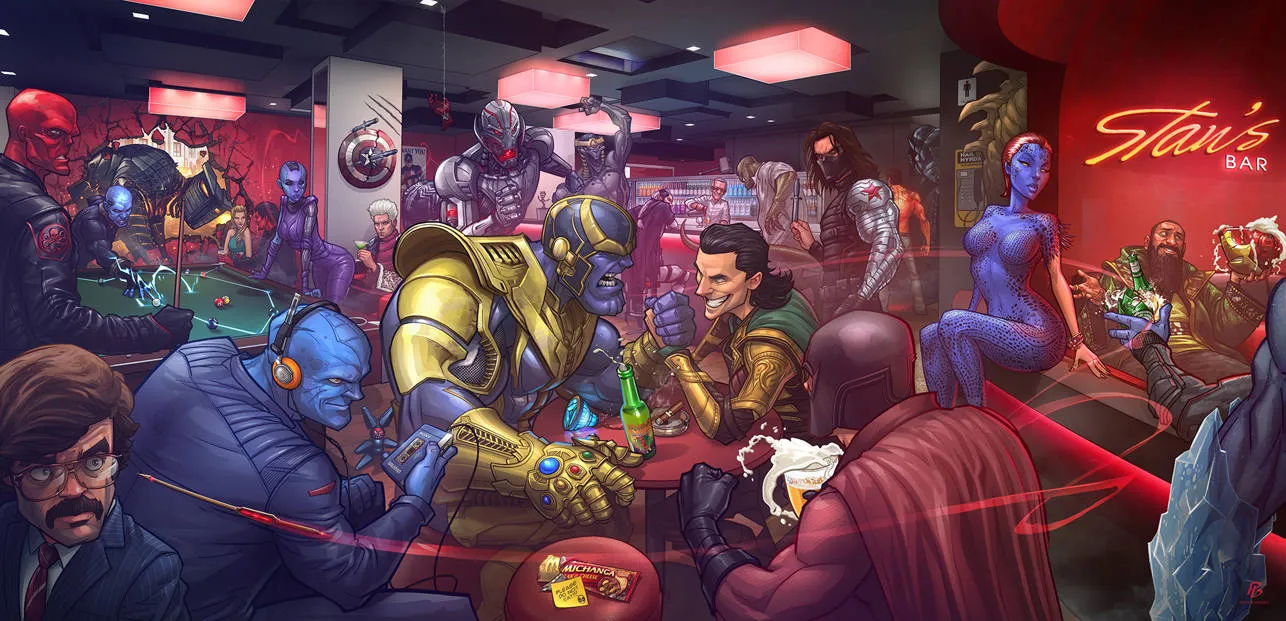
Let’s go through a list of the top 7 strongest Marvel villains, from the wickedly powerful to the absolutely unstoppable.
READ MORE
February 26, 2026 .
Cartoons, Lists
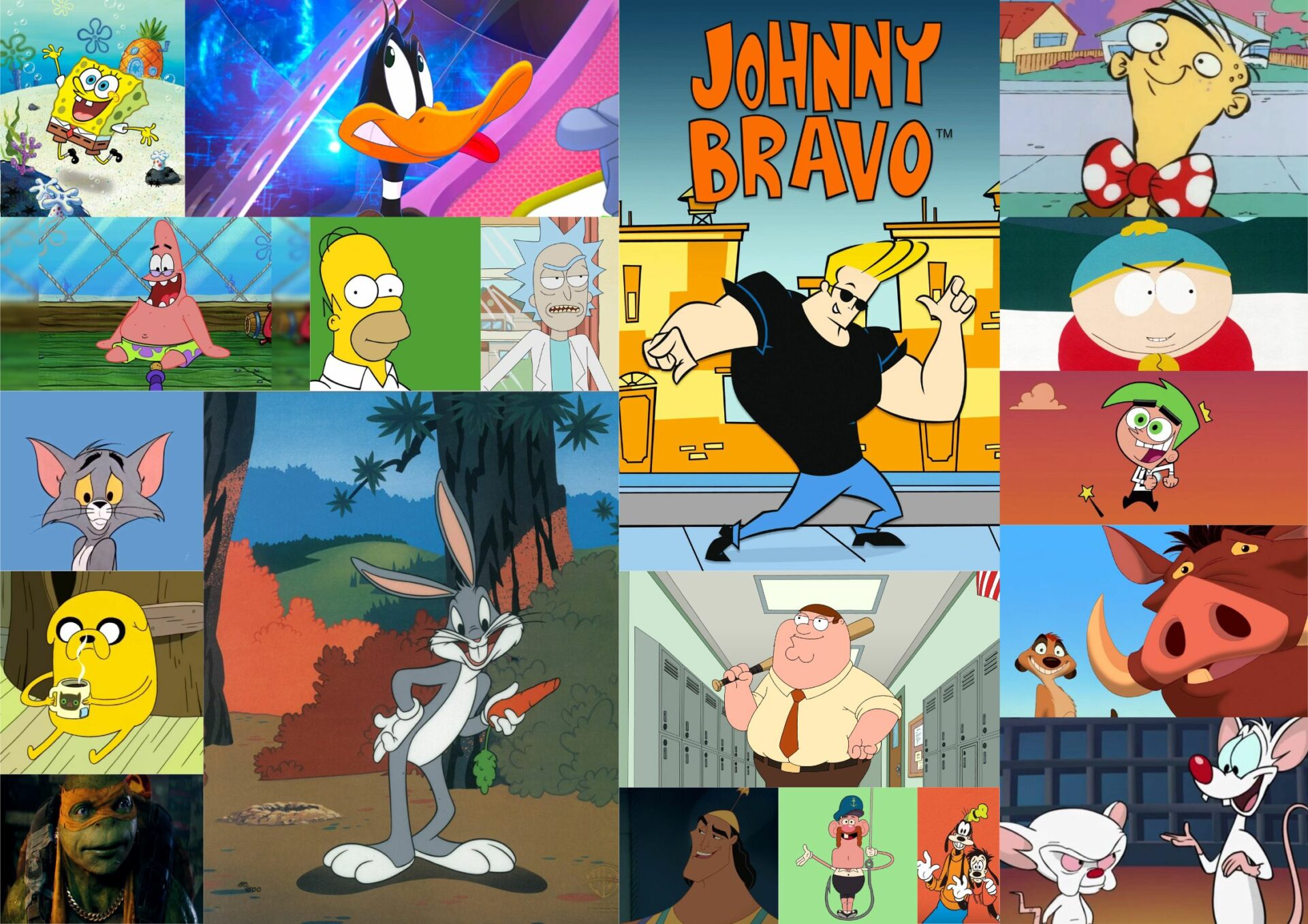
There are some outright funny cartoon characters who exist solely to crack you up, loud, hard, and with zero apology.
READ MORE

July 20, 2025 .
Opinions
Book recommendations from random places don’t always cut it, and you often end up feeling unsatisfied with them.
READ MORE

July 20, 2025 .
Essays, Opinions
READ MORE

July 20, 2025 .
Essays, Opinions
READ MORE

September 11, 2026 .
Opinions
Book reviews aren’t just a jumble of words on how a book made you feel but also a veritable document that you can quickly refer to when your memories temporarily fail you.
READ MORE

July 20, 2025 .
Opinions
Reading hundreds of pages for a single book can be like facing Smaug, Chiefest of Calamities, but a short story is a small dragon that you can easily conquer.
READ MORE

July 20, 2025 .
Debates, Opinions
Reading nonfiction about what interests you can provide more color and context that might make your fiction reading experience more enjoyable.
READ MORE

September 12, 2025 .
Opinions
In a fast-paced world, reading asks us to slow down, surrender, and sit with another person’s words long enough for them to settle inside us.
READ MORE

November 24, 2025 .
Debates, Opinions
Reading is active while watching movies is passive. The act of turning pages creates a pause that enhances understanding.
READ MORE
July 26, 2025 .
Fantasy, Opinions
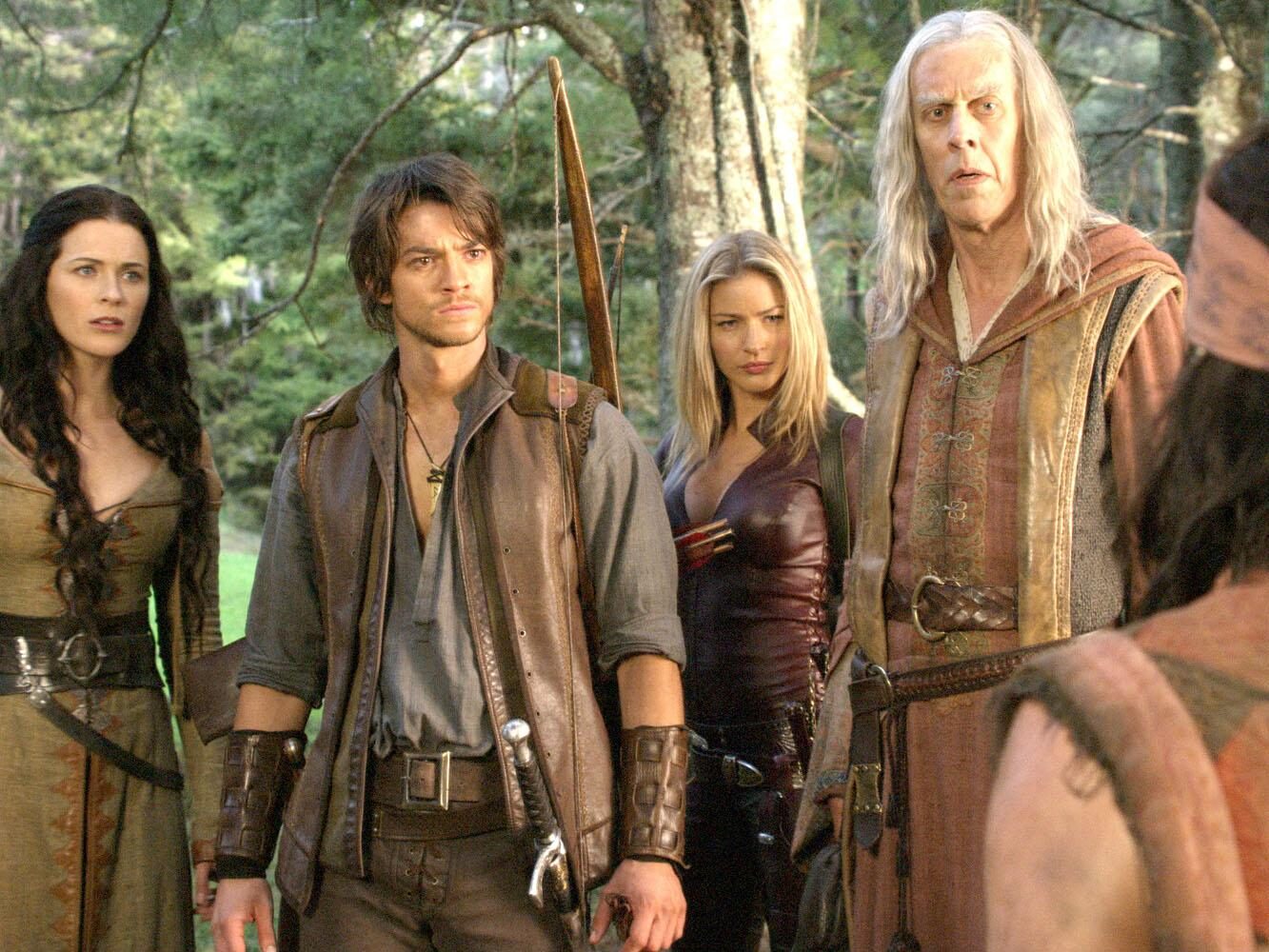
It’s cliche. But it’s rapid. It’s predictable. But it’s enjoyable. For lovers of the classic tropes, Legend of the Seeker is a worthy watch.
READ MORE

Get our magazine for free!