
Menu

































On the continent stories were carried by voices long before ink came onto paper. In west Africa, griots recorded the entire family history in their memory and transmitted genealogies, proverb and warnings orally from generation to generation in a rhythmic and musical way. Stories were narrated after dinner around a fire at funerals and festivals. […]
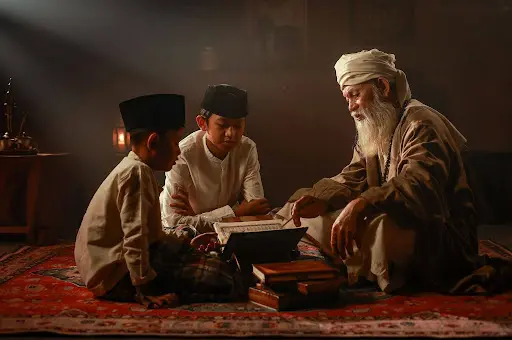
On the continent stories were carried by voices long before ink came onto paper. In west Africa, griots recorded the entire family history in their memory and transmitted genealogies, proverb and warnings orally from generation to generation in a rhythmic and musical way. Stories were narrated after dinner around a fire at funerals and festivals. They didn’t merely provide entertainment. They were how communities lived in their memory.
There was no definitive way to make that tradition happen. A good griot could elongate a story to any length or shorten it to a rapid-fire point if the situation at hand or the weather called for it. That flexibility is important here in fact, as something like this is quietly making a comeback using modern technology — only in a different form.
Books were imported into African cities during the colonial era through printing presses, but delivery remained slow, expensive and inequitable for decades. Rather, bookstores were concentrated in capitals. It was not uncommon for them to have to travel a day’s journey to find a library, if they could find any, and certainly not a bookshop in their rural neighborhoods.
It may take months to publish a novel if the author could even find a publisher willing to accept the manuscript. Paper and printing expenses began to accumulate quickly and many great writers just left before their work hit the shelves. The Nigerian publishing industry association reported that the industry still brings in about $1 billion a year to the Nigerian economy, and the scale of the industry was yet another testament of the amount of friction that was still embedded in the pre-existing system.
Then came mobile phones and the world changed. According to the GSMA, the contribution of mobile services to the African economy in 2025 is estimated to be approximately $240 billion, representing 7.8% of total GDP. However, according to the same information, the number of Africans who continue to access mobile internet regularly, that is, almost a billion people, represents more than 63% of the population.
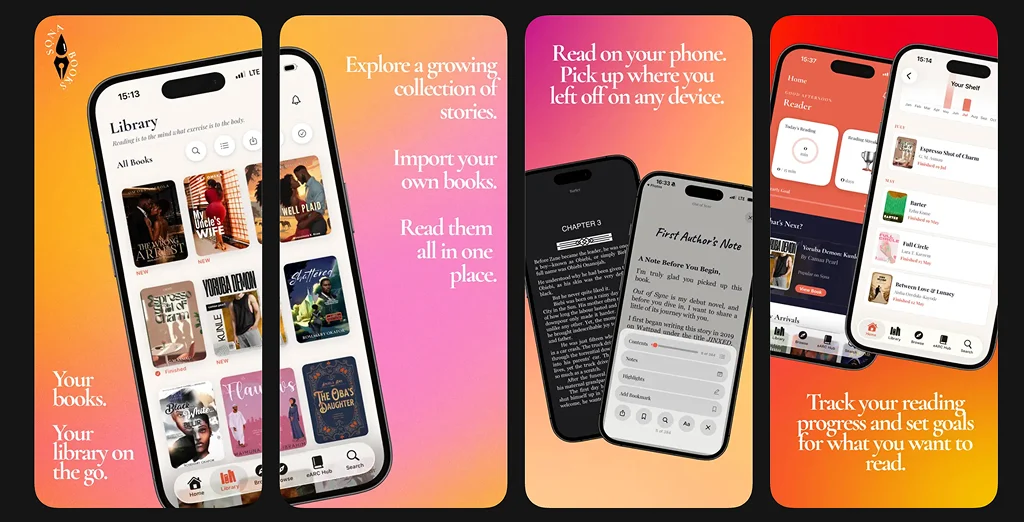
That gap is worth addressing. Digital reading hasn’t reached everyone—not yet. But where connectivity has landed, reading apps have landed hard, especially among young people. This isn’t surprising, as you can open a novel-reading website like FictionMe and access a virtually unlimited number of books. It’s highly likely that the digital world will continue to attract young people, and digital reading is part of it.
Audiobooks are no longer an imported novelty here. Platforms such as Kenya’s eKitabu and Ghana’s AkooBooks Audio have built catalogs specifically for African listeners, often pricing subscriptions closer to local incomes than to international rates. Some industry estimates put the continent’s audiobook market on track for annual growth above 20% through the rest of the decade, a pace that outstrips most other media categories.
AI-generated narration is a big part of why this is possible now. Voices can be produced in Yoruba, Swahili, Zulu, and Twi at a fraction of traditional studio costs, letting smaller publishers release audio editions they could never have justified financially five years ago. A folk tale once told by a grandmother in one village can now be heard by a listener two countries away, on a bus, through a single earbud.
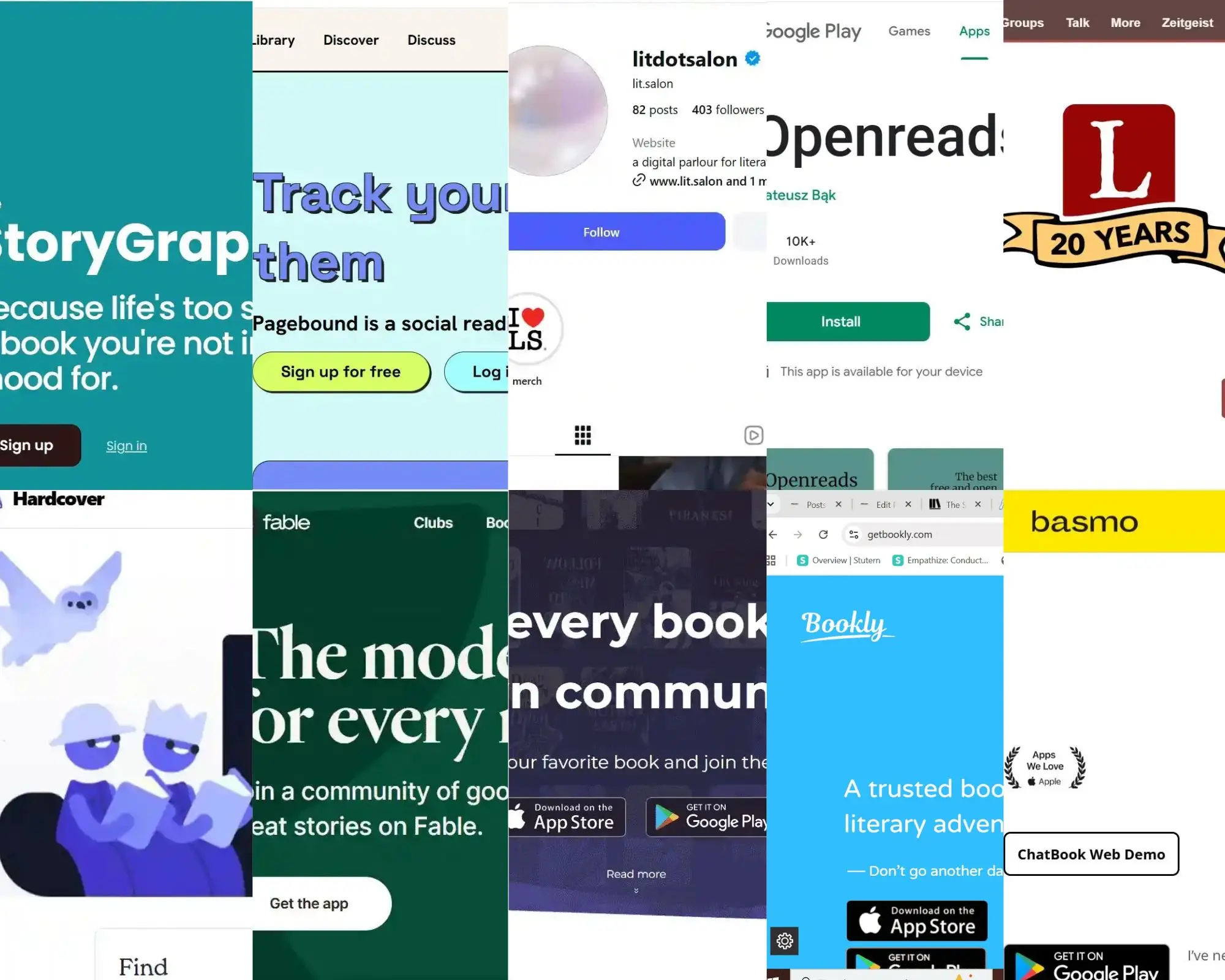
Reading has become social again, just through a different channel. Book tracking websites such as Fiction Me for iOS let readers log what they’ve finished, rate it, and see what friends are picking up next. African readers are joining these communities in growing numbers, and many are organizing their own local reading challenges directly on these platforms.
Audiobooks are no longer a foreign import to this place. Some platforms like eKitabu in Kenya and AkooBooks Audio in Ghana have developed catalogues aimed at the African listeners, with subscription fees that are more in line with African income levels than international rates. Audiobook sales have been projected by some industry sources to grow at rates much faster than 20% for the rest of the decade in Africa.
None of this erases the real obstacles. Data is still costly relative to income across much of the region, and many rural areas lack reliable network coverage altogether. Subscription pricing designed for European or North American wallets frequently doesn’t translate; a monthly fee that feels minor in one market can be genuinely out of reach in another.
Language is the other sticking point. Most digital catalogs still lean heavily on English, French, or Portuguese, leaving hundreds of local languages underserved. Publishers investing in Hausa, Amharic, or Wolof titles remain the exception rather than the rule — for now, at least.
Despite this, there is no mistaking where the journey will go. Storytelling is a practice that has always evolved with the medium, whether it be oral, written, film, or headphones, and for the continent, it has always maintained its unique elements. The role of the griot has not been taken over by technology. It has basically given the griot a larger platform and a longer reach.
It started as fireside oral history, but now it’s in the phone speaker as a crowd of people scream their way through Lagos or a quiet commute in Nairobi. The medium is continually renewed generation by generation. The urge to tell a story and the urge to hear a story doesn’t.

The Tyrant Overlord. Fantasy buff and avid football fan.
15 Writing-Adjacent Careers for Writers Looking for a Career Change
Authors Spotlight: Khaled Hosseini
The Sound Souls Make When They Die by Chinemefun Chimuanya
If Nollywood Cast Our Favourite African Books: Who Would Play Who?
Best Films About Unexpected Age Gap Romance
Literary Awards and the Racism Card: A Wake-Up Call for Black Africa
Interview with the Vampire Relationships, Ranked
10 Top Recent Films for Action and Comedy Fans
Comma Rules Every Writer Should Know
10 Most Hype-worthy 2026 Book Releases (African Literature Version)
Five Gambling Films That Know the Bet Is Only Half the Story
Movies Where Poker Reveals Who a Character Really Is
July 20, 2025 .
Animation, Lists
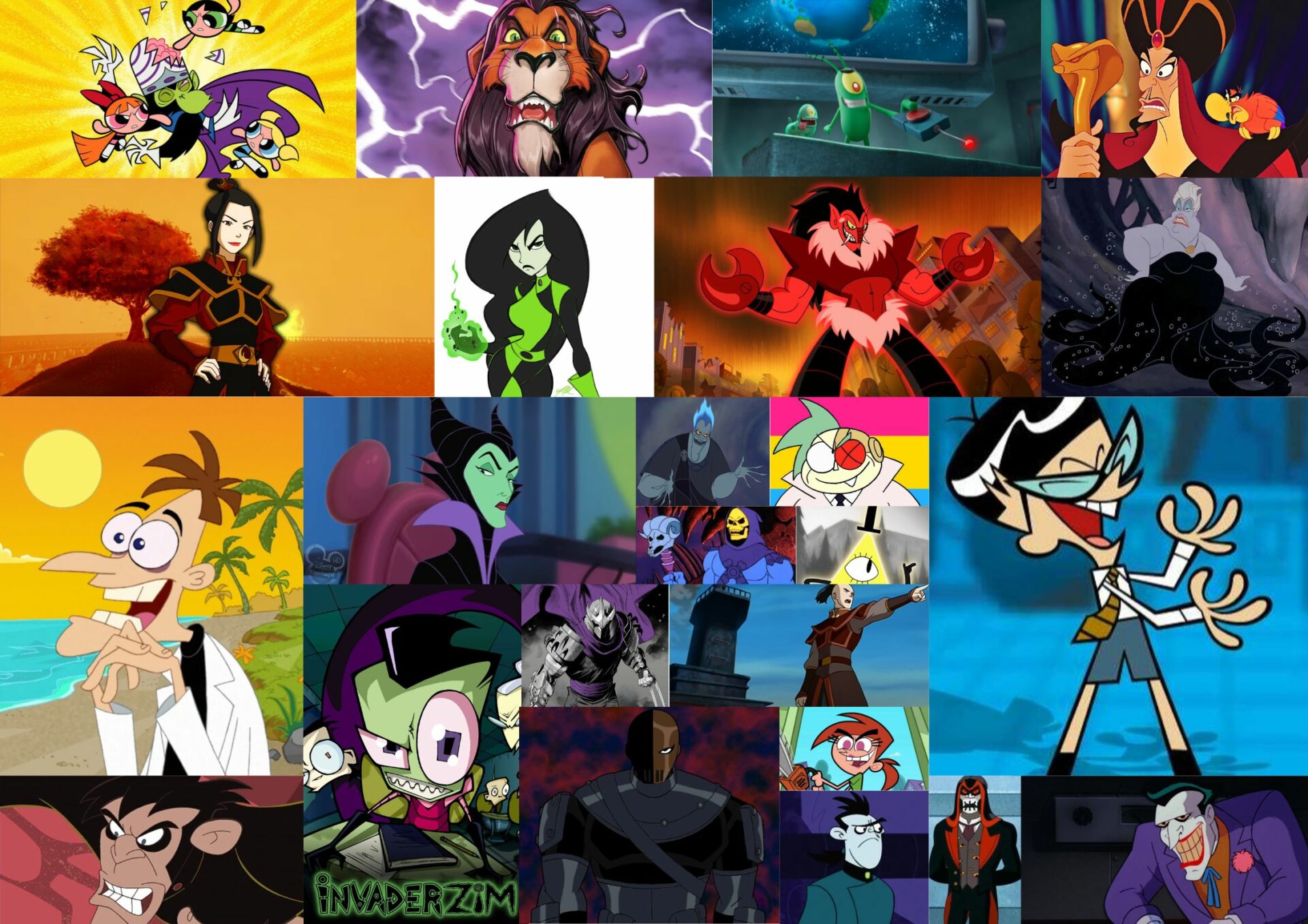
Our list rounds up the top 30 cartoon characters that were villains, each one more wonderfully wicked than the last.
READ MORE
November 27, 2025 .
Lists, Mythology
While this isn’t an exhaustive list, it comprises some of the most popular mythical creatures from around the world.
READ MORE
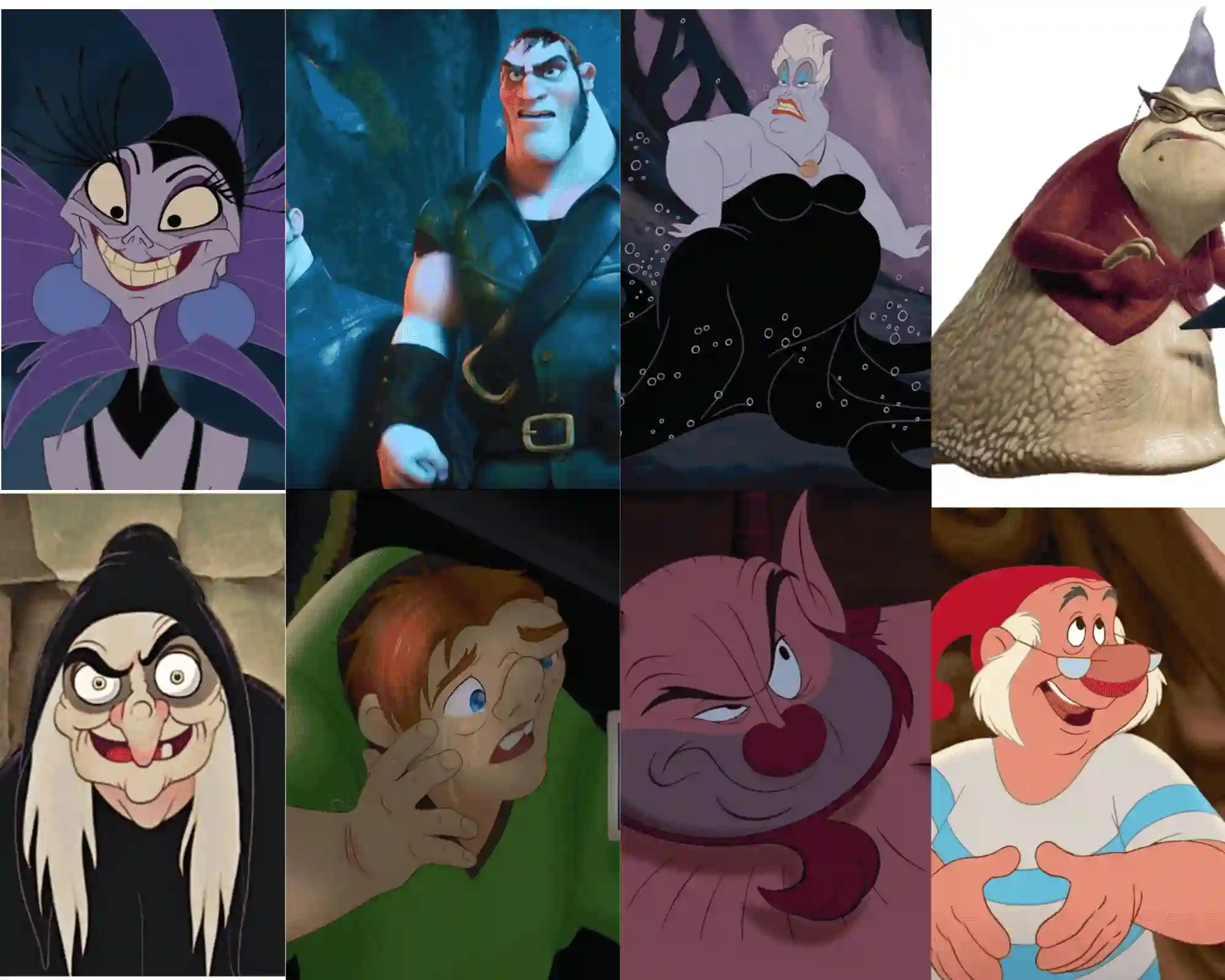
April 29, 2026 .
Lists, Opinions
The Mouse is famous for its princesses and princes. However, the studio’s true genius lies in its embrace of “ugly Disney characters”.
READ MORE
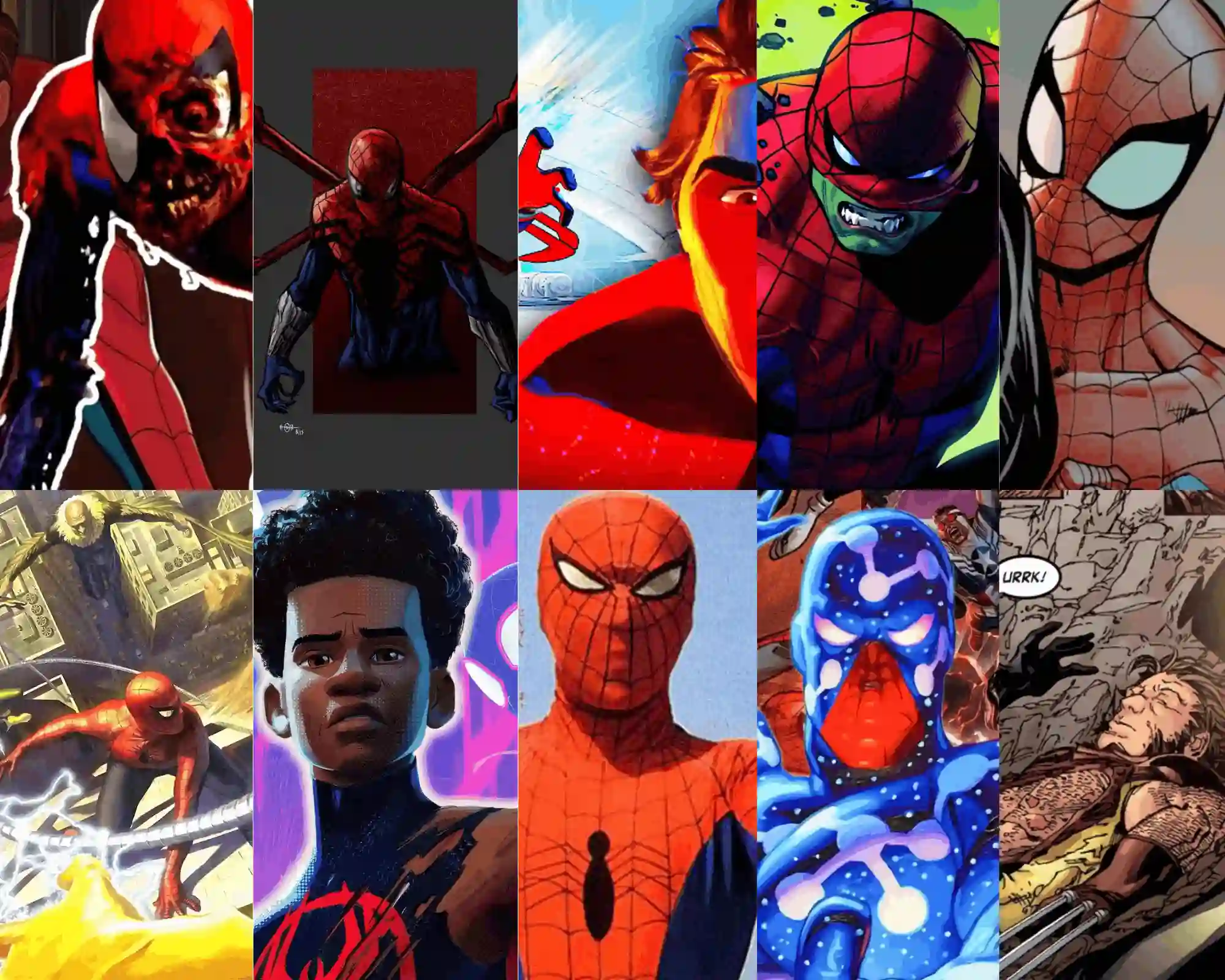
May 6, 2026 .
Lists, MCU
Spider-Man is one of the many superheroes from the Marvel Universe whose stories shaped many childhoods. Who is your strongest Spiderman?
READ MORE
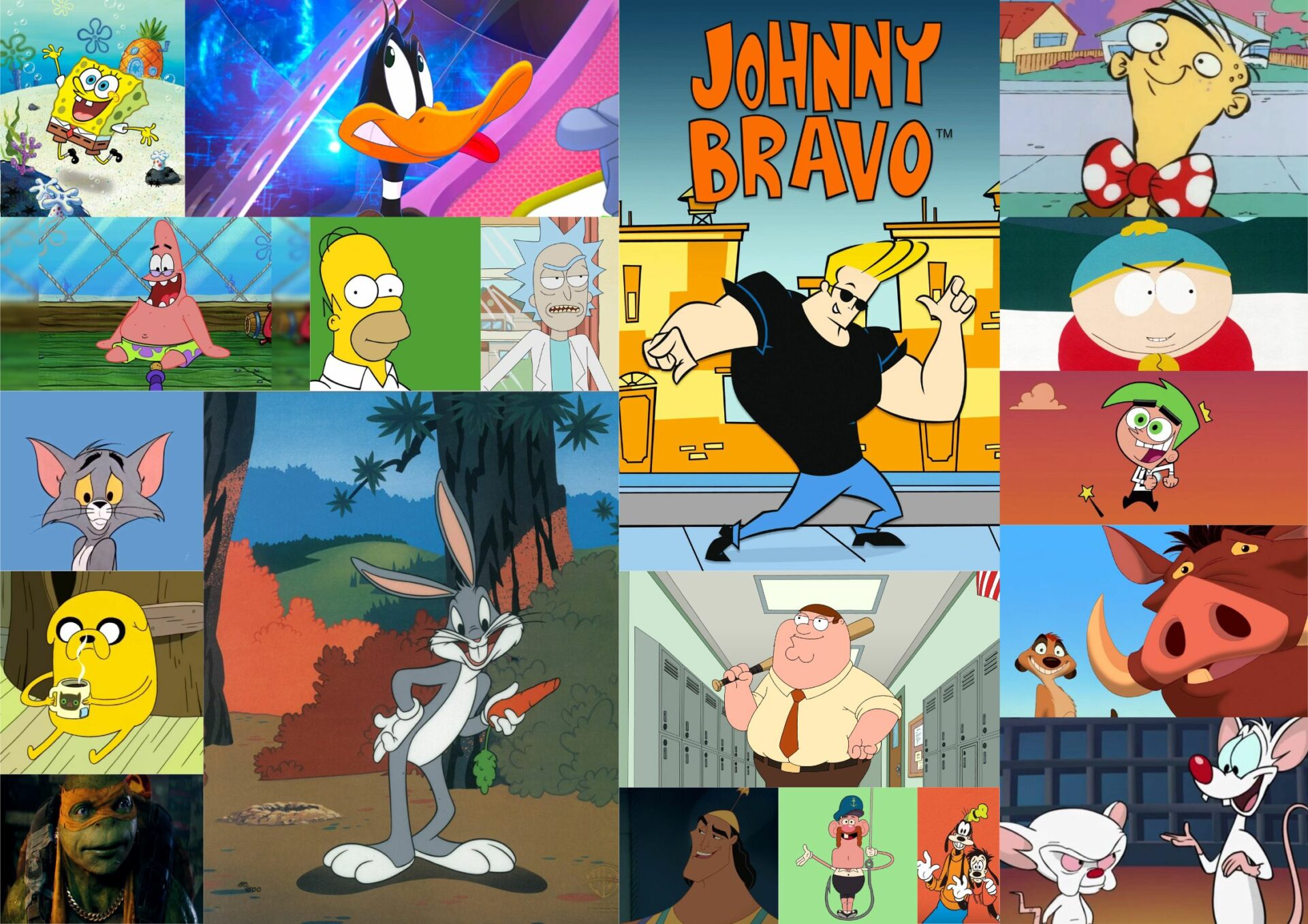
February 26, 2026 .
Cartoons, Lists
There are some outright funny cartoon characters who exist solely to crack you up, loud, hard, and with zero apology.
READ MORE
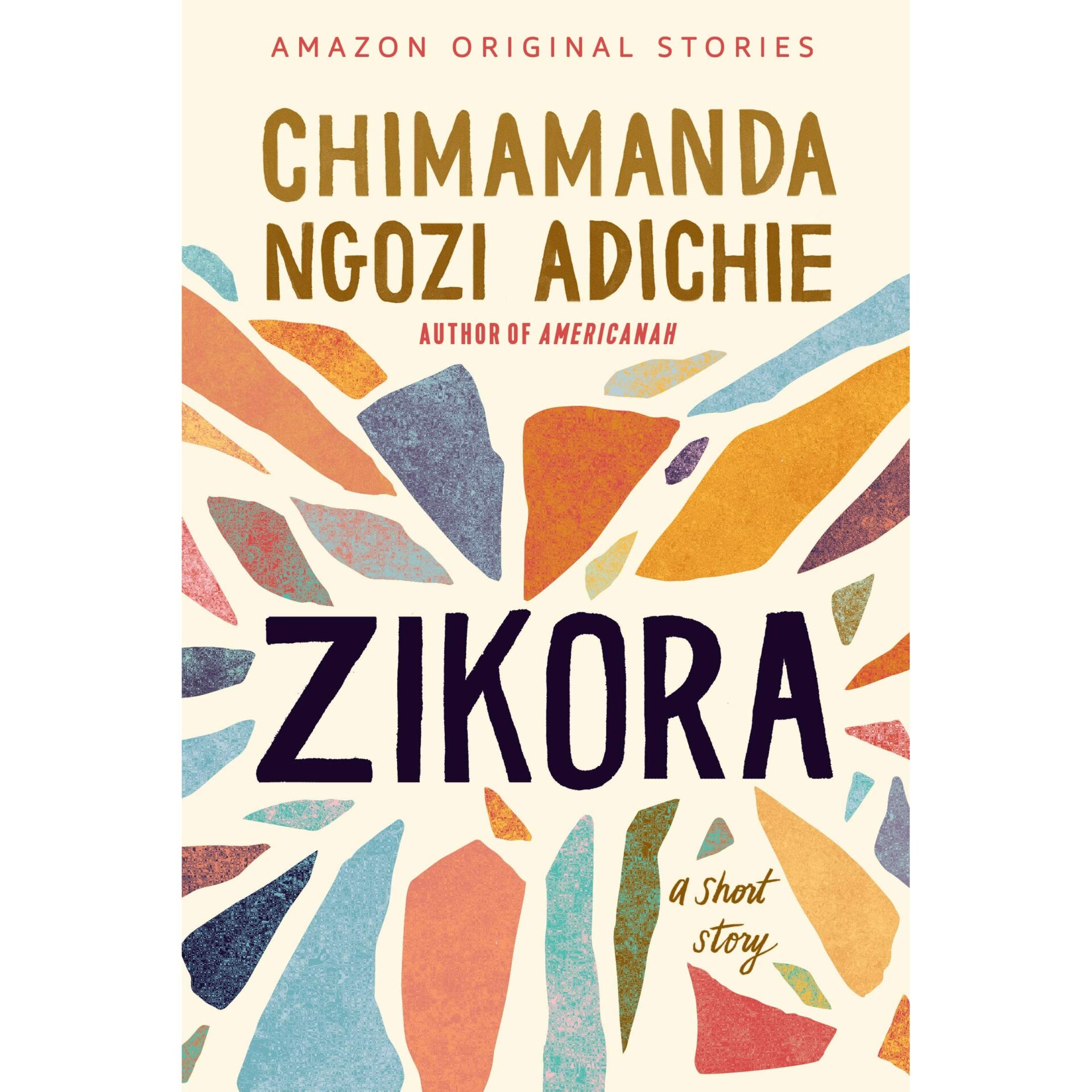
October 12, 2021 .
African Literature, chimamanda, cna, zikora
Hopefully, the reading of a book as this will enlighten men and generally educate people in the making of the right choices regarding amatory unions.
READ MORE

July 20, 2025 .
Opinions
Book recommendations from random places don’t always cut it, and you often end up feeling unsatisfied with them.
READ MORE
September 2, 2025 .
African Literature
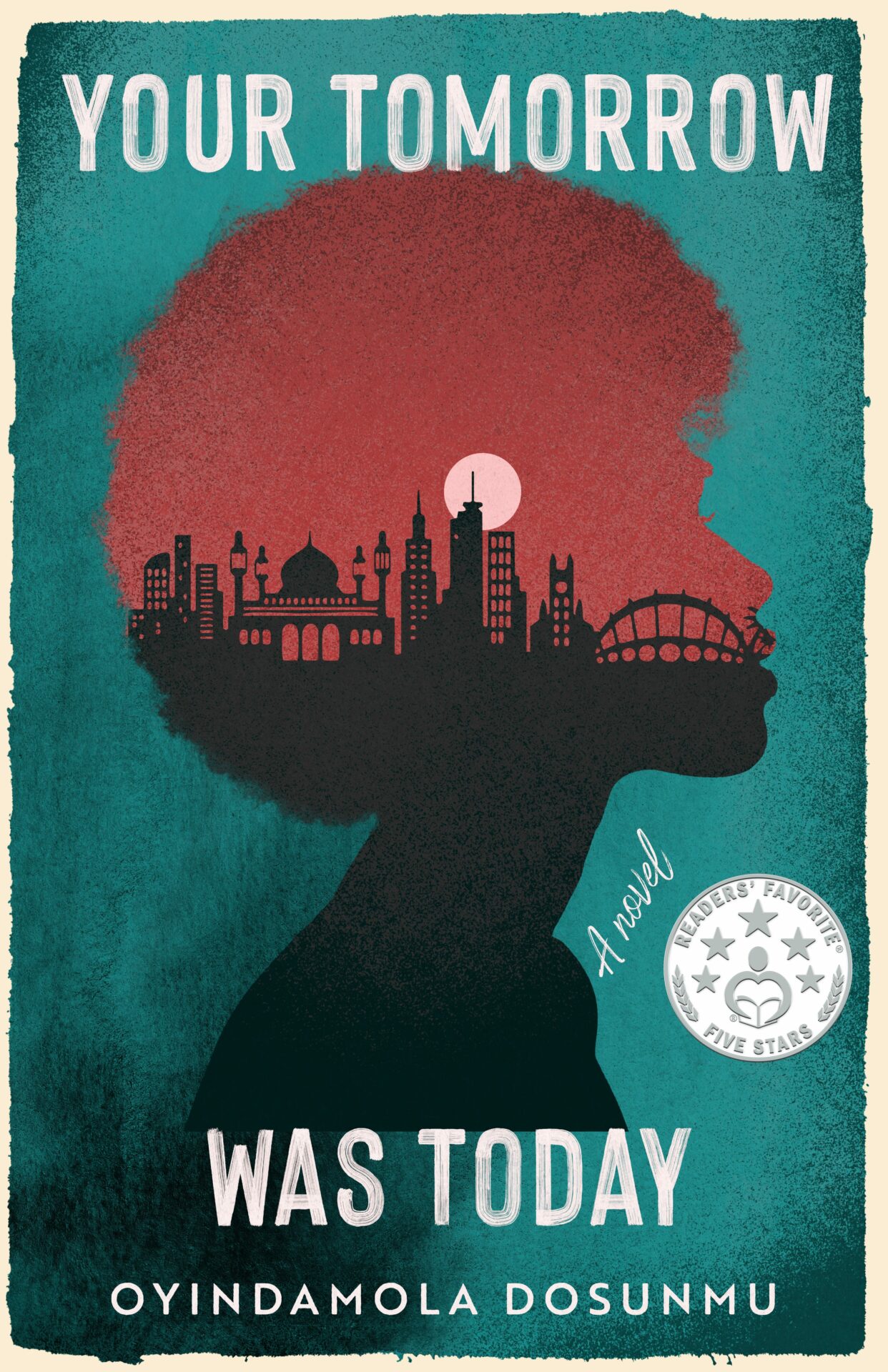
So yes, Your Tomorrow Was Today is guaranteed to be a book that will touch you, regardless of gender, interests or philosophy.
READ MORE

October 24, 2021 .
Netflix, Psychopaths, Serial Killer, Thriller, You S3
READ MORE

November 2, 2025 .
Netflix, Psychopath, Serial Killer, You S1, You S2
Oh, and Joe is also a stalker and serial killer who believes he’s helping his ‘love interests’ by killing people he thinks are a threat or bad influence to them
READ MORE
July 18, 2022 .
akwaekeemezi, youmadeafoolofdeathwithyourbeauty
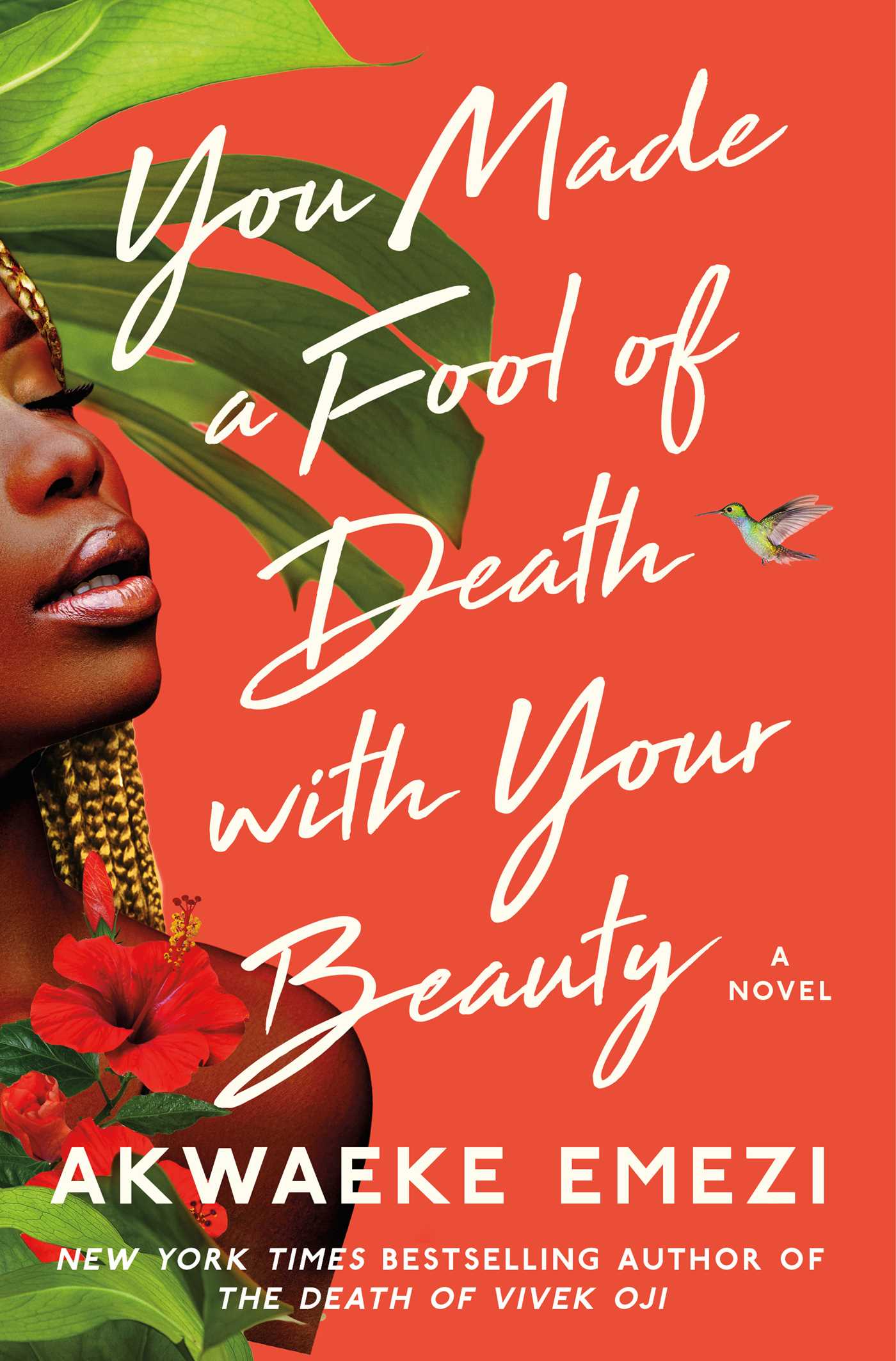
I have reread it for the 100th time since its release, and I still do not feel full… I very much recommend this book with all the gods in my village backing me!
READ MORE
February 19, 2022 .
African Literature, Book Reviews, British Nigerian, lizziedamilolablackburn, Nigerian, Self growth, yinkawhereisyourhuzband
READ MORE

July 24, 2023 .
contemporary
The story exposed some of the tricks and techniques of the publishing world and how small and sometimes brutal the industry can be.
READ MORE

July 20, 2025 .
Writer Resources
Discover the differences in First-Person Point of View and Third-Person POV, and how each impacts character connection and narrative style.
READ MORE
Get our magazine for free!