
Menu















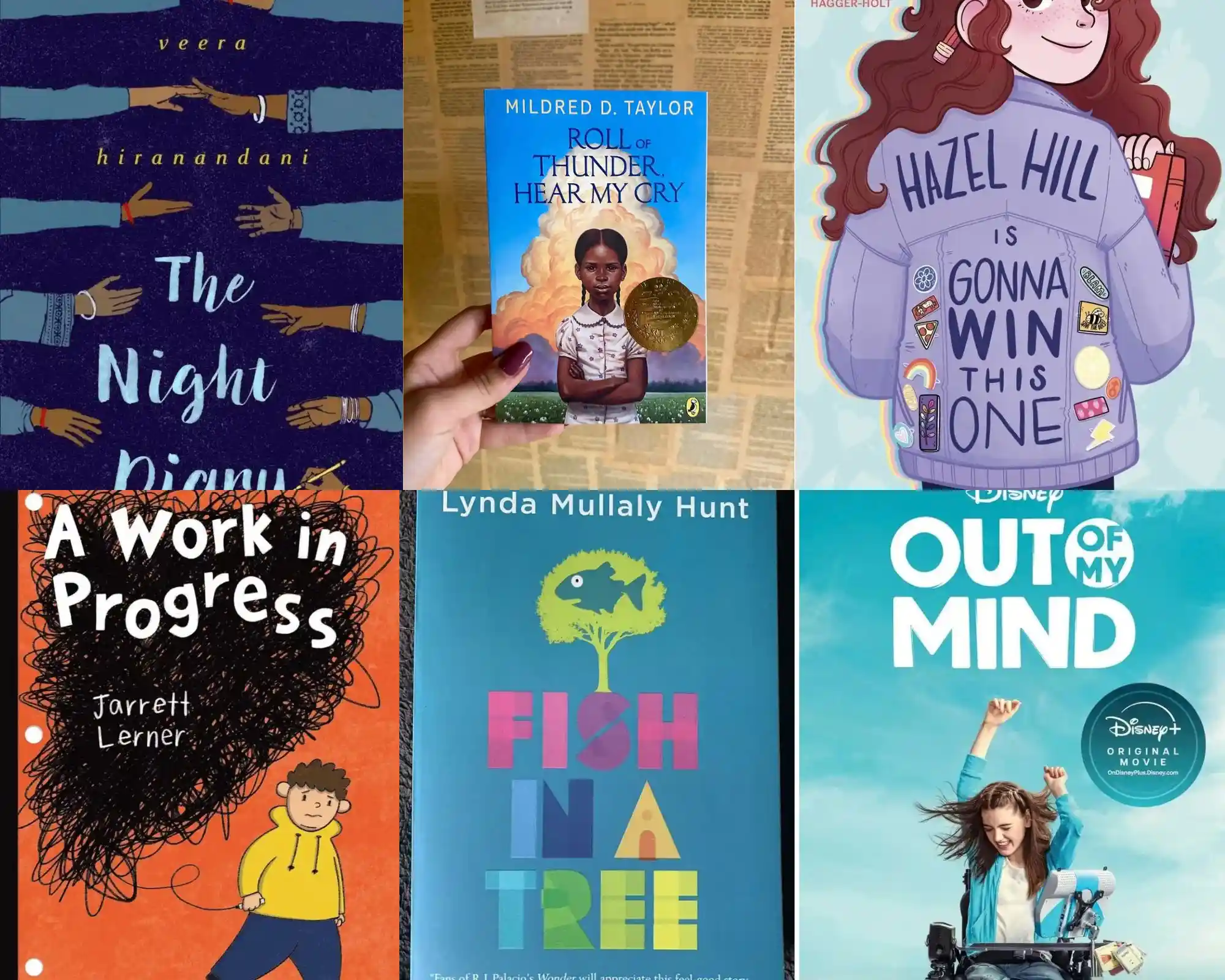


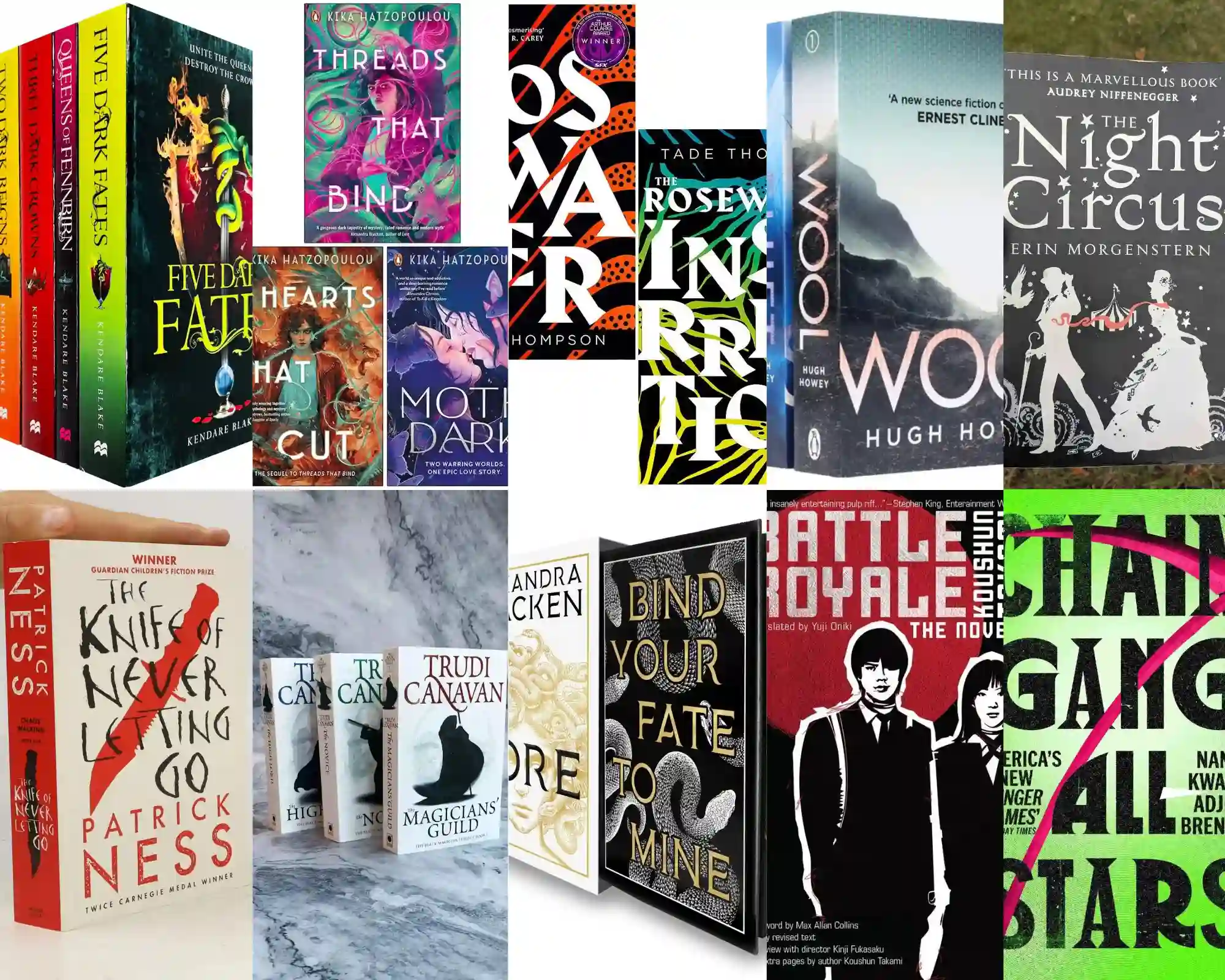






























College life involves much more than attending lectures and completing assignments. Success often depends on how well you can understand complex ideas, process information, communicate your thoughts, and make informed decisions. One of the simplest ways to strengthen these abilities is also one of the most effective: reading. Whether you are working through academic textbooks, […]
College life involves much more than attending lectures and completing assignments. Success often depends on how well you can understand complex ideas, process information, communicate your thoughts, and make informed decisions. One of the simplest ways to strengthen these abilities is also one of the most effective: reading.
Whether you are working through academic textbooks, research papers, novels, news articles, or professional publications, regular reading can have a meaningful impact on your academic performance and personal development. It improves concentration, expands vocabulary, strengthens critical thinking, and helps you become a more confident communicator.
But why is reading important for student success? Let’s explore the main benefits and how you can make reading a practical part of your college routine.
Most college courses require you to work with large amounts of written information. Textbooks, journal articles, lecture materials, case studies, and research papers all require strong reading skills. Simply completing the assigned pages is not enough—you need to understand and remember the key concepts.
Regular reading helps your brain become more comfortable processing complex information. Over time, you can identify important arguments faster, recognize supporting evidence, and distinguish between major ideas and minor details.
This can make studying more efficient. Instead of reading the same material several times because you struggled to understand it initially, you may be able to grasp the central concepts more quickly.
Strong reading skills can also make exam preparation easier. When you understand your course materials properly from the beginning, reviewing them before a test becomes much less overwhelming.
College can be stressful, especially when multiple deadlines, exams, presentations, and responsibilities arrive at the same time. Reading can provide a simple way to slow down and take a mental break. Spending a few minutes with an interesting book, magazine, or short story can shift your attention away from academic pressure and give your mind time to recharge. It can also become part of a relaxing evening routine that helps you disconnect from coursework before going to sleep.
However, reading alone may not always be enough when academic stress comes from an overwhelming workload. If several writing assignments are due at once, trying to manage everything independently can quickly become exhausting. Some college students may consider using EduBirdie, an online writing service, for additional support with demanding writing tasks. Getting assistance can help reduce the pressure associated with a particularly busy week and give you more time to focus on studying, resting, or other responsibilities. The goal is not to avoid learning but to manage your workload more effectively.
College education is not only about memorizing facts. You are often expected to question information, compare different perspectives, identify weaknesses in an argument, and develop your own conclusions.
Reading regularly gives you opportunities to practice these skills.
For example, when reading an academic article, you can ask yourself: What is the author’s main argument? What evidence supports it? Are there alternative explanations? Is the evidence convincing? What assumptions does the author make?
These questions turn reading into an active learning process rather than a passive activity.
The more frequently you analyze different types of texts, the easier it becomes to evaluate information in class, during research, and in everyday life. This is especially valuable in an environment where people encounter enormous amounts of information online and through social media.
A strong vocabulary can make a significant difference in college. You may need to participate in discussions, write essays, prepare presentations, and communicate with professors or classmates.
Reading exposes you to new words in context. Instead of memorizing vocabulary lists, you can see how particular words are used in real sentences and different situations.
Over time, this can improve both written and verbal communication. You may find it easier to explain complicated ideas clearly, choose more precise words, and organize your thoughts.
Reading different genres is particularly useful. Academic materials can introduce specialized terminology, while fiction can expose you to descriptive language, dialogue, and different writing styles.
Modern college life can make sustained concentration difficult. Notifications, social media, streaming platforms, and constant messages compete for attention throughout the day.
Reading requires a different type of mental engagement. When you spend 20 or 30 minutes focused on a chapter or article, you practice keeping your attention on one task.
This ability can transfer to other areas of college life. You may find it easier to listen during lectures, study for longer periods, or complete complex projects without constantly checking your phone.
You don’t need to begin with an hour-long reading session. Even 15 minutes of uninterrupted reading each day can help you develop a more consistent concentration habit.
Good writers are usually good readers because reading provides examples of how effective communication works.
When you read well-written material, you naturally encounter different approaches to introductions, arguments, transitions, explanations, and conclusions. You begin to recognize how authors organize information and maintain the reader’s attention.
This can influence your own writing style.
For college coursework, this is particularly helpful. You may need to write research papers, reflections, reports, discussion posts, or presentations. Understanding how experienced authors communicate complex ideas can give you a stronger foundation for developing your own work.
Reading also helps you recognize what makes writing clear and what makes it confusing. This awareness can improve your ability to edit and revise your own work.
Your education does not have to be limited to your course syllabus.
Reading outside your major can introduce you to subjects you might never encounter during lectures. A business major might explore psychology, a biology student might read about environmental policy, or an engineering student might become interested in economics.
This broader knowledge can help you make connections between different fields.
Interdisciplinary thinking is increasingly valuable because many modern problems cannot be solved from a single perspective. Understanding different subjects can help you approach problems creatively and recognize relationships that might otherwise be overlooked.
Strong readers become more independent learners. Instead of relying entirely on lectures or explanations from other people, you can explore a topic yourself and develop an informed understanding.
This independence becomes especially important as courses become more advanced. Professors may provide reading lists and research directions, but you are increasingly expected to explore information independently.
As your reading ability improves, difficult texts can become less intimidating. You may feel more confident approaching unfamiliar subjects, conducting research, and contributing to academic discussions.
That confidence can influence many areas of college life.
The biggest challenge is often consistency. You don’t need to read hundreds of pages every week to benefit. Instead, create a realistic routine that fits your schedule.
Start by setting aside 15–20 minutes a day. Choose a specific time, such as after breakfast, between classes, or before bed. Keep your phone away during this period to reduce distractions.
It can also help to alternate between academic and recreational reading. This prevents reading from becoming associated exclusively with coursework.
For academic texts, try active reading techniques such as highlighting important concepts, writing short notes, summarizing sections, and asking questions about the material. These strategies can improve comprehension and make later revision easier.
Reading is one of the most valuable habits you can develop during college. It can improve academic performance, strengthen critical thinking, expand vocabulary, develop concentration, support better writing, and encourage independent learning.
Perhaps most importantly, reading gives you the ability to engage with ideas rather than simply receive information. Every book, article, or research paper offers an opportunity to learn something new and see a subject from a different perspective.
You don’t need to become an avid reader overnight. Start with a few pages each day and gradually build the habit. Consistent reading may take only a small amount of time, but its benefits can influence your academic performance, communication skills, and personal growth for years to come.

The Tyrant Overlord. Fantasy buff and avid football fan.
15 Writing-Adjacent Careers for Writers Looking for a Career Change
Authors Spotlight: Khaled Hosseini
The Sound Souls Make When They Die by Chinemefun Chimuanya
If Nollywood Cast Our Favourite African Books: Who Would Play Who?
Best Films About Unexpected Age Gap Romance
Literary Awards and the Racism Card: A Wake-Up Call for Black Africa
Interview with the Vampire Relationships, Ranked
10 Top Recent Films for Action and Comedy Fans
Comma Rules Every Writer Should Know
10 Most Hype-worthy 2026 Book Releases (African Literature Version)
Five Gambling Films That Know the Bet Is Only Half the Story
Movies Where Poker Reveals Who a Character Really Is
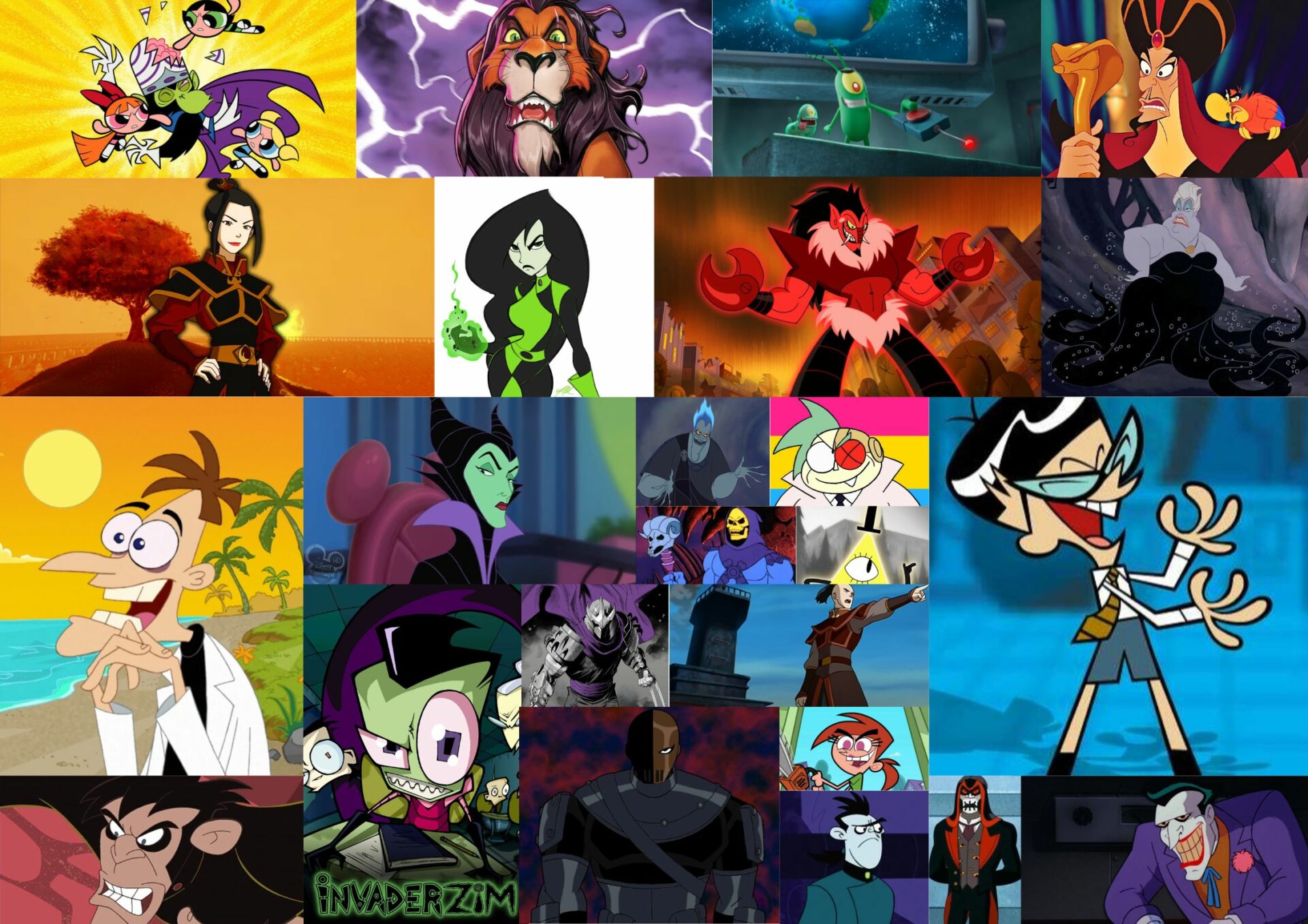
July 20, 2025 .
Animation, Lists
Our list rounds up the top 30 cartoon characters that were villains, each one more wonderfully wicked than the last.
READ MORE

November 27, 2025 .
Lists, Mythology
While this isn’t an exhaustive list, it comprises some of the most popular mythical creatures from around the world.
READ MORE
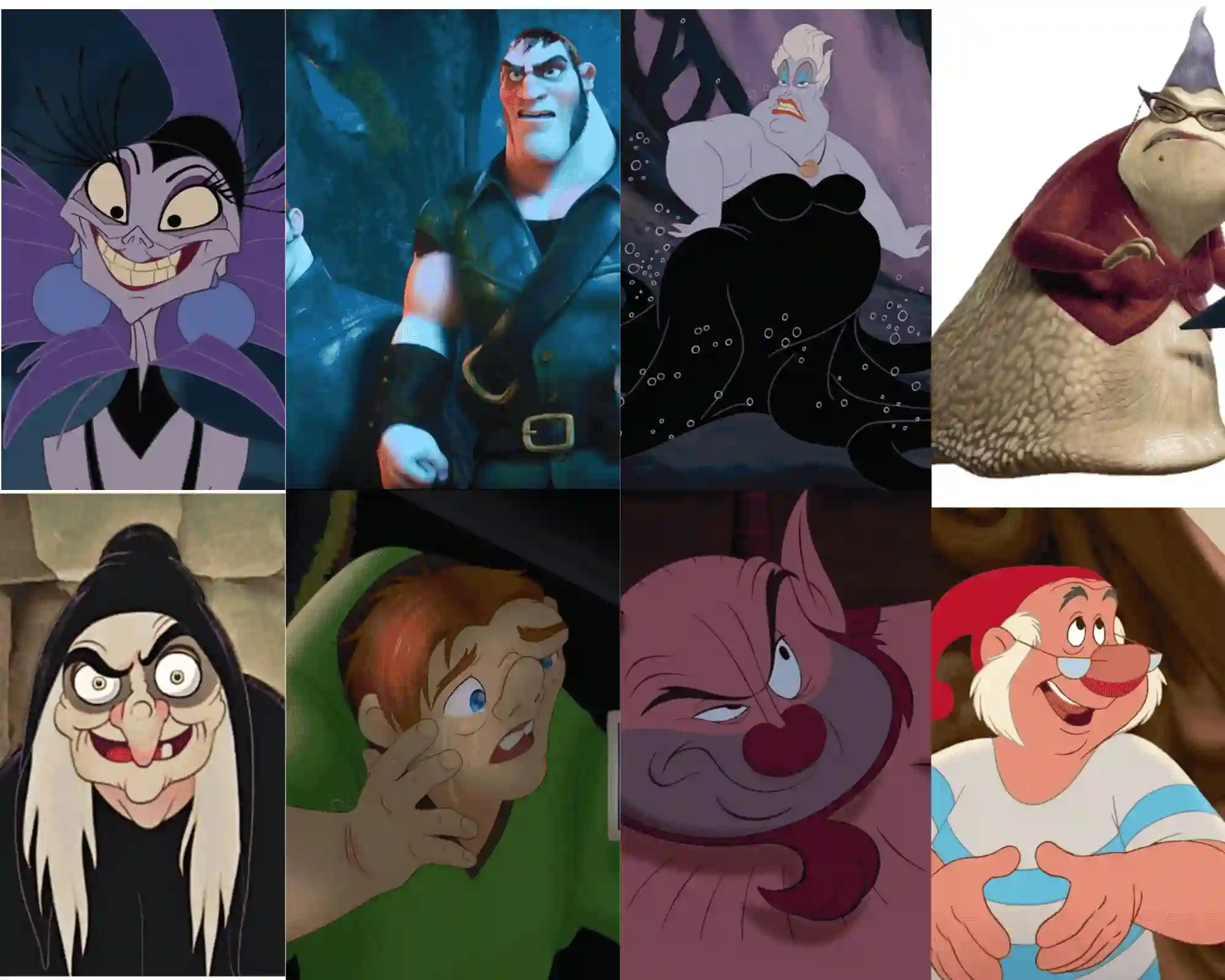
April 29, 2026 .
Lists, Opinions
The Mouse is famous for its princesses and princes. However, the studio’s true genius lies in its embrace of “ugly Disney characters”.
READ MORE
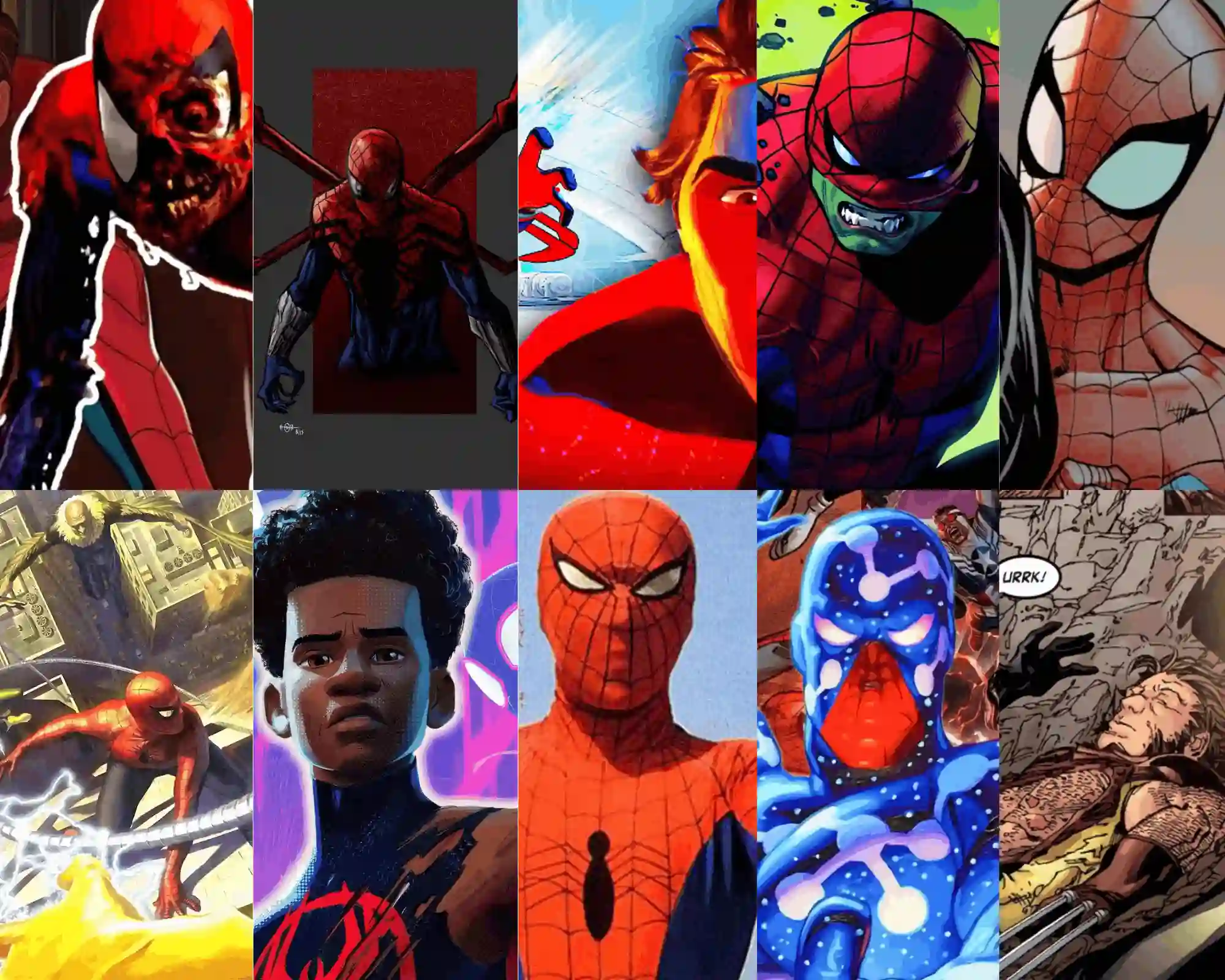
May 6, 2026 .
Lists, MCU
Spider-Man is one of the many superheroes from the Marvel Universe whose stories shaped many childhoods. Who is your strongest Spiderman?
READ MORE
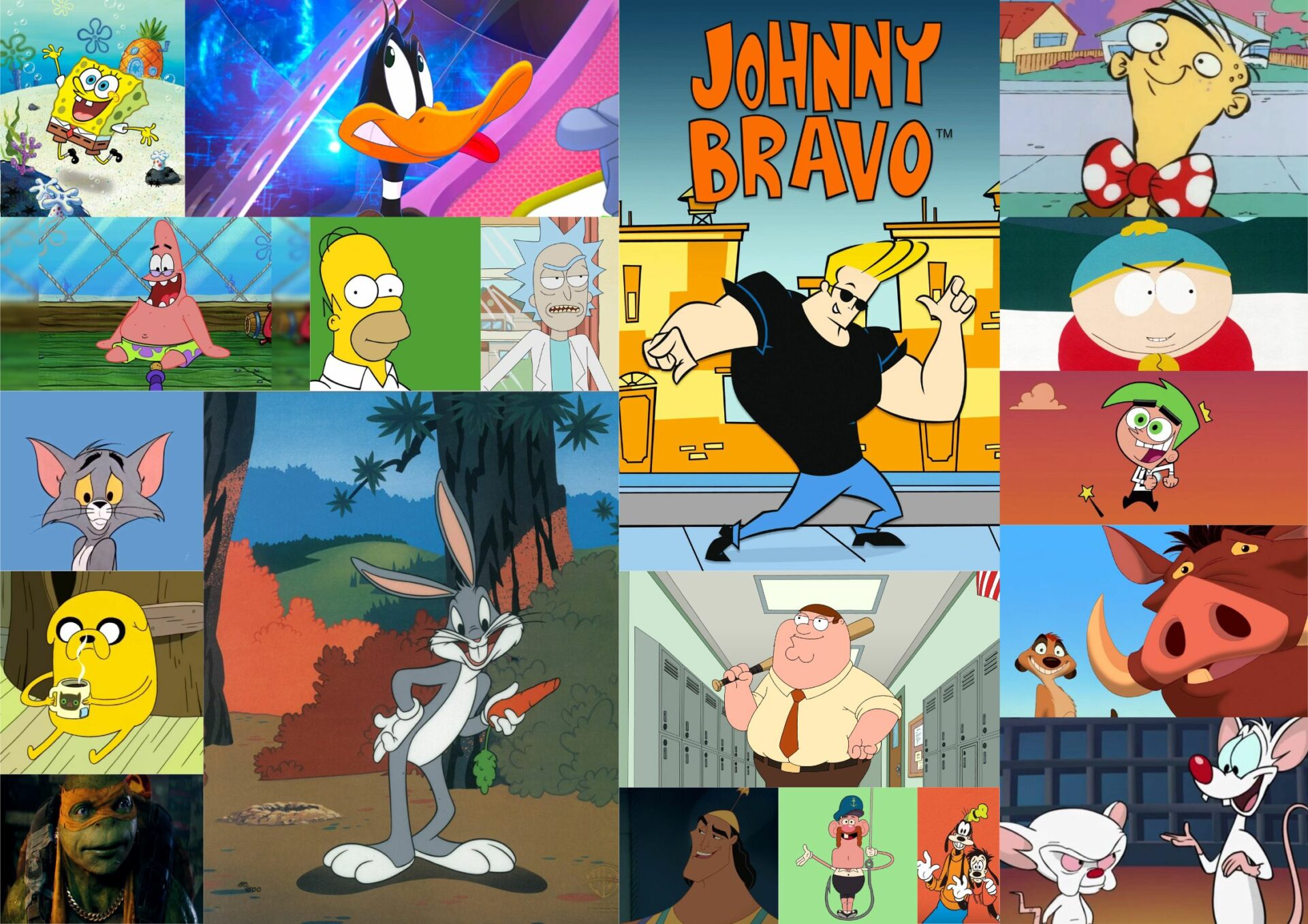
February 26, 2026 .
Cartoons, Lists
There are some outright funny cartoon characters who exist solely to crack you up, loud, hard, and with zero apology.
READ MORE
October 12, 2021 .
African Literature, chimamanda, cna, zikora
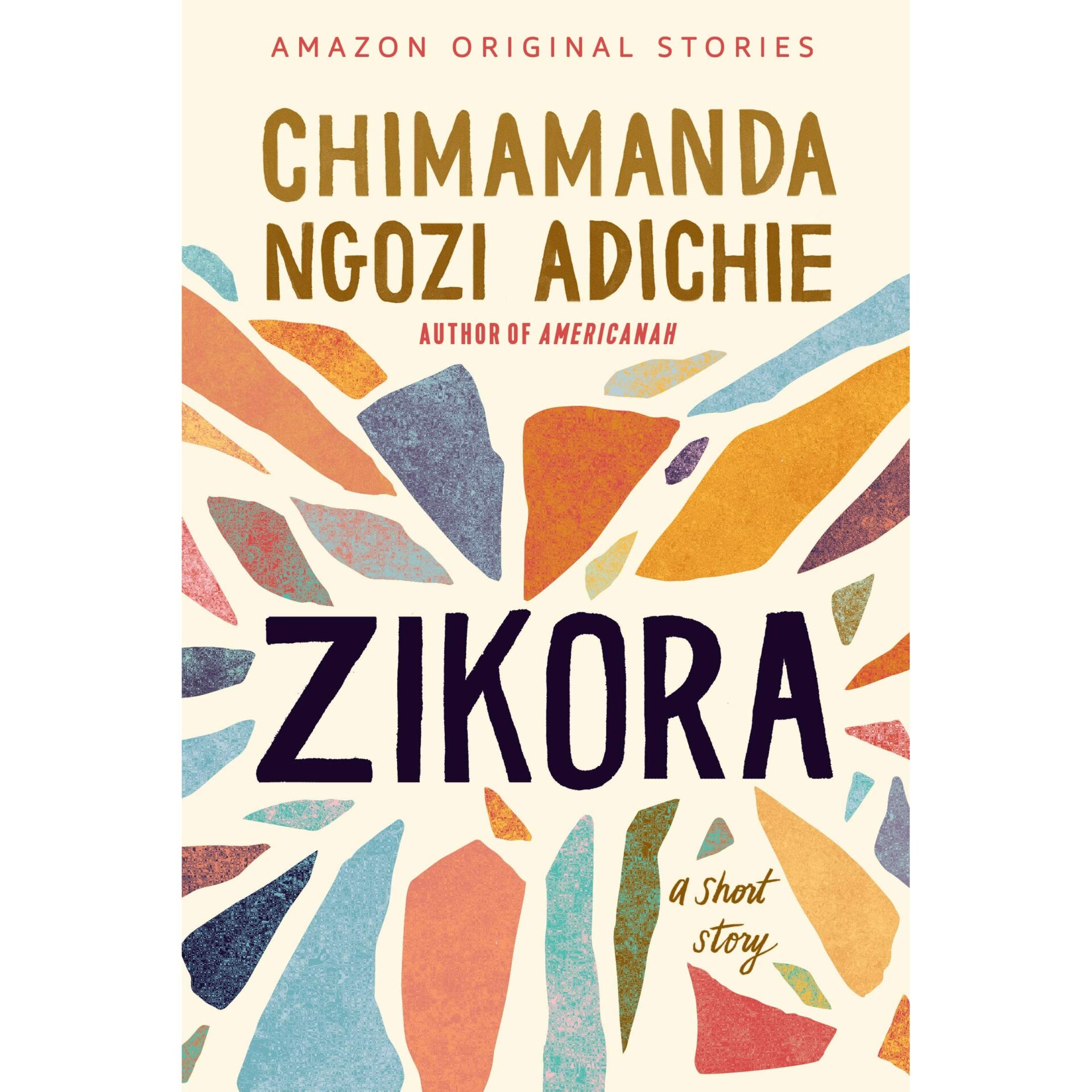
Hopefully, the reading of a book as this will enlighten men and generally educate people in the making of the right choices regarding amatory unions.
READ MORE

July 20, 2025 .
Opinions
Book recommendations from random places don’t always cut it, and you often end up feeling unsatisfied with them.
READ MORE
September 2, 2025 .
African Literature
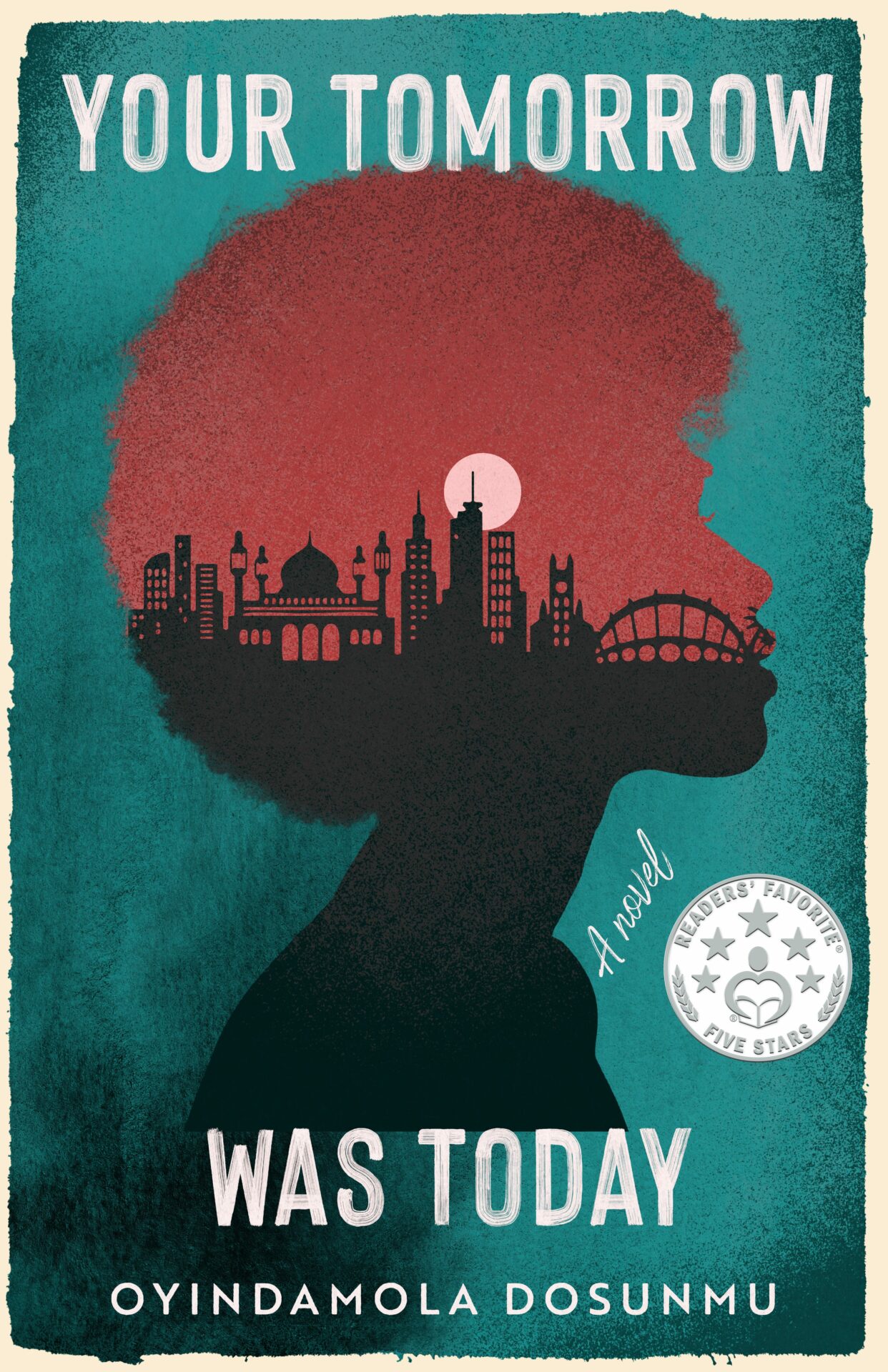
So yes, Your Tomorrow Was Today is guaranteed to be a book that will touch you, regardless of gender, interests or philosophy.
READ MORE

October 24, 2021 .
Netflix, Psychopaths, Serial Killer, Thriller, You S3
READ MORE

November 2, 2025 .
Netflix, Psychopath, Serial Killer, You S1, You S2
Oh, and Joe is also a stalker and serial killer who believes he’s helping his ‘love interests’ by killing people he thinks are a threat or bad influence to them
READ MORE
July 18, 2022 .
akwaekeemezi, youmadeafoolofdeathwithyourbeauty
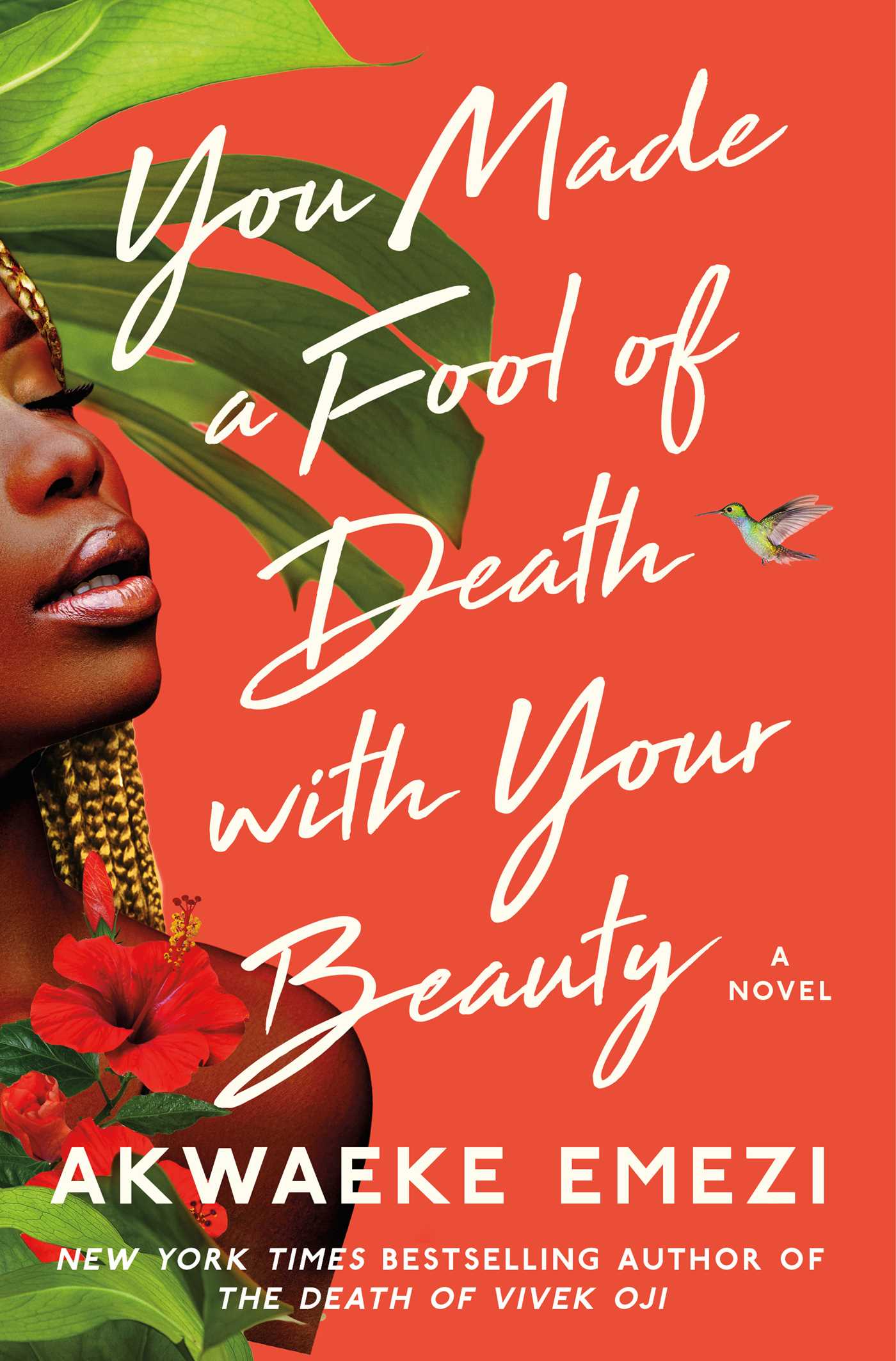
I have reread it for the 100th time since its release, and I still do not feel full… I very much recommend this book with all the gods in my village backing me!
READ MORE
February 19, 2022 .
African Literature, Book Reviews, British Nigerian, lizziedamilolablackburn, Nigerian, Self growth, yinkawhereisyourhuzband
READ MORE
July 24, 2023 .
contemporary
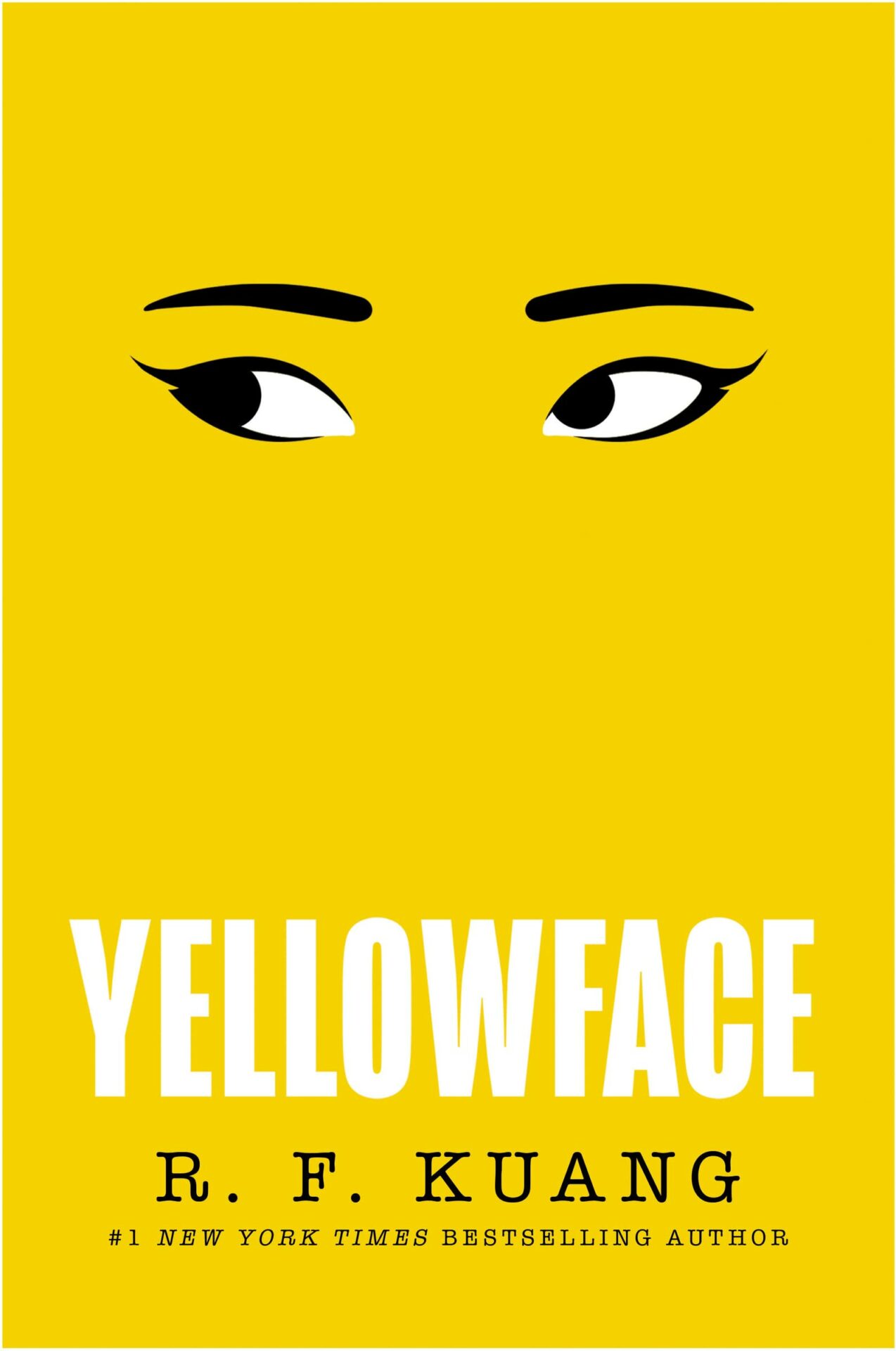
The story exposed some of the tricks and techniques of the publishing world and how small and sometimes brutal the industry can be.
READ MORE

July 20, 2025 .
Writer Resources
Discover the differences in First-Person Point of View and Third-Person POV, and how each impacts character connection and narrative style.
READ MORE
Get our magazine for free!