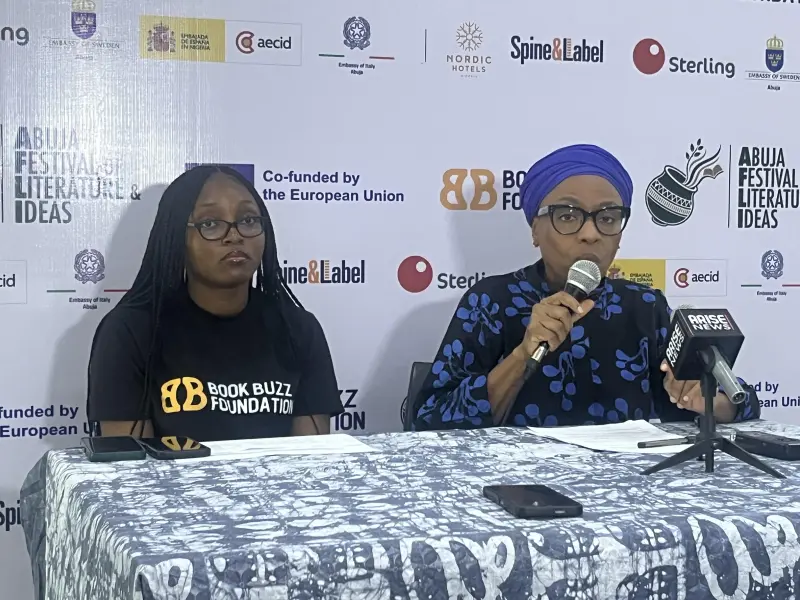































Book Buzz Foundation, the organisation behind Ake Arts & Book Festival, the Lagos International Festival of Illustrations and the Kaduna Book & Arts Festival, has launched the Abuja Festival of Literature & Ideas (AFLI): a gathering of writers, thinkers, policymakers, artists and readers around the questions that now shape public life.
Book Buzz Foundation, the organisation behind Ake Arts & Book Festival, the Lagos International Festival of Illustrations and the Kaduna Book & Arts Festival, has launched the Abuja Festival of Literature & Ideas (AFLI): a gathering of writers, thinkers, policymakers, artists and readers around the questions that now shape public life.
Its convener, Lola Shoneyin, calls the first edition a “pilot project.” It will run on 9 and 10 October 2026 at The Nordic Abuja, Jabi, in partnership with the European Union Delegation to Nigeria and ECOWAS, and with the Embassies of Italy, Spain and Sweden. Those missions are helping bring an international slate of writers, thinkers and practitioners to Abuja, a UNESCO Creative City of Literature, for a programme that moves between literature, politics, technology, science, culture and the life of the city itself.
Among the Festival’s international guests is Sergio Jaramillo, former High Commissioner for Peace in Colombia and one of the principal architects of the Colombian peace process. In his event How Divided Societies Learn to Dialogue, Jaramillo will explore what becomes possible when people on opposite sides of conflict find ways to listen, negotiate and rebuild trust.
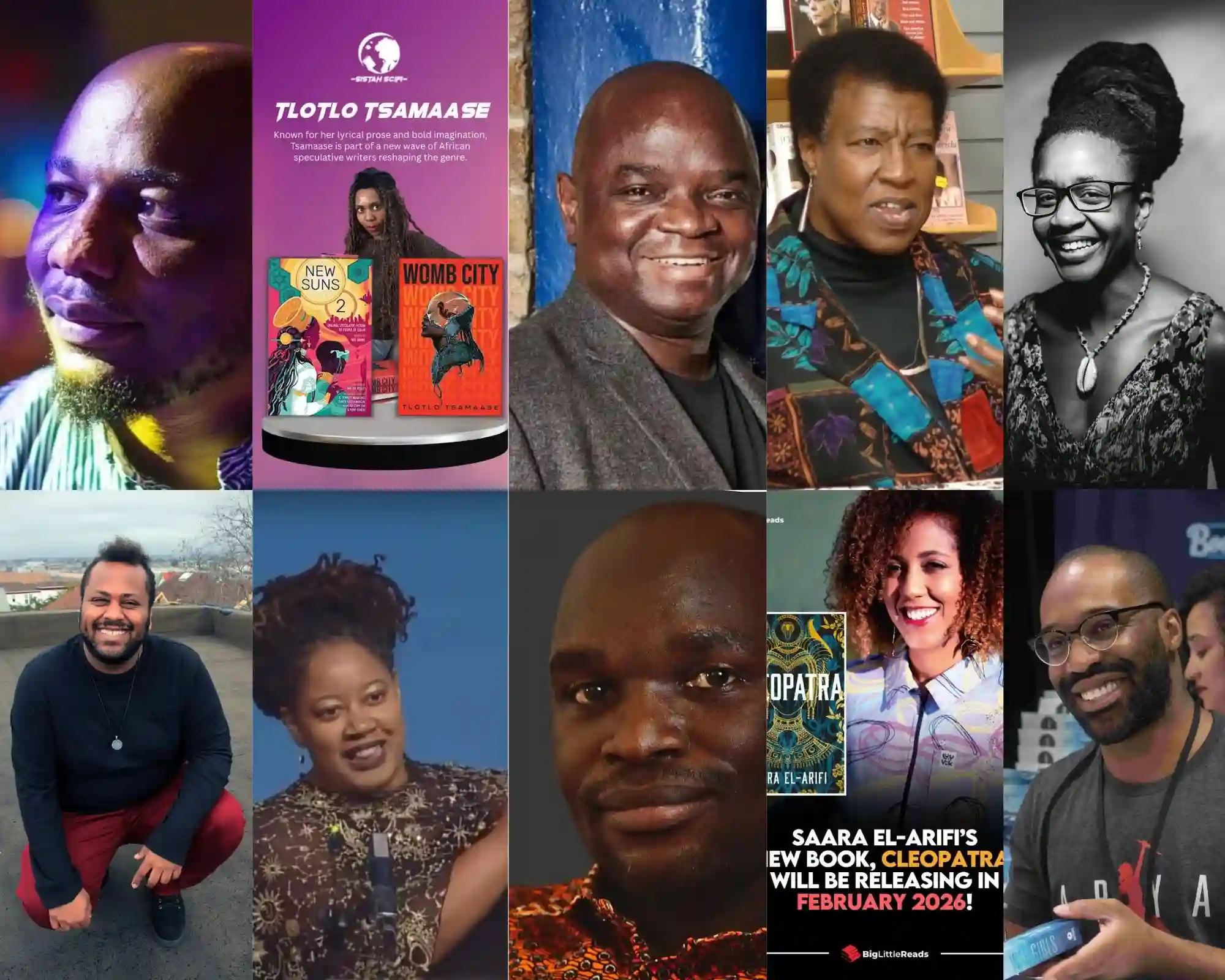
Zimbabwean writer and academic Simukai Chigudu will discuss his acclaimed memoir, Chasing Freedom, a deeply personal exploration of family, colonialism, race, migration and the complicated meaning of freedom after empire. Science and imagination meet in Roberto Trotta’s Starborn, while Gloria Chinyere Okwu discusses On Close Examination, her account of survival, womanhood, illness and reclaiming personal agency.
In response to some of the defining debates of our time, the festival will host Stephane M. Grueso who will discuss the impact of artificial intelligence on culture and creative work. We will also host Swede Carl Heath who will provide insight in a session, aptly titled Musings on the Internet which will examine what AI means for authorship, intellectual property, privacy, artistic labour and the future of human creativity.
AFLI will also turn its attention firmly towards Northern Nigeria. A panel on Exciting Themes in New Northern Nigerian Women’s Fiction brings together Nana Sule, Hadiza El-Rufai, Fatima Bala and Edify Yakusak, while Youth Speak session asks what the future looks like for young people in the region, featuring Khadija Sanusi, Maryam Laushi Dasilva, Raymond J. Yusuff, Usman Hayatu and Nana Fatima Bello.
Other conversations range from to an evening of poetry featuring Deborah Johnson, Moyosola Olowookure, Salim Yunusa and Mariam Abdullahi.
Lola Shoneyin’s literary work in the capital goes back to 2009, when she “ran a monthly event called Infusion in Abuja, which brought together artists, writers, filmmakers for screenings, exhibitions and conversations.” The room, she recalled, was almost always too small.
“It was always oversubscribed. I think we charged 500 naira at the gate at the time. But on so many occasions we had to turn people back and say the place is full.” What that told her, leaving the FCT in 2012, was simple: “There was a hunger. People wanted to have a creative outlet. People wanted these sorts of spaces where they could interact with writers and listen to fascinating conversations.”
AFLI, she said, is the overdue answer to a constituency that never left Abuja. “We were on the receiving end of an incredible amount of love from northern Nigeria. And maybe myself and my colleagues want to get some back.”
Asked how AFLI differs from Ake, Shoneyin was clear that each festival is given its flavour at inception. Ake was built to be “the biggest and the foremost and the premier gallery of book lovers, writers and thinkers on the African continent.” AFLI’s ambitions sit elsewhere, with the focus instead on “intellectual rigor”
The sessions will run longer than Ake’s usual hour, leaving more room for argument and questions. The name itself is a signal. “Introducing ideas into the name of the festival was to give the public a clearer idea of the sort of festival that this one is going to be. So it’s not going to be a remade Kabafest. This is something new and fresh.”
She is happy, she added, to leave Kabafest where it is, and happier still if young organisers across the North start festivals of their own. “It’s not always interesting to just replicate a festival. There’s something new and exciting about trying something new. You know, there’s a way that it gives you life.”
Technology will be a core topic at AFLI, with Lola stating, “If I could talk about AI at every single event, at least in two different ways, I would do so because I really worry about its impact on our world.”
Lola Shoneyin also pointed to tech leaders calling for a slowdown. “We are fighting a battle with the principalities that I don’t think we can control,” she said. “Where is the power to even be able to start controlling? And we haven’t seen anything yet.”
The conversations at AFLI, she argued, would help people understand regulation, risk, and how to protect themselves and those they love. “When you bring people to a literary festival, you want them to leave feeling smarter… better equipped, more knowledgeable, enriched, more able to face whatever is coming.”
For Shoneyin, sustainability is practical: who pays when the first edition is no longer new. What she wants, though, is for Abuja to claim the festival.
“The best case scenario for me would be for the FCT minister or anybody in the FCT who loves the FCT to say, this is good, we want it again. Here’s some money. This puts Abuja on the map.” That kind of backing, she said, “will put less pressure on us as an organization to dig deep and find those funds. Life is always easier when the funds are available.”
The two-day format is itself a test. “This is also a little bit of a test. We want to trial it. You know, it’s like a pilot project. Let’s see how it works. Let’s see what we learn and let’s see if we’re going to be inspired to do this again next year.” She called the outlay “an intellectual investment.” Donor money, when it arrives, is meant for impact, not comfort. “We don’t need certain luxuries. We’re very happy to live our lives. And what gives us often the greatest joy is the impact that our festivals and our events have on the general public.”
There is no single theme this year, and that is deliberate. After the labour of naming Ake editions, Lola Shoneyin refused to put AFLI through the same grinder.
“These things are very difficult to arrive at… I don’t want to put myself through that grinder again for AFLI. I think for now it’s nice for it to just be general, especially while we’re still trying to put out feelers and really take the temperature of the people who are going to come and how they are going to respond to this event. So that’s where we are at the moment. Things might change, you never know. And they may stay the same.”
Policymakers are welcome, even if they won’t be getting a private version of the festival. “It’s not that we don’t invite the policymakers. We invite them, but maybe they’re just busy during the festival. It’s possible, but we don’t stop inviting them.”
However, Lola refuses to create a separate entrance. “The problem sometimes with Nigerian policymakers is that they want a special invitation, a special letter that means they have a special seat and all that when they come to the festival. Unfortunately, that’s not the kind of practice that we think moves us forward. First of all, come to a festival to learn because you really want to.”
”A level room, she argued, is the point. “That idea of having a festival that’s a bit of a leveler, I think, is really important, because then people are truly able to speak their minds at events.”
Guests who do come should expect an audience that will not perform politeness. “They should also know that sometimes they will be invited or feel moved to answer tough questions, because there’s no festival that I’ve curated that we have not had a very active, a very vocal and a very inquisitive audience that will speak their minds about issues. And we encourage that. We encourage the people to say the unsayable. We encourage people to confront all their truths, no matter how devastating they may look.”
The long-term vision is continuity without her at the centre. “My long term vision is for it to continue. My long term mission is for it to inspire other people.”
“I have time for people who want to start festivals. I happily give my time to them. I can talk for hours about how I do everything I do because it’s not a secret and it’s not something I want to hide from other people. The more festivals exist, the better for all of us. I’m not competitive in that way at all. The more the merrier is truly what I believe.”
In her many discussions with young, vibrant Nigerians keen on curating literary festivals of their own, Lola remains on the lookout for passion, with the aim being to “arrive at my own conclusions about how likely they are to be successful.”
Behind the talk of handing festivals on, there is another aim: to show how a public room in Nigeria can be run. “I feel that it’s become increasingly hard to find role models, but also to identify ways of doing things that are truly edifying and helpful.”
“My hope is that when people come to our events and AFLI is just another example, they can see an example of what events can look like when Nigerians get together and do things properly and do things in a way that’s truly beneficial for the collective.”
Tickets for the Abuja Festival of Literature & Ideas are currently available on the official website, with registration to close on October 5th 2026.

The Tyrant Overlord. Fantasy buff and avid football fan.

The Tyrant Overlord. Fantasy buff and avid football fan.
July 20, 2025 .
Animation, Lists
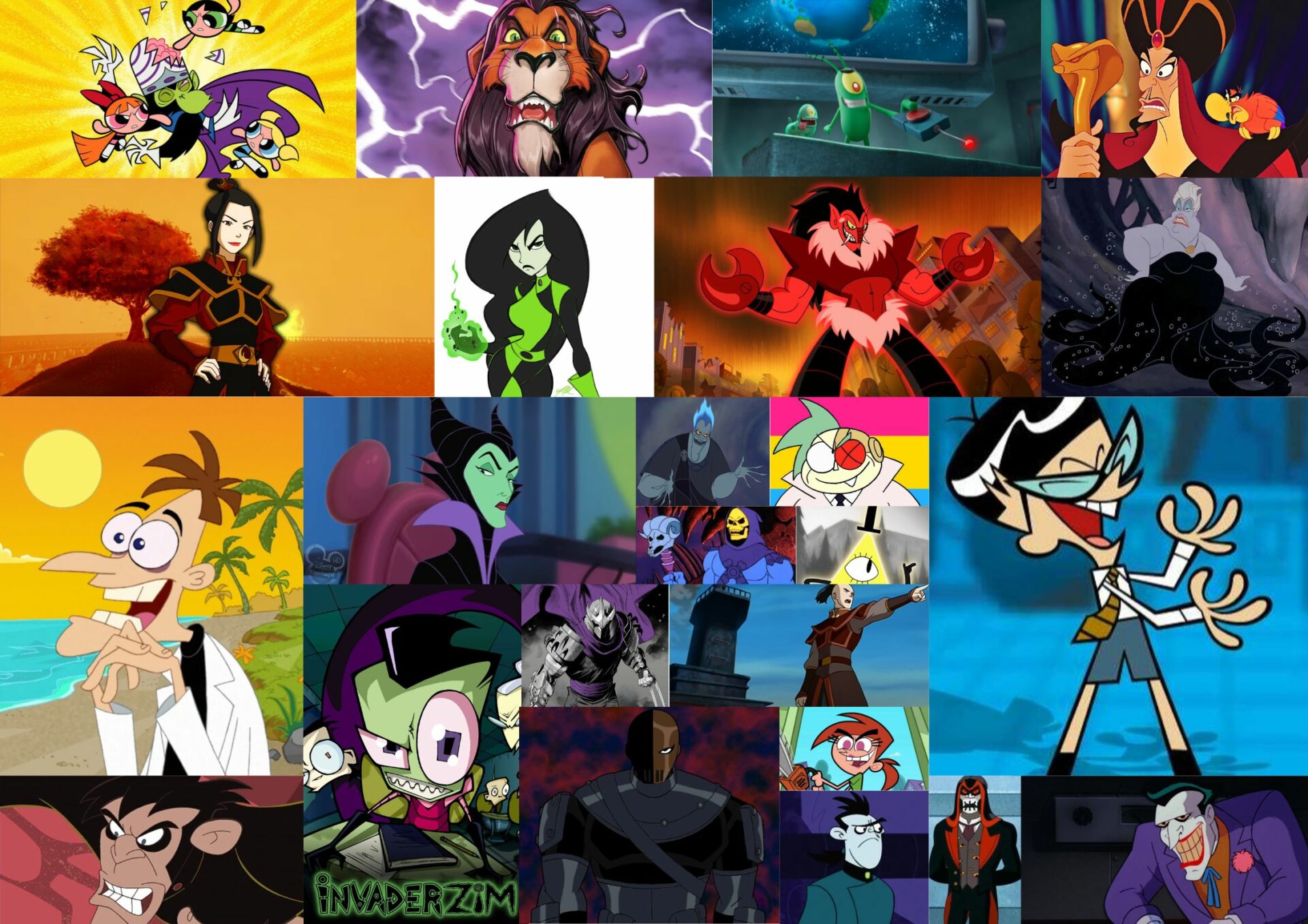
Our list rounds up the top 30 cartoon characters that were villains, each one more wonderfully wicked than the last.
READ MORE
April 29, 2026 .
Lists, Opinions
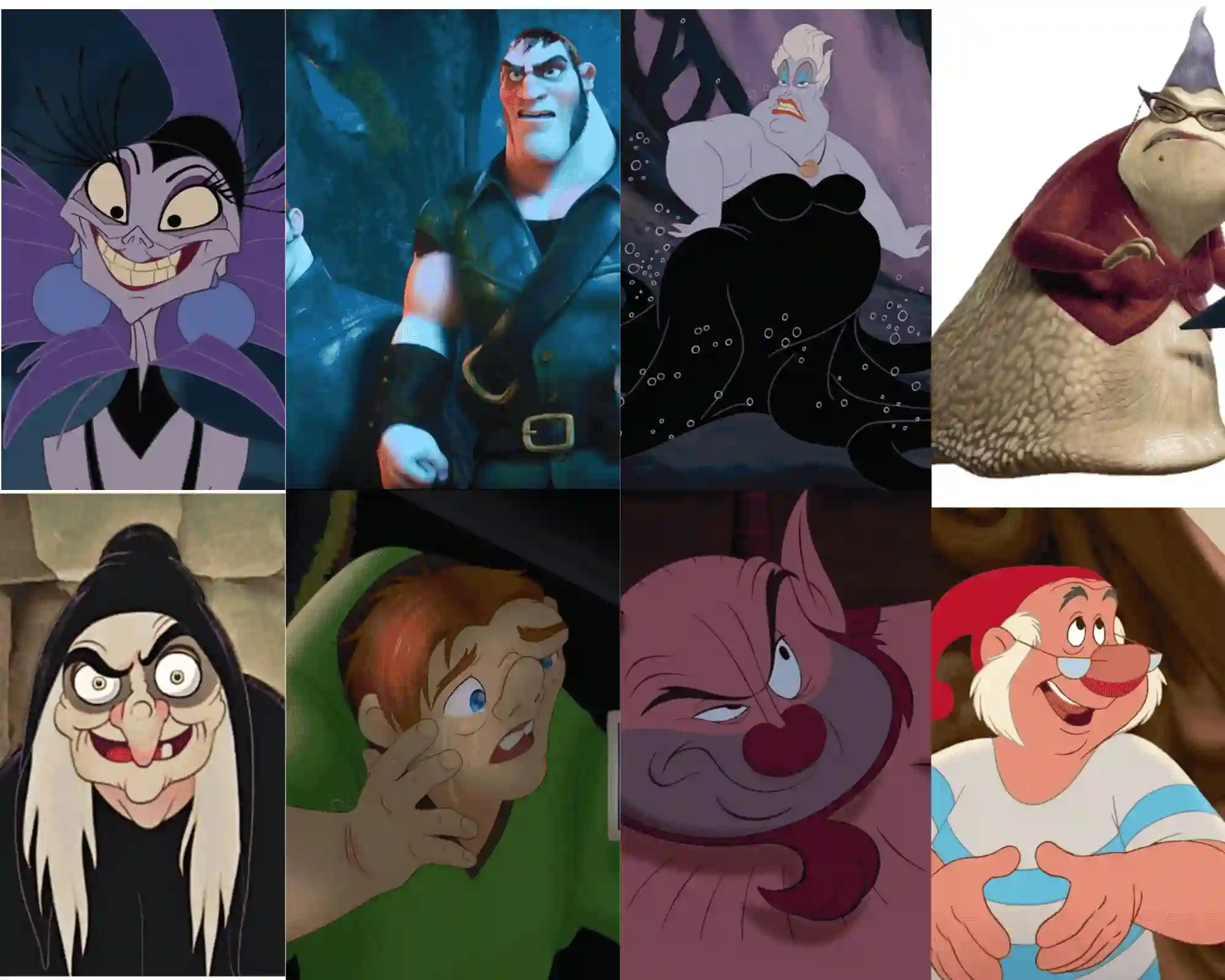
The Mouse is famous for its princesses and princes. However, the studio’s true genius lies in its embrace of “ugly Disney characters”.
READ MORE
May 6, 2026 .
Lists, MCU
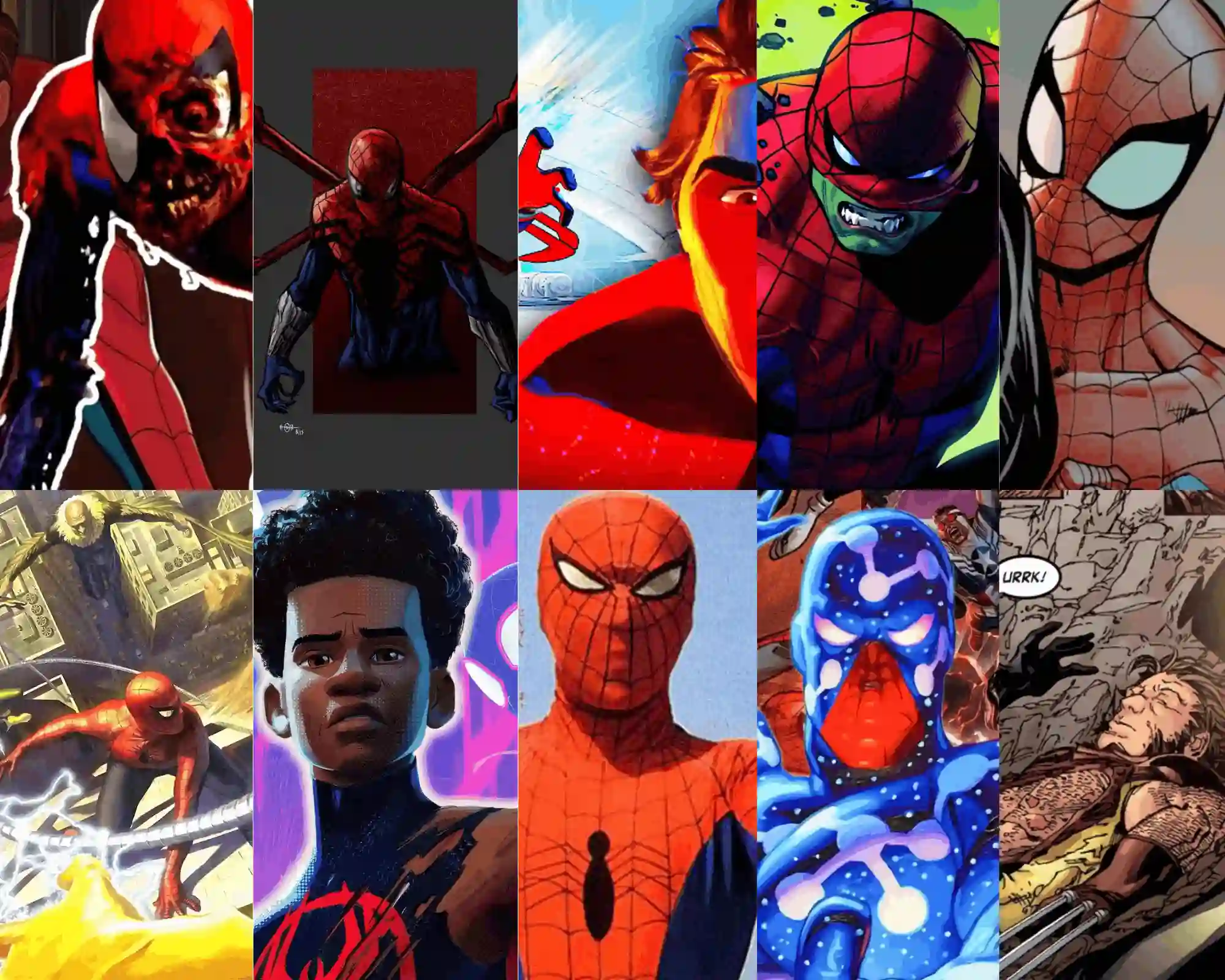
Spider-Man is one of the many superheroes from the Marvel Universe whose stories shaped many childhoods. Who is your strongest Spiderman?
READ MORE
June 25, 2026 .
Lists, Opinions
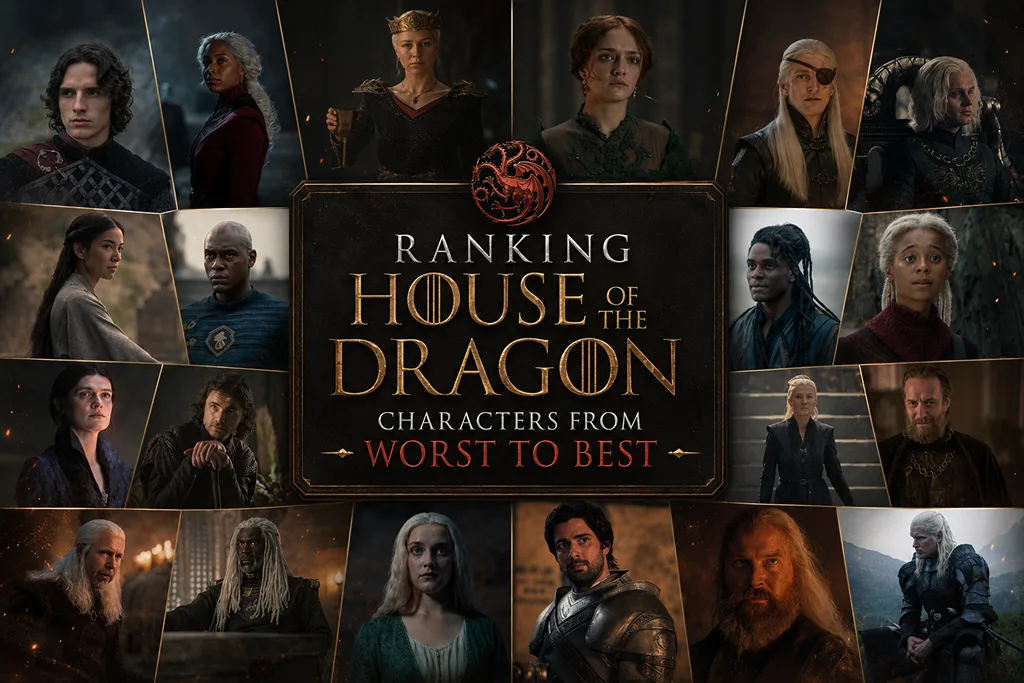
If Game of Thrones taught us anything, it’s that the characters we hate the most tend to outlive everyone else.
READ MORE
October 28, 2025 .
Debates, Lists, Marvel, MCU
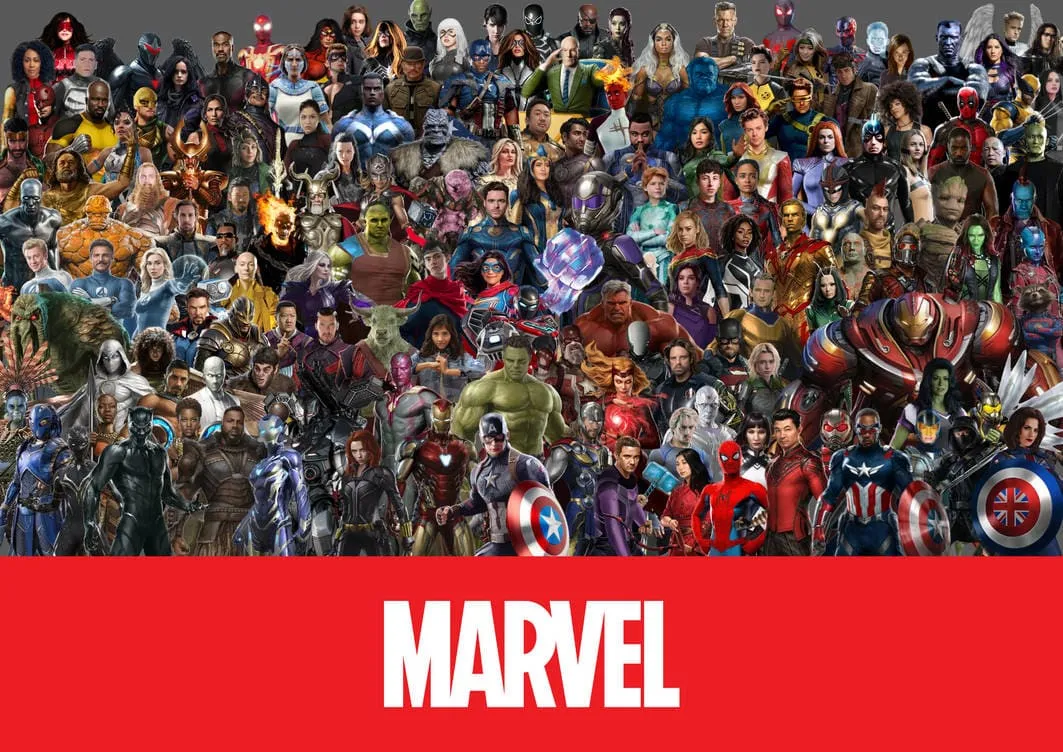
Every Marvel hero brings something to the table. But if we had to pick the top 8 most popular Marvel superheroes, who would make the cut?
READ MORE

September 2, 2025 .
African Literature
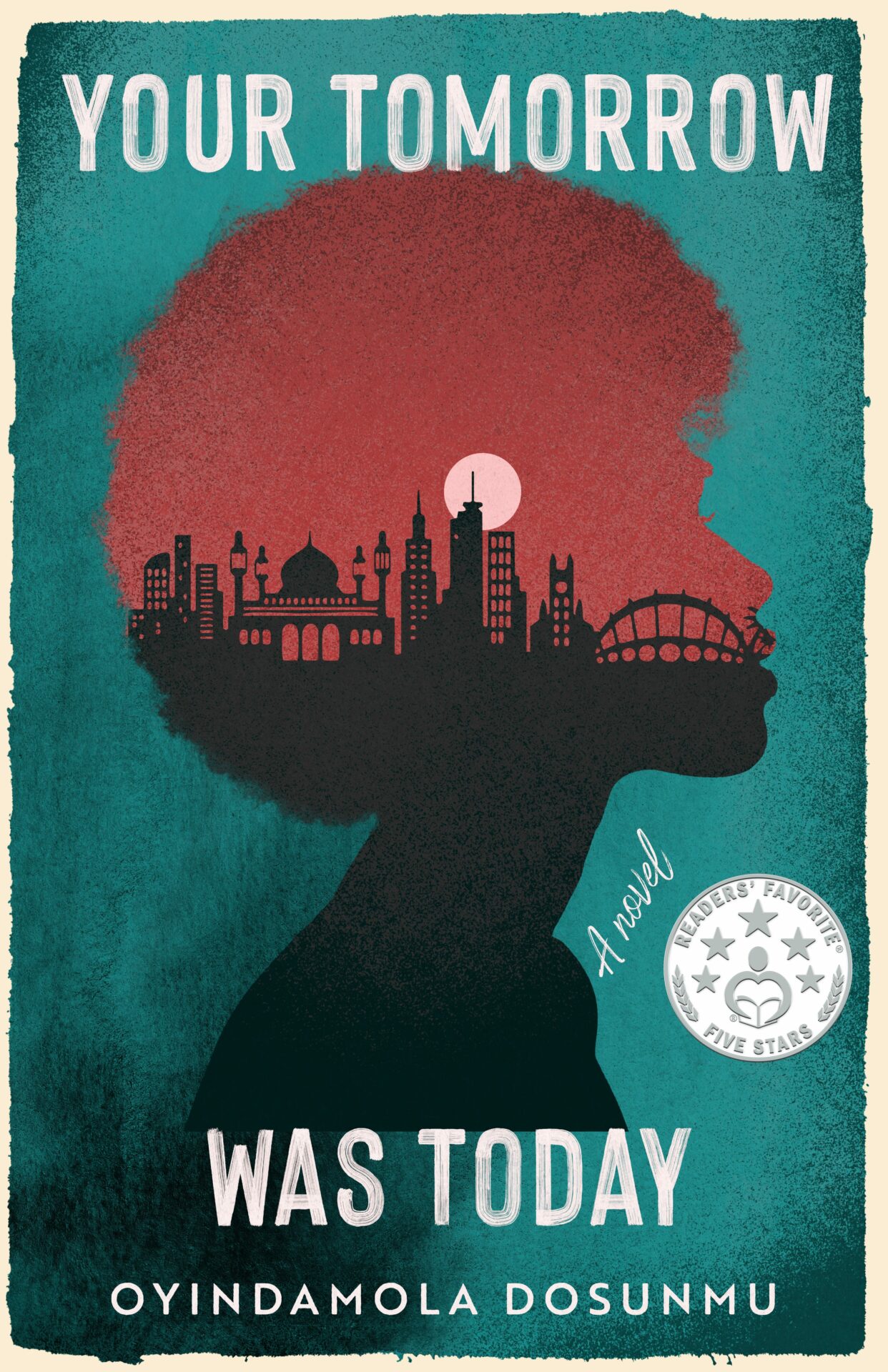
So yes, Your Tomorrow Was Today is guaranteed to be a book that will touch you, regardless of gender, interests or philosophy.
READ MORE
September 16, 2025 .
African Literature
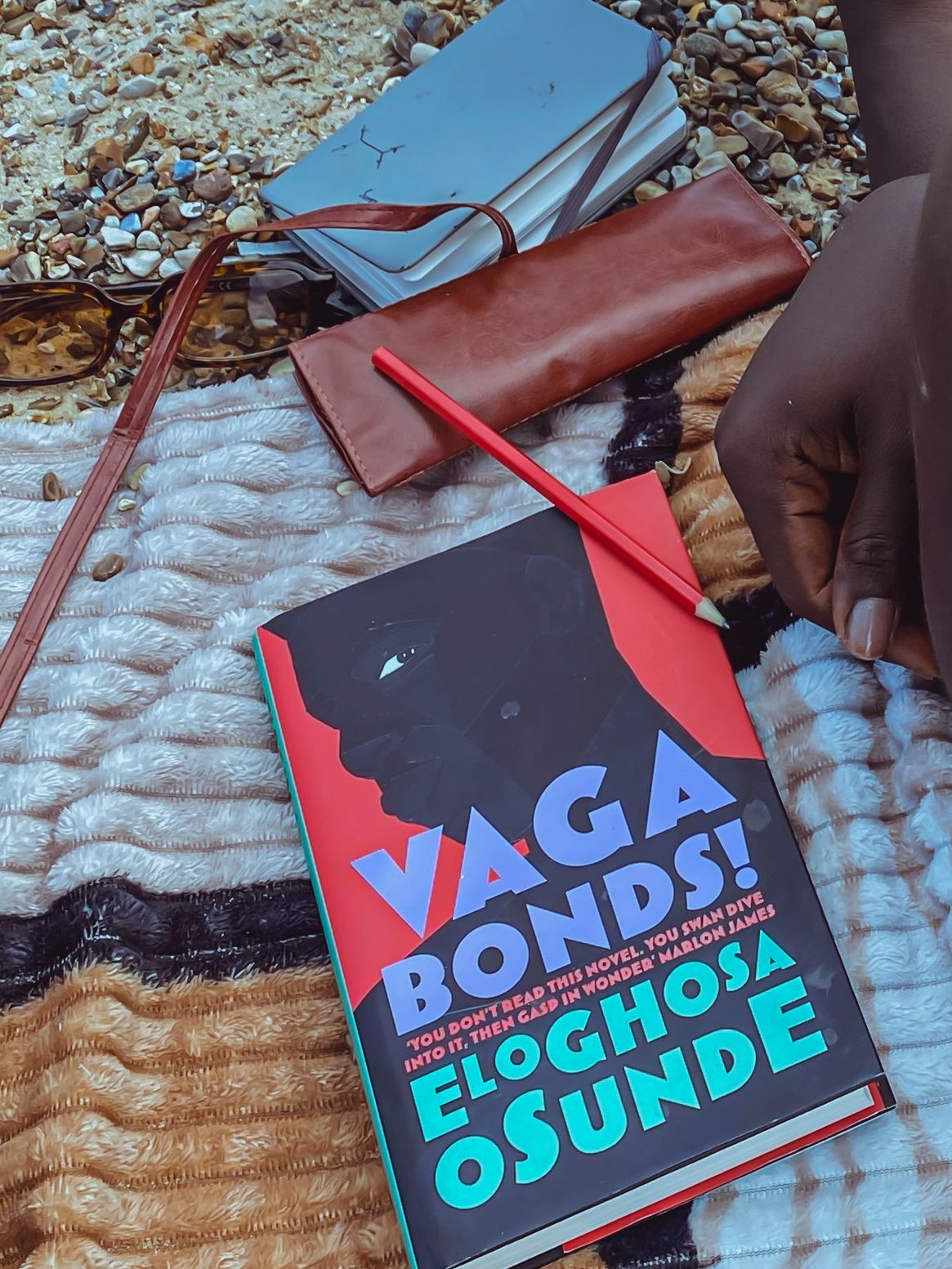
Eloghosa Osunde writes in a way that keeps the reader in awe and gives shivers. Refreshing. Subliminal. Surreal. Daring.
READ MORE

February 23, 2026 .
African Literature, Lists
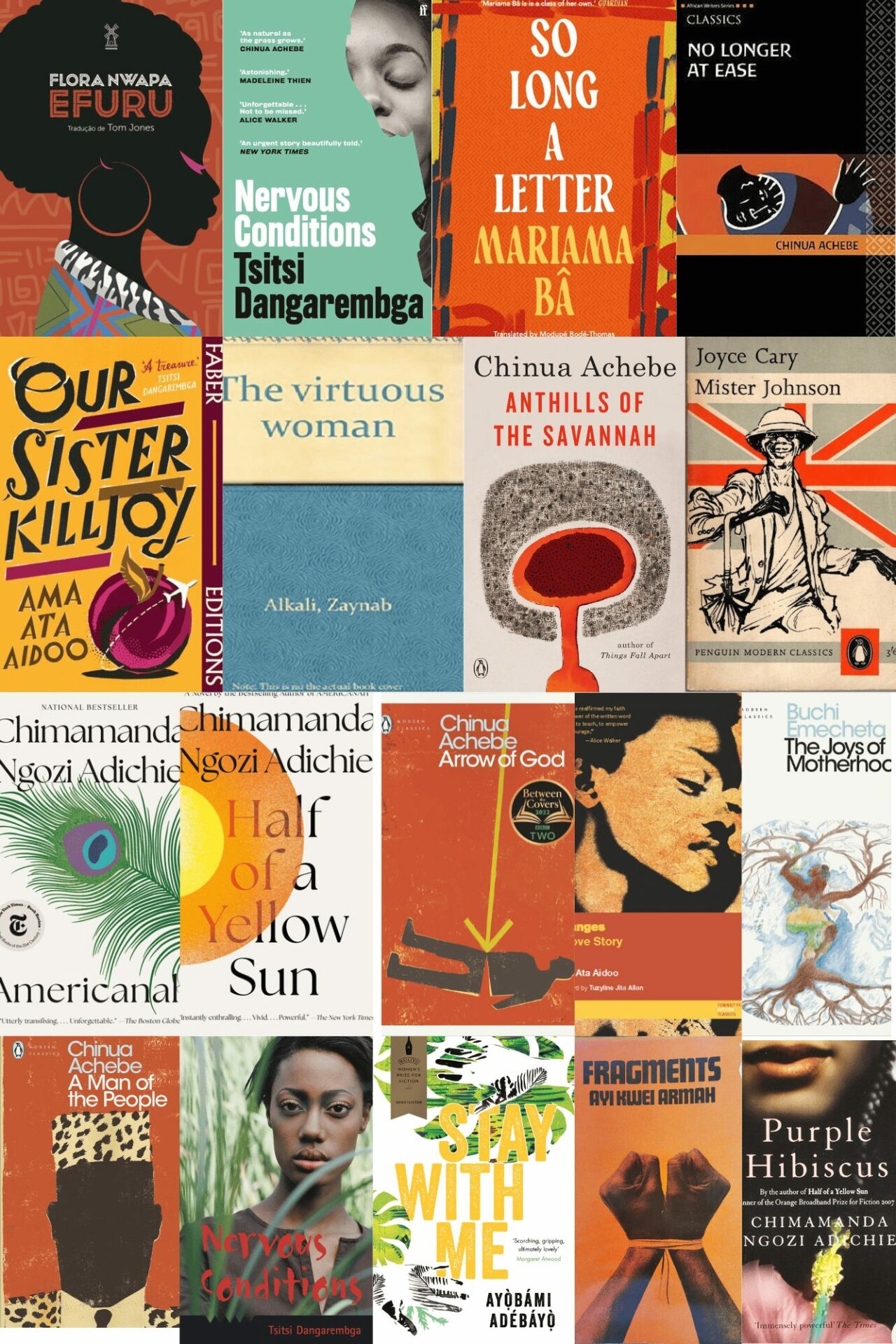
These are the books that could hold that kind of attention again. Not because they’re flawless, but because they can survive stillness.
READ MORE
July 22, 2025 .
African Literature, Lists
Some African literary characters deserve applause. These ones? They come with virtually all the negative personality traits.
READ MORE

August 9, 2025 .
African Literature, Lists
In these 15 quotes about grief, we see its many forms: communal, private, raging, and numb. Through their words, we find courage to rise.
READ MORE
September 2, 2026 .
African Literature, Opinions
A provocative title can spark curiosity and start conversations, but it also sets a very high bar for the book.
READ MORE

October 23, 2023 .
African Literature
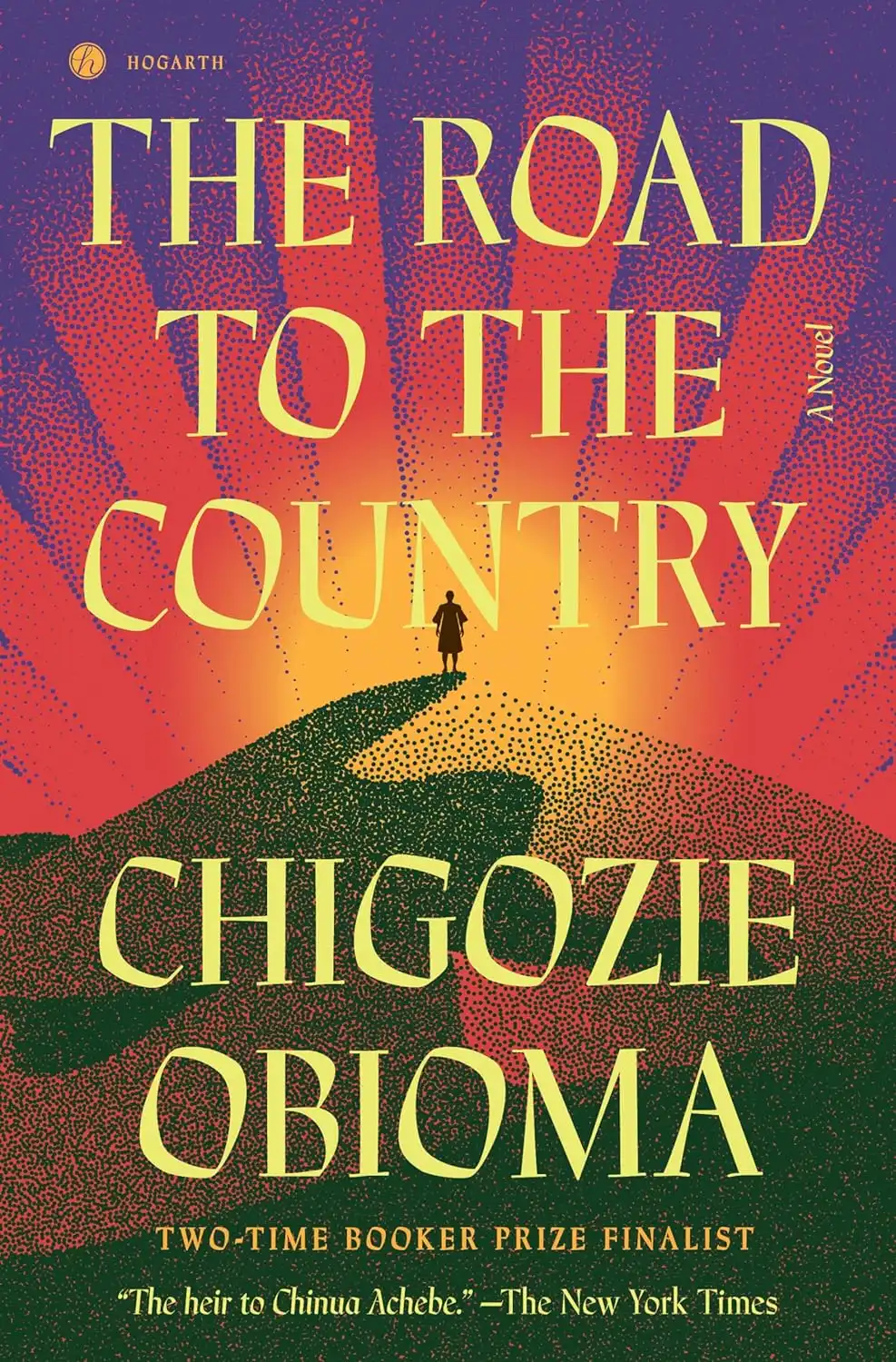
The book revolves around 3 people: a husband, his wife, and her best friend. It’s told from all 3 aspects, and the whole plot is set in one day.
READ MORE
October 23, 2025 .
African Literature
READ MORE

September 2, 2025 .
African Literature
In the end, Parlour Wife is not without merit. It’s readable, even engaging at points, but its flaws hold it back from being truly memorable.
READ MORE
Get our magazine for free!