







Horror romance is one of fiction’s oldest and most enduring combinations, where tenderness and terror orbit each other.
There’s a reason campfire stories about the undead have survived more than a century of retelling. Horror romance is one of fiction’s oldest and most enduring combinations, a space where tenderness and terror orbit each other.
Audiences return to Dracula not only to be unsettled by a predator crossing the sea in a box of native soil, but to feel the pull between Mina and the Count. This pairing has shifted across two centuries of storytelling, yet it continues to challenge writers to balance intimacy with terror on the page.
Horror romance combines the emotional core of a love story with the atmosphere and psychological pressure of horror.
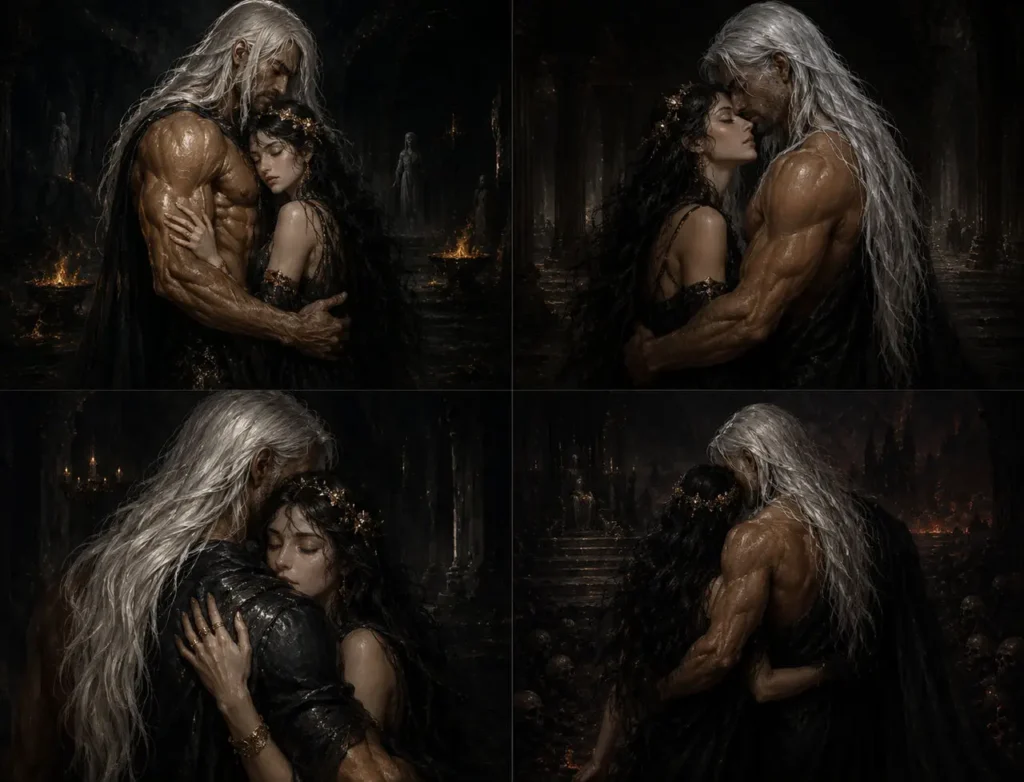
Traditional romance usually places its obstacles inside the relationship itself, through misunderstandings, timing, or personal growth. Horror romance shifts those obstacles outward, introducing an external threat capable of damaging both the relationship and the people within it.
Vampires, ghosts, cursed houses, and psychological horrors are common vehicles, but the supernatural machinery isn’t the point. The real question is whether love can survive as fear tests loyalty, courage, and identity.
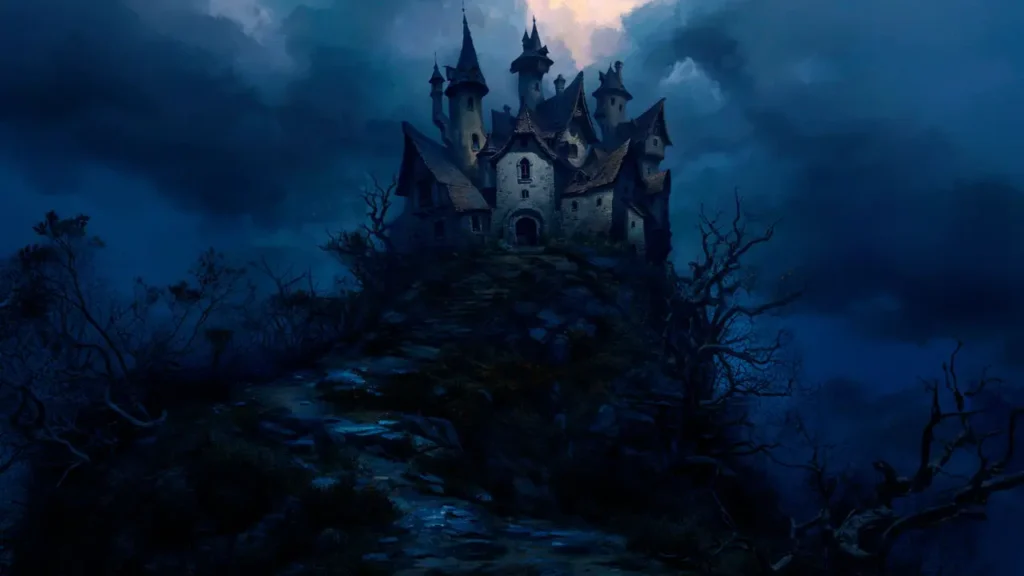
Not all horror romance leans in the same direction, and the differences matter for a writer choosing where to sit on the spectrum:
None of these approaches is more legitimate than another. Each makes a different choice about how much real risk a love story can carry before it becomes something else.
Fear and love demand attention, but they pull the mind in different directions.
Fear narrows attention to immediate survival, sharpening awareness of every sound, movement, and possibility of harm. Love, on the other hand, encourages investment in another person’s future, making their well-being feel inseparable from one’s own. Bringing both emotions into the same scene forces characters to navigate two powerful instincts at once: self-preservation and emotional attachment.
That tension helps explain why horror romance leaves such a lasting impression. Fear heightens physical awareness through a racing heart, quickened breathing, and heightened alertness.
Those same sensations can accompany attraction, making the emotional boundary between terror and intimacy surprisingly fragile. Fiction gives these overlapping responses a safe space to unfold, allowing readers to experience emotional intensity without facing real danger.
The genre also thrives on uncertainty. Attraction feels stronger when trust has not yet been fully earned, and horror provides endless ways to test that trust.
Every hidden motive, unexplained disappearance, or impossible choice asks whether affection can survive doubt. Instead of interrupting the romance, the threat becomes the force that reveals its depth.
Horror romance didn’t begin with vampires. Gothic fiction of the eighteenth and nineteenth centuries established many of its conventions: isolated estates, mysterious suitors, and relationships shadowed by hidden truths.
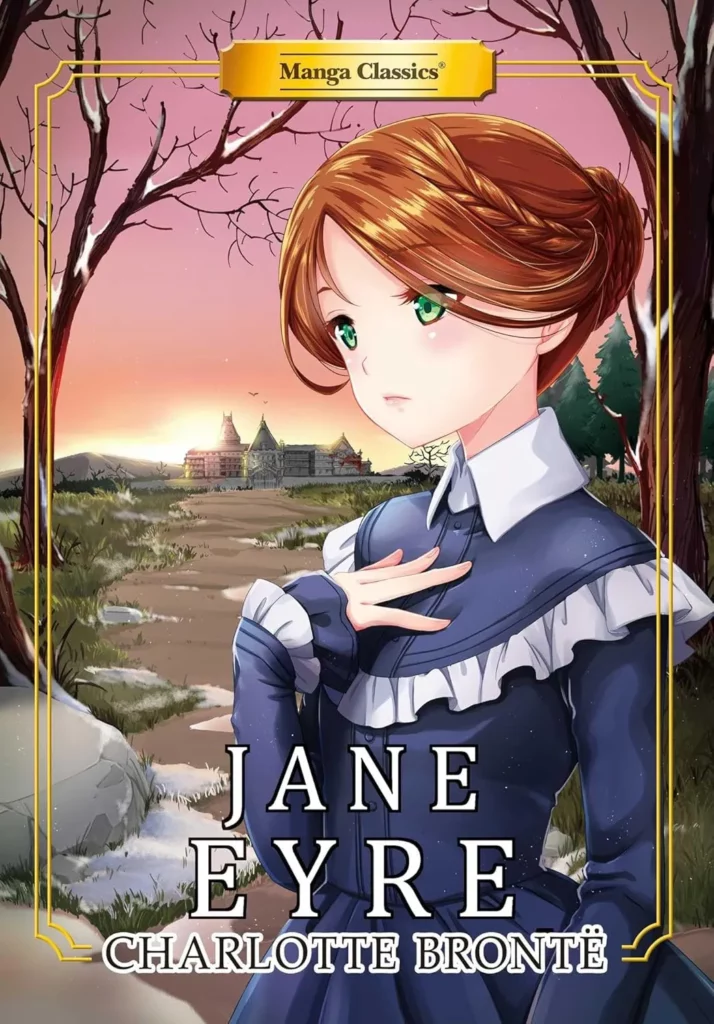
Charlotte Brontë’s Jane Eyre reflects this tradition through Rochester’s secret in the attic. Daphne du Maurier’s Rebecca follows a similar pattern, using a haunted house and a troubled marriage to explore fear alongside emotional attachment.
Scholarship on the Gothic traces an even older source. Literary historian Carol Senf argues that both Dracula and its late Victorian contemporaries adapted the “demon lover” from traditional ballads, a seductive stranger who draws a woman away from safety.
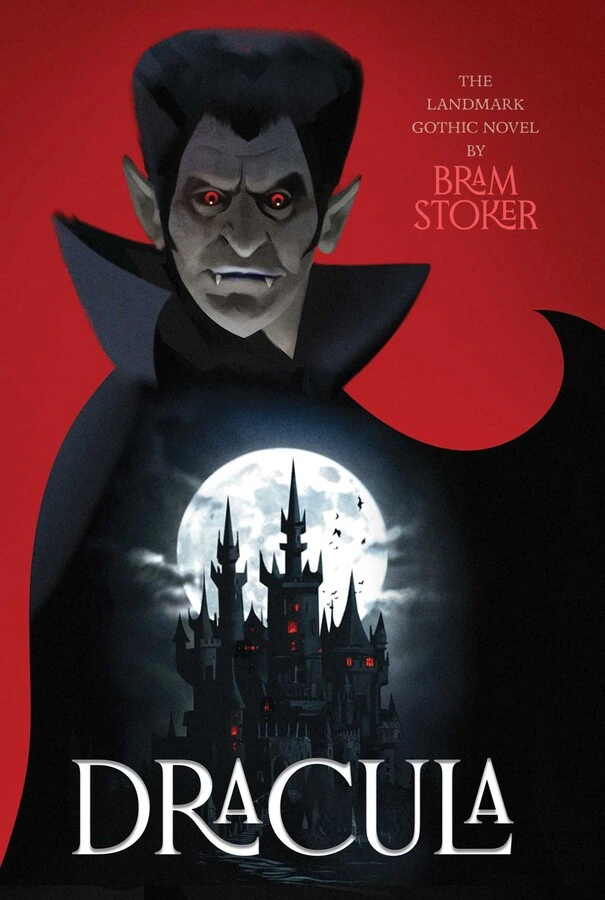
Dracula sits at that turning point. Stoker gave the dangerous suitor fangs and immortality, but the emotional conflict, attraction complicated by mortal risk, was already part of the Gothic tradition. His contribution was making fear itself tangible, turning desire into something predatory.
Since the 1970s, many writers have reimagined Dracula as a romantic figure rather than a destroyer. Miriam Elizabeth Burstein traces this shift through novels such as Fred Saberhagen’s The Dracula Tape, illustrating how flexible the original Gothic template became.
Several recurring devices allow horror and romance to strengthen each other rather than compete for attention.
The genre extends far beyond vampires in castles. Contemporary horror romance embraces new settings and new monsters, showing how adaptable its core structure can be.
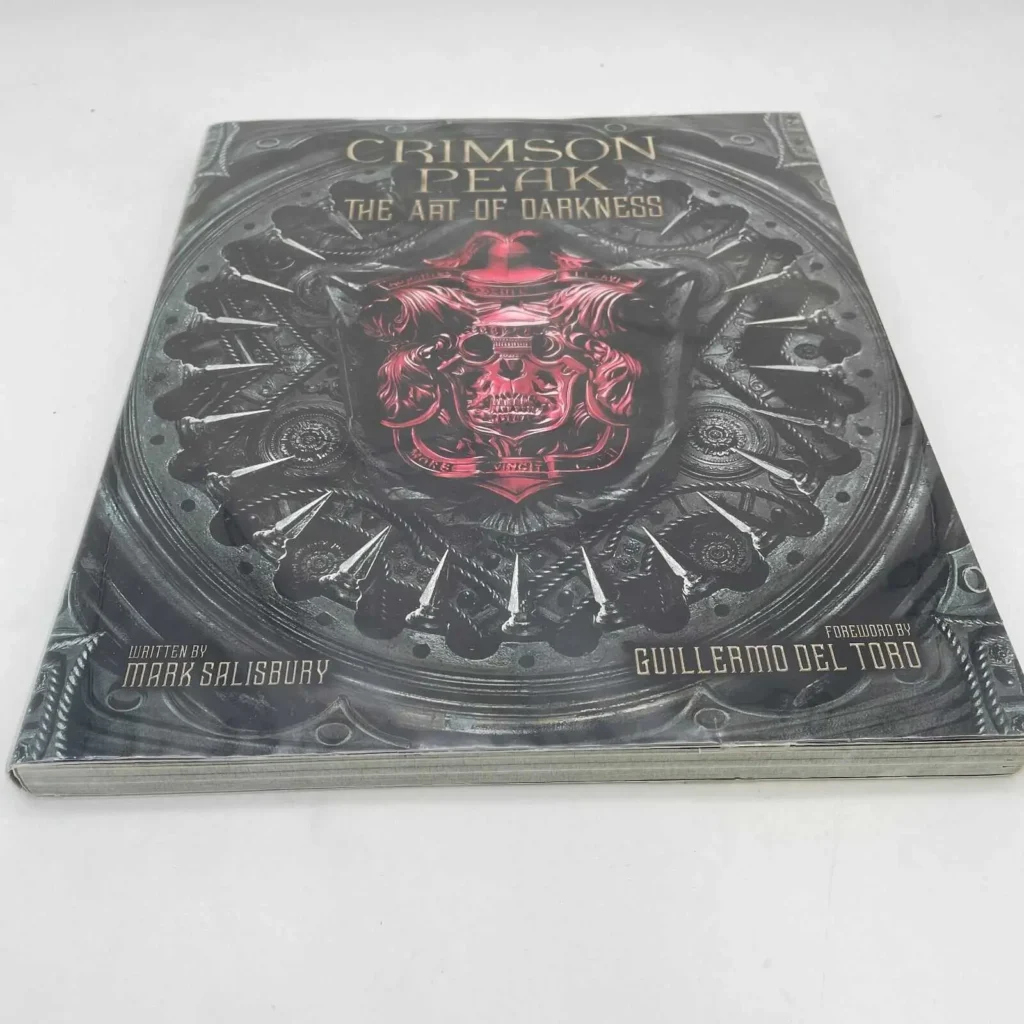
Guillermo del Toro’s Crimson Peak returns to the Gothic manor but treats its ghosts as visible expressions of grief instead of simple jump scares. Horror imagery deepens a story about marriage, deception, and loss.
Silvia Moreno-Garcia’s Mexican Gothic relocates the haunted house tradition to 1950s Mexico. European vampirism gives way to a colonial horror rooted in soil, fungus, and inherited sickness, yet the essential framework remains. Isolation, an alluring yet threatening host, and a house filled with secrets prove just as effective outside Victorian England.
Anne Rice’s Interview with the Vampire takes another approach. Its vampires possess guilt, loneliness, and rich inner lives, shifting the horror away from simple survival.
Instead, the emotional strain comes from watching intimacy decay into possession across centuries. This move, presenting the monster as a fully realised character rather than a symbol of fear, has become one of the defining features separating modern horror romance from many of its Victorian predecessors.
Fairy tale retellings of Beauty and the Beast, from Robin McKinley’s Beauty to countless later variations, preserve the Gothic bargain while replacing the supernatural predator with a beast whose menace is largely implied. The question becomes how much dread a story needs for the romance to still feel earned.
Even Twilight, discussed primarily as romance, depends on horror-adjacent tension to sustain its central relationship. Remove that underlying threat and much of the story’s emotional conflict disappears.
Across manors, jungles, ships, and high schools, the same three ingredients keep returning.
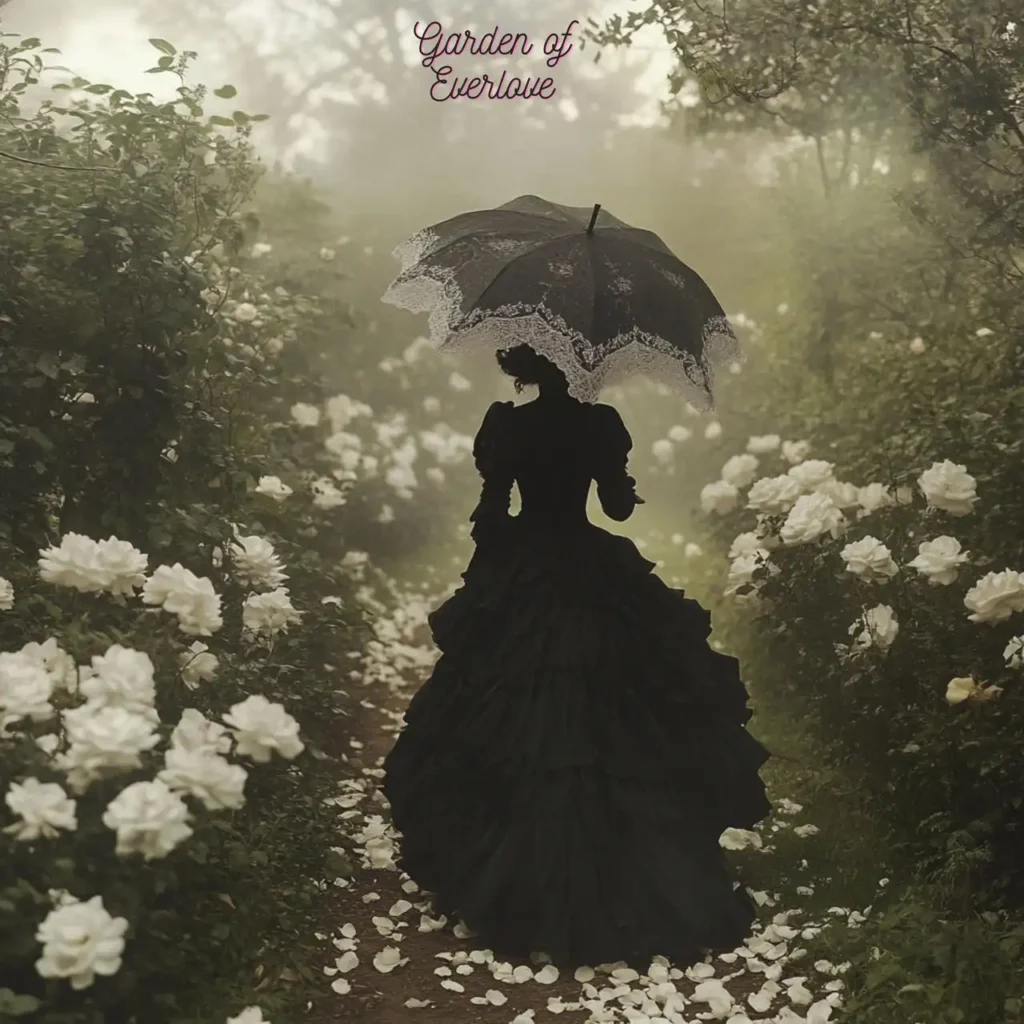
Setting in horror romance is never a neutral backdrop. Ancient castles, storm-locked manors, mist-covered lakes, and neglected gardens do more than establish atmosphere. They give physical form to emotions the characters cannot express.
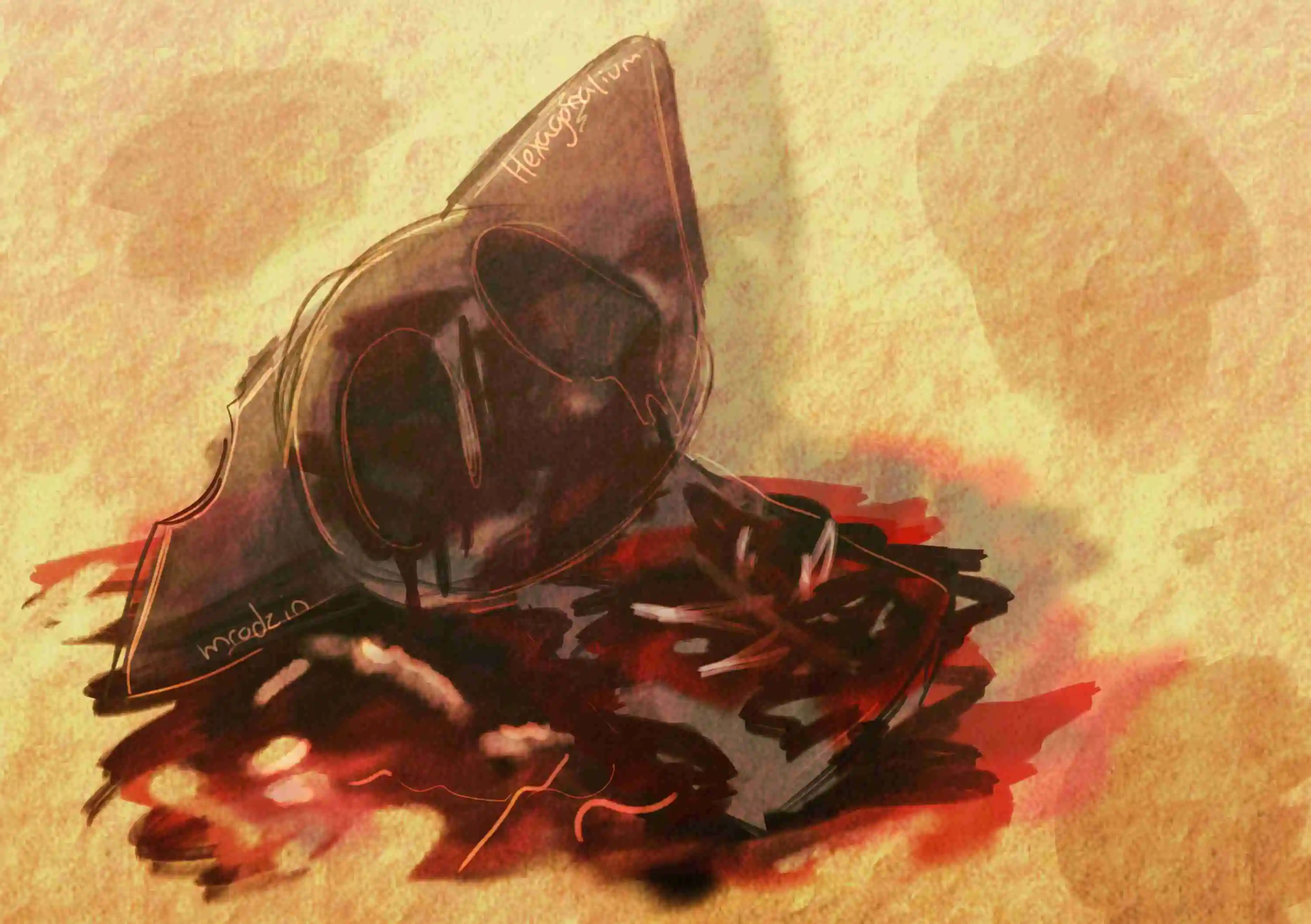
A locked door stands in for a secret. A storm breaking outside mirrors a confrontation or revelation unfolding within. Blood, one of the genre’s most enduring images, carries a double meaning. It represents both life and taboo, giving vampire stories particular room to explore attraction and fear at once.
A garden overtaken by thorns can suggest beauty that has learned to protect itself, or love that has begun to wound. None of these details exist solely for decoration. When the landscape reflects the emotional stakes, the setting becomes part of the story instead of simply surrounding it.
Horror romance spends much of its time in genuinely uncomfortable territory: consent complicated by supernatural power, affection that begins to resemble control, and a fascination with dangerous partners that, in weaker stories, slips into romanticising harm.
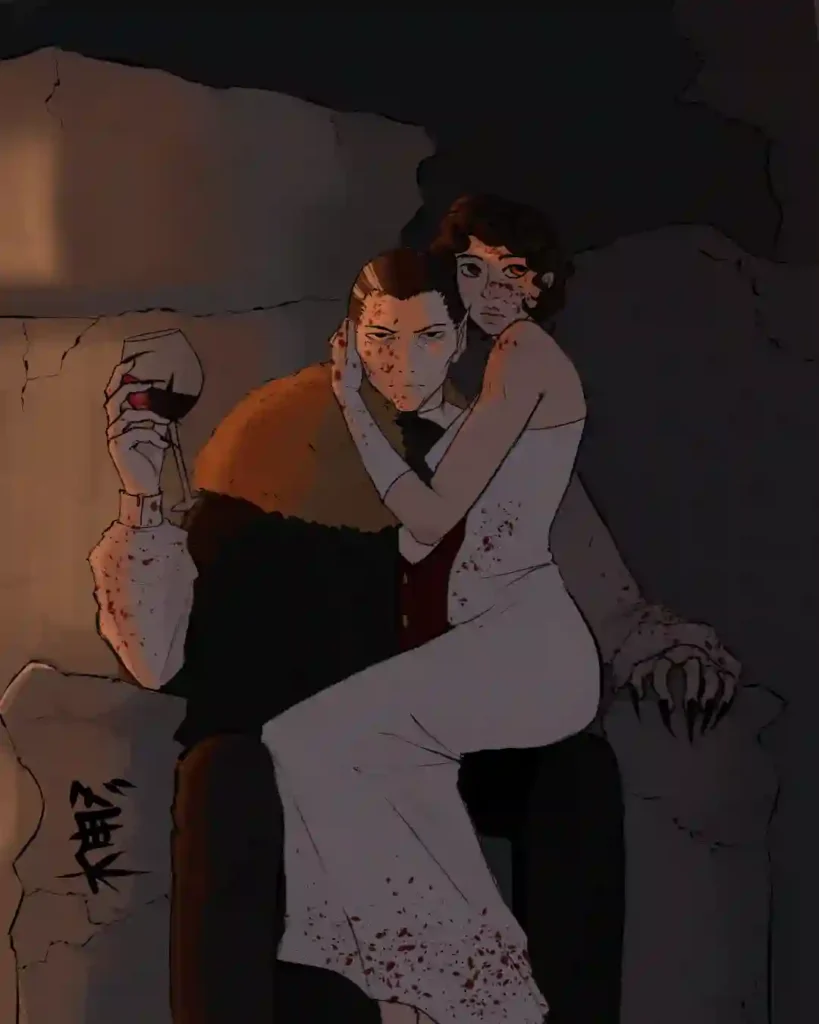
Ambiguity alone is not a virtue. A story that allows the reader to feel the pull of a controlling or violent partner is doing something very different from one that mistakes that pull for the point. The distinction lies not in how dark the material becomes, but in whether the narrative examines the imbalance it creates or leaves it unquestioned.
Dracula’s appeal to Mina endures because the novel, and the generations of writers responding to it, never stop asking whether that attraction deserves trust.
Horror romance has endured across two centuries of retellings because the body doesn’t draw a clean line between fear and love.
From Brontë’s attics to Moreno-Garcia’s mold-ridden estates and Stoker’s Transylvanian castle, the throughline isn’t a shared monster or setting. Kept alive rather than resolved too soon, that tension is what turns a ghost story into a love story, and back again.

July 20, 2025 .
Animation, Lists
Our list rounds up the top 30 cartoon characters that were villains, each one more wonderfully wicked than the last.
READ MORE
April 29, 2026 .
Lists, Opinions
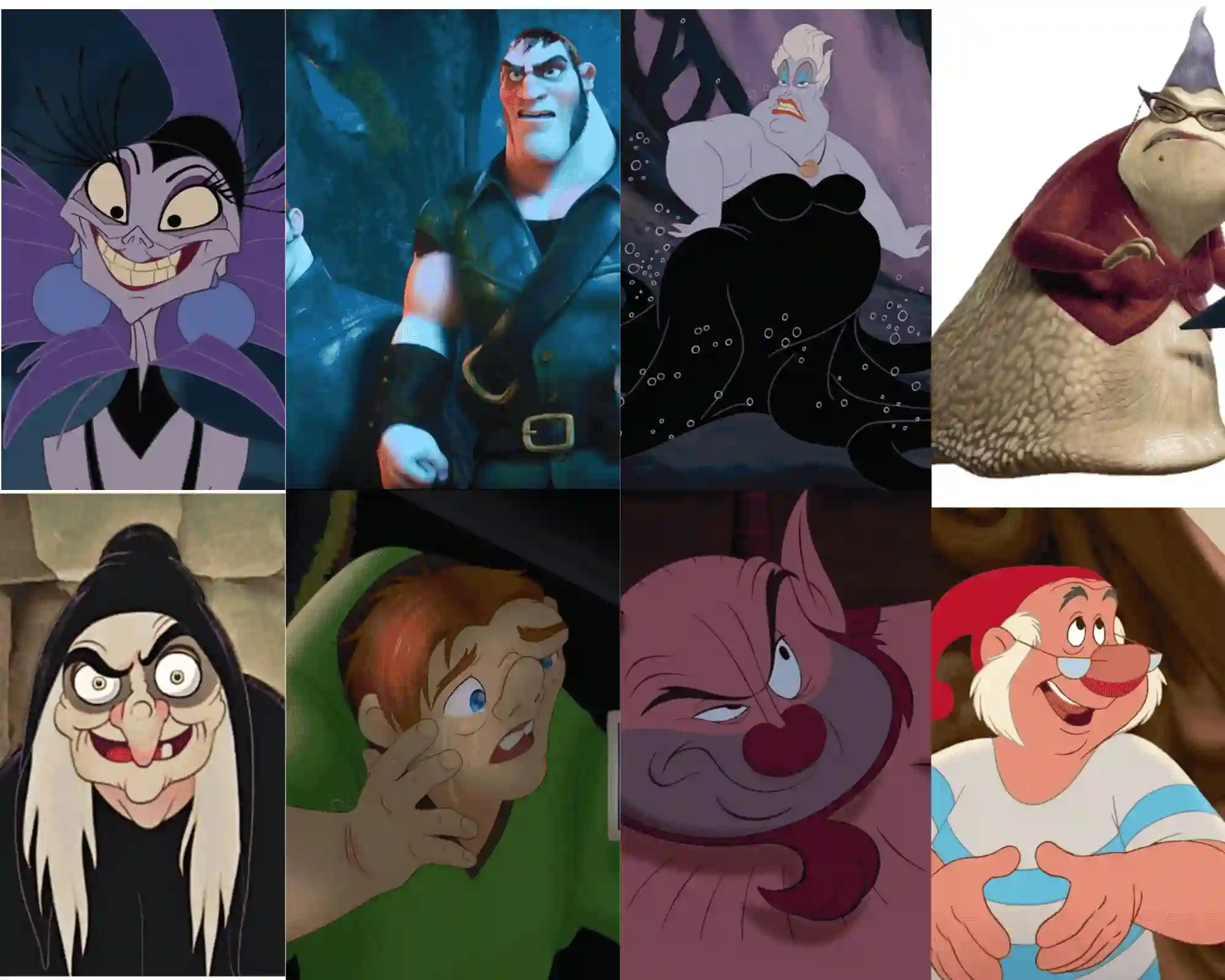
The Mouse is famous for its princesses and princes. However, the studio’s true genius lies in its embrace of “ugly Disney characters”.
READ MORE
May 6, 2026 .
Lists, MCU
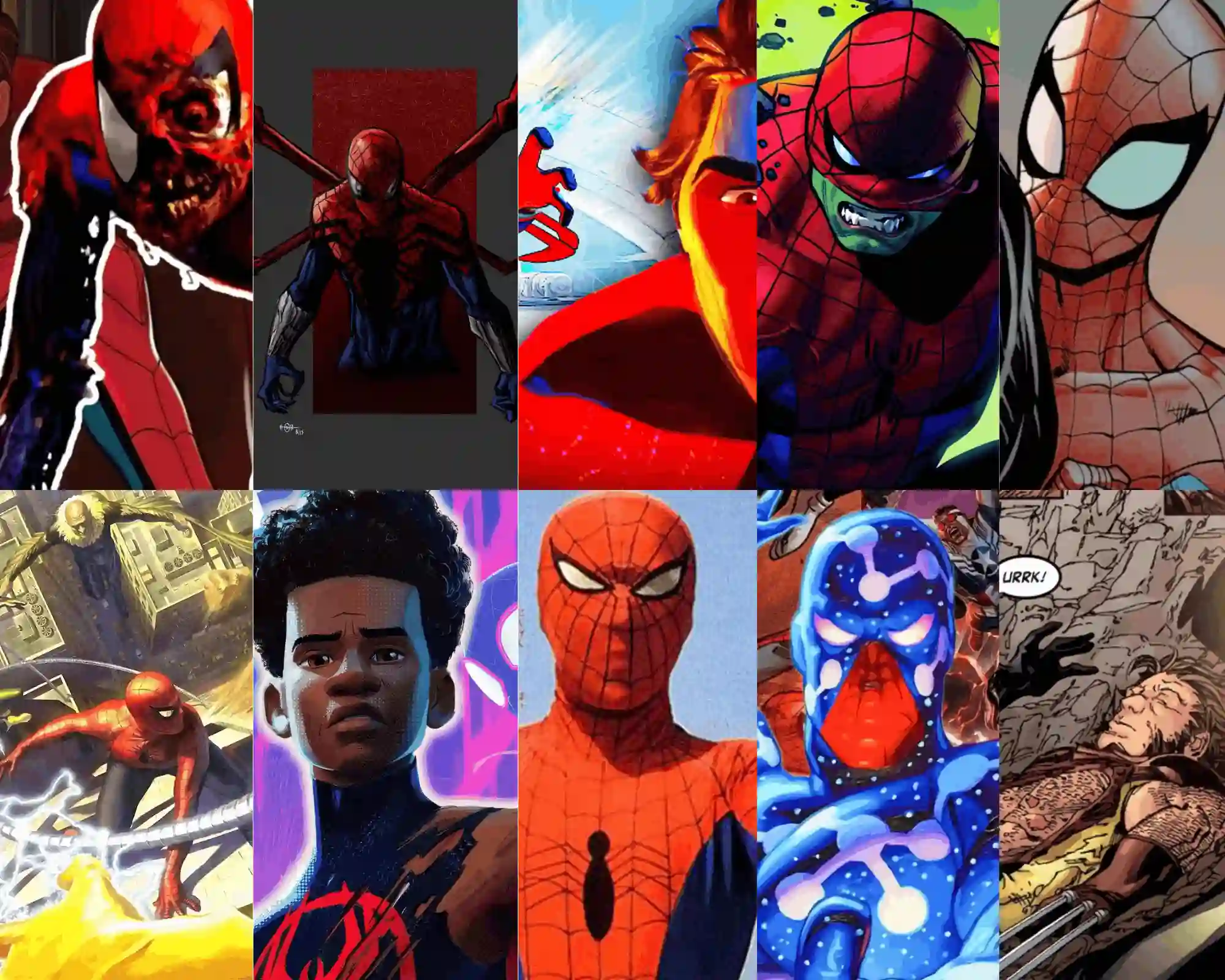
Spider-Man is one of the many superheroes from the Marvel Universe whose stories shaped many childhoods. Who is your strongest Spiderman?
READ MORE
October 28, 2025 .
Debates, Lists, Marvel, MCU
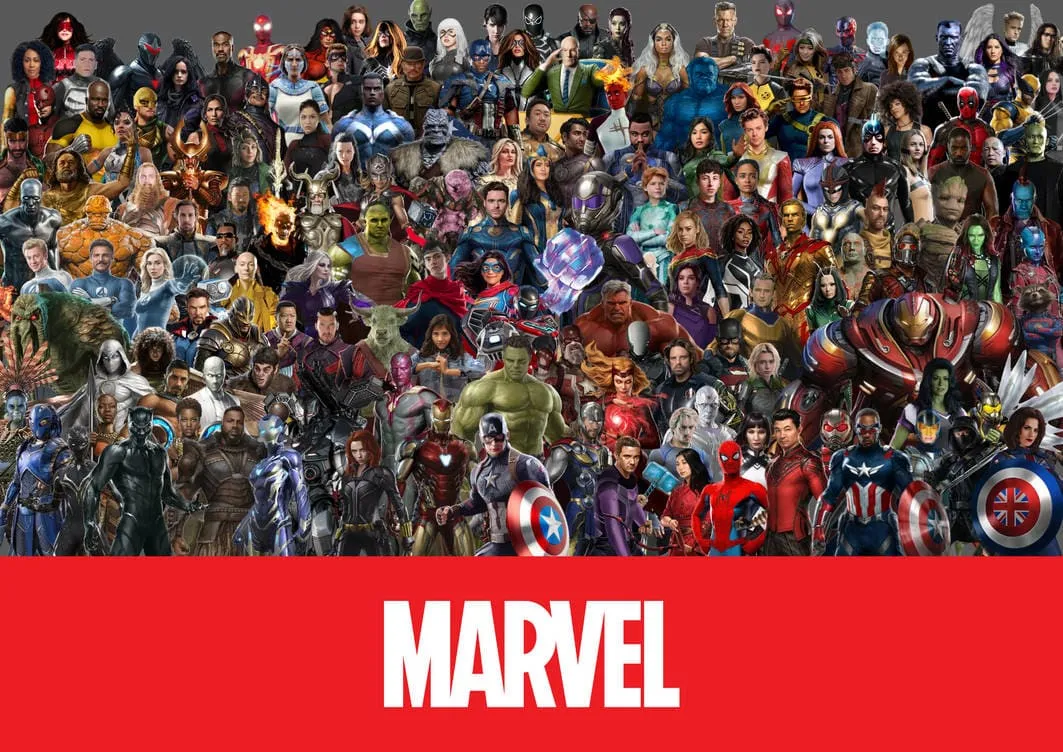
Every Marvel hero brings something to the table. But if we had to pick the top 8 most popular Marvel superheroes, who would make the cut?
READ MORE
October 28, 2025 .
Lists, Marvel, MCU, Opinions
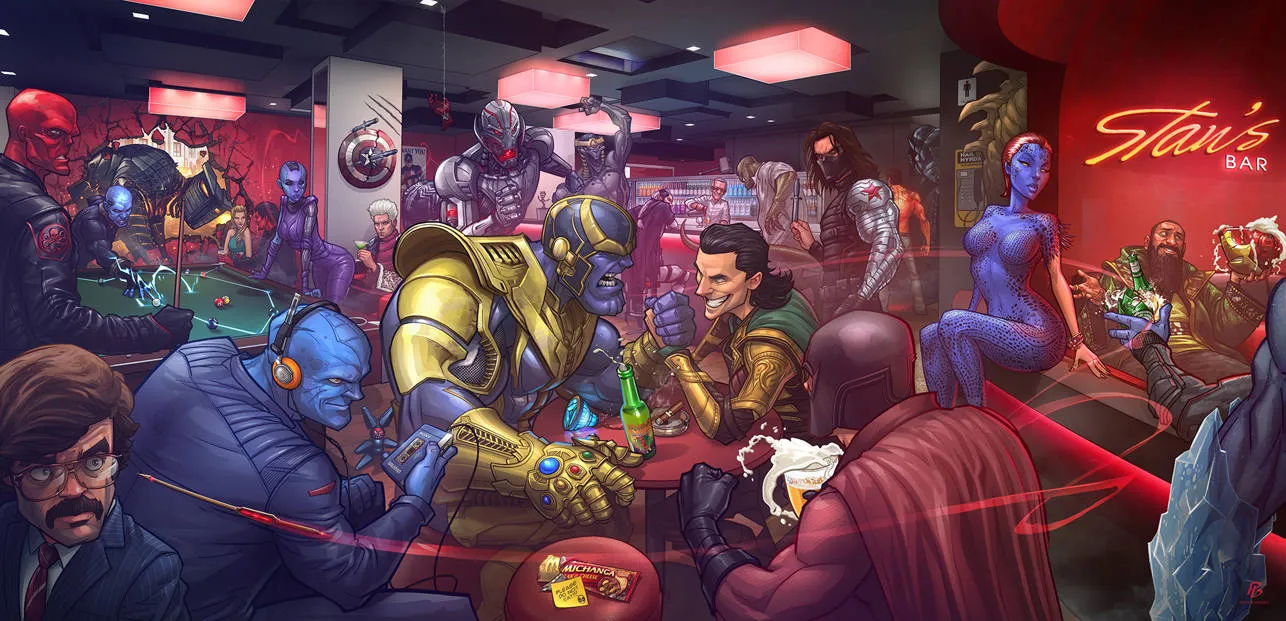
Let’s go through a list of the top 7 strongest Marvel villains, from the wickedly powerful to the absolutely unstoppable.
READ MORE

July 20, 2025 .
Essays, Opinions
READ MORE

July 20, 2025 .
Essays, Opinions
READ MORE

July 20, 2025 .
Essays
Except if you have been living under a rock or in outer space since the beginning of time, there is no way you wouldn’t have heard of Wole Soyinka.
READ MORE

July 20, 2025 .
Essays, Opinions
READ MORE
September 12, 2025 .
Essays, Fantasy, Opinions
Fantasy is everything that lies in the realm of the fantastic. And, the more deviant from reality it is, the better.
READ MORE
July 20, 2025 .
Essays, Opinions
African literature embraces inclusivity, harnessing words as a medium to impart wisdom, preserve truths, and honor ancestral struggles.
READ MORE
October 22, 2025 .
Essays, Writer Resources
Ever found a book that looks like a comic but tells a complete, well-structured story? Congratulations, it’s a graphic novel.
READ MORE
July 18, 2026 .
Disney, Essays
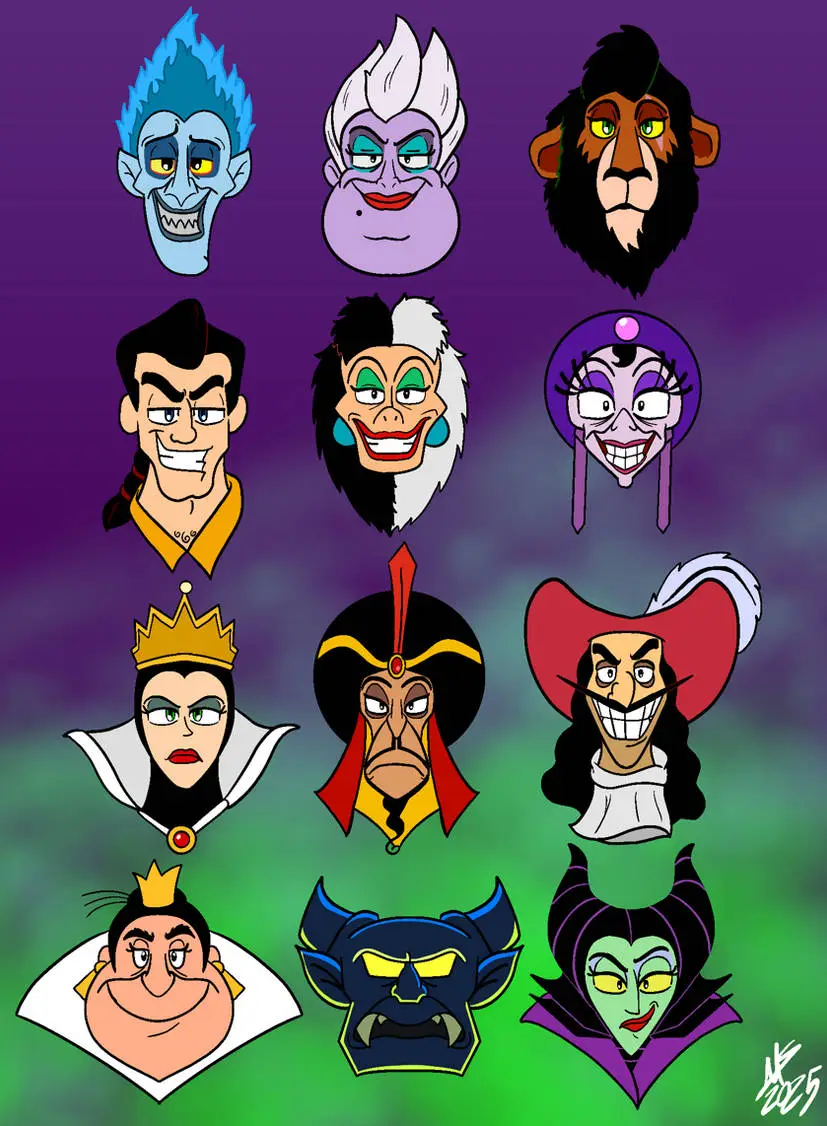
Let’s examine the trend of softening Disney villains, its implications, and viewers’ responses to less sensitive material.
READ MORE
July 24, 2025 .
Essays, Writer Resources
READ MORE
Get our magazine for free!