


















The Road to the Country is not about reimagining war. It’s about facing it; its chaos, silence and legacy. It’s about the people who lived through it and those still carrying it in their blood.
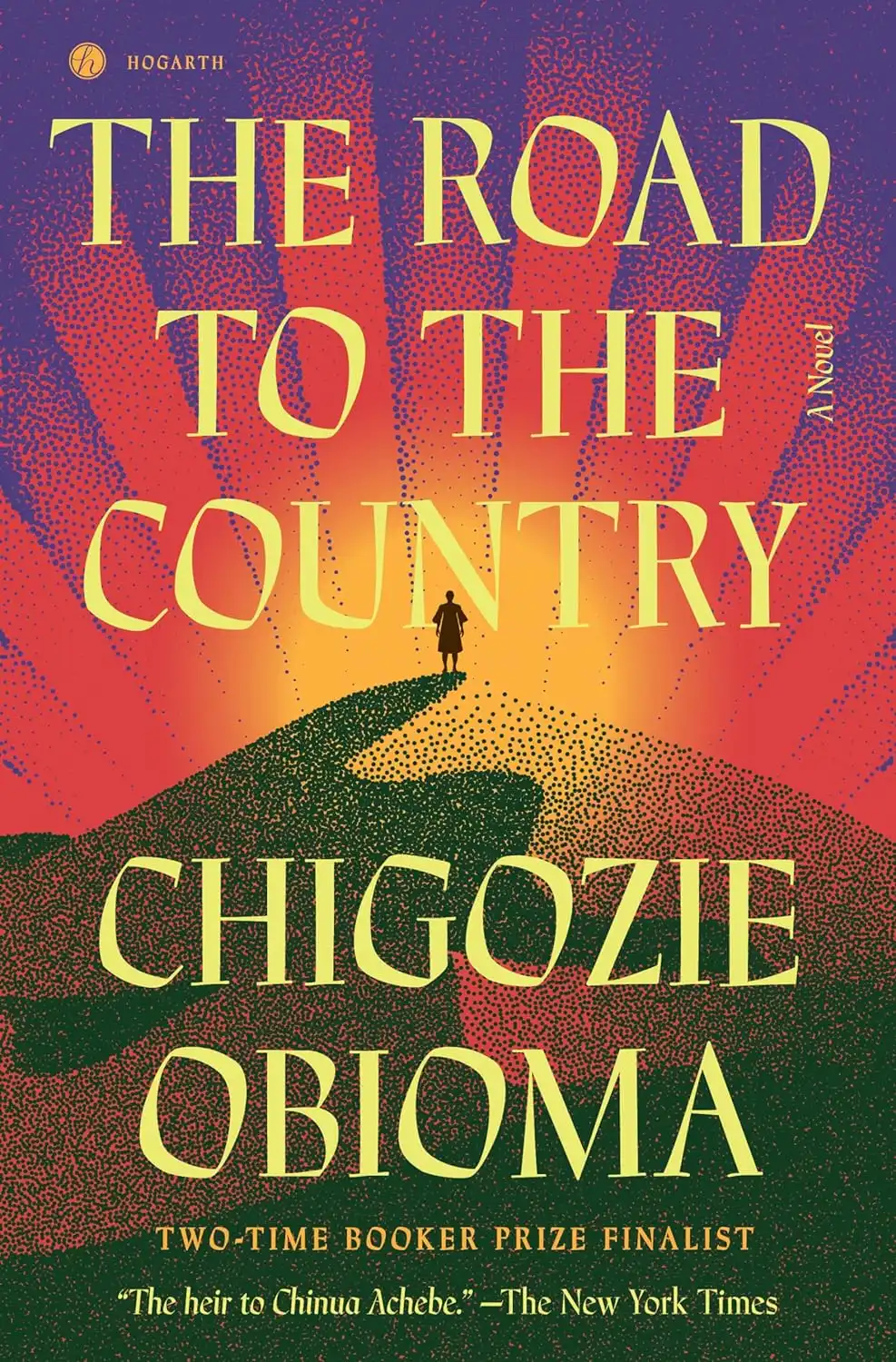
Some wars happen in the world; others happen inside the soul.
Chigozie Obioma’s The Road to the Country is an exploration of a novel where mysticism meets survival, and where a man’s inner conflicts mirror the larger, bloodier one raging around him. It’s a story that resists comfort, unfolding with the quiet authority of memory and myth. And although the Biafran war is not a new trope.
Set during the Nigerian Civil War, the book weaves together divination, forced conscription, and spiritual inheritance into a deeply human story of loss and reckoning. Kunle, the protagonist, is a young man thrust into a war he neither understands nor believes in.
His repeated attempts to flee from the battlefield, from his brother’s silent aggression, and even himself, form the book’s recurring motif of escape and entrapment. Each failed flight feels less like a physical defeat and more like an existential truth: that you can’t truly outrun what’s inside you.
Obioma’s central technique, using the war as a mirror for the man, is a familiar one in African literature. But here, it’s executed with such finesse that it feels almost new.
Rather than turning the war into a mere backdrop, he allows it not just to reflect Kunle’s inner turmoil, but his struggle with startling precision. His evolution as a soldier, as he feels alienated, then finds camaraderie amongst supposed enemies.
The external violence becomes an extension of the internal one: both are driven by duty, guilt, and an inherited inability to break free. His evolution as a soldier, as he feels alienated, then finds camaraderie amongst supposed enemies.
Mysticism and divination thread through the novel like a second consciousness. Through Baba Igbala, the seer who knows what he cannot change, Obioma explores the burden of foreknowledge, the tragedy of watching fate play out despite intervention. His anguish becomes a quiet metaphor for the helplessness of those who saw the war coming but could not stop it.
Agnes, too, embodies this helplessness in another form. Her choice to leave her baby behind and join the war front is devastating, not because it is unthinkable, but because it feels inevitable.
In a world where grief and survival are indistinguishable, her decision becomes an act of reclaiming agency, however tragic. She stands as the novel’s most painful reminder that no one escapes war untouched, especially women who must fight in silence and memory alike.
One of the most interesting concepts has to be “hills of the ancestors” Obioma’s take on the afterlife, extends the story’s scope beyond realism. Here, the dead and the living coexist, time collapses, and generations speak across an invisible boundary. It’s not a metaphor for hope, but for continuity, the sense that the past is never fully gone, only folded into the present.
Obioma’s prose, often called “rotten English,” is deliberate and artful. It captures the rhythm of lived speech without exoticizing it. The language, drawn from extensive research and interviews, gives voice to those usually excluded from literary language: soldiers, villagers, and survivors. It is through this choice that the novel gains its authenticity; the war becomes not a distant tragedy but a lived texture of sound and syntax.
By the end, when Kunle holds his daughter and wails through the night, the book finds its emotional centre. In that moment, stripped of all mysticism, all prophecy, it distils everything the novel has been circling: the cost of survival.
The Road to the Country is not about reimagining war. It’s about facing it; its chaos, silence and legacy. It’s about the people who lived through it and those still carrying it in their blood.
For me, it has been my favourite read of 2025. It’s a book that feels both timeless and necessary. Obioma doesn’t romanticize suffering; he interprets it, measures it, and hands it back to us in a language equal parts brutal and beautiful.

Hi I'm Tega, I am a microbiologist with a lifelong passion for reading, I fell in love with books as child (where I was briefly obsessed with Enid Blyton, lol) reading is simply my escape and hobby and sometimes doubles as therapy for me . My favorite genres are African lit, historical fiction, memoirs/biographies and fantasy. I do beta reading and post book reviews which you can check out on my Instagram @ te_ga_o.
Best Films About Unexpected Age Gap Romance
Literary Awards and the Racism Card: A Wake-Up Call for Black Africa
Interview with the Vampire Relationships, Ranked
10 Top Recent Films for Action and Comedy Fans
Comma Rules Every Writer Should Know
10 Most Hype-worthy 2026 Book Releases (African Literature Version)
Five Gambling Films That Know the Bet Is Only Half the Story
Movies Where Poker Reveals Who a Character Really Is
Ranking the Top 20 Nigerian Romance Novels since 2020
In Defense of Reading and Gaming
8 Third-Person Omniscient Examples for the Plot
A Trade of Blood (Ana and Din Mysteries #3) by Robert Jackson Bennett
July 20, 2025 .
Animation, Lists
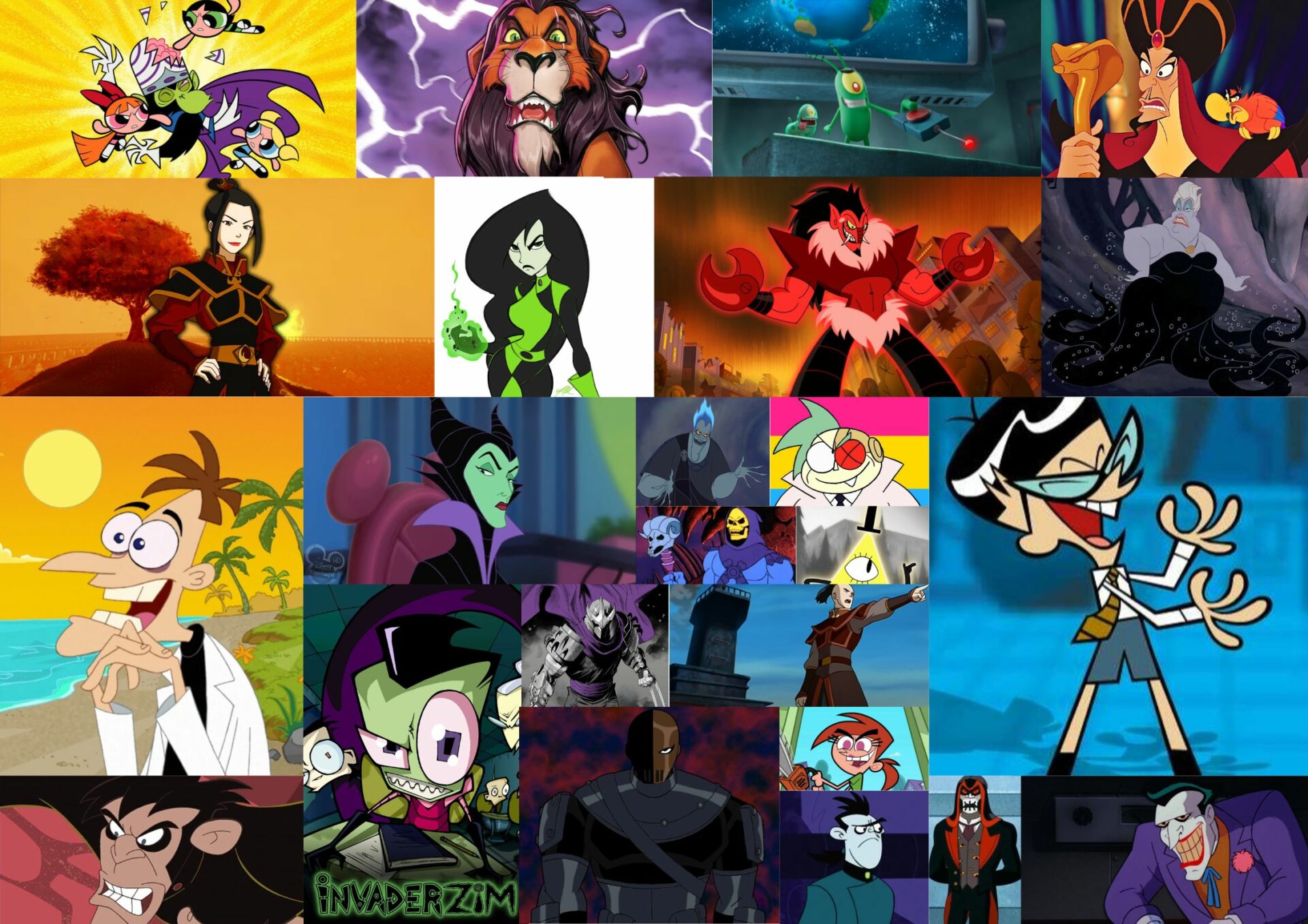
Our list rounds up the top 30 cartoon characters that were villains, each one more wonderfully wicked than the last.
READ MORE
October 28, 2025 .
Lists, Marvel, MCU, Opinions
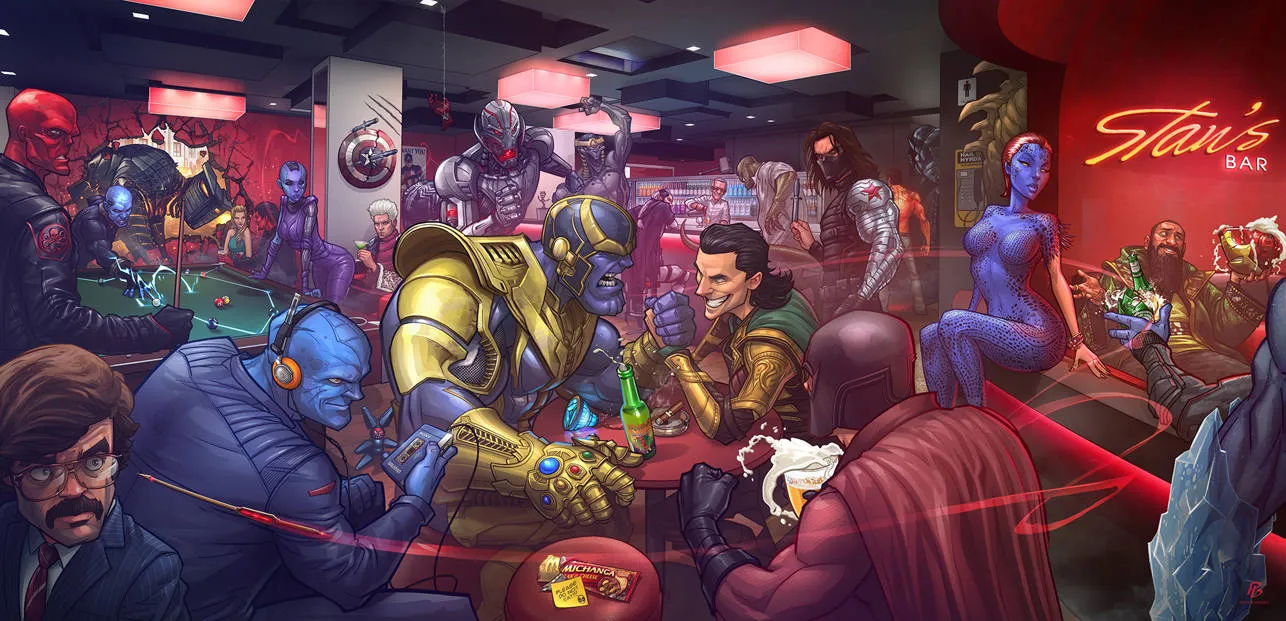
Let’s go through a list of the top 7 strongest Marvel villains, from the wickedly powerful to the absolutely unstoppable.
READ MORE
April 29, 2026 .
Lists, Opinions
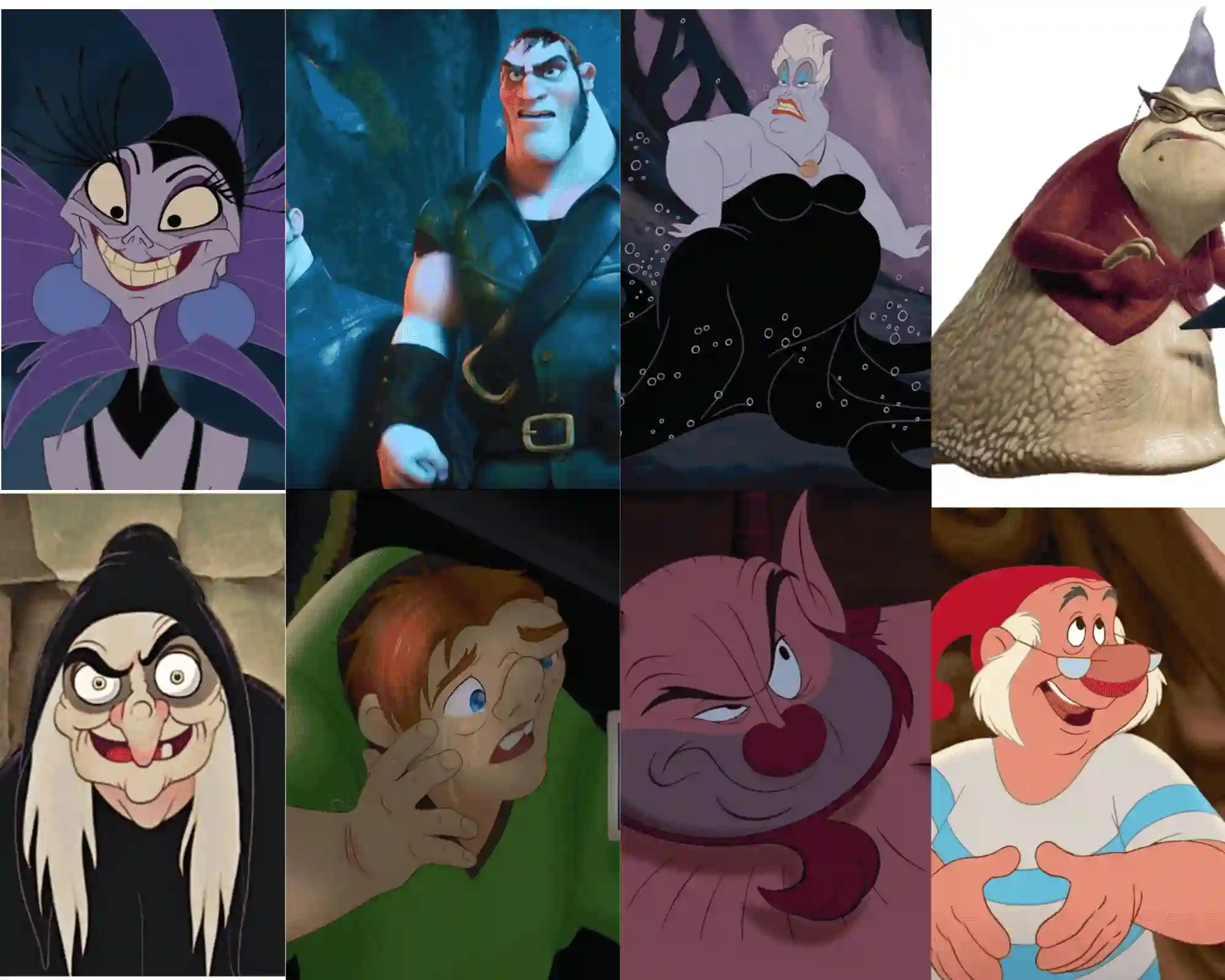
The Mouse is famous for its princesses and princes. However, the studio’s true genius lies in its embrace of “ugly Disney characters”.
READ MORE
May 6, 2026 .
Lists, MCU
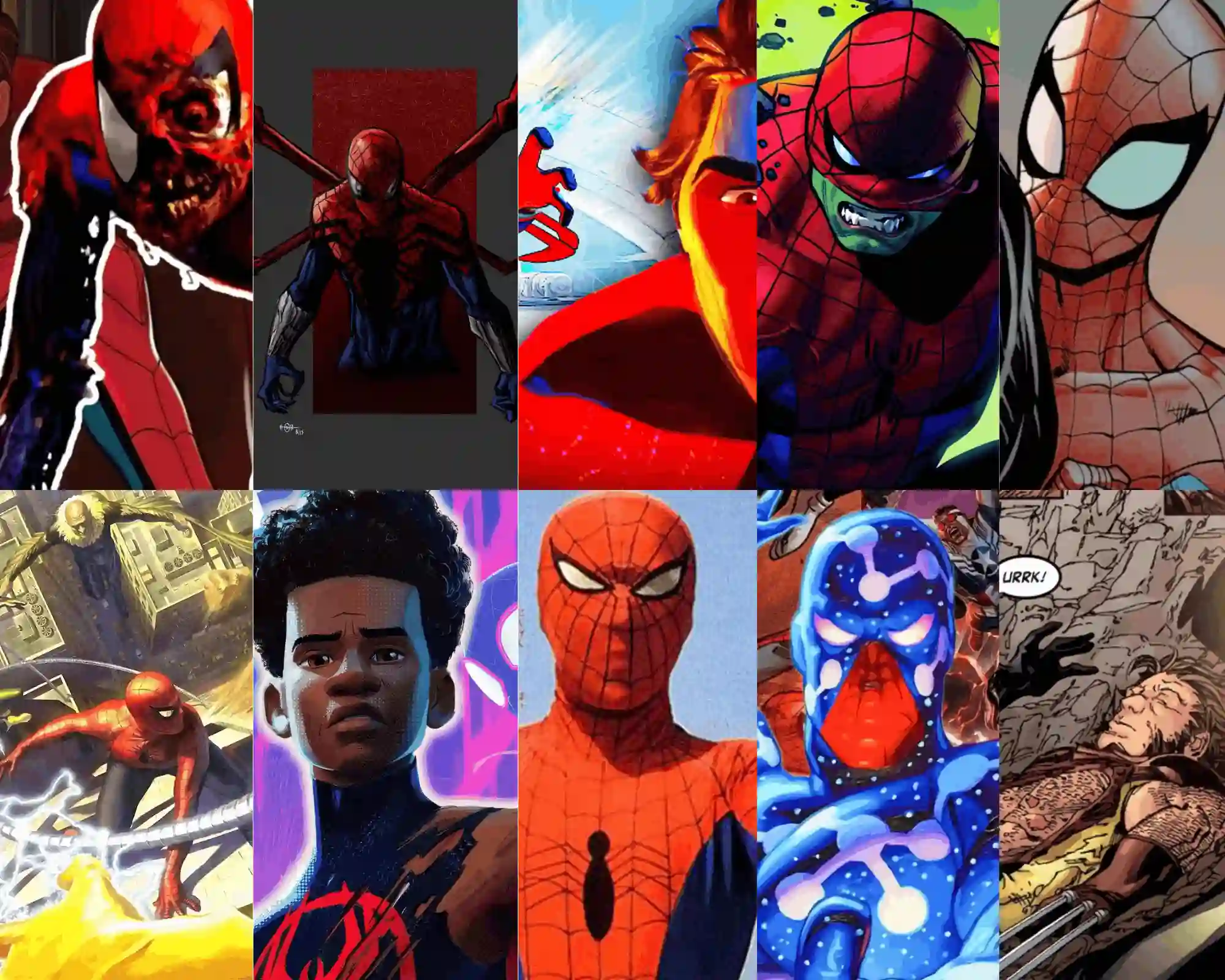
Spider-Man is one of the many superheroes from the Marvel Universe whose stories shaped many childhoods. Who is your strongest Spiderman?
READ MORE
November 27, 2025 .
Lists, Mythology
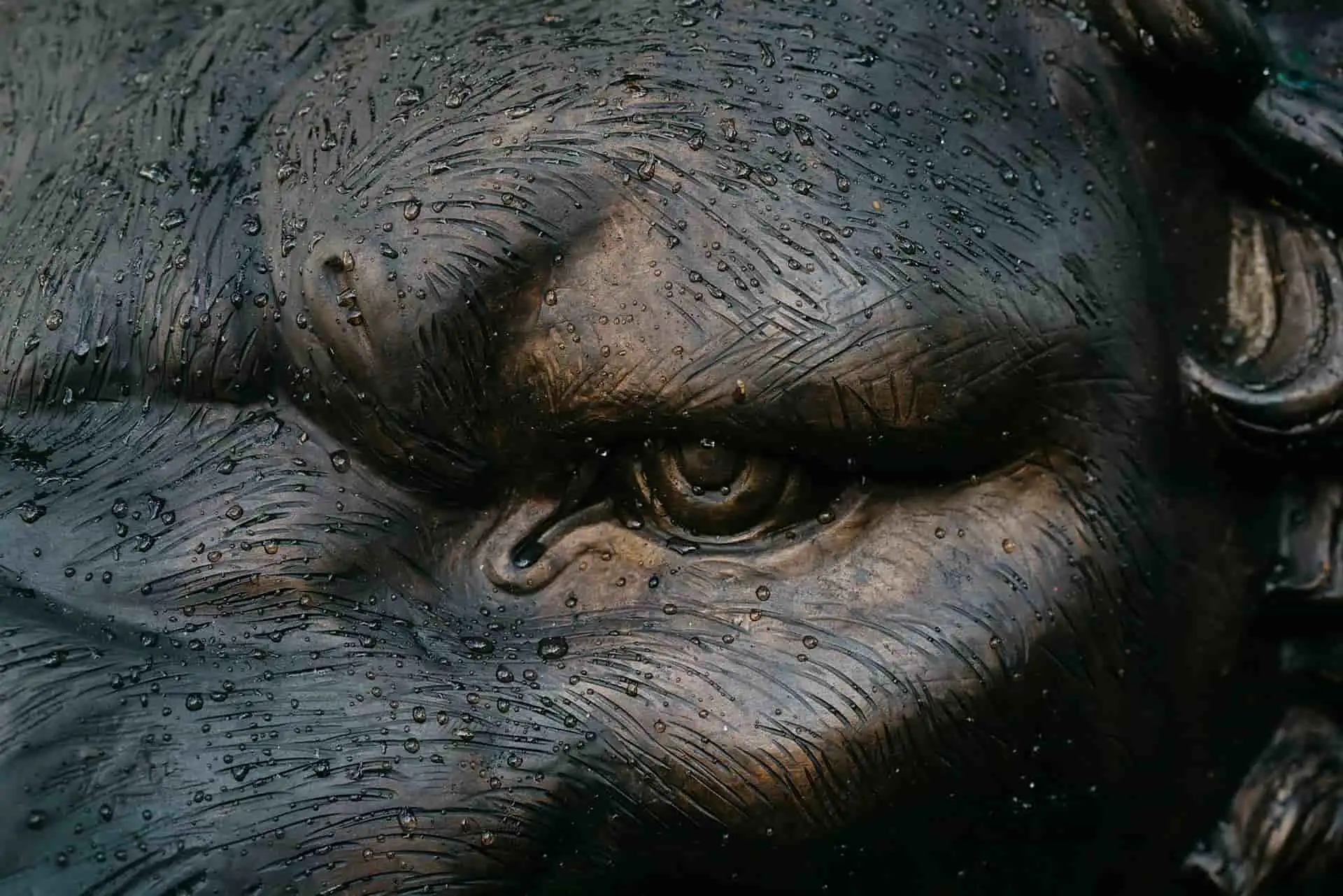
While this isn’t an exhaustive list, it comprises some of the most popular mythical creatures from around the world.
READ MORE
October 12, 2021 .
African Literature, chimamanda, cna, zikora
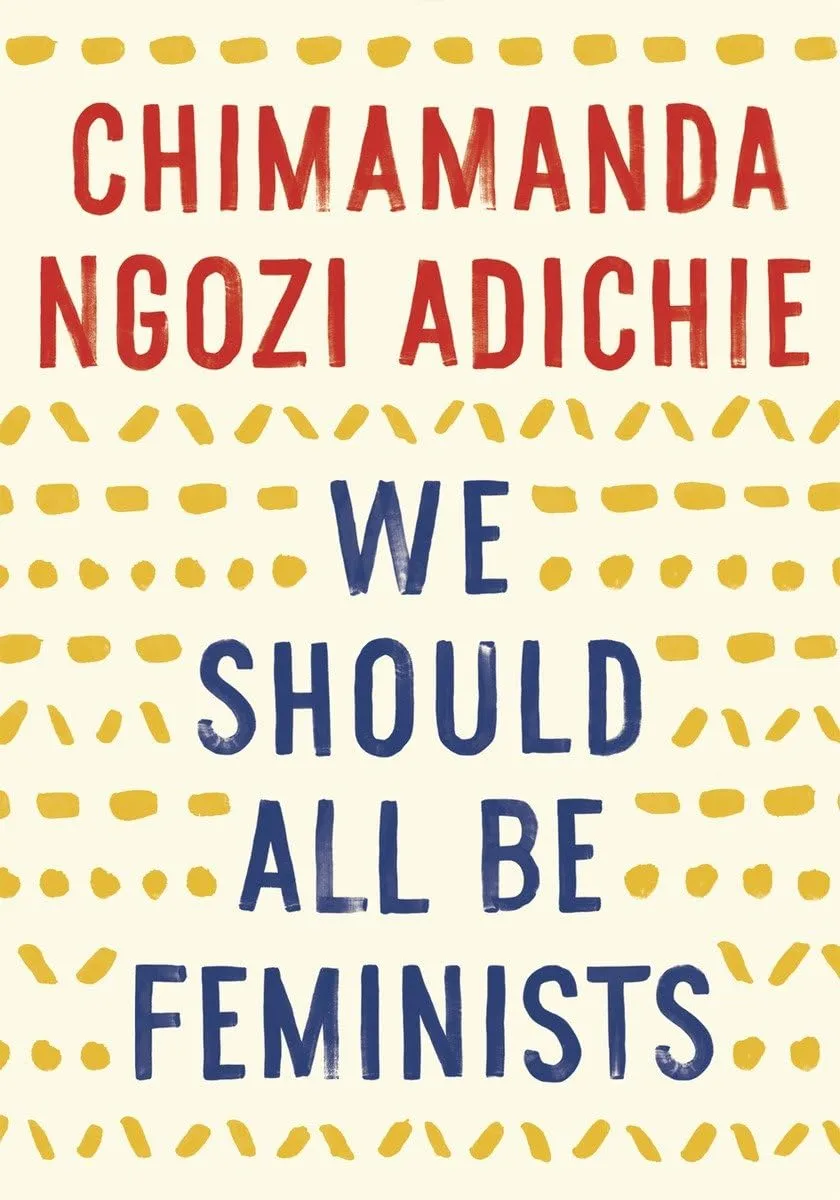
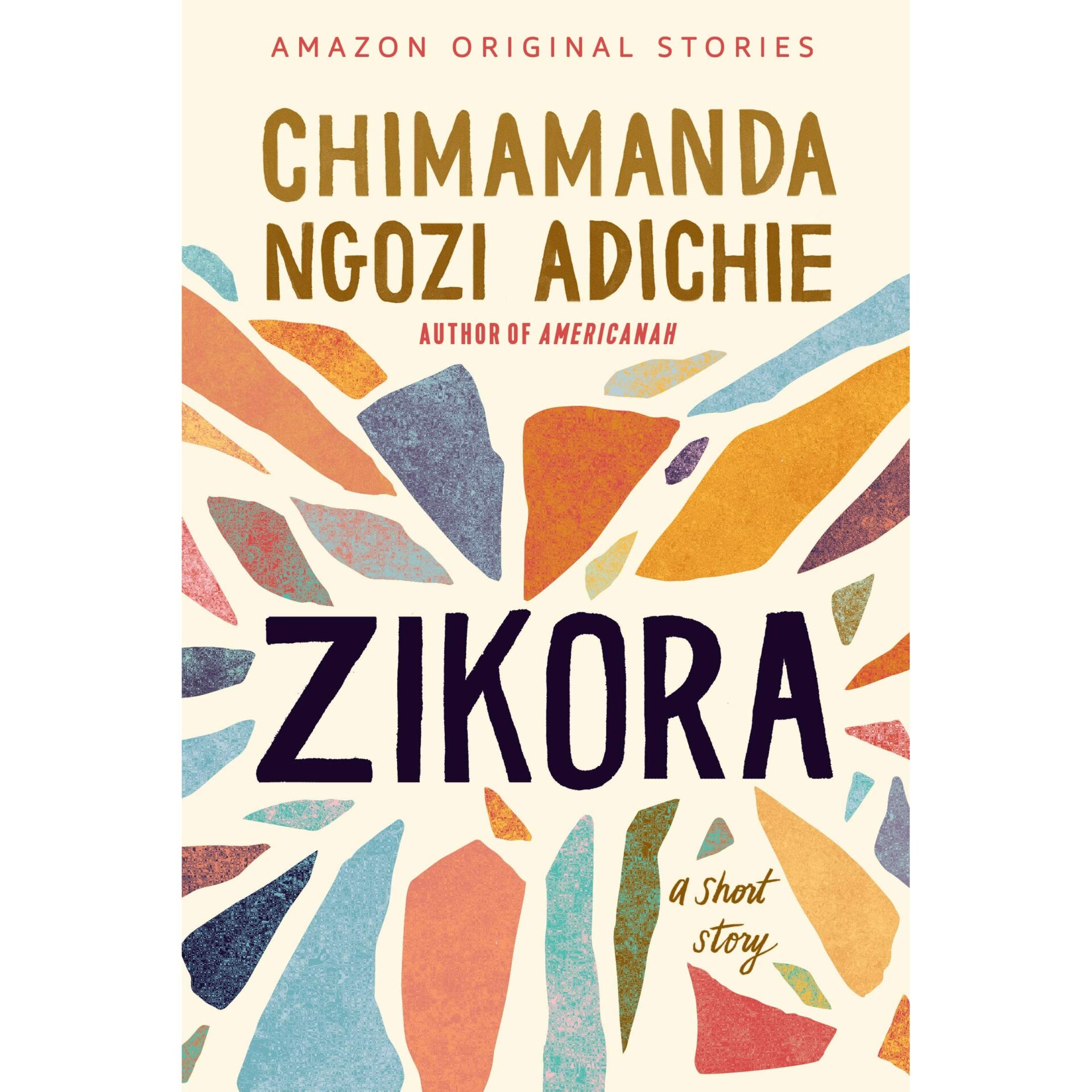
Hopefully, the reading of a book as this will enlighten men and generally educate people in the making of the right choices regarding amatory unions.
READ MORE
September 2, 2025 .
African Literature
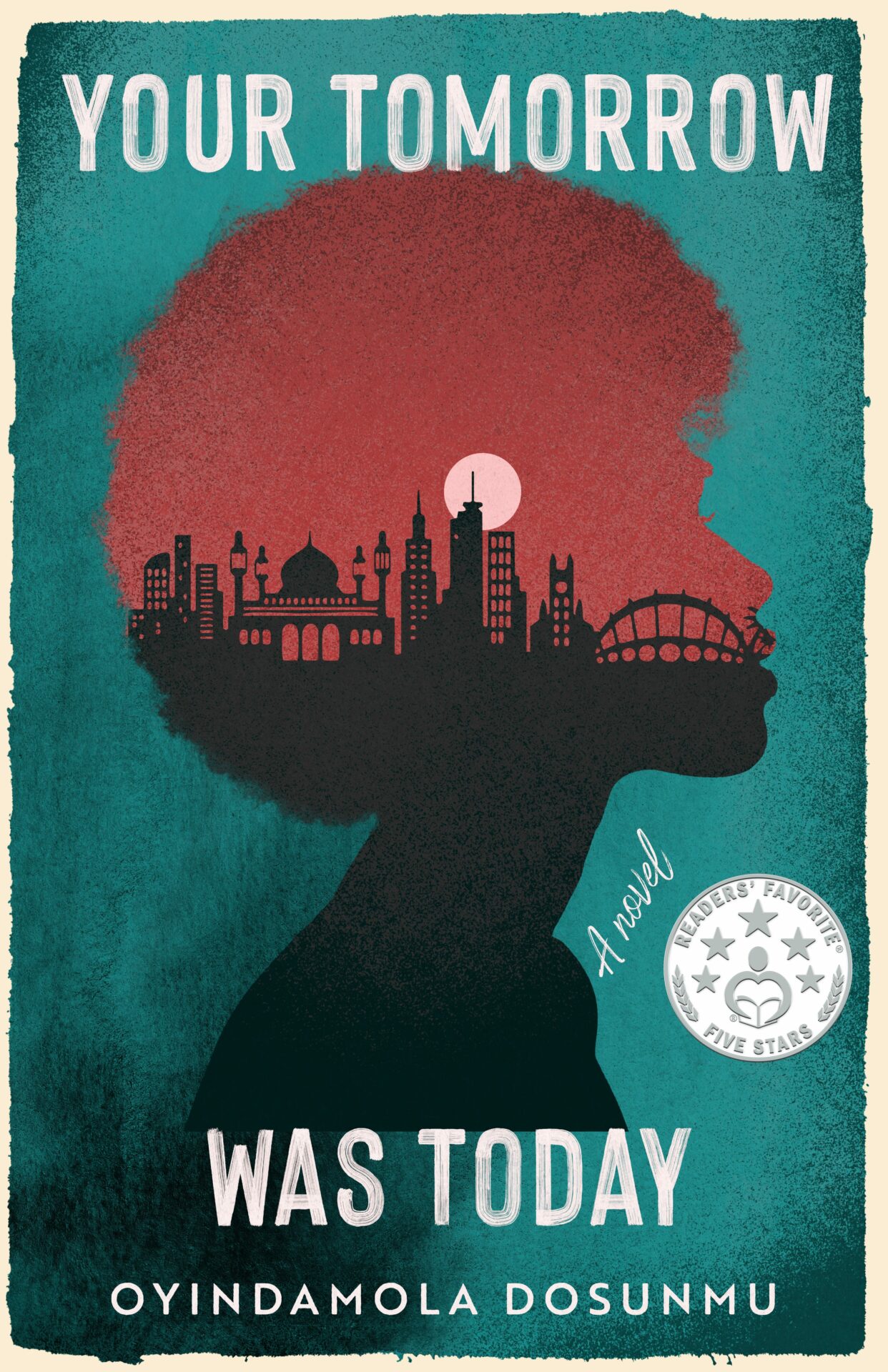
So yes, Your Tomorrow Was Today is guaranteed to be a book that will touch you, regardless of gender, interests or philosophy.
READ MORE
February 19, 2022 .
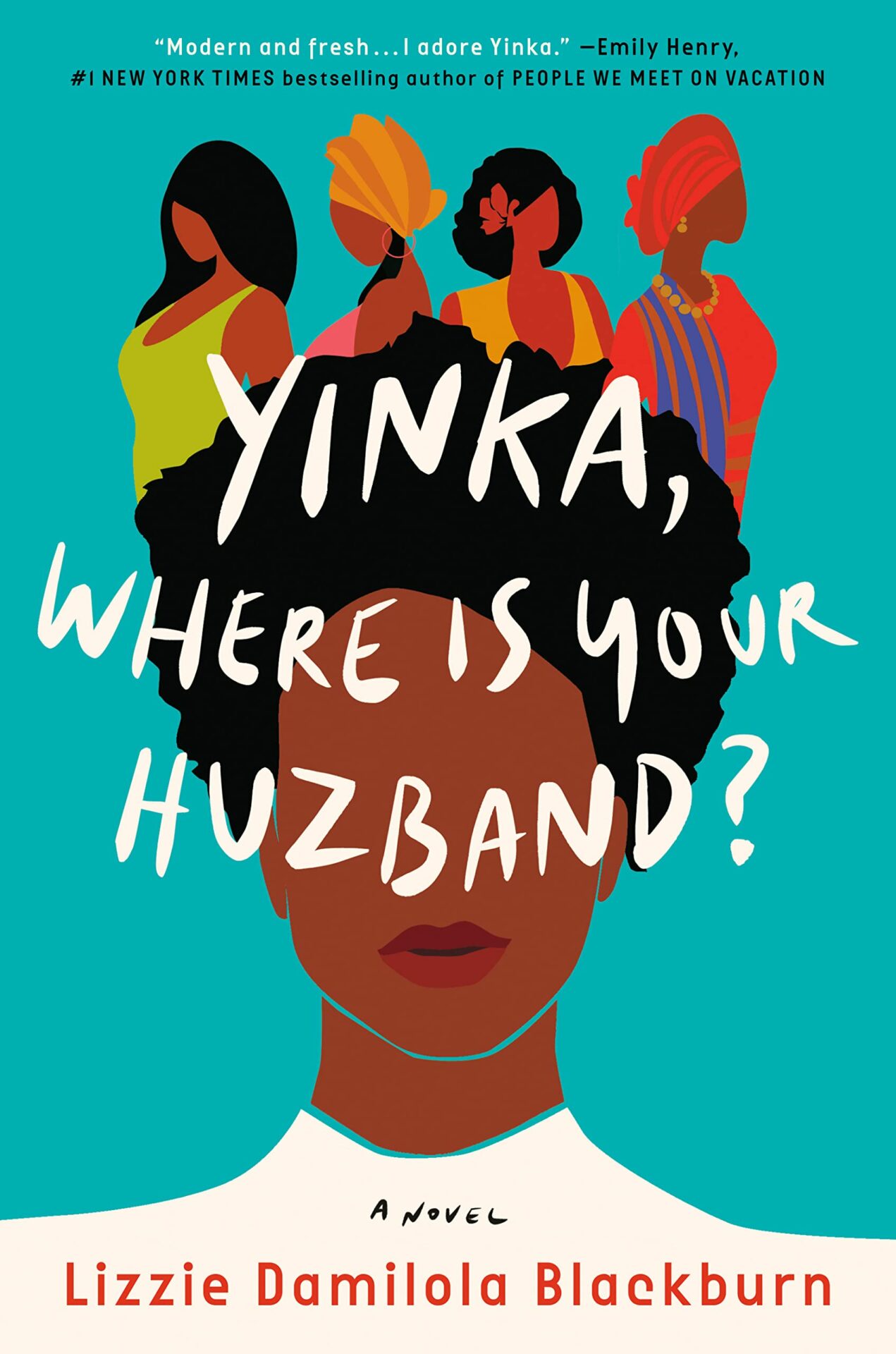
African Literature, Book Reviews, British Nigerian, lizziedamilolablackburn, Nigerian, Self growth, yinkawhereisyourhuzband
READ MORE

January 26, 2025 .
African Literature, sharjah
READ MORE
November 12, 2023 .
African Literature
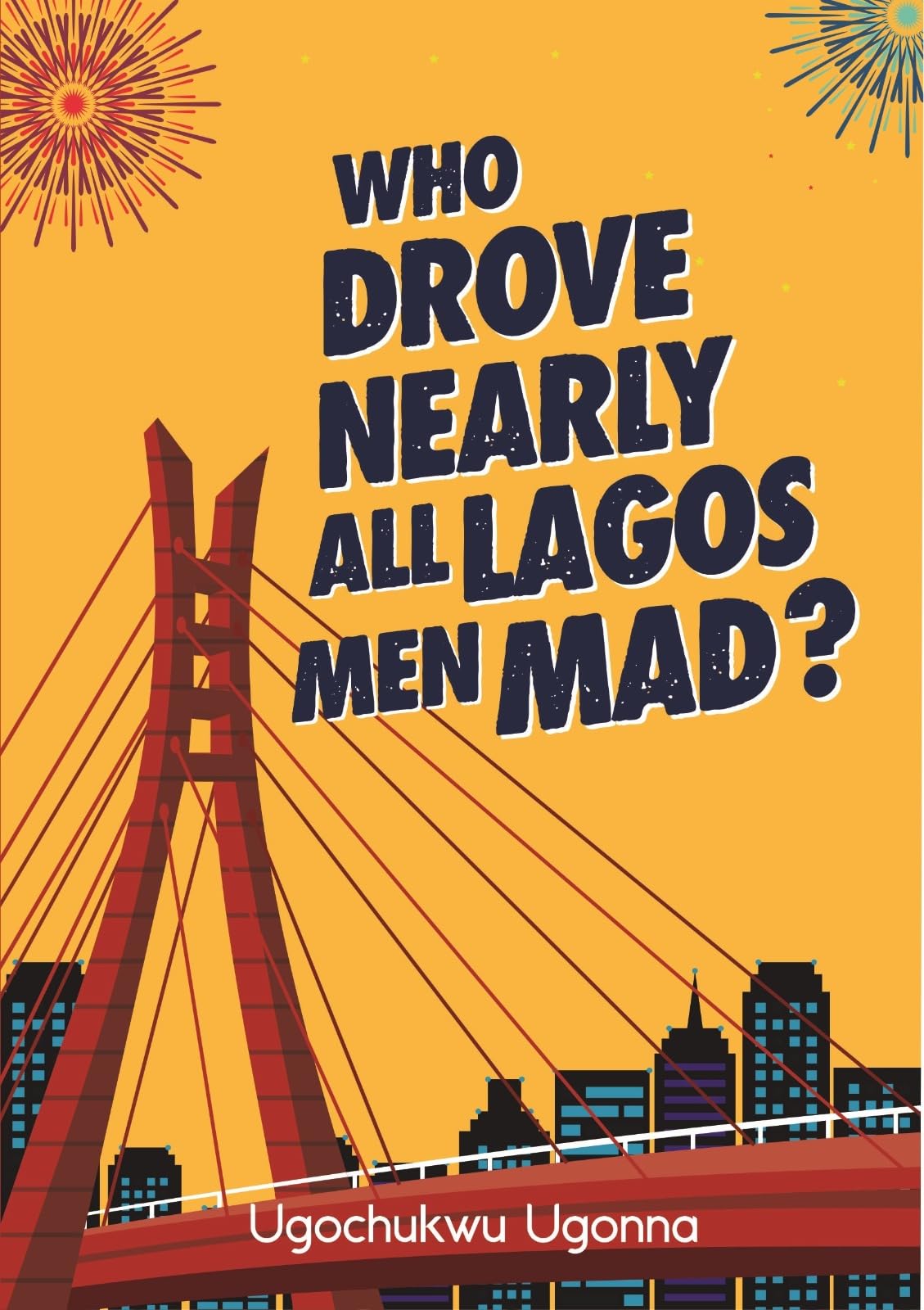
In these tales, women are portrayed as clever and tricky individuals, while men’s descent into madness is often a response to these traits.
READ MORE

December 4, 2023 .
African Literature
READ MORE
February 3, 2025 .
African Literature
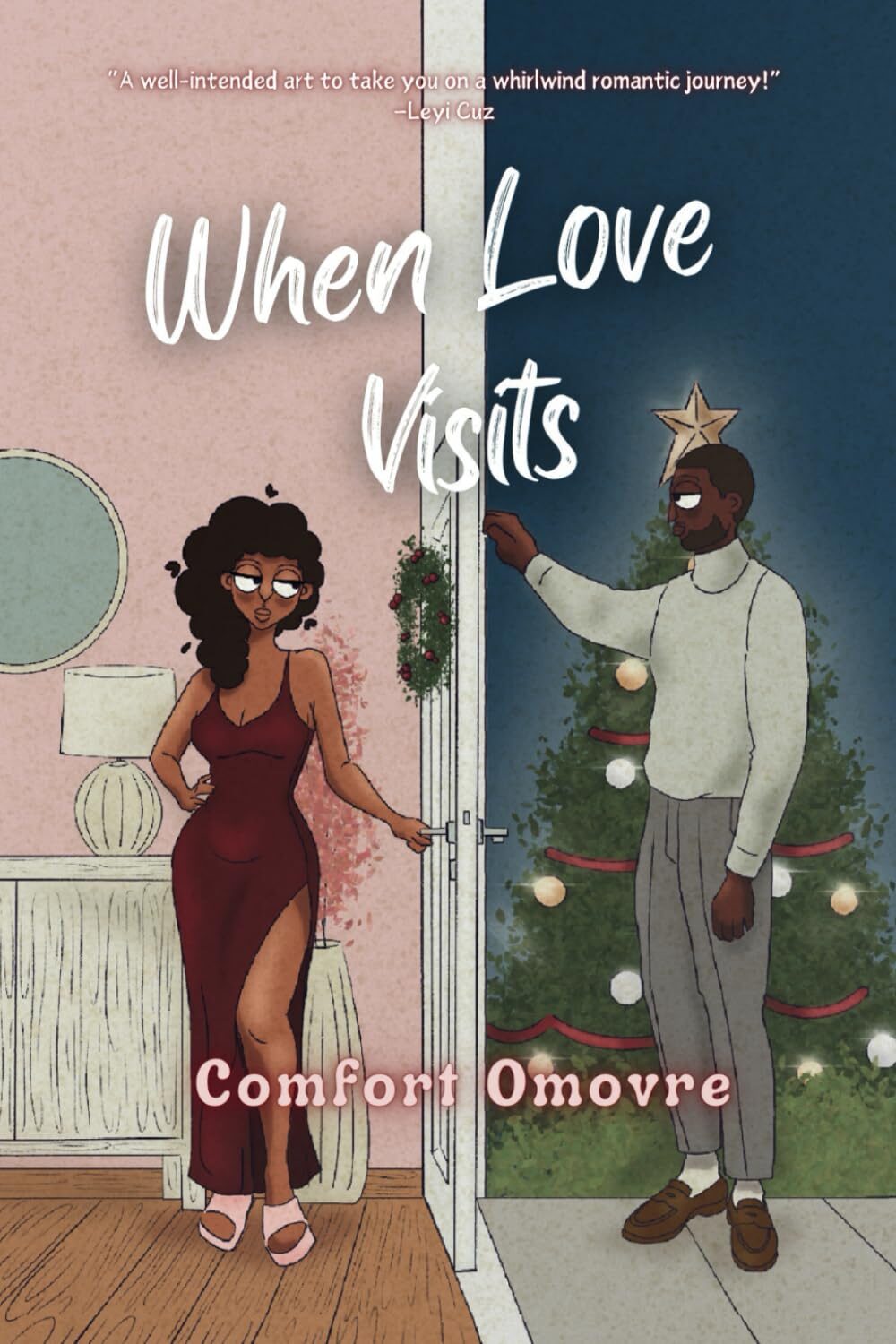
When Love Visits is a contemporary romance novel that narrates how Uju and Tade, both in their thirties and successful fall in love at first sight.
READ MORE

May 7, 2022 .
African Literature, miracleemekankwor, whathappenedtojanetuzor
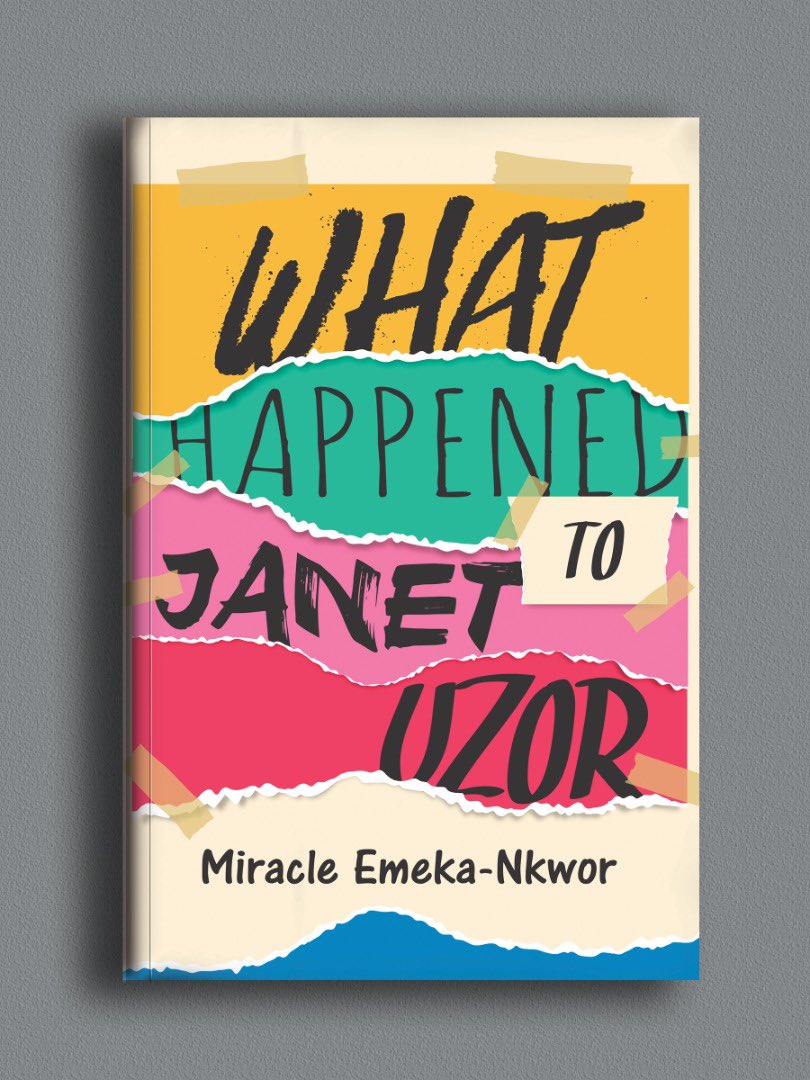
Ebere has a theory that a killer is out there that claims his victim every Christmas, and she believes their best friend Janet was one of his victims.
READ MORE
December 4, 2023 .
African Literature
I don’t find What Happened to Janet Uzor very hair-raising thrilling, but it has ENOUGH suspense to get you flipping.
READ MORE
Get our magazine for free!