


































If you won’t watch Nigerian movies for the sake of sentiment, then perhaps, you may be swayed to watch them based on hard facts.
Nigerian movies. Nollywood movies. There’s a clear-cut divide as to how the average Nigerian feels about them. You’re either on one side of the fence or the other.
You either belong to the school of thought that Nigerian movies, like made-in-Nigeria products, are inferior to foreign exports or not. You either turn up your nose at Nollywood productions or place stock in K-drama and swear by 21st Century Fox and foreign cinema, in general.
Especially those of white make.
But this is no racist-fuelled rant or bid to guilt-trip you into watching Nigerian movies. These are just a few reasons why they’re better than you think.

Except, like the character Andy in The Five Sorrowful Mysteries of Andy Africa by Stephen Buoro, you’re fully wired to detest anything of African make; it’s pretty hard to deny that Nollywood has come a remarkably long way.
From the shaky visuals of Living in Bondage, Issakaba, Igodo: The Land of the Living Dead, and Domitila to modern pictures like King of Boys, Breath of Life, and House of Ga’a, the evolution in sets, costumes, cinematography, and scripts is plain to see.
And it gets better every year.
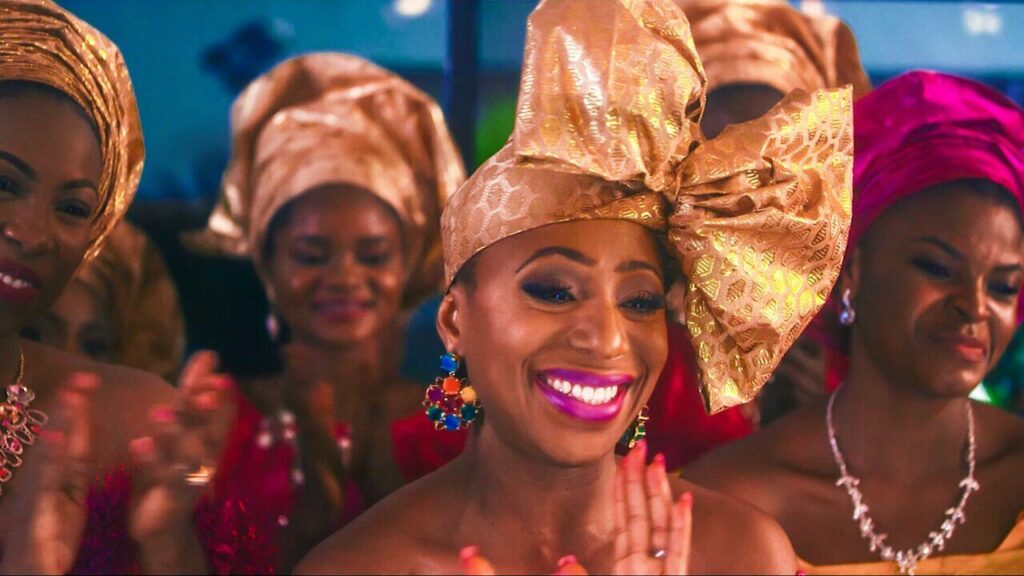
Make what you will of the CGI, which, admittedly, is still catching up to the dizzyingly lofty standards Hollywood sets; there’s no denying that Nollywood stars are every bit as good as their international peers.
While era-defining legends like Ini Edo, Jim Iyke, Genevieve Nnaji, Mercy Johnson, Pete Edochie, Ramsey Nouah, Rita Dominic, Omotola Jolade-Ekeinde, and Richard Mofe-Damijo still linger in the limelight, newer stars like Tobi Bakre, Nancy Isime, Alexx Ekubo, Osas Ighodaro, Teniola Aladese, and Bimbo Ademoye are thrilling audiences and growing fan bases with their on-screen charm and wonderful, versatile acting skills.
Over the last few years, the number of blockbuster Hollywood movies has arguably dropped. Production companies are investing more in TV series, book adaptations, live-action remakes, reboots, and the extension of established franchises (like the Fast and Furious series) than original pictures, even when it makes no sense to do so.
In all, the trend points to an increasing dearth of originality in scriptwriting.
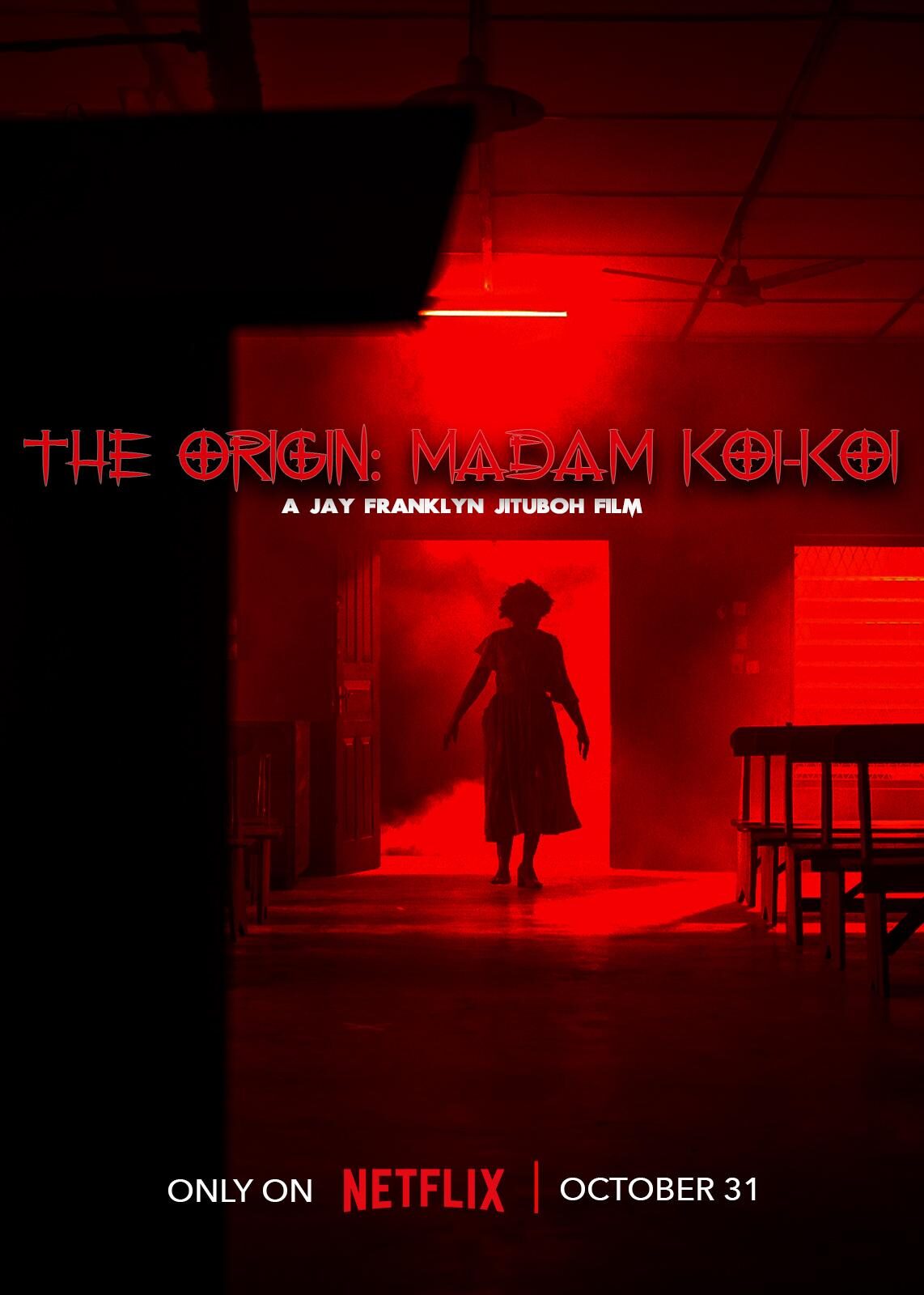
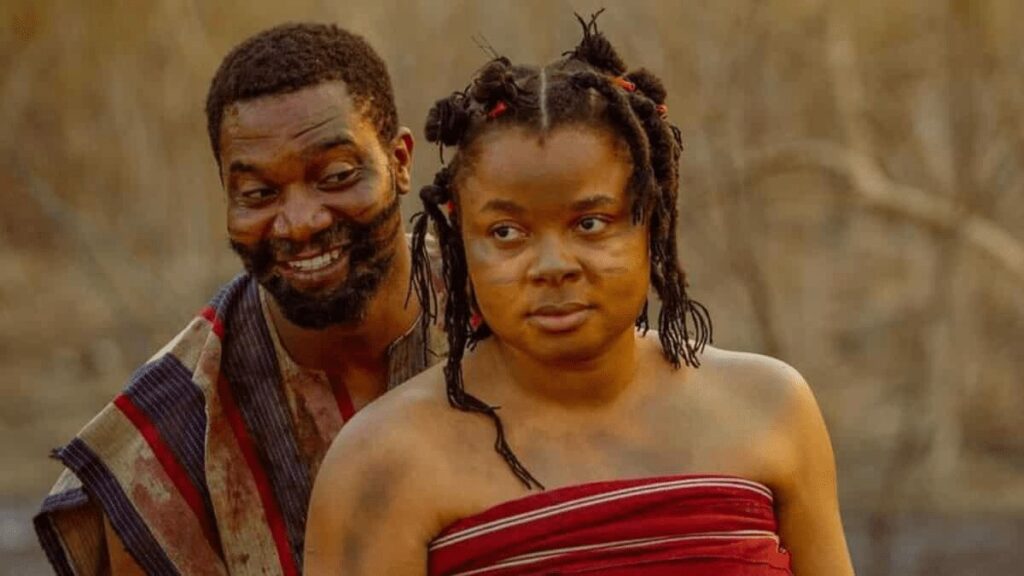
The Nigerian movie scene, on the other hand, is awash with a rich variety, with stories exploring a wide range of themes. From the romantic comedies of Adire and Christmas in Lagos to the epic blockbusters Jagunjagun and Agesinkole to the banger crime thriller King of Boys, Nigerian motion picture continues to show that it has scope, as well as depth.
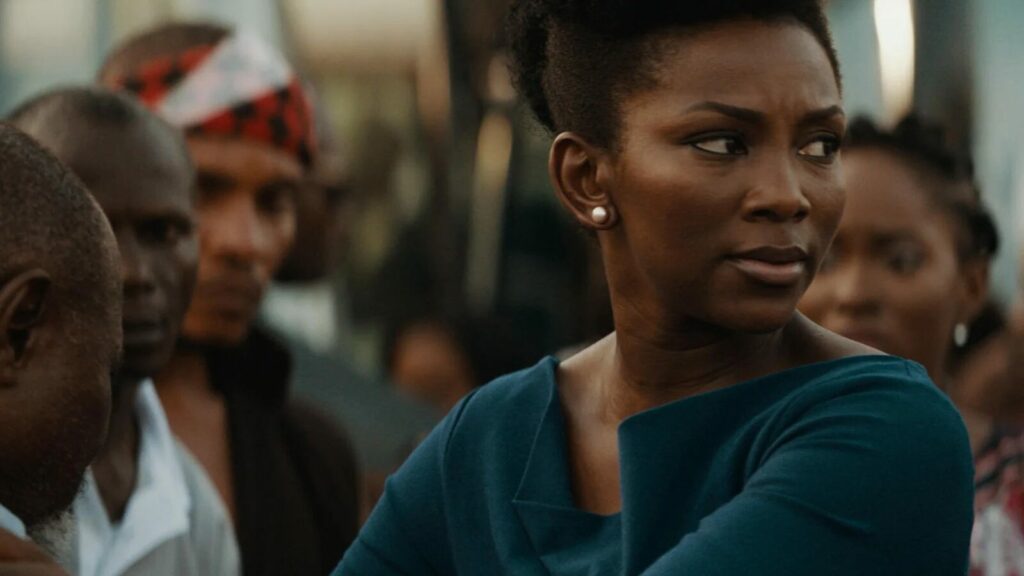
While nothing ultimately tops books, Nollywood movies remain a great informational resource for people looking to learn more about the Nigerian way of life.
True, many cultures remain underrepresented in Nigerian films, as the quest to accurately depict the realities of life in thirty-six states and over two hundred and fifty ethnicities continues to be painfully narrowed down to Yorubaland, the east, and the north.
Still, there’s no denying that the actors, producers and directors continue to do their very best to bring Nigerian culture to the big screens, especially in light of obstacles like funding and national security.
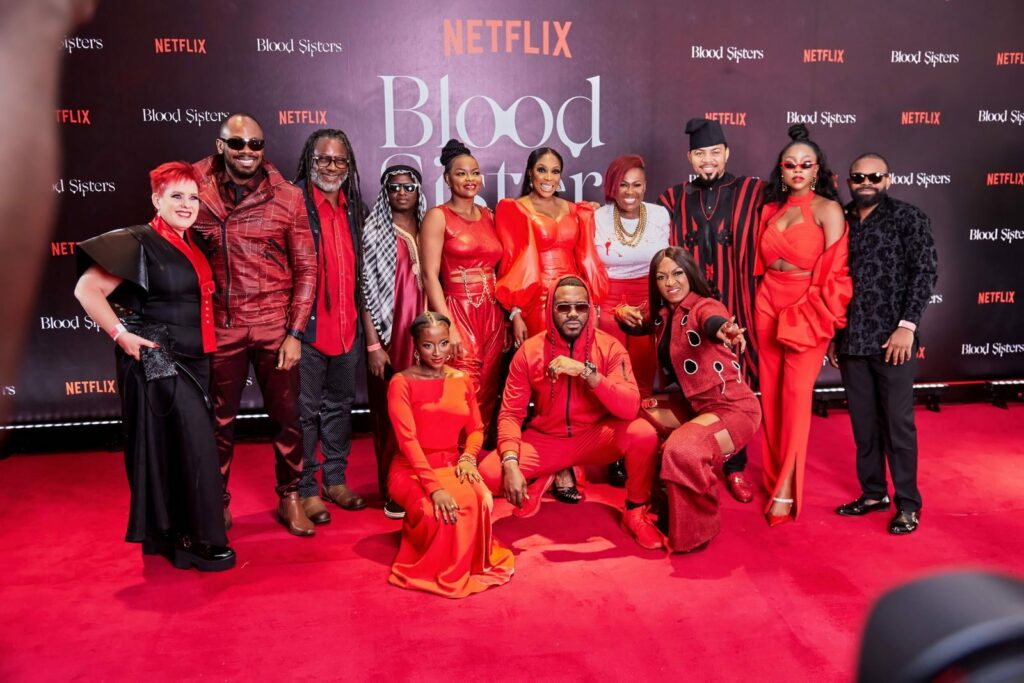
If you won’t watch Nigerian movies for the sake of sentiment (no matter how realistic), then perhaps you may be swayed to watch them based on hard facts.
Statistics show that the Nigerian movie industry is the second largest in the world, second only to Bollywood, and outranking Nollywood in terms of the number of films produced. While you’d probably argue that quantity doesn’t always equal quantity, Nollywood’s fast-growing continental and global reputation means that its offerings are more than worth your time.
Nigerian movies, unfortunately, continue to suffer from a lot of stigma, especially at home. However, the trends are changing. Despite funding, logistics and distribution challenges, Nollywood continues to grow, especially with the advent of streaming networks like Amazon Prime and Netflix.
The sky is the limit!

The Tyrant Overlord. Fantasy buff and avid football fan.
Literary Awards and the Racism Card: A Wake-Up Call for Black Africa
Interview with the Vampire Relationships, Ranked
10 Top Recent Films for Action and Comedy Fans
Comma Rules Every Writer Should Know
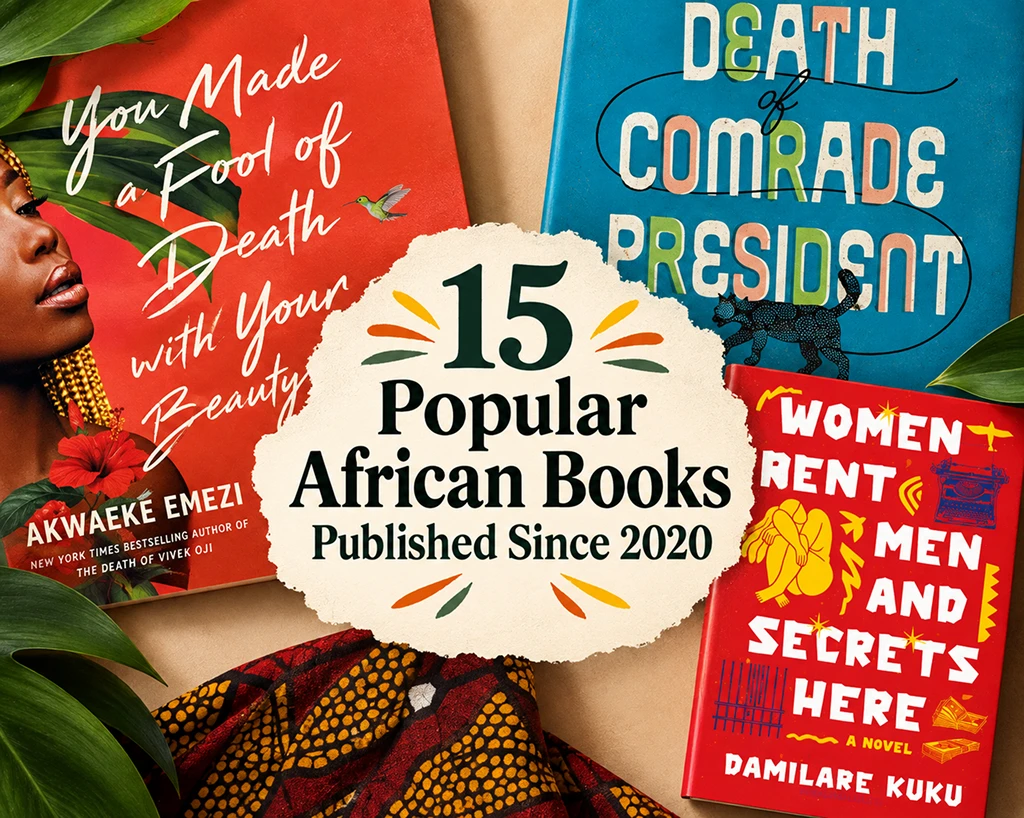
10 Most Hype-worthy 2026 Book Releases (African Literature Version)
Five Gambling Films That Know the Bet Is Only Half the Story
Movies Where Poker Reveals Who a Character Really Is
Ranking the Top 20 Nigerian Romance Novels since 2020
In Defense of Reading and Gaming
8 Third-Person Omniscient Examples for the Plot
A Trade of Blood (Ana and Din Mysteries #3) by Robert Jackson Bennett
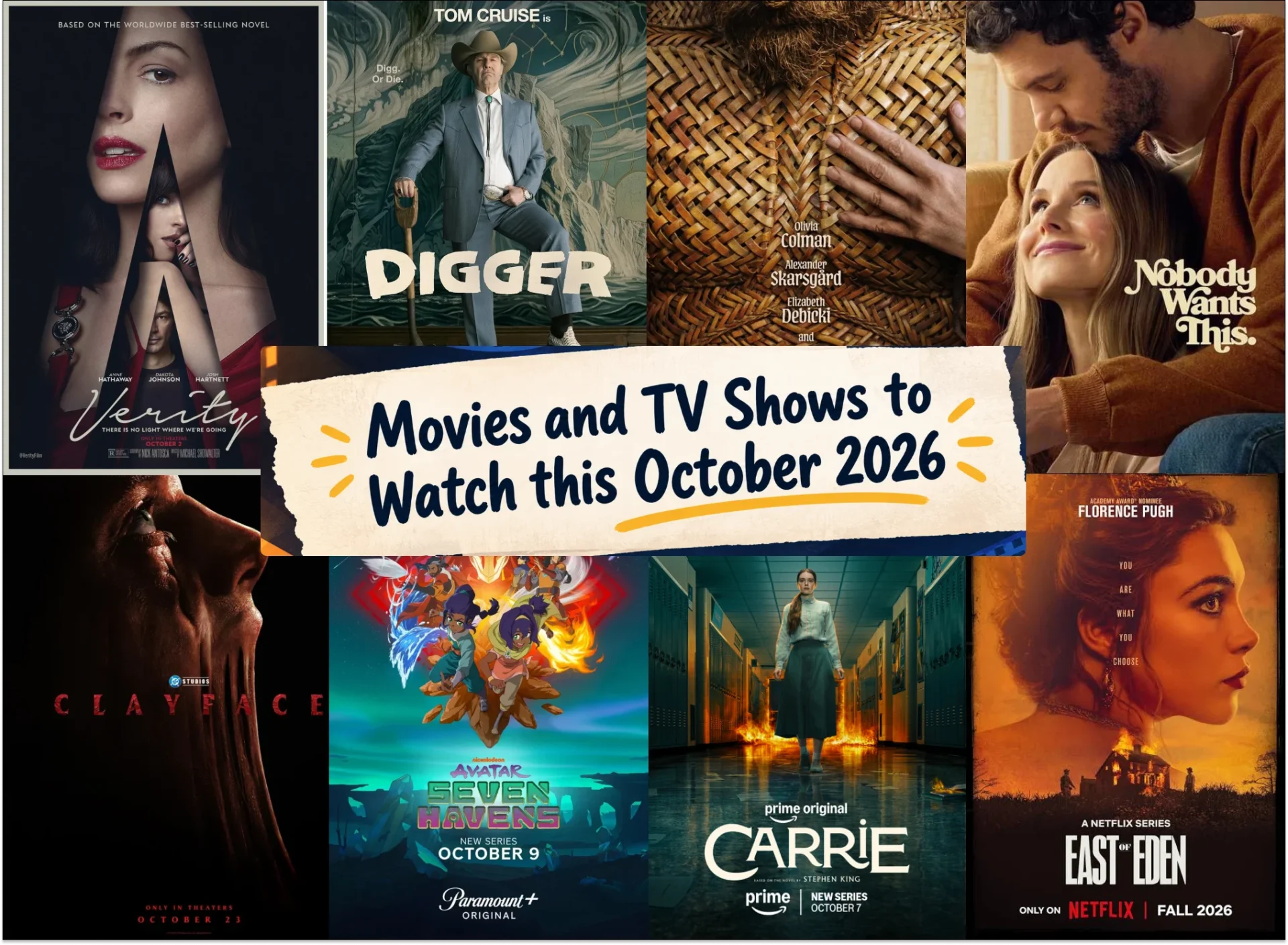
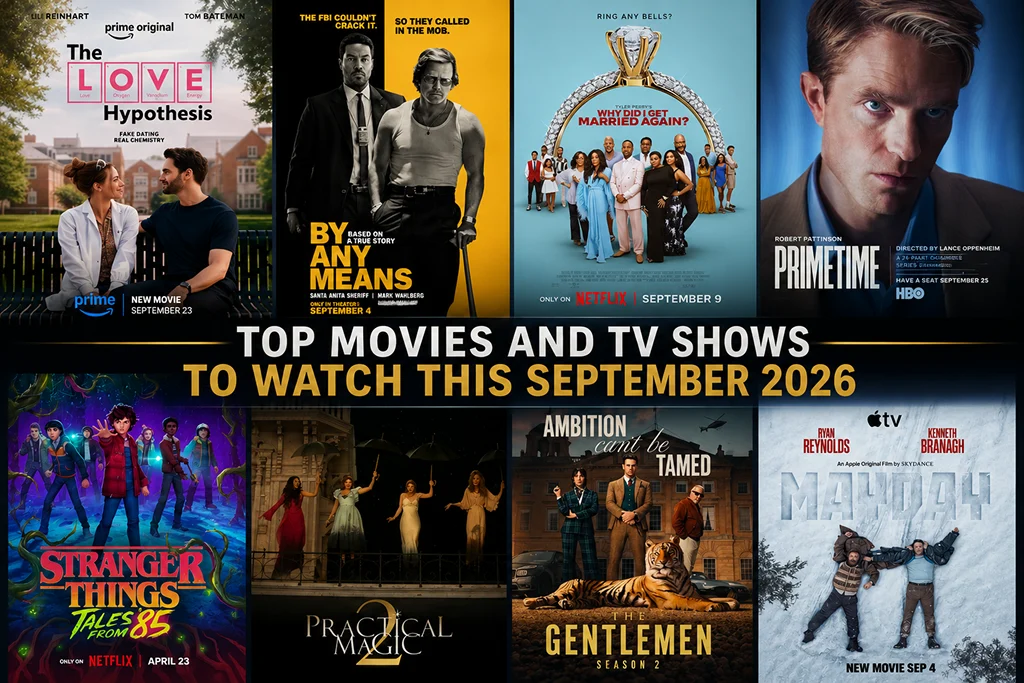
Upcoming Movies and TV Shows to Watch this October 2026
July 20, 2025 .
Animation, Lists
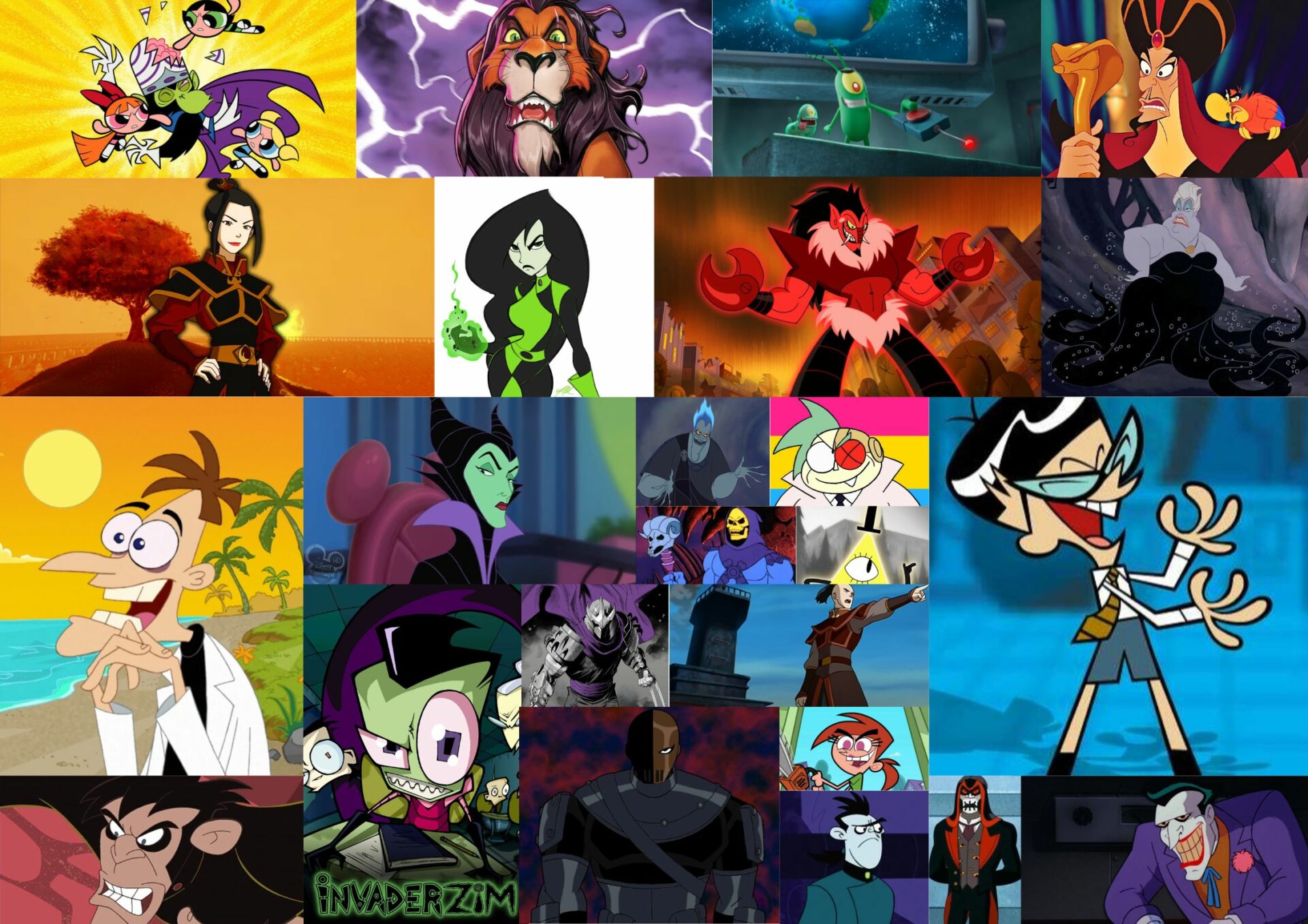
Our list rounds up the top 30 cartoon characters that were villains, each one more wonderfully wicked than the last.
READ MORE
October 28, 2025 .
Lists, Marvel, MCU, Opinions
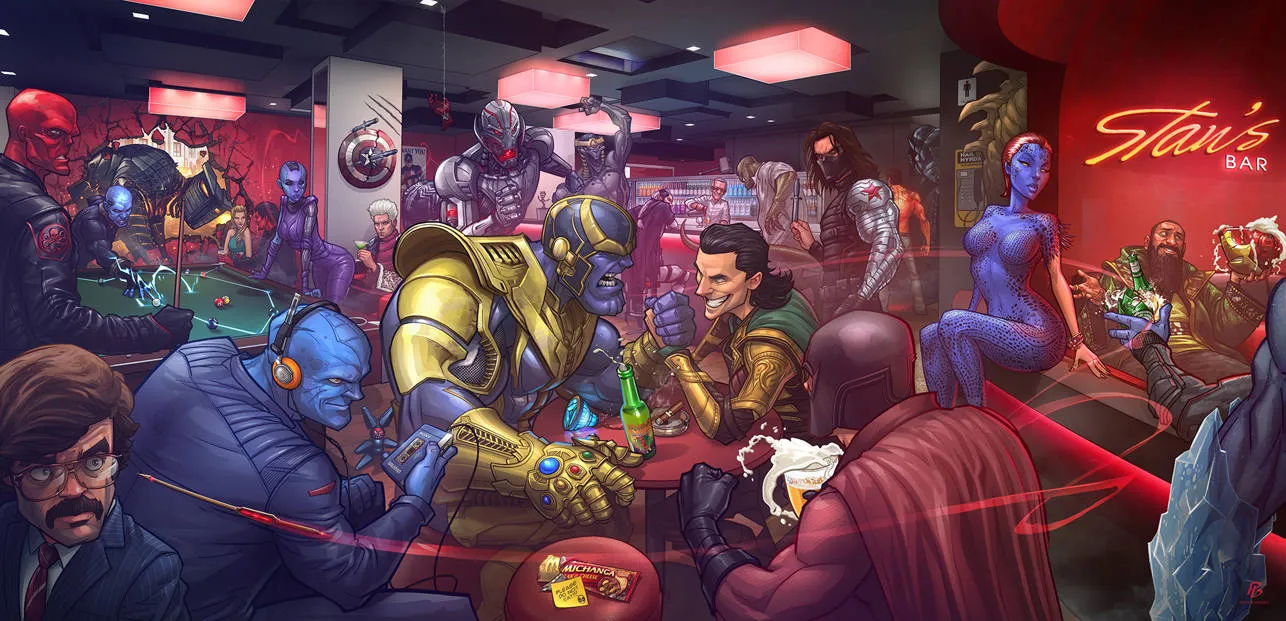
Let’s go through a list of the top 7 strongest Marvel villains, from the wickedly powerful to the absolutely unstoppable.
READ MORE
April 29, 2026 .
Lists, Opinions
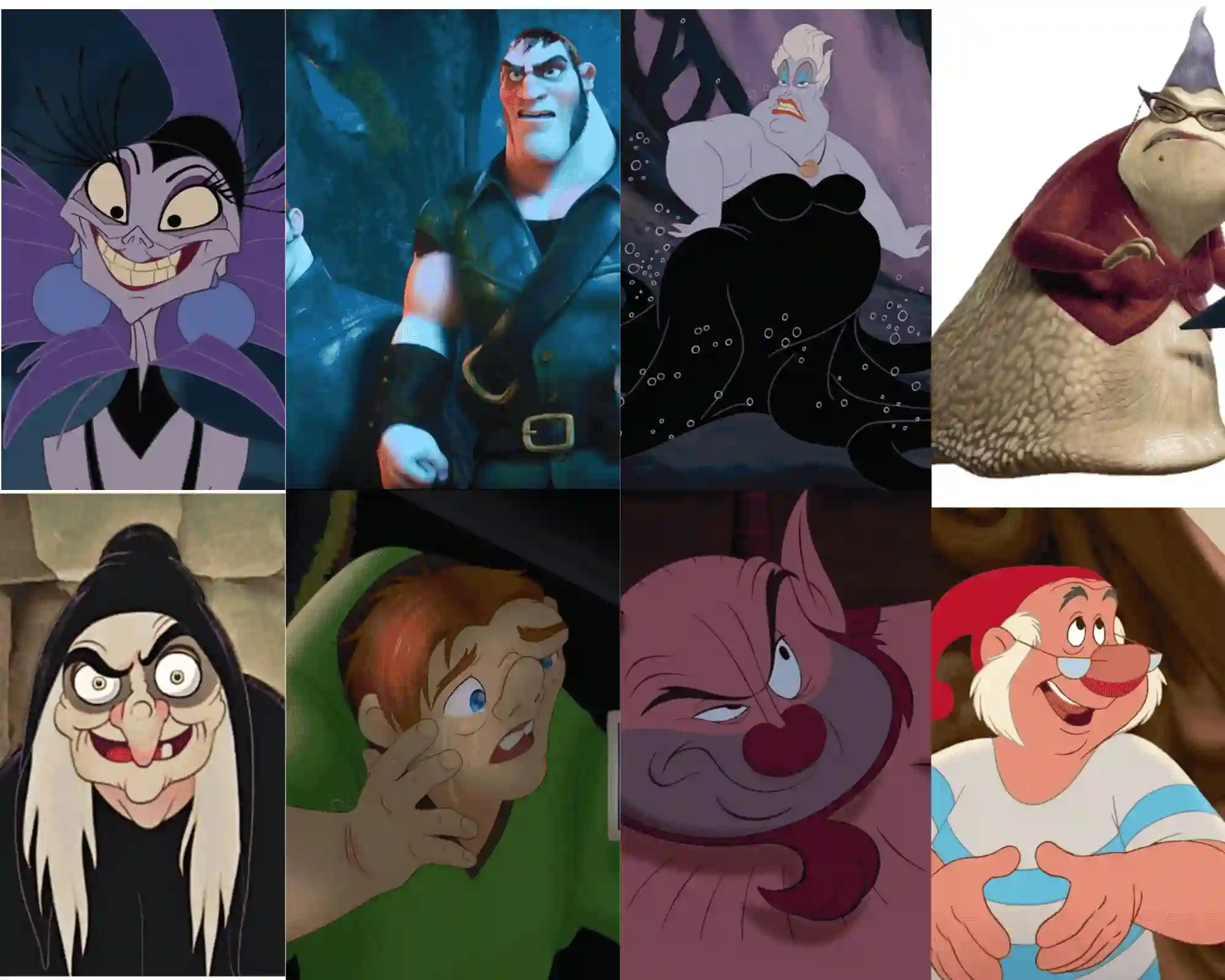
The Mouse is famous for its princesses and princes. However, the studio’s true genius lies in its embrace of “ugly Disney characters”.
READ MORE
May 6, 2026 .
Lists, MCU
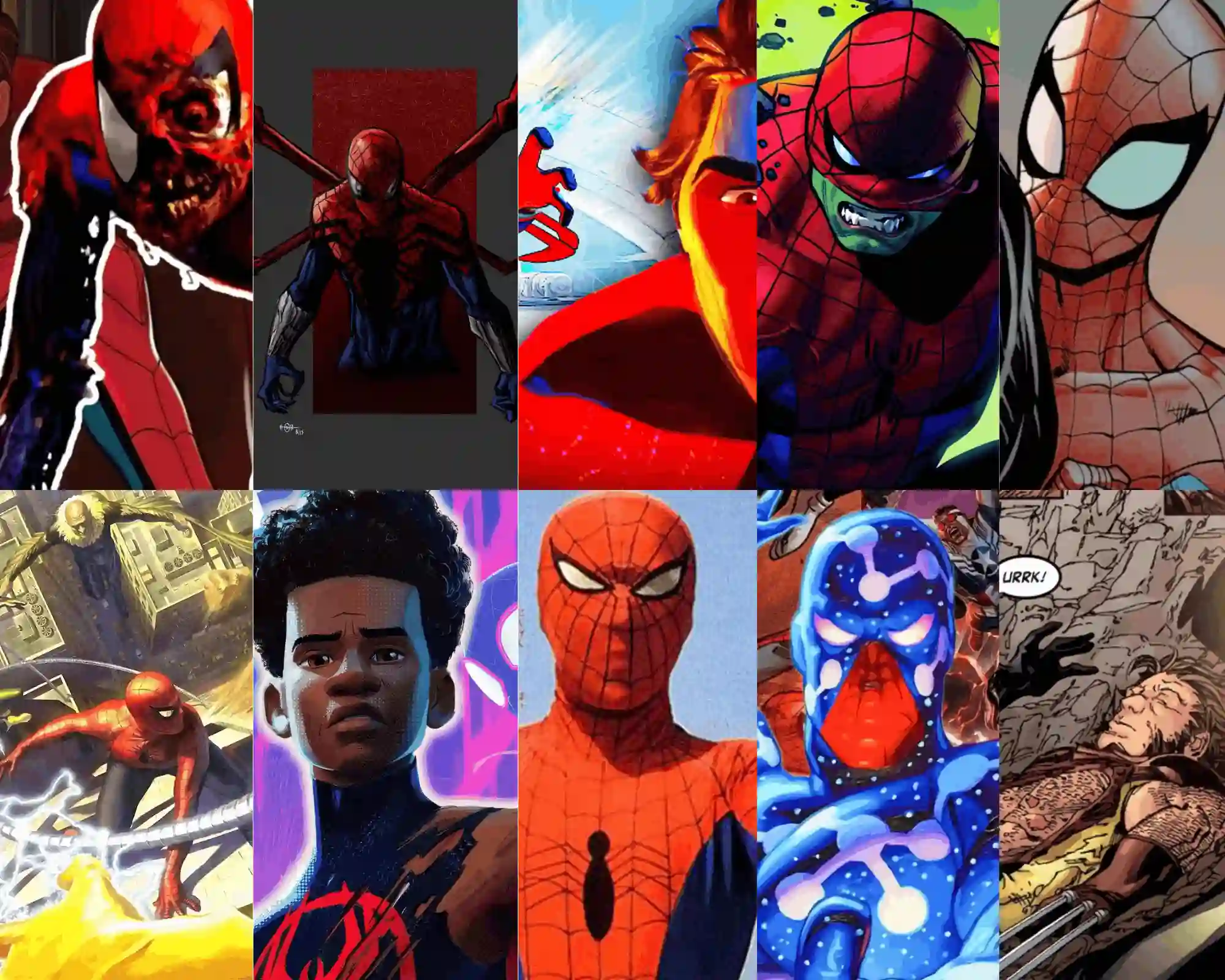
Spider-Man is one of the many superheroes from the Marvel Universe whose stories shaped many childhoods. Who is your strongest Spiderman?
READ MORE
November 27, 2025 .
Lists, Mythology
While this isn’t an exhaustive list, it comprises some of the most popular mythical creatures from around the world.
READ MORE

July 20, 2025 .
Opinions
Book recommendations from random places don’t always cut it, and you often end up feeling unsatisfied with them.
READ MORE

July 20, 2025 .
Essays, Opinions
READ MORE

July 20, 2025 .
Essays, Opinions
READ MORE

September 11, 2026 .
Opinions
Book reviews aren’t just a jumble of words on how a book made you feel but also a veritable document that you can quickly refer to when your memories temporarily fail you.
READ MORE

July 20, 2025 .
Opinions
Reading hundreds of pages for a single book can be like facing Smaug, Chiefest of Calamities, but a short story is a small dragon that you can easily conquer.
READ MORE

July 20, 2025 .
Debates, Opinions
Reading nonfiction about what interests you can provide more color and context that might make your fiction reading experience more enjoyable.
READ MORE

September 12, 2025 .
Opinions
In a fast-paced world, reading asks us to slow down, surrender, and sit with another person’s words long enough for them to settle inside us.
READ MORE
November 24, 2025 .
Debates, Opinions
Reading is active while watching movies is passive. The act of turning pages creates a pause that enhances understanding.
READ MORE
July 26, 2025 .
Fantasy, Opinions
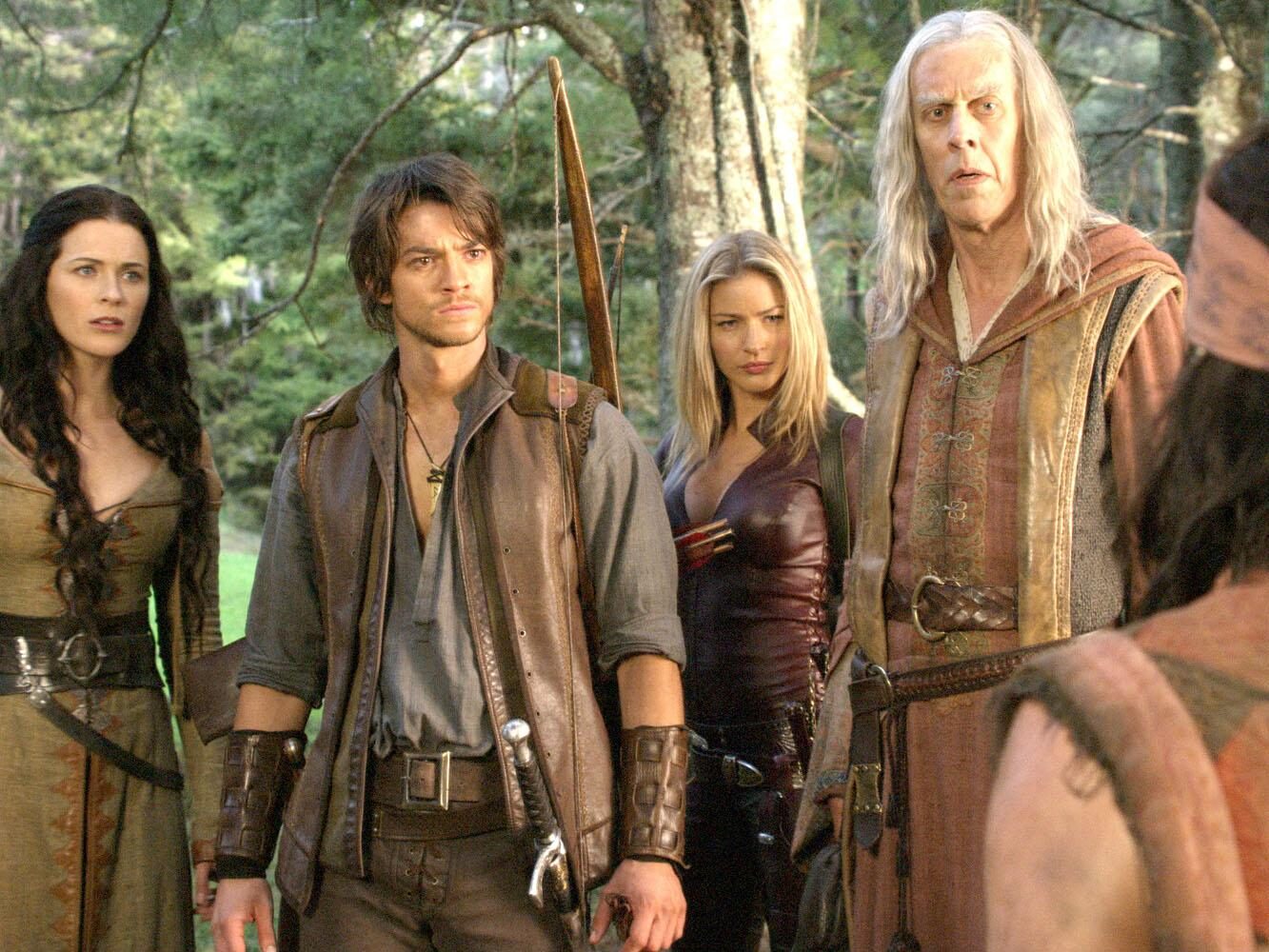
It’s cliche. But it’s rapid. It’s predictable. But it’s enjoyable. For lovers of the classic tropes, Legend of the Seeker is a worthy watch.
READ MORE
Get our magazine for free!