









































The Secret Lives of Baba Segi’s Wives and The Girl With The Louding Voice each fulfilled promises to be entertaining, lessons-filled, and insightful.

It’s quite exciting to read works written by one’s brethren and tribe, true sons and daughters of the soil.
You’d also agree that it’s thrilling to read about personalized and crafted tales—life struggles, decisions, mythologies, and societal events—in books that chronicle us and our affairs, in books that discuss us in the highest pitch of voice, in books that capture our pictures in the highest resolutions and definitions.
The relatability rate soars!
We lose and find ourselves in these pages when we unravel mysteries, depths of humanity, and unclear concepts about ourselves and that of the land we call our own.
African literature remains the very core of our essentialities as blacks; our dynamism, cultures, and beliefs transcend the physical. They are etched down into events and shaped as characters, fostering renewed knowledge and the continuous existence of Africanism.
The purpose of this short comparison is not to criticize but to highlight certain similarities, differences, and potentials of both texts while ensuring honest reviews and relations to societal context.

Lola Shoneyin harnessed themes of family and the pangs of polygamy in a Nigerian setting, where Baba Segi has four wives, whose wiles he’s oblivious to.
Similarly, Abi Dare’s expertise is introduced in her book, The Girl With The Louding Voice, through the same theme of polygamy and its shortcomings in parts of the Yoruba society. In the book, Morufu, a sexually brutal old man, is encouraged with young daughters sold into premium marital slavery in his home. He makes three wives of them, including our protagonist, Àdùnní.
Dare agrees with Shoneyin on the notion that polygamy does not bring good in certain circumstances and that rivalry and favoritism are imminent in such homes.
Lola Shoneyin gives a vivid account of what plays out in a polygamist’s home when the father is impotent/infertile, while Abi Dare shows what thorns lie on their paths to educational greatness as young girls in the homes of most unserious polygamists.
Both authors strived to keep the plots moving with several twists and resolutions. Major similarities between both texts include themes such as girl-child exploitation, the absence of a mother, struggles to fit in, the assumed roles of an average African husband/father, and secrets.
In relation to the society in which we find ourselves, we agree with both authors on the basis that:
Differences spotted in both texts regarding theme immersion were less evident than the similarities. Infertility, superstition, and slavery were peculiar to each text at different points in time, not at a common pace.
It is safe to conclude that Lola Shoneyin hoped to highly satirize an average Nigerian polygamous family rather than Abi Dare’s much illiterate-like way of showcasing how much infested our educational wood planks are in the country and its blossoming poverty.

Dare wrote fifty short but engaging chapters, while Shoneyin built on twenty-eight slightly voluminous chapters. They both explored each chapter with an undeniable thirst to emotionally relate to characters in depth, opting for the first-person narrative for a smoother transportation of thoughts directly from the characters to our minds.
Both authors agreed to make us feel emotionally attached to the characters; pathos is thus inevitably seen. However, Dare showed more serious or cruel characterizations from an illiterate perspective—a strong technique that can influence your doubts about Dare’s educational background. She wrote in a straightforward manner with a distorted sense of grammar for certain rural characters.
Shoneyin could have attempted this, but she added a layer of understanding of her characters’ mode of communication. Her characters had an intuitive sense of organized speech.
While, from a hindsight view, Yorùbá was the real mode of communication amongst characters in both books, each author devised means to convey their characters’ discourses with a touch of semi-official language.
I personally wouldn’t advise a reader struggling with the basics of English grammar to read Dare’s book here. One must already be proficient in the language; this saves unnecessary contemplation of how correct the grammar is.
Afar off, in front of the kitchen, one cock is scratching the floor with his nails, scattering the red earth, his neck brown with dirty feathers. When it see me coming, he stop his scratching and greet me with a loud coo-koo-roo-koo.
The plot structures employed in both texts are commendable without reference to other works of both authors.
Following expository or introductory chapters, the books each take a renewed course with climax and falling actions, which give the books a more definite pace of events.

As expected, a list of characters portrayed in each text sums up to a maximum of 20. With just 10-12 as major, recurring characters, other minors contribute meagerly to the context of the events.
Baba Segi, Iya Tope, Iya Femi, Iya Segi, and Bolanle were each uniquely relayed with a particular thirst for decision-making. According to the plot, they each relied on diverse means—crucial and desirable—to live up to society’s expectations.
Adunni, Khadija, Bamidele, Ms Tia, Big Madam, and Kofi share a common goal similar to Shoneyin’s characters: living up to expectations. They each reasoned that a block to their dreams might emerge if care wasn’t taken. ‘Care’ in their dictionaries now differs.
Both authors, however, managed to distinguish drives, goals, decisions, and repercussions.
Dare’s use of distorted grammar abstractly symbolizes Àdùnní’s illiteracy coupled with a handful of other characters’ lack of education. The painted imagery of the city and its illegal affairs also amounts to how rotten our society has evolved to be today in terms of segregation and class.
Shoneyin’s protagonist, Bolanle, and her frequent visits to the market to purchase smooth mugs and bowls that somehow soothe her symbolize solace sought in the wrong place. Her box “hauled on her head” symbolizes her struggles and perseverance in Baba Segi’s home.
These are minute symbolisms compared to the immenseness of the inferred objects in the texts, which mean a lot more to the plots’ progress.

The Secret Lives of Baba Segi’s Wives and The Girl With The Louding Voice each fulfilled promises to be entertaining, lessons-filled, and insightful.
Both authors adopted outstanding techniques and devices that knit the texts so that the reader is actively engaged with the events.
I recommend both to all African fiction enthusiasts who are aware of the impacts of these themes on our society and the alarming rate of ordeals an average teenage girl contends with in their growth journey.

Emmanuel Olabiyi is a creative writer, reader, and a flutist.
July 20, 2025 .
Animation, Lists
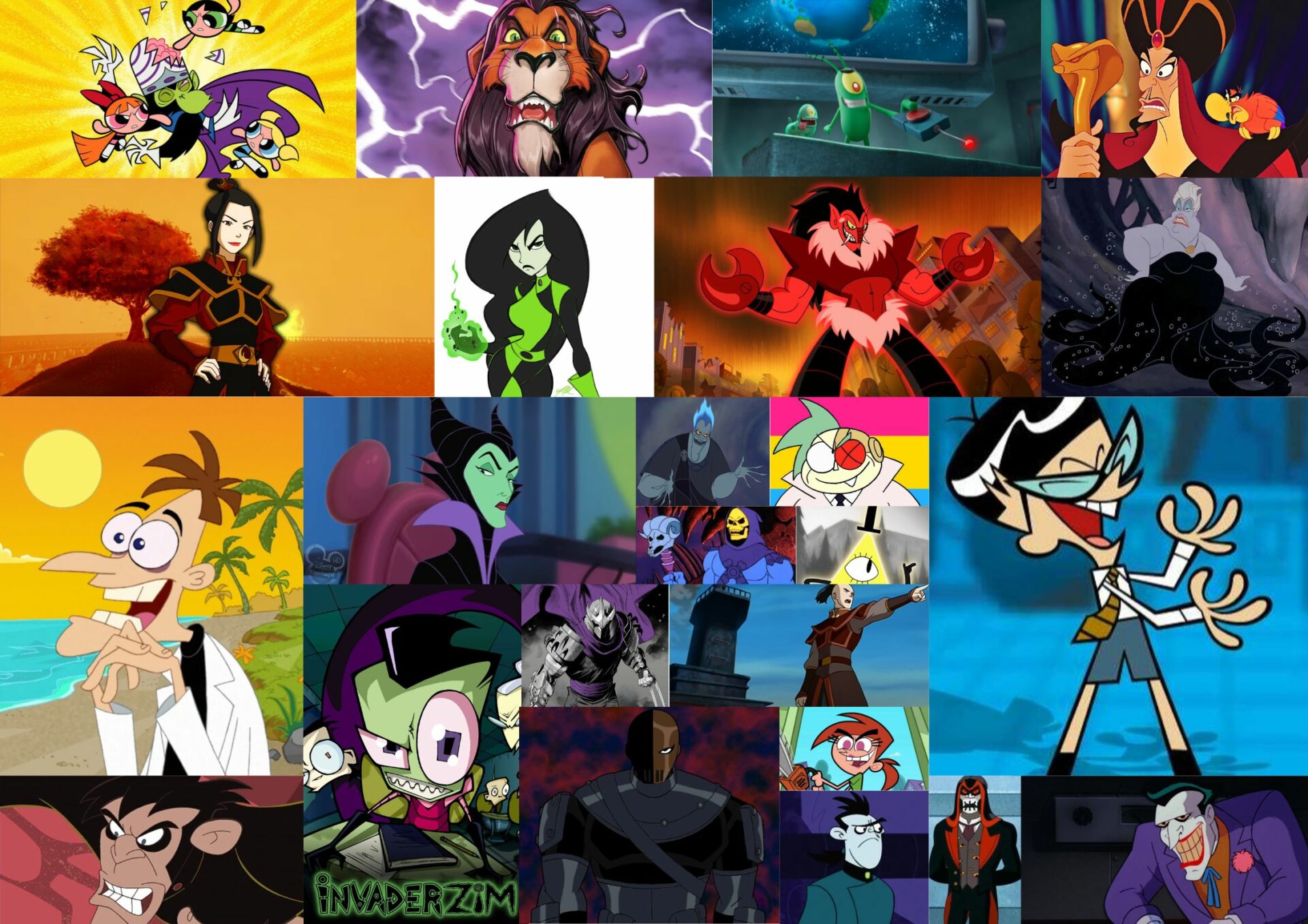
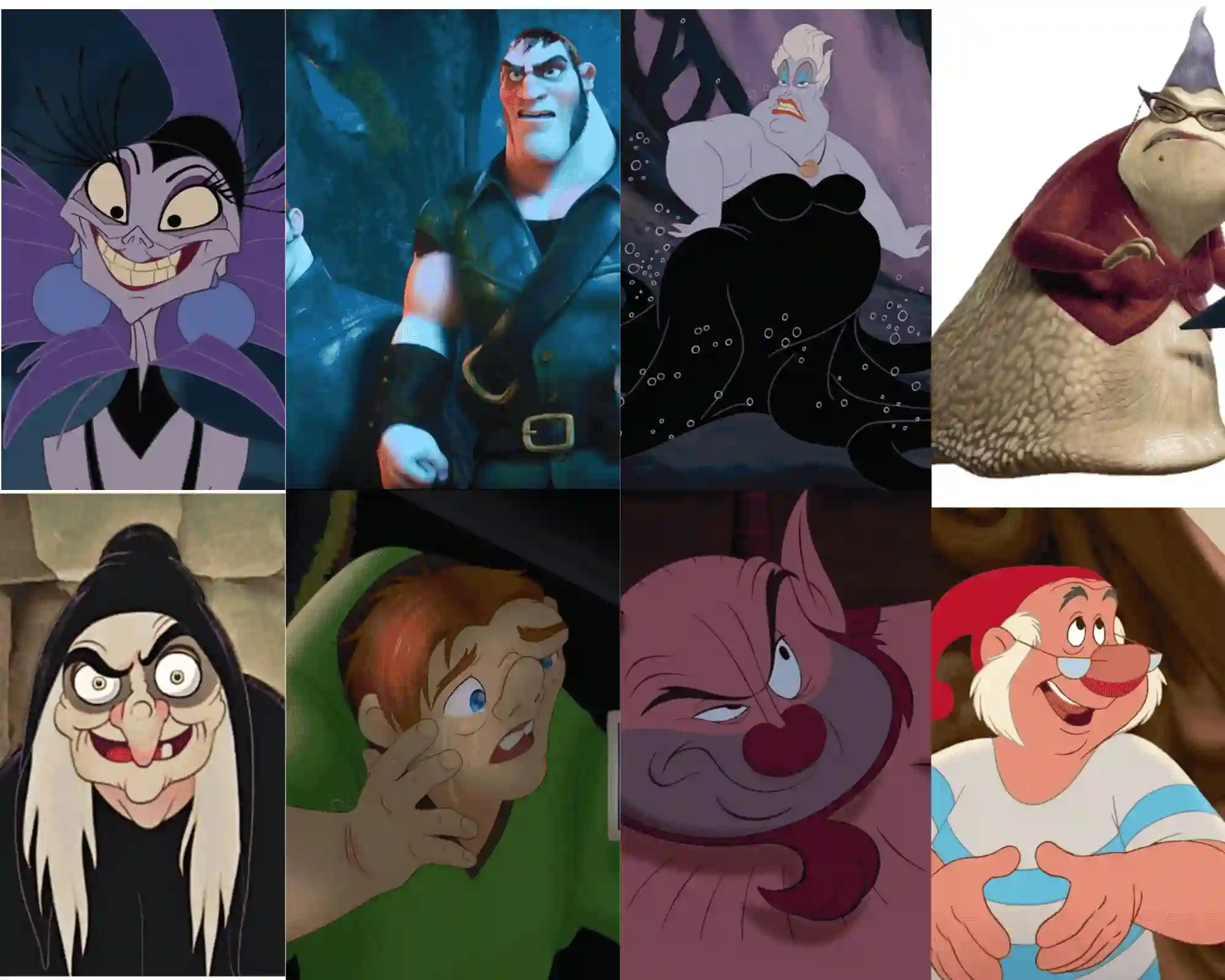
Our list rounds up the top 30 cartoon characters that were villains, each one more wonderfully wicked than the last.
READ MORE
April 29, 2026 .
Lists, Opinions
The Mouse is famous for its princesses and princes. However, the studio’s true genius lies in its embrace of “ugly Disney characters”.
READ MORE

October 28, 2025 .
Debates, Lists, Marvel, MCU
Every Marvel hero brings something to the table. But if we had to pick the top 8 most popular Marvel superheroes, who would make the cut?
READ MORE
October 28, 2025 .
Lists, Marvel, MCU, Opinions
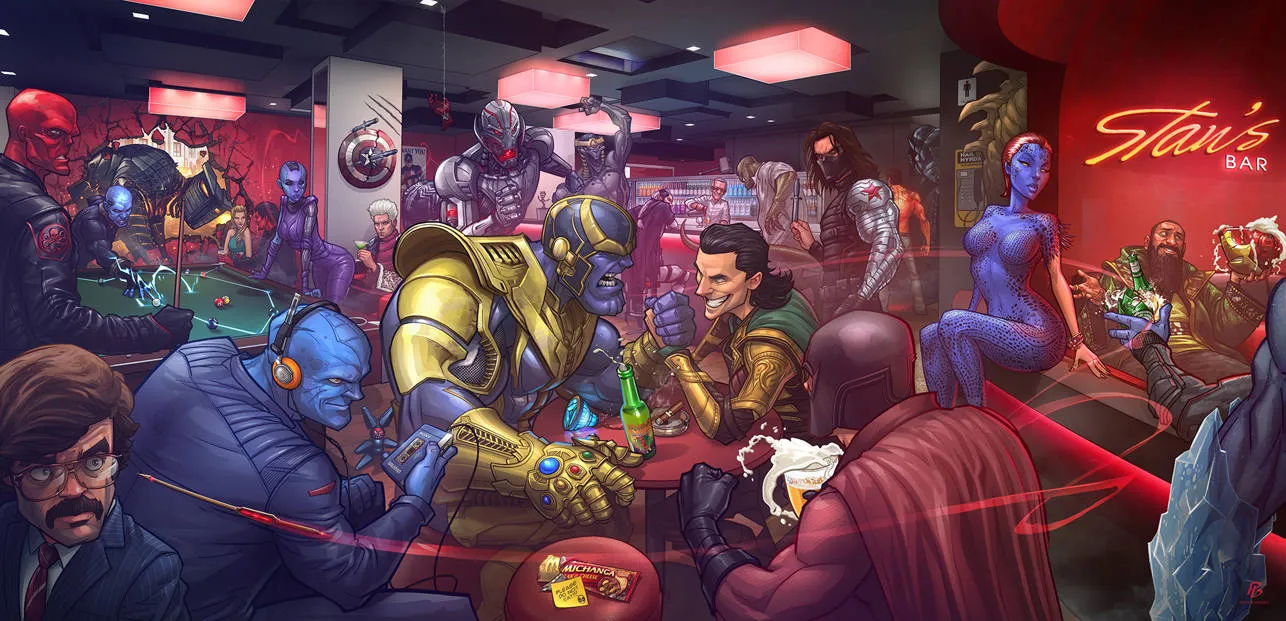
Let’s go through a list of the top 7 strongest Marvel villains, from the wickedly powerful to the absolutely unstoppable.
READ MORE

November 27, 2025 .
Lists, Mythology
While this isn’t an exhaustive list, it comprises some of the most popular mythical creatures from around the world.
READ MORE

July 20, 2025 .
Essays, Opinions
READ MORE

July 20, 2025 .
Essays, Opinions
READ MORE

July 20, 2025 .
Essays
Except if you have been living under a rock or in outer space since the beginning of time, there is no way you wouldn’t have heard of Wole Soyinka.
READ MORE

July 20, 2025 .
Essays, Opinions
READ MORE
September 12, 2025 .
Essays, Fantasy, Opinions
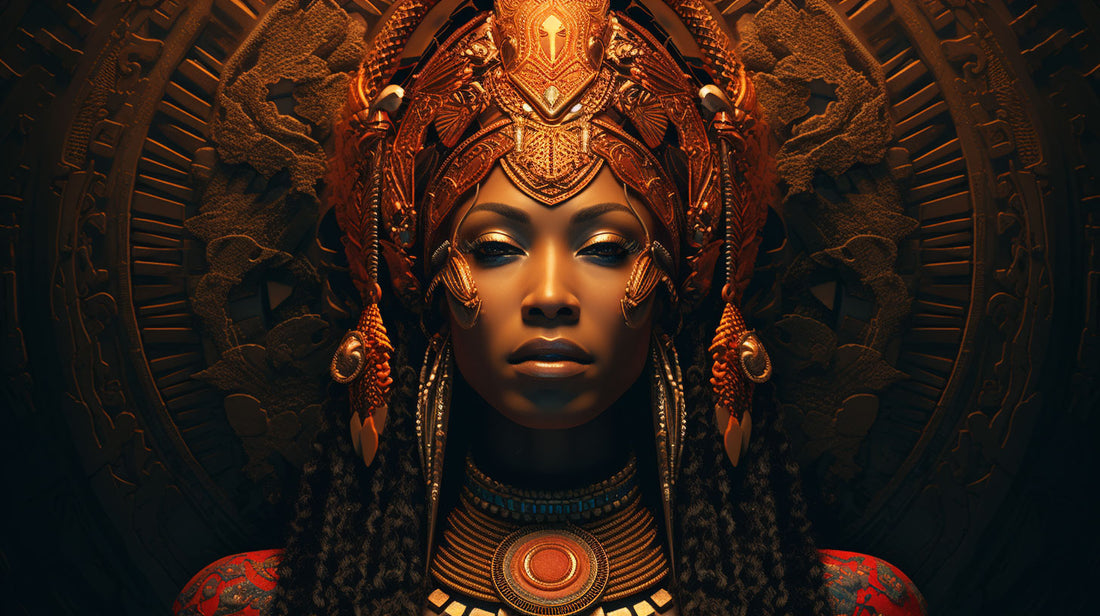
Fantasy is everything that lies in the realm of the fantastic. And, the more deviant from reality it is, the better.
READ MORE
July 20, 2025 .
Essays, Opinions
African literature embraces inclusivity, harnessing words as a medium to impart wisdom, preserve truths, and honor ancestral struggles.
READ MORE

October 22, 2025 .
Essays, Writer Resources
Ever found a book that looks like a comic but tells a complete, well-structured story? Congratulations, it’s a graphic novel.
READ MORE
July 18, 2026 .
Disney, Essays
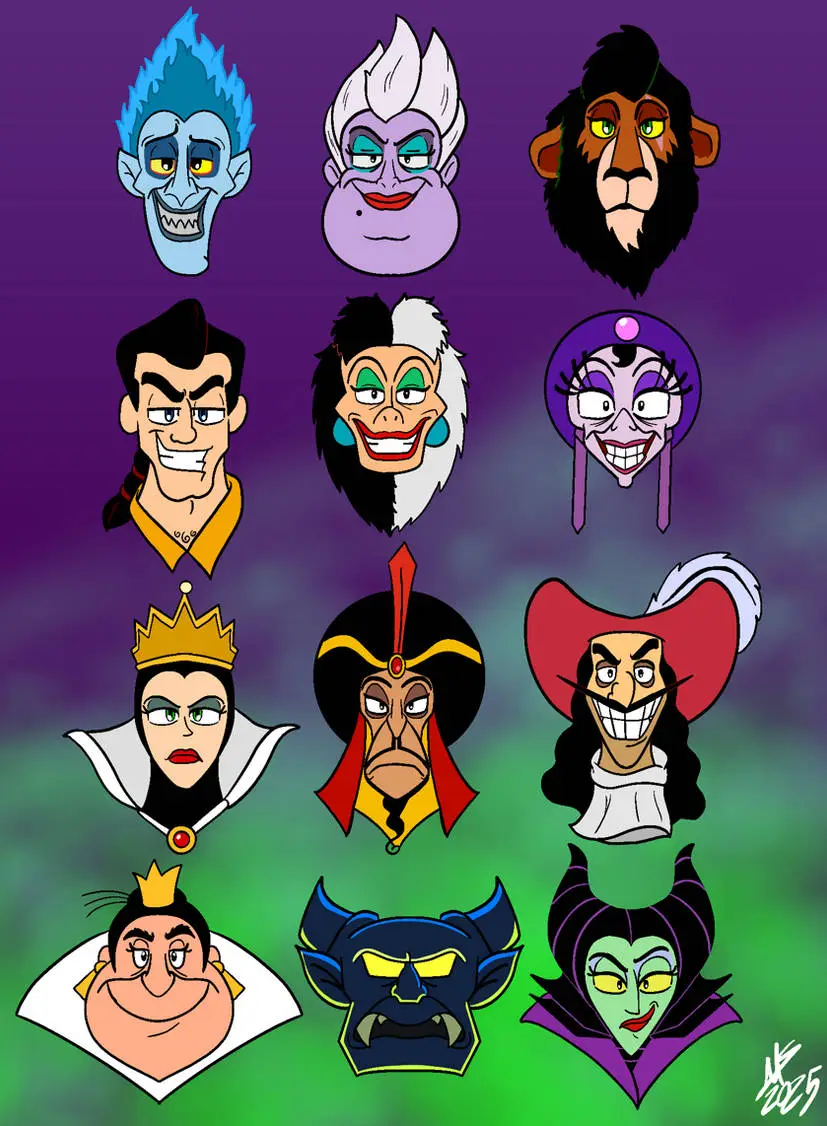
Let’s examine the trend of softening Disney villains, its implications, and viewers’ responses to less sensitive material.
READ MORE
July 24, 2025 .
Essays, Writer Resources
READ MORE

Get our magazine for free!