Close menu
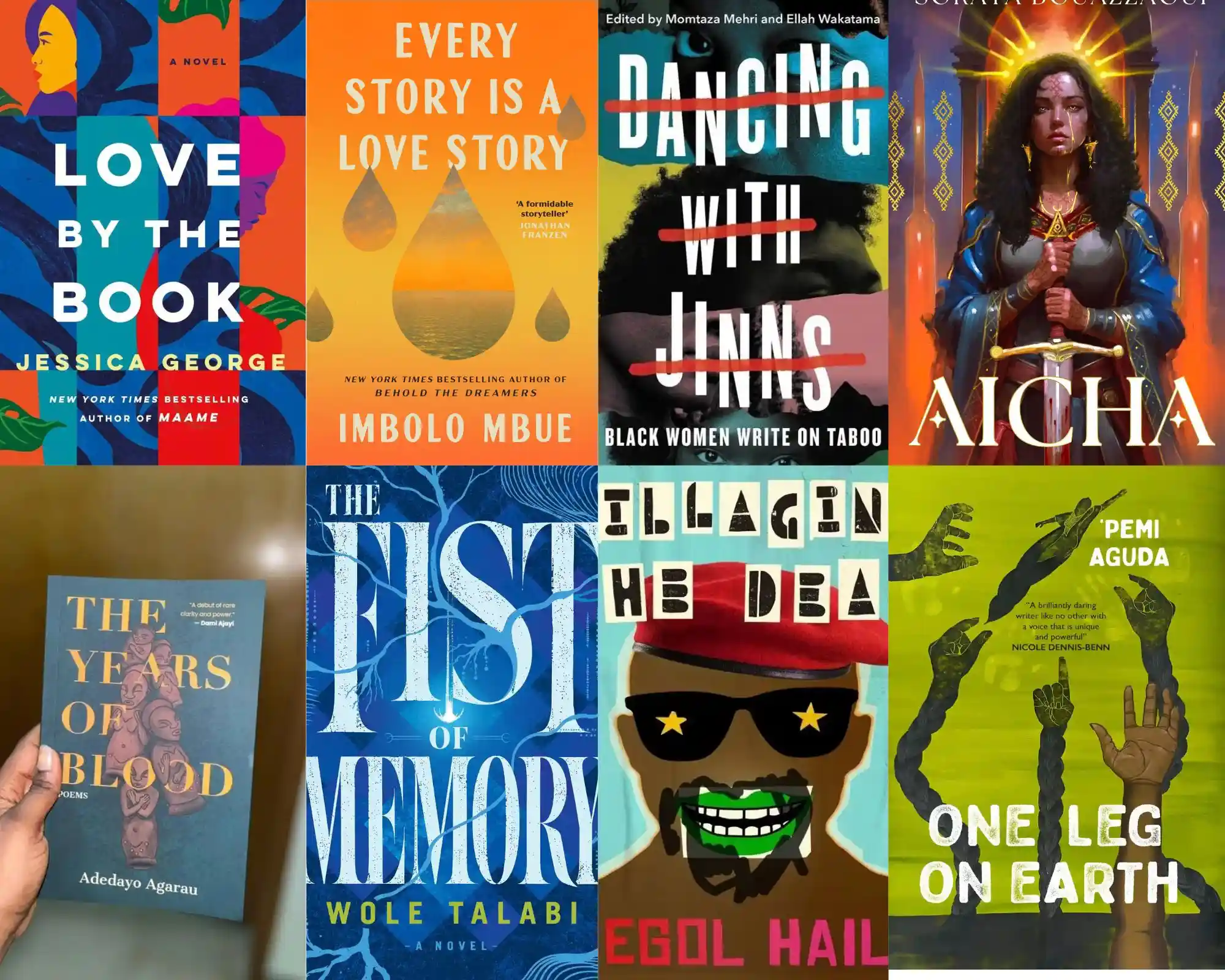
Ranking the best of African Literature
































Art has always enabled people to communicate ideas, beliefs, and emotions. Baroque paintings were not merely obedient tools.
Art has always enabled people to communicate ideas, beliefs, and emotions. During the shift from the Renaissance to the Baroque period, art moved beyond beauty and balance.
Suddenly, scenes brimmed with drama and intention. Viewers could be swept up by feeling in a single glance. Canvas became an altar in the hands of Baroque artists. Their work not only served religious influence but also carried subtle hints of nonconformity. In a Europe divided by the Protestant Reformation and the Catholic Counter-Reformation, art transformed into one of the Church’s most effective weapons.
Baroque paintings were not merely obedient tools. Within their spiritual intensity, artists slipped in understated nonconformity. Challenging idealized beauty and redefining sacred figures, they pushed the emotional and psychological limits of religious art. The genre became both a visual sermon and a political statement, orchestrated in pigment.
To grasp Baroque art, first consider the tension that brought it to life. It arose from one of the most turbulent epochs in European religious history and emerged out of necessity rather than simple evolution. For over 150 years, spanning from the early 1600s to roughly 1750, the Baroque period reshaped European art. The Protestant Reformation shattered the authority of the Catholic Church, stirring widespread questions about doctrine, wealth, and power.
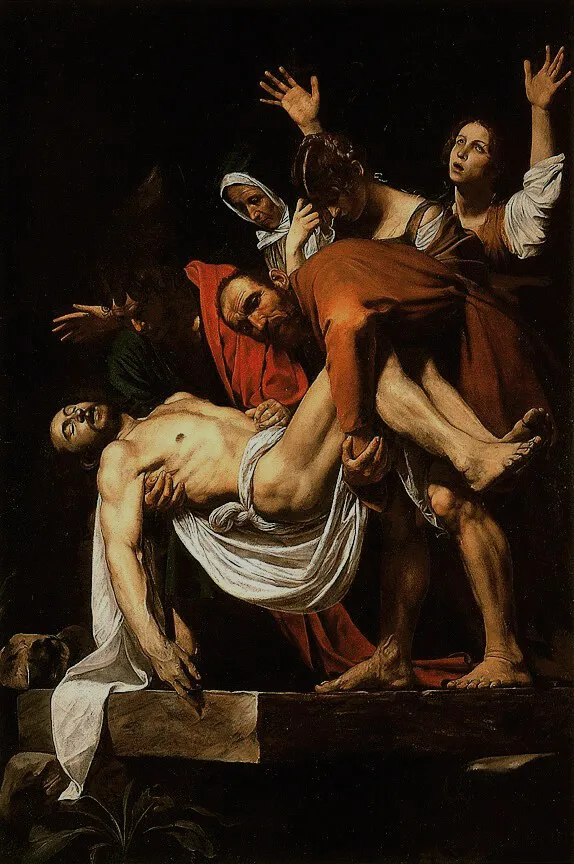
In response to this upheaval, the Catholic Counter-Reformation worked to reaffirm faith and recover influence. Art soon became a strategic weapon. The Council of Trent called for works that stirred emotional response in order to counter the Reformation. Artists responded with dramatic visuals, addressing the senses rather than reason. Emotional truth, not intellectual harmony, now reigned. In a largely illiterate society, art became nothing short of visual theology.
Baroque art is characterized by theatrical grandeur, striking contrasts, and deep psychological pull in response to Renaissance and Mannerism. The art form emphasized emotional intensity and expression. The canvas became a stage where divine ecstasy and earthly suffering coexisted in chiaroscuro. It was more than an aesthetic movement, it was a visual sermon crafted in oil, shadow, and divine geometry and an instrument to increase the Catholic Church’s prestige.
The Protestant Reformation fractured European Christianity, criticising the Catholic Church’s practices and imagery.
In retaliation, the Counter-Reformation sought to reaffirm doctrine and reconnect emotionally with believers. Artists were commissioned to create large-scale artworks that represented the church’s faith and greatness. The works of art were usually replete with symbolism and depictions of deeper meaning.
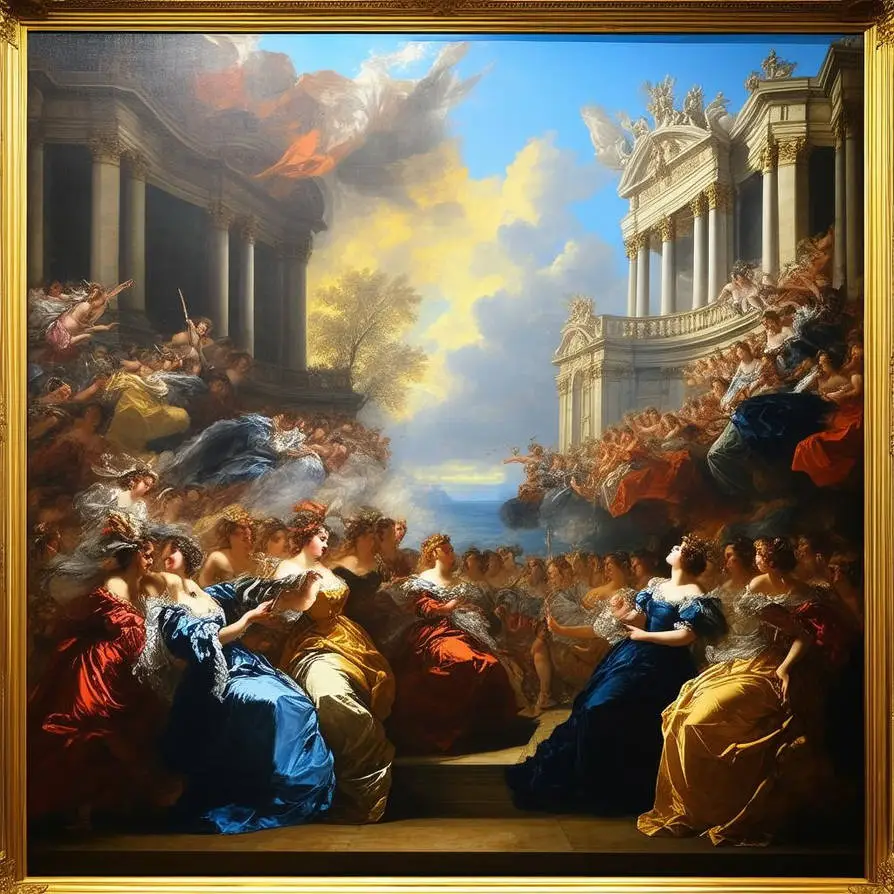
When one reads the term “baroque”, what comes to mind is images of violently decapitated saints, crucified Christs, the image of an immaculate Virgin Mary being taken up into heaven and overpoweringly ornate churches, and for good reason.
An European example that showcases different, but coexisting, early artistic solutions to the Counter-Reformation concern with the role of images is Caravaggio’s Calling of Saint Matthew. Both Caravaggio and the Roman Catholic Church at the time sought to bridge the gap between the mundane and the divine, making scenes of faith more accessible to viewers.
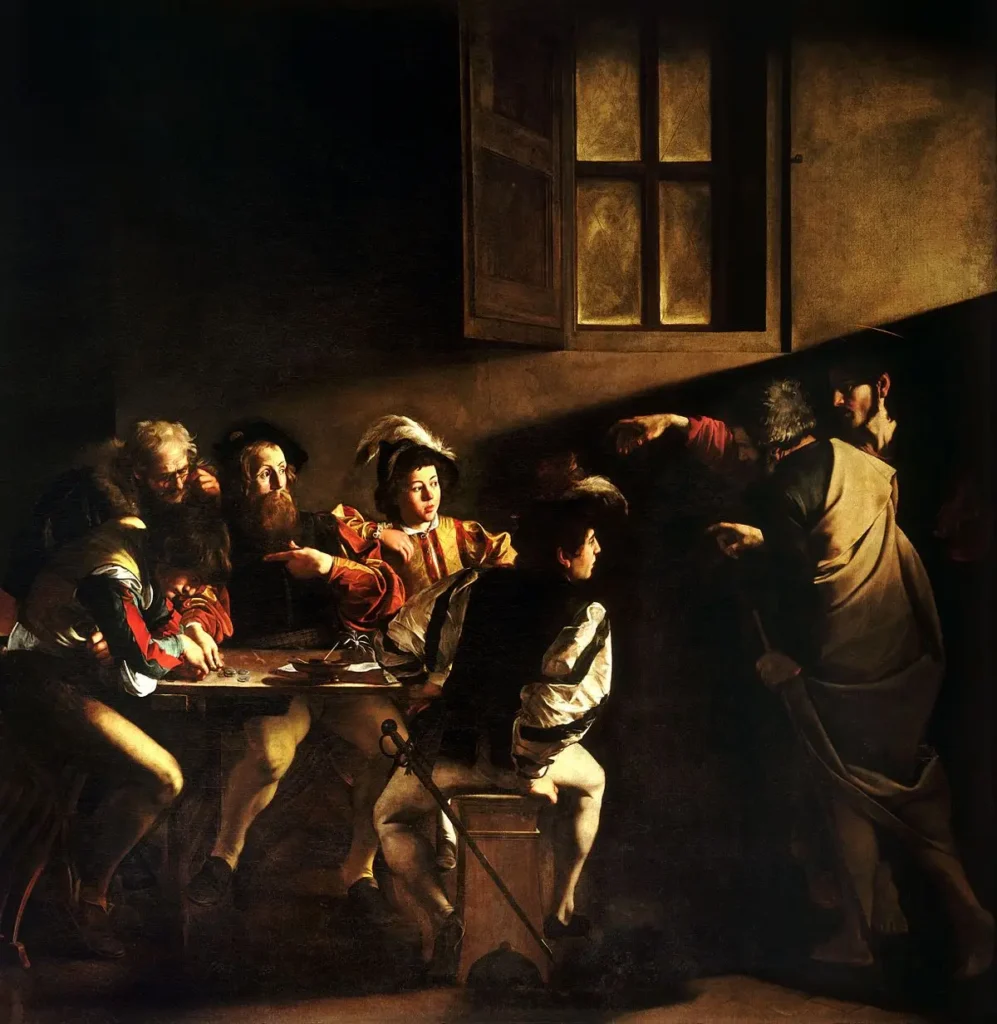
It is even said that Caravaggio painted the light in The Calling of St. Matthew and The Martyrdom of St. Matthew to echo the light of the churches in which they were to be housed. Caravaggio painted the characters in his work directly from models he hired on the street, which drew criticism from those around him.
Another method which made Caravaggio’s work unique was his use of chiaroscuro and dramatic lighting to round out the three-dimensionality of the forms of his subjects. Light became a physical presence in his work, often used to cite the divine. Just like the diagonal lights in the Calling of St. Matthew used to demonstrate Christ’s gestures and Levi’s call to service. All these were intentional. Instead of idealised saints floating in perfection, Baroque artists presented biblical figures as real, flawed, human where viewers could see themselves in these figures and therefore feel personally addressed by the message.
Peter Paul Rubens amplified emotion through movement and grandeur. His painting style primarily features swirling subjects, oversized figures, and powerful chiaroscuro effects, with extremely naturalistic colours.
An example is his work The Elevation of the Cross, which depicted the intense, cruel atmosphere of the crucifixion of Christ, as described in the Bible.
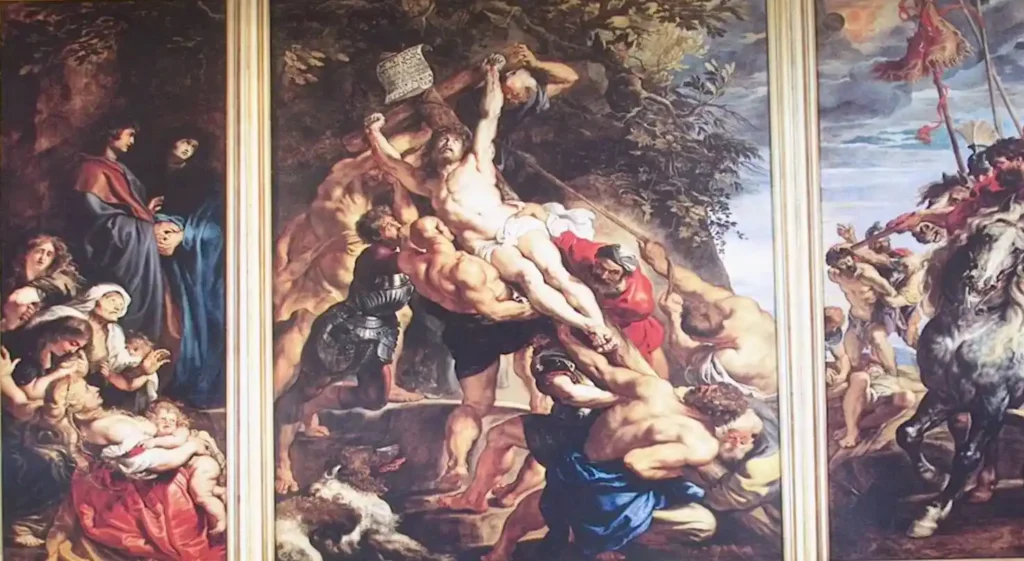
The painting conveys the sacrifice of sinless Jesus for absorbing the sins of mankind, which at the time, the church was aiming to reemphasise. It was an invitation to partake in the physical and emotional experience of Christ’s elevation.
He was adhering to the mandate by the church of Trent to accurately represent historical events since theological questions were raised by Martin Luther and the Protestants during the Reformation.
Even in Protestant regions, artists such as Rembrandt employed intimacy and psychological depth to explore spirituality. He created a profound connection with the emotional realities of life, capturing the unseen and often unspoken nuances of human experience.
In his work, The Resurrection of Christ, he tried to reveal the resurrection as an important biblical event by contrasting light and shadow that prevail in the picture. Like in the previous pictures, the light symbolises the divine powers, the powers of good.
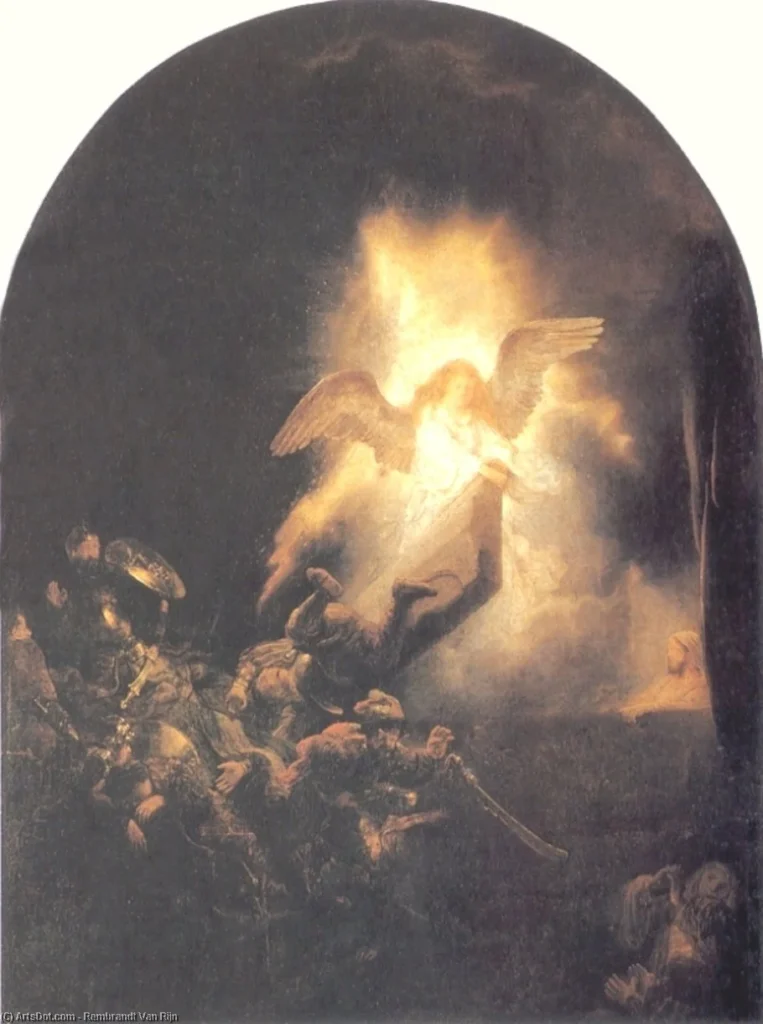
In all these cases, Baroque paintings reinforced religious belief through emotional immersion and visual experience. Yet beneath this religious mission, Baroque artists were pushing boundaries.
In the beginning, the term “baroque” was more of a derogatory term. Essentially, anything that broke the rules of more traditional art could be classified as Baroque or “grotesque”. From the outset, it was all about breaking boundaries and defying the norm. Despite serving institutional goals, baroque paintings also contained subtle challenges to artistic and social norms.
Baroque artists pushed the norms and boundaries. Caravaggio famously used street models; laborers, prostitutes, ordinary people, to portray saints and the Virgin Mary.
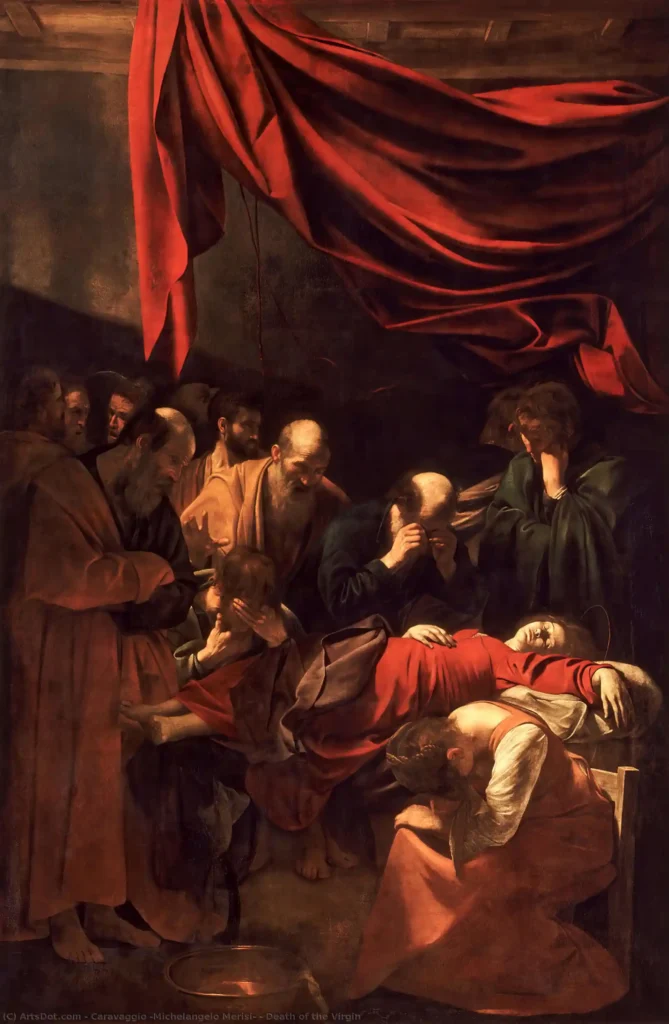
In his work, Death of the Virgin, Mary appears not as an ethereal queen but as a lifeless, visibly human body. For Caravaggio, art meant portraying humans without pretence. His figures are made from muscle, bones and veins. The realism was so stark that the painting was rejected by the Church.
Artemisia Gentileschi, one of the few prominent female proponents of Baroque paintings, introduced another form of quiet rebellion.
Her painting Judith Slaying Holofernes portrays a biblical heroine as strong, determined, and physically powerful. Nothing totally out of the ordinary, but it was the 1600s, and in a male-dominated artistic world, Gentileschi’s portrayal of female agency disrupted traditional gender expectations.
These portrayals of powerful women became a recurring theme in her work, reflecting both her personal experience and a broader commentary on gender dynamics of her time. Her work was firmly rooted in religious themes, yet she did not shy away from subtly challenging social norms.
Rembrandt’s religious works often explored doubt, vulnerability, and internal struggle. His figures are not triumphantly divine rather they depicted contemplative and human.
This psychological realism shifted focus from institutional authority to personal faith. He represented his scenes’ figures as if they were part of any ordinary family. He did not follow any rules regarding the appearance of his portraits. Rather, Rembrandt painted all types of people, letting wrinkles and imperfections show.
He had a way of representing what was traditionally considered ugly, thereby allowing subsequent generations of artists to courageously depict reality as they wished.
As it turns out, Baroque art played an important role in the transmission of the faith. Churches and clergy used art to influence and educate their followers. They were funded by the very institutions seeking to control religious messaging. And yet, within those constraints, they found space for individuality. Baroque paintings fulfilled religious agendas while expanding artistic boundaries. It was a dynamic intersection of both.
Ultimately, Baroque art has greatly influenced contemporary art and society. The iconic practice does not hold the same significance of Classical Art, yet its existence served as a crossroads within time. serving as the fertile ground on which new ideas have taken shape.

15 Writing-Adjacent Careers for Writers Looking for a Career Change
Authors Spotlight: Khaled Hosseini
The Sound Souls Make When They Die by Chinemefun Chimuanya
If Nollywood Cast Our Favourite African Books: Who Would Play Who?
Best Films About Unexpected Age Gap Romance
Literary Awards and the Racism Card: A Wake-Up Call for Black Africa
Interview with the Vampire Relationships, Ranked
10 Top Recent Films for Action and Comedy Fans
Comma Rules Every Writer Should Know
10 Most Hype-worthy 2026 Book Releases (African Literature Version)
Five Gambling Films That Know the Bet Is Only Half the Story
Movies Where Poker Reveals Who a Character Really Is
July 20, 2025 .
Animation, Lists
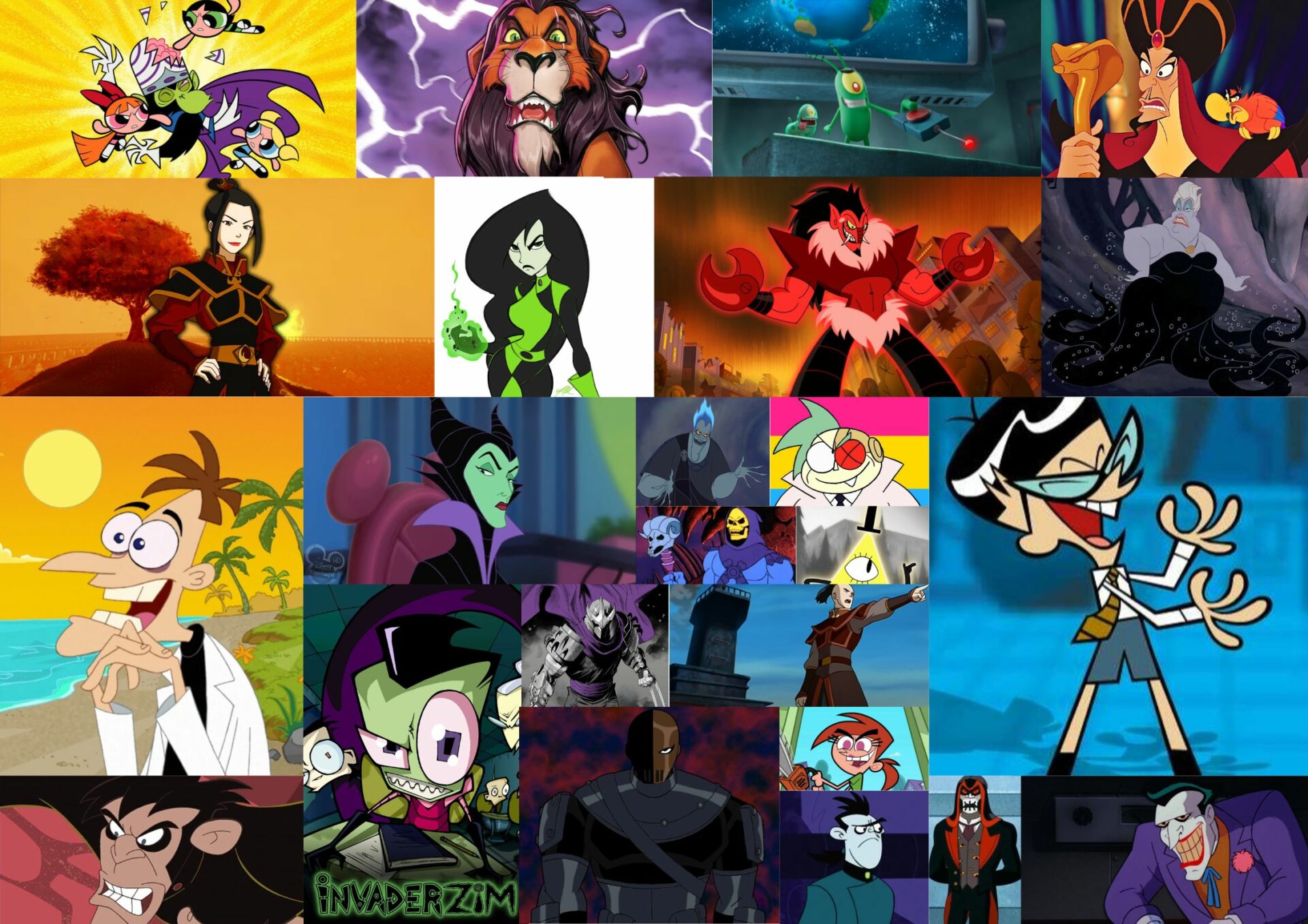
Our list rounds up the top 30 cartoon characters that were villains, each one more wonderfully wicked than the last.
READ MORE
November 27, 2025 .
Lists, Mythology
While this isn’t an exhaustive list, it comprises some of the most popular mythical creatures from around the world.
READ MORE
April 29, 2026 .
Lists, Opinions
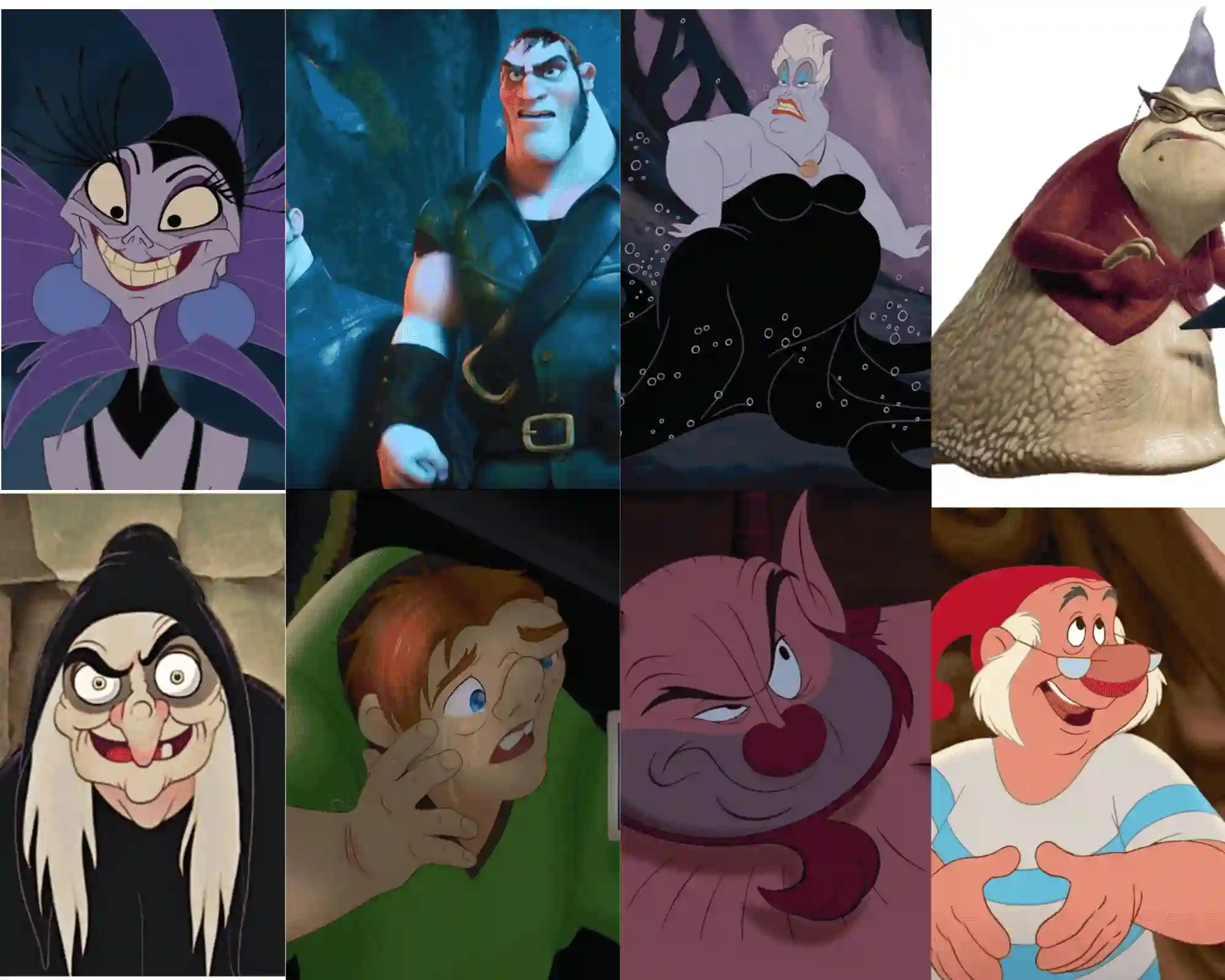
The Mouse is famous for its princesses and princes. However, the studio’s true genius lies in its embrace of “ugly Disney characters”.
READ MORE
October 28, 2025 .
Lists, Marvel, MCU, Opinions
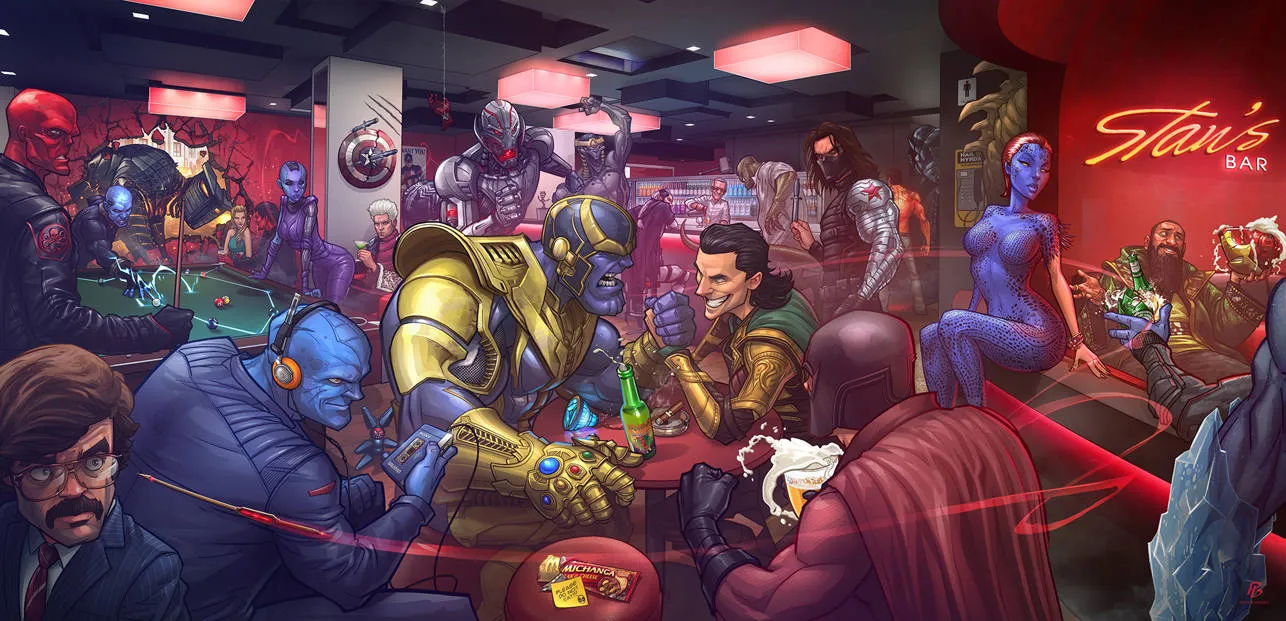
Let’s go through a list of the top 7 strongest Marvel villains, from the wickedly powerful to the absolutely unstoppable.
READ MORE
February 26, 2026 .
Cartoons, Lists
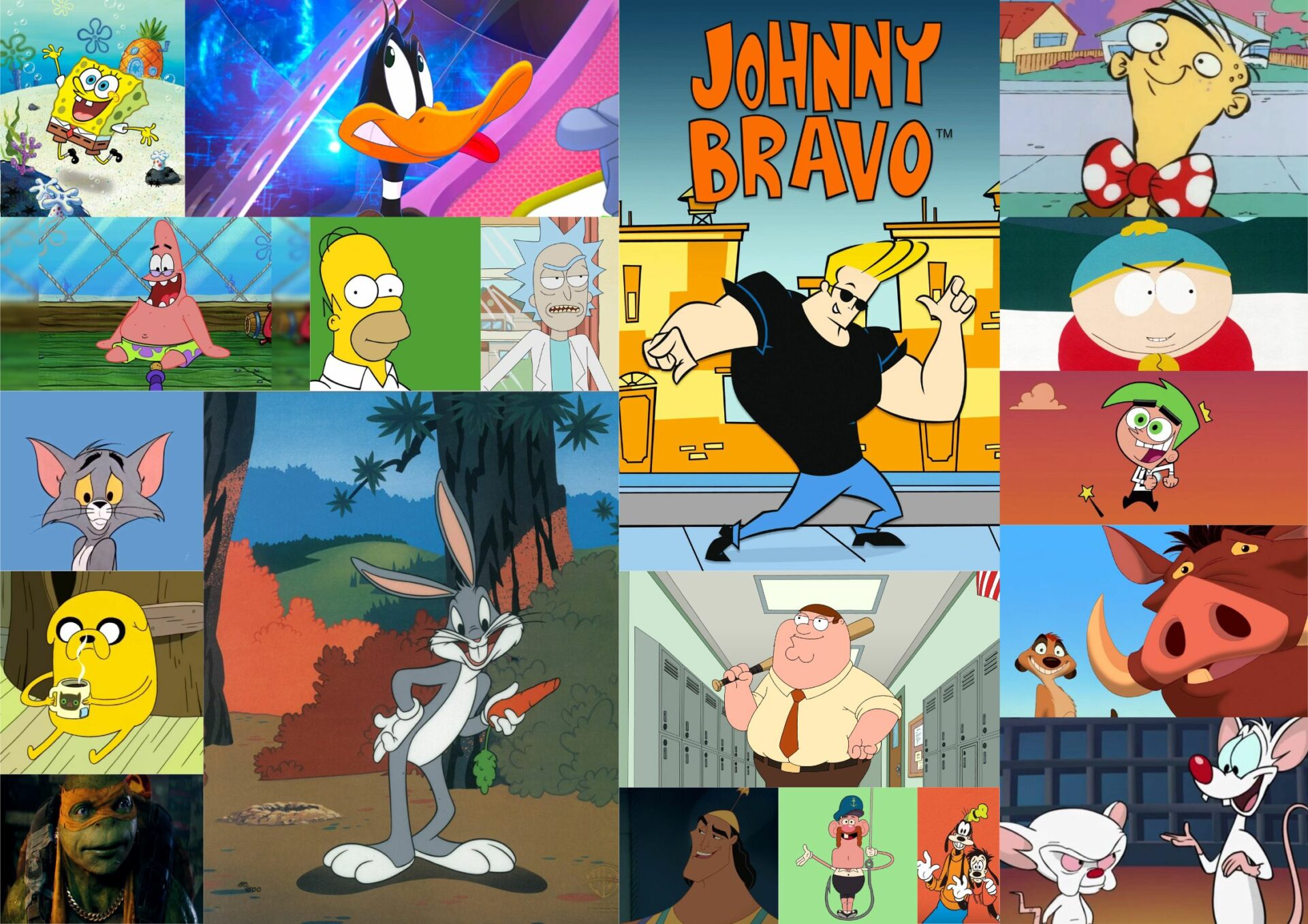
There are some outright funny cartoon characters who exist solely to crack you up, loud, hard, and with zero apology.
READ MORE

July 20, 2025 .
Essays, Opinions
READ MORE

July 20, 2025 .
Essays, Opinions
READ MORE

July 20, 2025 .
Essays
Except if you have been living under a rock or in outer space since the beginning of time, there is no way you wouldn’t have heard of Wole Soyinka.
READ MORE

July 20, 2025 .
Essays, Opinions
READ MORE
September 12, 2025 .
Essays, Fantasy, Opinions
Fantasy is everything that lies in the realm of the fantastic. And, the more deviant from reality it is, the better.
READ MORE
July 20, 2025 .
Essays, Opinions
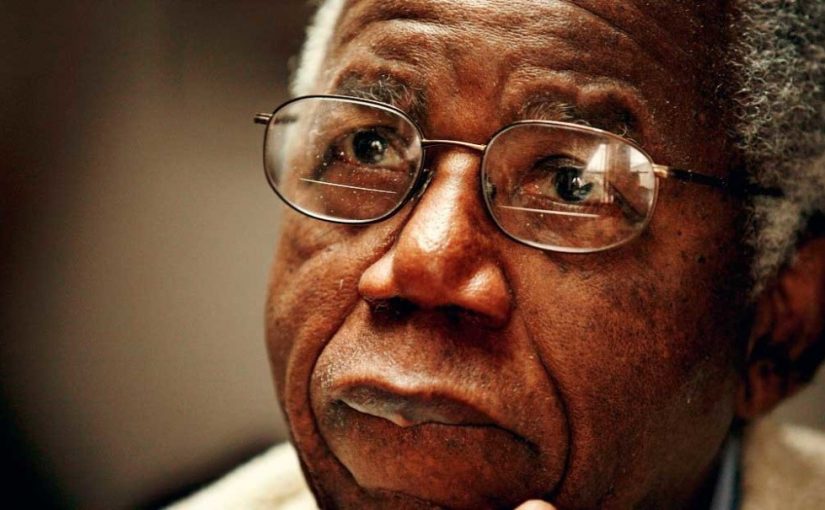
African literature embraces inclusivity, harnessing words as a medium to impart wisdom, preserve truths, and honor ancestral struggles.
READ MORE

October 22, 2025 .
Essays, Writer Resources
Ever found a book that looks like a comic but tells a complete, well-structured story? Congratulations, it’s a graphic novel.
READ MORE
July 18, 2026 .
Disney, Essays
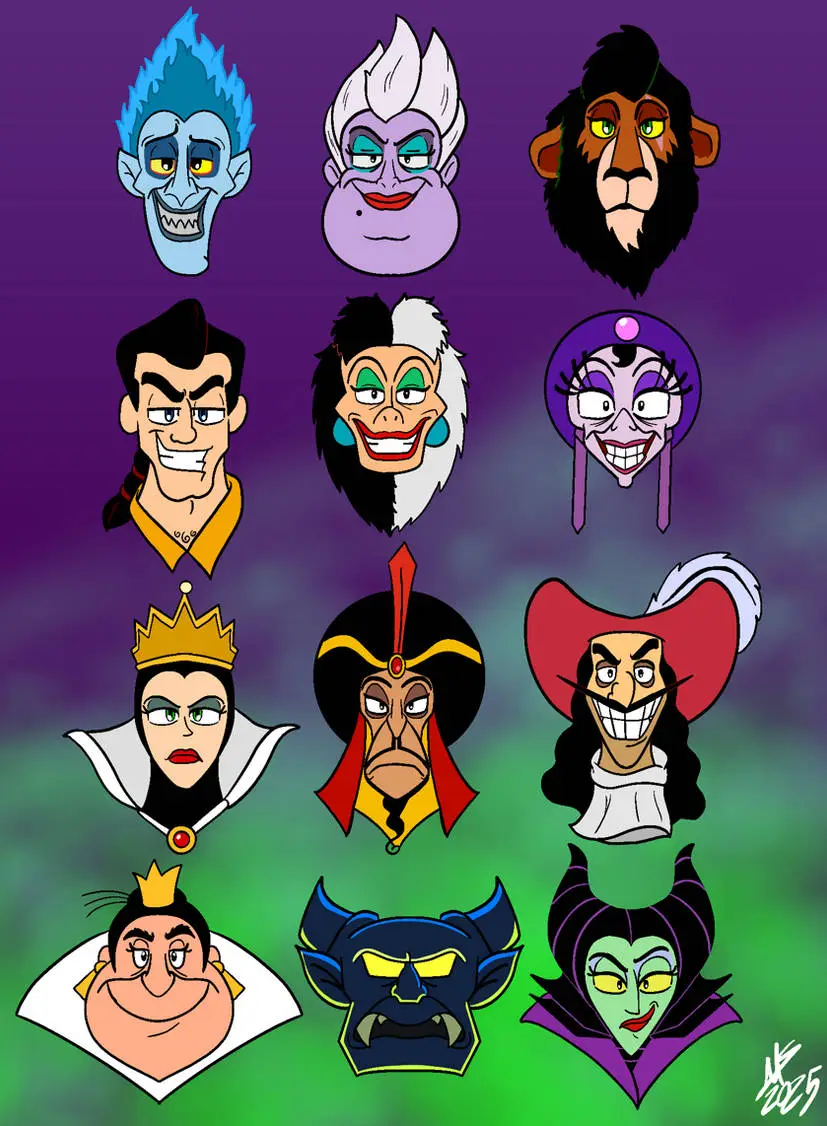
Let’s examine the trend of softening Disney villains, its implications, and viewers’ responses to less sensitive material.
READ MORE
July 24, 2025 .
Essays, Writer Resources
READ MORE
Get our magazine for free!