





















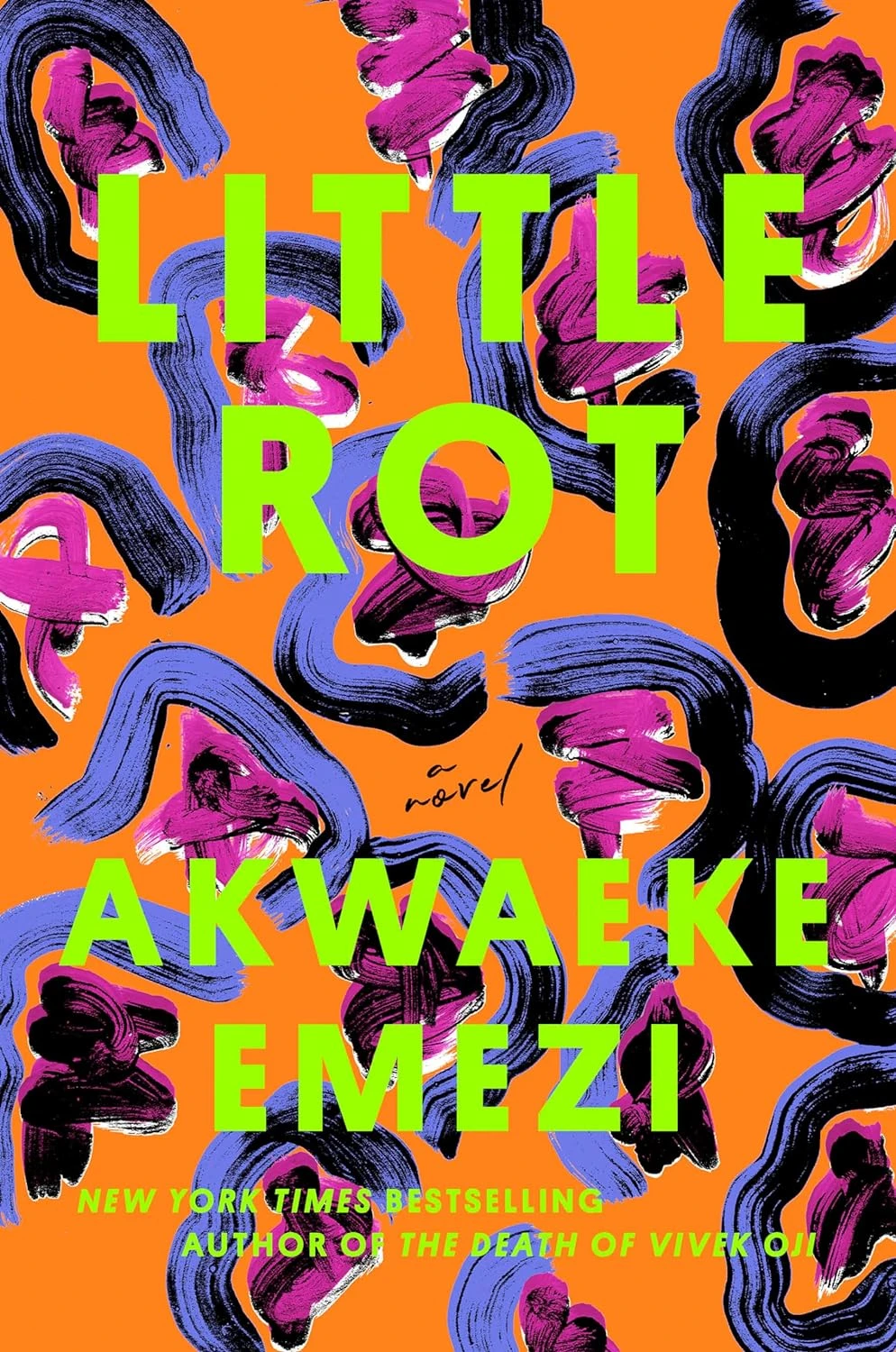
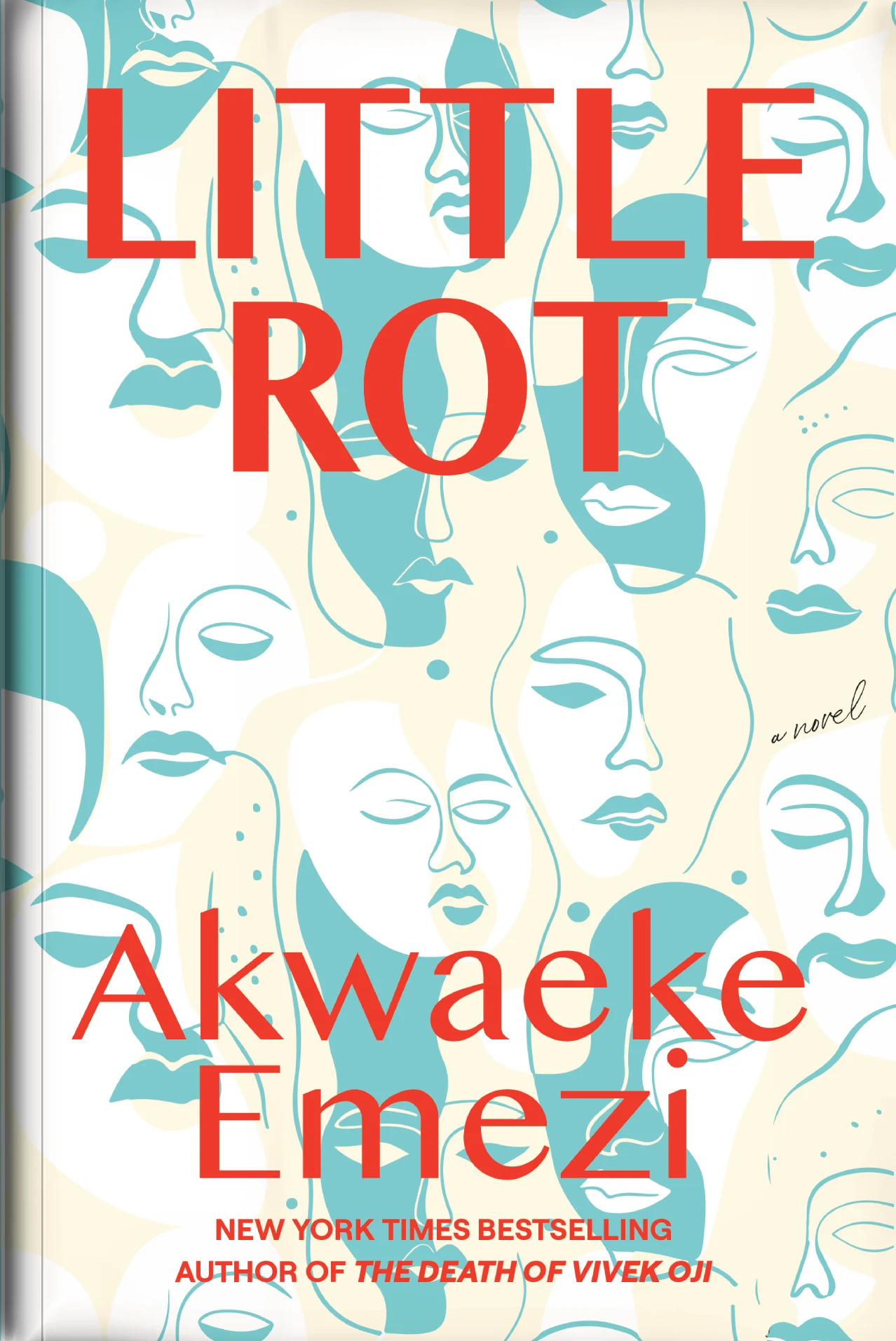

Africa is a vast continent, not a single country. The old habit of treating the whole continent as a single cultural monolith creeps in, even when the intention is celebration.

When Black Panther hit theaters in 2018, it stopped feeling like “just another Marvel movie” pretty fast. For many people, it became a major cultural event. Finally, here was a major film about Africa that didn’t open with starving kids, endless civil war, or the Red Cross.
Instead, we met Wakanda: an African nation that dodged colonization entirely and quietly turned into the most advanced place on the planet.
The response was electric. Folks went wild for the costumes, the Xhosa bits, the unapologetic swagger baked into every frame. Seeing African-inspired visuals blown up on that scale felt huge.
For many, it was straight-up empowering. Here was an Africa that was rich, self-assured, and light-years ahead technologically. Wakanda never asked the West for permission or approval. Its king didn’t have to explain himself to outsiders. In a world where African stories are usually filtered through someone else’s lens, Black Panther felt fresh and different.
However, once the hype cooled off, a harder question lingered: whose idea of Africa’s future are we really looking at?
African writers have been building futures for the continent long before Wakanda showed up on screen. And when their works are compared to the movie, the gaps become pretty obvious: gaps around representation, authenticity, and who actually gets to define what comes next for Africa.
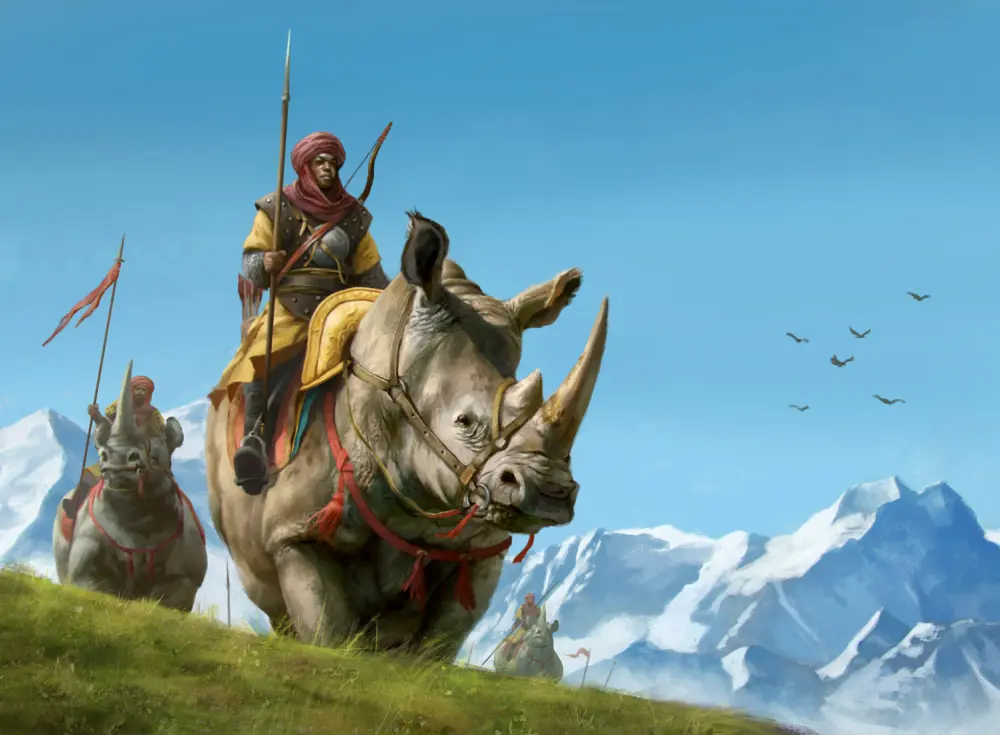
The biggest difference is the point of view. Black Panther delivers Afrofuturism inside the tight rules of a Hollywood tentpole. It mixes African cultural nods with the classic Marvel superhero blueprint.
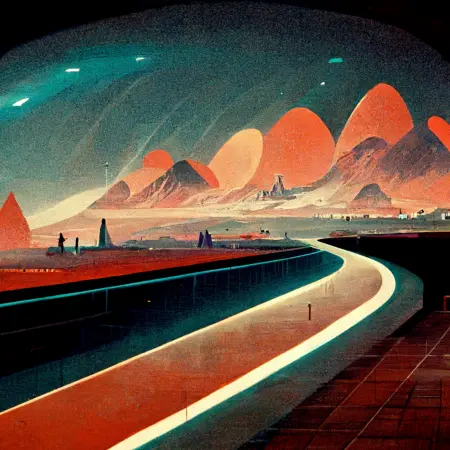
Vibranium runs everything: hover-trains, energy weapons, healing tech. Buildings fuse sleek towers with traditional motifs. Costumes borrow from different African cultures but still prioritize that big-screen wow factor.
Wakanda looks breathtaking, no doubt. But it’s shaped by blockbuster needs: quick pacing, massive spectacle, broad appeal. Cultural details end up more like eye candy than the deep roots of the plot.
The plot hits familiar beats: too-chosen hero, jealous rival, epic showdown, tidy wrap-up. Even the political edges stay safely within mainstream entertainment boundaries.
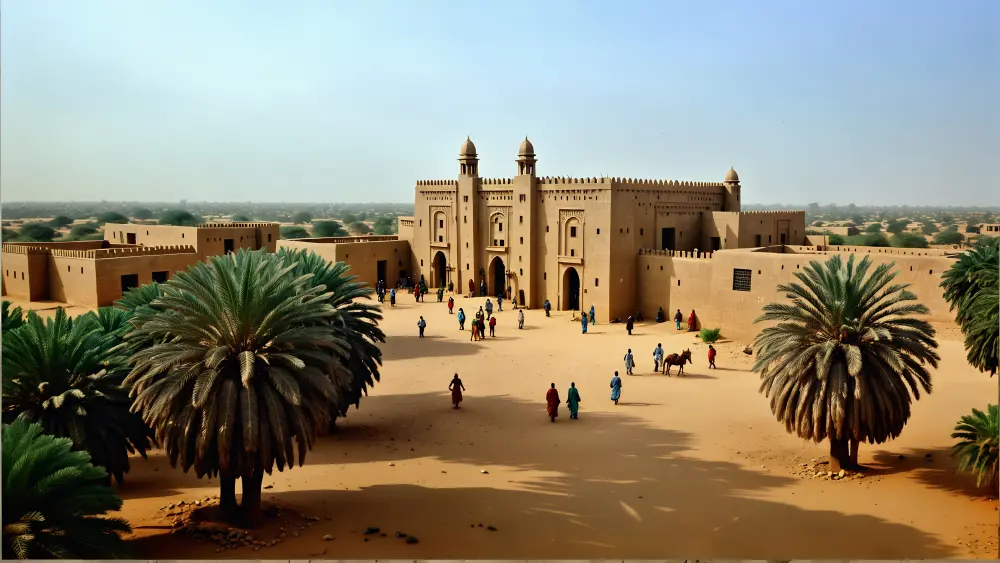
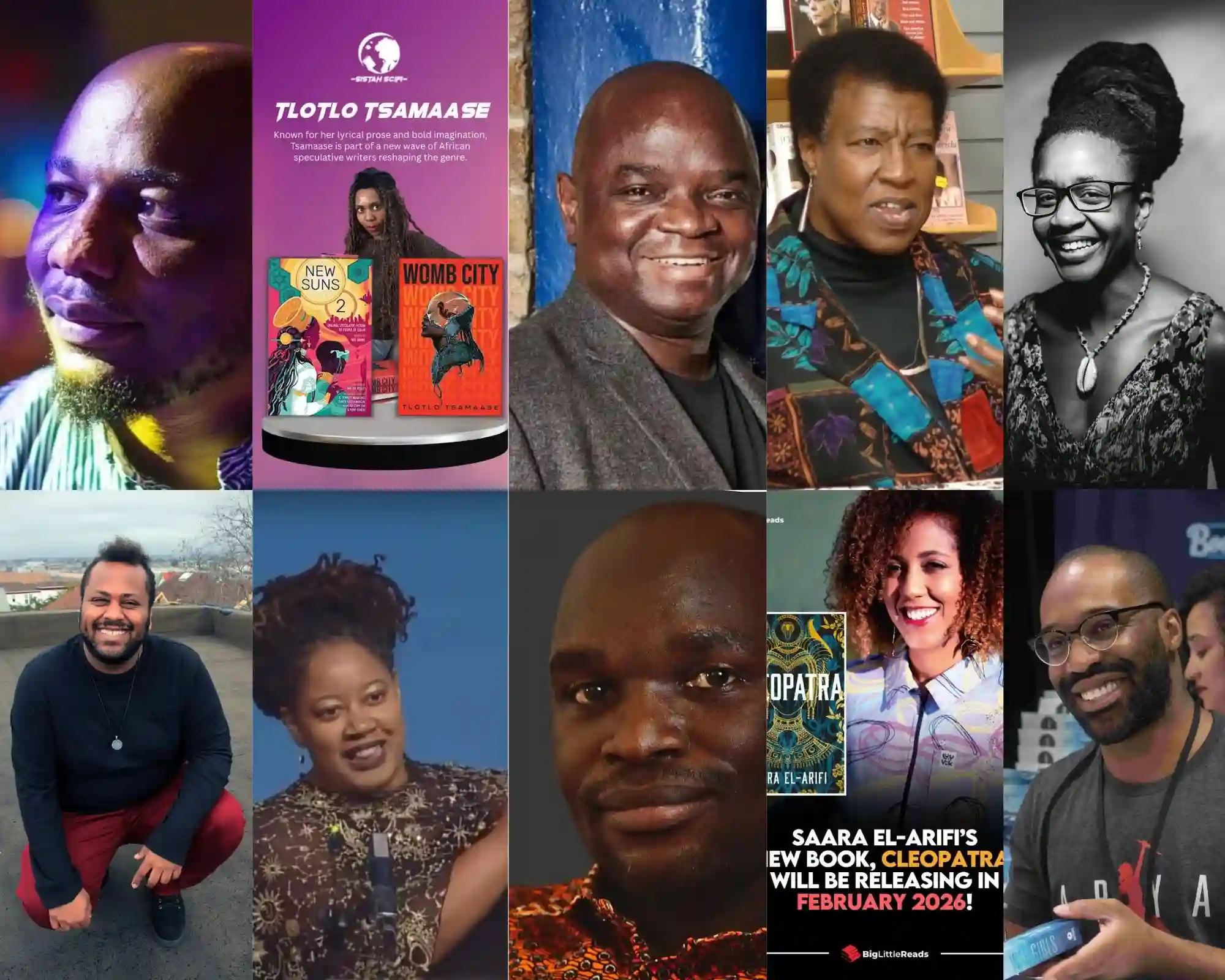
African speculative fiction writers like Nnedi Okorafor and Tade Thompson don’t slap African visuals onto a Western template; they let the future grow naturally out of African realities.
As a result, tech is hardly the whole story. It sits beside spirituality, family systems, and oral traditions. Okorafor often weaves cutting-edge science alongside myth, terrain, and remembered history. Thompson’s books keep one foot in the ordinary mess of Nigerian daily life even while the plot goes futuristic.
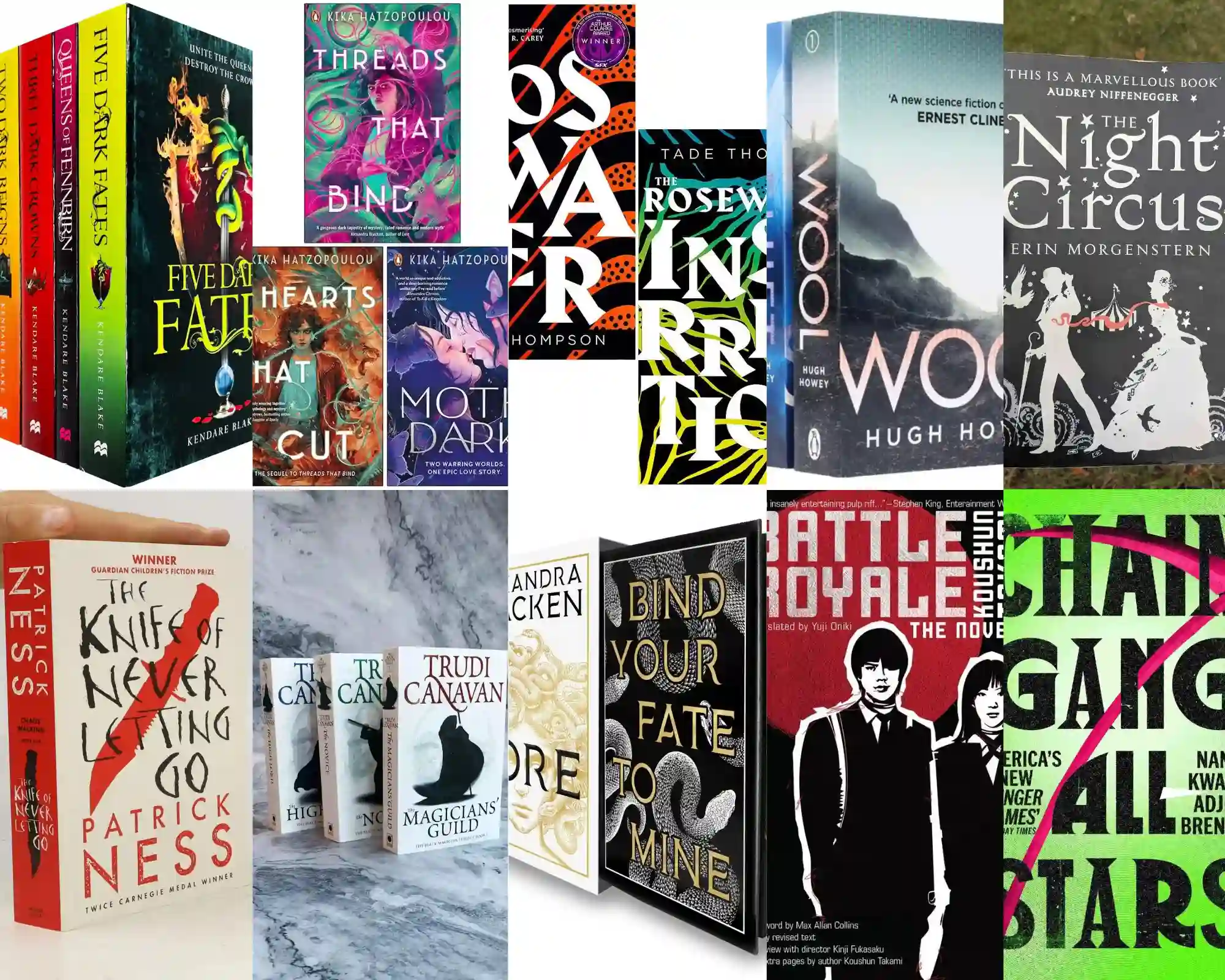
In Tade Thompson’s Rosewater, an alien artifact slams into London, America goes offline, and Nigeria slowly becomes the global capital where the big questions get asked, where power shifts, and where consequences play out. The genre’s old center (America/Europe) gets replaced by Lagos streets and Nigerian politics. The future isn’t imported or imposed; it grows from African ground.
That’s the message of African futurism: imagining tomorrow from within the continent, not projecting it from outside.
Stories in the African Speculative fiction genre never treat Africa like some exotic backdrop. The futures stay tied to today’s struggles: corruption, brain drain, climate shifts, and colonial scars. Tech changes things, but it doesn’t wipe history clean.
Because they’re so anchored, the tales rarely feel like pure fantasy. They read more like logical next chapters of the present.
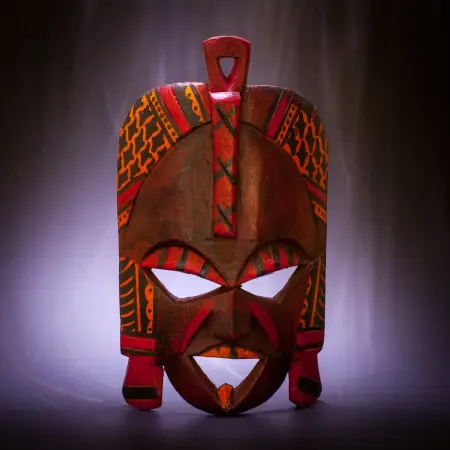
The difference sharpens when you look at how culture is depicted. Black Panther draws cultural inspiration from everywhere across the continent: Maasai red shukas for the Dora Milaje cloaks, Zulu-style shields for warriors, Akan symbols, assorted West African patterns.
However, it mashes traditions from wildly different regions into one “Wakandan” style, as if they all naturally coexist in the same society. To outsiders, that blend can look seamless and cool. To people who know the continent, it can feel like Africa got reduced to a single aesthetic palette.
Africa is a vast continent, not a single country. The old habit of treating the whole continent as a single cultural monolith creeps in, even when the intention is celebration.
African Speculative Fiction usually avoids that mash-up. Stories root themselves in one specific spot, such as an overpopulated, tech-saturated Lagos. Language, faith, weather, street politics, and class lines all drive the plot. The past isn’t erased; it travels forward.
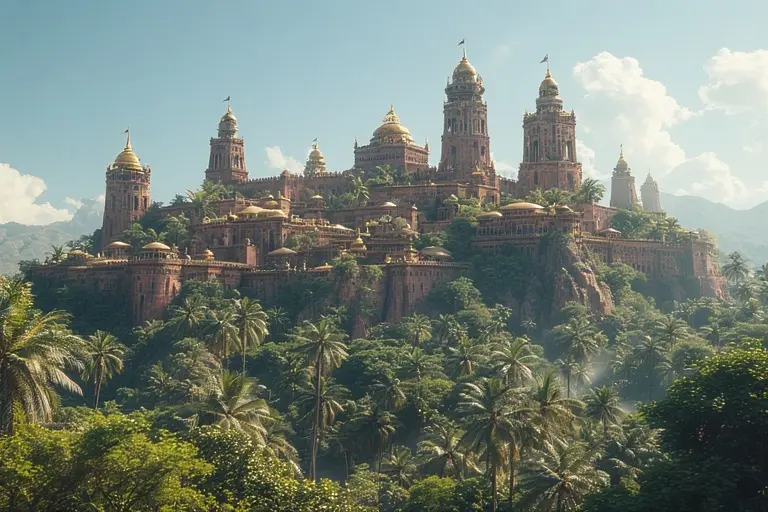
Wakanda is straight utopia: rich, stable, technologically supreme, untouched by colonization. It answers a question many people ask: what if Africa had never been colonized?
This fantasy is seductive. But utopias tend to smooth over hard truths. Even golden societies have cracks, power struggles, inequality, and resource fights.
African Speculative Fiction leans into those cracks. Writers show futures where progress arrives alongside new problems: unequal access to tech, ecological fallout, old hierarchies in shiny packaging. They ask tougher questions: who gains, who gets left out?
These authors usually care more about plausible worlds than perfect ones. Their futures feel lived-in, contradictory, and human.
Hollywood’s scale changes everything. Black Panther belongs to Marvel, a giant revenue engine that needs to sell tickets globally, drive merchandise sales, and build brands. Radical images can turn into logos fast. “Wakanda Forever” went from salute to slogan to T-shirt in record time.
But we can’t fault them. That’s normal in pop culture. Strong symbols get eaten up by the market. A story that starts subversively can end up propping up the system it questioned.
African Speculative Fiction mostly lives in books, novels, anthologies, and indie presses. Without blockbuster budgets, writers can afford to stay prickly. Corporate greed, environmental ruin, and tech-driven inequality show up often. The goal isn’t always to uplift; sometimes it’s to make readers uncomfortable and thoughtful.
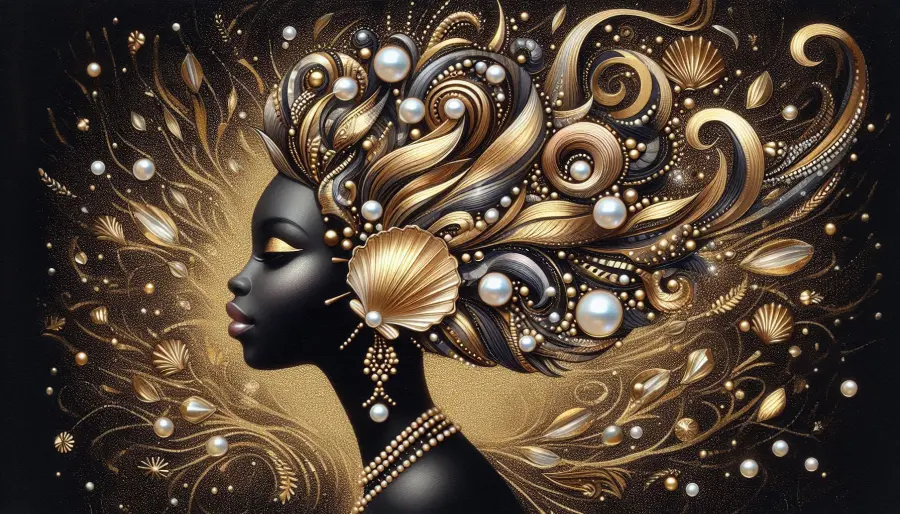
Where Black Panther pulls heavily from Afrofuturism, the Black diaspora tradition was born partly out of slavery’s aftermath. It imagines Black futures where identity, tech, and freedom collide.
Africanfuturism, on the other hand, recenters the continent. It starts with African histories, myths, languages, and viewpoints, then reaches out to the diaspora. Diasporic stories often wrestle with survival abroad. In the context of continental stories, the question is how African societies reshape their own worlds.
They’re related but distinct—different roots, different questions.
Black Panther sits in a tricky spot, huge inspiration wrapped in real limits. It showed millions that Africa can be pictured as powerful and proud. It broke old media stereotypes wide open.
At the same time, its version of Africa is still filtered through blockbuster demands: blended cultures, utopian gloss, commercial packaging.
Black Panther kicked the door open, proving that the world wants African futurist stories. The best and most complex versions of these stories, however, are still coming from the continent in pages that don’t have to polish Africa for global appeal.
Wakanda is a beautiful dream. African Speculative Fiction offers something just as powerful: the right to imagine tomorrow on our own messy, real terms.
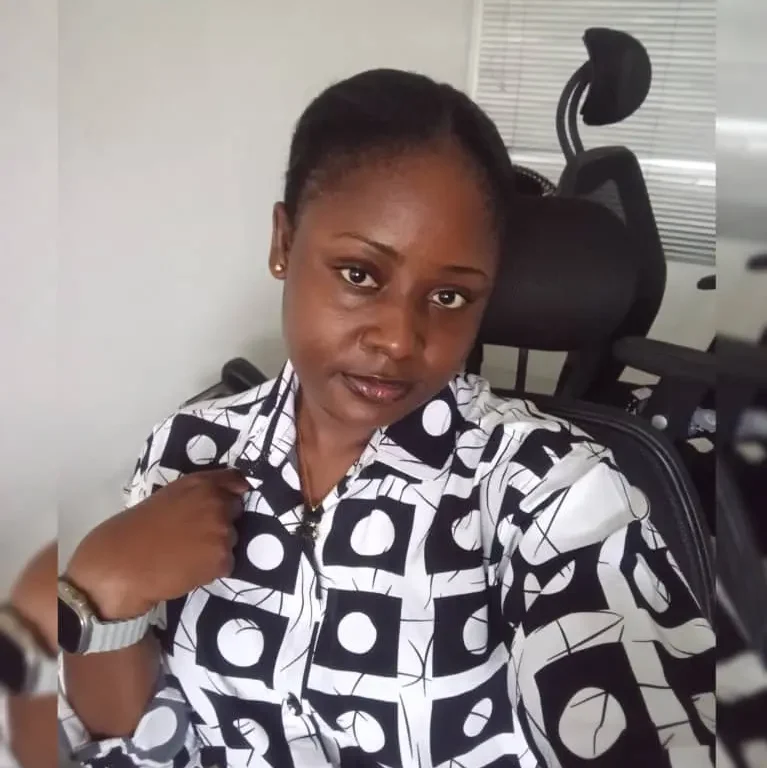
Hi I'm Tega, I am a microbiologist with a lifelong passion for reading, I fell in love with books as child (where I was briefly obsessed with Enid Blyton, lol) reading is simply my escape and hobby and sometimes doubles as therapy for me . My favorite genres are African lit, historical fiction, memoirs/biographies and fantasy. I do beta reading and post book reviews which you can check out on my Instagram @ te_ga_o.
July 20, 2025 .
Animation, Lists
Our list rounds up the top 30 cartoon characters that were villains, each one more wonderfully wicked than the last.
READ MORE
April 29, 2026 .
Lists, Opinions
The Mouse is famous for its princesses and princes. However, the studio’s true genius lies in its embrace of “ugly Disney characters”.
READ MORE
October 28, 2025 .
Debates, Lists, Marvel, MCU
Every Marvel hero brings something to the table. But if we had to pick the top 8 most popular Marvel superheroes, who would make the cut?
READ MORE
May 6, 2026 .
Lists, MCU
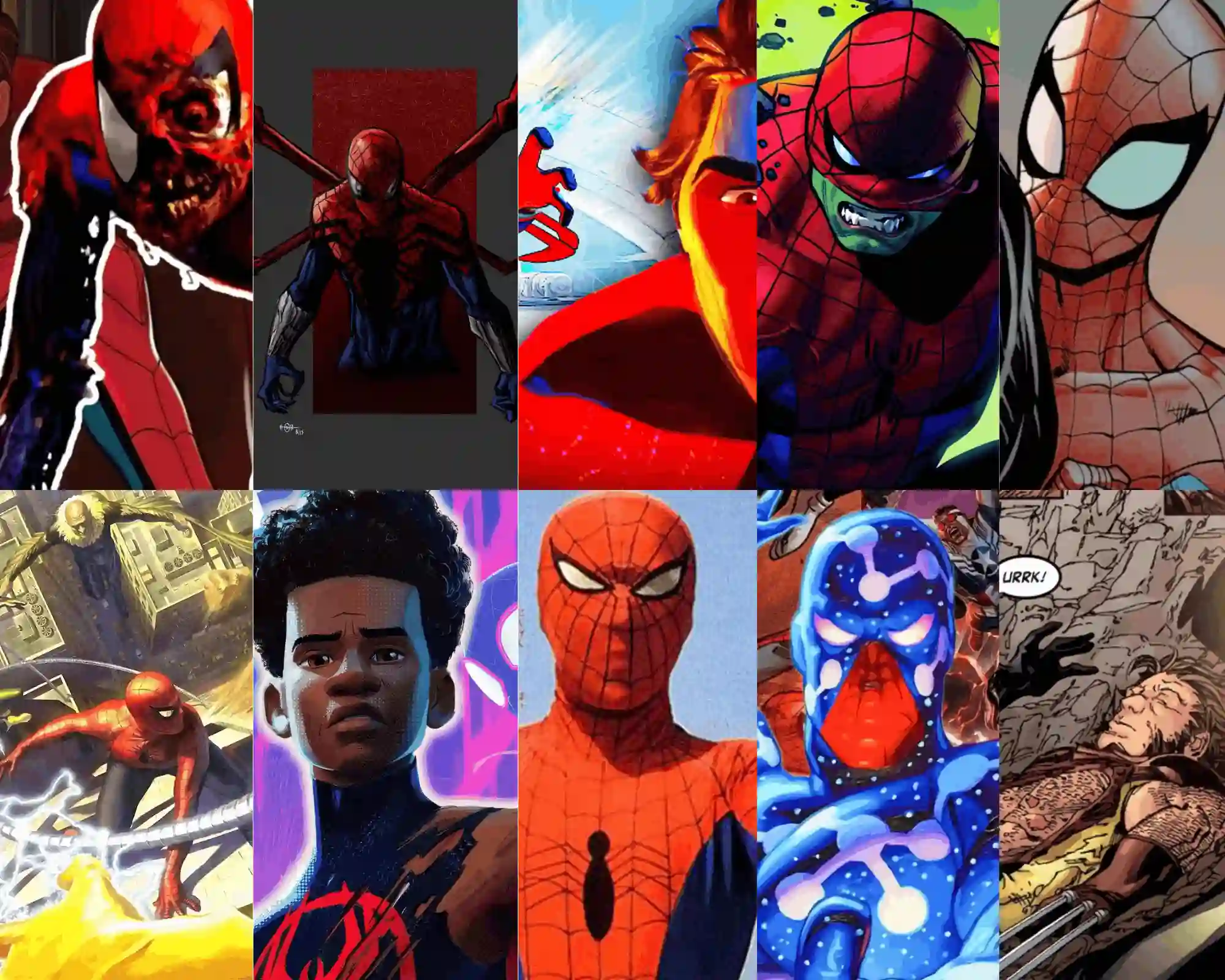
Spider-Man is one of the many superheroes from the Marvel Universe whose stories shaped many childhoods. Who is your strongest Spiderman?
READ MORE
October 28, 2025 .
Lists, Marvel, MCU, Opinions
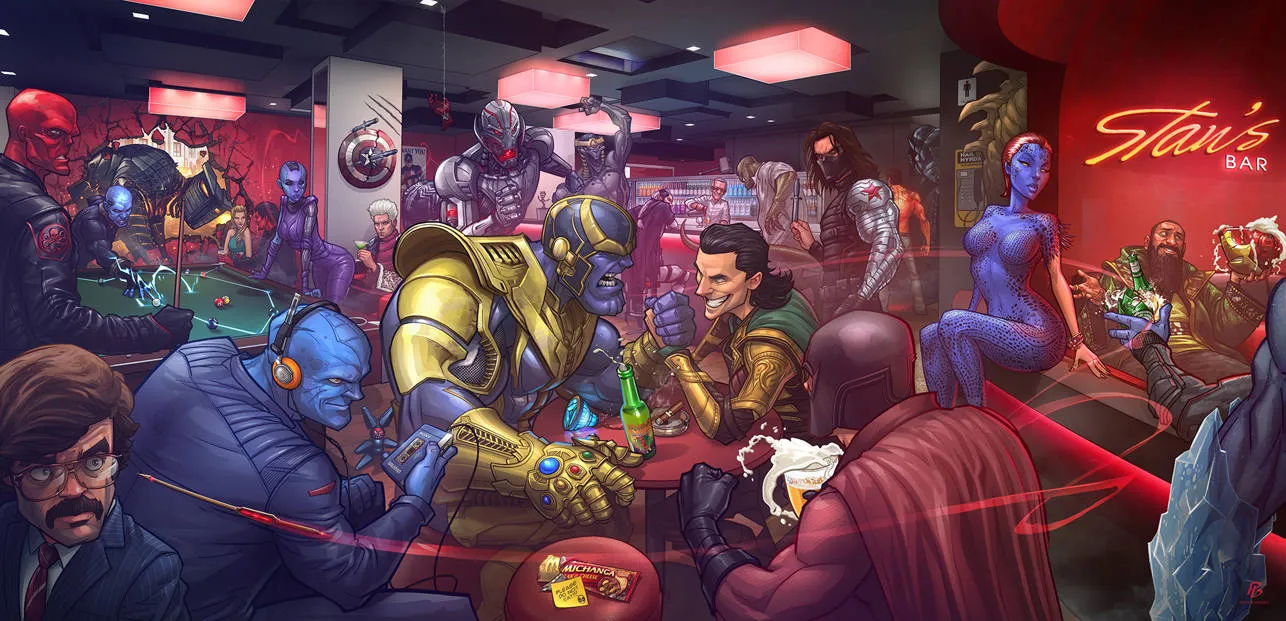
Let’s go through a list of the top 7 strongest Marvel villains, from the wickedly powerful to the absolutely unstoppable.
READ MORE

July 20, 2025 .
Essays, Opinions
READ MORE

July 20, 2025 .
Essays, Opinions
READ MORE

July 20, 2025 .
Essays
Except if you have been living under a rock or in outer space since the beginning of time, there is no way you wouldn’t have heard of Wole Soyinka.
READ MORE

July 20, 2025 .
Essays, Opinions
READ MORE
September 12, 2025 .
Essays, Fantasy, Opinions
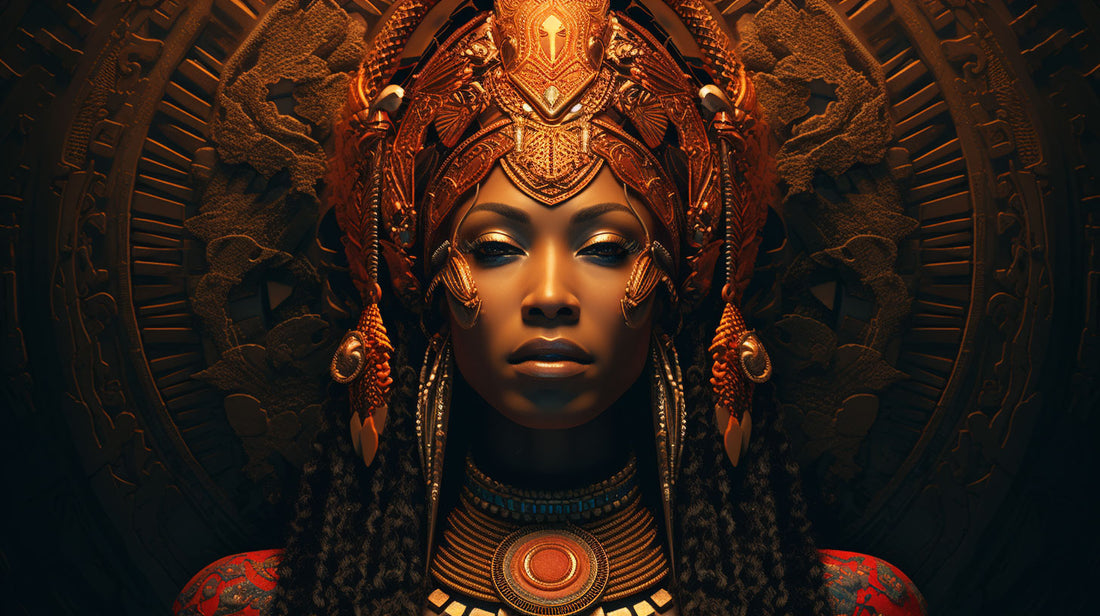
Fantasy is everything that lies in the realm of the fantastic. And, the more deviant from reality it is, the better.
READ MORE
July 20, 2025 .
Essays, Opinions
African literature embraces inclusivity, harnessing words as a medium to impart wisdom, preserve truths, and honor ancestral struggles.
READ MORE
October 22, 2025 .
Essays, Writer Resources
Ever found a book that looks like a comic but tells a complete, well-structured story? Congratulations, it’s a graphic novel.
READ MORE
July 18, 2026 .
Disney, Essays
Let’s examine the trend of softening Disney villains, its implications, and viewers’ responses to less sensitive material.
READ MORE
July 24, 2025 .
Essays, Writer Resources
READ MORE
Get our magazine for free!