
















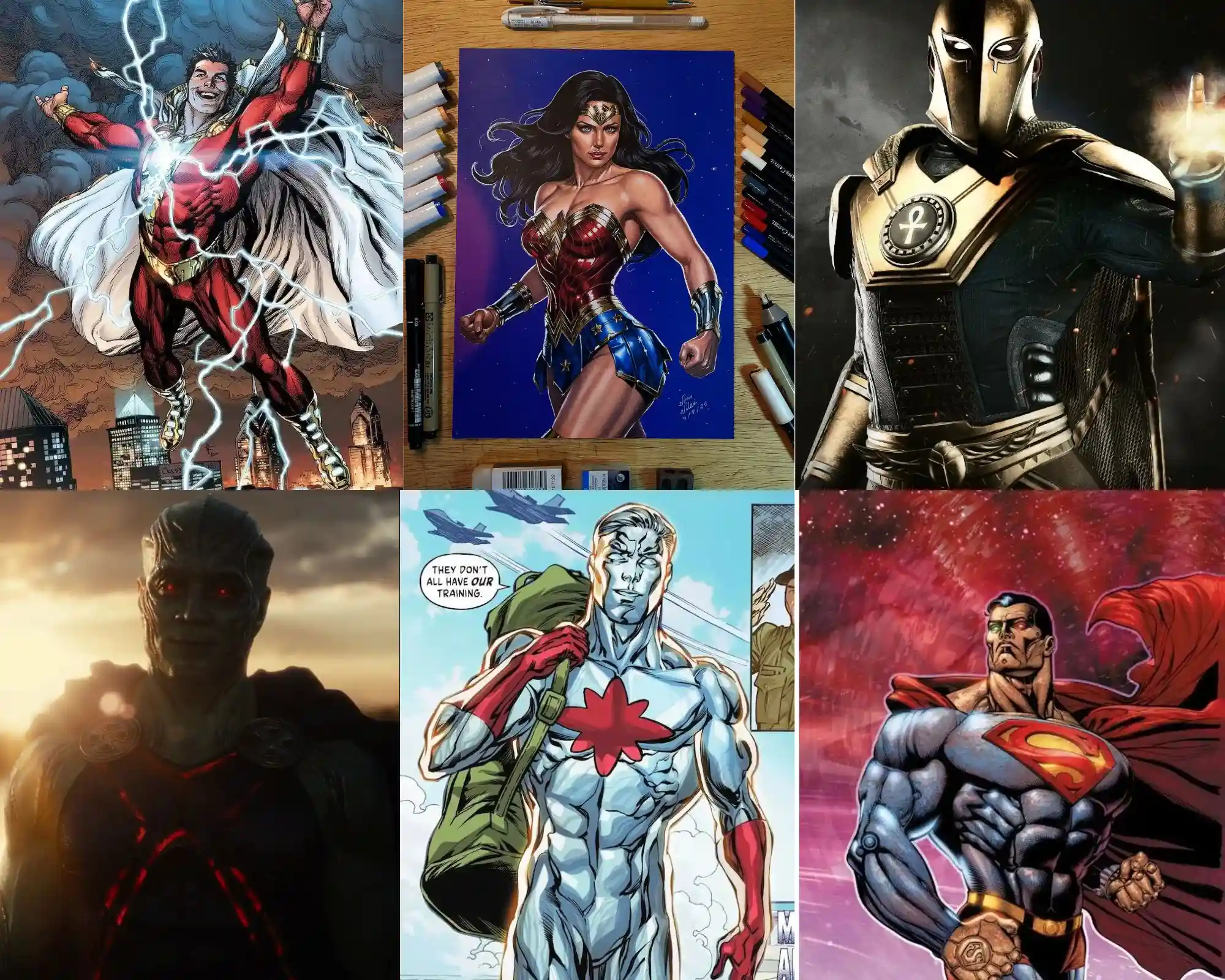



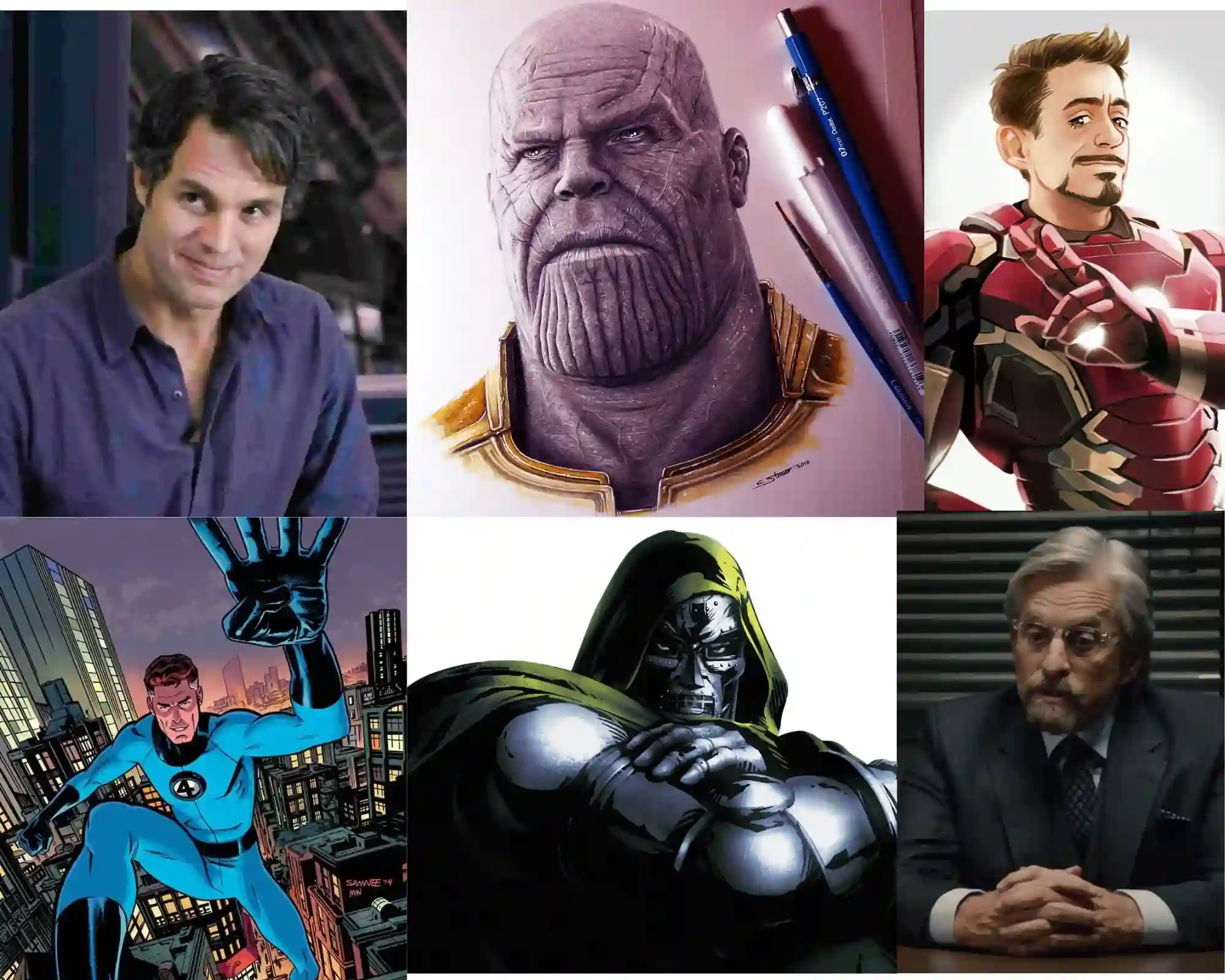

An anti-villain operates in far murkier territory. What happens when the “bad guy” carries themselves with dignity?
Villains are easy to identify. The common stereotype is the tyrant who delights in others’ suffering for the love of the game.
An anti-villain, however, operates in far murkier territory. It is easy to condemn a character whose sole purpose is to cause pain. It becomes significantly more difficult when the so-called “bad guy” is trying to actually save lives.
What happens when the “bad guy” carries themselves with dignity, acts with profound empathy, and pursues a goal that is fundamentally noble? They might dedicate their lives to protecting others or preventing catastrophe.
The core tension is that they oppose the protagonist, even when their methods, worldview, or choices seem justified to them. Their nobility and destructiveness coexist. Here is the foundation for crafting a compelling anti-villain.
An anti villain is a character who occupies the role of an antagonist but possesses traits traditionally associated with heroes.
This character may make selfish decisions, but they are a good person who would team up with the hero under the right circumstances.
It is important to note that an anti villain is not the same thing as an anti-hero. While an anti-hero does the right thing using questionable methods, an anti villain usually does the wrong thing for what they believe are the right reasons.
Not all anti villains approach their mission with the same philosophy. To move from definition to examples, writers often use distinct archetypes to challenge the narrative status quo.
This individual sees a burning world and decides the only way to save it is to control-burn half of it first.
The anti villain ultimately wants to bring good to the world, but their methods for achieving that goal are ill-advised. They come rational, cold, and utterly convinced of their own logic.
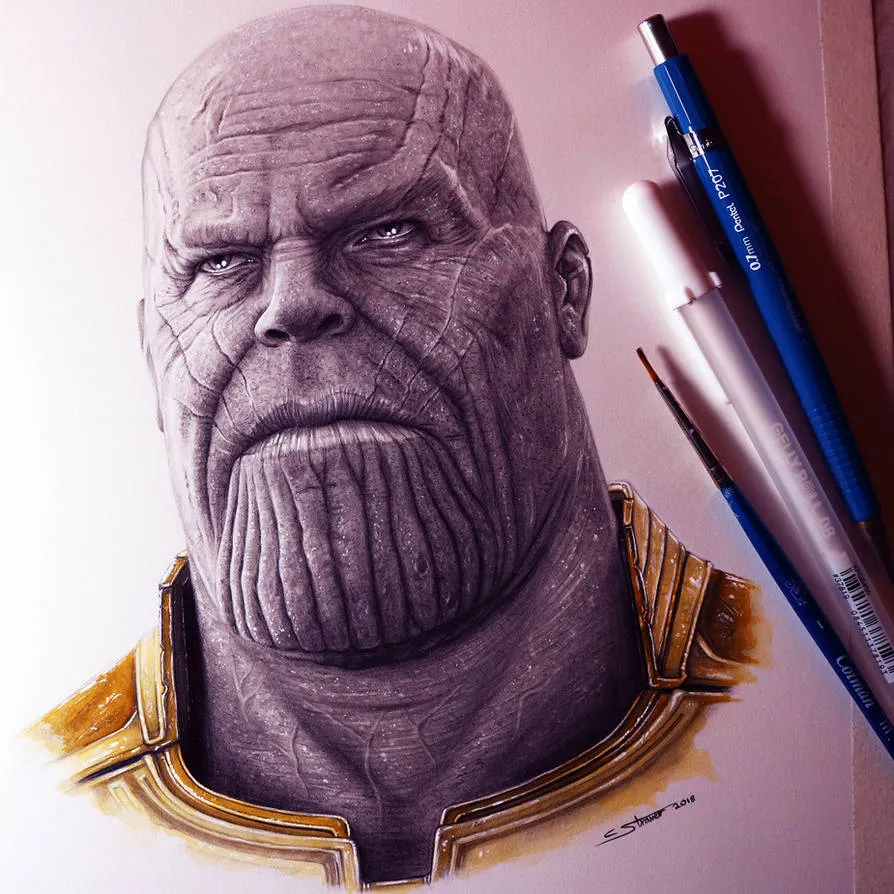
A very good example is Thanos in Avengers: Endgame, whose goal is to prevent starvation and societal collapse. We are all, in one way or another, working towards sustainability and trying to save the planet, so his intentions are valid.
But we are not trying to wipe out half the planet’s population to achieve that.
The “defenders” present themselves as soldiers, guardians, or loyal servants who act because they believe duty calls.
A stark example is Inspector Javert in Les Misérables. Javert is so obsessed with enforcing society’s laws and morals that he fails to realize he is living on mistaken assumptions. The reason is that he was brought up as a child of criminals and lived his life trying to wipe out this “shame” through his strict commitment to upholding the law. As a result, he never stops to question if the law is just; he just pushes forward in his belief.
The Pitiable Anti-Villain is a tragic figure driven to commit acts of antagonism by desperation, grief, or an unbearable burden.
They do not want to be the villain, and they derive no pleasure from their actions. The audience usually feels sorry for this character because he perhaps didn’t start out as a bad guy. While they may still commit heinous acts, you understand how they ended up where they are.
Within the Batman mythos, there’s Mr. Freeze, a rogue who freezes city landmarks and robs banks, naturally placing him on Gotham’s most-wanted list.
Unfortunately, he is stealing resources to keep his wife’s stasis pod powered and to fund the medical breakthrough that will save her life.
In his eyes, Gotham’s police and Batman are the armed protectors of the billionaire class and a broken legal system that values corporate property over human life. Ultimately, his crimes are an act of absolute, desperate devotion.
The Villain in Name Only is an antagonist purely by virtue of perspective, labeling, or societal misunderstanding.
They may not actually be doing anything wrong; in fact, they might be doing the most objective good in the story. It is likely that they simply have different beliefs from the hero, which puts them at odds.
This category is a good reminder that antagonists don’t always need to be evil or sinister. In Wicked, Elphaba is born into a world that naturally fears her because of her green skin, and she eventually becomes the infamous Wicked Witch of the West.
The “heroes” of the traditional Oz story are either complicit in the regime’s corruption or completely brainwashed by government propaganda. Elphaba’s green skin, fierce independence, and integrity make her an easy target for vilification.
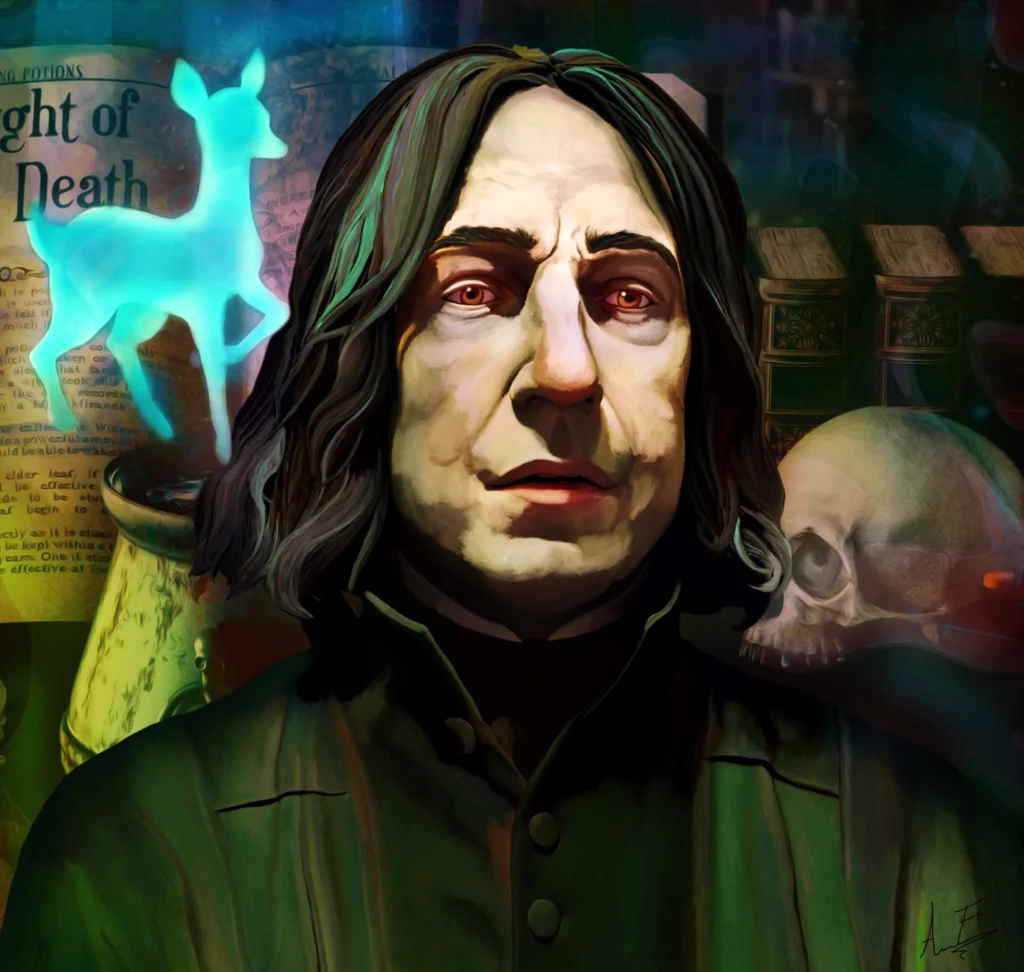
Picking the right anti-villain comes down to the type of story you want to tell. So ask whether they are simply misguided, delusional, or even correct in their philosophy.
The defining trait of an anti-villain is their motivation. This involves exploring the character’s backstory, identifying their core beliefs, and empathizing with their cause.
Their ultimate objective should be something the audience and the hero can fundamentally agree with. Next, the conflict should emerge from the path chosen to achieve it.
Note: If you take away the “how” they want to achieve their goal, their ultimate dreams sound like what the hero would want.
While a pure villain feels no remorse, an anti-villain often does.
To make your audience empathize with them, show the human cost of their actions, specifically, what it costs them. Maybe they are willing to assassinate a politician, but they will actively protect a child.
Establish a personal code of ethics. Beyond merely providing an antagonist for the protagonist to overcome, the anti-villain offers a subtle exploration of morality, ethics, and the human condition. This brings depth to their character.
One hallmark of a compelling anti villain is that they are often correct about something important.
Perhaps society really is corrupt, or the government truly is incompetent. They recognise the issue and are determined to solve it, but the problem, however, is how they decide to go about it.
This creates an interesting dynamic where the antagonist becomes both a warning and a truth-teller. The audience may reject their methods while acknowledging that their concerns are valid. A compelling anti villain should be able to defend their actions in a way that sounds disturbingly reasonable.
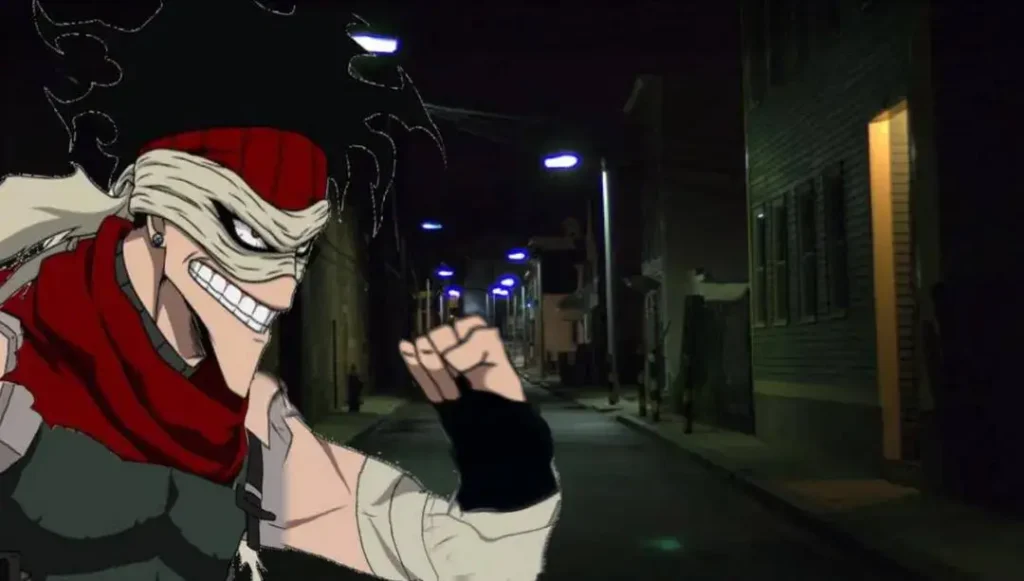
The anti-villain thrives in the space between righteousness and ruin. They are individuals attempting to solve genuine problems with increasingly dangerous solutions.
Their goals may be admirable, yet somewhere along the way, the pursuit of a good outcome eclipses the value of the people affected.
Pro Tip: Invest as much time crafting your anti-villain as you do the lead. Not just for character development, but for the thrill. How else will the audience lowkey wonder if the antagonist is one decision away from becoming the hero?

July 20, 2025 .
Animation, Lists
Our list rounds up the top 30 cartoon characters that were villains, each one more wonderfully wicked than the last.
READ MORE
April 29, 2026 .
Lists, Opinions
The Mouse is famous for its princesses and princes. However, the studio’s true genius lies in its embrace of “ugly Disney characters”.
READ MORE
May 6, 2026 .
Lists, MCU
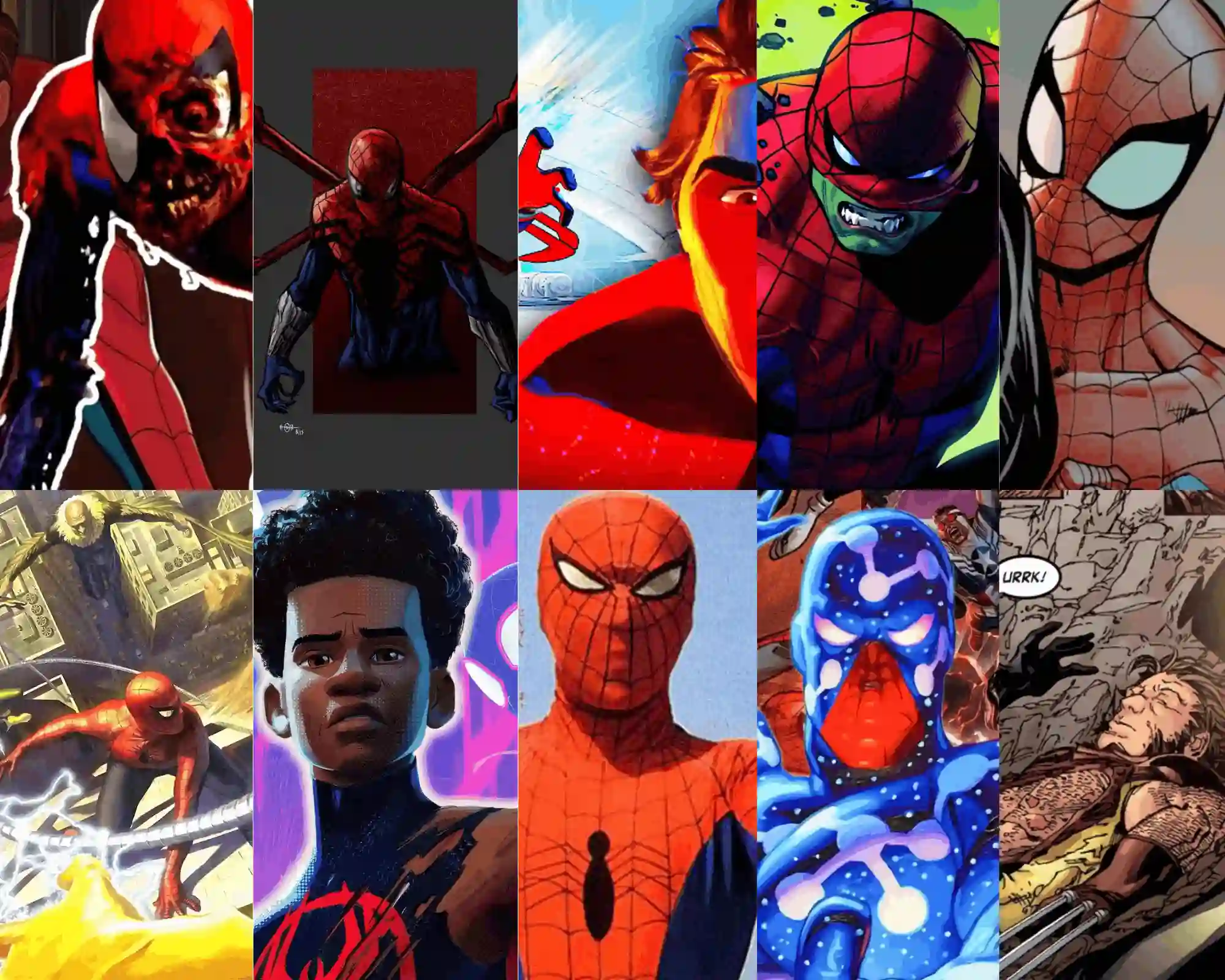
Spider-Man is one of the many superheroes from the Marvel Universe whose stories shaped many childhoods. Who is your strongest Spiderman?
READ MORE
October 28, 2025 .
Debates, Lists, Marvel, MCU
Every Marvel hero brings something to the table. But if we had to pick the top 8 most popular Marvel superheroes, who would make the cut?
READ MORE
October 28, 2025 .
Lists, Marvel, MCU, Opinions
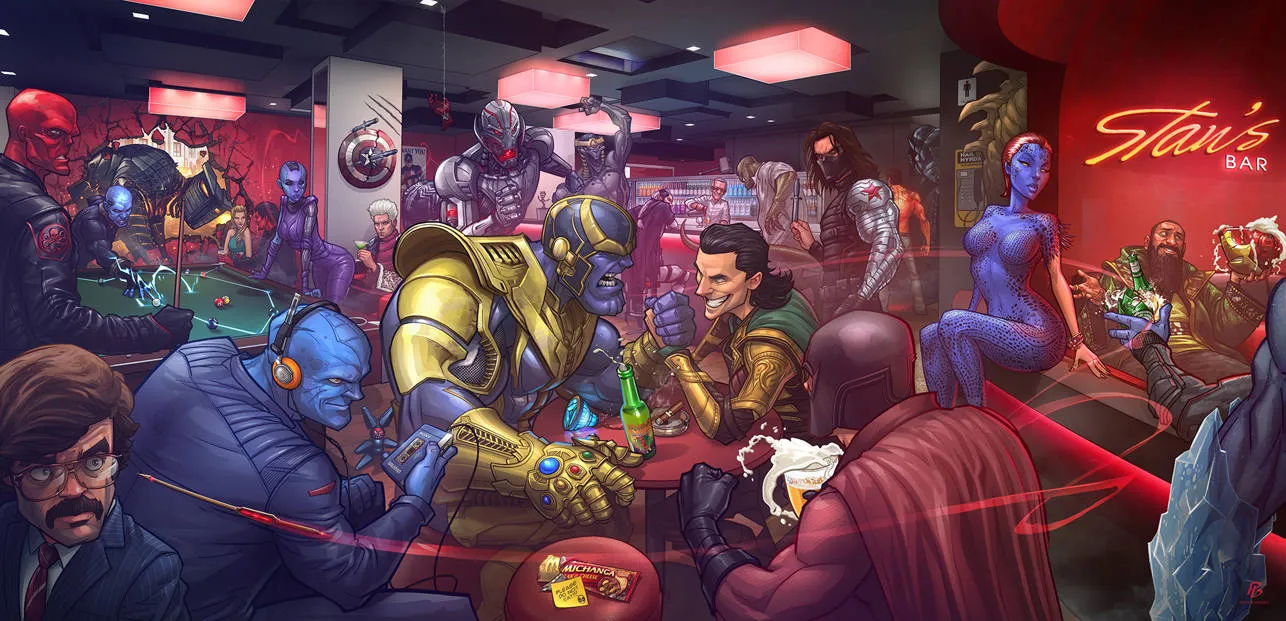
Let’s go through a list of the top 7 strongest Marvel villains, from the wickedly powerful to the absolutely unstoppable.
READ MORE


July 20, 2025 .
Writer Resources
Discover the differences in First-Person Point of View and Third-Person POV, and how each impacts character connection and narrative style.
READ MORE
May 15, 2026 .
Writer Resources
The tension between writer-centered and reader-centered approaches defines how a story is told and who it serves.
READ MORE
October 22, 2025 .
Essays, Writer Resources
Ever found a book that looks like a comic but tells a complete, well-structured story? Congratulations, it’s a graphic novel.
READ MORE
June 26, 2026 .
Writer Resources
Writing starts with forming ideas, imagination, dreams, and thoughts. And when these condense into a coherent progression, you have a plot.
READ MORE
May 10, 2026 .
Writer Resources
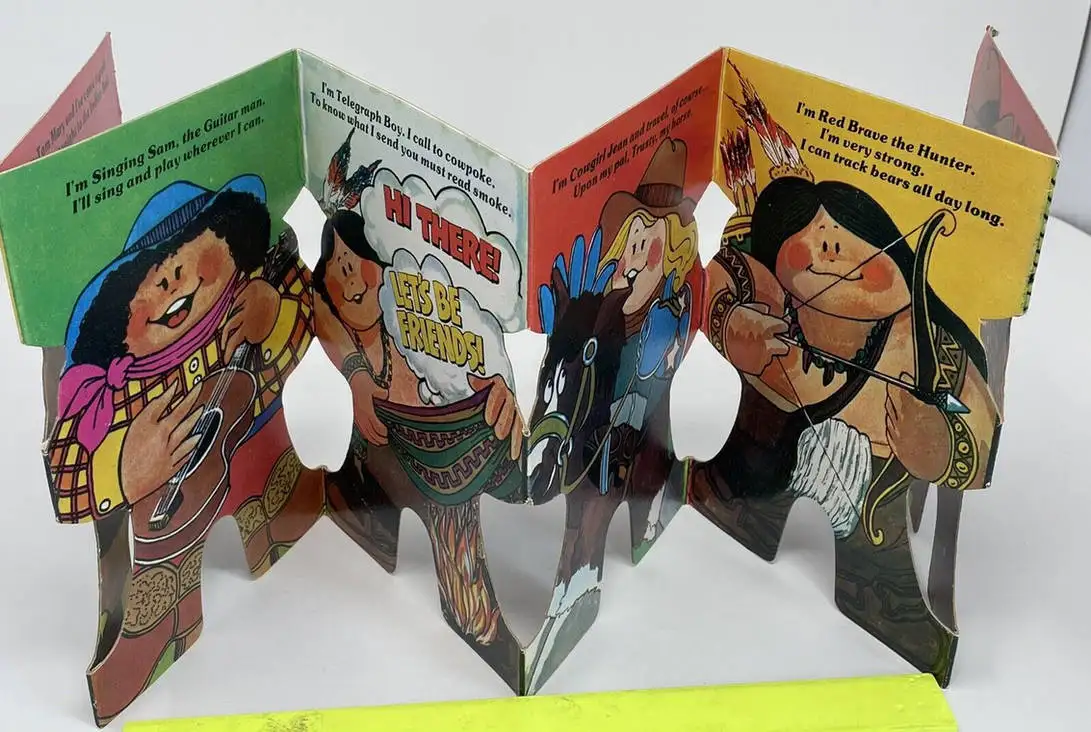
What is a board book, and how does it differ from others? Traditional publishing usually means novels, but published works span much more.
READ MORE
July 24, 2025 .
Essays, Writer Resources
READ MORE
February 8, 2026 .
Writer Resources
Breaking into traditional publishing can feel like decoding a secretive industry. This guide is a resource for finding the right agent.
READ MORE
February 28, 2026 .
Writer Resources
There are three paths in book publishing: traditional, self-publishing, and hybrid. The current focus is on traditional publishing.
READ MORE

July 20, 2025 .
Writer Resources
Today, writers are needed who combine creativity with technical expertise, professionalism, and adaptability.
READ MORE
Get our magazine for free!