
Menu


























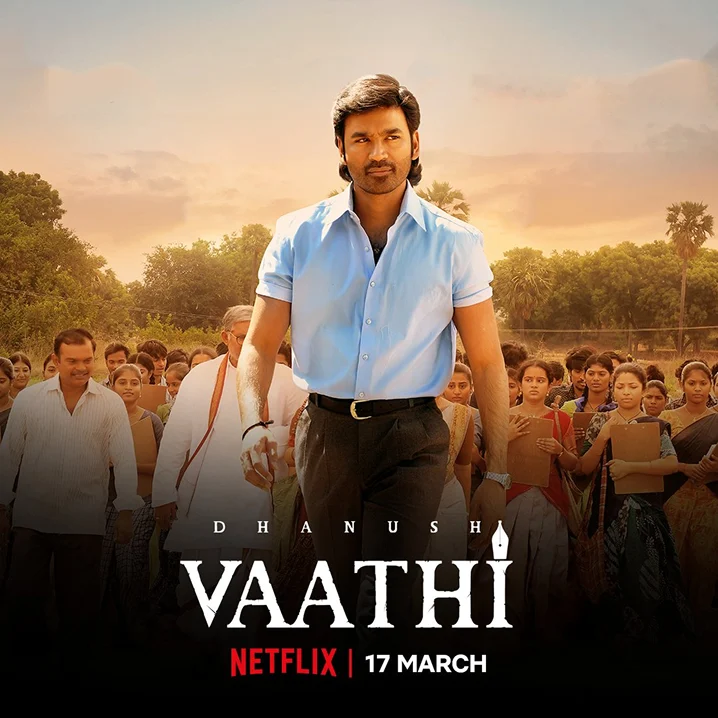
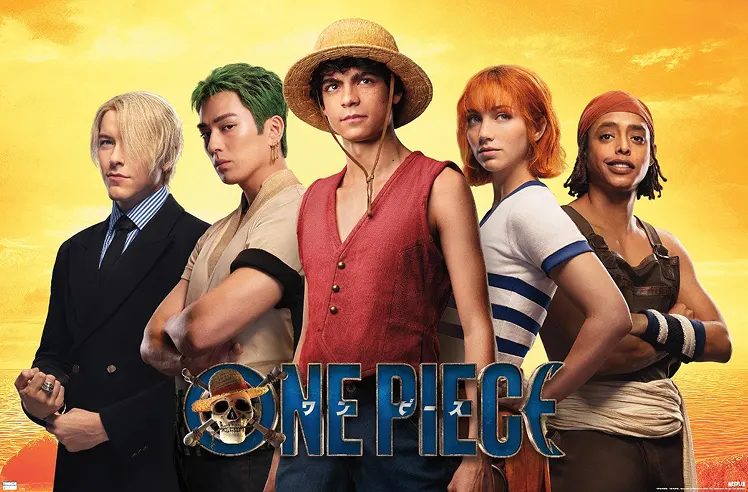
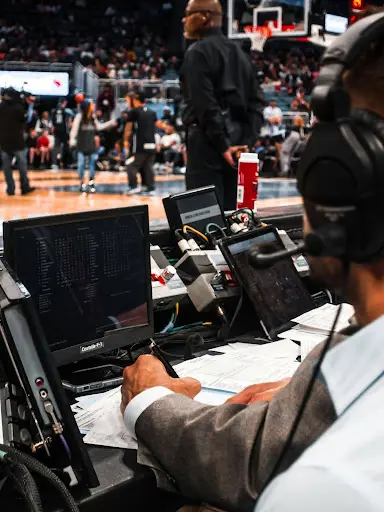


Hollywood has endless sequels. Nollywood has inheritance disputes and suspiciously wicked relatives.
I was rolling on the floor watching Cynthia Erivo and Ayoade Bamgboye turn Wicked into an old Nollywood production. The dramatic delivery, familiar theatrics, and full commitment to the absurdity got me.
It made me wonder how many Hollywood classics would survive a Nollywood remake. They’d come back with three extra subplots, a suspicious relative, and at least one scene that a short conversation would have fixed.
Jokes aside, the SNL sketch got me thinking about how the two industries differ. Hollywood has the budgets, the special effects, and the global reach. Nollywood has its own storytelling traditions, a cultural familiarity audiences feel at once, and a flair for the dramatic.
So I compared them across several points.
Please note: Scores are editorial assessments, not objective industry rankings.
Nollywood: 6/10 | Hollywood: 10/10
Hollywood wins on money, no contest. Its biggest productions pay for elaborate sets, heavy visual effects, and months of post-production. Nollywood works with tighter budgets and shorter shooting schedules.
Money doesn’t guarantee a good film, though. A sharp script beats an expensive production with nothing to say.
Nollywood for sure needs better funding, but it doesn’t need Hollywood-sized budgets for every film.
Nollywood: 8/10 | Hollywood: 9/10
Hollywood is great at commercial storytelling, from superhero franchises to quiet dramas.
Nollywood pulls from experiences its audience knows: family conflict, religion, marriage, ambition, class, and survival.
King of Boys and Eyimofe show how wide that range runs.
Both industries lean on clichés. Hollywood has endless sequels. Nollywood has inheritance disputes and suspiciously wicked relatives.
What separates good from bad here is execution, whatever the industry.
Nollywood: 8/10 | Hollywood: 10/10
Hollywood has established technical infrastructure, specialised crews, and deep post-production resources. But while Nollywood has improved a lot, uneven sound, editing, and lighting still hurt films that otherwise show promise.
Acting is harder to score. Nigerian actors carry cultural nuance that local audiences recognise instantly. Hollywood’s international star system gives it a big commercial edge.
Neither industry has a monopoly on talent. Better preparation and stronger scripts help both.
Nollywood: 9/10 | Hollywood: 8/10
Nollywood’s best strength is telling Nigerian stories from the inside. The humour, languages, family expectations, and social pressure need little explaining to a Nigerian audience.
Hollywood has huge cultural influence, but its portrayals of other countries have often leaned on stereotypes.
Setting a film in Lagos and giving actors Nigerian accents doesn’t make it honest. Local identity pays off when it produces complex, truthful stories.
Nollywood: 8/10 | Hollywood: 10/10
Industries reflect the societies behind them. Economic conditions, anxieties, and hopes shape what gets made.
A society under economic strain gravitates toward survival, sacrifice, inequality, and the hunt for a better life. A wealthy society with a big entertainment industry can afford to fund elaborate fantasies about superheroes, alien invasions, and futuristic worlds.
The split isn’t strict, though.
Nollywood makes painful, socially conscious dramas, while Hollywood makes escapist fantasies and extravagant romances. Still, the pattern holds loosely: pressure pushes storytellers toward real struggles, and surplus funds spectacle.
Neither approach wins. Sometimes audiences want to see their own lives on screen. Sometimes they want two hours away from them.
Nollywood: 7/10 | Hollywood: 10/10
Hollywood has international distribution networks, marketing machinery, and partnerships with cinema chains worldwide. Nollywood has grown through cinemas, streaming platforms, and YouTube, reaching audiences across Africa and the diaspora.
The hard part is turning views into income. Better distribution deals, stronger marketing, and real protection against piracy would help Nigerian filmmakers reach more people and earn more consistently.
Nollywood: 9/10 | Hollywood: 10/10
Nollywood is gaining ground at home. FilmOne Entertainment’s 2025 West Africa box-office scorecard put regional theatrical revenue at about ₦15.6 billion. Nollywood films took 49.4% of that. Hollywood took 48.8%.
The numbers cover Anglophone West Africa, not the global market.
They still show that local audiences will pay to see Nigerian films. The next job is making sure that box-office money turns into profit for filmmakers.
Hollywood leads on financing, technical infrastructure, and global distribution. By contrast, Nollywood leads in cultural familiarity and audience connection, with stories rooted in Nigerian life.
Nollywood can borrow Hollywood’s production and business systems without giving up its identity. Hollywood shows what strong distribution can do: it turns films into major global events.
Nollywood should aim to tell its own stories with more ambition, better technical work, and sustainable business models.

Hi I'm Tega, I am a microbiologist with a lifelong passion for reading, I fell in love with books as child (where I was briefly obsessed with Enid Blyton, lol) reading is simply my escape and hobby and sometimes doubles as therapy for me . My favorite genres are African lit, historical fiction, memoirs/biographies and fantasy. I do beta reading and post book reviews which you can check out on my Instagram @ te_ga_o.
8 Fantasy Children’s Books from the 90s That Deserve a Comeback
The Author’s Guide to the Rule of Three II
10 Coolest Swords in History and Fantasy
Marvel vs. DC Female Superheroes
The Author’s Guide to the Rule of Three I
15 Writing-Adjacent Careers for Writers Looking for a Career Change
Authors Spotlight: Khaled Hosseini
The Sound Souls Make When They Die by Chinemefun Chimuanya
If Nollywood Cast Our Favourite African Books: Who Would Play Who?
Best Films About Unexpected Age Gap Romance
Literary Awards and the Racism Card: A Wake-Up Call for Black Africa
Interview with the Vampire Relationships, Ranked
July 20, 2025 .
Animation, Lists
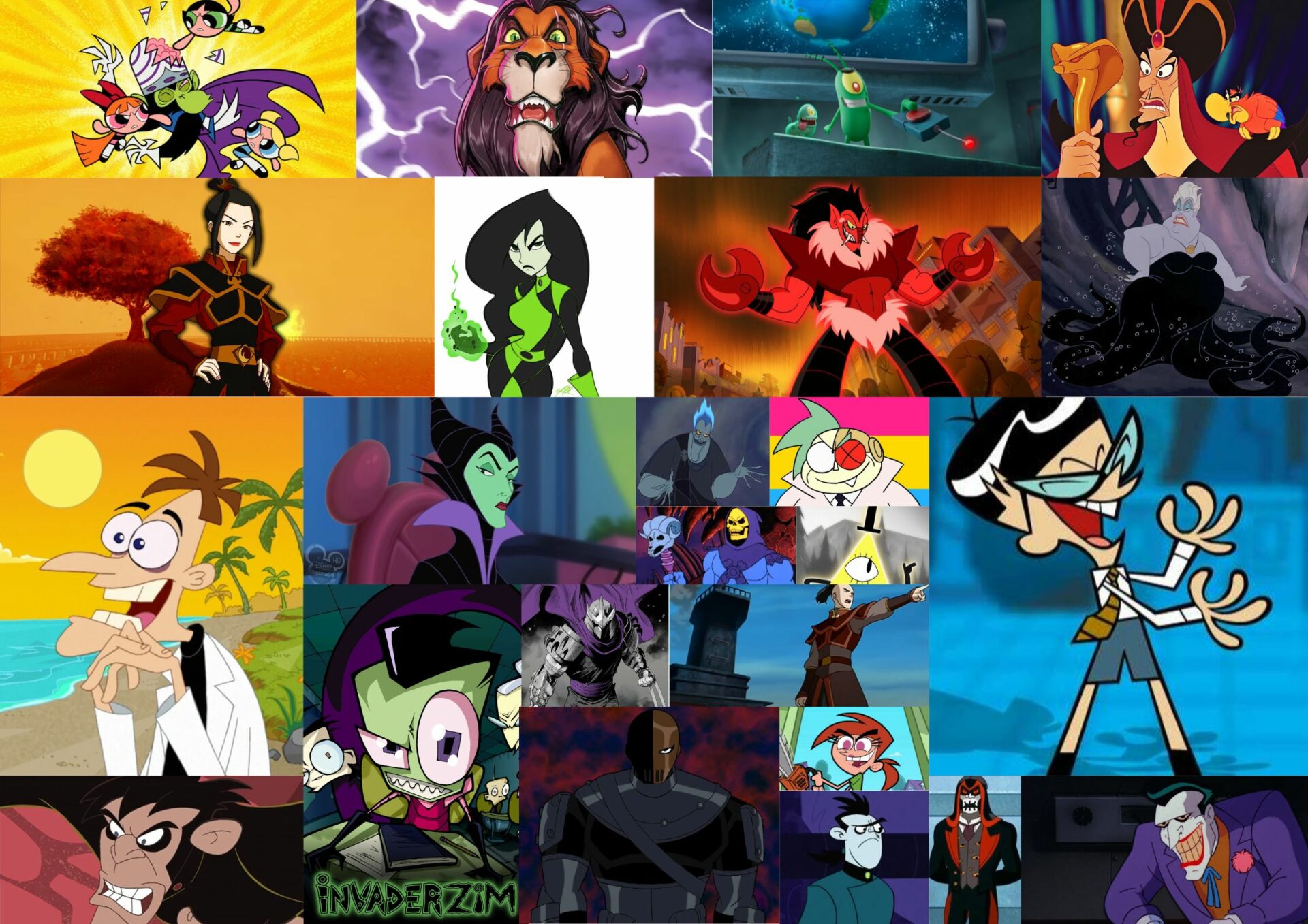
Our list rounds up the top 30 cartoon characters that were villains, each one more wonderfully wicked than the last.
READ MORE
April 29, 2026 .
Lists, Opinions
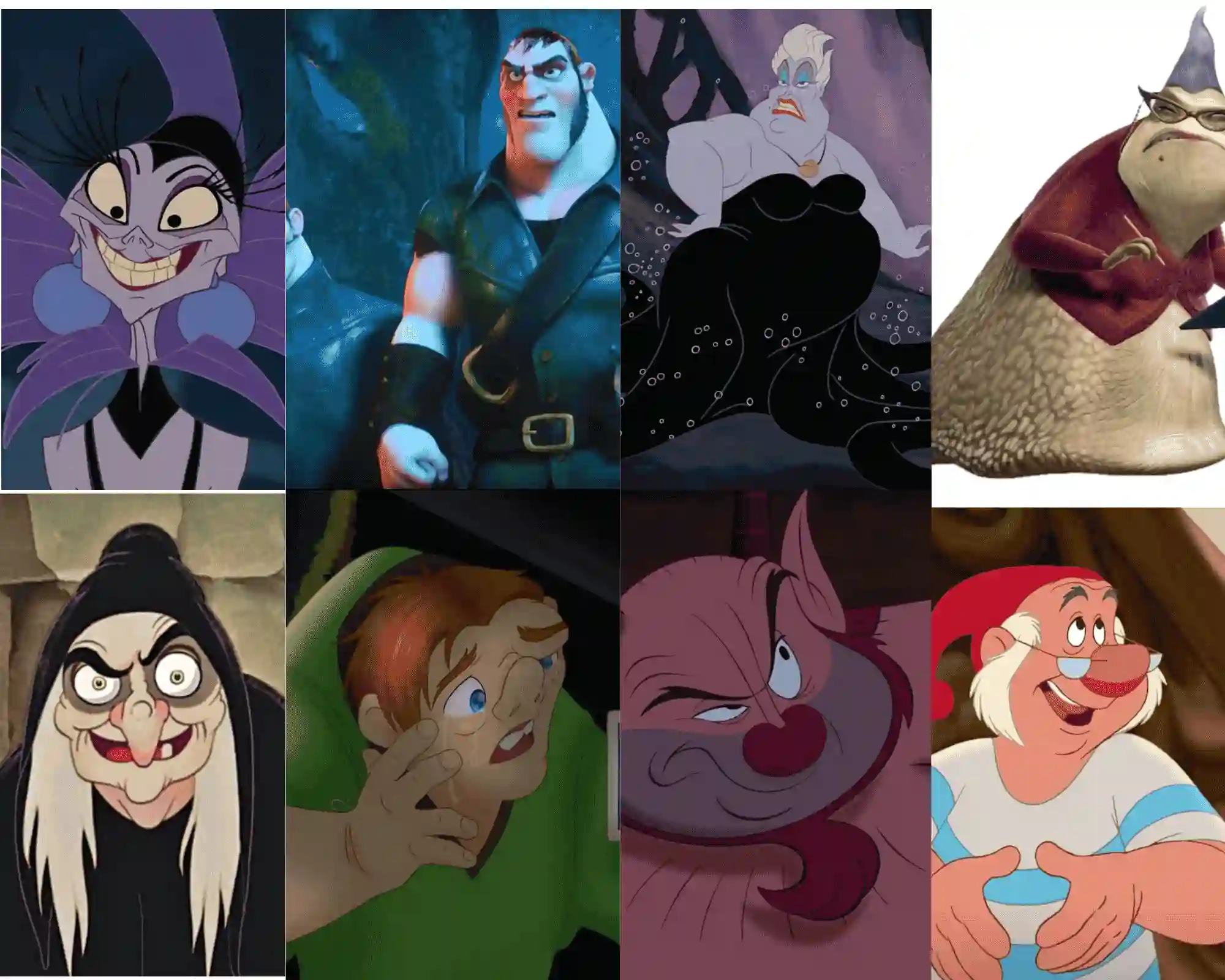
The Mouse is famous for its princesses and princes. However, the studio’s true genius lies in its embrace of “ugly Disney characters”.
READ MORE
November 27, 2025 .
Lists, Mythology
While this isn’t an exhaustive list, it comprises some of the most popular mythical creatures from around the world.
READ MORE
February 26, 2026 .
Cartoons, Lists
There are some outright funny cartoon characters who exist solely to crack you up, loud, hard, and with zero apology.
READ MORE
October 28, 2025 .
Lists, Marvel, MCU, Opinions
Let’s go through a list of the top 7 strongest Marvel villains, from the wickedly powerful to the absolutely unstoppable.
READ MORE

July 20, 2025 .
Opinions
Book recommendations from random places don’t always cut it, and you often end up feeling unsatisfied with them.
READ MORE

July 20, 2025 .
Essays, Opinions
READ MORE

July 20, 2025 .
Essays, Opinions
READ MORE

September 11, 2026 .
Opinions
Book reviews aren’t just a jumble of words on how a book made you feel but also a veritable document that you can quickly refer to when your memories temporarily fail you.
READ MORE

July 20, 2025 .
Opinions
Reading hundreds of pages for a single book can be like facing Smaug, Chiefest of Calamities, but a short story is a small dragon that you can easily conquer.
READ MORE

July 20, 2025 .
Debates, Opinions
Reading nonfiction about what interests you can provide more color and context that might make your fiction reading experience more enjoyable.
READ MORE

September 12, 2025 .
Opinions
In a fast-paced world, reading asks us to slow down, surrender, and sit with another person’s words long enough for them to settle inside us.
READ MORE
November 24, 2025 .
Debates, Opinions
Reading is active while watching movies is passive. The act of turning pages creates a pause that enhances understanding.
READ MORE
July 26, 2025 .
Fantasy, Opinions
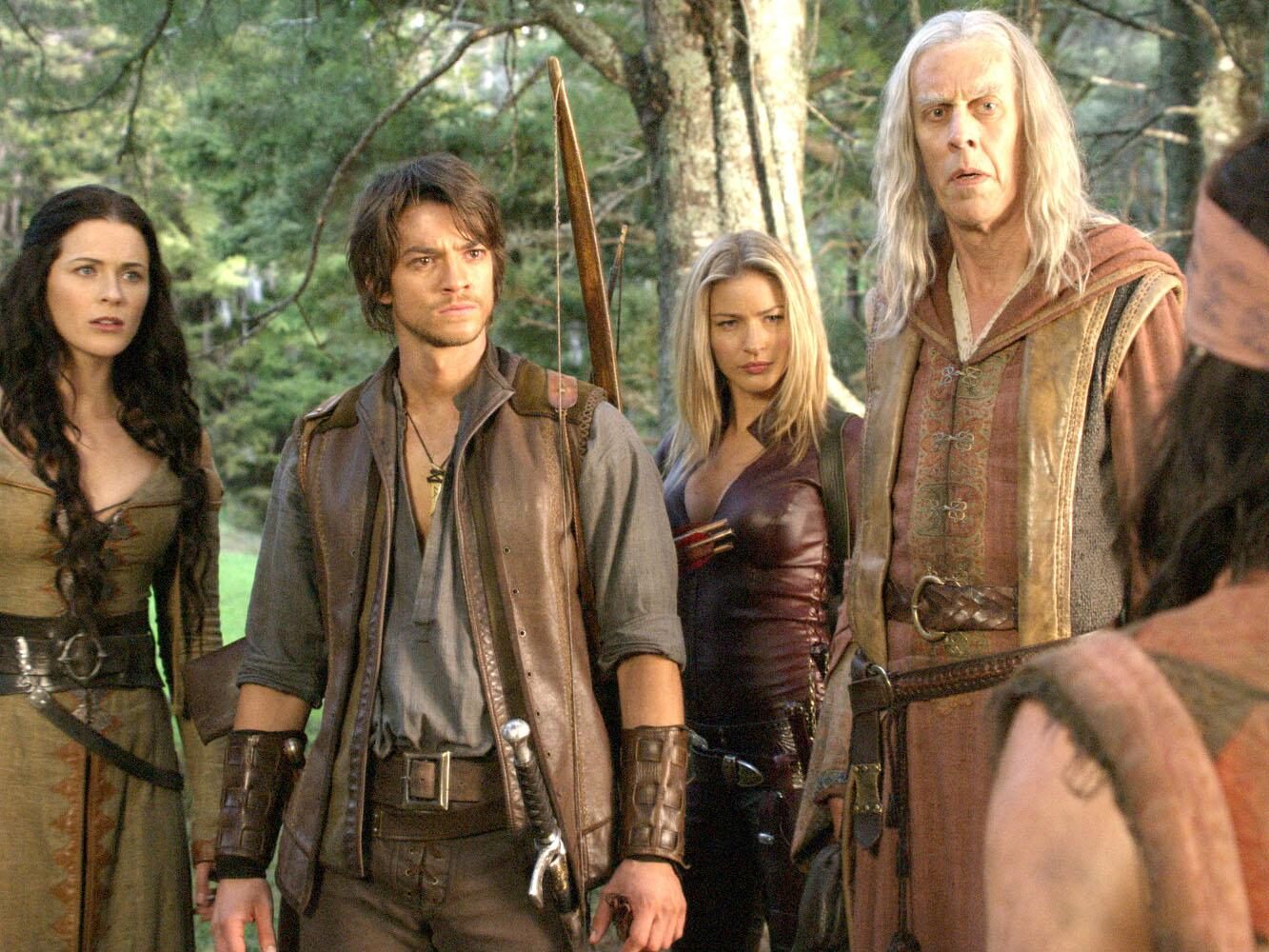
It’s cliche. But it’s rapid. It’s predictable. But it’s enjoyable. For lovers of the classic tropes, Legend of the Seeker is a worthy watch.
READ MORE
Get our magazine for free!