Close menu
Ranking the best of African Literature










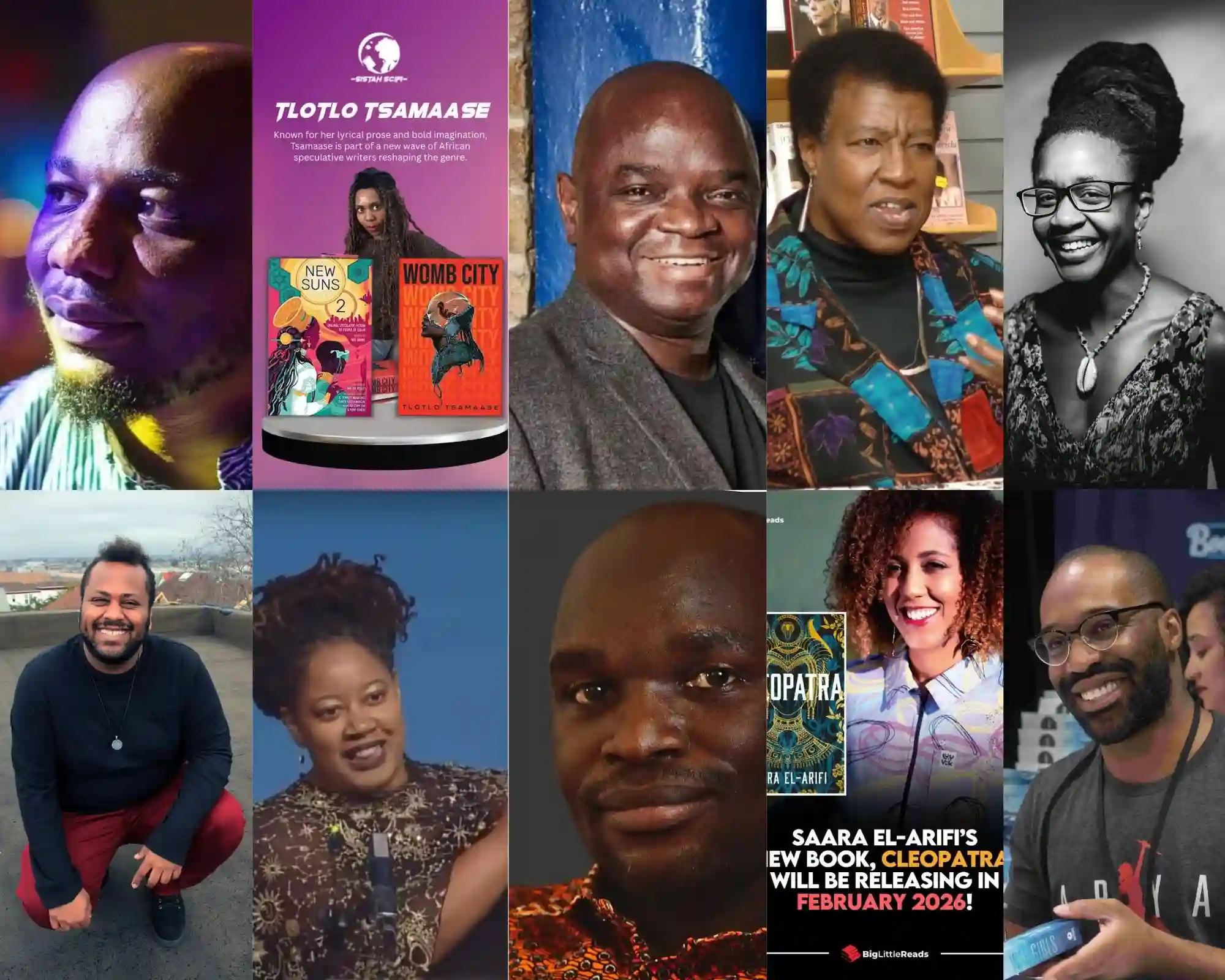






If your to-be-read (TBR) list is growing faster, maybe it’s time to determine whether it’s a case of actual interest or simply book hoarding.
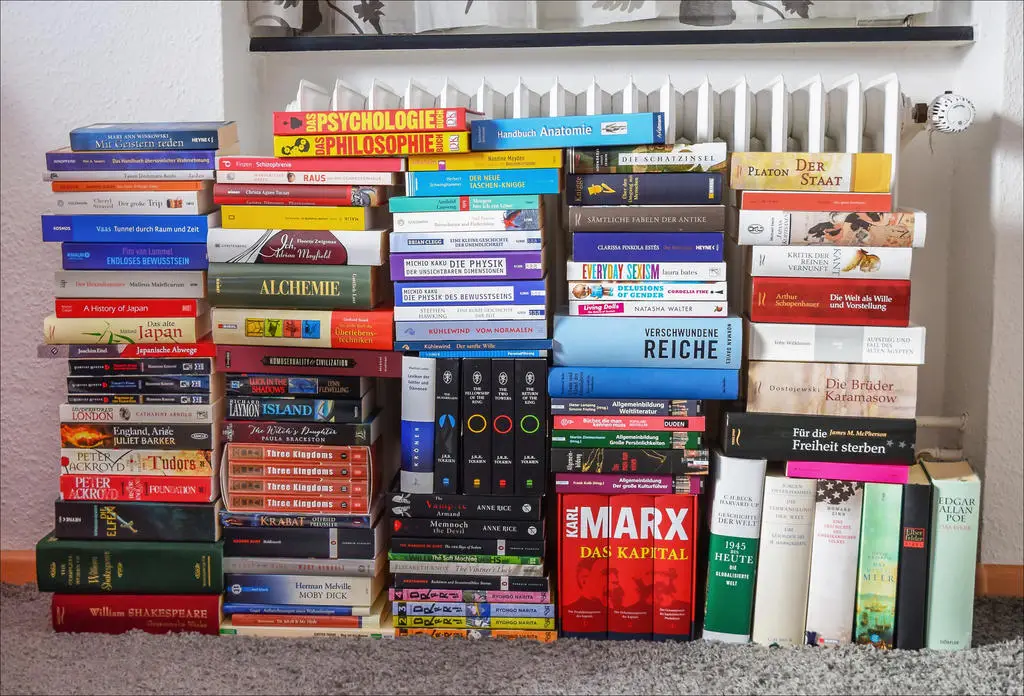
Dearest gentle reader (read: hoarder), if your to-be-read (TBR) list is growing faster than the completed books, maybe it’s time to determine whether it’s a case of actual interest or simply book hoarding.
It always starts with the purest of intentions: a book declared a must-read, a curiosity waiting to be quenched, a love for reading, or even the desire to grow. But somewhere between “this is my next read” and “I’ll just add one more,” things begin to shift.
Suddenly, the well-loved muse becomes another book, or a list of books that have been collecting dust for over 10 years.
Disclaimer: This list is not about shame; it’s about awareness and knowing when to stop. Hopefully, this article doesn’t just end up in another to-be-read list.
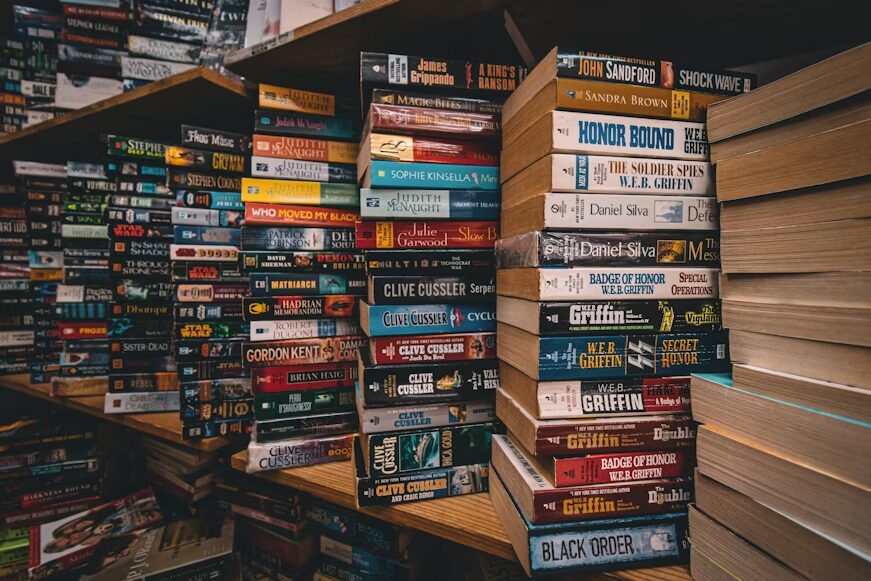
The habit of storing books is not entirely new or particularly bad; in fact, there’s even a word for it: tsundoku.
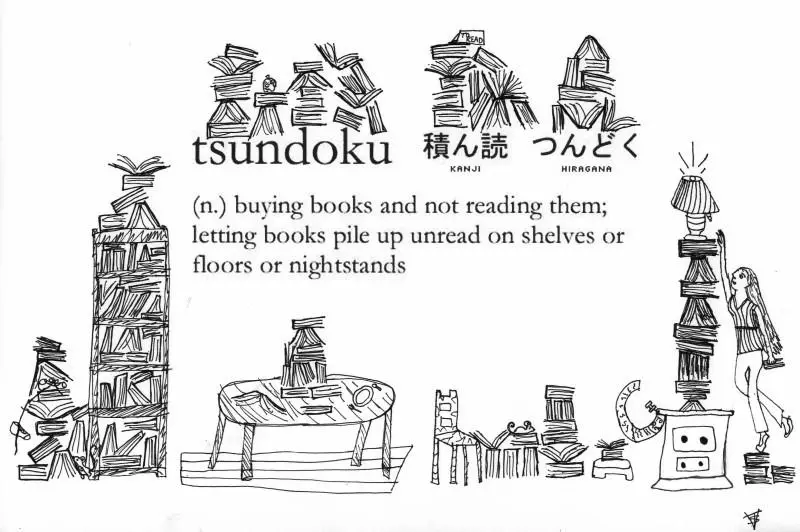
It’s a Japanese term that combines tsunde (to stack things), oku (to leave for a while), and doku (to read).
So, book hoarding is not exactly a clinical situation that needs attention. According to psychologists, it’s closer to aspirational collecting.
Buying a book or adding to a to-be-read list is quite justified. It is a declaration of intent to read and a signal to the person you wish to become.
For example, business books symbolize ambition or a new strategy, and self-help books are a step towards healing or becoming a better person. So don’t feel bad if your list or shelf is much longer than originally planned.
Below are ten signs that a TBR list may have shifted from ambitious to overwhelming, along with insights to help you recognize the pattern.
Every latest release, every must-read, every trending book makes it to your shelf. If the balance between the books read monthly and those added weekly is unequal, it’s a huge red flag. The fact is in the maths.
At this rate, the TBR becomes less of a reading plan and more of a hoarding situation. This is because too many unread books can create pressure rather than the inspiration they were meant for.
The first tell sign of a book hoarding situation is forgetting what you already have available. This usually happens when your collection grows faster than memory can handle.
Going through a list is a surprise because one can’t remember the plot or why it was added in the first place. Probably because it has a cover change, or because there are so many.
Books are supposed to be a source of dopamine and a means of relaxation. If a TBR causes anxiety, it’s probably because there are too many books.
It’s a list within a list. In your TBR pile, there are still different categories: “Priority TBR”, “Weekend reads”, “Research books”, “food for motivation“, “Books I swear I’ll read before the year runs out”.
This level of complexity is a huge indicator of early-stage book hoarding. Instead of helping to read more, this structure may make it even harder to decide which book to read.
Looking at a shelf no longer brings you joy or satisfaction, but makes one feel guilty about how much is left. It’s not a court case; a TBR should keep the reader excited for the next read, not scared.
Buying books whenever stressed, creatively blocked, lonely, or simply to feel motivated may not be a healthy habit. Your emotional position should not determine your next buy; while it may be comforting, this pattern can easily lead to book hoarding rather than genuine interest.
When book hoarding becomes evident, messiness isn’t too far away. Physical clutter is equivalent to mental clutter. Donate books you know you won’t go back to and let your space breathe.
Most writers fall into this category; they justify every buy as necessary and convince themselves that it’ll be important to their craft and that a large collection signals they’re a serious writer. But research only works when reading actually happens. Otherwise, your resource library becomes a decorative archive.
Never running out of tools for reading, but the actual reading barely gets done.
There are about three reading apps, two tracking journals, multiple Goodreads challenges, and a color-coded spreadsheet, but with little reading progress.
At this stage, organizing books feels productive, even though it is replacing the real work of reading.
If most of these signs feel uncomfortably familiar, your TBR list may have shifted into book hoarding territory. And that’s okay because awareness is the first step to progress.

For writers and other creatives, reading serves as a fuel, but excessive accumulation can be counterproductive.
Psychologists remind us that books, whether read or not, are more than objects. They’re symbols of ambition and memory. A shelf of untouched books can say as much about a person as a well-worn favorite.
For some, it’s a record of curiosity and hope. For others, it’s simply a reminder of futures never lived.
Loving books is beautiful. Collecting books is not inherently wrong. But when a TBR becomes a source of anxiety rather than excitement, it may be time to reset. The goal is to be honest, not perfect. Loving books, even the unread, is still part of being a reader.
If you made it to this point, you’re already one step closer to breaking free from this habit. Congratulations!

15 Writing-Adjacent Careers for Writers Looking for a Career Change
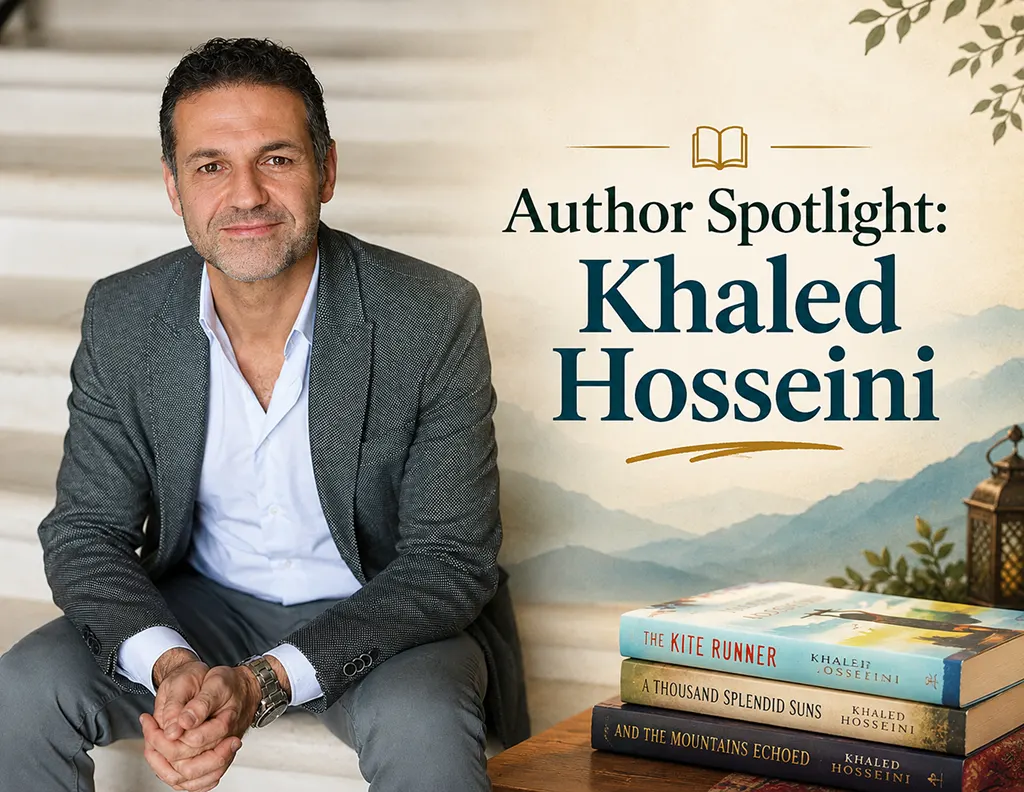
Authors Spotlight: Khaled Hosseini
The Sound Souls Make When They Die by Chinemefun Chimuanya
If Nollywood Cast Our Favourite African Books: Who Would Play Who?
Best Films About Unexpected Age Gap Romance
Literary Awards and the Racism Card: A Wake-Up Call for Black Africa
Interview with the Vampire Relationships, Ranked
10 Top Recent Films for Action and Comedy Fans
Comma Rules Every Writer Should Know
10 Most Hype-worthy 2026 Book Releases (African Literature Version)
Five Gambling Films That Know the Bet Is Only Half the Story
Movies Where Poker Reveals Who a Character Really Is

Umberto Eco would disagree..
July 20, 2025 .
Animation, Lists
Our list rounds up the top 30 cartoon characters that were villains, each one more wonderfully wicked than the last.
READ MORE
November 27, 2025 .
Lists, Mythology
While this isn’t an exhaustive list, it comprises some of the most popular mythical creatures from around the world.
READ MORE
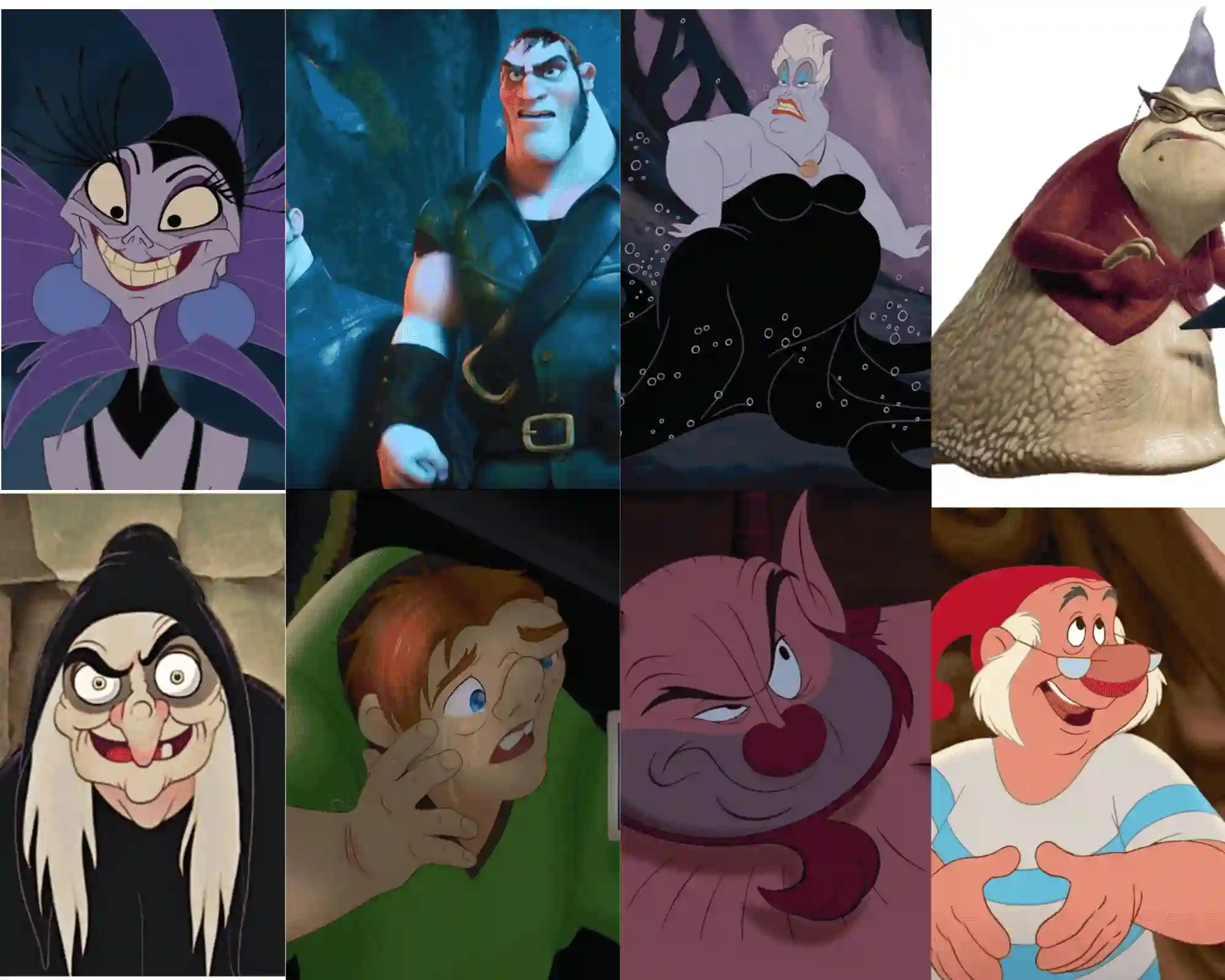
April 29, 2026 .
Lists, Opinions
The Mouse is famous for its princesses and princes. However, the studio’s true genius lies in its embrace of “ugly Disney characters”.
READ MORE
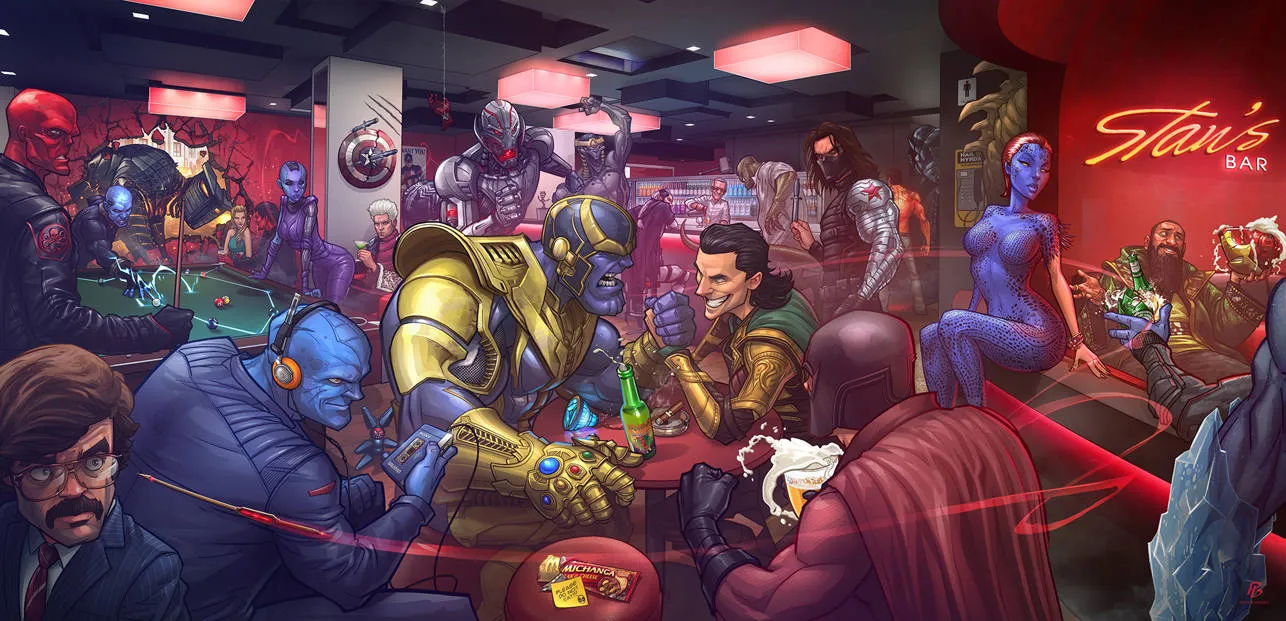
October 28, 2025 .
Lists, Marvel, MCU, Opinions
Let’s go through a list of the top 7 strongest Marvel villains, from the wickedly powerful to the absolutely unstoppable.
READ MORE
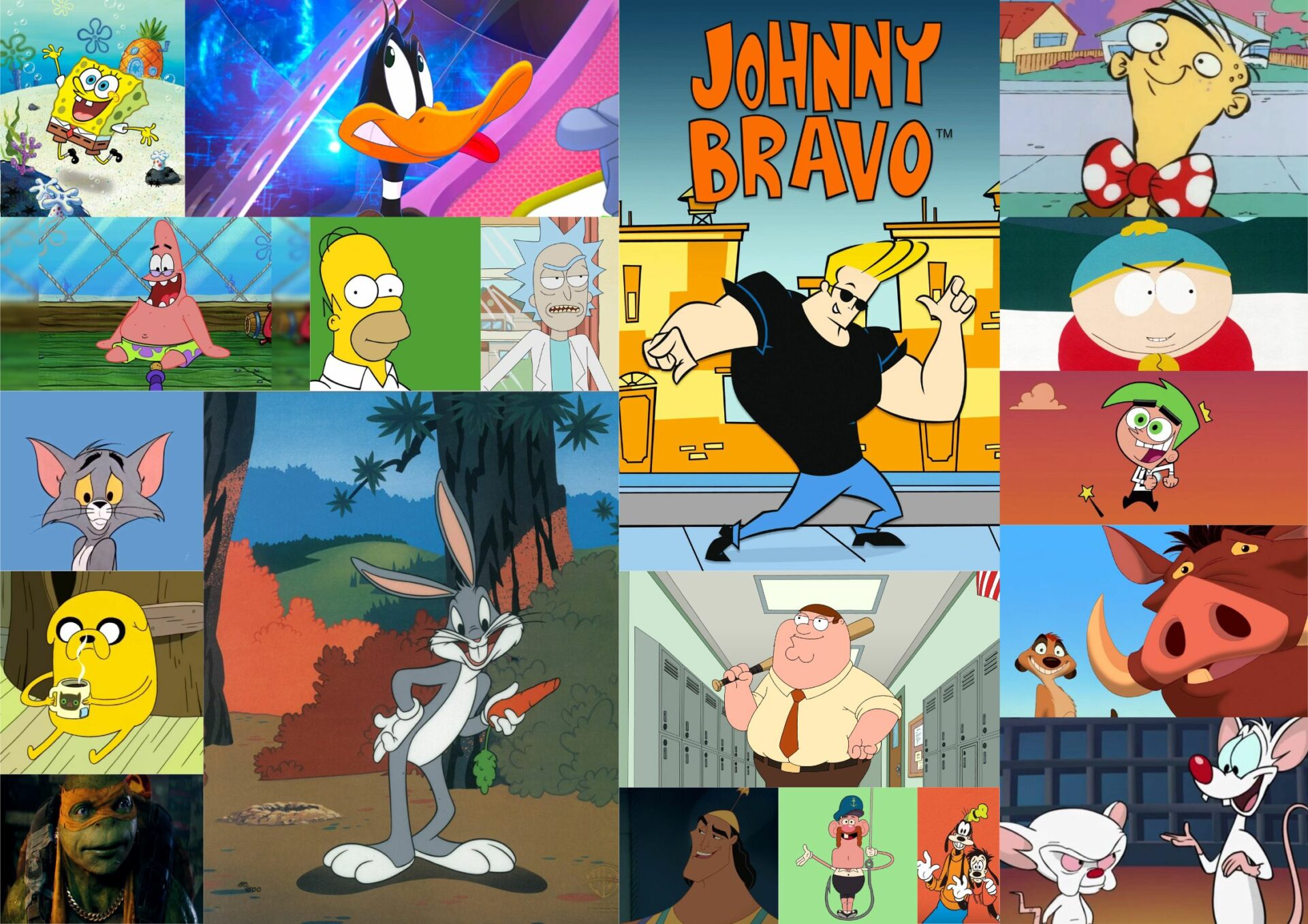
February 26, 2026 .
Cartoons, Lists
There are some outright funny cartoon characters who exist solely to crack you up, loud, hard, and with zero apology.
READ MORE
July 20, 2025 .
Writer Resources
Discover the differences in First-Person Point of View and Third-Person POV, and how each impacts character connection and narrative style.
READ MORE
May 15, 2026 .
Writer Resources
The tension between writer-centered and reader-centered approaches defines how a story is told and who it serves.
READ MORE
October 22, 2025 .
Essays, Writer Resources
Ever found a book that looks like a comic but tells a complete, well-structured story? Congratulations, it’s a graphic novel.
READ MORE
June 26, 2026 .
Writer Resources
Writing starts with forming ideas, imagination, dreams, and thoughts. And when these condense into a coherent progression, you have a plot.
READ MORE
May 10, 2026 .
Writer Resources
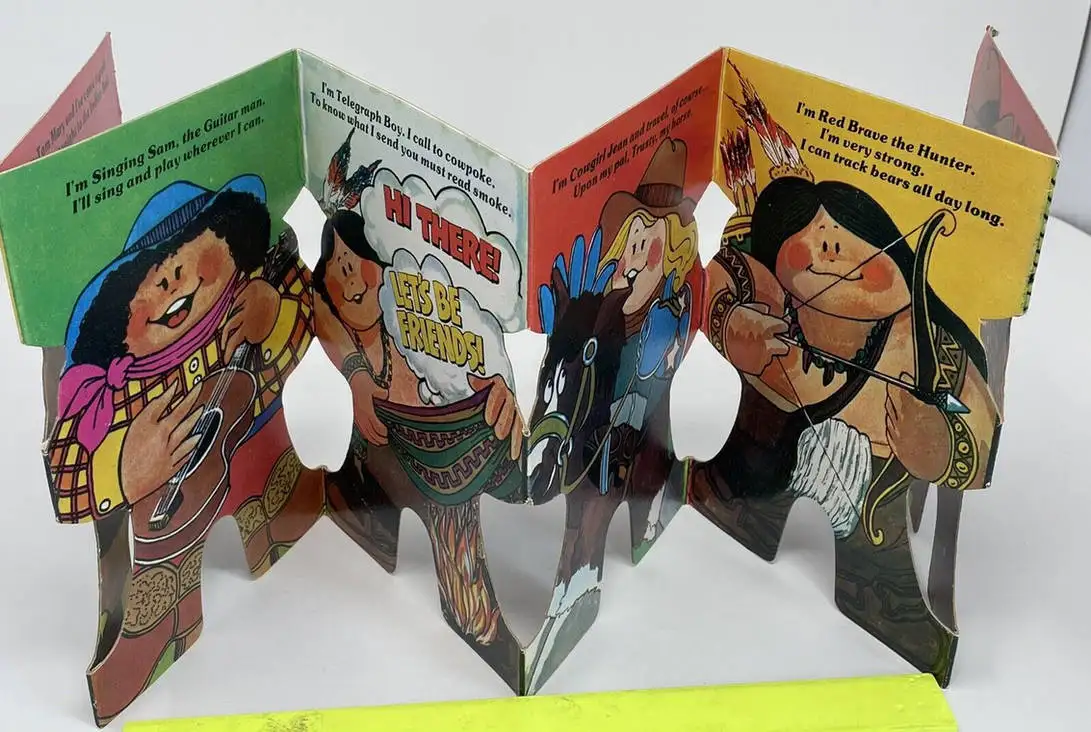
What is a board book, and how does it differ from others? Traditional publishing usually means novels, but published works span much more.
READ MORE
July 24, 2025 .
Essays, Writer Resources
READ MORE
September 30, 2026 .
Lists, TV Shows, Upcoming Movies
October isn’t celebrated as the official horror movie month for nothing, and some of these entries prove it.
READ MORE
September 9, 2026 .
Lists, TV Shows, Upcoming Movies
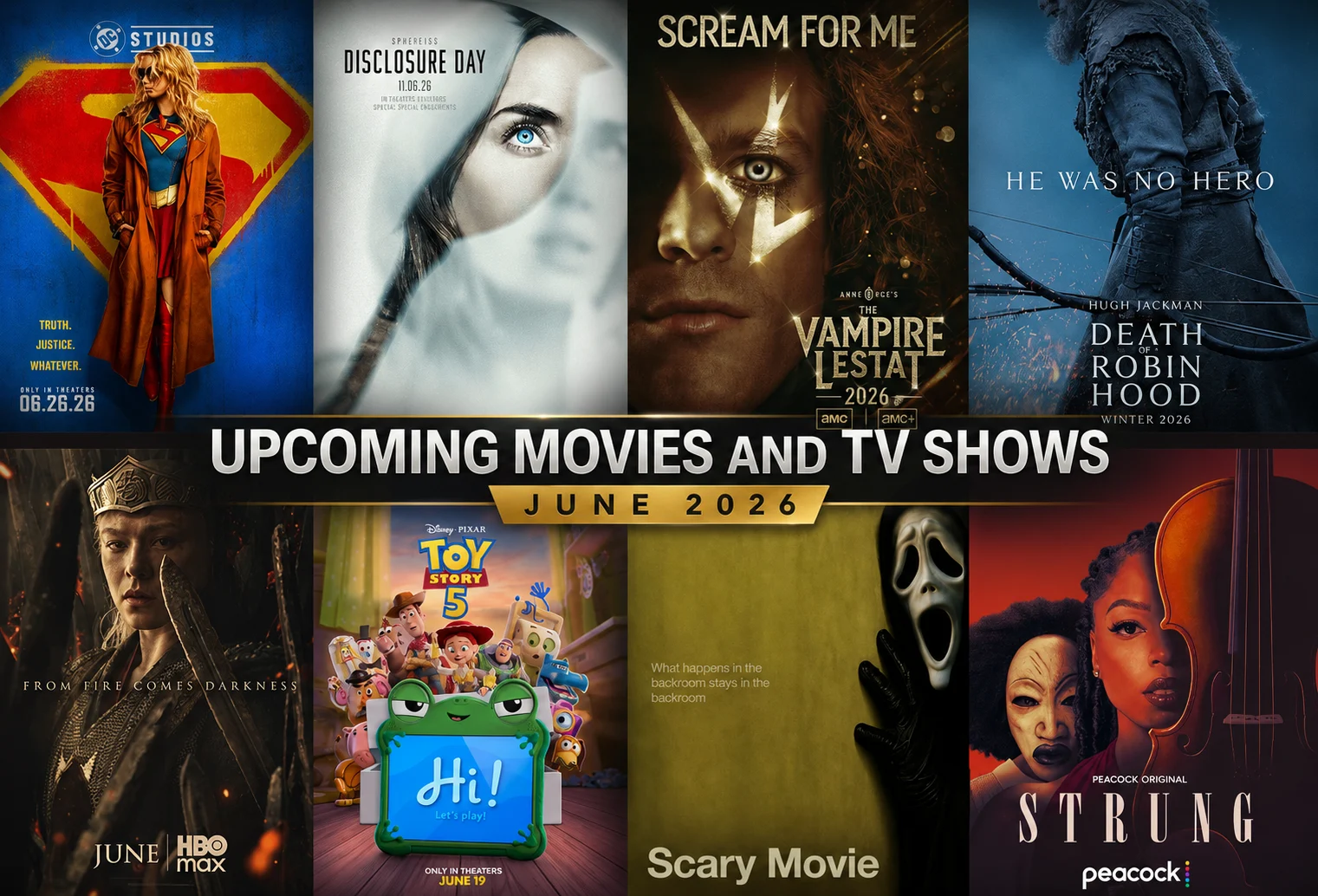
There’s something for everyone from every genre you love.
READ MORE
September 9, 2026 .
Lists, TV Shows, Upcoming Movies
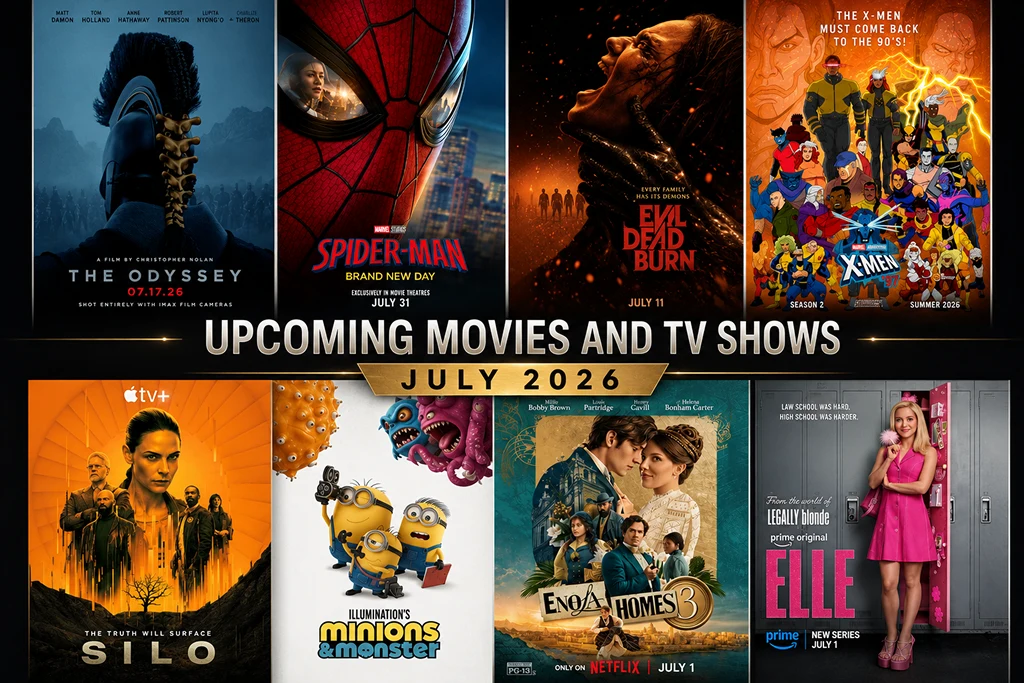
July gears up with the hottest lineups of upcoming movies and TV shows.
READ MORE
Get our magazine for free!

Shammah GodozA says:
Umberto Eco would disagree..