
Menu





































In Some Angels Don’t See God, Ever Obi has crafted a work that lingers in memory, in feeling, and in the difficult but necessary questions it leaves behind.
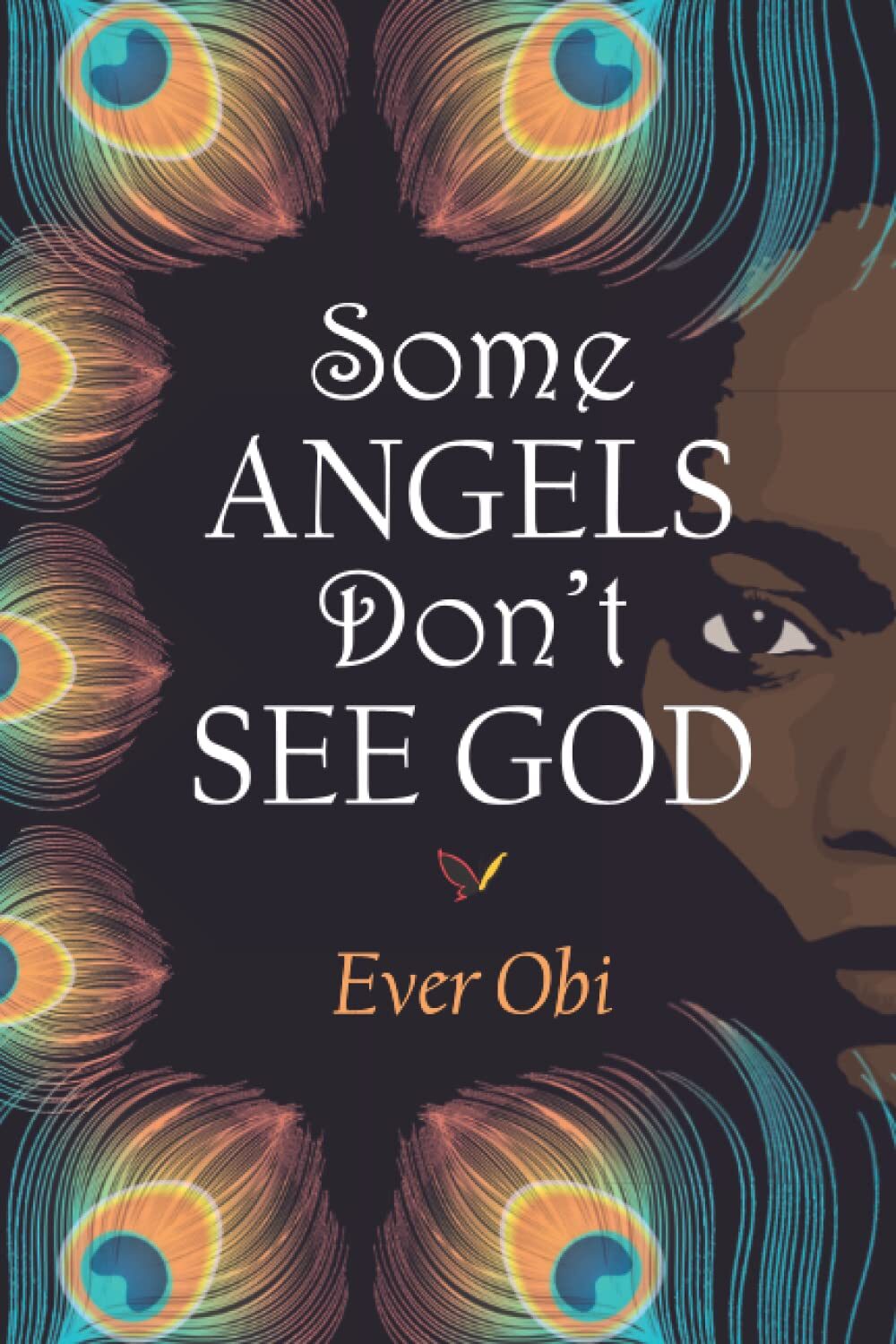
Every now and then, a novel comes along that feels less like a story and more like a mirror, forcing us to confront the weight of memory, the silence of trauma, and the fragile bonds that tether us to one another.
Ever Obi’s Some Angels Don’t See God is one such work. It is not a novel you rush through; it is a novel you sit with, absorb, and carry long after you’ve turned the last page.
At its core, Some Angels Don’t See God follows Peter Idenala, a banker whose seemingly ordinary present collides with a past he thought he had left behind.
The catalyst for this collision is Neta Okoye, a writer whose work blurs the line between fiction and memory. Through their intertwined journeys, Obi paints a portrait of love, betrayal, and the unspoken histories that shape who we become.
One of the novel’s greatest strengths is its non-linear narrative structure. Moving between past and present, the story gradually reveals its layers.
This approach allows the reader to piece together the puzzle of Peter and Neta’s lives, not in a straight line, but in fragments: much like memory itself. It is a technique that demands patience, but the reward is a narrative that feels rich, immersive, and authentic.
Thematically, Some Angels Don’t See God is unafraid to tread into heavy terrain. Obi examines issues of trauma, silence, abuse, and mental health, but always with a careful, human touch. The novel never sensationalizes pain; instead, it lingers on the quiet ways it reshapes people, families, and relationships.
Peter, for instance, is not simply a character caught between past and present; he embodies the struggle of reconciling who we once were with who we claim to be now. Neta, too, is not merely a love interest but a fully realized character whose creative voice becomes both a mirror and a challenge to the lives around her.
Another dimension of the novel lies in its cultural grounding. Obi does not write in abstraction; he situates his characters within the realities of Nigerian society, from the weight of generational expectations to the influence of cultural hierarchies such as the Osu caste system.
These details deepen the story, reminding the reader that trauma and healing are not just individual experiences but are also shaped by community and culture.
Stylistically, Obi writes with a quiet intensity. The prose is not flashy, but it is piercing, often carrying the intimacy of a whispered confession. Conversations feel natural, silences even more so, and the characters’ emotional honesty resonates long after you put the book down.
What makes Some Angels Don’t See God stand out is its refusal to offer easy answers. It acknowledges that healing is not linear, that love is complicated, and that some scars never fade even when life goes on. And yet, despite the heaviness of its themes, the novel is not devoid of hope. There are moments of tenderness, resilience, and the kind of beauty that emerges when people dare to face the truths they have long avoided.
Ultimately, this is not just a story about Peter and Neta. It is a story about all of us: the ghosts we carry, the choices that define us, and the quiet strength it takes to keep moving forward.
If you are looking for a book that combines emotional depth with cultural resonance, Some Angels Don’t See God deserves a place on your reading list. It is a novel that challenges, unsettles, and ultimately enriches.
Ever Obi has crafted a work that lingers in memory, feeling, and the difficult but necessary questions it leaves behind.

The Author’s Guide to the Rule of Three II
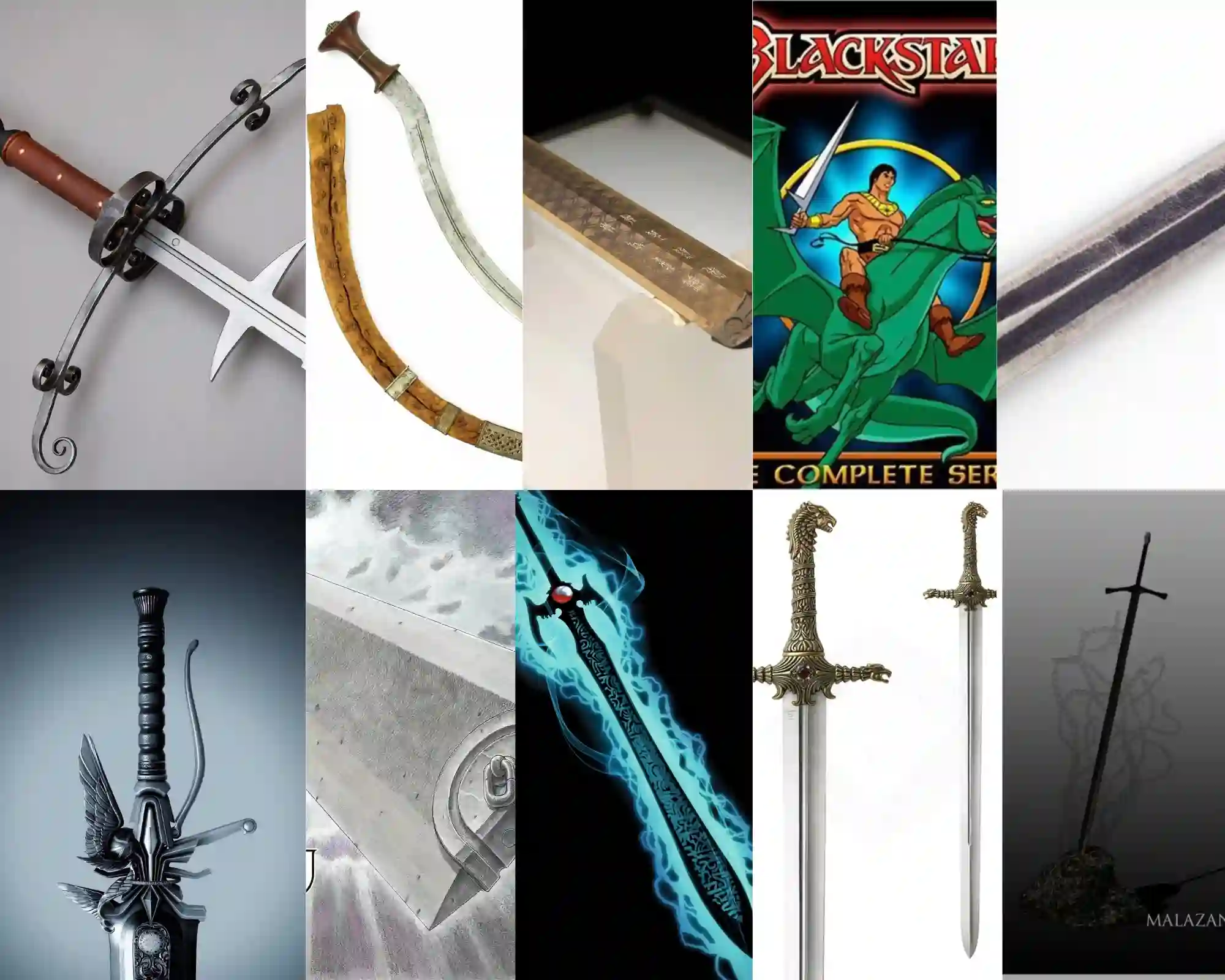
10 Coolest Swords in History and Fantasy
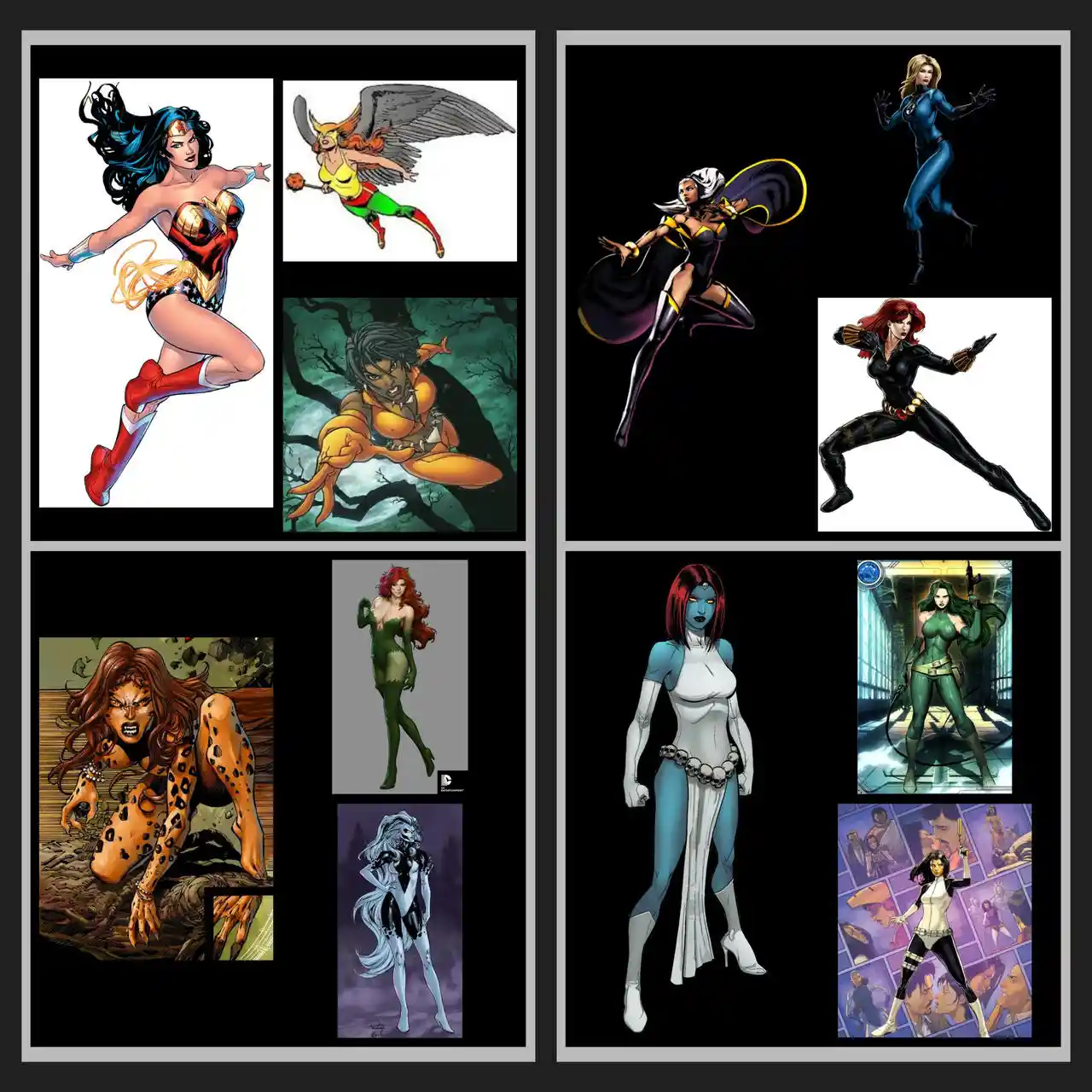
Marvel vs. DC Female Superheroes
The Author’s Guide to the Rule of Three I
15 Writing-Adjacent Careers for Writers Looking for a Career Change
Authors Spotlight: Khaled Hosseini
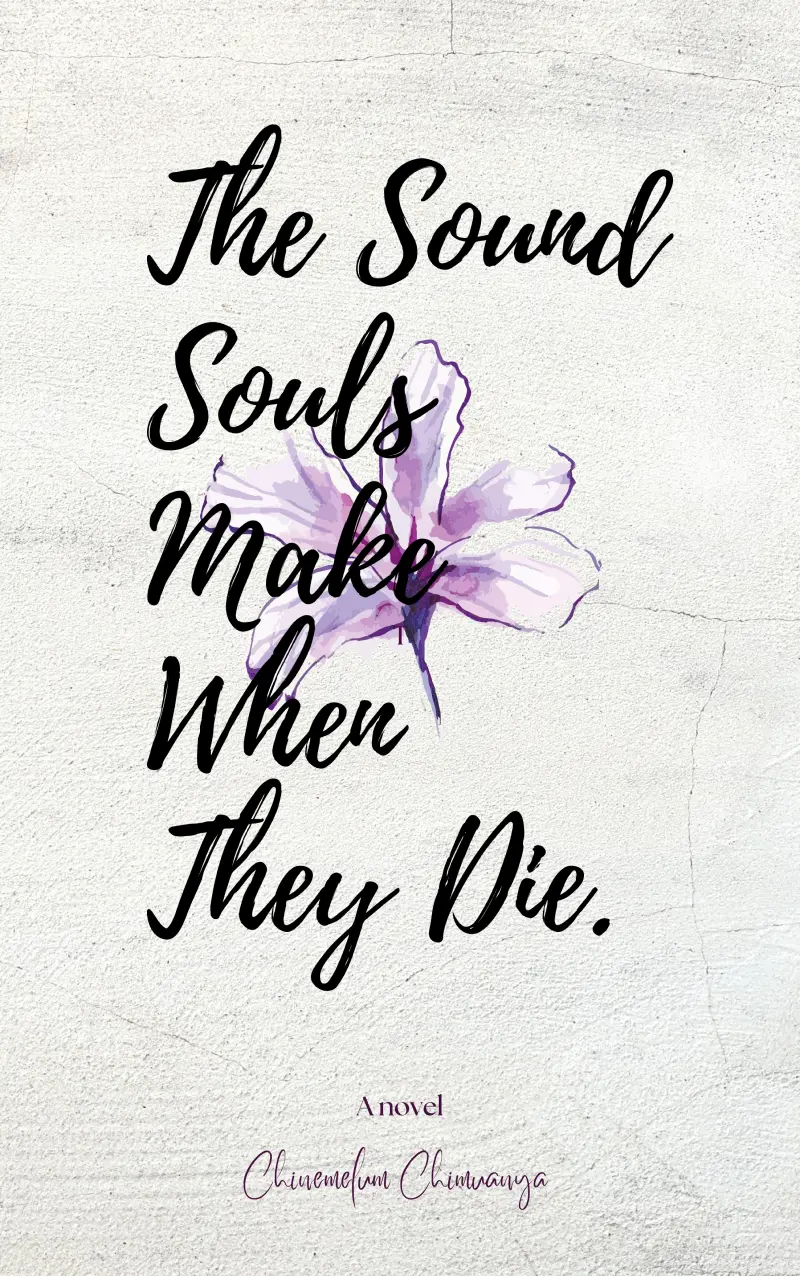
The Sound Souls Make When They Die by Chinemefun Chimuanya
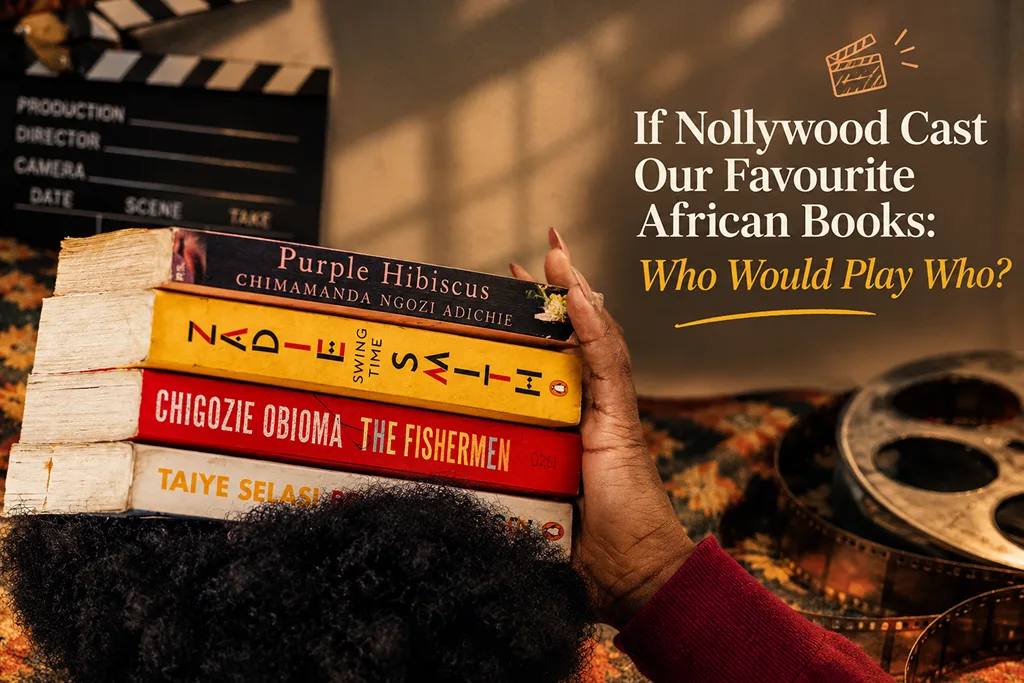
If Nollywood Cast Our Favourite African Books: Who Would Play Who?
Best Films About Unexpected Age Gap Romance
Literary Awards and the Racism Card: A Wake-Up Call for Black Africa
Interview with the Vampire Relationships, Ranked
10 Top Recent Films for Action and Comedy Fans
July 20, 2025 .
Animation, Lists
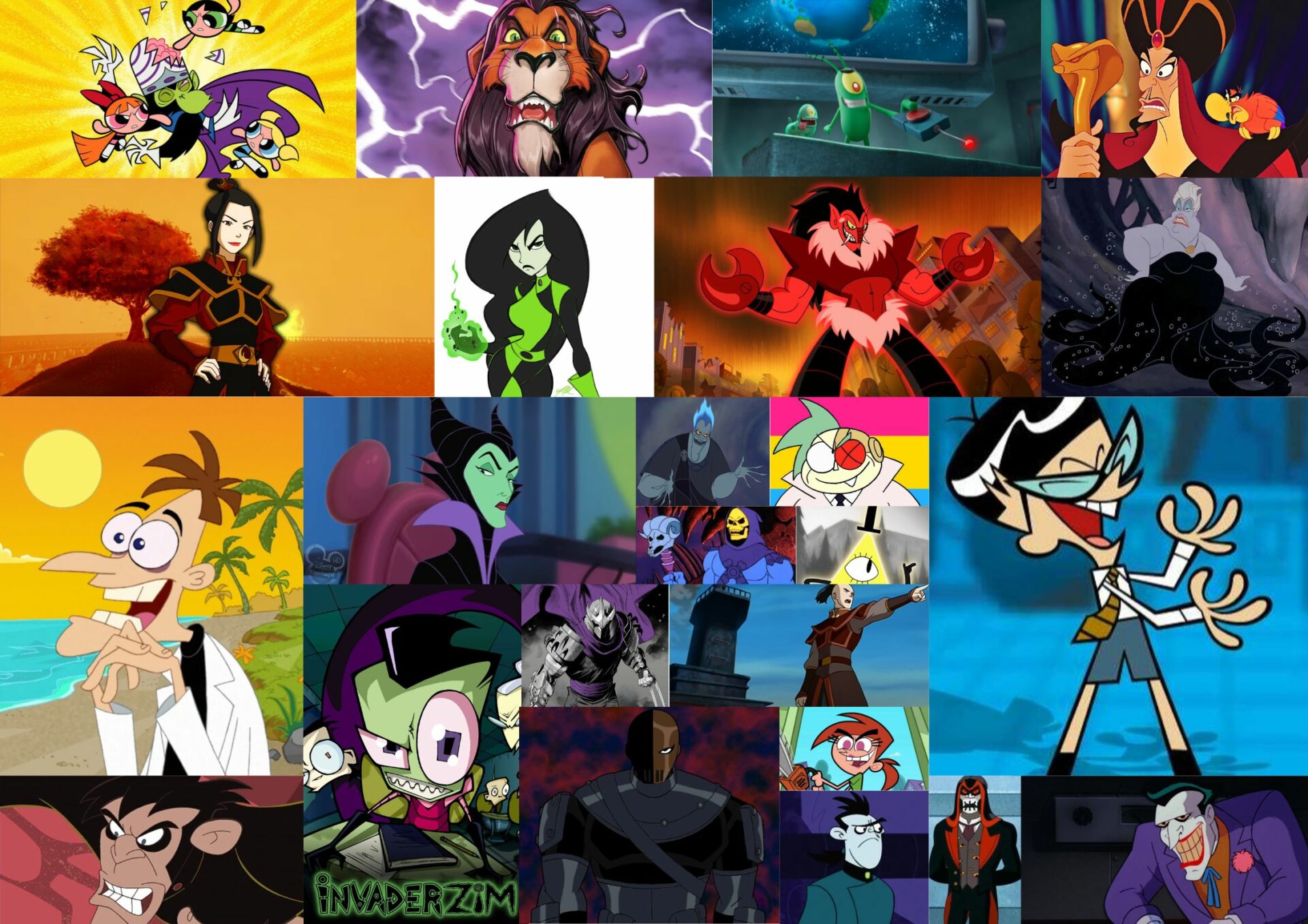
Our list rounds up the top 30 cartoon characters that were villains, each one more wonderfully wicked than the last.
READ MORE
April 29, 2026 .
Lists, Opinions
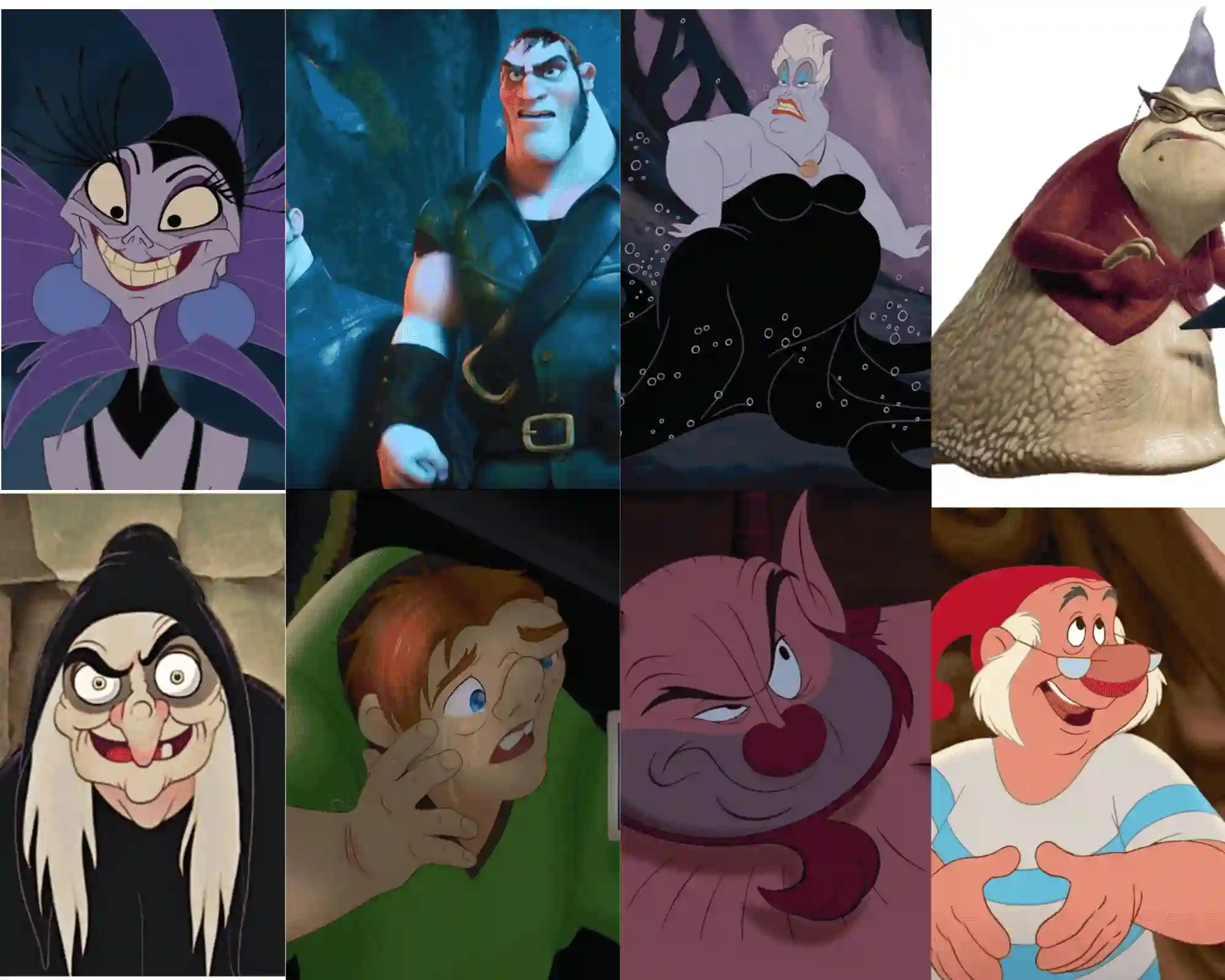
The Mouse is famous for its princesses and princes. However, the studio’s true genius lies in its embrace of “ugly Disney characters”.
READ MORE

November 27, 2025 .
Lists, Mythology
While this isn’t an exhaustive list, it comprises some of the most popular mythical creatures from around the world.
READ MORE
May 6, 2026 .
Lists, MCU
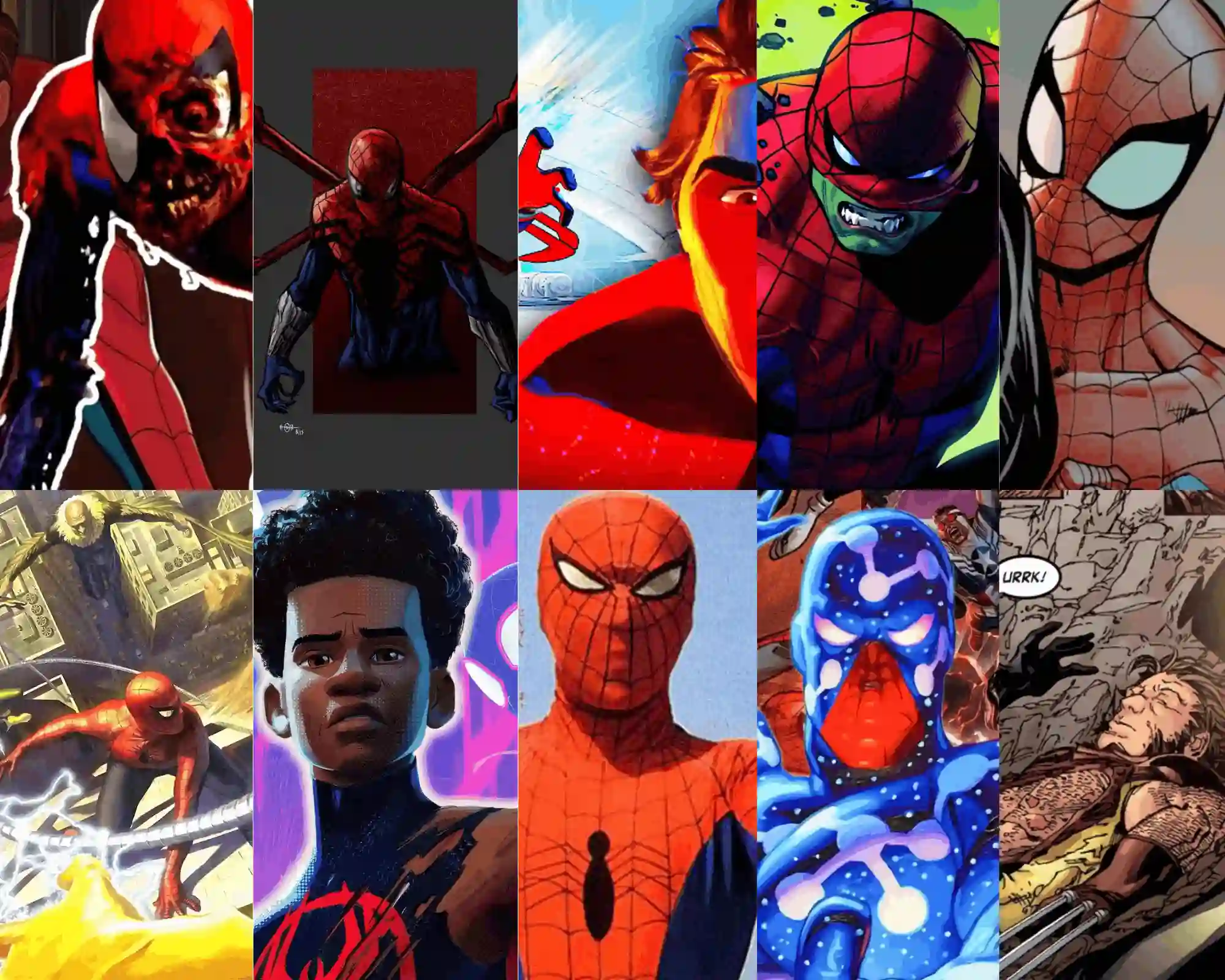
Spider-Man is one of the many superheroes from the Marvel Universe whose stories shaped many childhoods. Who is your strongest Spiderman?
READ MORE
February 26, 2026 .
Cartoons, Lists
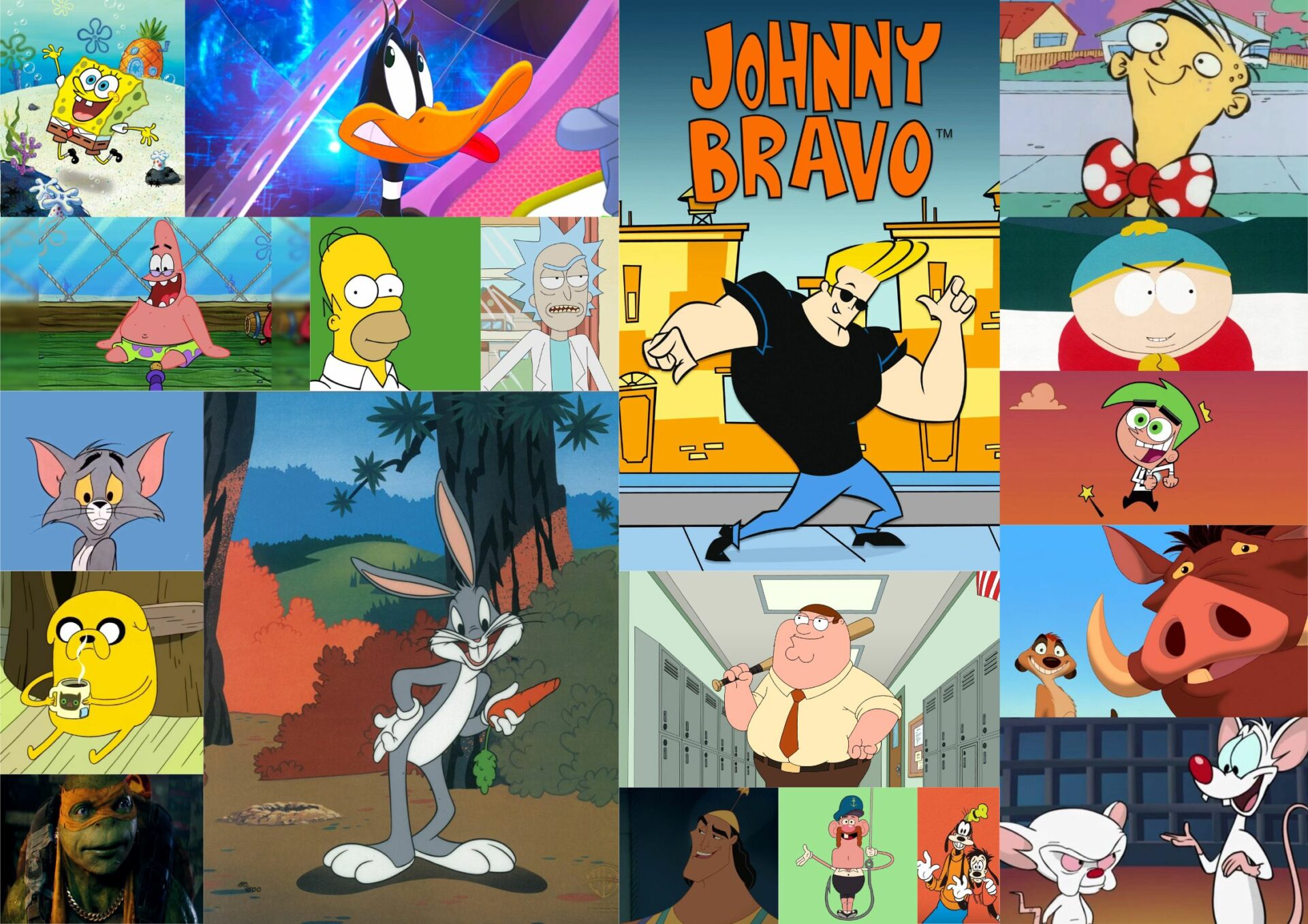
There are some outright funny cartoon characters who exist solely to crack you up, loud, hard, and with zero apology.
READ MORE
October 12, 2021 .
African Literature, chimamanda, cna, zikora
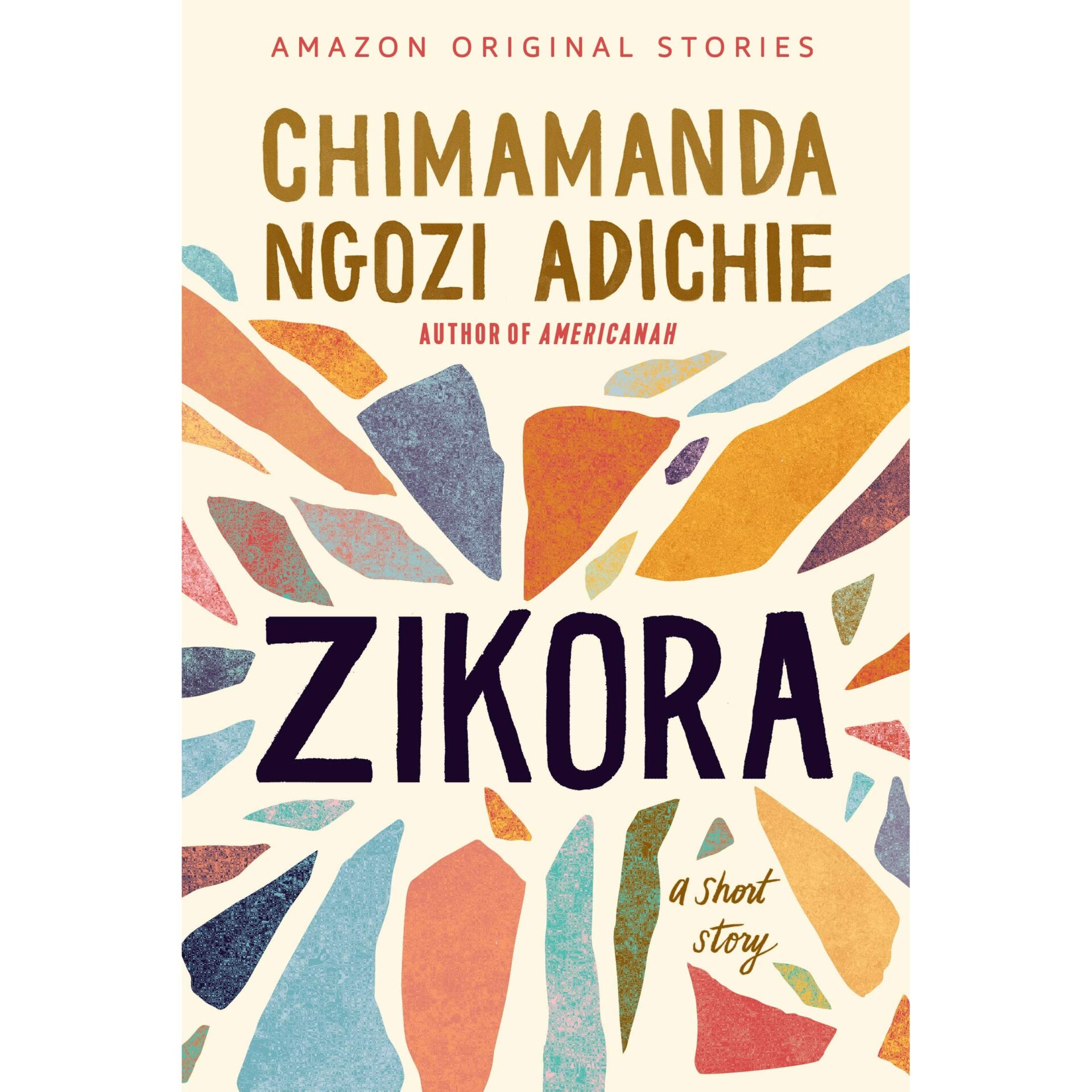
Hopefully, the reading of a book as this will enlighten men and generally educate people in the making of the right choices regarding amatory unions.
READ MORE
September 2, 2025 .
African Literature
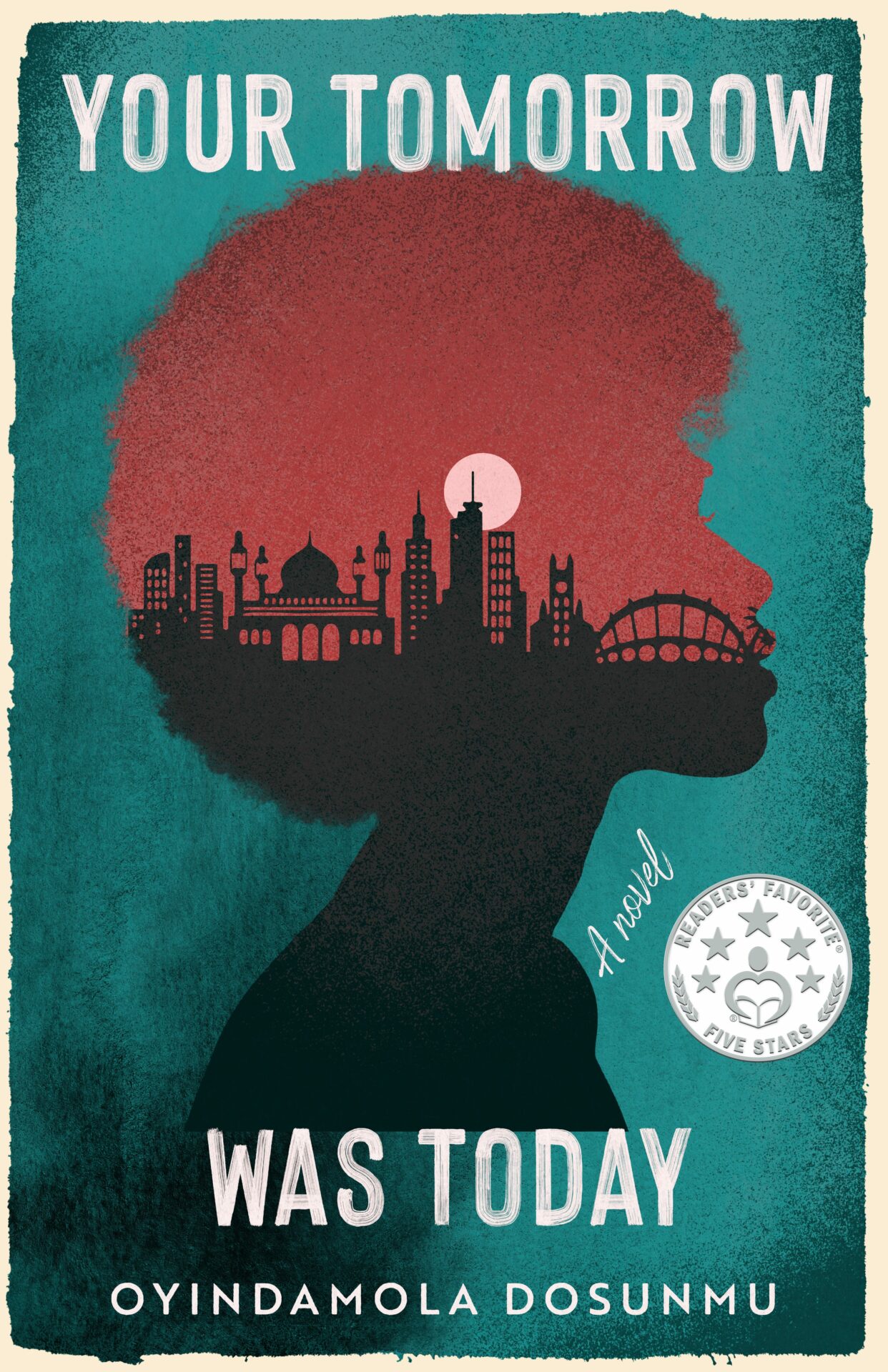
So yes, Your Tomorrow Was Today is guaranteed to be a book that will touch you, regardless of gender, interests or philosophy.
READ MORE
February 19, 2022 .
African Literature, Book Reviews, British Nigerian, lizziedamilolablackburn, Nigerian, Self growth, yinkawhereisyourhuzband
READ MORE

January 26, 2025 .
African Literature, sharjah
READ MORE
November 12, 2023 .
African Literature
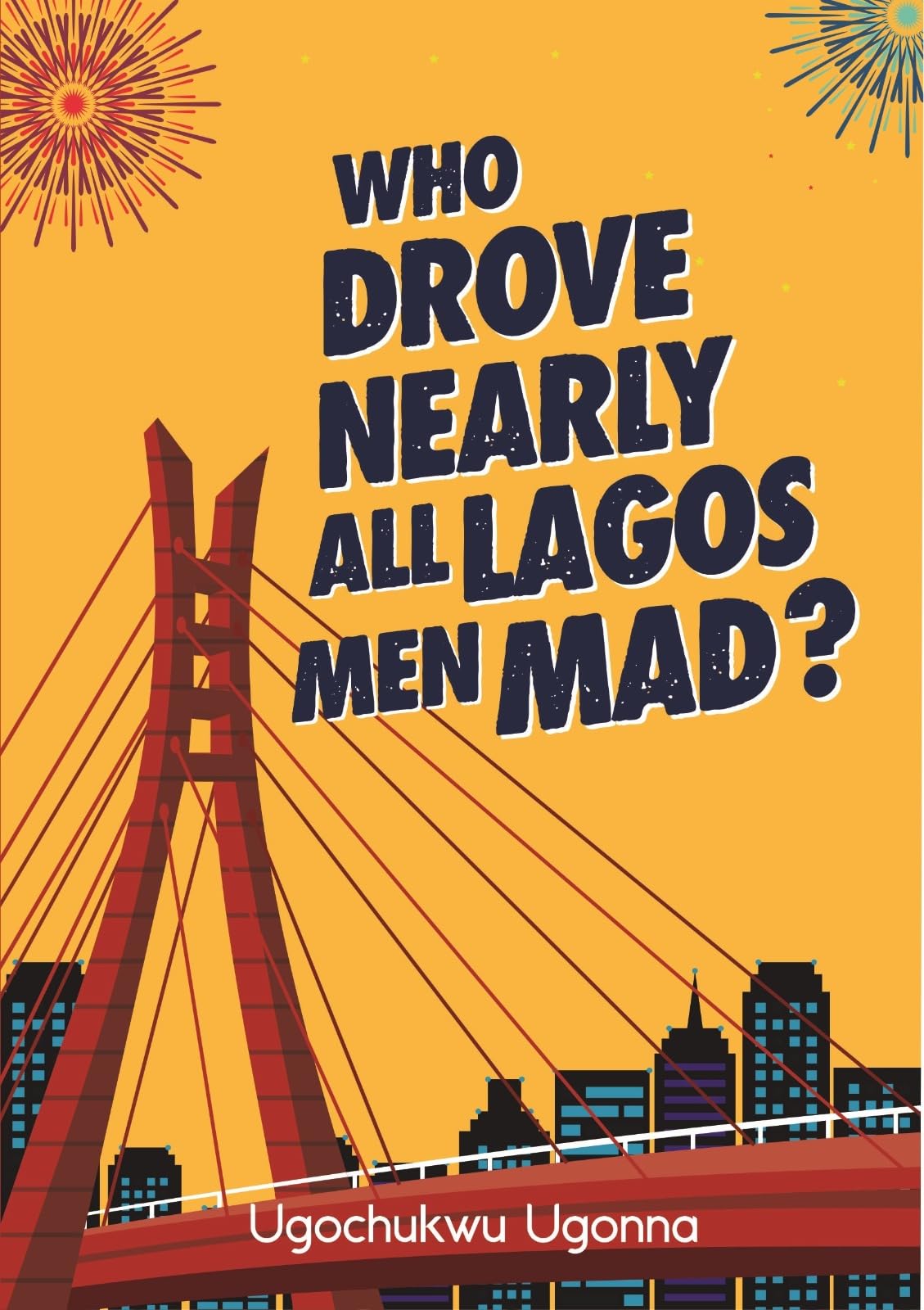
In these tales, women are portrayed as clever and tricky individuals, while men’s descent into madness is often a response to these traits.
READ MORE

December 4, 2023 .
African Literature
READ MORE

February 3, 2025 .
African Literature
When Love Visits is a contemporary romance novel that narrates how Uju and Tade, both in their thirties and successful fall in love at first sight.
READ MORE

May 7, 2022 .
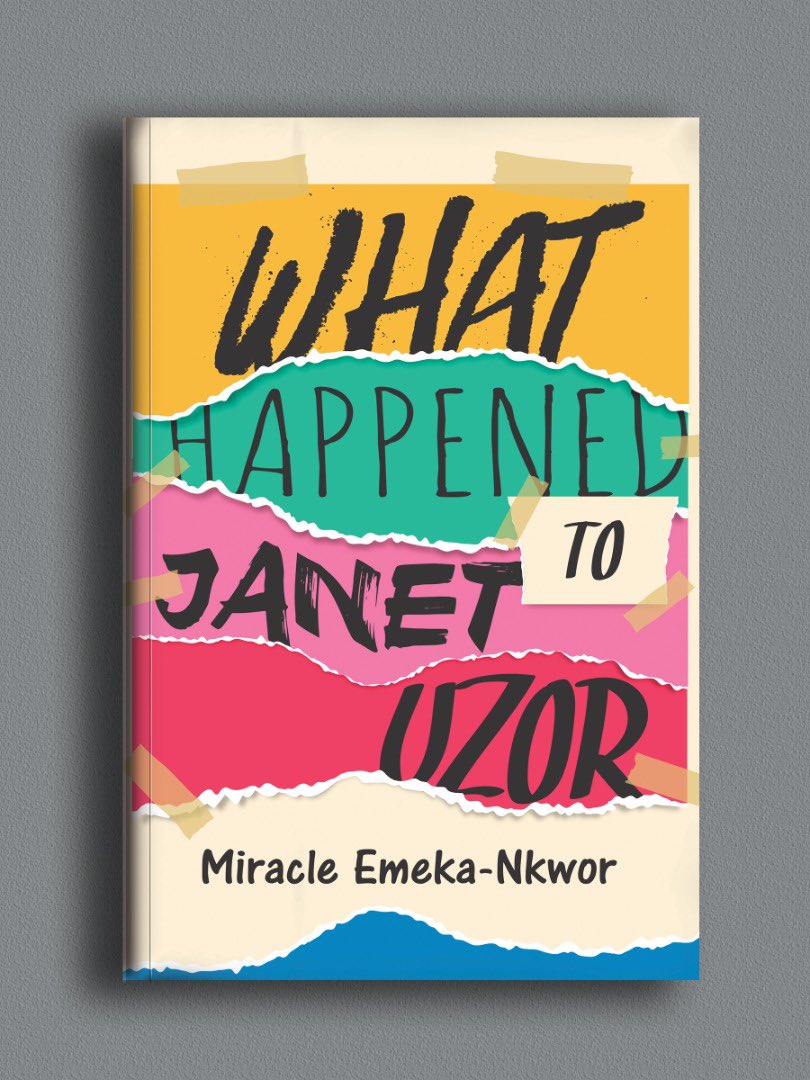
African Literature, miracleemekankwor, whathappenedtojanetuzor
Ebere has a theory that a killer is out there that claims his victim every Christmas, and she believes their best friend Janet was one of his victims.
READ MORE
December 4, 2023 .
African Literature
I don’t find What Happened to Janet Uzor very hair-raising thrilling, but it has ENOUGH suspense to get you flipping.
READ MORE

Get our magazine for free!