
Menu
















Attah delivers, page after immersive page. I couldn’t put it down. The Hundred Wells of Salaga is the kind of book you swallow in one gulp.
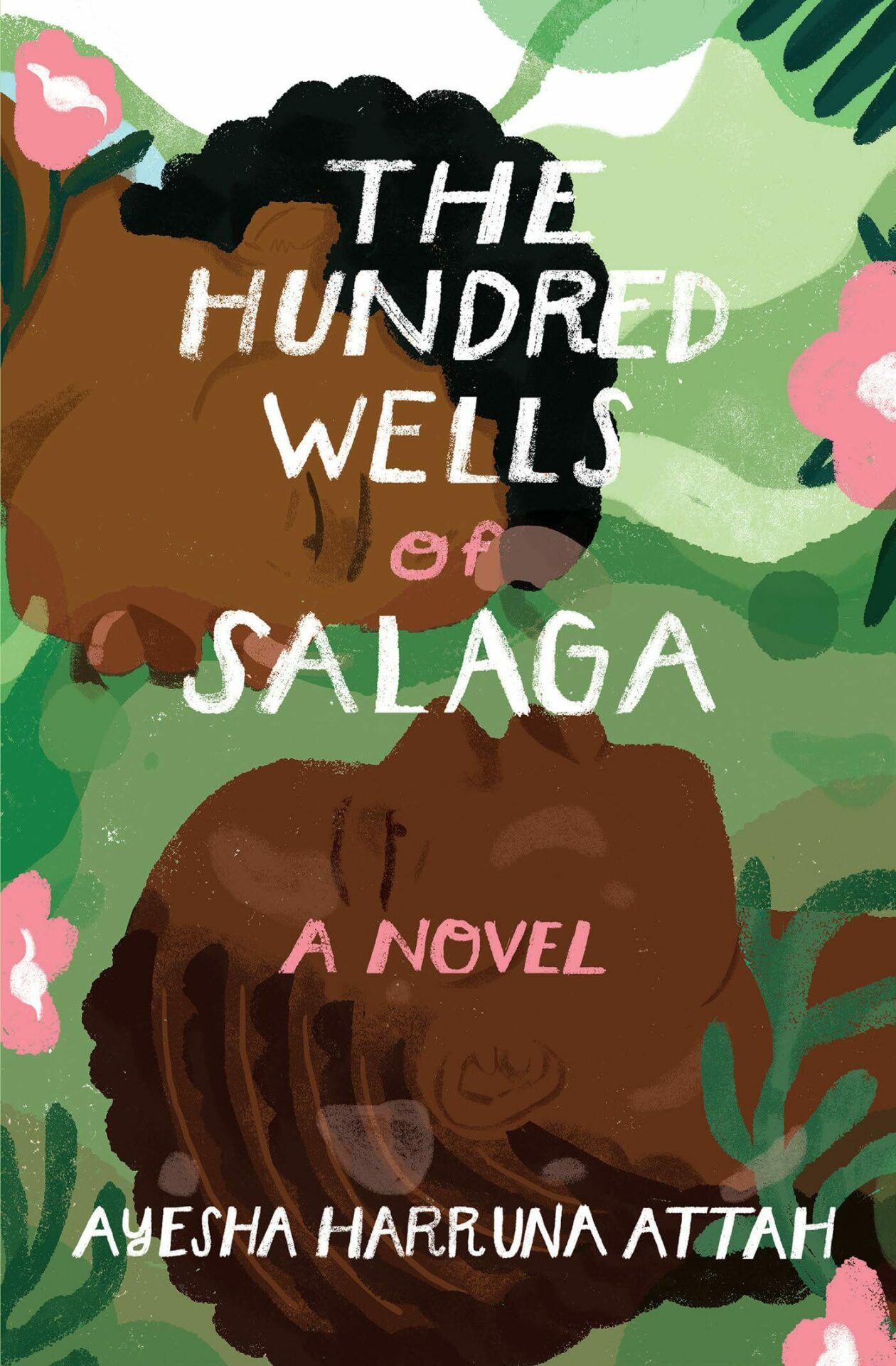
Bright, bold, and brilliantly African.
Let’s start with the obvious: That book cover? Fantastic. I love it! It’s a visual stunner. And Attah delivers, page after immersive page. I couldn’t put it down. The Hundred Wells of Salaga is the kind of book you swallow in one gulp.
Told from alternating points of view, The Hundred Wells of Salaga opens with a quiet sureness, a plain, unpretentious statement of facts.
There’s no flowery preamble, no unnecessary dramatics. Just bold, candid storytelling that builds steadily into a rich, layered portrait of power, pain, and womanhood.
The alternating voices of Wurche, a princess with political ambitions, and Aminah, a young girl ripped from her peaceful life and sold into slavery, create brilliant tension. Princess and prisoner, slave and enslaved, their intertwined journeys echo the duality explored in Yaa Gyasi’s Homegoing, but Attah’s voice is distinct and refreshingly grounded in Ghanaian soil.
Attah doesn’t slow down to explain African concepts, customs, or beliefs. There are no footnotes guiding you gently along. She writes as though you already know or that you should know. And that’s precisely what makes it so powerful.
Much like in Jennifer Nansubuga Makumbi’s The First Woman, you are expected to enter the world on your own terms. The result is intimacy, authenticity, and no watered-down explanations for the outsider gaze.
Best of all, white people aren’t central. They are present, yes, as history requires, but they are extras, not architects. The focus is exactly where it should be: on the complex, deeply human dynamics within African societies themselves.
Attah doesn’t shy away from the uncomfortable truth of Africa’s role in its systems of slavery before it became industrialized by foreign powers. This is a story about what slavery looked like before it was commercialized, commodified, and exported across oceans. The wells of Salaga — literal and metaphorical — become a haunting backdrop to a time when war, politics, and profit intersected with lives and legacies.
And let’s not forget the magnificent portrayal of African women — educated, strategic, multilingual, politically astute, mothers, merchants, and griots. These aren’t tokenized “strong female characters.” These are women who lived, led, resisted, and negotiated survival and power in every form available to them.
Set in the 18th to 19th century in what is now northern Ghana, this story feels personal, not just historical. You can tell there’s something deeply at stake for the author — a reclamation, perhaps, or a redemptive return to stories too often told by others, or not told at all.
And yes, I’ll say it, this is a complete redemption for Ayesha Harruna Attah from Harmattan Rain. Faultless writing. Engaging plot. Historical accuracy. And, a map!
The Hundred Wells of Salaga is an unapologetic African story that neither begs nor explains. Just tells it like it is and tells it beautifully.
Kudos, Madame. Kudos. For daring to tell a story rooted in uncomfortable truths, wrapped in luminous prose, and anchored in an African lens unapologetically.
For writing women who are not just symbols, but strategists, survivors, and shapers of history.
For giving us Wurche and Aminah two sides of the same storm and letting them be messy, complex, and real.
For showing that our stories don’t need translation to be powerful.
Attah didn’t just write a book. She reclaimed a narrative. If you haven’t read The Hundred Wells of Salaga yet, this is a sign to do so, then come back and sit with all the questions it poses.
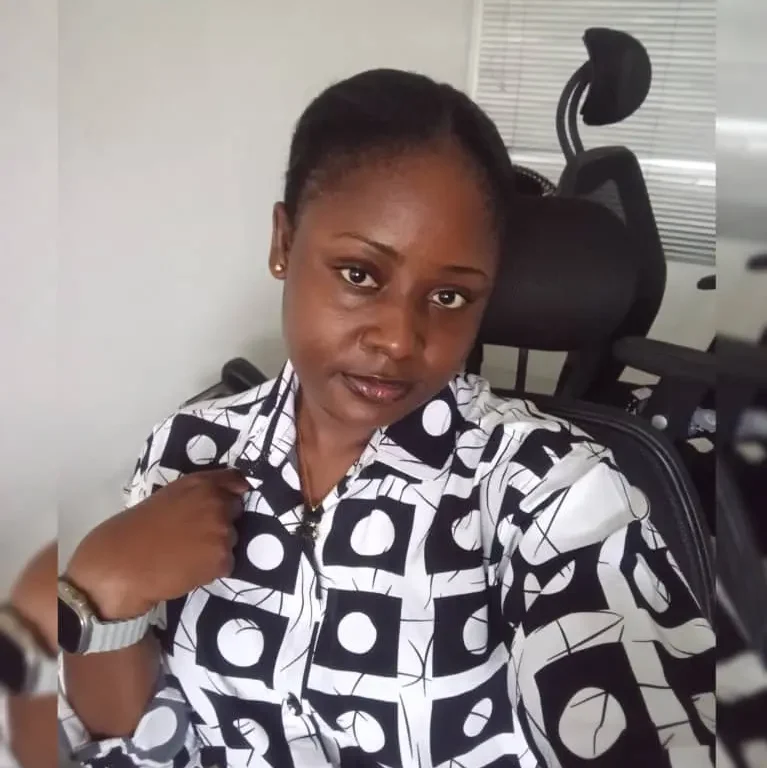
Hi I'm Tega, I am a microbiologist with a lifelong passion for reading, I fell in love with books as child (where I was briefly obsessed with Enid Blyton, lol) reading is simply my escape and hobby and sometimes doubles as therapy for me . My favorite genres are African lit, historical fiction, memoirs/biographies and fantasy. I do beta reading and post book reviews which you can check out on my Instagram @ te_ga_o.
15 Writing-Adjacent Careers for Writers Looking for a Career Change
Authors Spotlight: Khaled Hosseini
The Sound Souls Make When They Die by Chinemefun Chimuanya
If Nollywood Cast Our Favourite African Books: Who Would Play Who?
Best Films About Unexpected Age Gap Romance
Literary Awards and the Racism Card: A Wake-Up Call for Black Africa
Interview with the Vampire Relationships, Ranked
10 Top Recent Films for Action and Comedy Fans
Comma Rules Every Writer Should Know
10 Most Hype-worthy 2026 Book Releases (African Literature Version)
Five Gambling Films That Know the Bet Is Only Half the Story
Movies Where Poker Reveals Who a Character Really Is
July 20, 2025 .
Animation, Lists
Our list rounds up the top 30 cartoon characters that were villains, each one more wonderfully wicked than the last.
READ MORE
November 27, 2025 .
Lists, Mythology
While this isn’t an exhaustive list, it comprises some of the most popular mythical creatures from around the world.
READ MORE
April 29, 2026 .
Lists, Opinions
The Mouse is famous for its princesses and princes. However, the studio’s true genius lies in its embrace of “ugly Disney characters”.
READ MORE
May 6, 2026 .
Lists, MCU
Spider-Man is one of the many superheroes from the Marvel Universe whose stories shaped many childhoods. Who is your strongest Spiderman?
READ MORE
February 26, 2026 .
Cartoons, Lists
There are some outright funny cartoon characters who exist solely to crack you up, loud, hard, and with zero apology.
READ MORE
October 12, 2021 .
African Literature, chimamanda, cna, zikora
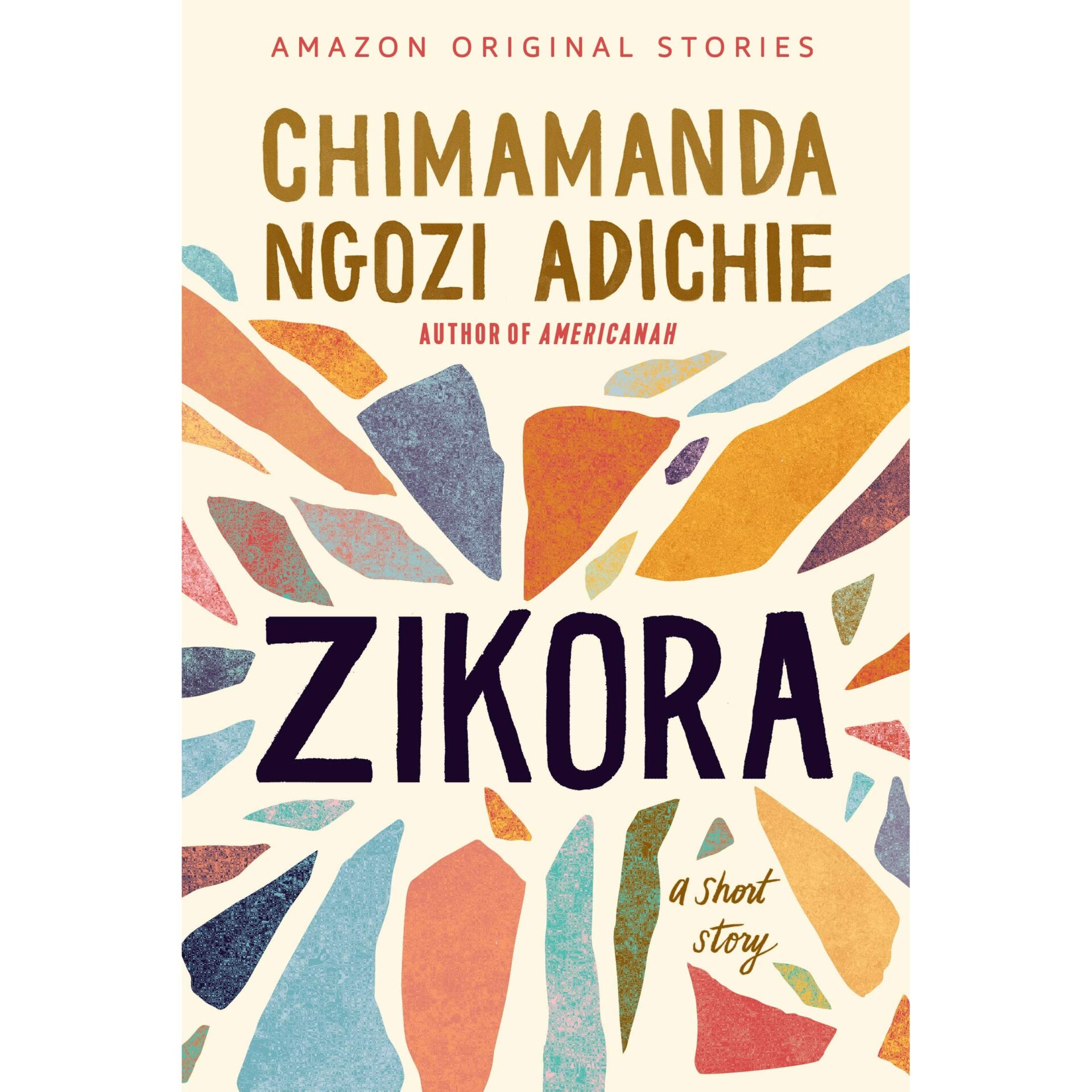
Hopefully, the reading of a book as this will enlighten men and generally educate people in the making of the right choices regarding amatory unions.
READ MORE
September 2, 2025 .
African Literature
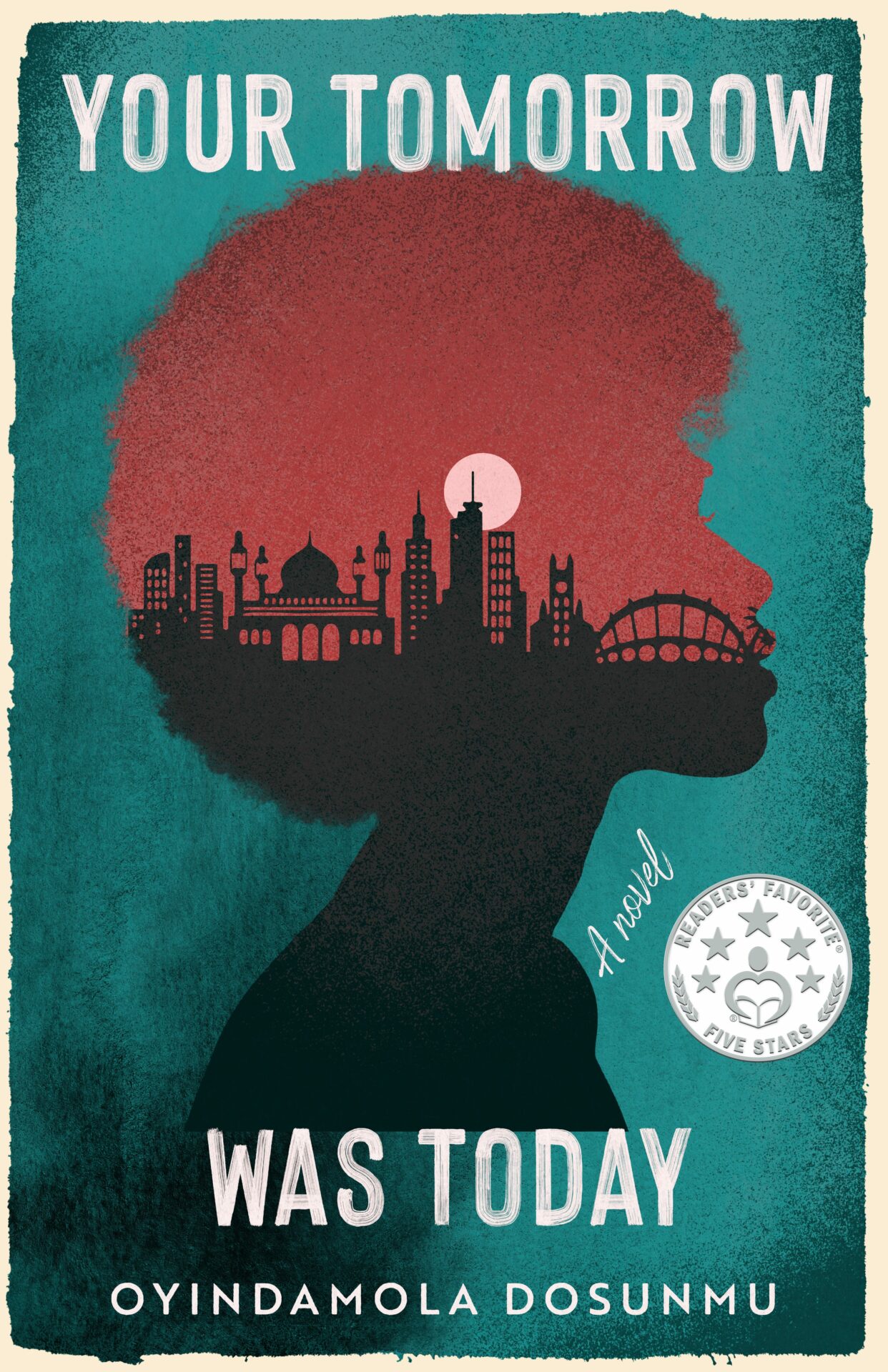
So yes, Your Tomorrow Was Today is guaranteed to be a book that will touch you, regardless of gender, interests or philosophy.
READ MORE
February 19, 2022 .
African Literature, Book Reviews, British Nigerian, lizziedamilolablackburn, Nigerian, Self growth, yinkawhereisyourhuzband
READ MORE

January 26, 2025 .
African Literature, sharjah
READ MORE
November 12, 2023 .
African Literature
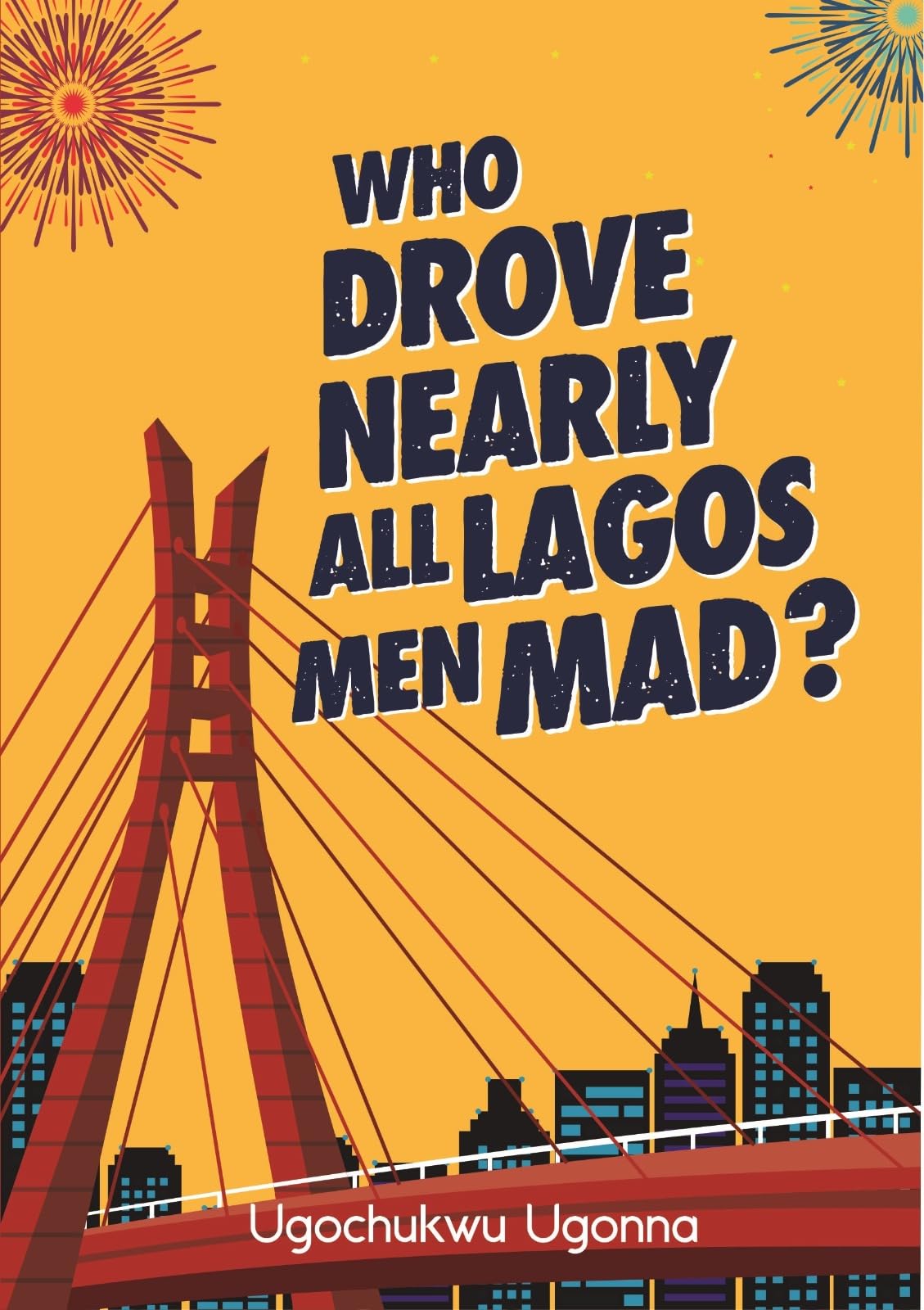
In these tales, women are portrayed as clever and tricky individuals, while men’s descent into madness is often a response to these traits.
READ MORE

December 4, 2023 .
African Literature
READ MORE
February 3, 2025 .
African Literature
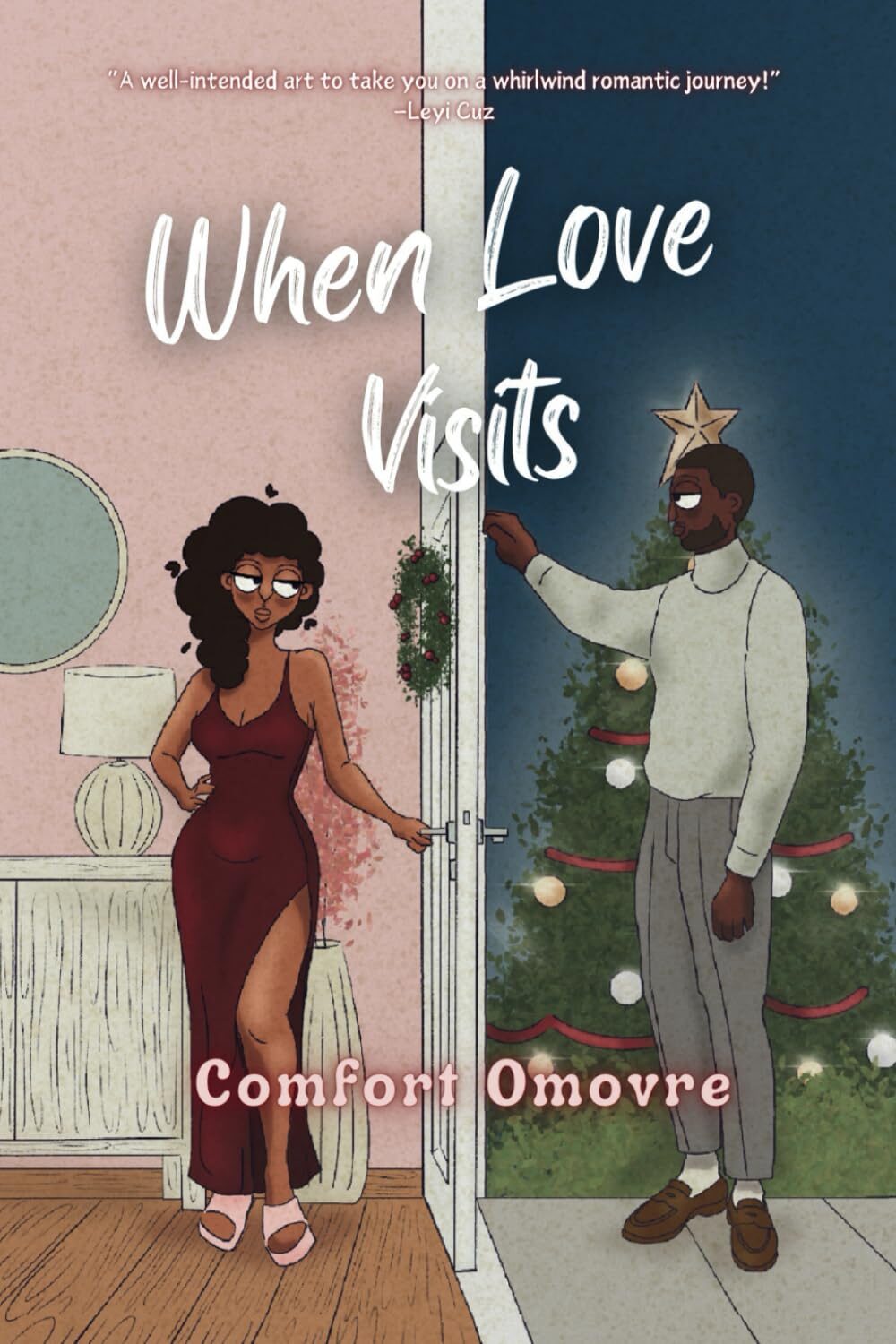
When Love Visits is a contemporary romance novel that narrates how Uju and Tade, both in their thirties and successful fall in love at first sight.
READ MORE

May 7, 2022 .
African Literature, miracleemekankwor, whathappenedtojanetuzor
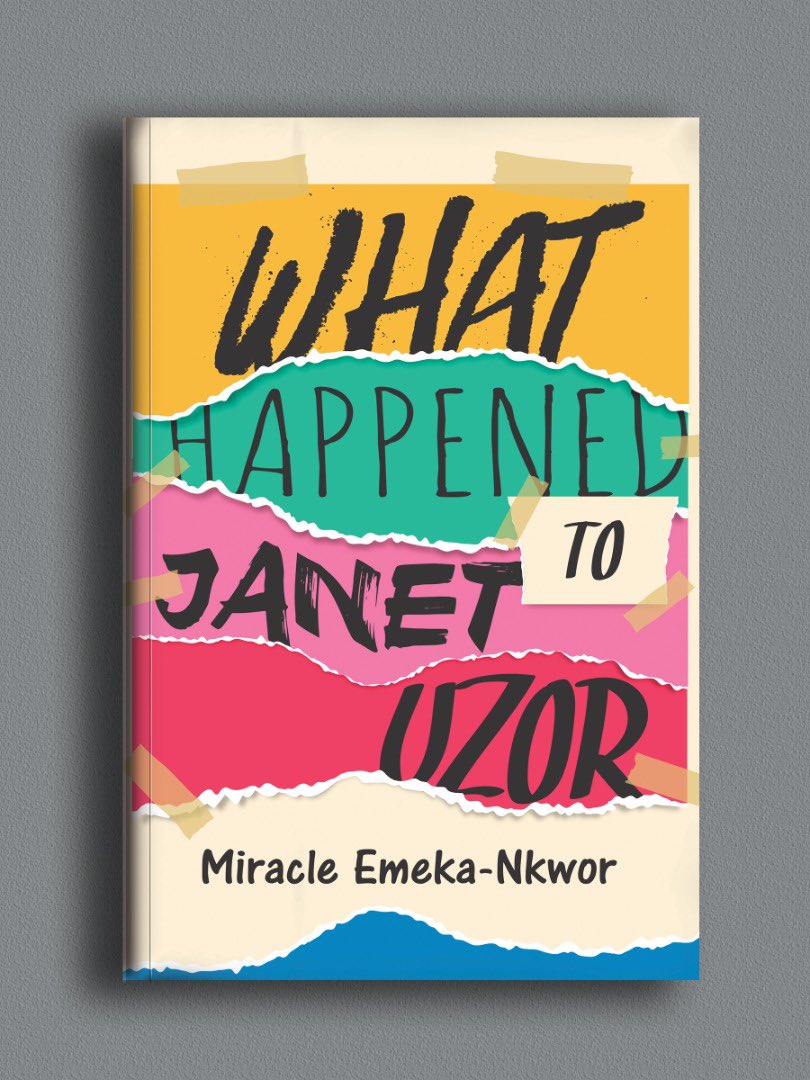
Ebere has a theory that a killer is out there that claims his victim every Christmas, and she believes their best friend Janet was one of his victims.
READ MORE
December 4, 2023 .
African Literature
I don’t find What Happened to Janet Uzor very hair-raising thrilling, but it has ENOUGH suspense to get you flipping.
READ MORE
Get our magazine for free!