Close menu
Ranking the best of African Literature
































A stellar fire mystery romance novel keeps readers up all night, guessing “whodunit” while they root for the leads to the final action.

A stellar mystery romance novel keeps readers up all night, guessing “whodunit” while they root for the leads to the final action. Writing in this genre can be taxing, as it combines two distinct fields, so understanding how to balance them is key.
In this guide, we’ll share techniques for blending suspense and romance to make your writing flow more smoothly.
A compelling mystery romance novel thrives on two storylines: the pursuit of truth and the emotional connection. It’s not just a murder with romance tacked on; these arcs must intersect and deepen together. If characters fall in love while ignoring the case, the plot weakens.
For instance, an accountant and a rookie investigator’s romance grows as they support each other professionally. She helps him at a sophisticated event, and he helps her track a suspect through danger. The romantic scenes can offer breathers from tense investigations, but as the attraction builds, the investigation should become more difficult.
The setting shapes the novel’s tension and should act as an active, even conniving force driving the romance. Use locations to create a sense of forced closeness, increasing both emotional and plot tension.
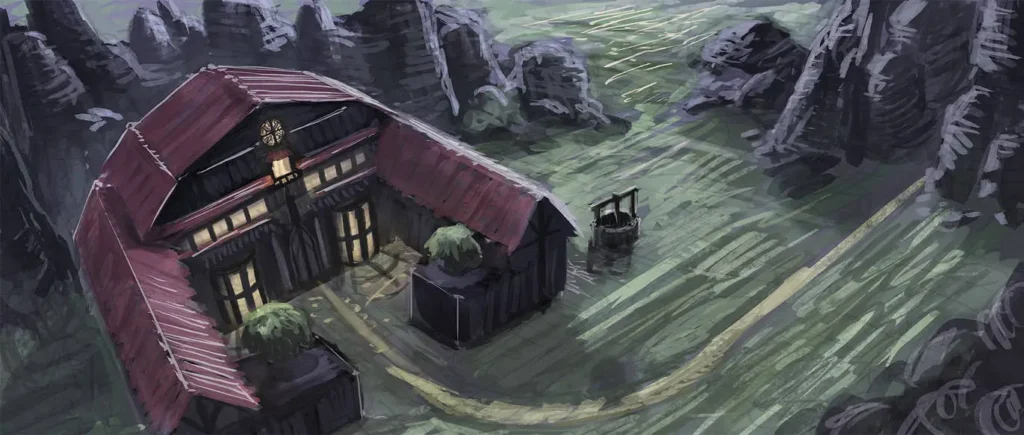
For example, a remote environment can push characters together, sparking intimacy. The takeaway: make the setting actively support the development of both suspense and romance by keeping your main characters close and engaged.
In mystery romance, leads must operate at their best; incompetence kills suspense.
The supreme skill and mutual admiration should spark a flame between love interests, with debates over evidence turning into romantic tension. The hero could bring the brawn and tactics, while the heroine provides deduction and logic, making them an unstoppable force.
In a landscape littered with red herrings and dead bodies, trust comes at a painful cost. The mystery genre thrives on fear, making the romantic lead’s vulnerability a high-stakes emotional gamble.

When suspicion is high, the moment they turn their backs on the enemy and face each other is the emotional climax of the relationship. Showing the process of breaking down that defensive wall makes the eventual, passionate surrender between them feel deserved and impactful.
Eventually, when the leads learn to trust each other amidst the sea of deception, it shows how deep their love is and makes the conclusion more impactful.
If your pacing is off, the romance will feel like a pause button in a thriller. The rhythm of a mystery romance novel requires that the sentimental milestones mirror the investigative breakthroughs. A tender moment may not reveal a major clue; instead, solving a clue may prompt intimacy.
For example, when the protagonist discovers the killer’s identity, one can follow that adrenaline spike with a scene in which the romantic lead provides emotional space. If they are constantly running for their lives, fear could drive intimacy, keeping the reader hooked on both storylines.
The danger the heroes face should equal the risks to their hearts. While the investigation provides external tension, the protagonists’ internal conflict should also contribute to it.
Create situations in which readers fear for the couple’s survival and their love. For example, a detective investigating their own fiancée, with every clue pointing to them, must choose between duty and love. High-stakes consequences intensify drama.
Evidence should allow the audience to play along in a manner that enables readers to assemble a logical conclusion.
Each false lead should have a plausible in-story explanation to maintain trust in the narrative. For example, a receipt showing a supposed rival bought rope, later revealed to be impossible due to an allergy, or a missing photograph suggesting a deeper conspiracy.
To make a story truly gripping, the central crime must reflect the twisted, dark side of affection, jealousy, or obsession.
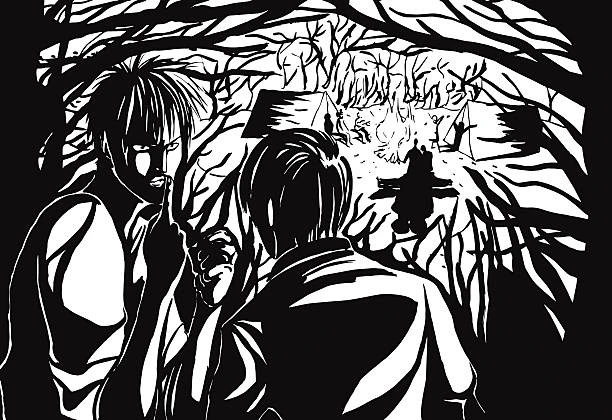
The antagonist(s) are not just obstacles; they are warped reflections of the protagonists’ intense feelings.
Like in a romance where the heroes struggle with trust, the antagonist should be someone who manipulates that trust, such as a master manipulator who frames one partner to make the other feel “protective” or “saving” them, mimicking their own desire for love in a perverse way.
This twisted reflection will force the romantic leads to confront their intense feelings as they hunt for the perpetrator.
Trauma acts as a violent bonding agent, stripping away emotional walls faster than months of dating ever could.

In this high-tension scenario, the main characters rely on one another for survival, revealing their raw, true natures, while the intense investigation binds them together.
Also, because the danger is severe, surviving a horrific event strips away facades, creating vulnerability and revealing each person’s true nature.
Consider the ‘Hurt/Comfort’ dynamic in many romantic suspense novels, where one character suffers trauma, and the other nurtures them through the aftermath, transforming pain into an intimate connection.
The peak of a great mystery romance must weave the physical threat and the emotional barriers together for a deserved conclusion. When the antagonist confronts the heroes, the terrifying, life-or-death confrontation forces the couple to declare their devotion, often through acts of sacrifice.
This would lead to a satisfying end in which the antagonist’s defeat secures their physical safety and cements their romantic union, weaving both storylines into a single resolution that fulfills the reader’s expectations.
The villain’s defeat will mirror the breaking of the internal barriers between the protagonists, making their union a victory on two fronts: safety and love.
An unputdownable mystery romance is more than just technique, it is a delicate balancing act of chaos and heart.
By merging life-threatening stakes with genuine vulnerability, authors can create value that resonates with readers.

Godsgift Isaiah is a music and book whore who enjoys everything about art.
15 Writing-Adjacent Careers for Writers Looking for a Career Change
Authors Spotlight: Khaled Hosseini
The Sound Souls Make When They Die by Chinemefun Chimuanya
If Nollywood Cast Our Favourite African Books: Who Would Play Who?
Best Films About Unexpected Age Gap Romance
Literary Awards and the Racism Card: A Wake-Up Call for Black Africa
Interview with the Vampire Relationships, Ranked
10 Top Recent Films for Action and Comedy Fans
Comma Rules Every Writer Should Know
10 Most Hype-worthy 2026 Book Releases (African Literature Version)
Five Gambling Films That Know the Bet Is Only Half the Story
Movies Where Poker Reveals Who a Character Really Is
July 20, 2025 .
Animation, Lists
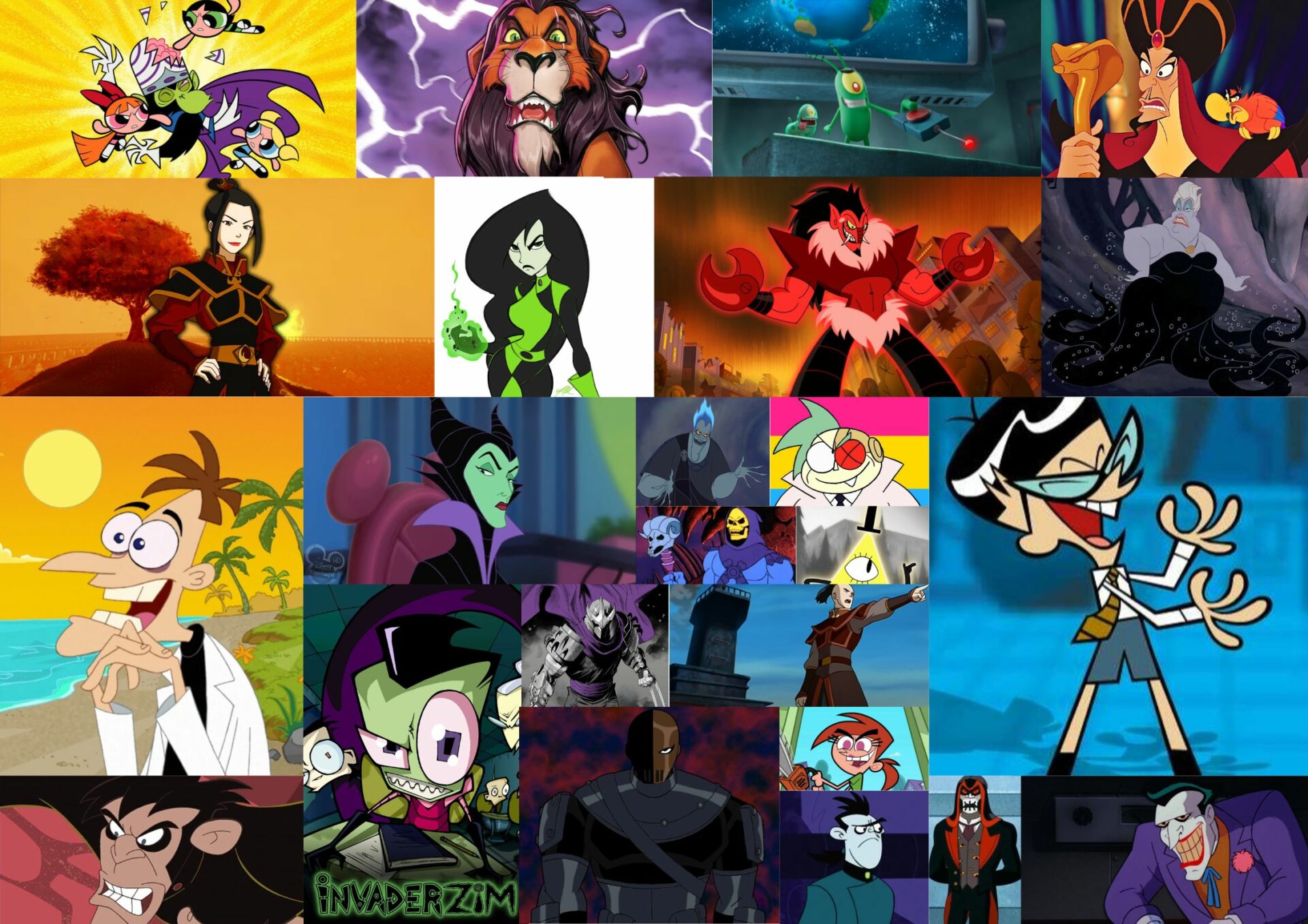
Our list rounds up the top 30 cartoon characters that were villains, each one more wonderfully wicked than the last.
READ MORE

November 27, 2025 .
Lists, Mythology
While this isn’t an exhaustive list, it comprises some of the most popular mythical creatures from around the world.
READ MORE
April 29, 2026 .
Lists, Opinions
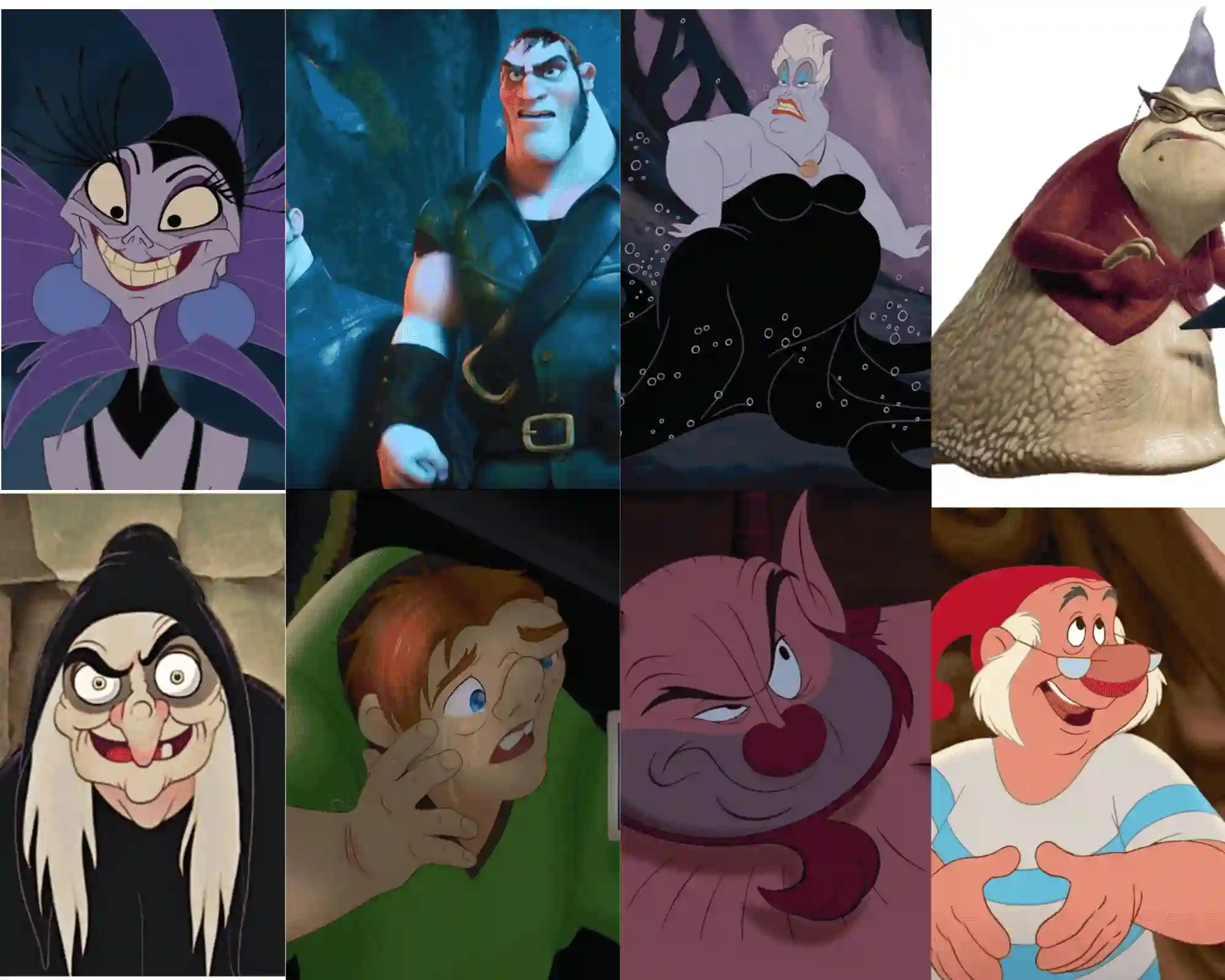
The Mouse is famous for its princesses and princes. However, the studio’s true genius lies in its embrace of “ugly Disney characters”.
READ MORE
October 28, 2025 .
Lists, Marvel, MCU, Opinions
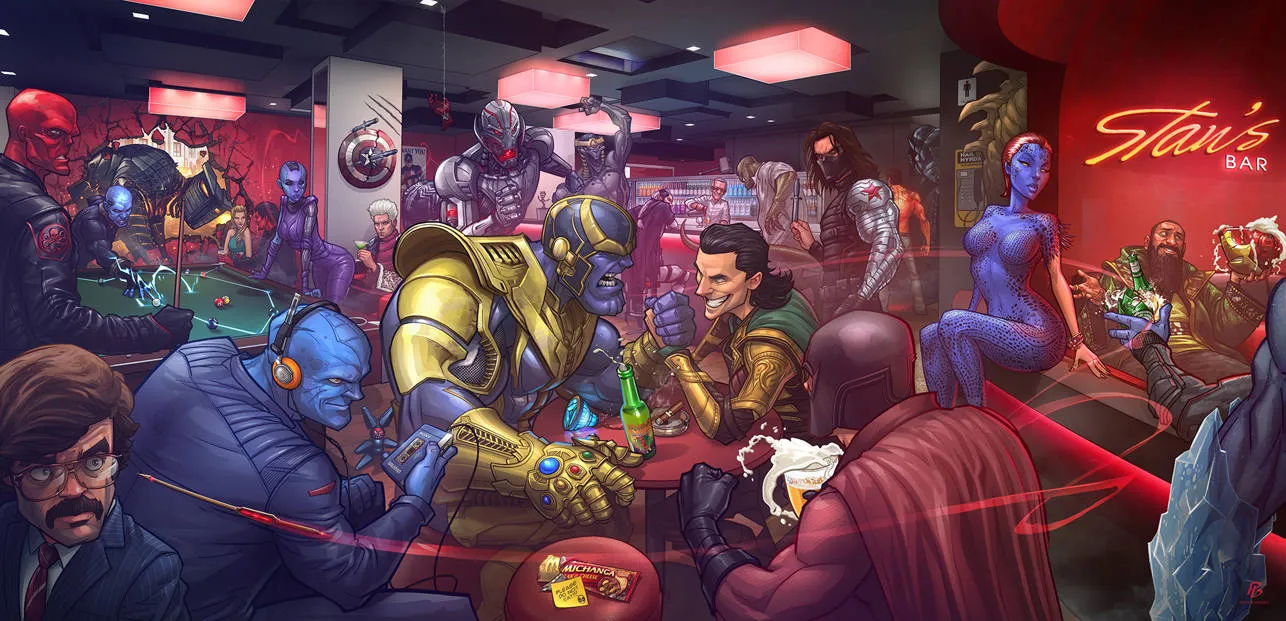
Let’s go through a list of the top 7 strongest Marvel villains, from the wickedly powerful to the absolutely unstoppable.
READ MORE
February 26, 2026 .
Cartoons, Lists
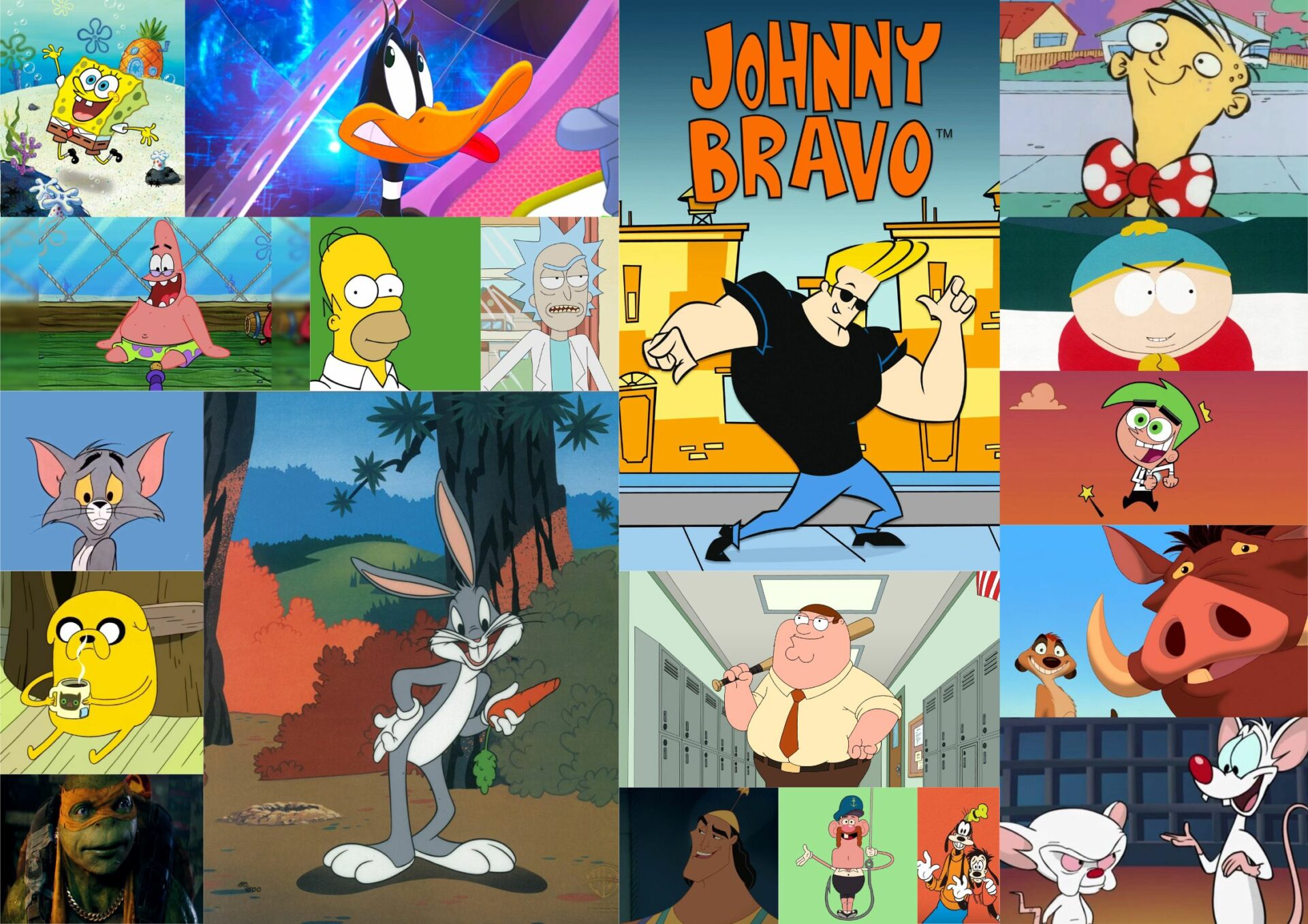
There are some outright funny cartoon characters who exist solely to crack you up, loud, hard, and with zero apology.
READ MORE
September 30, 2026 .
Lists, TV Shows, Upcoming Movies
October isn’t celebrated as the official horror movie month for nothing, and some of these entries prove it.
READ MORE
September 9, 2026 .
Lists, TV Shows, Upcoming Movies
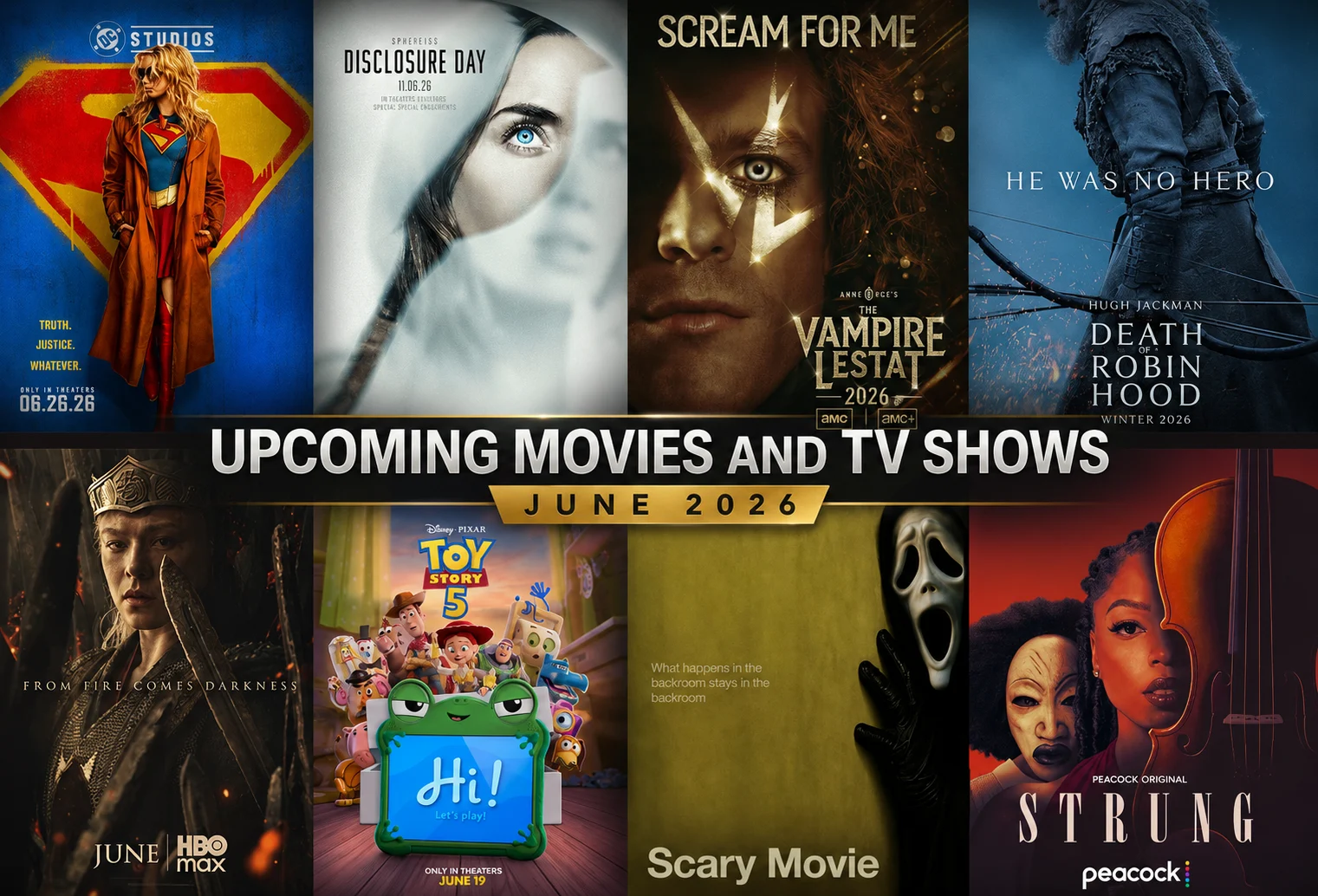
There’s something for everyone from every genre you love.
READ MORE
September 9, 2026 .
Lists, TV Shows, Upcoming Movies
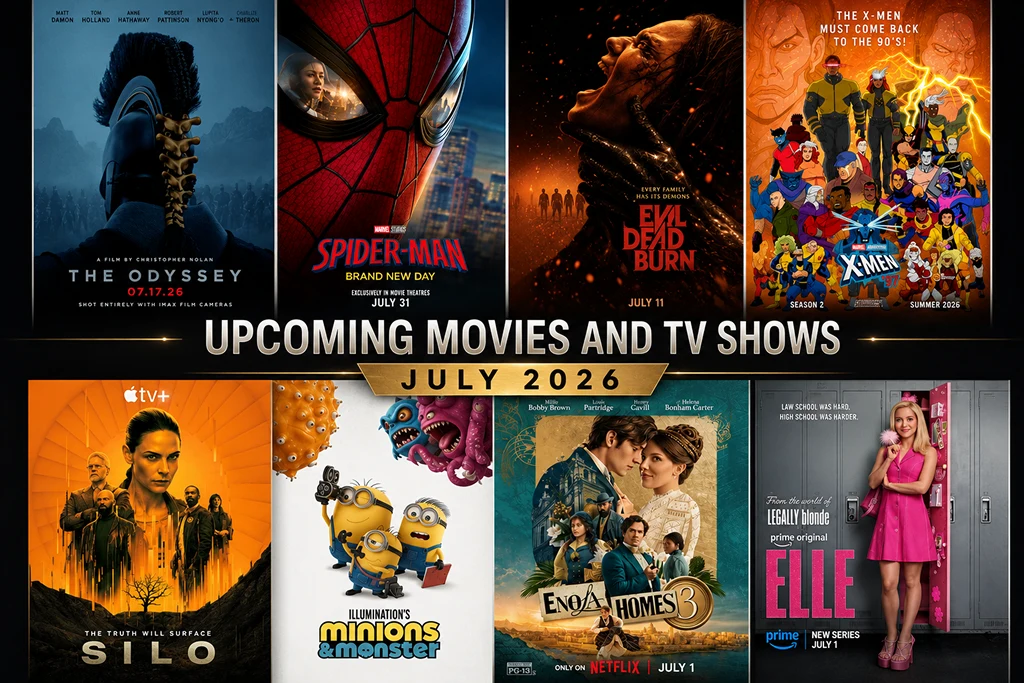
July gears up with the hottest lineups of upcoming movies and TV shows.
READ MORE
September 9, 2026 .
Lists, TV Shows, Upcoming Movies
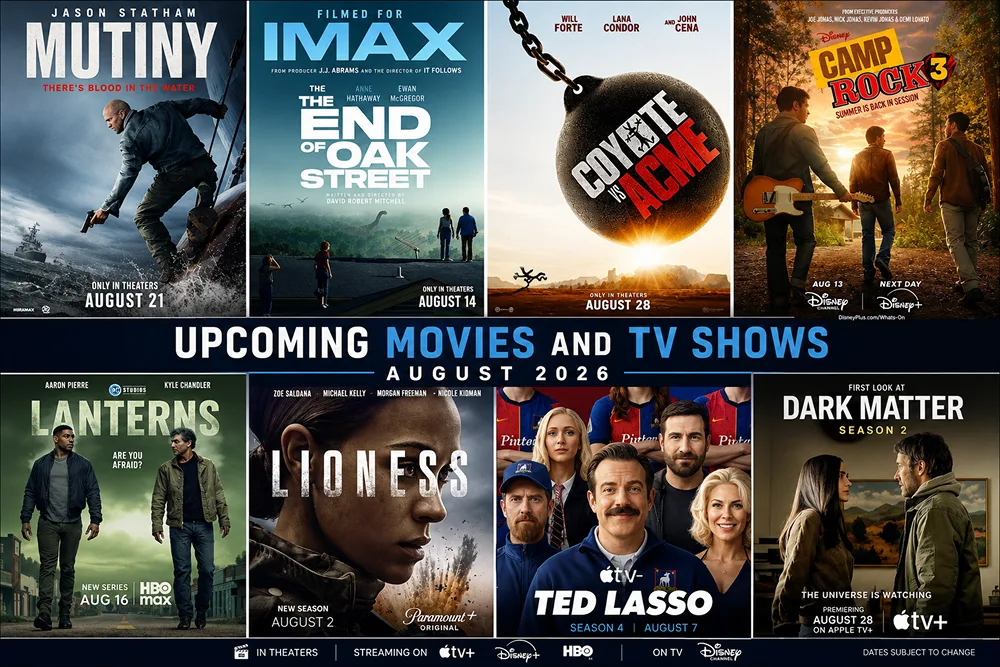
August line-up is here and they don’t disappoint.
READ MORE
April 29, 2026 .
Lists, Opinions
The Mouse is famous for its princesses and princes. However, the studio’s true genius lies in its embrace of “ugly Disney characters”.
READ MORE
September 9, 2026 .
Lists, Upcoming Movies
September’s lineup offers everything from action flicks to buddy comedy to romcom adaptations to keep you entertained all month long.
READ MORE
February 9, 2026 .
Lists
From Masobe to Narrative Landscape and Penguin Random House South Africa, here are the top 9 publishers of African Literature.
READ MORE

July 20, 2025 .
Lists
From Gardens of the Moon, it’s clear that the world of Malazan is richer in history and geographic detail, and than any other fantasy world.
READ MORE
February 23, 2026 .
African Literature, Lists
These are the books that could hold that kind of attention again. Not because they’re flawless, but because they can survive stillness.
READ MORE
Get our magazine for free!