






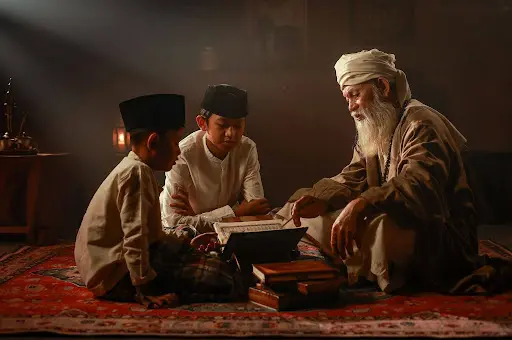









There’s something beautiful about becoming a reader later in life.
Can you really develop a reading habit as an adult?
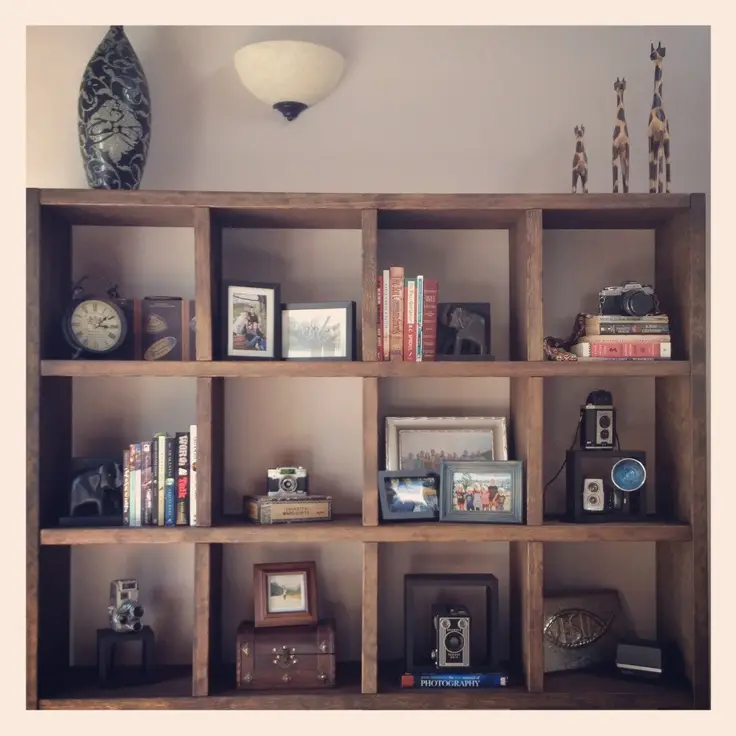
Not the kind where you buy books, photograph them, arrange them beautifully on your shelf, and tell everyone you’re “getting back into reading.”
I mean actually starting and finishing them and looking forward to picking up a book after a long day, not just using it as an ornament.
Over time, we’ve narrowed the spectrum into a few categories. You either read or you don’t, shamed for not reading enough, or for reading too much.
But that doesn’t really make sense. People can build new habits at any stage of life, as long as they have the right motivation.
Some of us grew up surrounded by books. Others found them in school. A few others found them at age 15, while some eventually find them at 25. Many people won’t find the book that changes everything until much later.
So yes, I think adults can become readers. I haven’t personally met one who’s actually kept it up later in life, but research says it happens.
Do we, as a bookish community, actually make it easy for adults trying to get into reading?
We spend a lot of time complaining that people don’t read enough. Wail and lament about declining attention spans. Complain about the things people say online, how basic words and concepts turn into social media vocabulary, and wonder if people even understand what they’re saying anymore.
We see words like ragebait, patriarchy, gaslighting, and a dozen other terms thrown around until their meanings blur. We wince when someone writes “am” instead of “I’m,” or makes some other obvious mistake, and conclude, sometimes quite smugly, that people simply aren’t reading.
But if reading is the answer, what are we actually doing to help people become readers?

Photo credit: Unsplash
Another uncomfortable truth is that not everyone who looks like a reader is actually reading, and social media has made “the act of reading” incredibly easy to perform.
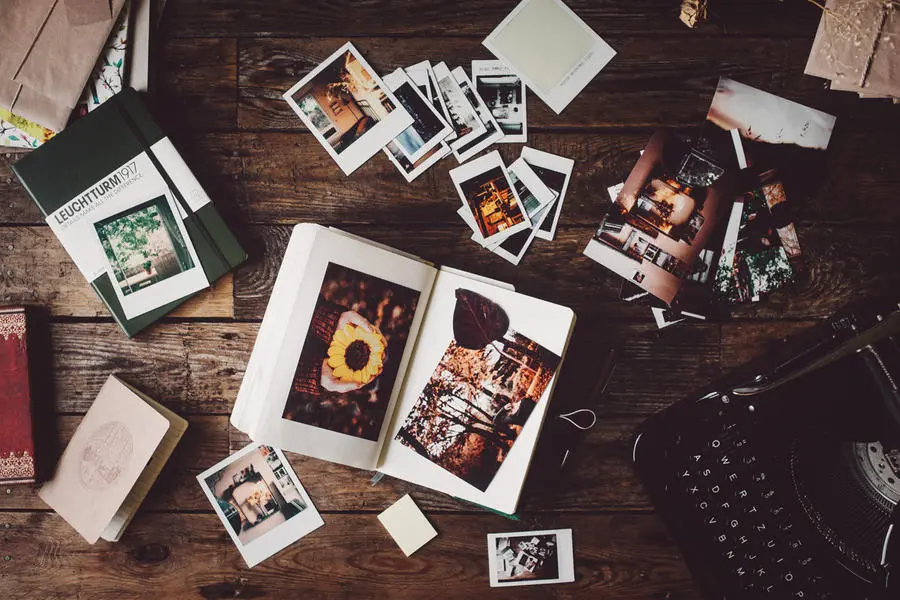
There are bookshelves designed for photos, stacks curated by colour, reading challenges, monthly wrap-ups. Pictures of books next to coffee cups that went cold while the photo was being taken. And suddenly, being a nerd is a trend.
None of that is necessarily bad. The problem starts when looking like you read matters more than actually reading.
My dears, one conversation can expose you. There’s a difference between loving the accouterments of reading and loving the act of reading itself. You can own hundreds of books and barely read. You can know exactly which titles are trending without caring what’s inside them.
I hear people now use AI to summarize books in time for book club. These are interesting times.
And people who genuinely read can spot it.
We notice when someone’s dropping the name of a book they clearly haven’t touched. Or when literary opinions sound suspiciously like somebody else’s TikTok summary. We notice when someone calls a book “problematic” but can’t say why beyond repeating something they saw online.
But here’s where we need to be careful.
Spotting performative reading shouldn’t become another excuse to feel superior.
Because if our response to someone faking it is to laugh at them, gatekeep, or make them feel dumb, we haven’t actually accomplished anything.
We’ve just created another group of people too afraid to admit they don’t read.
And maybe some of them genuinely want to.
There’s a particular embarrassment in being an adult who doesn’t read. Imagine being 30 and admitting you haven’t finished a book since secondary school.
Imagine walking into a book club. Everyone’s deep in Morrison, Dostoevsky, Adichie, Baldwin. You’re still figuring out what genre you even like. Imagine asking for a recommendation and getting a list of ten “essential” books that feel like homework.
It’s easy to see why some people give up before they start.
The answer isn’t to lower our standards or pretend every book is equally good. It’s also not to turn reading into a competition where beginners have to prove they belong.
We need to remember that a reading habit has to start somewhere.
And sometimes that starting point isn’t the book we think it should be.
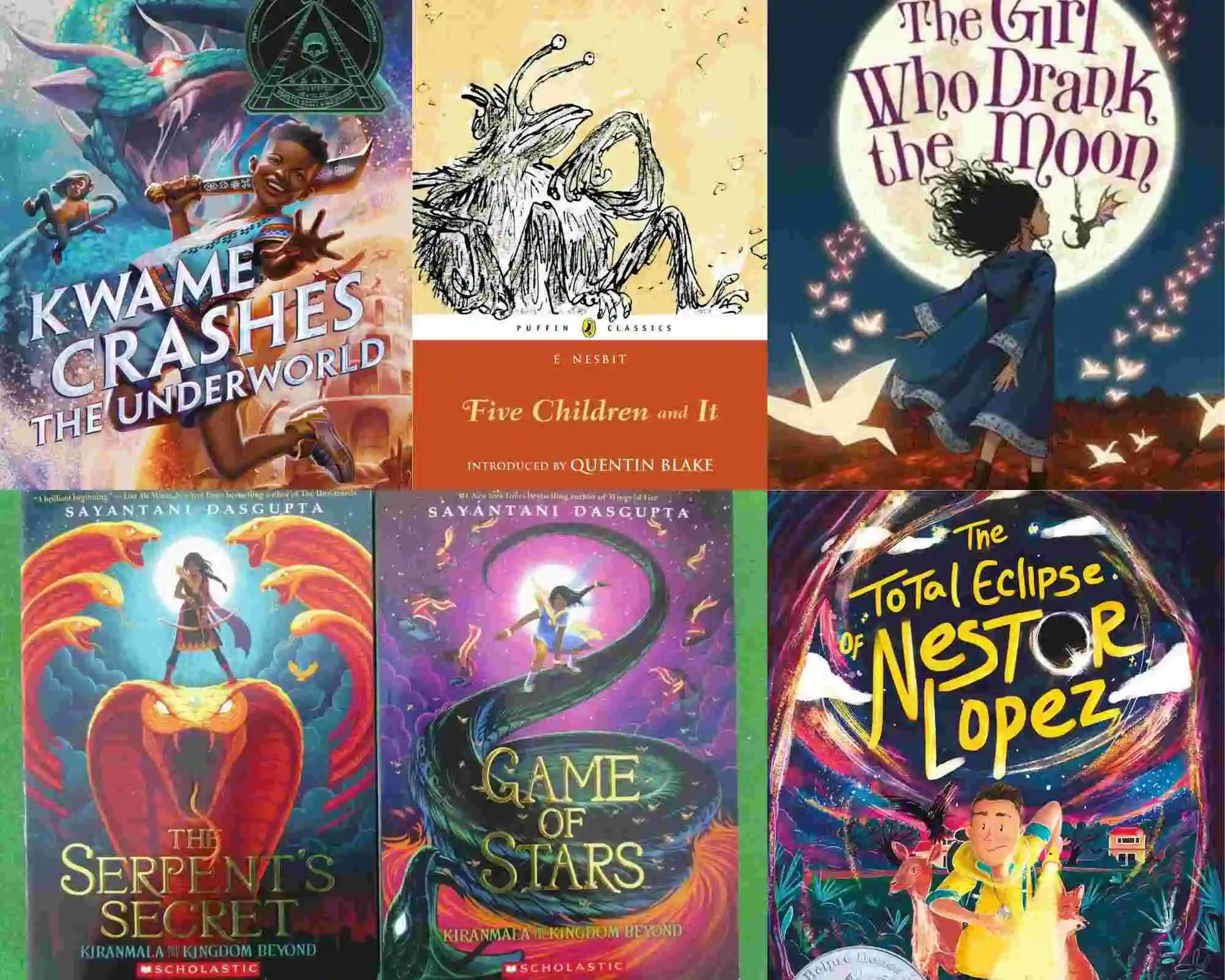
It might be a cringe romance novel or a thriller, a graphic children’s book, a comic, or an audiobook. A book that BookTok loved and literary Twitter hated.
It doesn’t matter.
The goal isn’t to turn someone into a literary scholar. It’s to get them reading, and enjoying it enough to come back for more.
If someone tells you they want to become a reader, ask what they actually like.
Not what they should read.
What do they enjoy watching, and what sparks their curiosity?
There’s probably a book or two in there somewhere.
And when they find it, let them enjoy it. Don’t immediately hand them ten harder books because they’re “ready for serious literature.” Let them build momentum on their own.
If they read one book this month, that’s one more than last month. And if it takes them three weeks to finish it, that’s perfectly fine. If they abandon a book because they hate it, that’s fine too.
Readers abandon books, reread books, have terrible reading months, or go through stretches where they don’t read at all.
A reading habit isn’t ruined because you skip a few days.

Photo credit: Thought Catalog
We should also stop treating reading speed as a measure of intelligence. Finishing 100 books a year doesn’t automatically mean you engaged with them more deeply. Someone who read ten might have gotten more out of it.
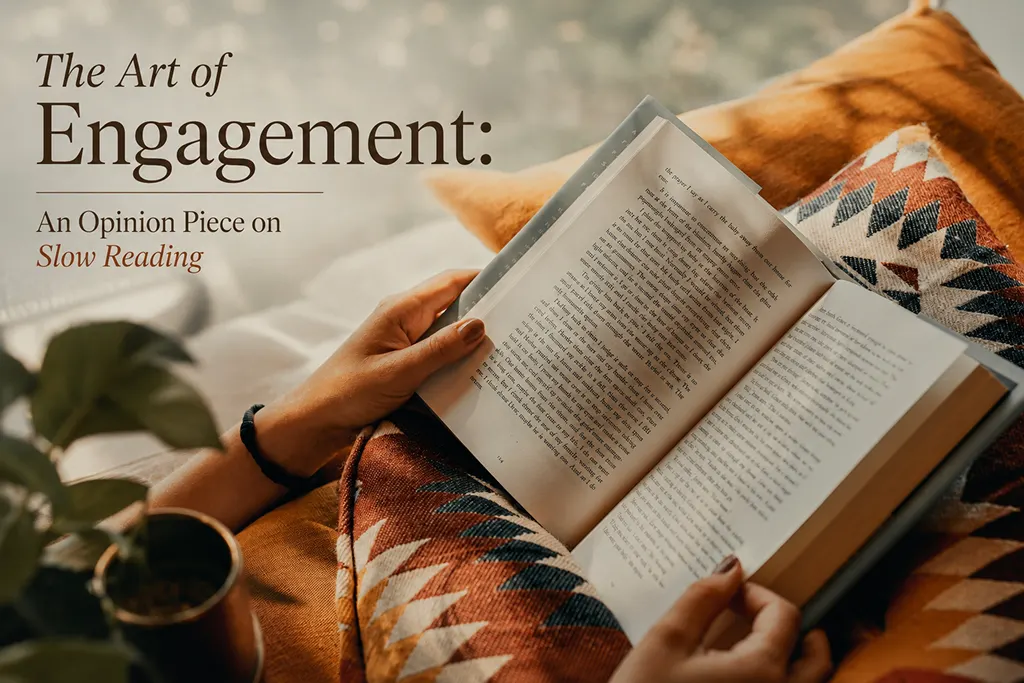
Read slowly if you need to.
Underline things. Annotate. Look up words. Ask questions. Talk about the book with friends. Change your mind. Read it again.
That’s reading too.
And most importantly: don’t make beginners feel stupid for not knowing things experienced readers take for granted.
Tell them why you loved a book instead of just telling them they need to read it. If they misunderstand something, talk it through.
If their vocabulary is limited, reading will expand it.
If their grammar is shaky, reading might help, but mockery won’t.
If they don’t catch a literary reference, introduce them to it. Point out the structure. Show them the devices that stood out to you.
The point isn’t to prove they don’t know enough. It’s to help them know more.
There’s something beautiful about becoming a reader later in life.
You arrive with more questions, lived a little, had disappointment, love, work, grief, friendship, ambition, and failure. You bring all of that with you when you finally open a book. So, you already have a stance on these things.
The books haven’t changed.
You have.
That’s why we shouldn’t look down on people who are only just discovering reading. The person who struggles to finish 50 pages today might be the one recommending books to everyone else tomorrow.
We don’t know where someone’s beginning will take them — so leave room for it.
So yes, let’s call out performative reading when it deserves calling out. Let’s push people to actually engage with the books they claim to love, not treat them as props.
But let’s not get so proud of being “real readers” that we forget what it felt like before we found reading.
Because if we want a more literate, curious world, the goal can’t just be complaining about people who don’t read.
We have to help them find something worth reading. And when they do, we need to make sure they know they’re welcome to stay.

Hi I'm Tega, I am a microbiologist with a lifelong passion for reading, I fell in love with books as child (where I was briefly obsessed with Enid Blyton, lol) reading is simply my escape and hobby and sometimes doubles as therapy for me . My favorite genres are African lit, historical fiction, memoirs/biographies and fantasy. I do beta reading and post book reviews which you can check out on my Instagram @ te_ga_o.
May 6, 2026 .
Lists, MCU
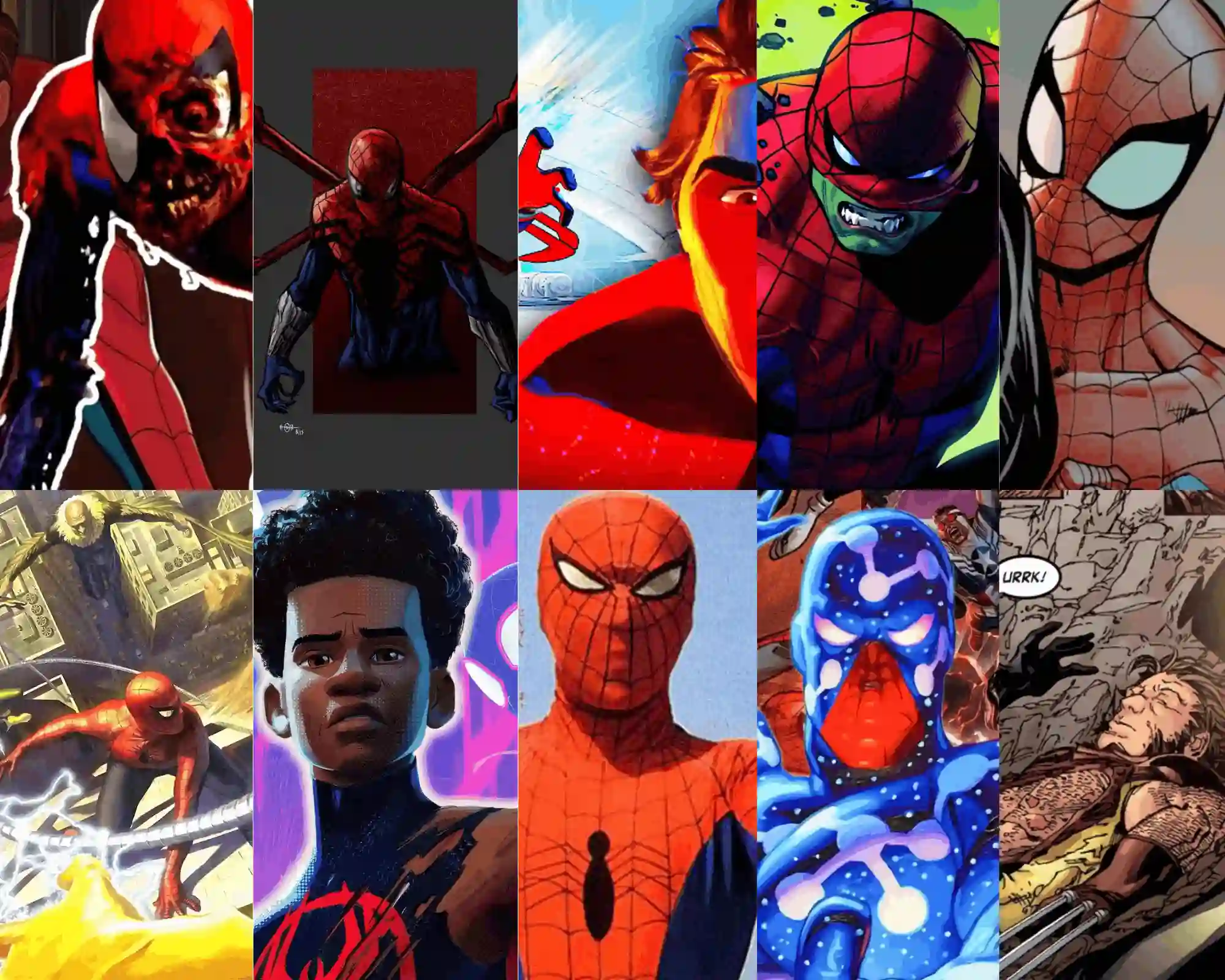
Spider-Man is one of the many superheroes from the Marvel Universe whose stories shaped many childhoods. Who is your strongest Spiderman?
READ MORE
August 18, 2026 .
DC comics, Lists
To truly measure DC’s heaviest hitters, several factors matter. Here is a ranking of the most powerful DC heroes.
READ MORE
July 20, 2025 .
Animation, Lists
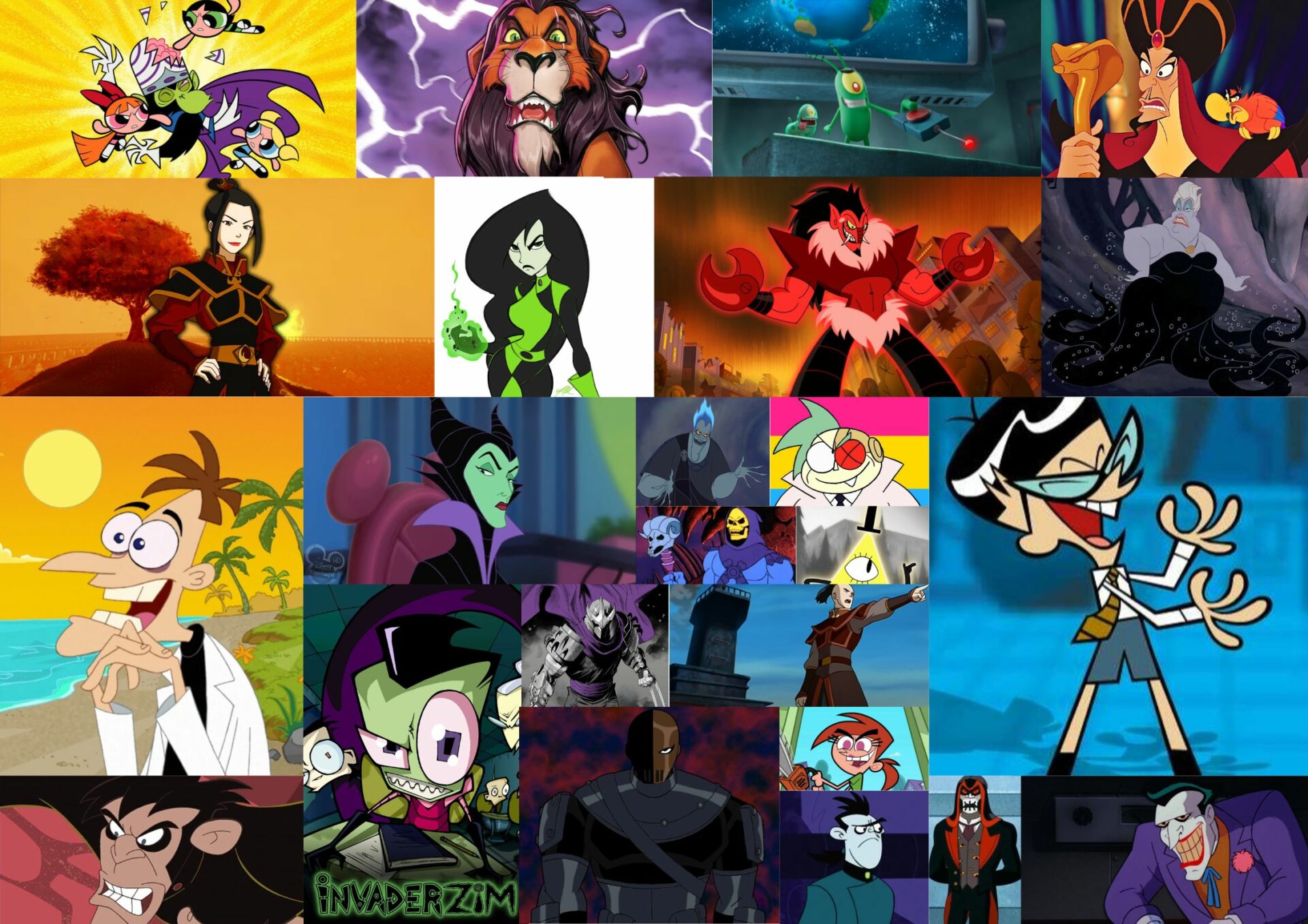
Our list rounds up the top 30 cartoon characters that were villains, each one more wonderfully wicked than the last.
READ MORE
October 28, 2025 .
Lists, Marvel, MCU, Opinions
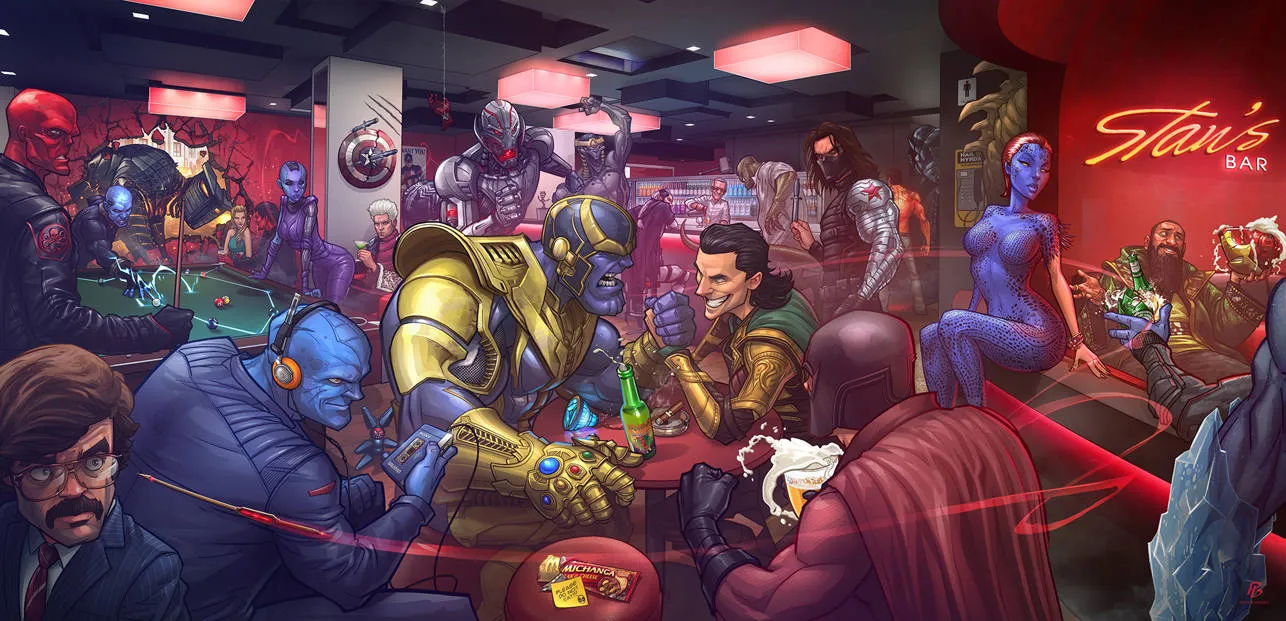
Let’s go through a list of the top 7 strongest Marvel villains, from the wickedly powerful to the absolutely unstoppable.
READ MORE
June 25, 2026 .
Lists, Opinions
If Game of Thrones taught us anything, it’s that the characters we hate the most tend to outlive everyone else.
READ MORE
Get our magazine for free!