Close menu
Ranking the best of African Literature






















The quickest step to progress is to relearn the lessons from arguably the most significant event in its years as a free, democratic nation- the Nigerian Civil War.
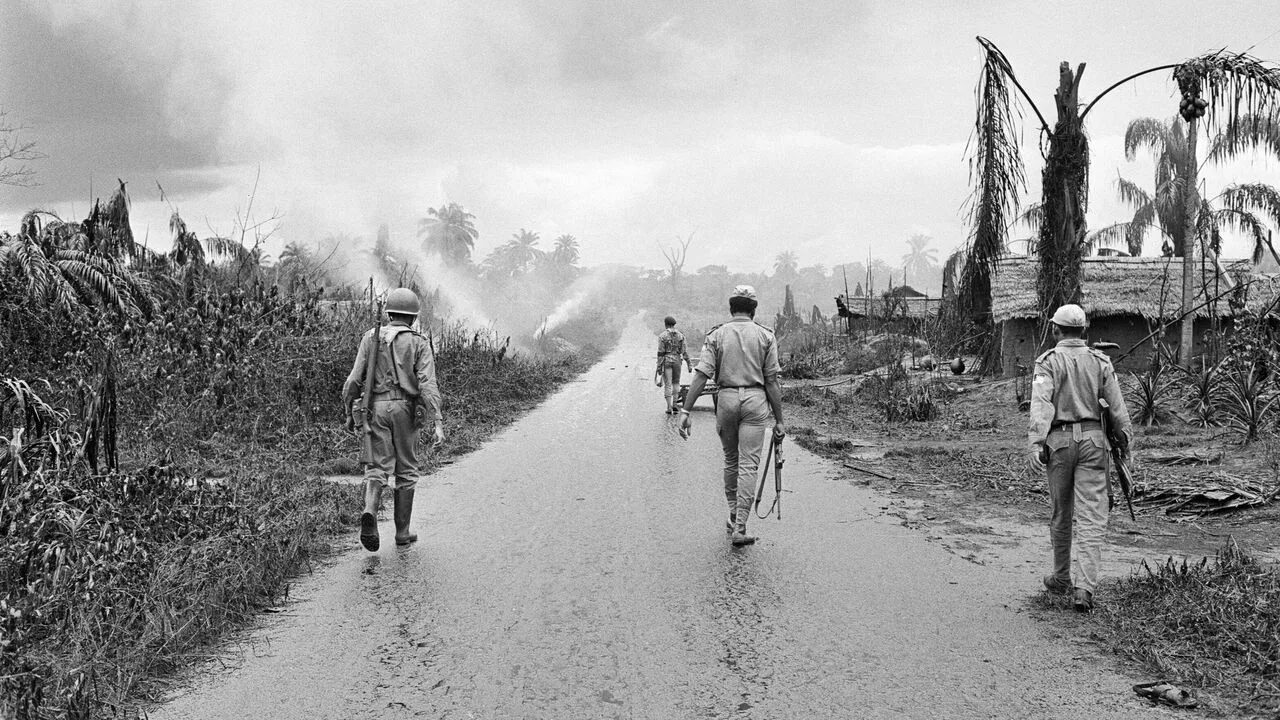
It was a bleak day in Nigerian history when the Biafrans and the Federal forces went to war. The scars of that time lie not necessarily on the skin but upon the hearts and the very soil of its survivors and their descendants several decades after.
The scars are also visible in the uneven trend of economic development across the country and in the deep ethnic divisions that plague its people.
Whether or not you’re deeply familiar with the events of arguably the biggest humanitarian catastrophe in Nigeria’s history, one thing remains clear- there are glaring lessons every citizen must hold on to for multi-dimensional progress to be made.
Without these truths, we continue to fall.
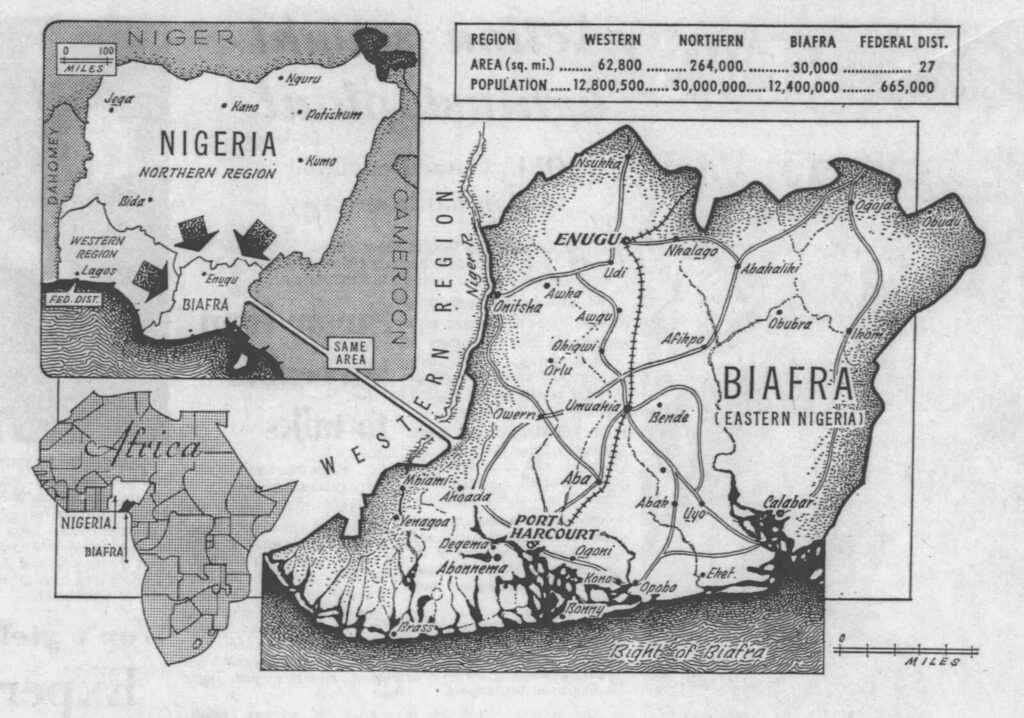
During wars, the images that dominate media tabloids are those of suffering men, women, and children, with the latter’s malnourished form a particularly strong headline grabber. The pictures we never see are those of the profiteers behind the scenes.
The Nigerian Civil War saw unimaginable distress placed on the Biafrans, pinned in on three fronts by the Federal troops. All suffering, pain, and death came courtesy of well-connected and business-savvy logistics chiefs, who profited heavily from the grim toll.
It’s a cruel world, and freedom is more fought for than freely given. Still, if there’s anything you should know about the Nigeria War of 1967 to 1970, it’s that another such conflict would be a second round of a tour of hell. And, it’ll be just business as usual for some.
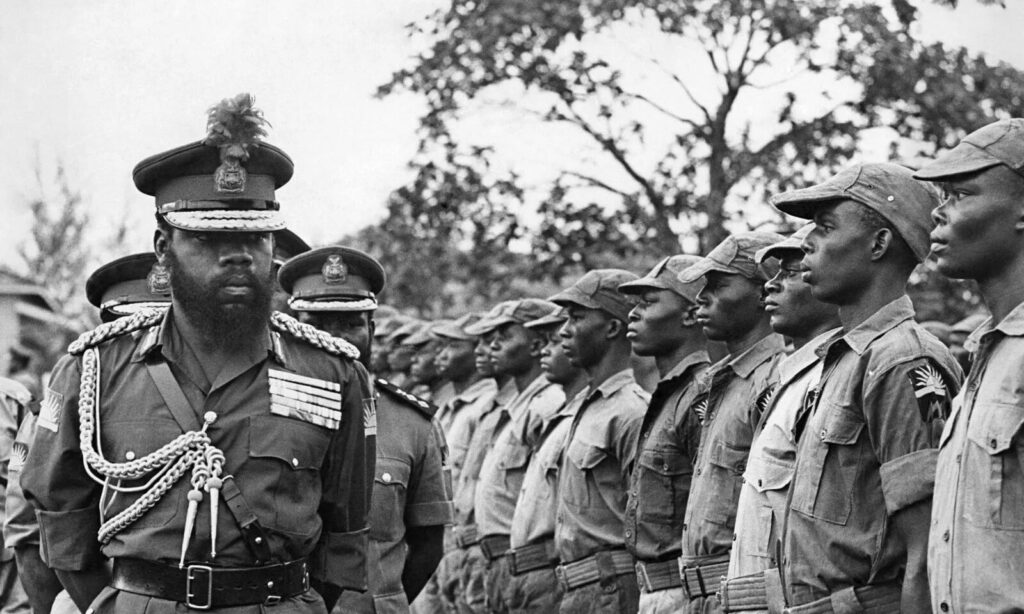
The Nigerian Civil War is a crucial historical event that must be remembered by all state nationals, with its difficult, harsh, and realistic lessons never far from mind.
While many who lived vividly through the war are long dead, history remembers Gowon and Ojukwu, the primary actors in the conflict, along with their many lieutenants. History also remembers the propagators of preceding acts of violence a few years before the actual war.
The Nigerian Civil War is a pointer to history, identity, and its importance to cultural unity. In future, the tools of national development will lie in understanding the history and archaeology of its many peoples.
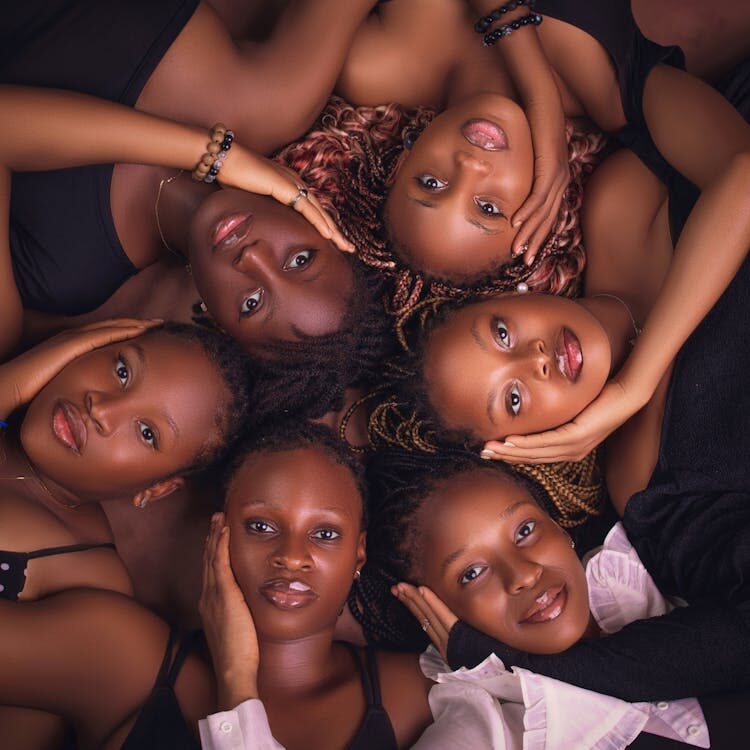
Nigeria’s strengths as a nation are best highlighted when its people are united. While many see the country’s ethnic diversity as the cause of a forever unbridgeable gap, this could never be further from the truth.
The most unique weapon in Nigeria’s arsenal continues to be the varied talents, skills, technologies, and physical and human resources. Different Nigerian ethnicities continue to make waves in national and global affairs. There are high-flying representatives active in foreign governments, sports, entertainment, art, literature, international organizations, and other professional facets of life.
The cheer of each success rings not only for the individual being celebrated but for the great range of personality endowments littered from the north to the east and west of Nigeria.
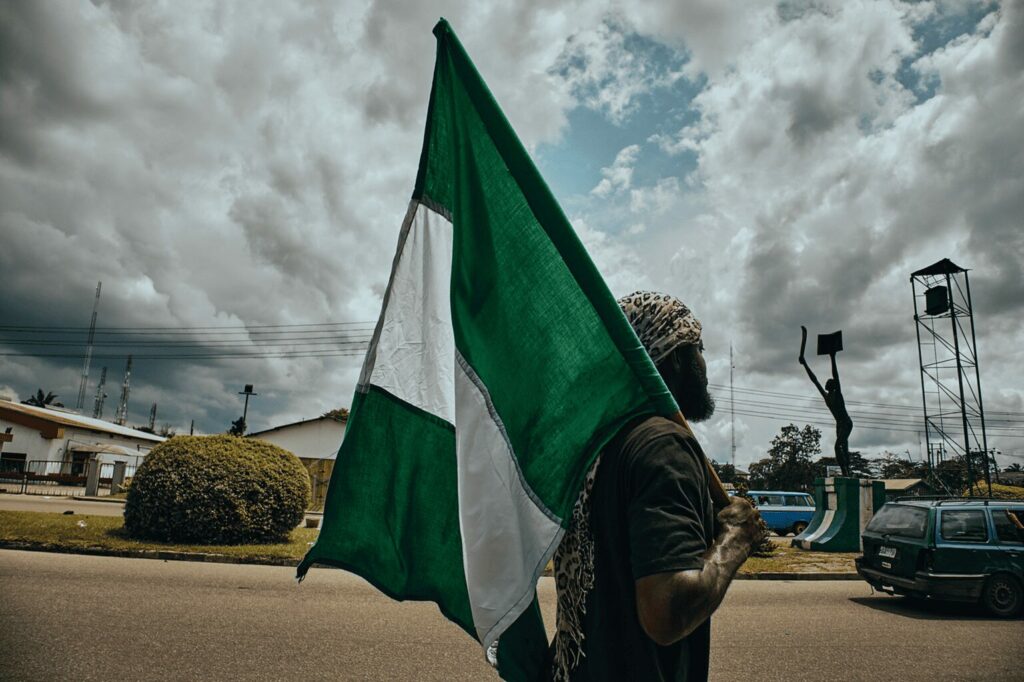
Between 1967 and 1970, Nigeria, the Giant of Africa, a nation of over 250 tribes, decided to fall apart. Before then, it had withstood the will, steel, and steam-driven machinery of the colonials who’d ruled by force for several decades.
The events of the civil war and its aftermath showed the extent of damage wrought by disunity. While the likelihood of such a civil war is at its lowest in current times, ethnic discord continues to break Nigerians apart time and again.
History has shown that the country has thrived where it was united and fallen apart where it was not.
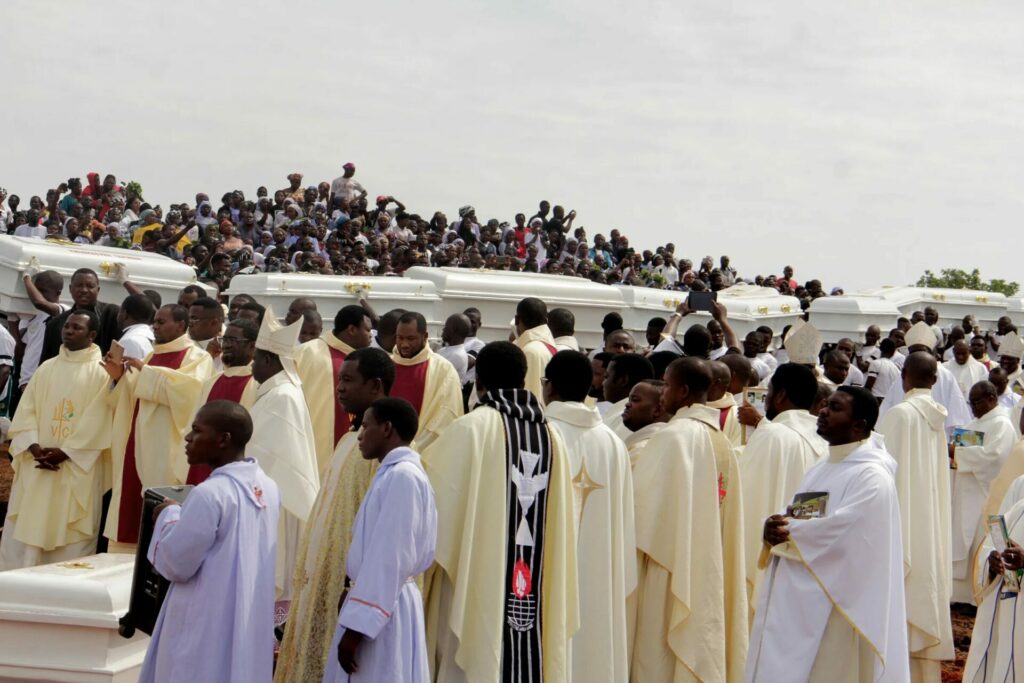
The intertribal conflicts that plague various parts of the country would be nowhere in sight if citizens had learned this most valuable of lessons from the Nigerian Civil War.
Since that devastating war, Nigerians have continued to fall afoul of this truth, neglecting the need to put aside ethnic differences for the sake of common goals. The various crises in Jos, Kaduna crises, Ife-Modakeke, and Niger Delta have been reprisals of old cycles, cycles of destructive tribalism that never quite came to a close.
In contemporary times, a cold war, unspoken of but passively acted, plays out across various virtual and physical communities, many of whom boast a young demographic.
Whatever your ethnic leaning, the role of tribalism, especially in the political events preceding the civil war, speaks for itself, with its great lesson forever echoing its warnings and instruction through the decades.
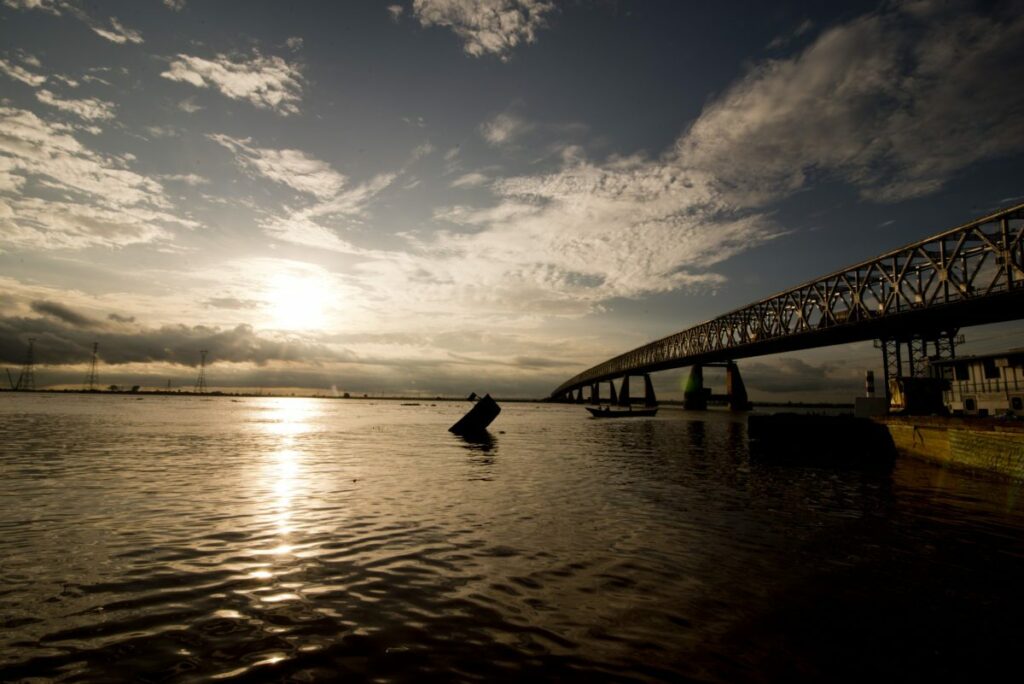
The Biafran War resulted in a significant loss of life, with many sources estimating one million civilian deaths, with the majority being starving children and the elderly, along with over 100,000 military casualties from both sides.
While there remains some debate as to the actual mortality rates, Nigerian history has, regardless, been immutably injected with this most painful dose from the event. In the east, the very earth stands testimony to the casualties and horrors, a daily reminder to all who trample the world that life, above all, matters.
History was not decided by those who neither thought nor acted proactively. It was built by men and women who took the bull by the horn, and made a difference in their way.
Nigeria is the world’s most culturally misunderstood nation, and she’s got a lot of work to put in before she reaches her zenith, if she ever does.
The quickest step to progress is to relearn the lessons from arguably the most significant event in its years as a free, democratic nation- the Nigerian Civil War.
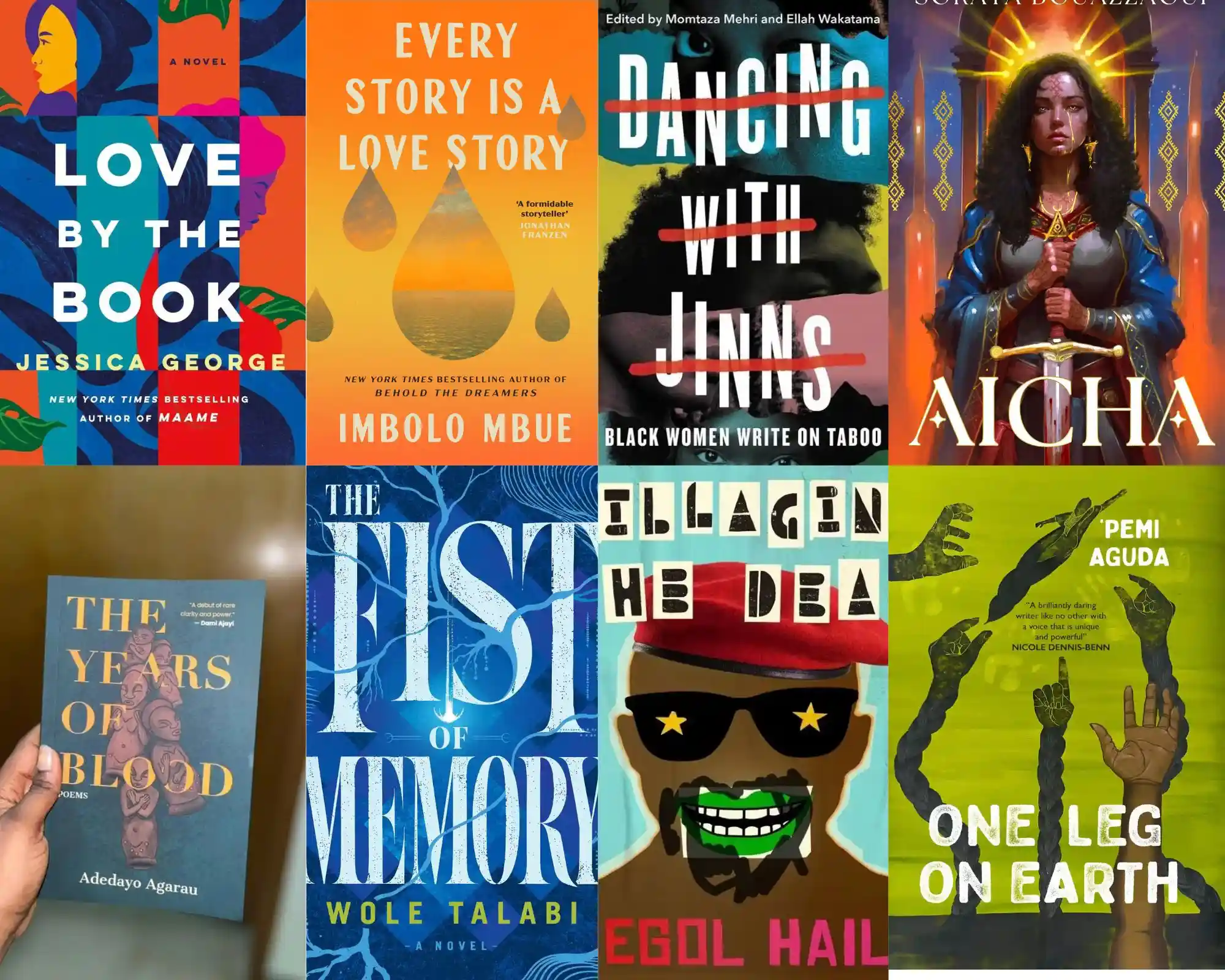
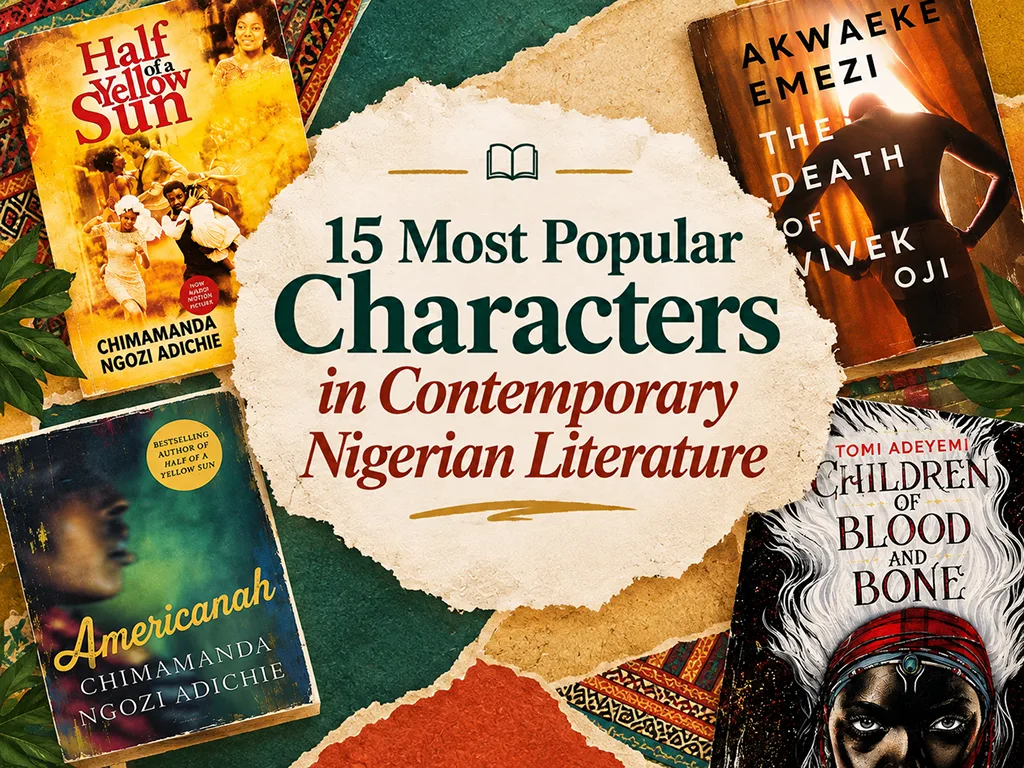
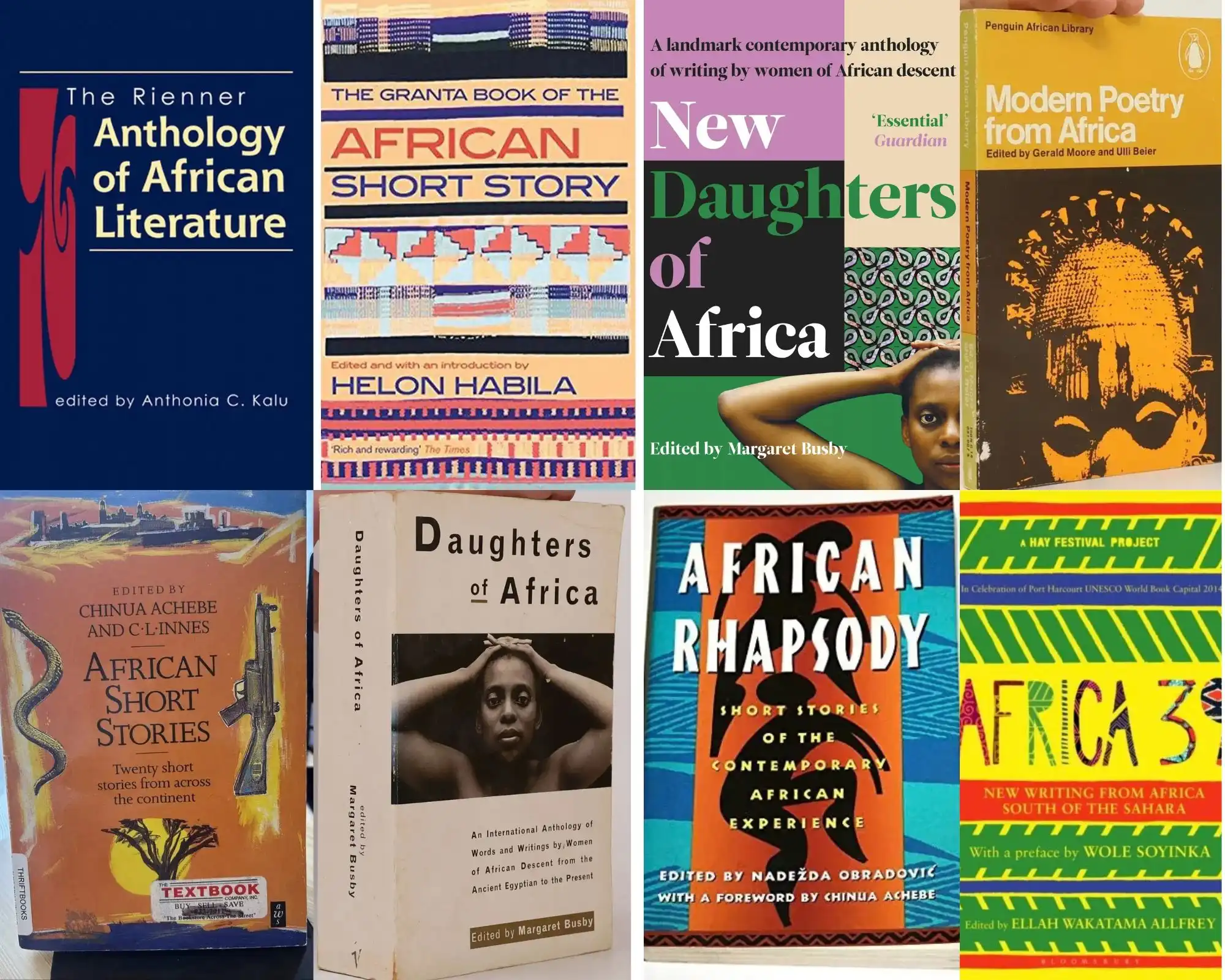
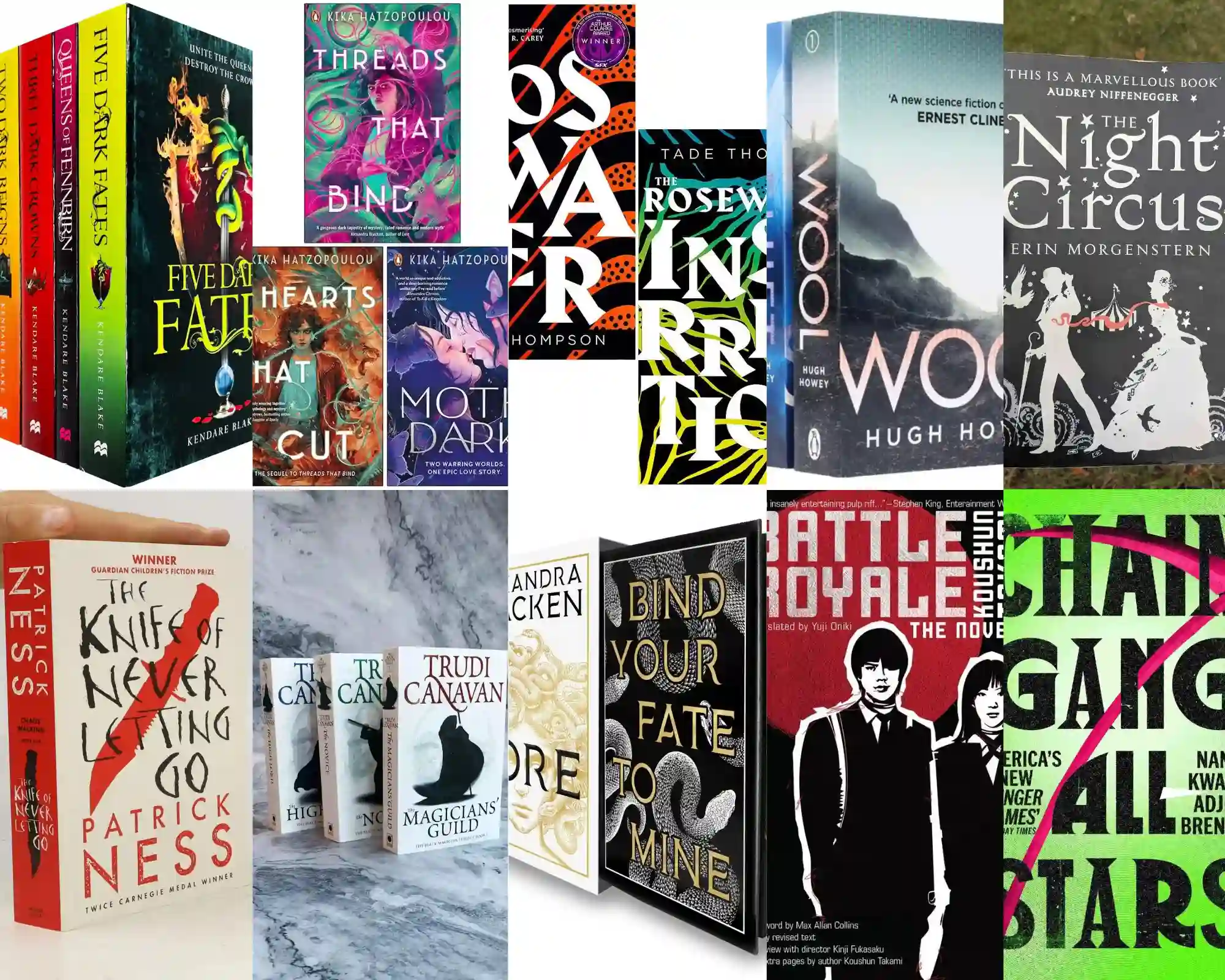
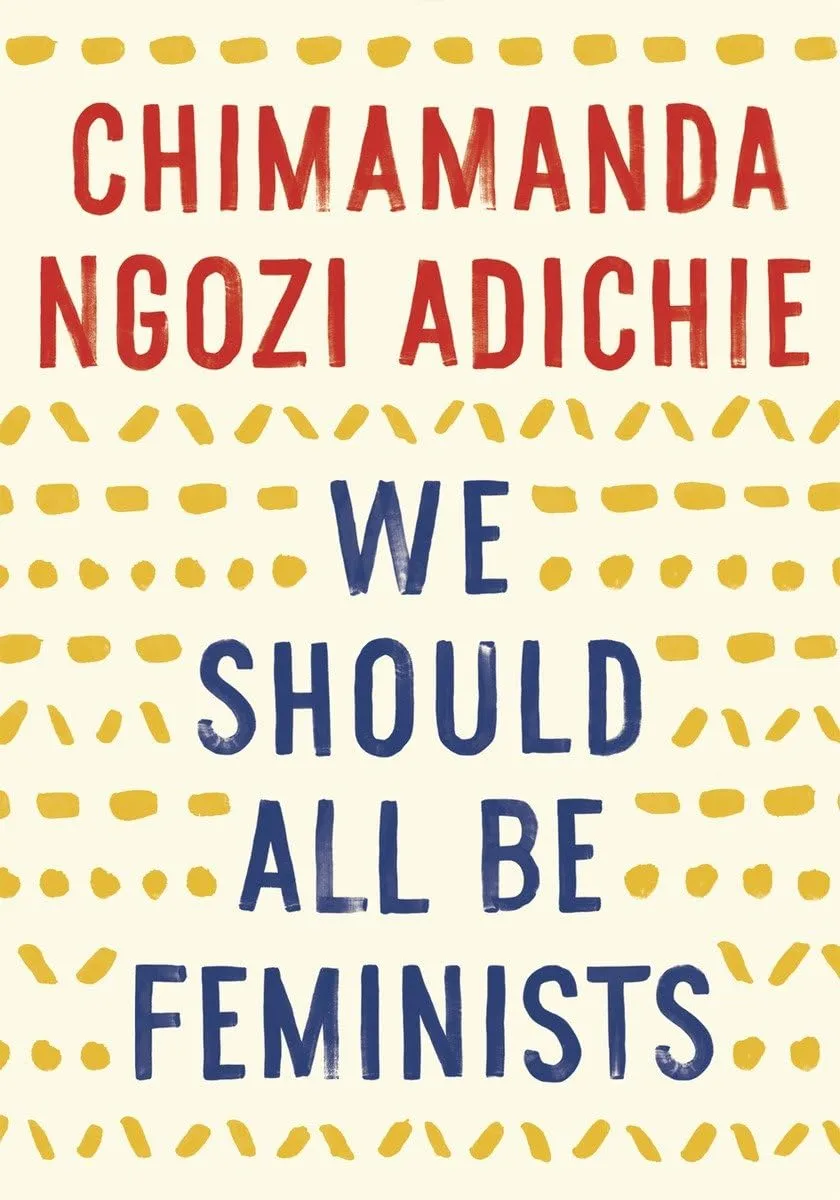
You can read more about the Nigerian Civil War in these books:

The Tyrant Overlord. Fantasy buff and avid football fan.
Best Films About Unexpected Age Gap Romance
Literary Awards and the Racism Card: A Wake-Up Call for Black Africa
Interview with the Vampire Relationships, Ranked
10 Top Recent Films for Action and Comedy Fans
Comma Rules Every Writer Should Know
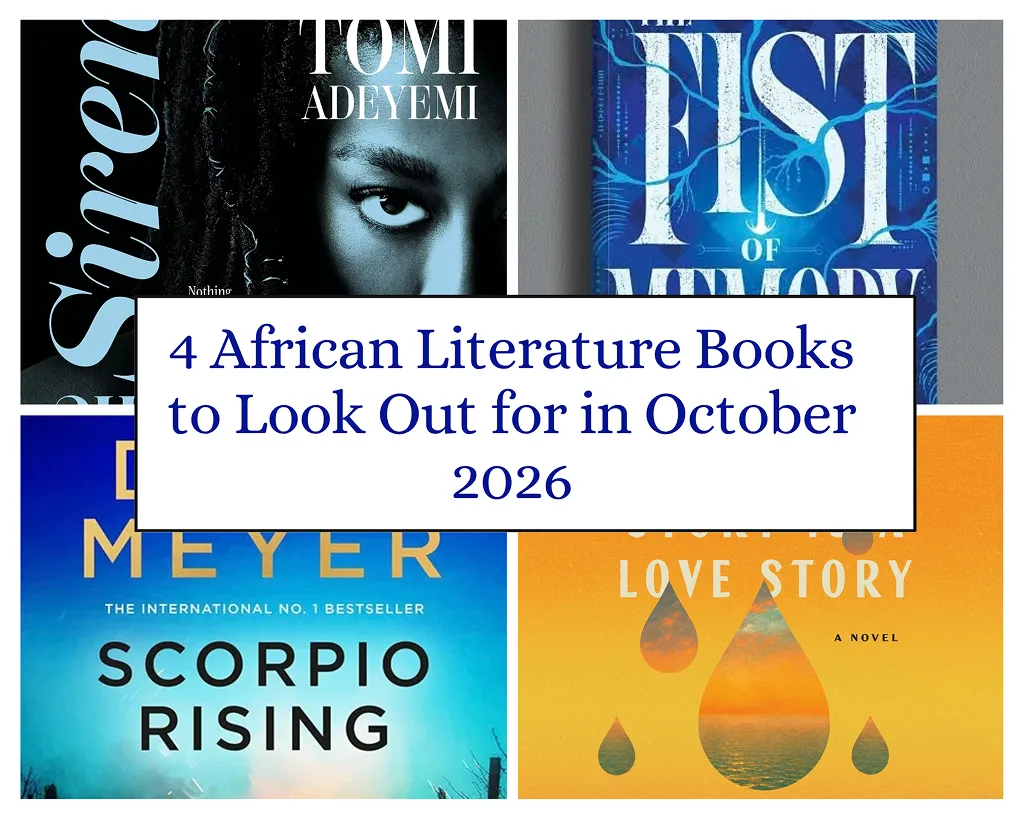
10 Most Hype-worthy 2026 Book Releases (African Literature Version)
Five Gambling Films That Know the Bet Is Only Half the Story
Movies Where Poker Reveals Who a Character Really Is
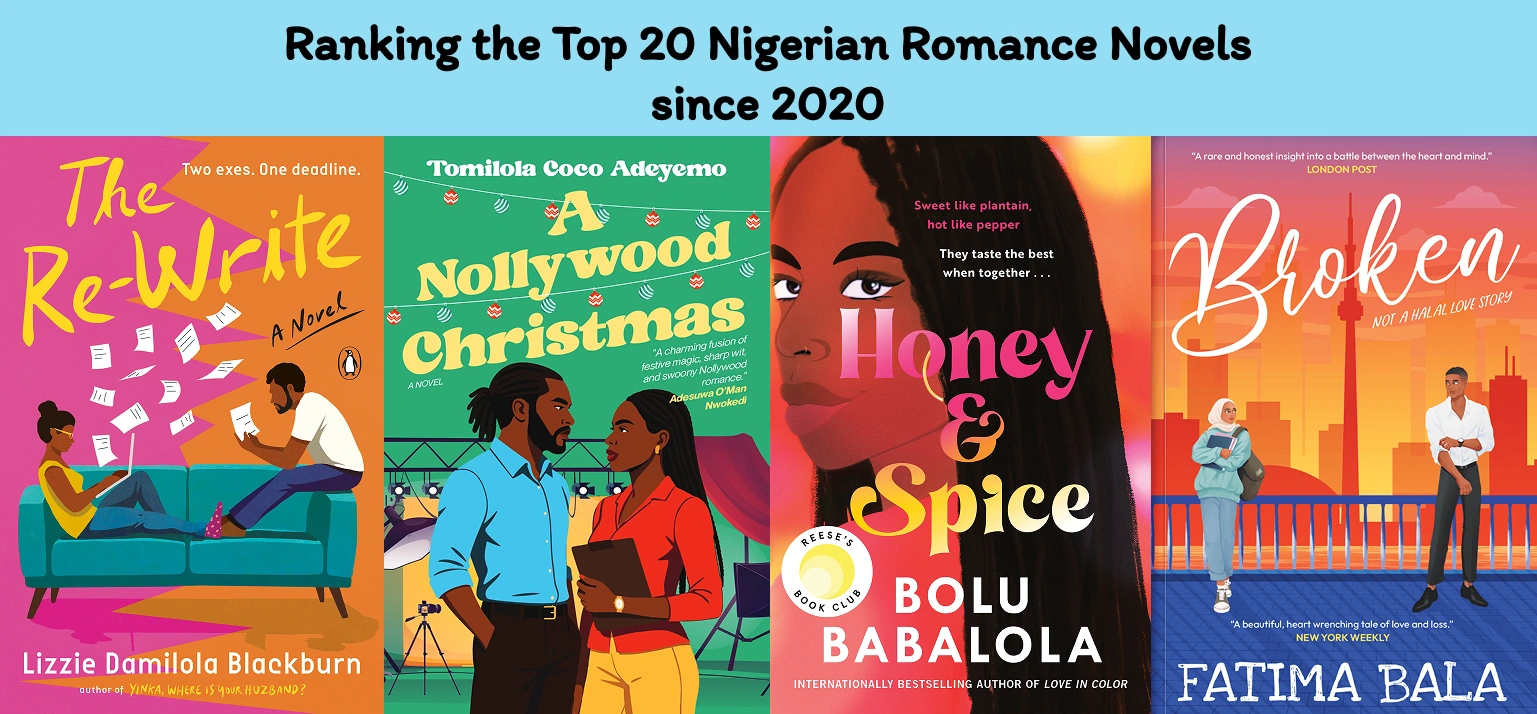
Ranking the Top 20 Nigerian Romance Novels since 2020
In Defense of Reading and Gaming
8 Third-Person Omniscient Examples for the Plot
A Trade of Blood (Ana and Din Mysteries #3) by Robert Jackson Bennett
July 20, 2025 .
Animation, Lists
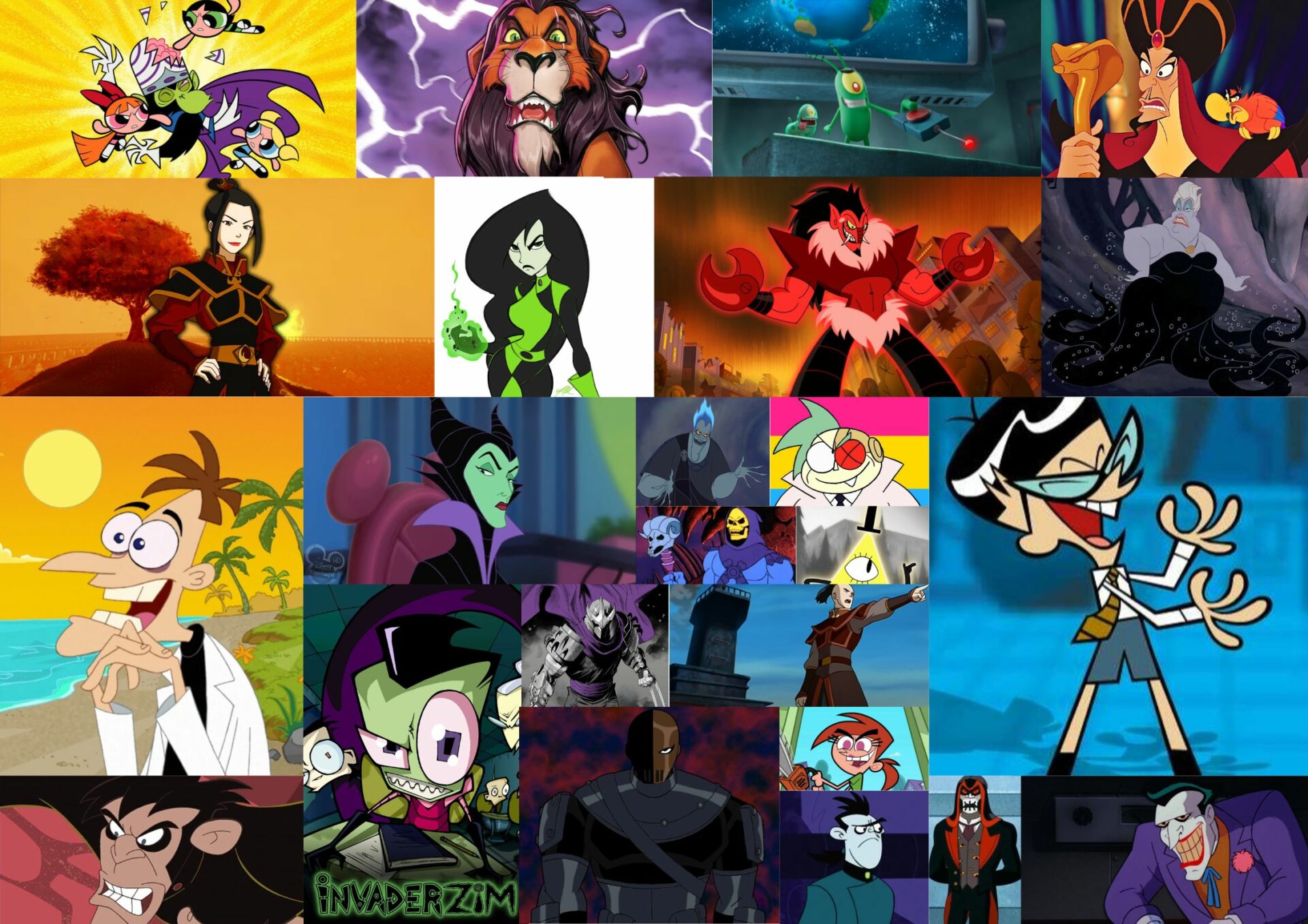
Our list rounds up the top 30 cartoon characters that were villains, each one more wonderfully wicked than the last.
READ MORE
October 28, 2025 .
Lists, Marvel, MCU, Opinions
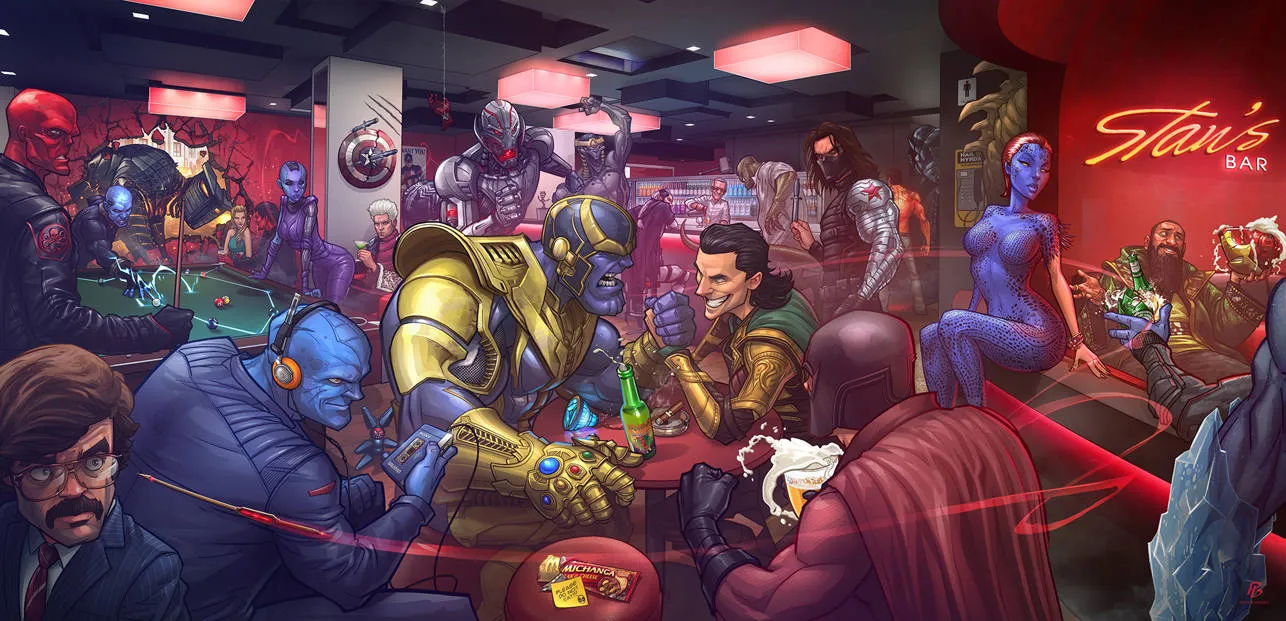
Let’s go through a list of the top 7 strongest Marvel villains, from the wickedly powerful to the absolutely unstoppable.
READ MORE
April 29, 2026 .
Lists, Opinions
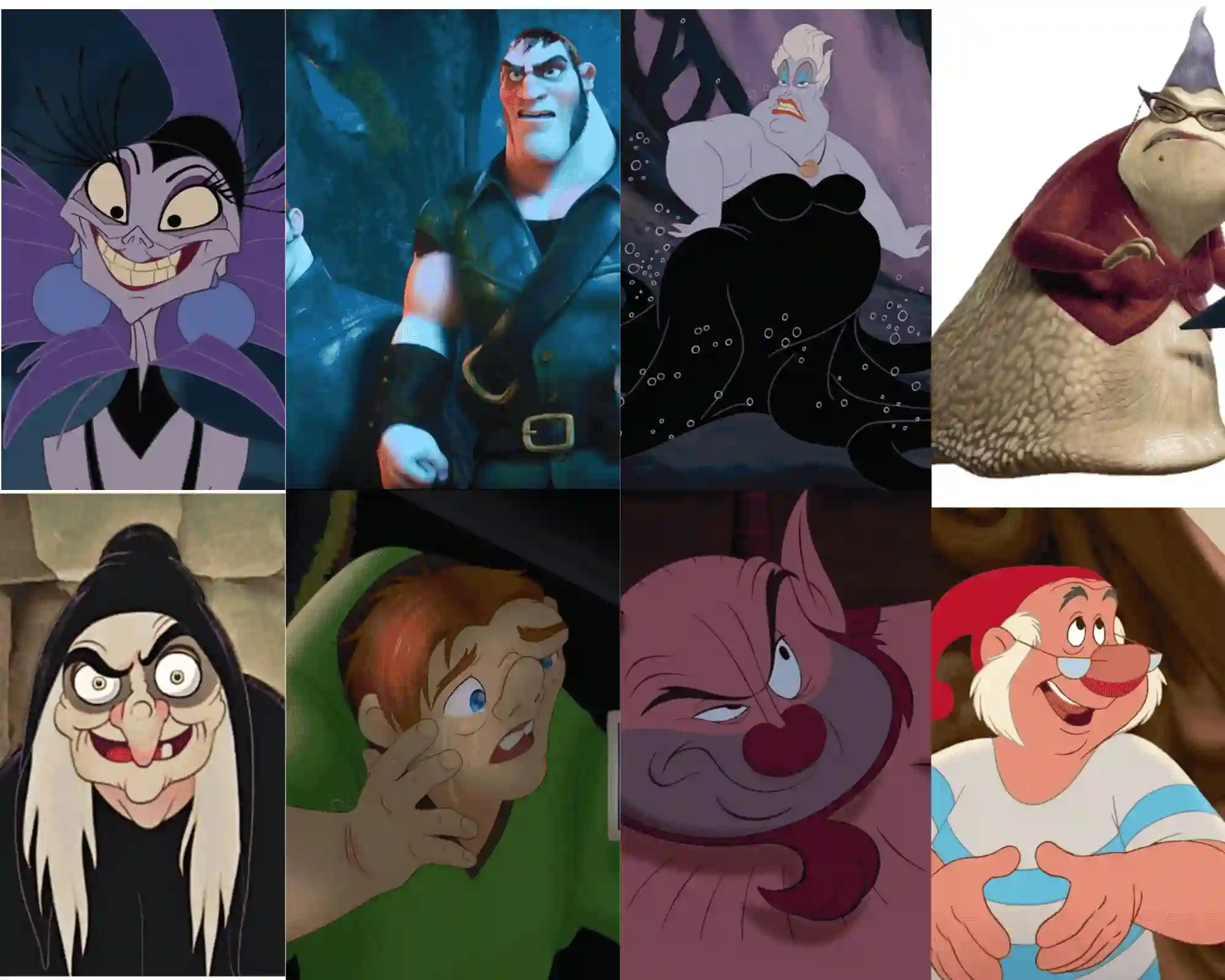
The Mouse is famous for its princesses and princes. However, the studio’s true genius lies in its embrace of “ugly Disney characters”.
READ MORE
November 27, 2025 .
Lists, Mythology
While this isn’t an exhaustive list, it comprises some of the most popular mythical creatures from around the world.
READ MORE
May 6, 2026 .
Lists, MCU
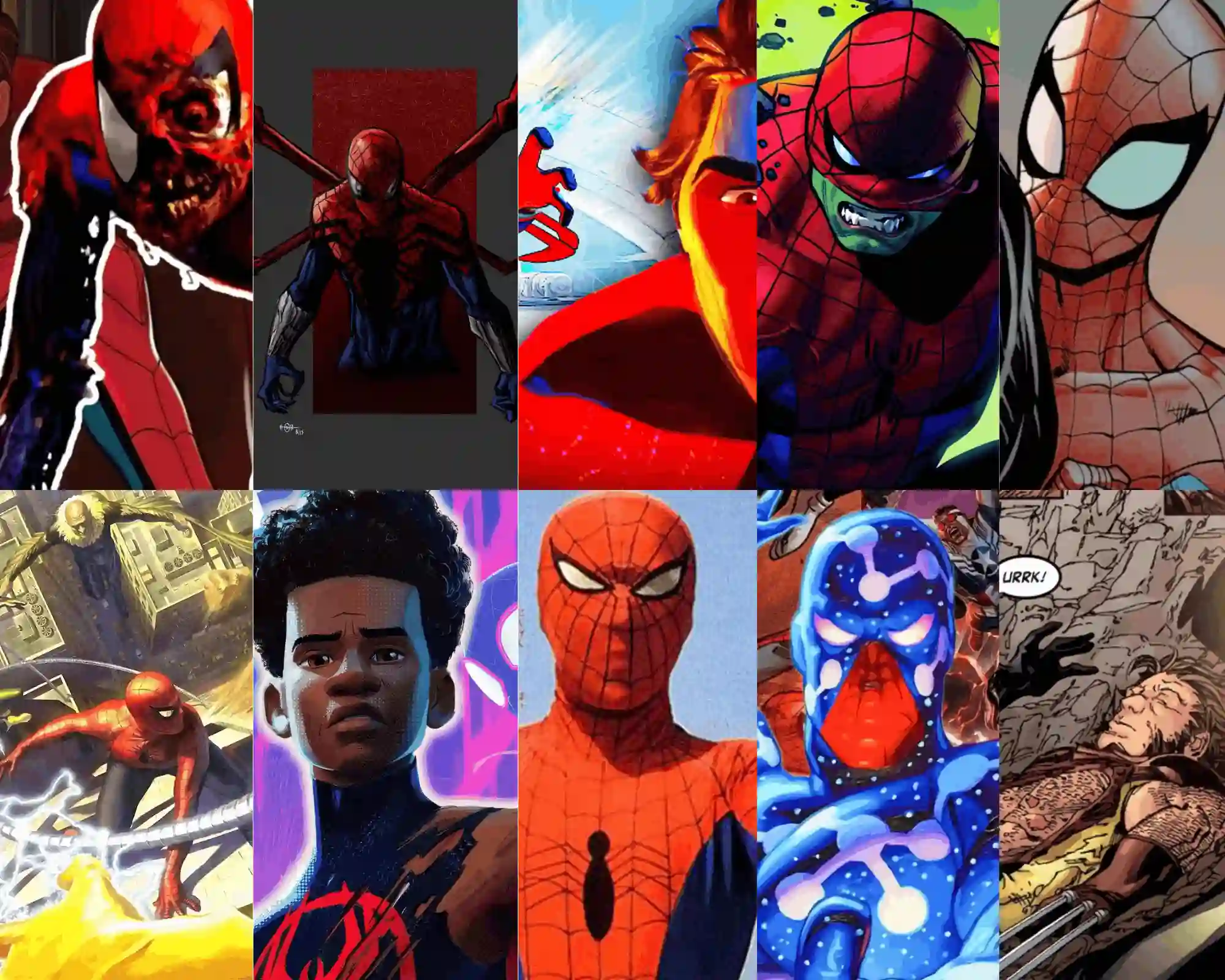
Spider-Man is one of the many superheroes from the Marvel Universe whose stories shaped many childhoods. Who is your strongest Spiderman?
READ MORE

July 20, 2025 .
Essays, Opinions
READ MORE

July 20, 2025 .
Essays, Opinions
READ MORE

July 20, 2025 .
Essays
Except if you have been living under a rock or in outer space since the beginning of time, there is no way you wouldn’t have heard of Wole Soyinka.
READ MORE

July 20, 2025 .
Essays, Opinions
READ MORE
September 12, 2025 .
Essays, Fantasy, Opinions
Fantasy is everything that lies in the realm of the fantastic. And, the more deviant from reality it is, the better.
READ MORE
July 20, 2025 .
Essays, Opinions
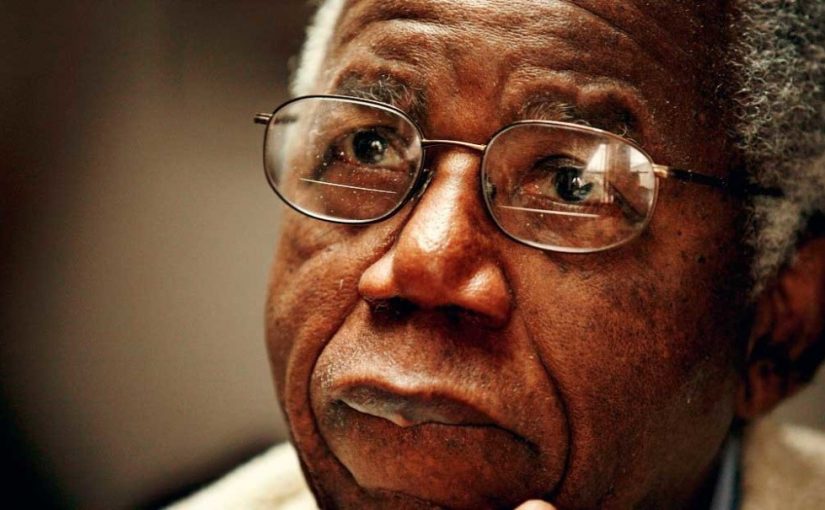
African literature embraces inclusivity, harnessing words as a medium to impart wisdom, preserve truths, and honor ancestral struggles.
READ MORE

October 22, 2025 .
Essays, Writer Resources
Ever found a book that looks like a comic but tells a complete, well-structured story? Congratulations, it’s a graphic novel.
READ MORE
July 18, 2026 .
Disney, Essays
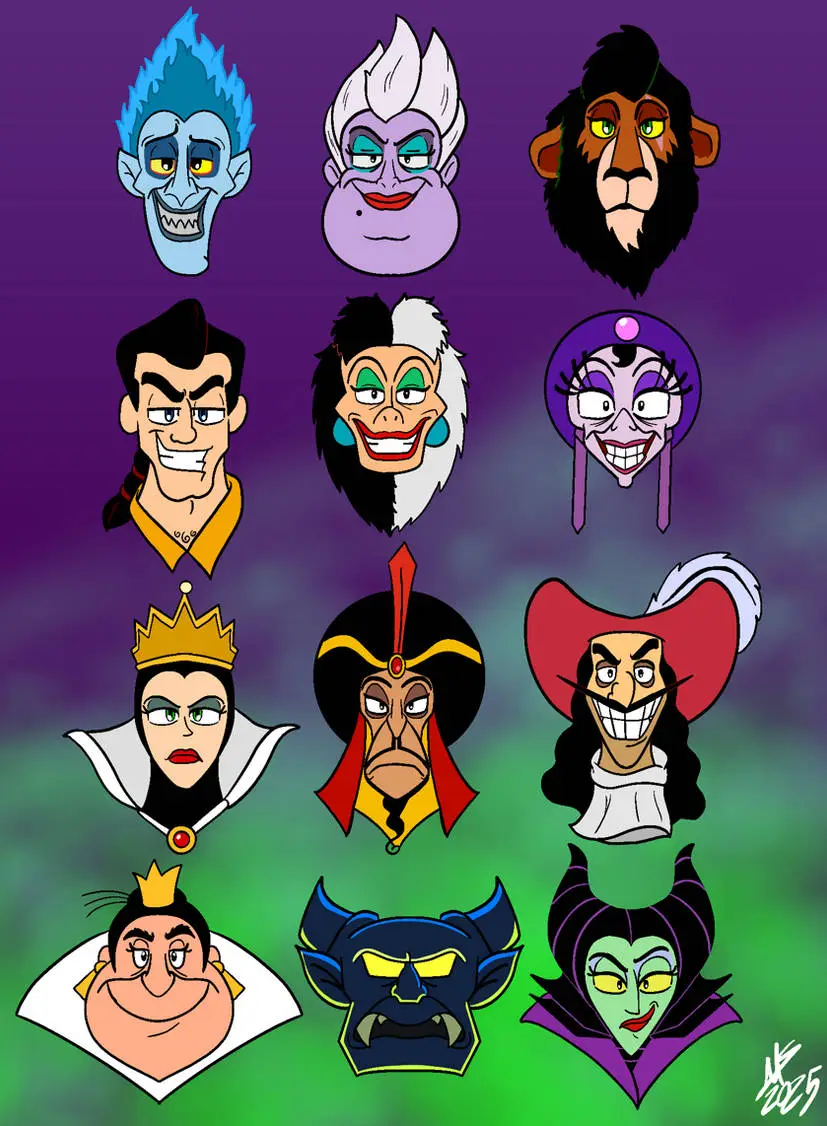
Let’s examine the trend of softening Disney villains, its implications, and viewers’ responses to less sensitive material.
READ MORE
July 24, 2025 .
Essays, Writer Resources
READ MORE
Get our magazine for free!