Close menu
Ranking the best of African Literature














See the six best works of African Literature books turned into movies. See which films captured the magic and which fell short!

African literature is rich with powerful stories that capture history, culture, and social struggles. Some of these books have been adapted into films, bringing them to wider audiences.
Here are six of the best African literature books that have been turned into movies.
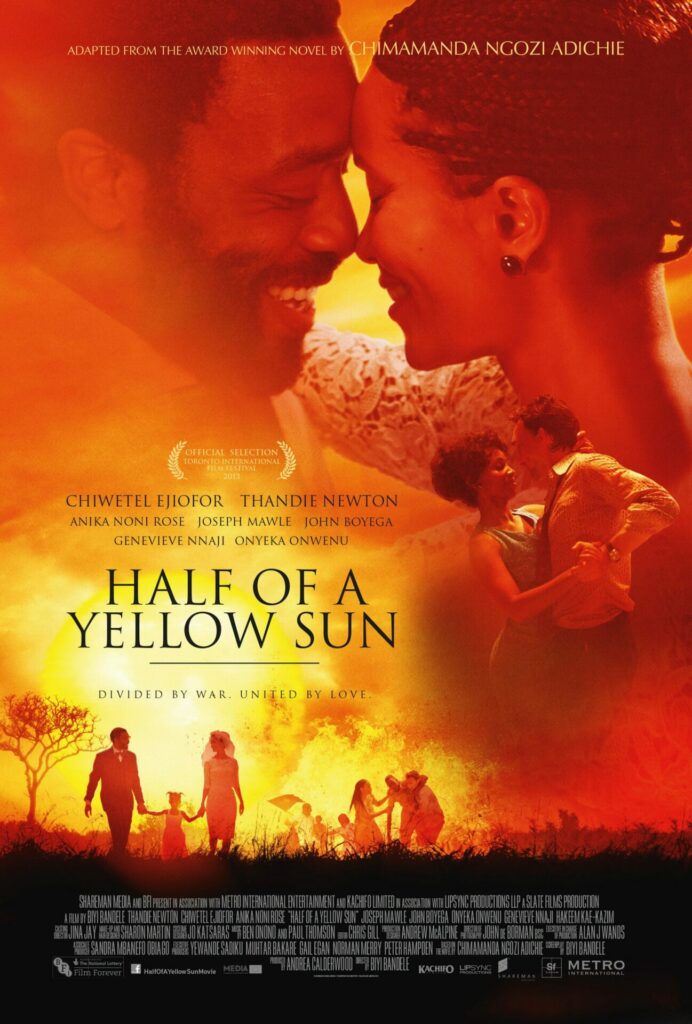
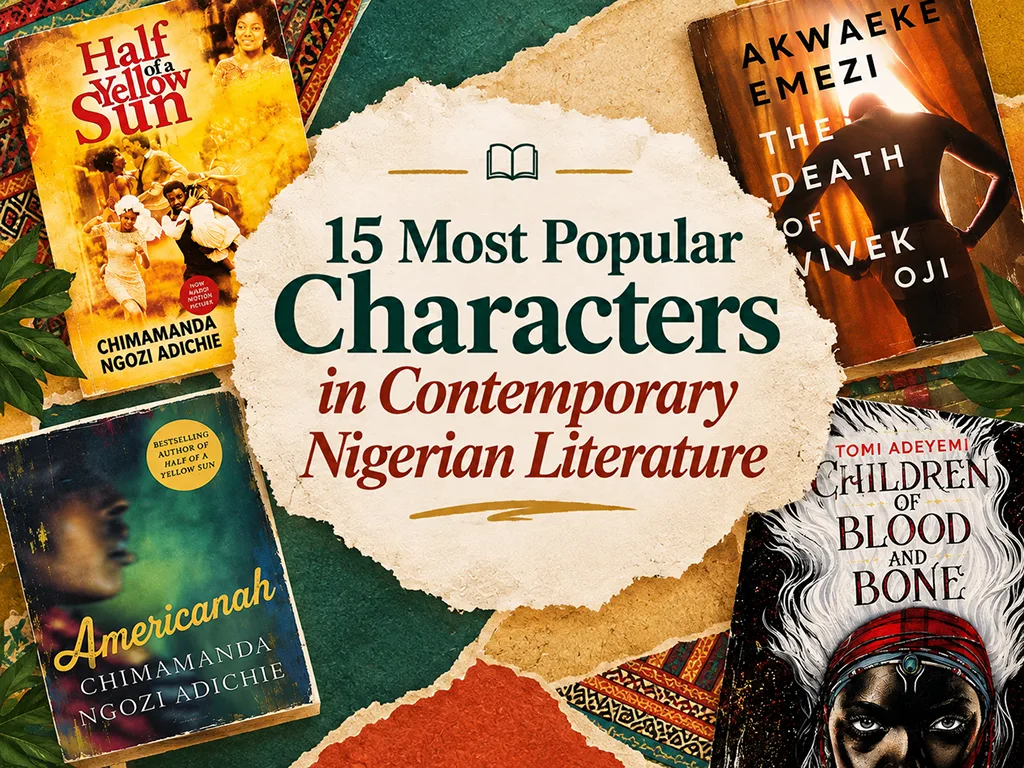
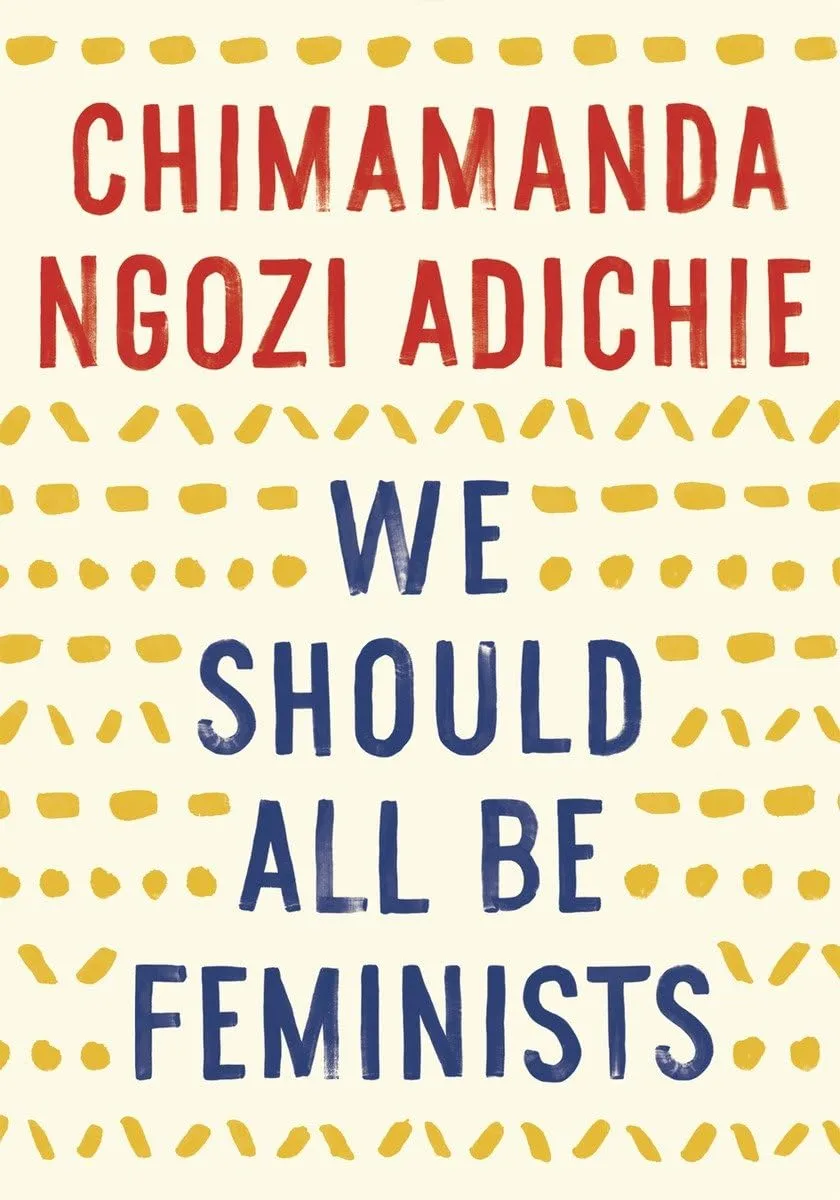
Set during the Biafra War in Nigeria, Half of a Yellow Sun follows Olanna, Ugwu, and Richard, whose lives are forever changed by war. The novel explores love, betrayal, survival, and the impact of colonial history on Nigeria. Adichie paints a vivid and emotional picture of a defining moment in African history.
The 2013 film adaptation, starring Chiwetel Ejiofor and Thandie Newton, failed to fully capture the novel’s depth. The movie simplified complex historical themes, making it feel rushed and incomplete. The book remains the best way to experience this powerful story.
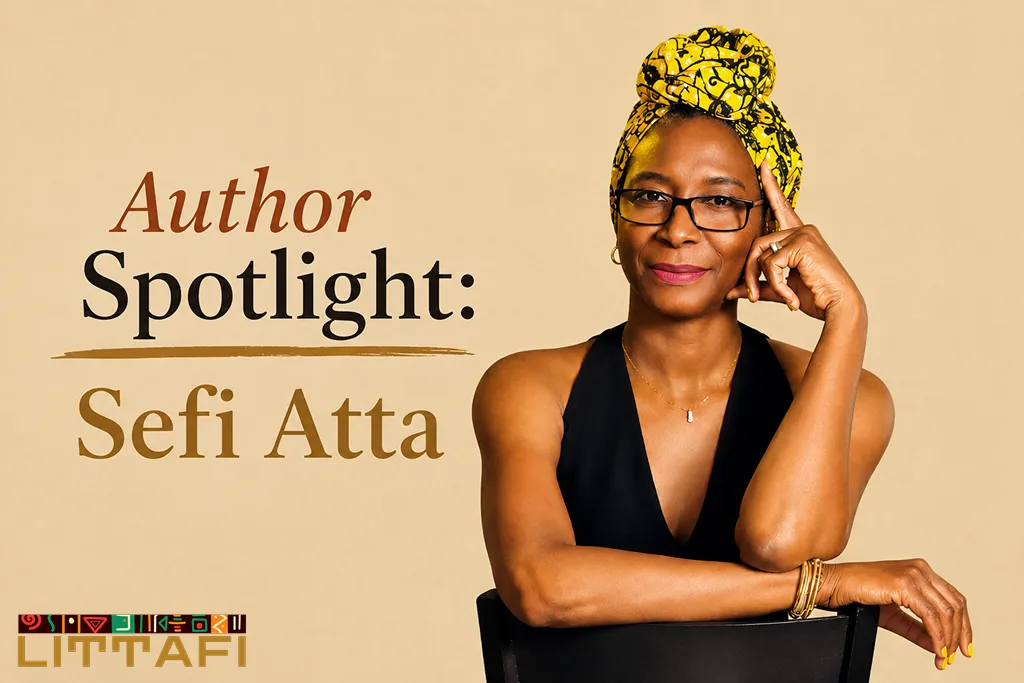
Sefi Atta’s Swallow is a thought-provoking novel set in 1980s Lagos, exploring gender roles, corruption, and survival.
The 2021 Netflix adaptation, directed by Kunle Afolayan, shifts focus to a political critique, adding more historical context to Nigeria’s military era.
Another major change is the narrative style—Atta’s novel is a first-person reflection, while the film takes a more detached, visual approach. The adaptation captures the atmosphere of Lagos well, but it lacks the novel’s emotional depth.
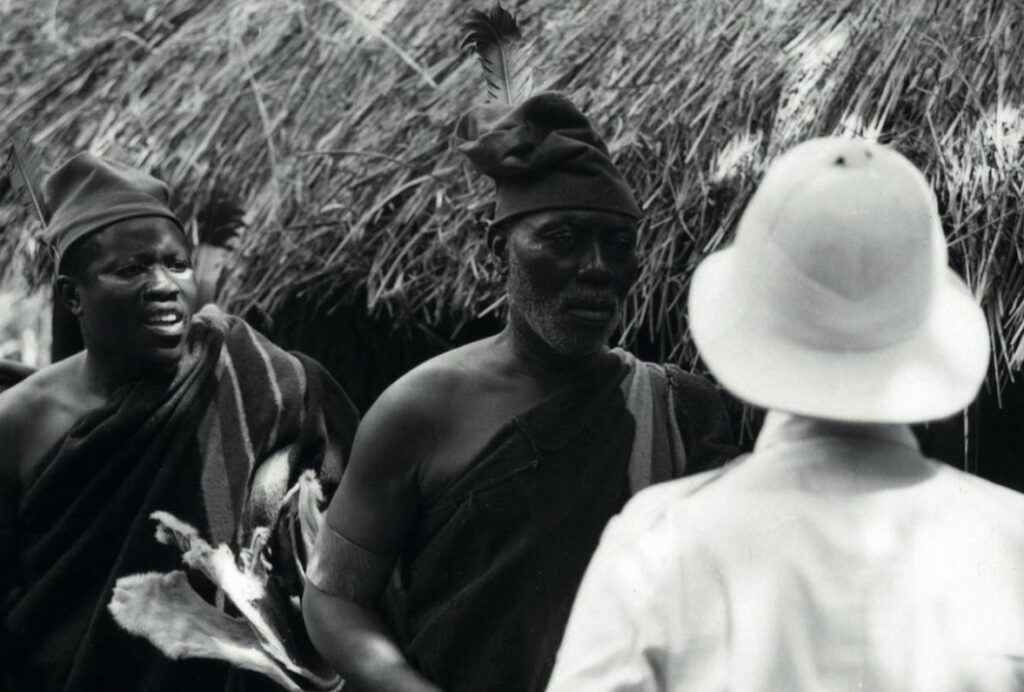
Achebe’s novel is a classic of African literature, telling the tragic story of Okonkwo, a proud Igbo warrior whose world is shattered by colonialism and Christianity. The book provides a deep insight into Igbo traditions and beliefs, showing how foreign influence disrupts their society.
The 1971 film adaptation, starring Johnny Sekka, tried to stay true to the book but failed to capture the depth of Igbo culture and Okonkwo’s inner struggles. The novel’s use of proverbs and rich storytelling did not translate well to the screen. The book remains the best way to experience this timeless African tragedy.
In other news, Idris Elba is preparing to star in and produce the latest adaptation of the book– a TV series in the works at A-24 Studio.
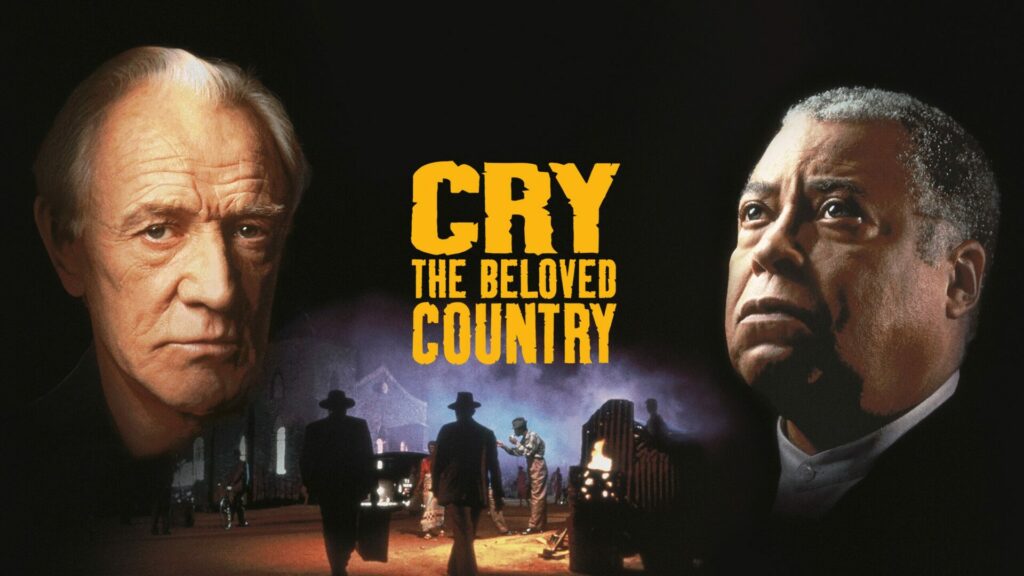
This South African classic follows Reverend Stephen Kumalo, a rural priest who travels to Johannesburg to find his missing son. The novel explores racial injustice, poverty, and reconciliation during the early years of apartheid. Paton’s writing is emotional and poetic, showing both the pain and hope within South Africa.
There have been two movie adaptations, one in 1951 and another in 1995 starring James Earl Jones. Both films capture the book’s main themes and are a must-read for those interested in South African history.
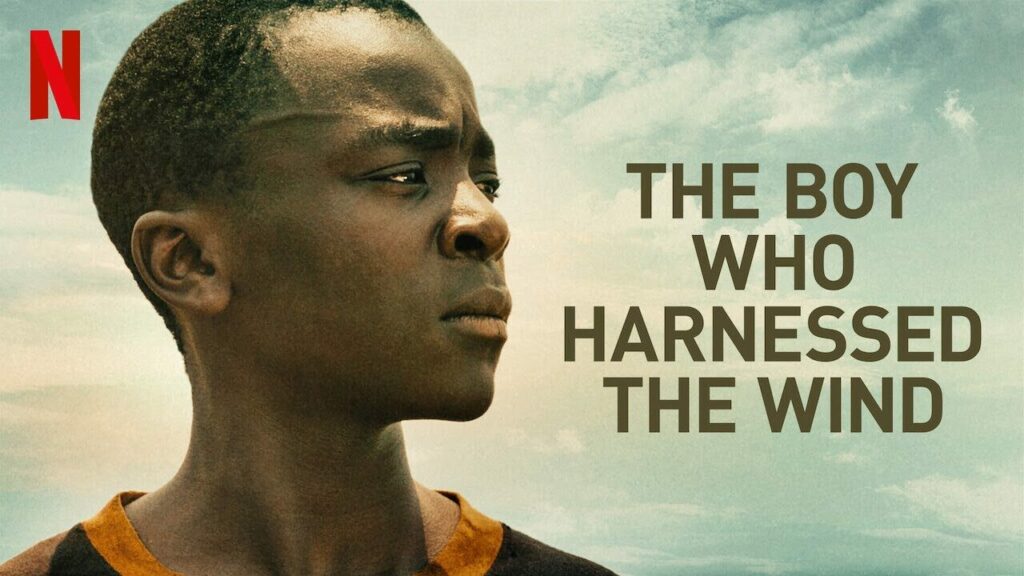
This true story follows William Kamkwamba, a Malawian boy who built a windmill to generate electricity for his village. The book is an inspiring tale of innovation, resilience, and the power of education.
The 2019 film adaptation, directed by and starring Chiwetel Ejiofor, stayed mostly true to the book. However, some key details about William’s struggles and motivations were simplified. While the movie is inspiring, the book offers a deeper understanding of his journey.
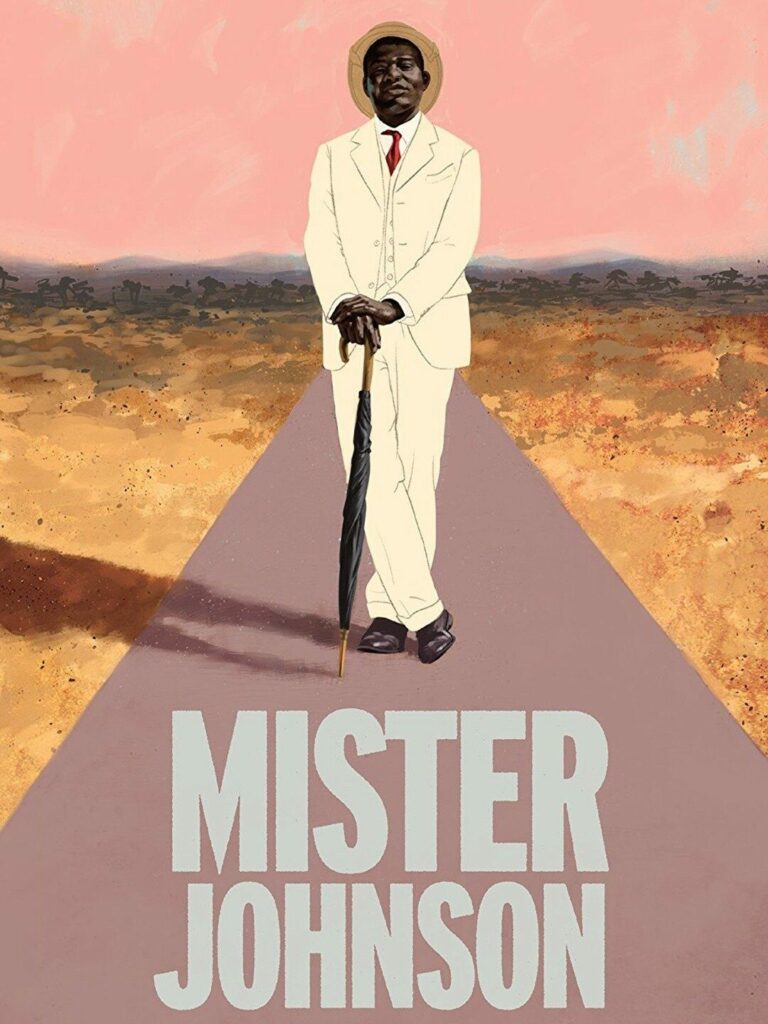
Set in colonial Nigeria, Mister Johnson tells the story of a Nigerian clerk who admires British rule but fails to understand its oppressive nature. His blind loyalty leads to his downfall.
The 1990 film adaptation, starring Maynard Eziashi and Pierce Brosnan, simplified many of the book’s themes. While the film portrays Johnson’s tragedy, it does not fully explore the colonial power dynamics that make the novel so thought-provoking.
Which of these stories have you read, or seen? Let us know in the comments.

The Tyrant Overlord. Fantasy buff and avid football fan.
15 Writing-Adjacent Careers for Writers Looking for a Career Change
Authors Spotlight: Khaled Hosseini
The Sound Souls Make When They Die by Chinemefun Chimuanya
If Nollywood Cast Our Favourite African Books: Who Would Play Who?
Best Films About Unexpected Age Gap Romance
Literary Awards and the Racism Card: A Wake-Up Call for Black Africa
Interview with the Vampire Relationships, Ranked
10 Top Recent Films for Action and Comedy Fans
Comma Rules Every Writer Should Know
10 Most Hype-worthy 2026 Book Releases (African Literature Version)
Five Gambling Films That Know the Bet Is Only Half the Story
Movies Where Poker Reveals Who a Character Really Is
July 20, 2025 .
Animation, Lists
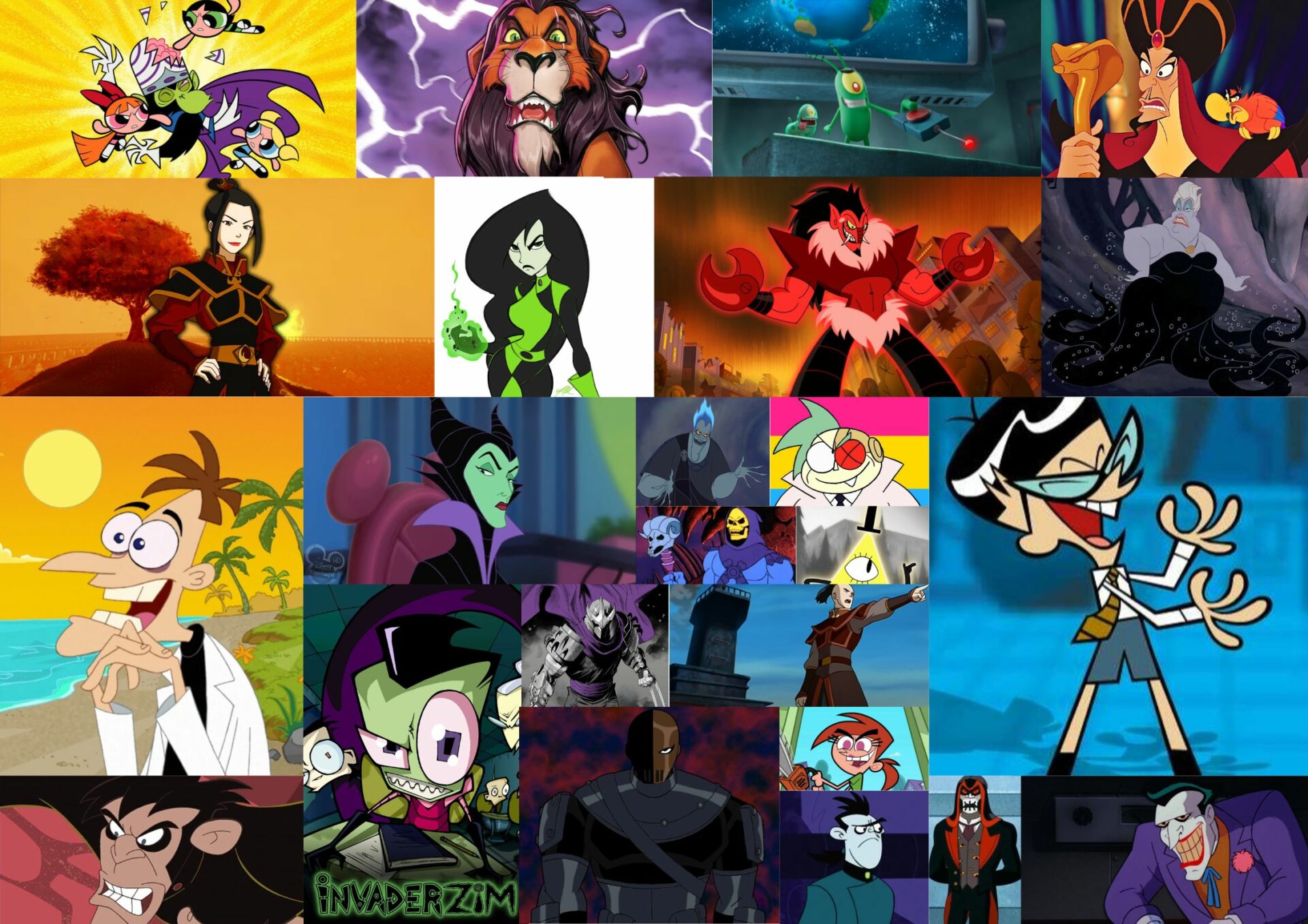
Our list rounds up the top 30 cartoon characters that were villains, each one more wonderfully wicked than the last.
READ MORE
November 27, 2025 .
Lists, Mythology
While this isn’t an exhaustive list, it comprises some of the most popular mythical creatures from around the world.
READ MORE
April 29, 2026 .
Lists, Opinions
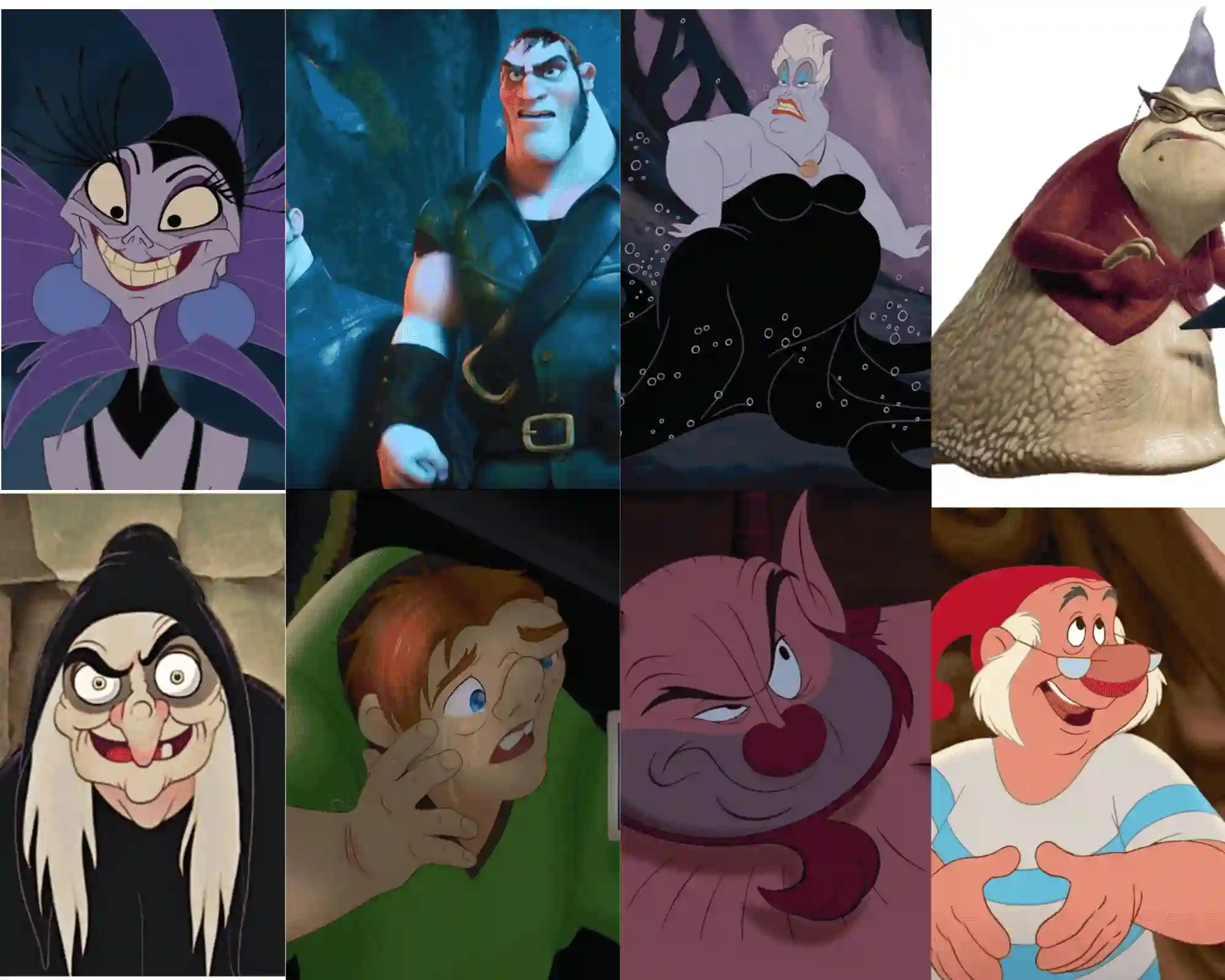
The Mouse is famous for its princesses and princes. However, the studio’s true genius lies in its embrace of “ugly Disney characters”.
READ MORE
October 28, 2025 .
Lists, Marvel, MCU, Opinions
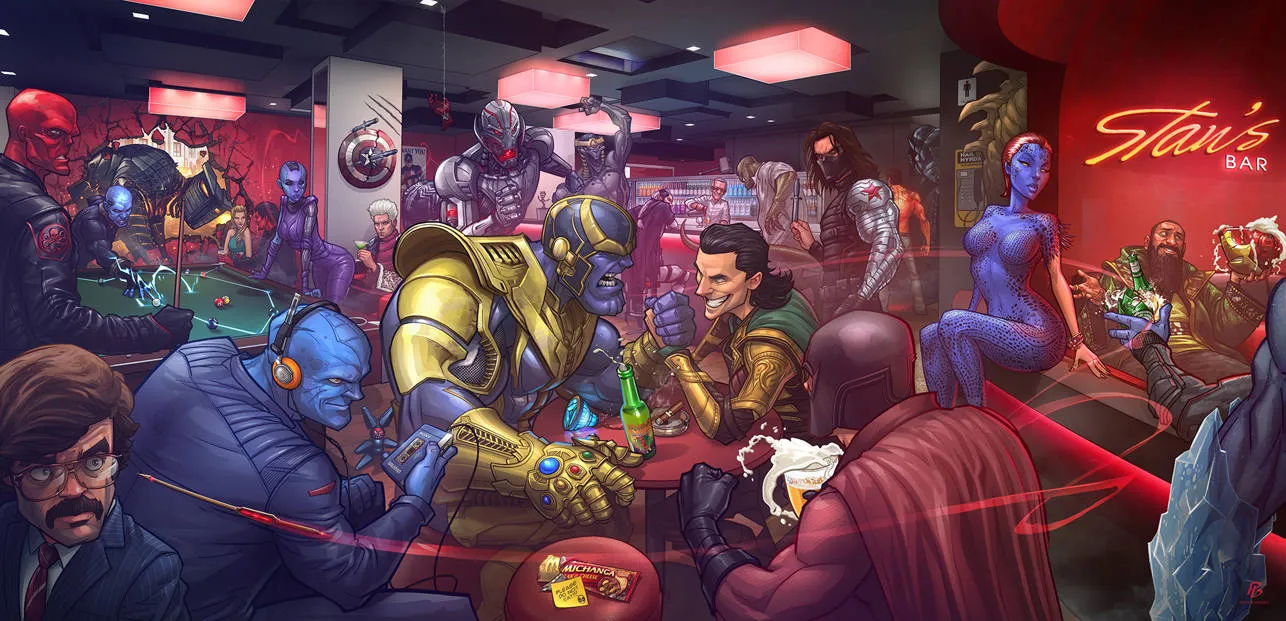
Let’s go through a list of the top 7 strongest Marvel villains, from the wickedly powerful to the absolutely unstoppable.
READ MORE
February 26, 2026 .
Cartoons, Lists
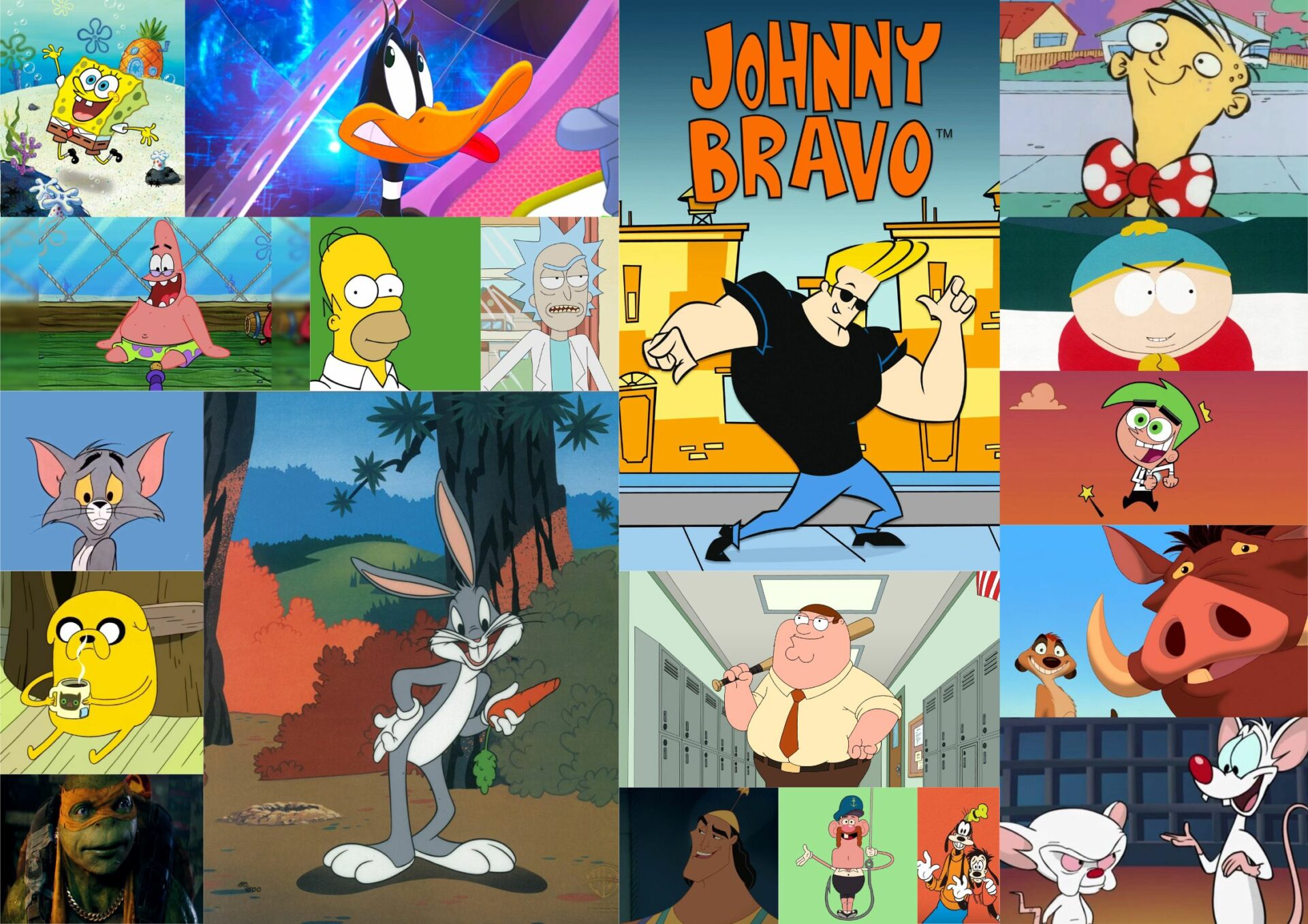
There are some outright funny cartoon characters who exist solely to crack you up, loud, hard, and with zero apology.
READ MORE

July 20, 2025 .
Opinions
Book recommendations from random places don’t always cut it, and you often end up feeling unsatisfied with them.
READ MORE

July 20, 2025 .
Essays, Opinions
READ MORE

July 20, 2025 .
Essays, Opinions
READ MORE

September 11, 2026 .
Opinions
Book reviews aren’t just a jumble of words on how a book made you feel but also a veritable document that you can quickly refer to when your memories temporarily fail you.
READ MORE

July 20, 2025 .
Opinions
Reading hundreds of pages for a single book can be like facing Smaug, Chiefest of Calamities, but a short story is a small dragon that you can easily conquer.
READ MORE

July 20, 2025 .
Debates, Opinions
Reading nonfiction about what interests you can provide more color and context that might make your fiction reading experience more enjoyable.
READ MORE
September 12, 2025 .
Opinions
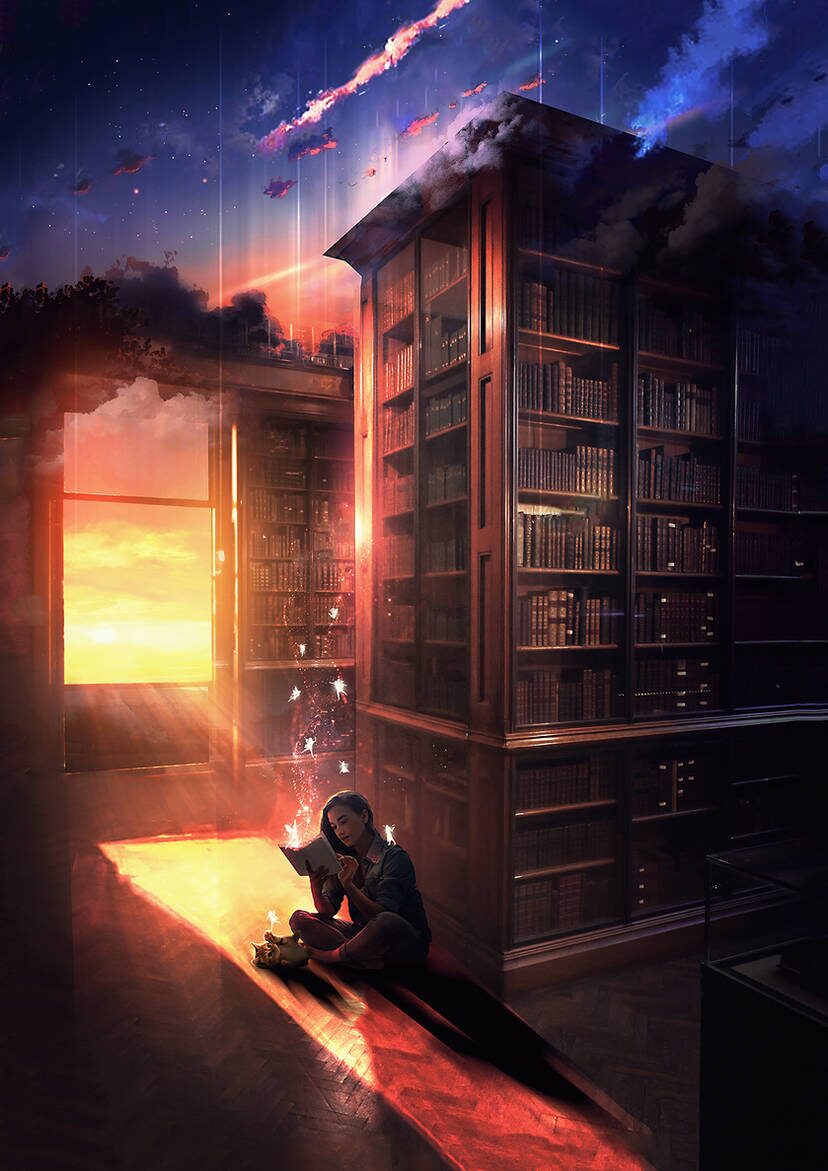
In a fast-paced world, reading asks us to slow down, surrender, and sit with another person’s words long enough for them to settle inside us.
READ MORE
November 24, 2025 .
Debates, Opinions
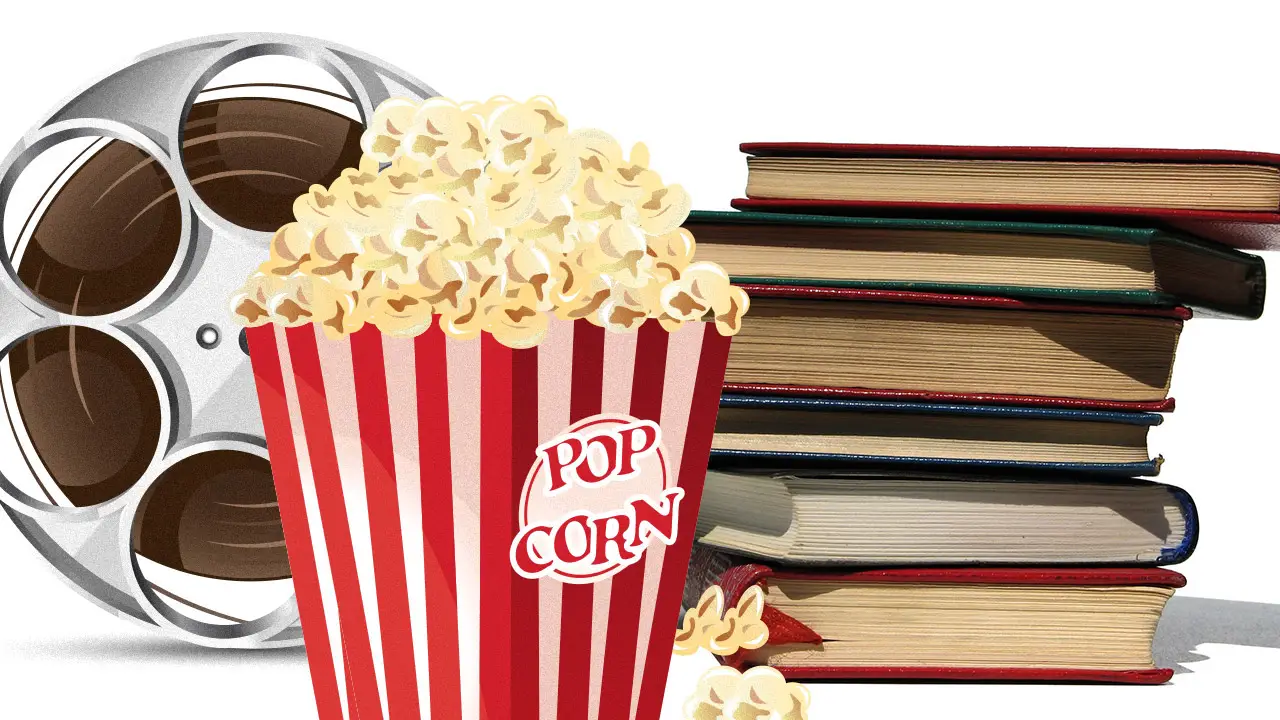
Reading is active while watching movies is passive. The act of turning pages creates a pause that enhances understanding.
READ MORE
July 26, 2025 .
Fantasy, Opinions
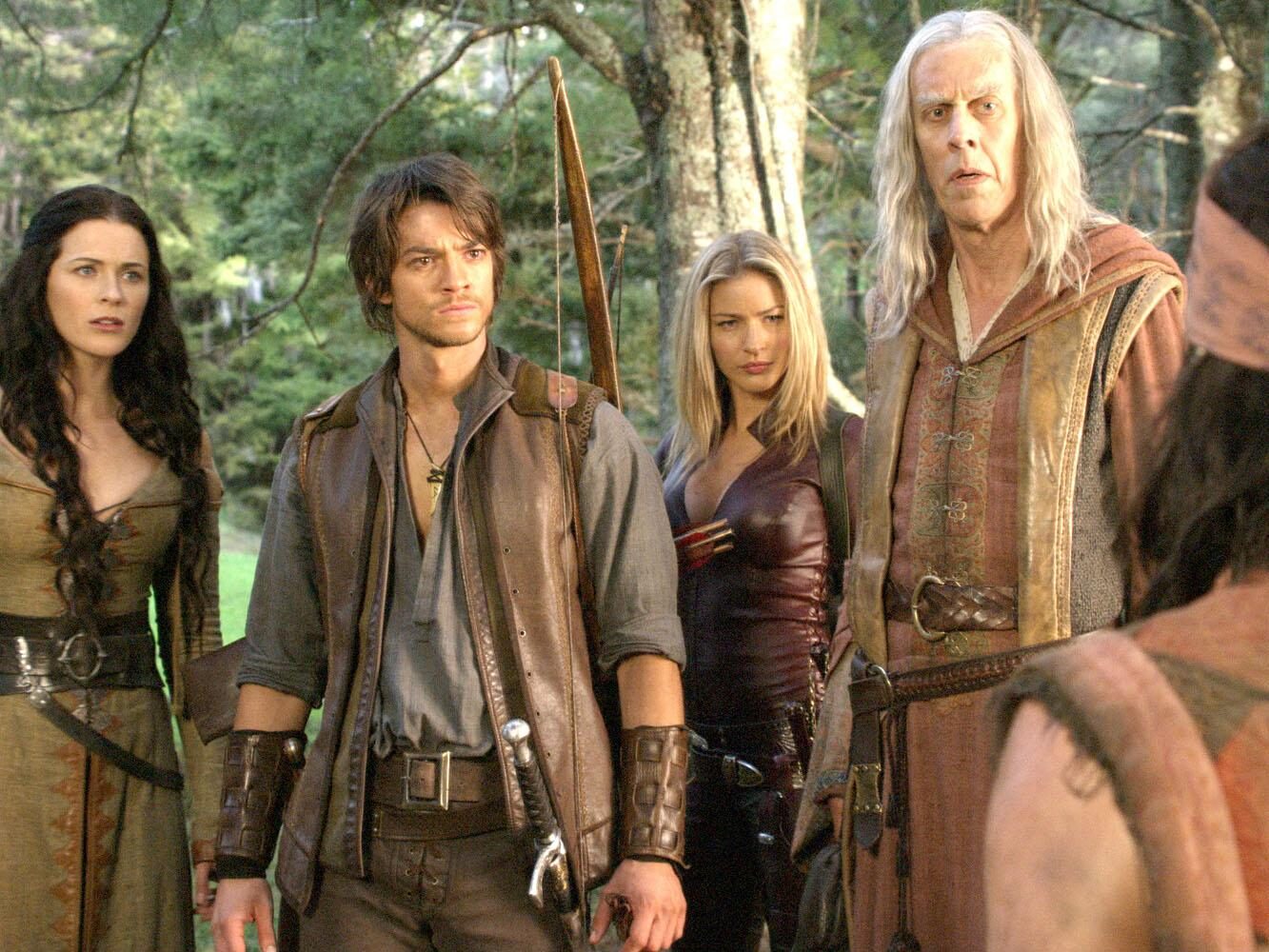
It’s cliche. But it’s rapid. It’s predictable. But it’s enjoyable. For lovers of the classic tropes, Legend of the Seeker is a worthy watch.
READ MORE
Get our magazine for free!