Close menu
Ranking the best of African Literature

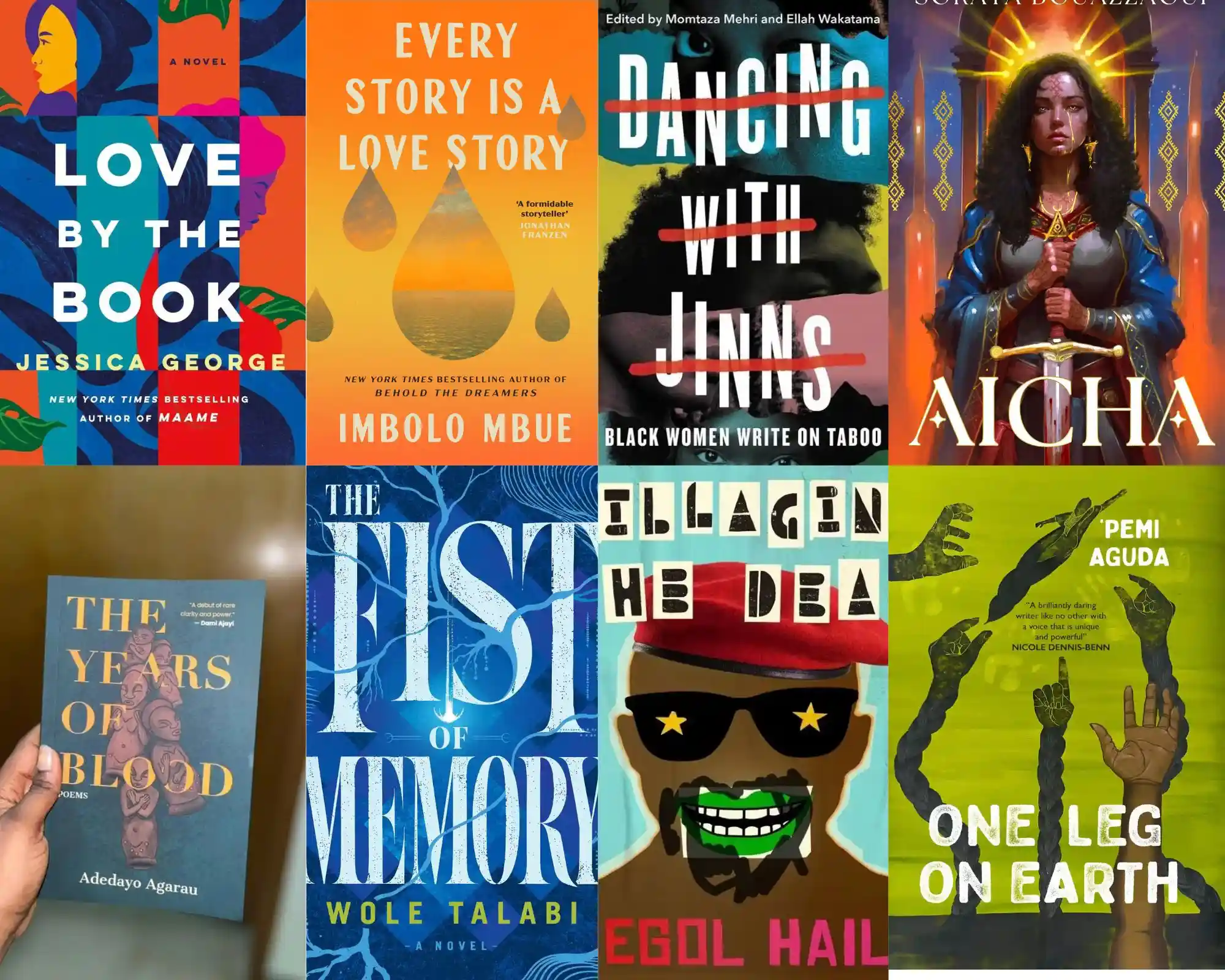
















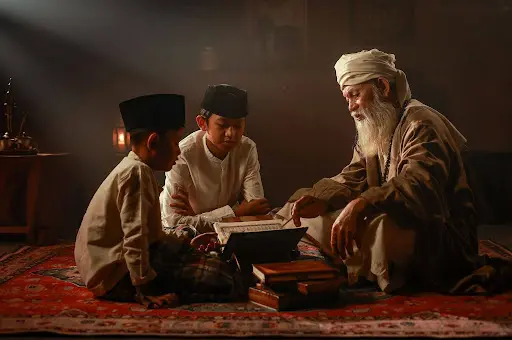

African novels deserve to be narrated by African voices—not only for authenticity but also to preserve the integrity of the stories.
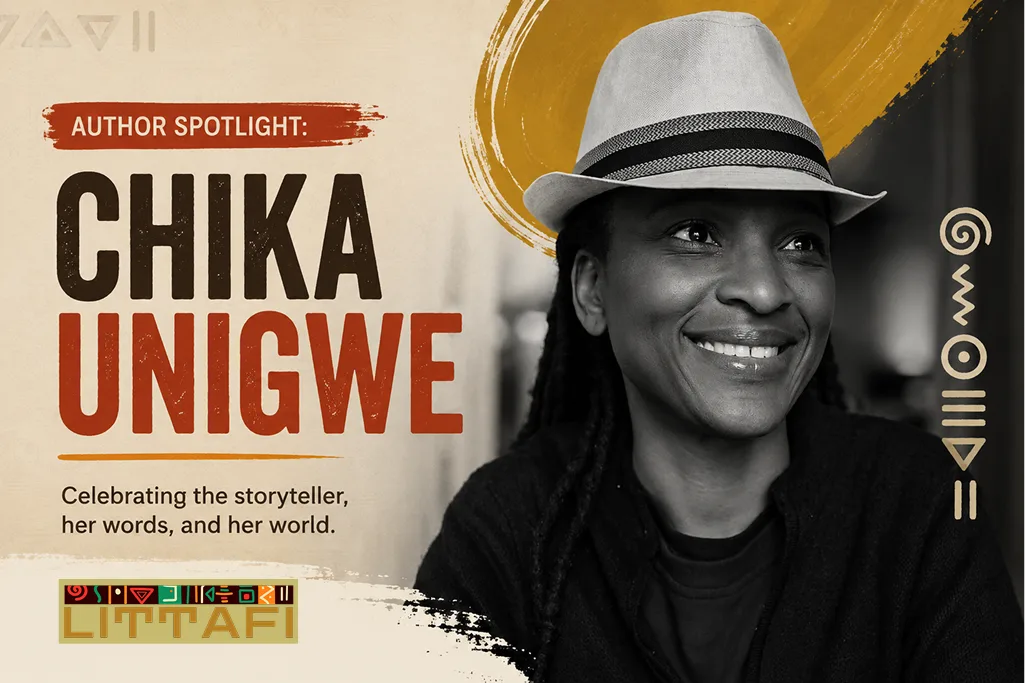
I woke on a particularly cold morning in Canada to a sudden nostalgic urge to read a Nigerian novel. So I opened my Libby app, found Chika Unigwe’s On Black Sister’s Street, and eagerly borrowed the audiobook to listen to.
From the very start, I was shocked by how odd and unnatural the narrator’s voice sounded and how poorly they pronounced the Nigerian Pidgin words, which featured a lot in the book.
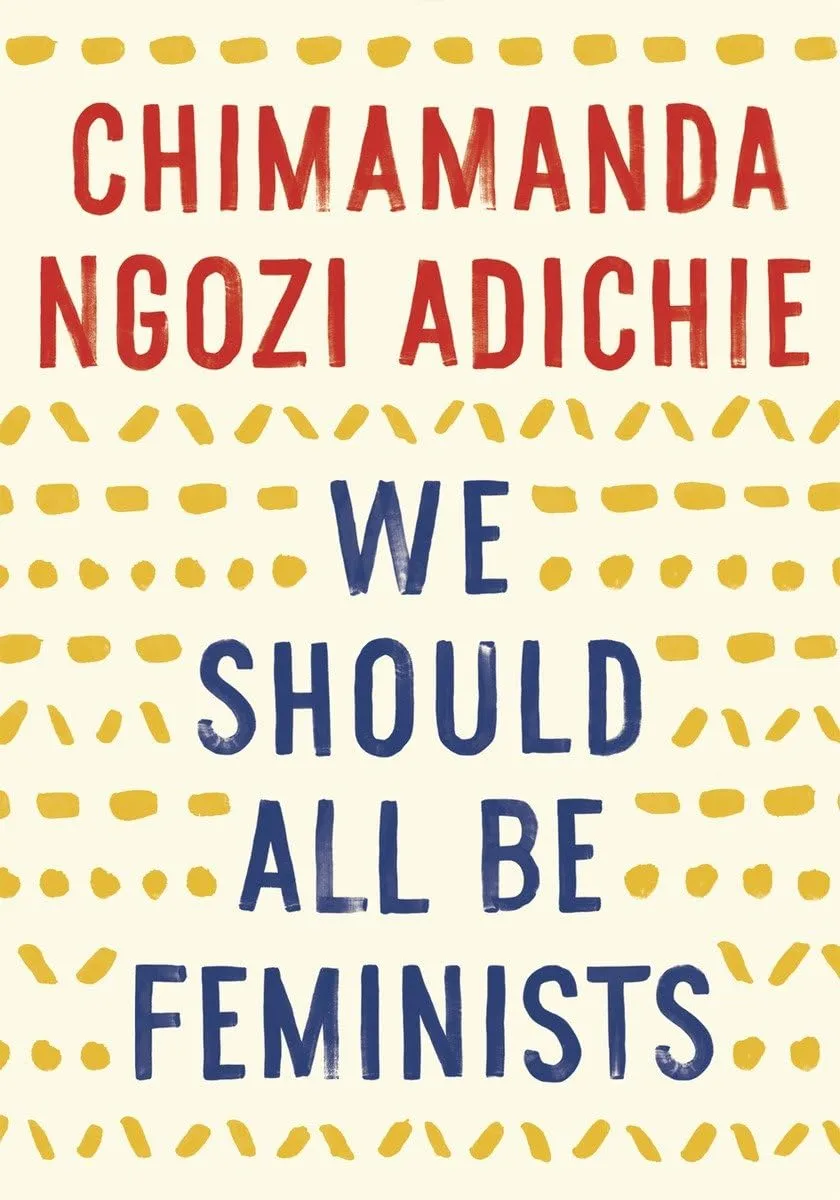
I had the same experience with Chimamanda Ngozi Adichie’s Purple Hibiscus, and it got me thinking: is it such a bad idea to have Nigerians read Nigerian novels?
Purple Hibiscus is set in Lagos and Nsukka, with most of the characters hailing from eastern Nigeria. The book is rich with conversations mixed in Igbo and English. But the British narrator uses her British accent to pronounce Igbo words.
It’s expected that a British narrator would be unable to pronounce the words as well as a Nigerian would. However, the very fact that this is the norm with African-authored books is cause for worry.
With physical books, this would be no issue. However, an audiobook is different because the sounds and pronunciations are key to creating the environment that the writer sets out to build. The narrator’s voice is crucial in transporting the listener to places they may have never been.
So, if Purple Hibiscus is set in the heart of Nigeria, steeped in its cultures and traditions, it would only be right that the person narrating the book embodies those cultures, or at least a semblance of them.
More surprising was the AudioFile review lauding the audiobook version of Purple Hibiscus. For proper perspective, here is a direct quote:
“Lisette Lecat does not narrate this audiobook as much as she casts a spell. Her lilting British-accented voice evokes Nigeria’s colonialist past, and her adroitness with the Ibo-speaking characters clearly places us in another culture.”
When I read this, my first question was: Was there really a need to evoke Nigeria’s colonialist past? Was that the author’s goal? And how well can a foreign narrator accurately depict a culture that is entirely foreign to her, especially with a book that is so strongly Nigerian?
I have listened to my fair share of non-African audiobooks and haven’t encountered an African narrator.
As such, there is a strong case for more African narrators to be allowed to narrate books written by African authors. It gives the work originality and naturalness.
While having book narrators with an affinity for the cultural context in which a book is based might seem idealistic, it adds a great deal of naturalness to the narration, making it feel more real.
African novels deserve to be narrated by African voices—not only for authenticity but also to preserve the integrity of the stories.

Onome Onwah is a lover of books with background in English, English Literature and Education from University of Ibadan and University of Lagos respectively. Her love for reading pushed her to establish Treasured Thoughts Academy, a literacy organisation that advocates for literacy development and grooms readers. When she is not reading, she is probably watching movies, listening to music or exploring all kinds of foods.
Best Films About Unexpected Age Gap Romance
Literary Awards and the Racism Card: A Wake-Up Call for Black Africa
Interview with the Vampire Relationships, Ranked
10 Top Recent Films for Action and Comedy Fans
Comma Rules Every Writer Should Know
10 Most Hype-worthy 2026 Book Releases (African Literature Version)
Five Gambling Films That Know the Bet Is Only Half the Story
Movies Where Poker Reveals Who a Character Really Is
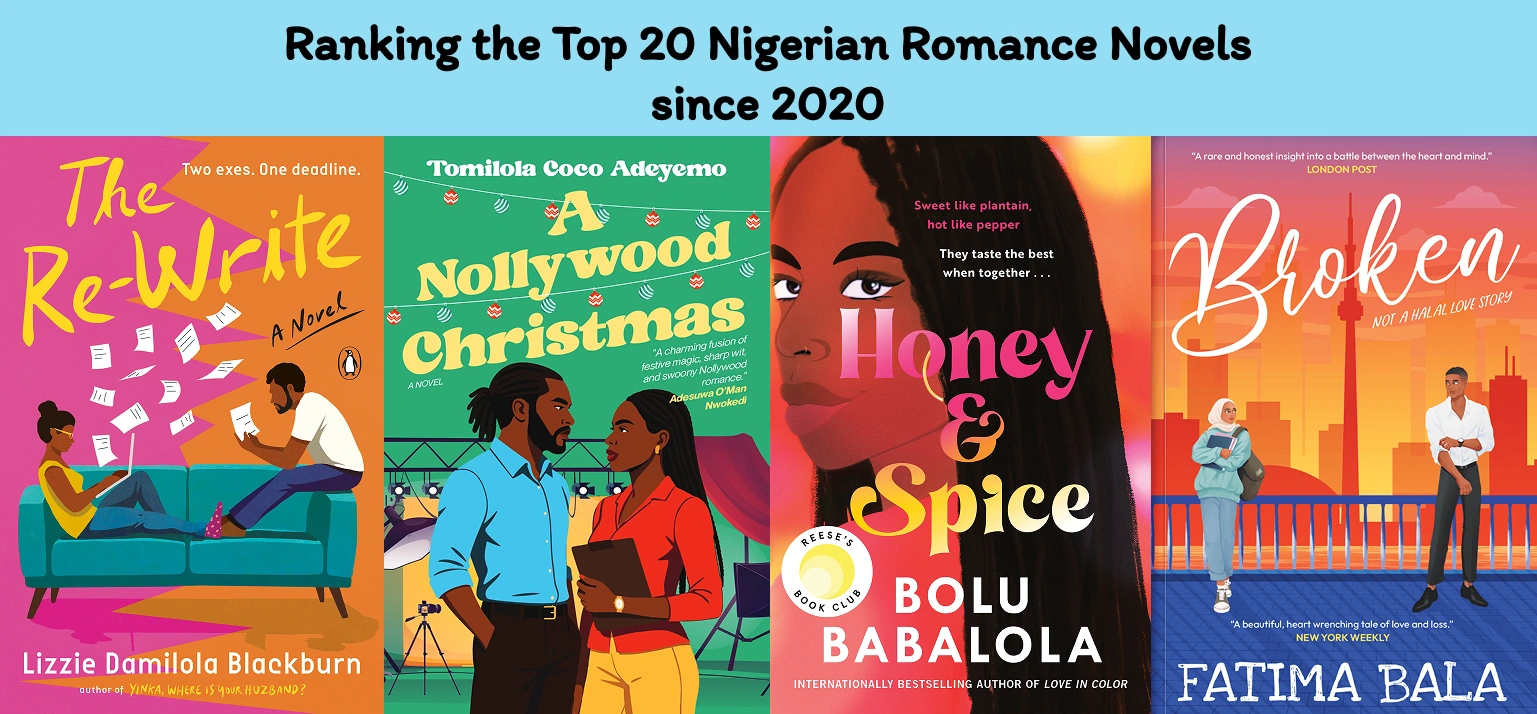
Ranking the Top 20 Nigerian Romance Novels since 2020
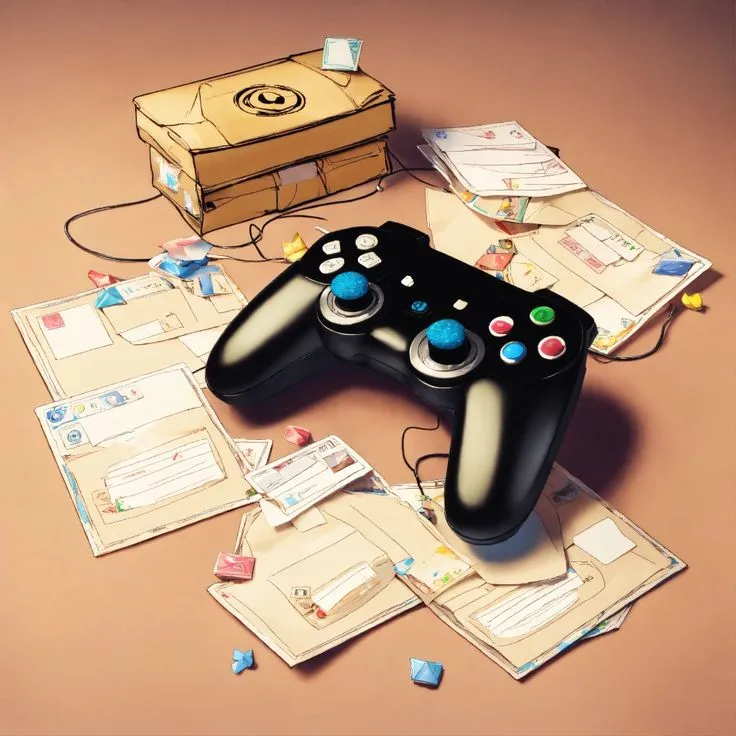
In Defense of Reading and Gaming
8 Third-Person Omniscient Examples for the Plot
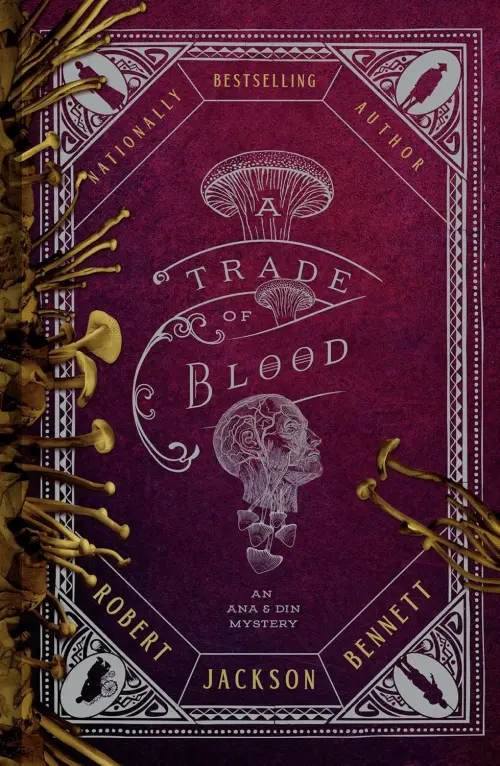
A Trade of Blood (Ana and Din Mysteries #3) by Robert Jackson Bennett
July 20, 2025 .
Animation, Lists
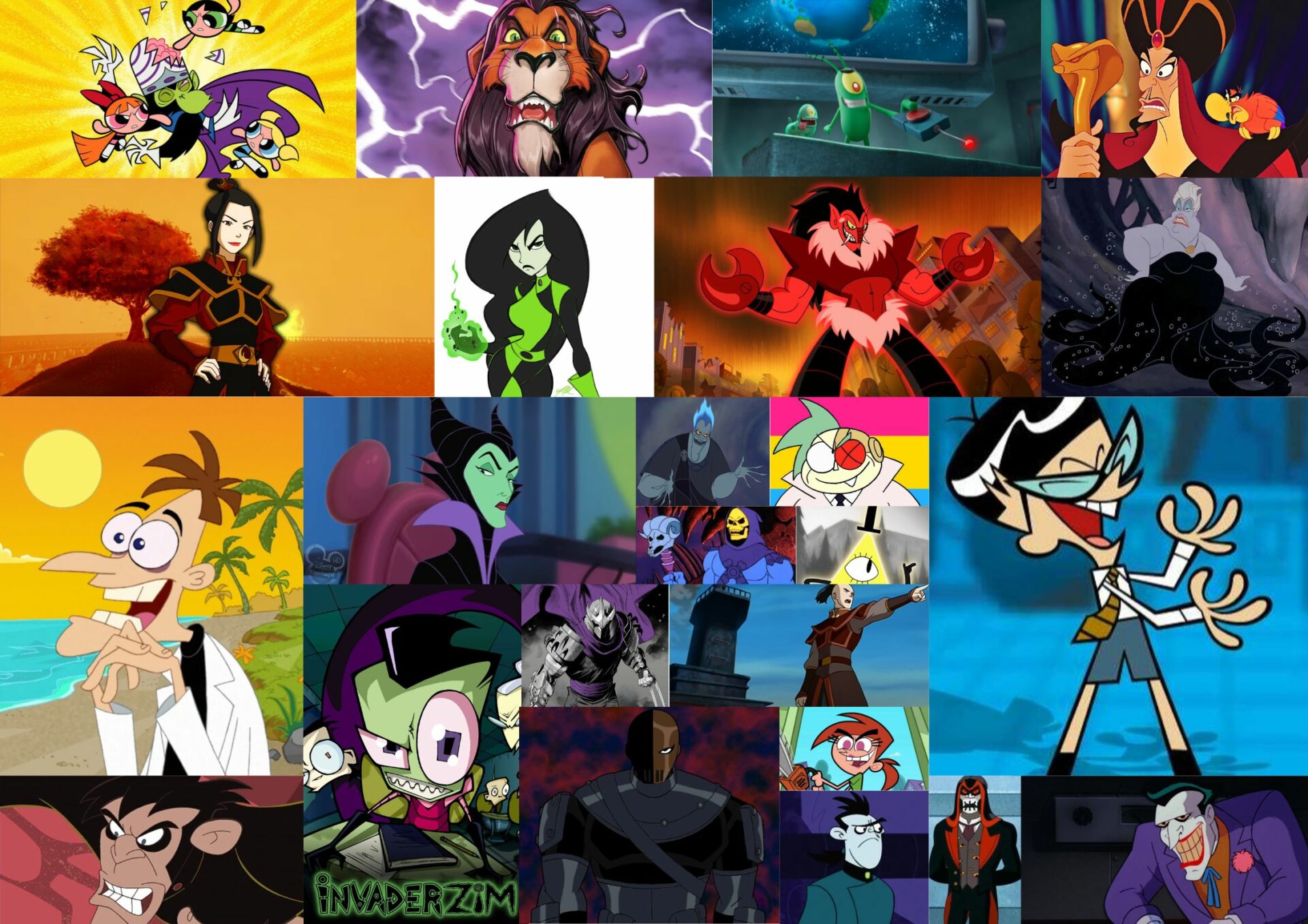
Our list rounds up the top 30 cartoon characters that were villains, each one more wonderfully wicked than the last.
READ MORE
October 28, 2025 .
Lists, Marvel, MCU, Opinions
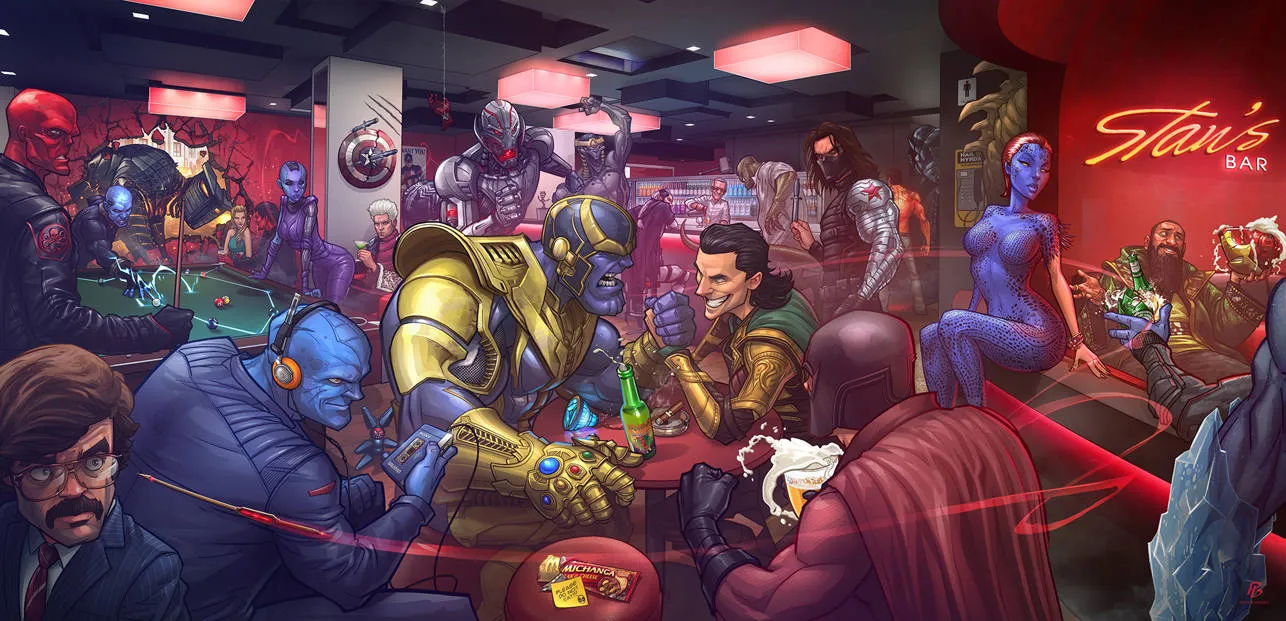
Let’s go through a list of the top 7 strongest Marvel villains, from the wickedly powerful to the absolutely unstoppable.
READ MORE
April 29, 2026 .
Lists, Opinions
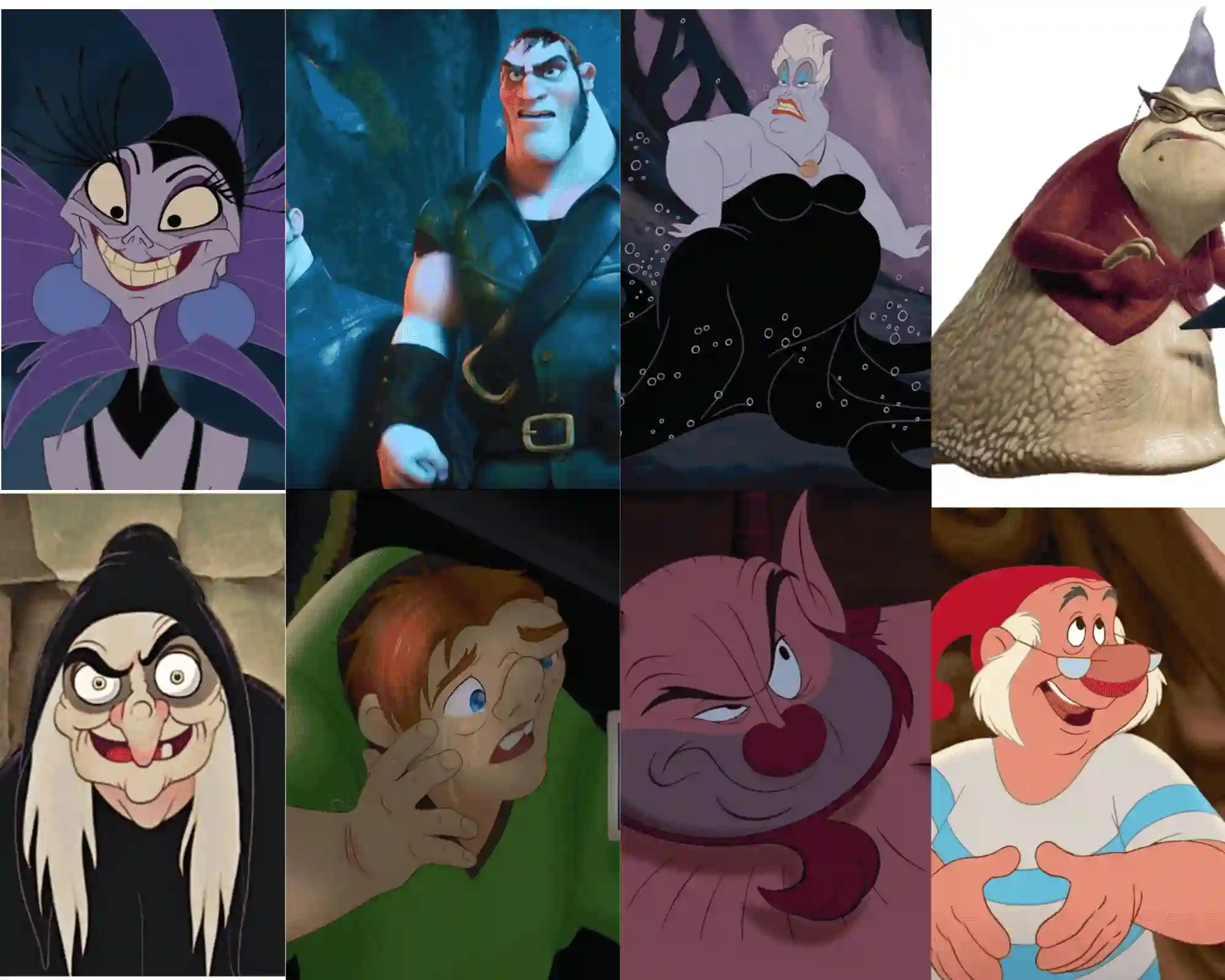
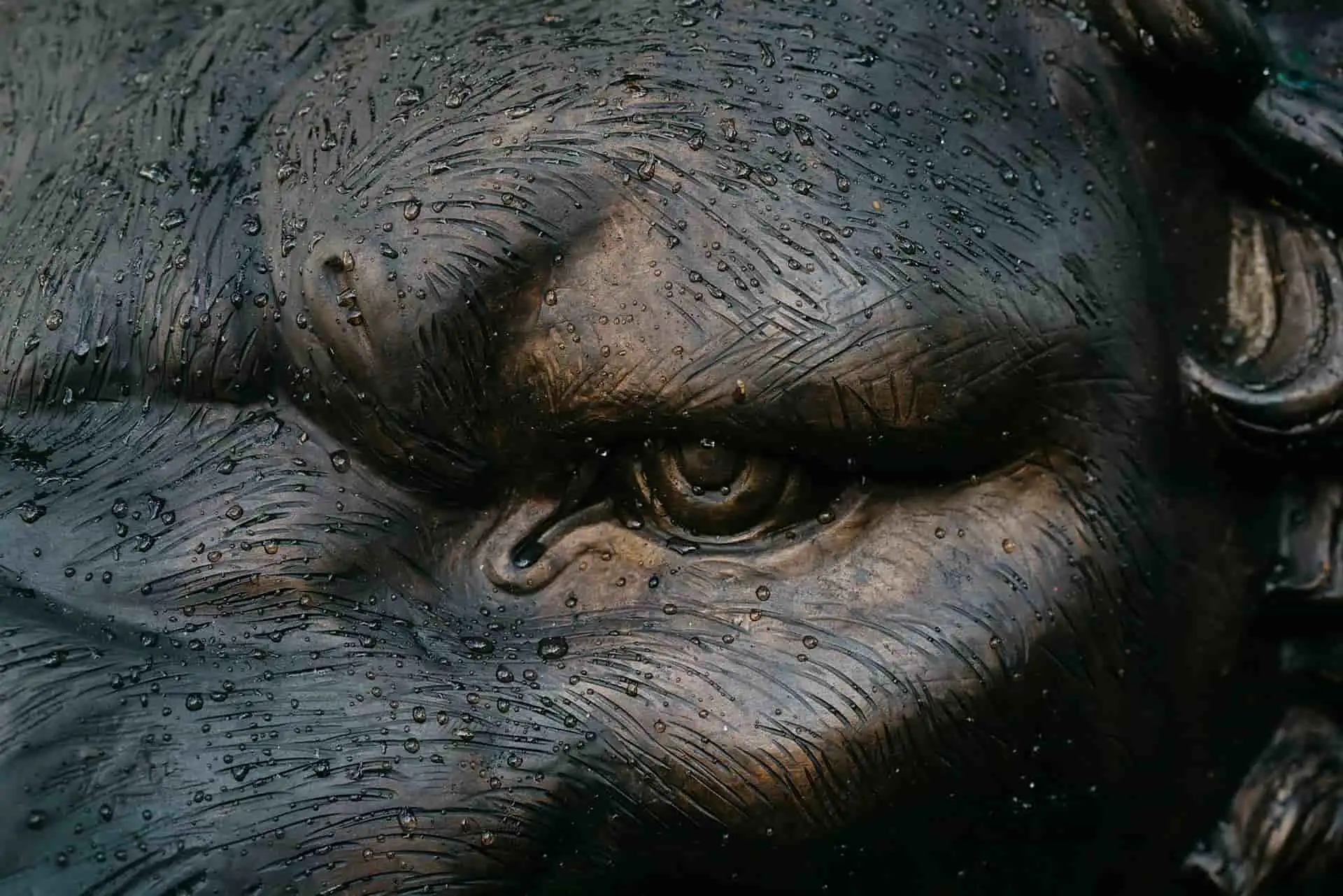
The Mouse is famous for its princesses and princes. However, the studio’s true genius lies in its embrace of “ugly Disney characters”.
READ MORE
November 27, 2025 .
Lists, Mythology
While this isn’t an exhaustive list, it comprises some of the most popular mythical creatures from around the world.
READ MORE
May 6, 2026 .
Lists, MCU
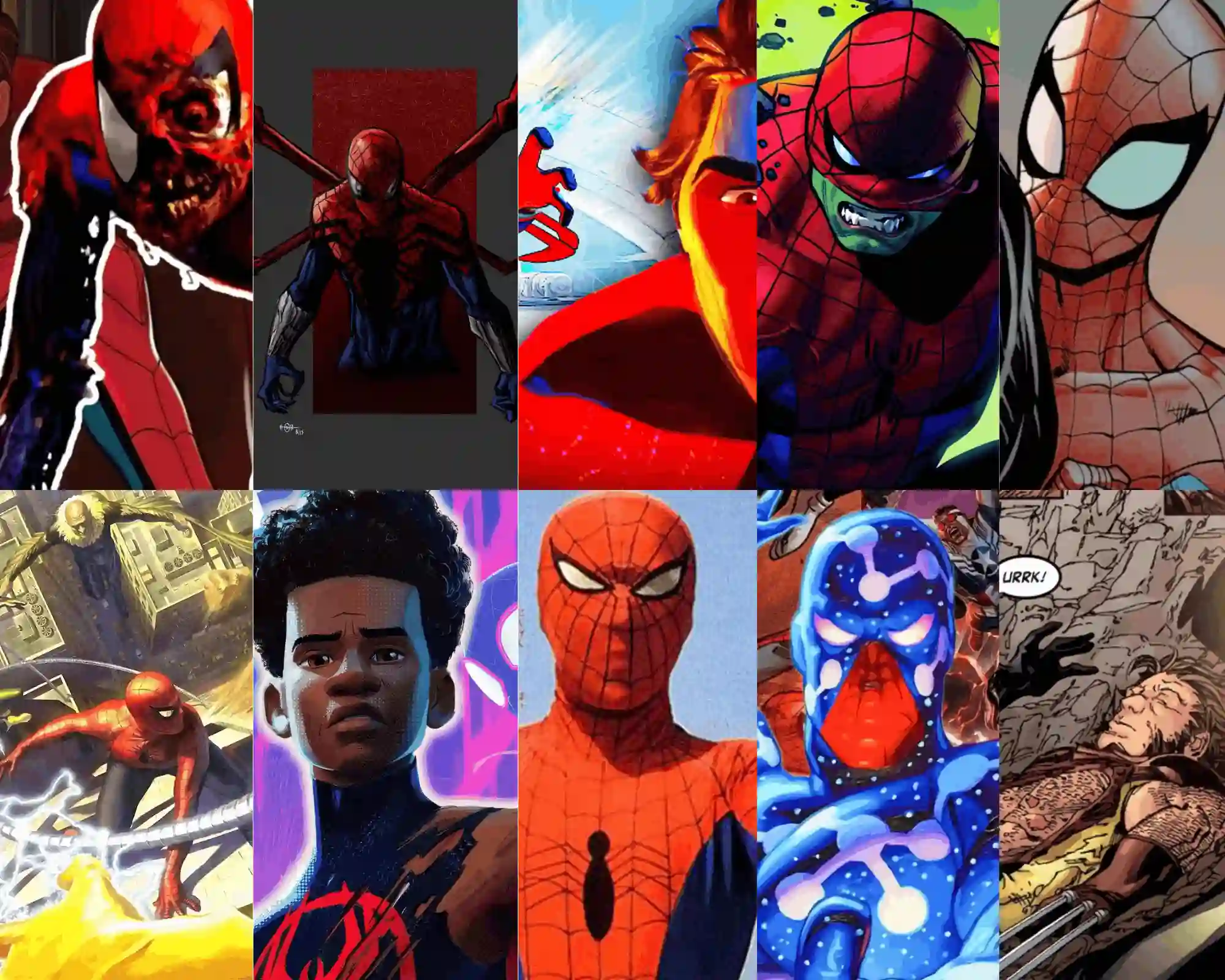
Spider-Man is one of the many superheroes from the Marvel Universe whose stories shaped many childhoods. Who is your strongest Spiderman?
READ MORE

July 20, 2025 .
Opinions
Book recommendations from random places don’t always cut it, and you often end up feeling unsatisfied with them.
READ MORE

July 20, 2025 .
Essays, Opinions
READ MORE

July 20, 2025 .
Essays, Opinions
READ MORE

September 11, 2026 .
Opinions
Book reviews aren’t just a jumble of words on how a book made you feel but also a veritable document that you can quickly refer to when your memories temporarily fail you.
READ MORE

July 20, 2025 .
Opinions
Reading hundreds of pages for a single book can be like facing Smaug, Chiefest of Calamities, but a short story is a small dragon that you can easily conquer.
READ MORE

July 20, 2025 .
Debates, Opinions
Reading nonfiction about what interests you can provide more color and context that might make your fiction reading experience more enjoyable.
READ MORE
September 12, 2025 .
Opinions
In a fast-paced world, reading asks us to slow down, surrender, and sit with another person’s words long enough for them to settle inside us.
READ MORE
November 24, 2025 .
Debates, Opinions
Reading is active while watching movies is passive. The act of turning pages creates a pause that enhances understanding.
READ MORE
July 26, 2025 .
Fantasy, Opinions
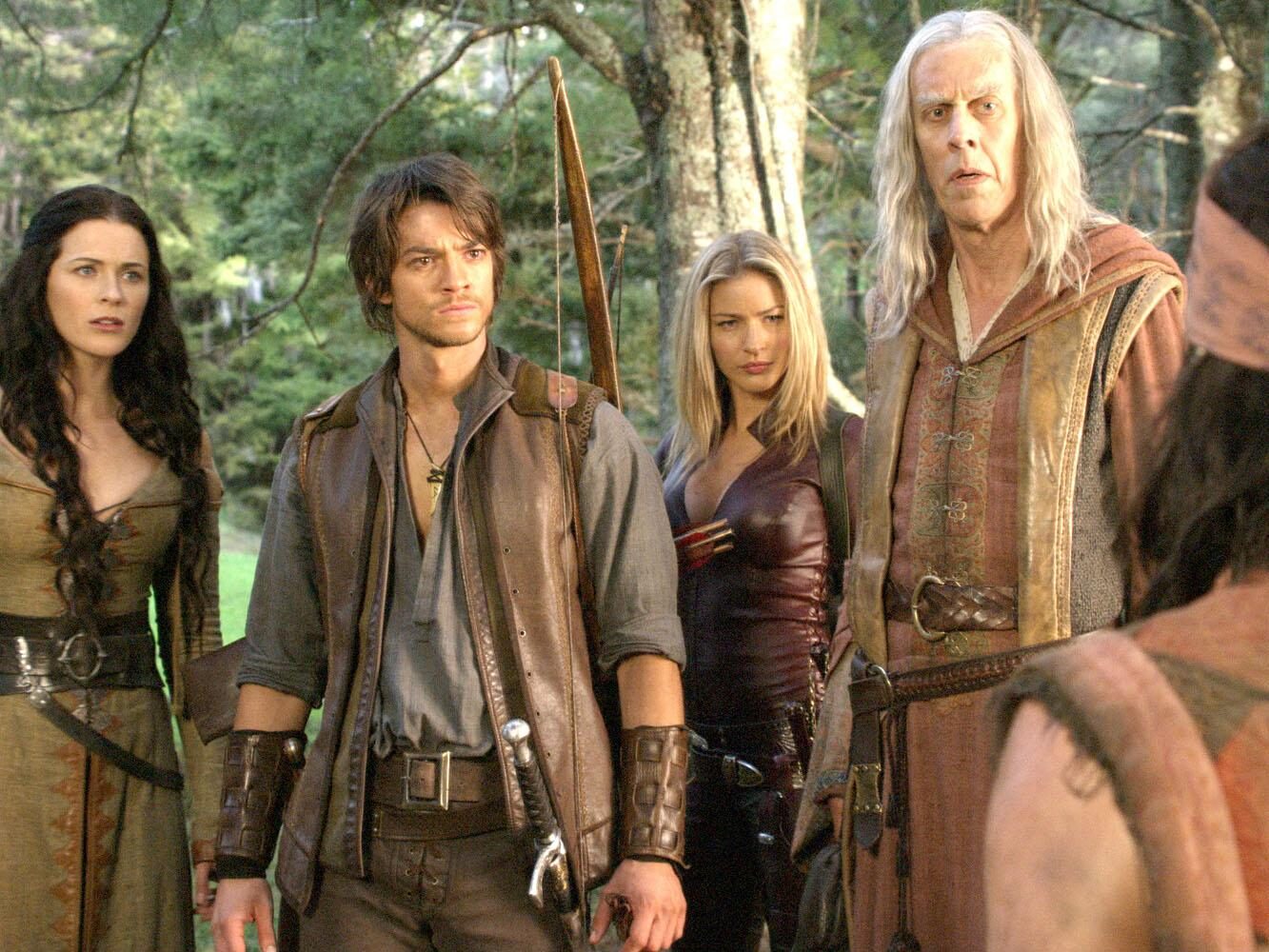
It’s cliche. But it’s rapid. It’s predictable. But it’s enjoyable. For lovers of the classic tropes, Legend of the Seeker is a worthy watch.
READ MORE
Get our magazine for free!