Close menu
Ranking the best of African Literature















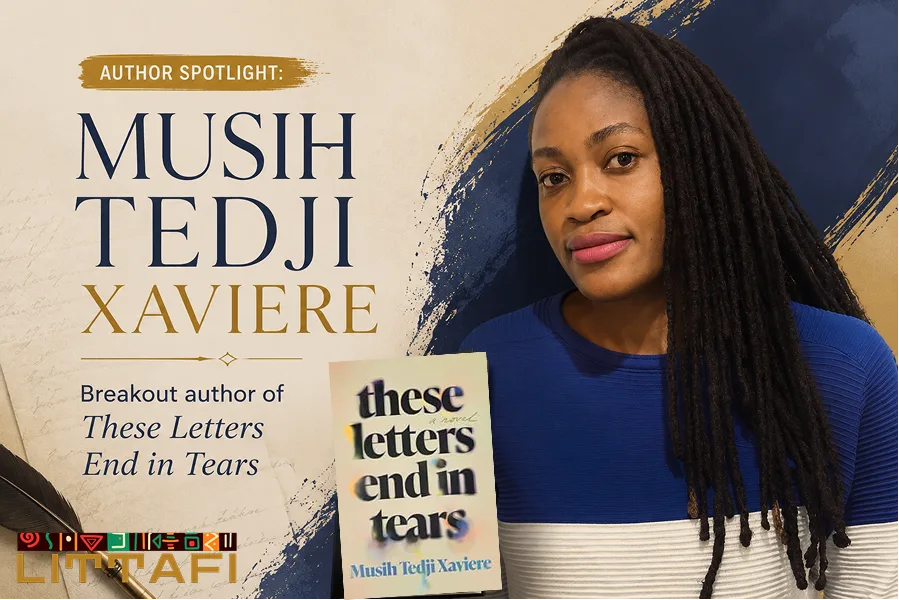
Niru is gay and cannot freely explore his queerness. Although he is in a country like America, the Africanness and religiosity in his parents would not let them support him. Rather they take him to pastors to pray the gay out of him.

I’m usually a reader who talks a lot about books she has enjoyed. It doesn’t mean that I do not enjoy a book when I talk less. Most times, it means I have enjoyed the book, but it has left me overwhelmed and sad.
This book is an example of a thoroughly enjoyed book, but the mixed emotions I am feeling have left me with very little to say.
I will start by telling you about Niru but let me first tell you the number of ways this book has fed me with sadness.
Initially, I thought Niru’s internal suffering as a queer person would leave me sad, his inability to be , to exist wholly as a human being, his struggles to be a beloved son to his parents who abhor the idea of difference and rainbows, who believes in the God that will exorcise the demon of queerness off him.
But I was wrong. Rather the racism is what left me in a pool of sadness, anger, fear, and pain I cannot describe.
Niru is an 18-year-old Havard candidate and best runner born to Nigerian parents who live in Washington. Niru is gay and cannot freely explore his queerness. Although he is in a country like America, the Africanness and religiosity in his parents would not let them support him. Rather they take him to pastors to pray the gay out of him.
Like every child trying to please their parents, he pretends to like the prayers are working, he fights himself and his internal desires, shelves them, and tries to be the son his parents desperately want.
I found Niru’s father very interesting, a man who lived through the war in Nigeria. He always wore a white shirt, Niru said. His father was keen on appearances. How he looked mattered to him, so he taught his children to always look sharp. He drove a Range Rover and made sure they lived in the luxurious parts of Washington because appearance meant a lot to him as a black man. It was important for him to look how he wanted to be seen and respected.
But he was a stern man. He valued his culture; he wanted to give his sons everything but was also slightly annoyed or maybe jealous that they hadn’t been through half the hardship he had been through.
He also believed in the church and God, just like his wife. He believed in his demons and the power of exorcism by the church.
He believed Niru was possessed, and it was only the church who could pray the gay out of him.
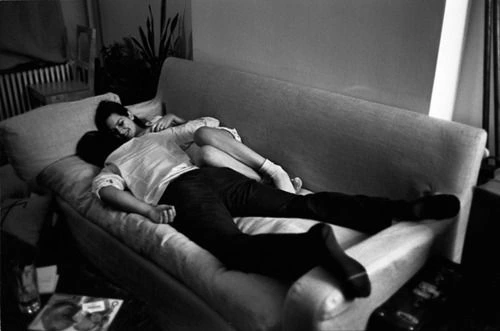
Meredith, Niru’s best friend, is hopelessly in love with him and the only one with whom Niru feels whole with, accepted, and full. Meredith provides Niru with a safe space he cannot get elsewhere.
Uzodinma will have you think that this book is about queerness and identity, but this book is actually about racism.
How you are judged by your appearance before you speak. How Niru paid the price for being black, a black man who was only trying to control his drunk white best friend Meredith.
I do not intend to spoil anything in this book but this book explores racism, queerness, and religion in a way that will leave your knees weak and your body a hub of sadness.
She said, God said man is for woman and woman is for man. That’s how it’s supposed to be. And God was always right; so I decided I would only like girls even if I could feel that I liked looking at them less than I should
I like spending time with you so I spend the time there is to spend. I like the way you feel but I know it scares you to feel me—sometimes it scares me too, he says. He laughs but I don’t. So I enjoy the little you let yourself be touched, there’s nothing ideal so I see no reason to complain.
I am always someone’s accessory, someone’s afterthought, the supporting actress in another person’s drama and that thought fills me with fire.
Sometimes I wonder if my parents like me. I know the laws of nature and genetic self-perpetuation demand that they love me, but it has never been clear that I am integral to their lives.

hi i am nasiba .
15 Writing-Adjacent Careers for Writers Looking for a Career Change
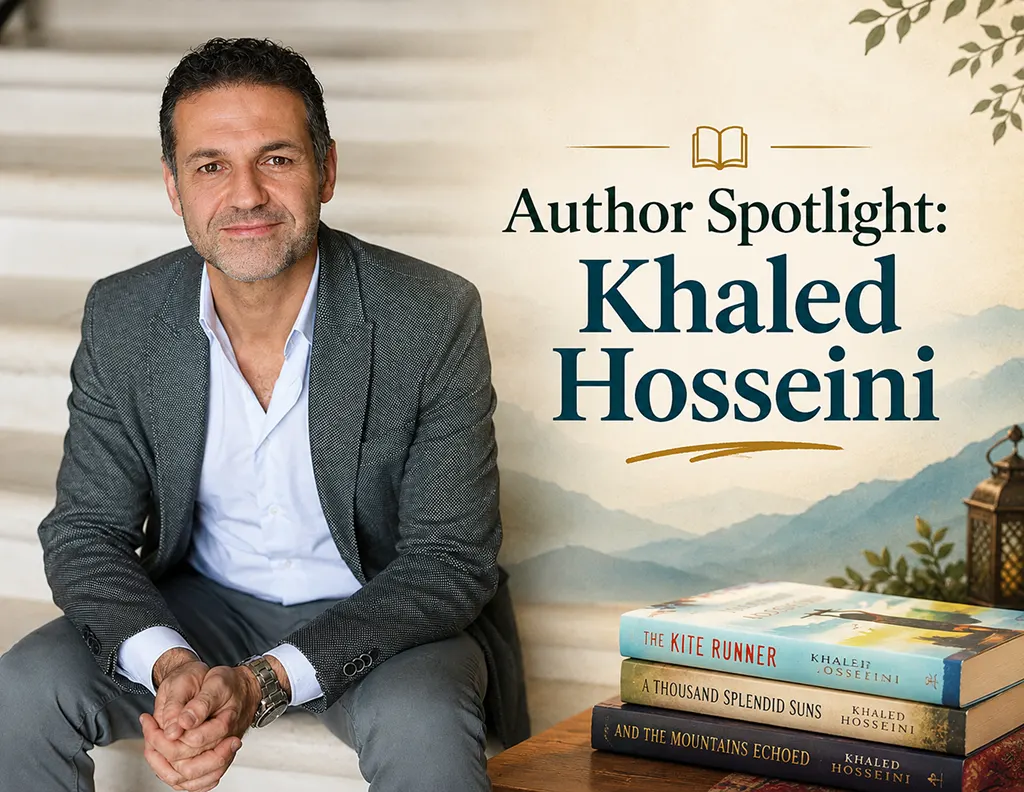
Authors Spotlight: Khaled Hosseini
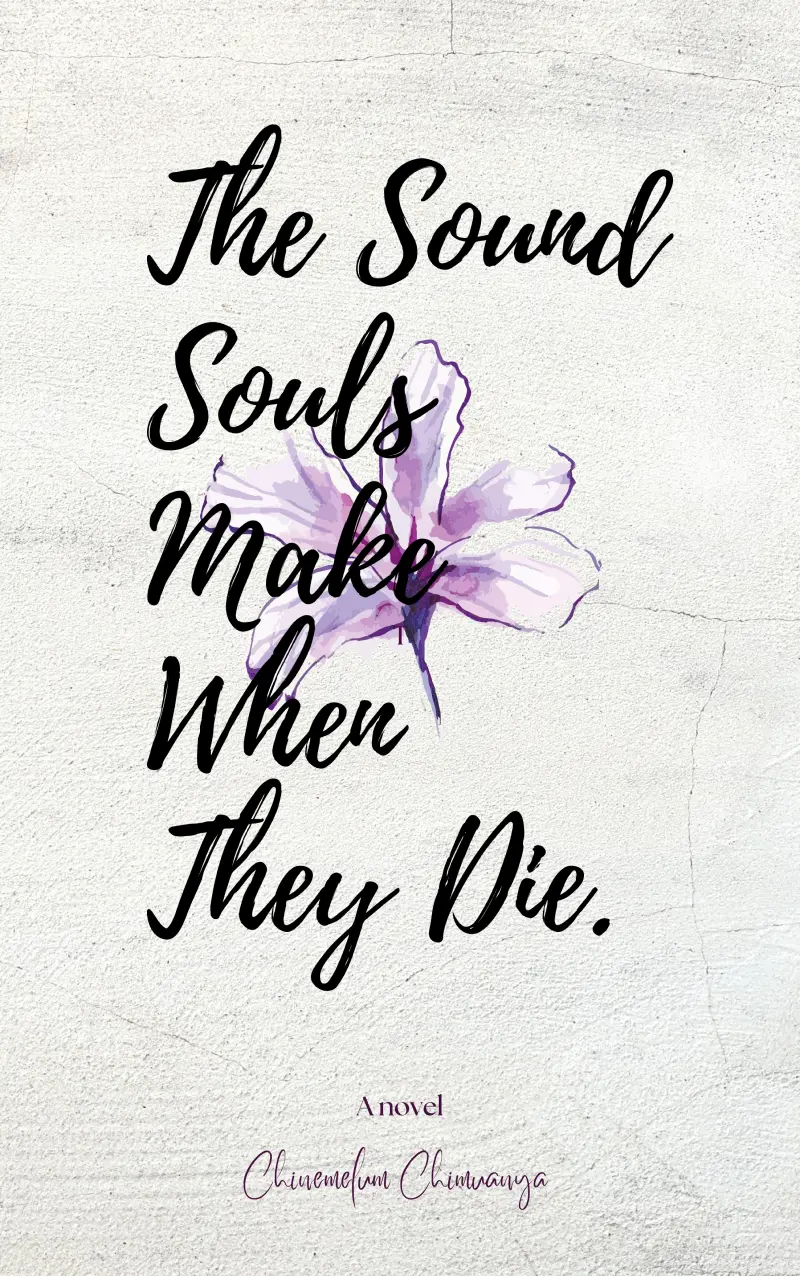
The Sound Souls Make When They Die by Chinemefun Chimuanya
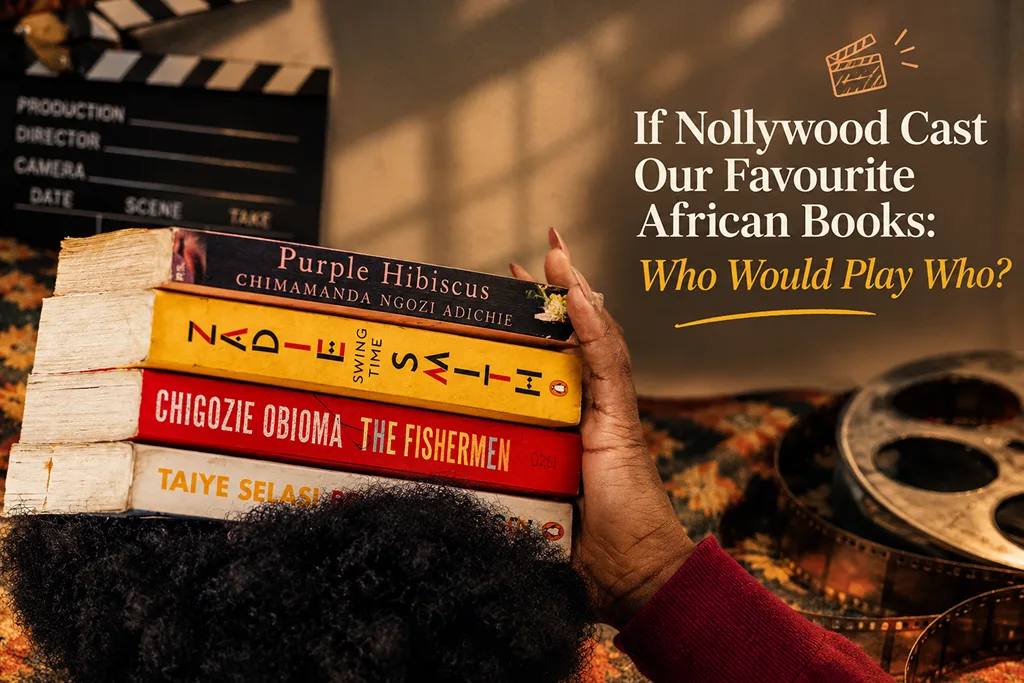
If Nollywood Cast Our Favourite African Books: Who Would Play Who?
Best Films About Unexpected Age Gap Romance
Literary Awards and the Racism Card: A Wake-Up Call for Black Africa
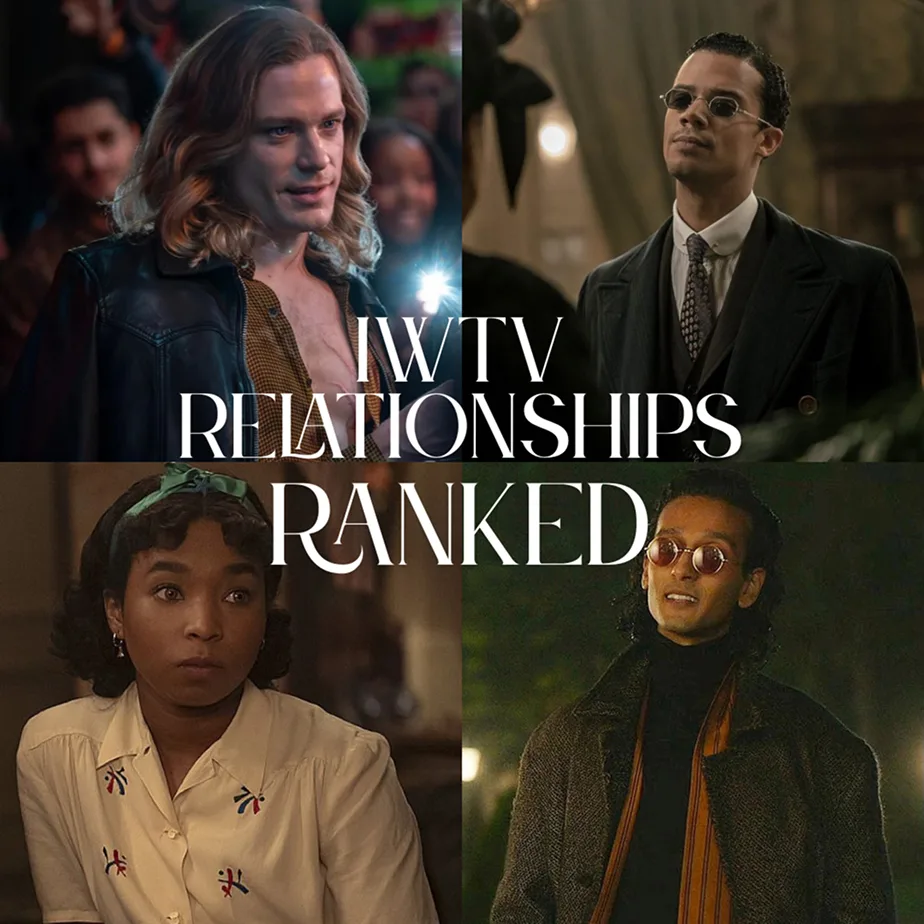
Interview with the Vampire Relationships, Ranked
10 Top Recent Films for Action and Comedy Fans
Comma Rules Every Writer Should Know
10 Most Hype-worthy 2026 Book Releases (African Literature Version)
Five Gambling Films That Know the Bet Is Only Half the Story
Movies Where Poker Reveals Who a Character Really Is
July 20, 2025 .
Animation, Lists
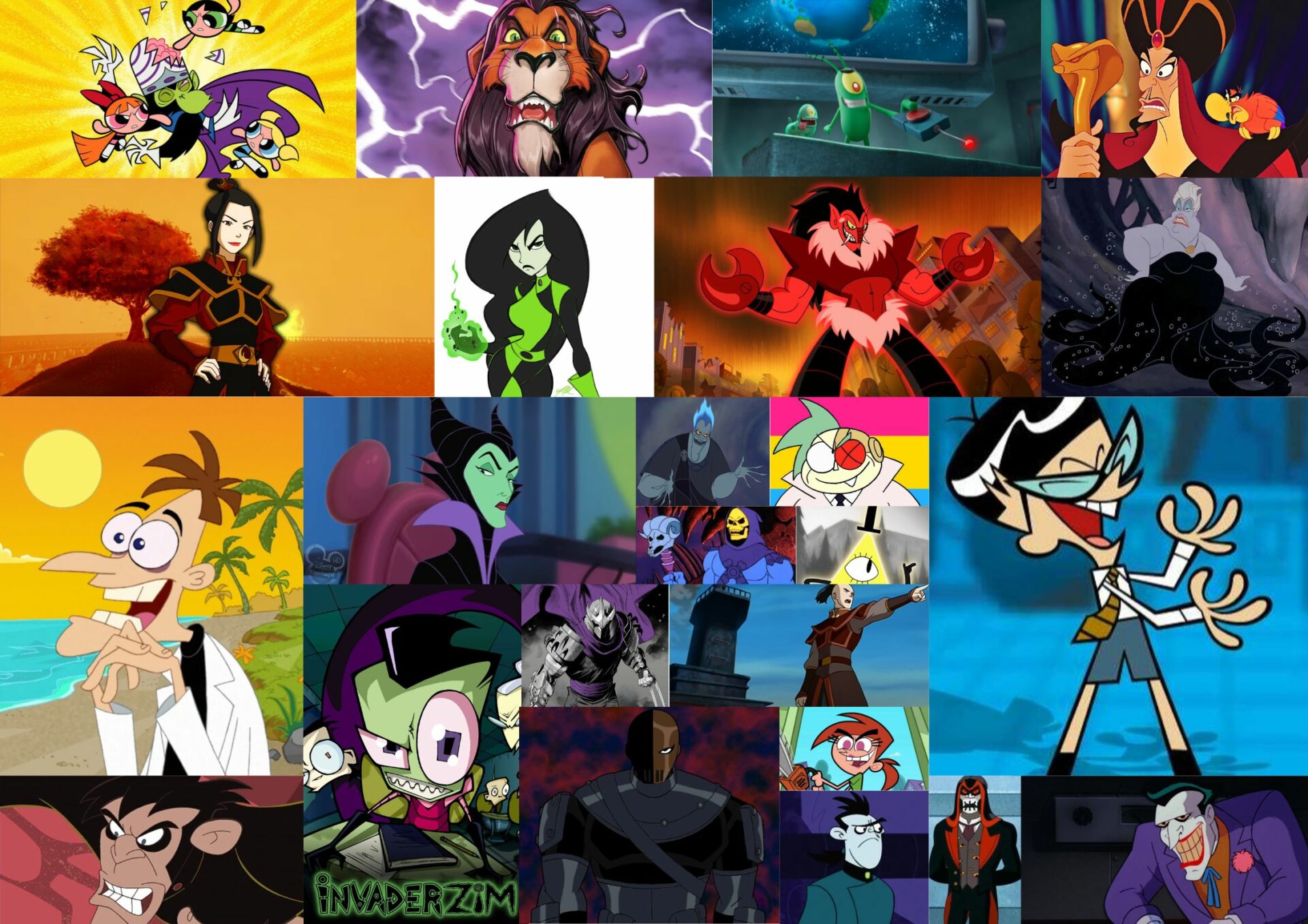
Our list rounds up the top 30 cartoon characters that were villains, each one more wonderfully wicked than the last.
READ MORE
November 27, 2025 .
Lists, Mythology
While this isn’t an exhaustive list, it comprises some of the most popular mythical creatures from around the world.
READ MORE
April 29, 2026 .
Lists, Opinions
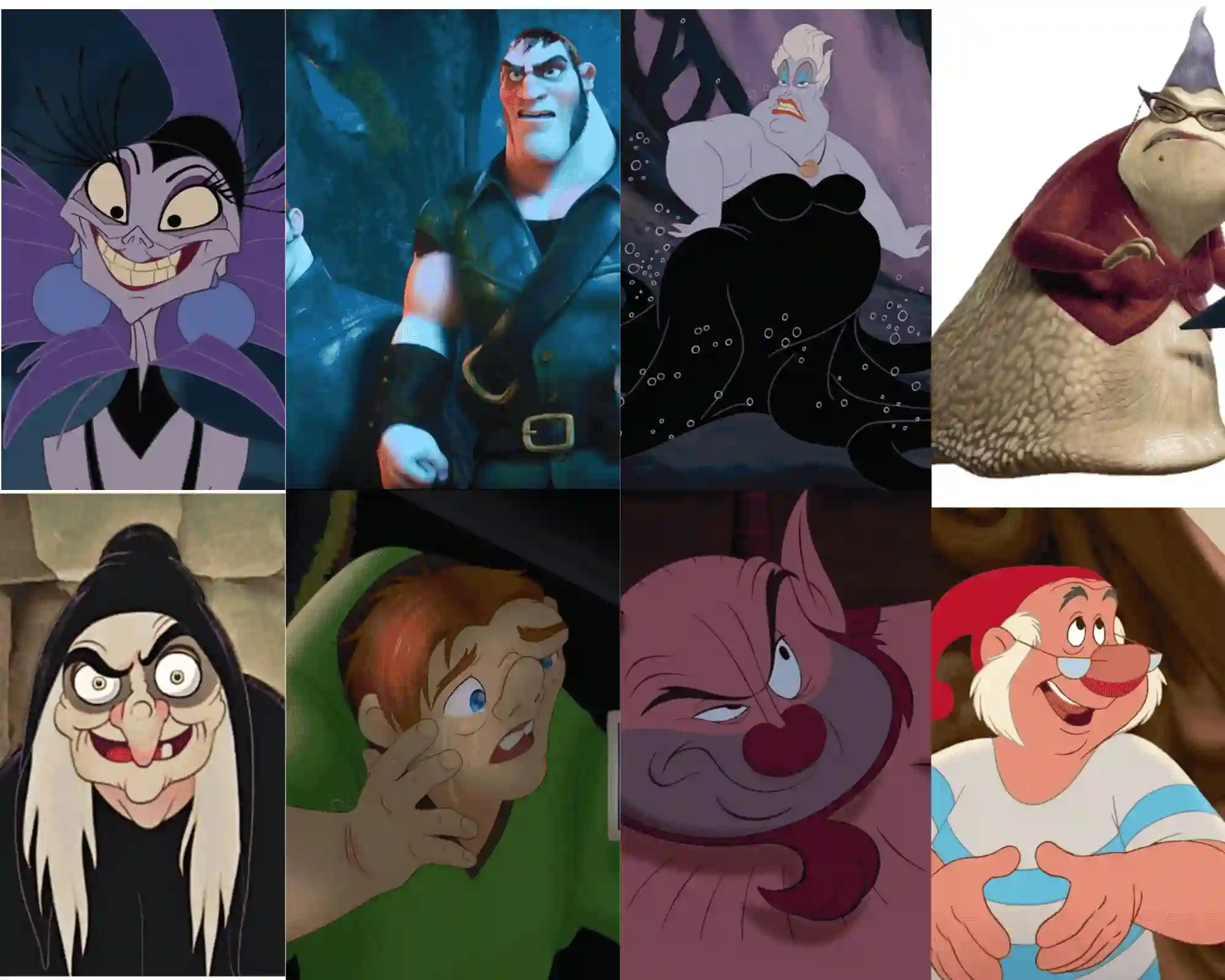
The Mouse is famous for its princesses and princes. However, the studio’s true genius lies in its embrace of “ugly Disney characters”.
READ MORE
October 28, 2025 .
Lists, Marvel, MCU, Opinions
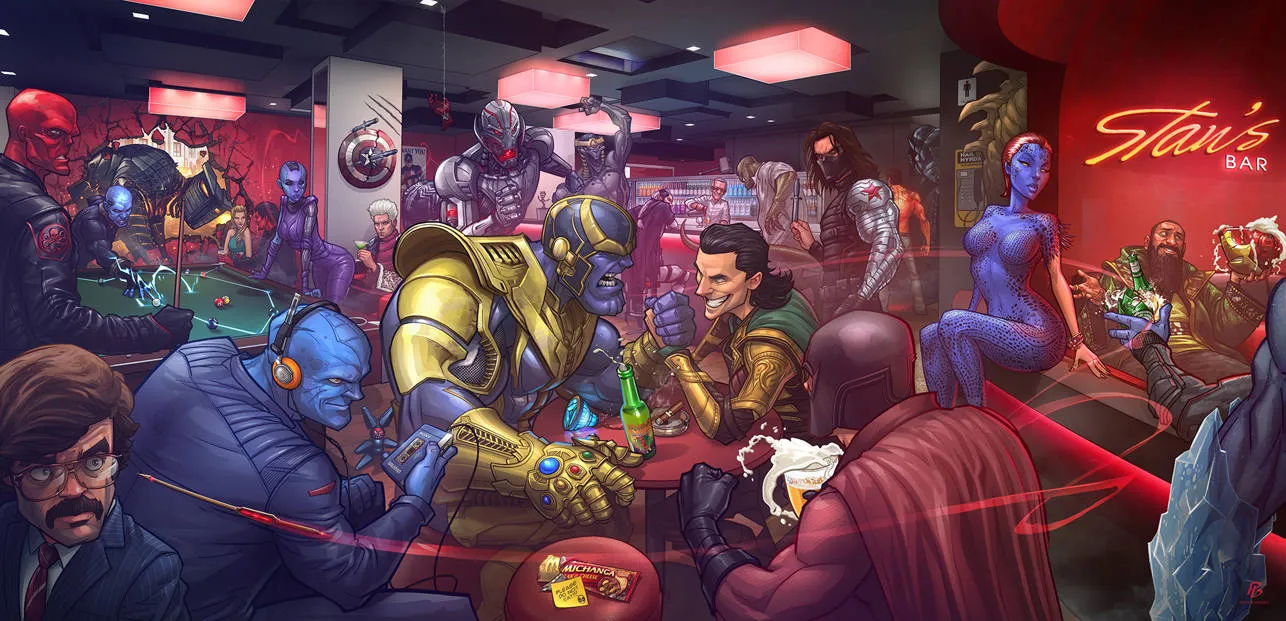
Let’s go through a list of the top 7 strongest Marvel villains, from the wickedly powerful to the absolutely unstoppable.
READ MORE
May 6, 2026 .
Lists, MCU
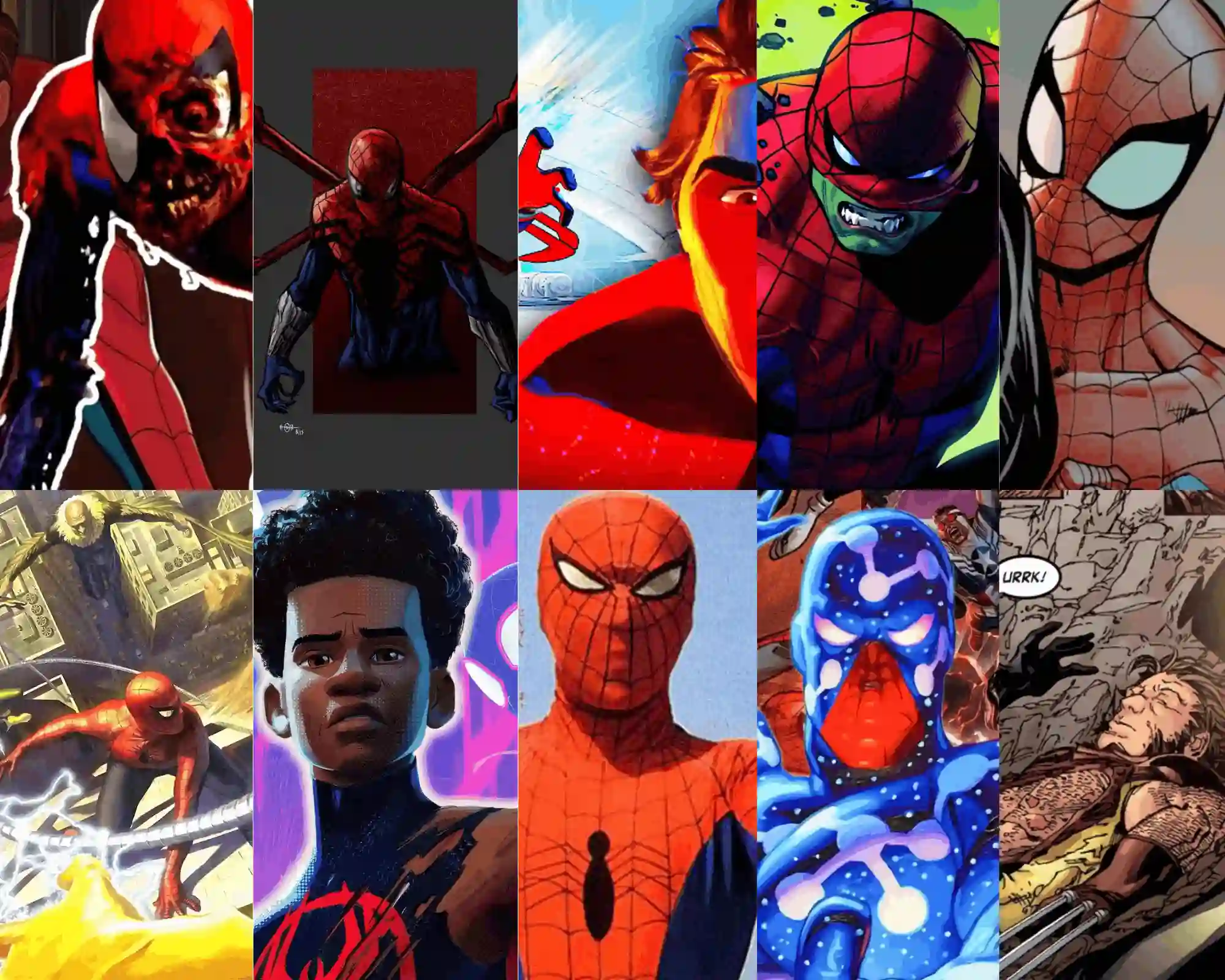
Spider-Man is one of the many superheroes from the Marvel Universe whose stories shaped many childhoods. Who is your strongest Spiderman?
READ MORE
January 1, 2023 .
queer, vagabonds
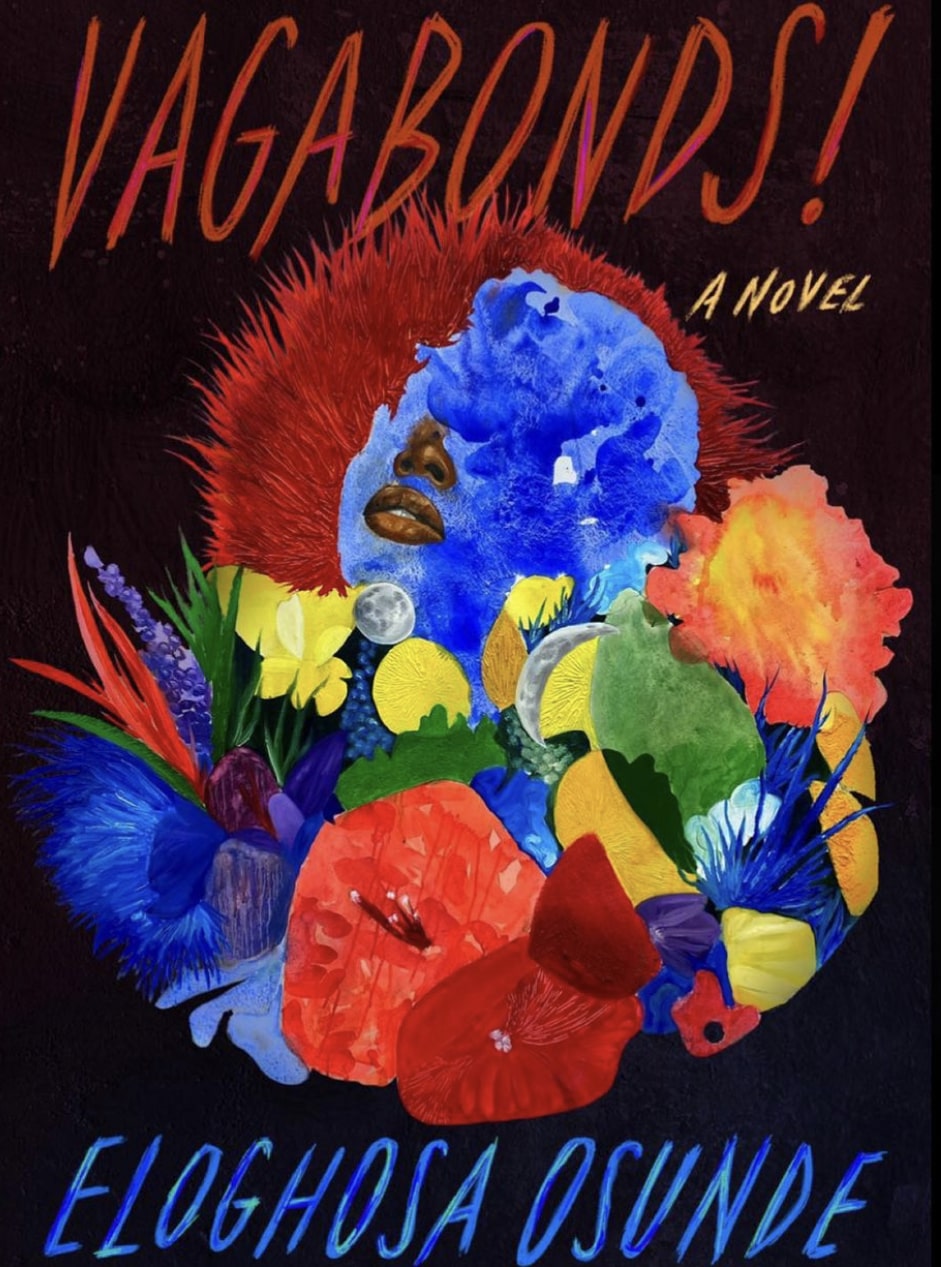
I know my heart races fast and constricts when it comes to Vagabonds! This book is activism in literary form.
READ MORE
January 7, 2022 .
akwaekeemezi, queer, thedeathofvivekoji
READ MORE
March 23, 2025 .
contemporary, queer, YA, Young Adult
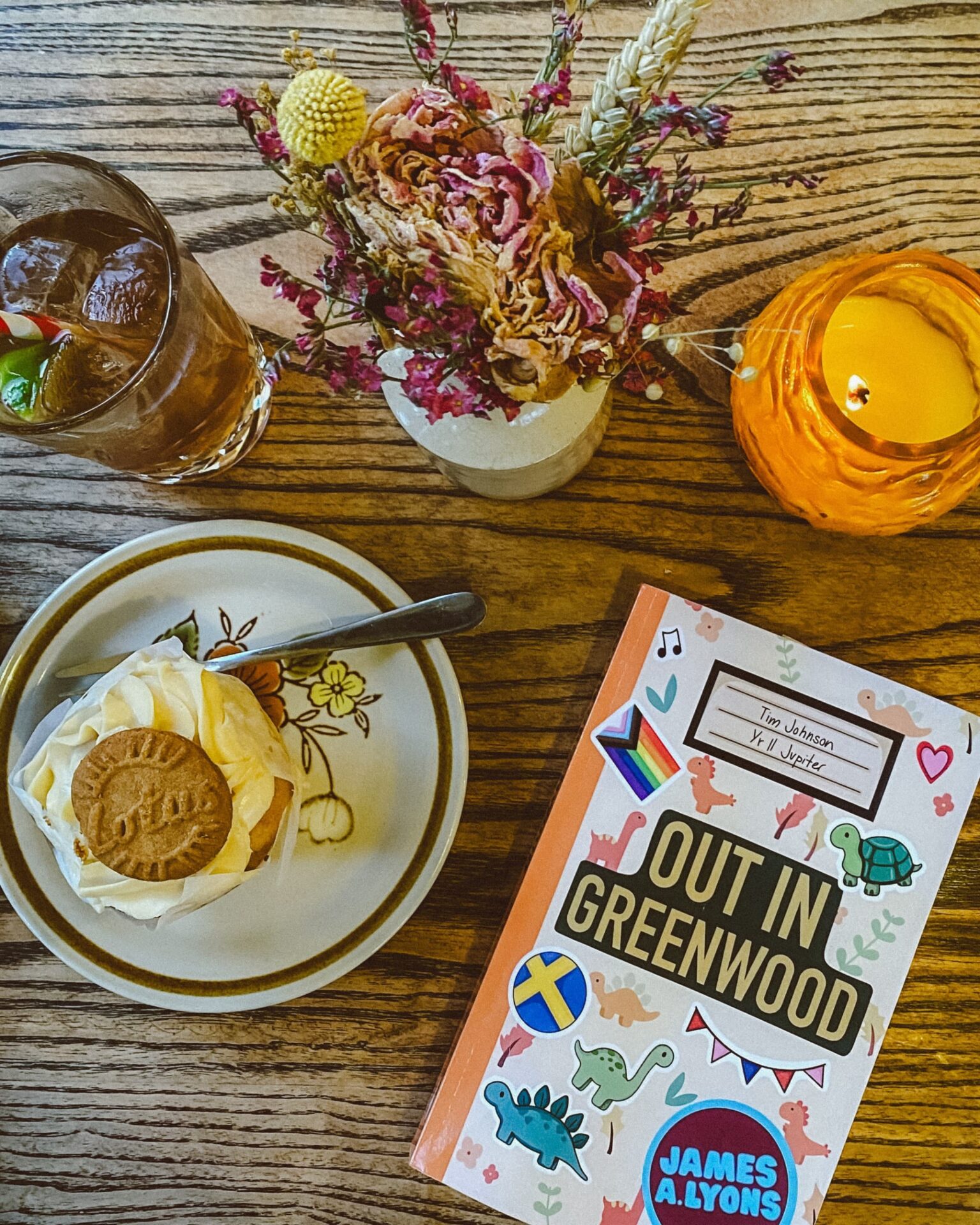
Out in Greenwood is fun, heartfelt, engaging, and leaves you with that nostalgic feeling of remembering what it’s like to be young and full of possibility.
READ MORE
July 15, 2025 .
African Literature, queer
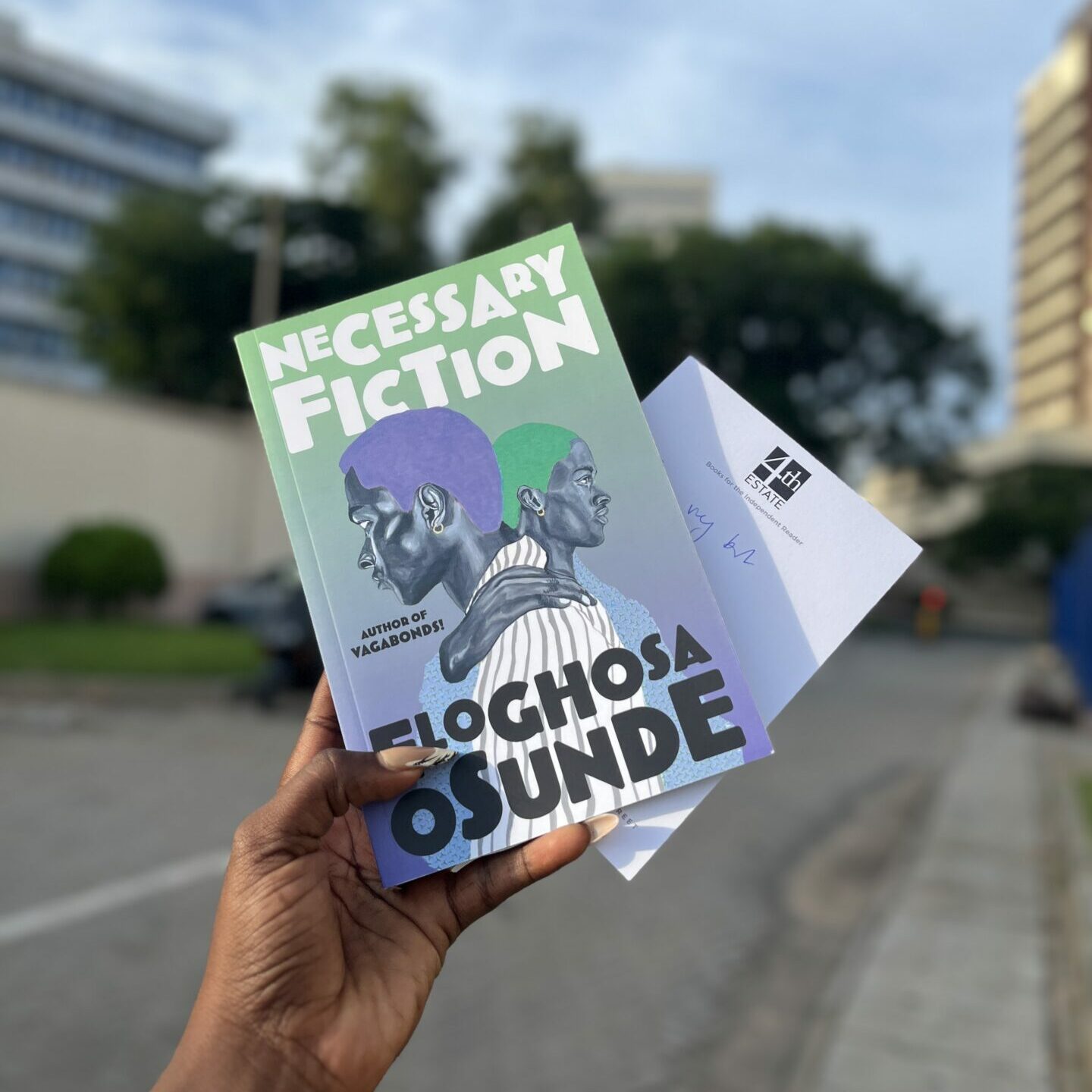
Necessary Fiction is a Communion of Truth. It demands that we slow down, listen deeply, and absorb not only what is said, but what is felt.
READ MORE
January 1, 2023 .
butterhoneypigbread, queer
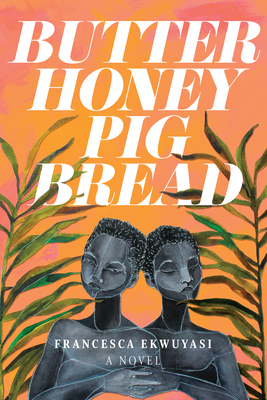
I have never read anything as honest and raw as this book. The emotions carried in this book are so real that readers can literally feel the characters’ emotions.
READ MORE
January 28, 2024 .
African Literature, queer
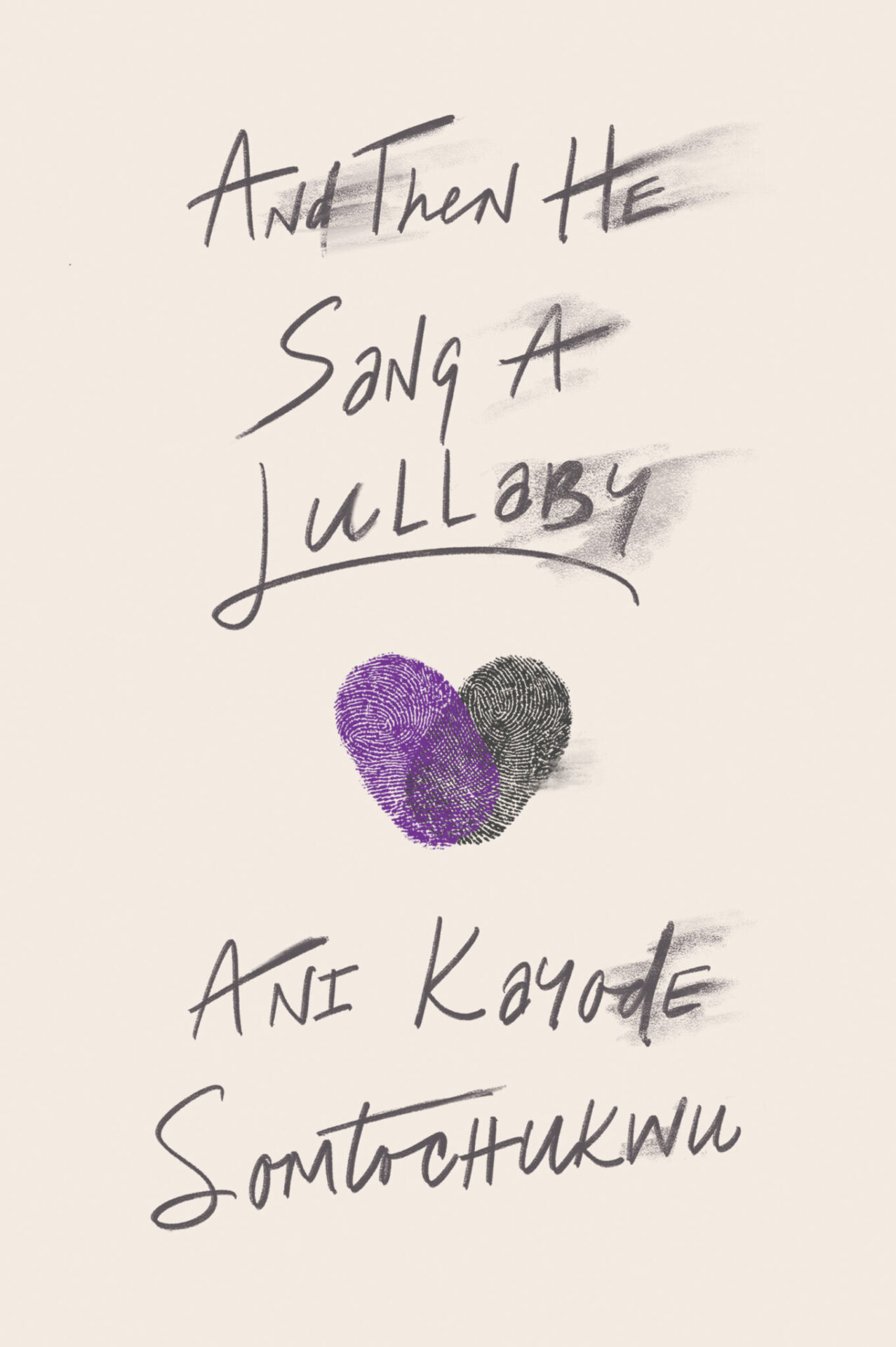
And Then He Sang a Lullaby raises vital questions about love’s authenticity and confronts hate, impunity, and violence against queer individuals.
READ MORE
Get our magazine for free!