
Close menu
Ranking the best of African Literature










































Though the book is set in Lagos and London, it’s a reality most of us can relate to from anywhere in Africa. There is something in there, an experience or anything for everybody.
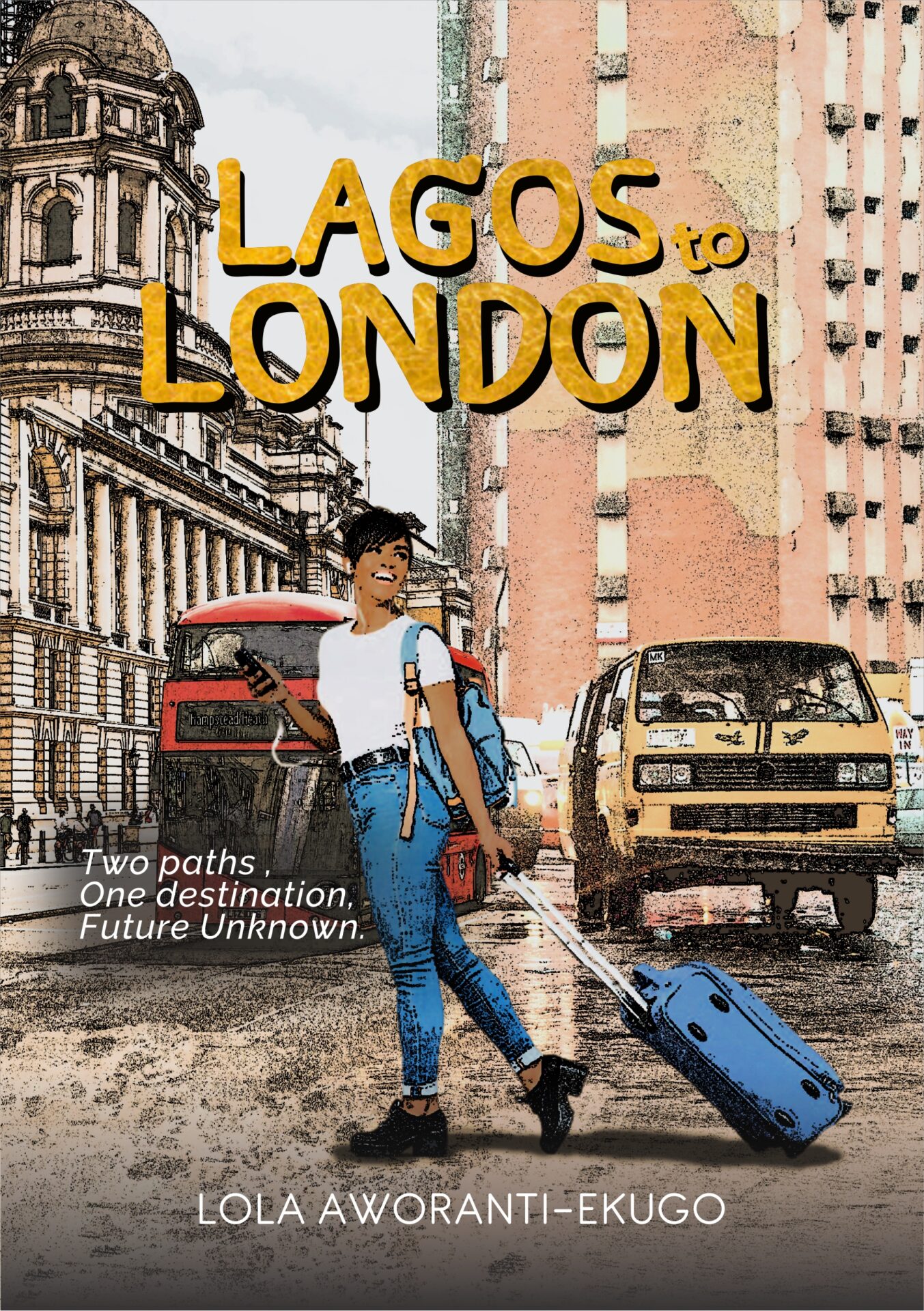
Lola’s debut book Lagos to London is your typical japa story where everyone can find a piece of herself or a slice of their experience there.
Remi is the last daughter of the Cokers ( if you have watched The Wedding Party, then you have an idea of who the Cokers are). There is no difference between the Cokers of The Wedding Party and this set of Cokers (except that these Cokers are elite Lagos lawyers).
As in most Nigerian elite homes, professional jobs are the most respected, so Remi was required to end up as a lawyer, while her other siblings pursued careers in engineering and medicine.
Remi is a character that reminds me of Simi from Nikki May’s Wahala, Ifemelu from Adichie’s Americana, and many other characters, and it is probably because there are many Remis out there and she’s a character that most people can relate with- the part of having parents who force you to be something you didn’t want; or you starting on a professional course and abandoning it for the creative space because it isn’t a place you want to be.
On the other side of Lagos is Igbo-born Nnamdi (if you know who the Igbos are when it comes to hustling, you would understand the emphasis on his tribe), a proper ndi igbo, a hustler. Nnamdi’s hustling spirit and family resilience are evident in the many life phases that the Okonkwo family had been through.
Nnamdi, who is the typical Nigerian hustler who wants to leave the country at all cost in search of a better life for himself and his family, defies all odds to make money to travel; the university strikes is something he can’t take. Nnamdi’s resilience is something that I can only admire.
Bolu’s story of how he got into the UK is not strange ( if you think I am lying, check Nze Silva’s My Mind Is No Longer Here). It’s a way most desperate young people take to leaving the country. This tells the kind of government we have, the kind of leadership that we have- things can get so bad that you would rather tow this hard road, either life or death, just to leave the country in search of a better life.
The character development was okay, and it was a good attempt at giving us a background to thé story through the life of the characters and their different social classes. The character I didn’t quite catch was Bolu, I couldn’t place him on the social ladder, and I’m not sure if it is a deliberate action by Lola. One moment we are made to understand that Bolu was coming from a once-upon-a-time rich family who are now hovering between the lines of poor and maybe working-class, even though we are not told if his mother even works.
Bolu hustles his way into the UK, but later in the book, we are given the impression that his mother can fly to London anytime she likes, and Bolu too can go home every vacation. All these grey lines did nothing to solidify the Bolu character for me. I didn’t know who he was as a person, his family, or his social status. Bolu seemed to be a pivotal person in the book. After all, it was his attempted murder that made his friends rethink their decisions. However, I didn’t know him.
In terms of plot, I felt like there were some parts of the story that Lola could have done better. I understand that she was trying not to bombard her readers with many things, but I felt like Bolu’s attempted murder shouldn’t have been treated lightly. This is because it opens up the dangers of living in London, the risk of traveling abroad, including gun violence and racism- because these kids got away with it. I felt like it should have been explored a bit more and not treated as a passing event.
Also, Remi’s parents’ behavior was as expected. However, the part I didn’t expect was her parents’ easy acquiescence and forgiveness. The default reaction of African parents is to disown you throw a fit. Or maybe that is how elite people behave; they easily forgive. Maybe??
I wouldn’t know that because I do not belong to that class.
I like the structure. It was easy to follow and drew you to the book, the language is simple and comprehensible.
Lagos to London is an easy read, a book you can finish in one sitting. Though the book is set in Lagos and London, it’s a reality most of us can relate to from anywhere in Africa. There is something in there, an experience or anything for everybody.
Let me just add that this book seems to be targeting a younger generation, and it isn’t because it is an easy read. I just felt like if my youngest sister read this, she would appreciate it better.
Of all the plethora of things his family could not afford, dreaming was one of them. It was ridiculous because dreams were free, not something anyone ought to pay for.

hi i am nasiba .
July 20, 2025 .
Animation, Lists
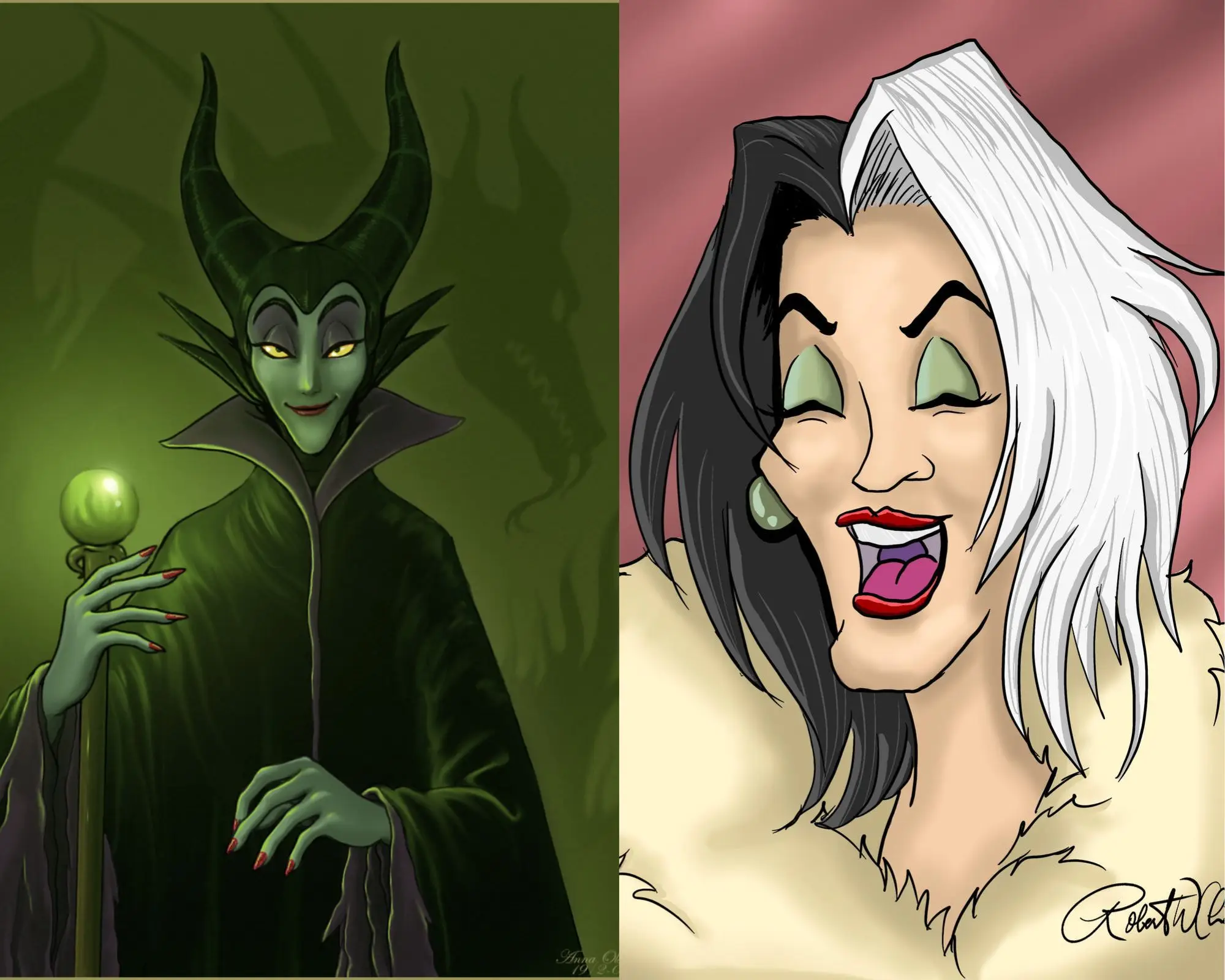
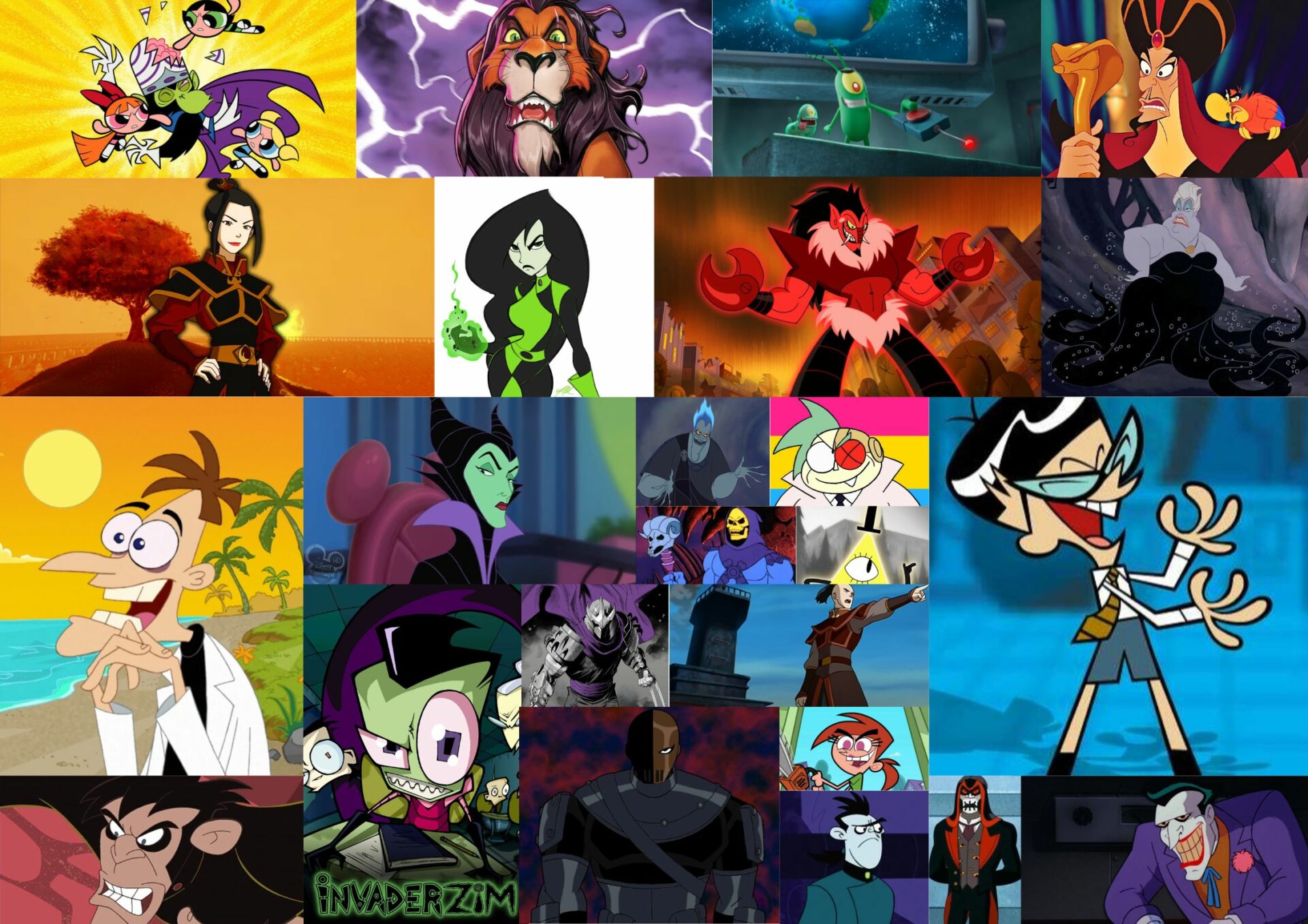
Our list rounds up the top 30 cartoon characters that were villains, each one more wonderfully wicked than the last.
READ MORE
May 6, 2026 .
Lists, MCU
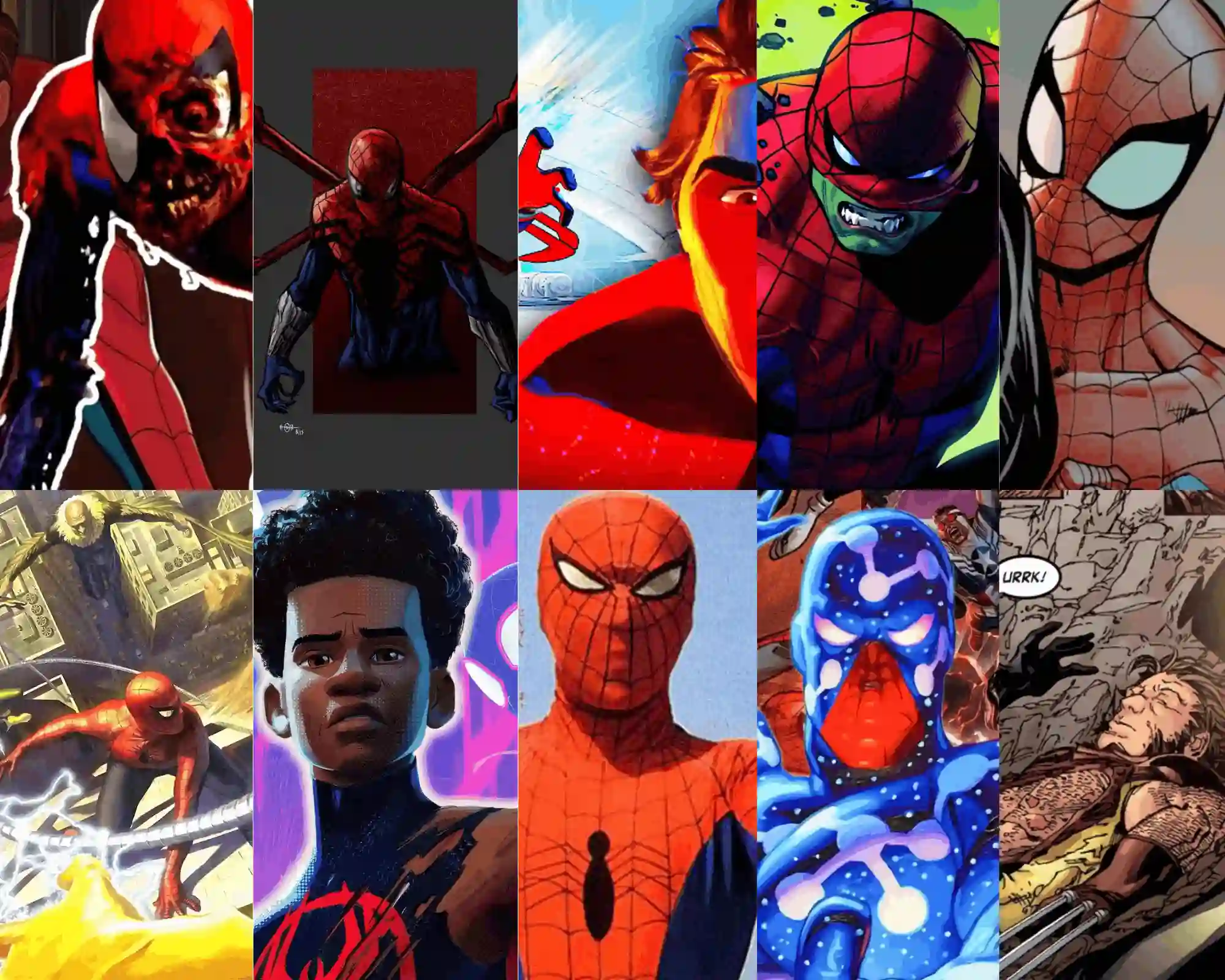
Spider-Man is one of the many superheroes from the Marvel Universe whose stories shaped many childhoods. Who is your strongest Spiderman?
READ MORE
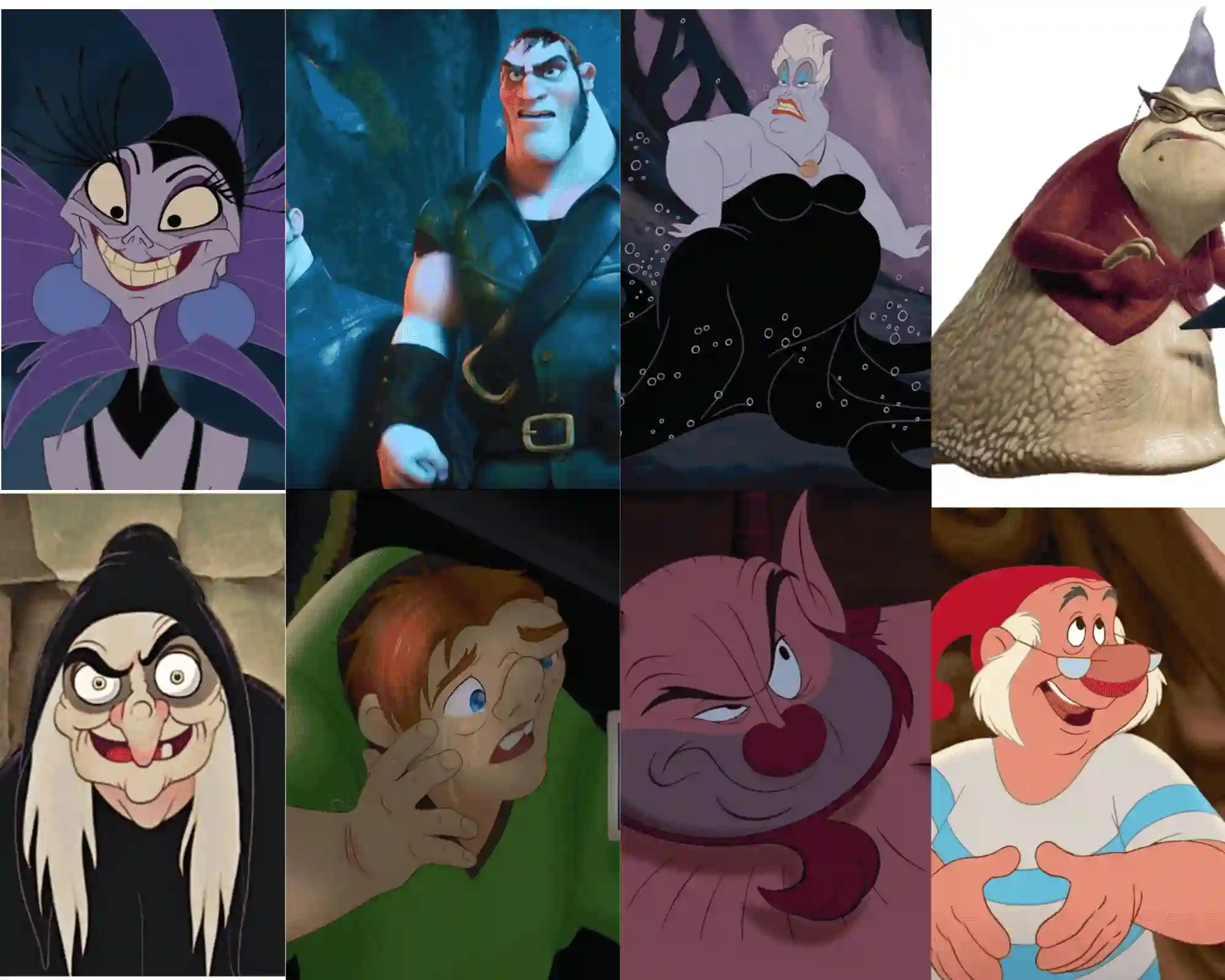
April 29, 2026 .
Lists, Opinions
The Mouse is famous for its princesses and princes. However, the studio’s true genius lies in its embrace of “ugly Disney characters”.
READ MORE
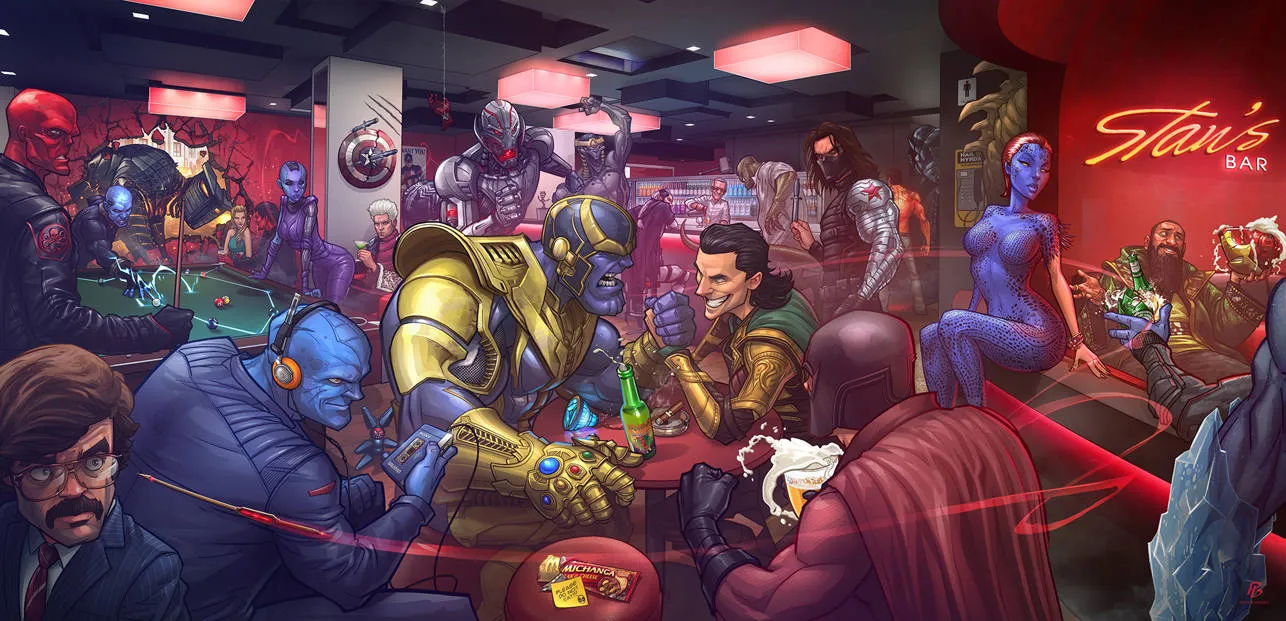
October 28, 2025 .
Lists, Marvel, MCU, Opinions
Let’s go through a list of the top 7 strongest Marvel villains, from the wickedly powerful to the absolutely unstoppable.
READ MORE
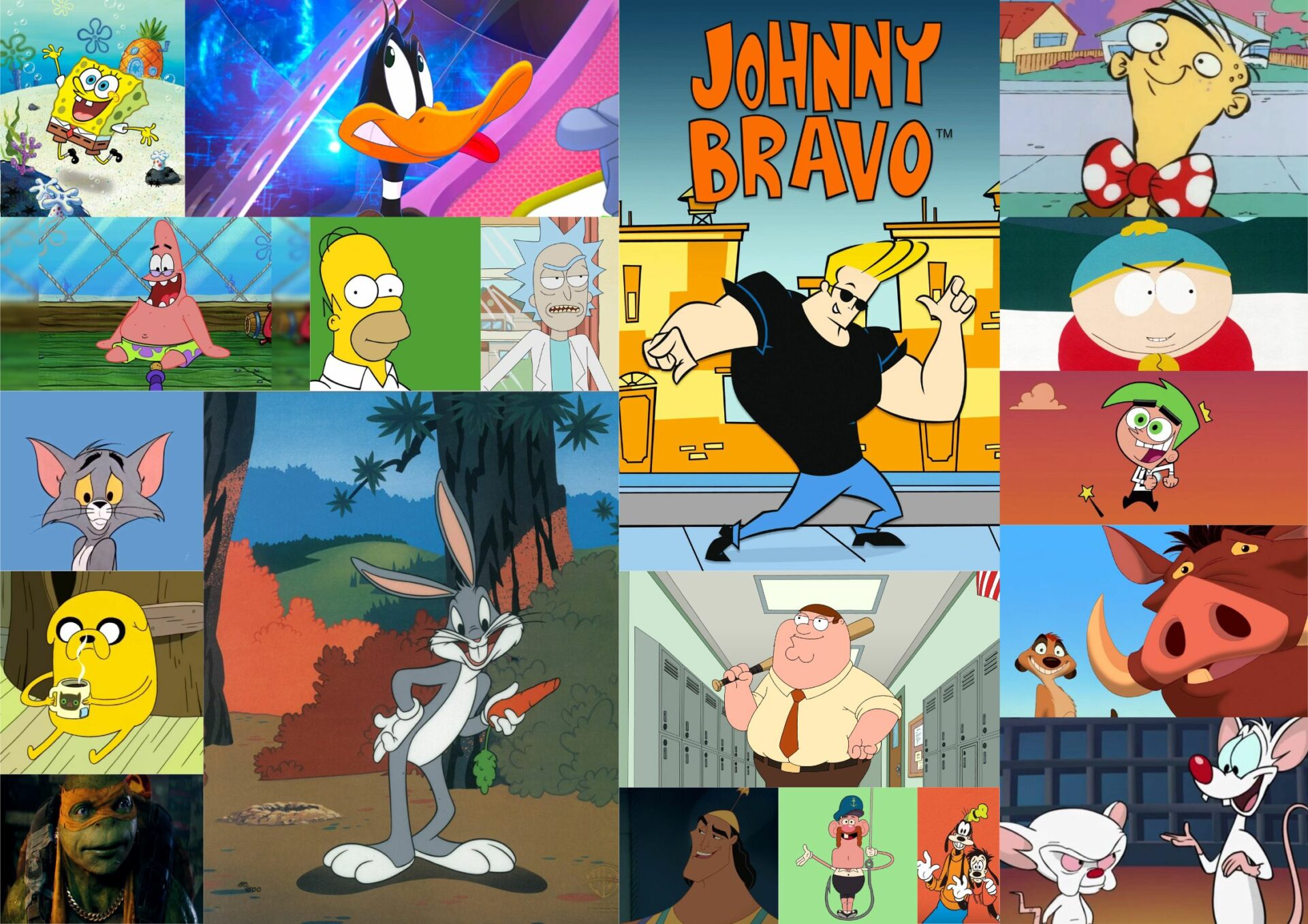
February 26, 2026 .
Cartoons, Lists
There are some outright funny cartoon characters who exist solely to crack you up, loud, hard, and with zero apology.
READ MORE

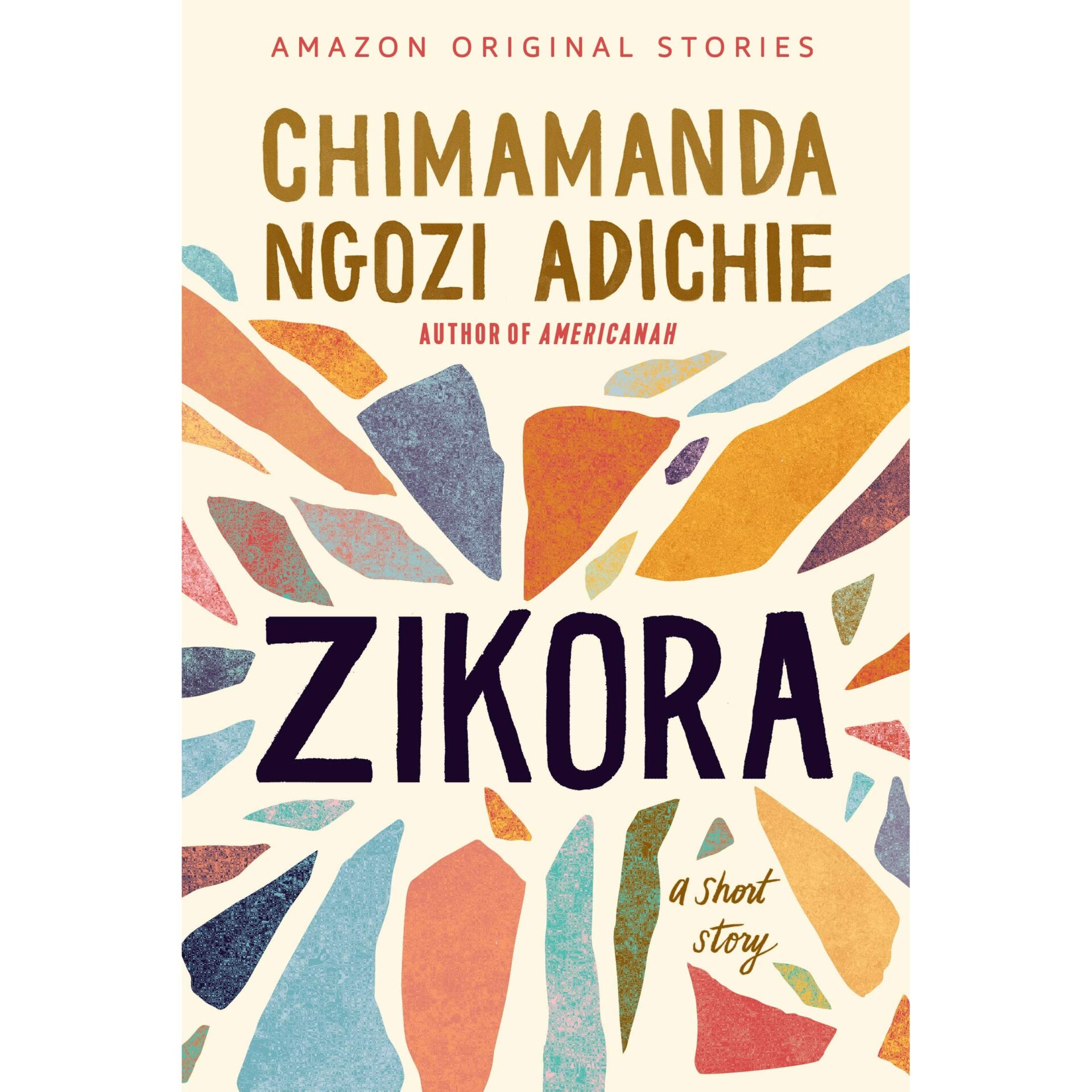
October 12, 2021 .
africanliterature, chimamanda, cna, zikora
Hopefully, the reading of a book as this will enlighten men and generally educate people in the making of the right choices regarding amatory unions.
READ MORE
February 19, 2022 .
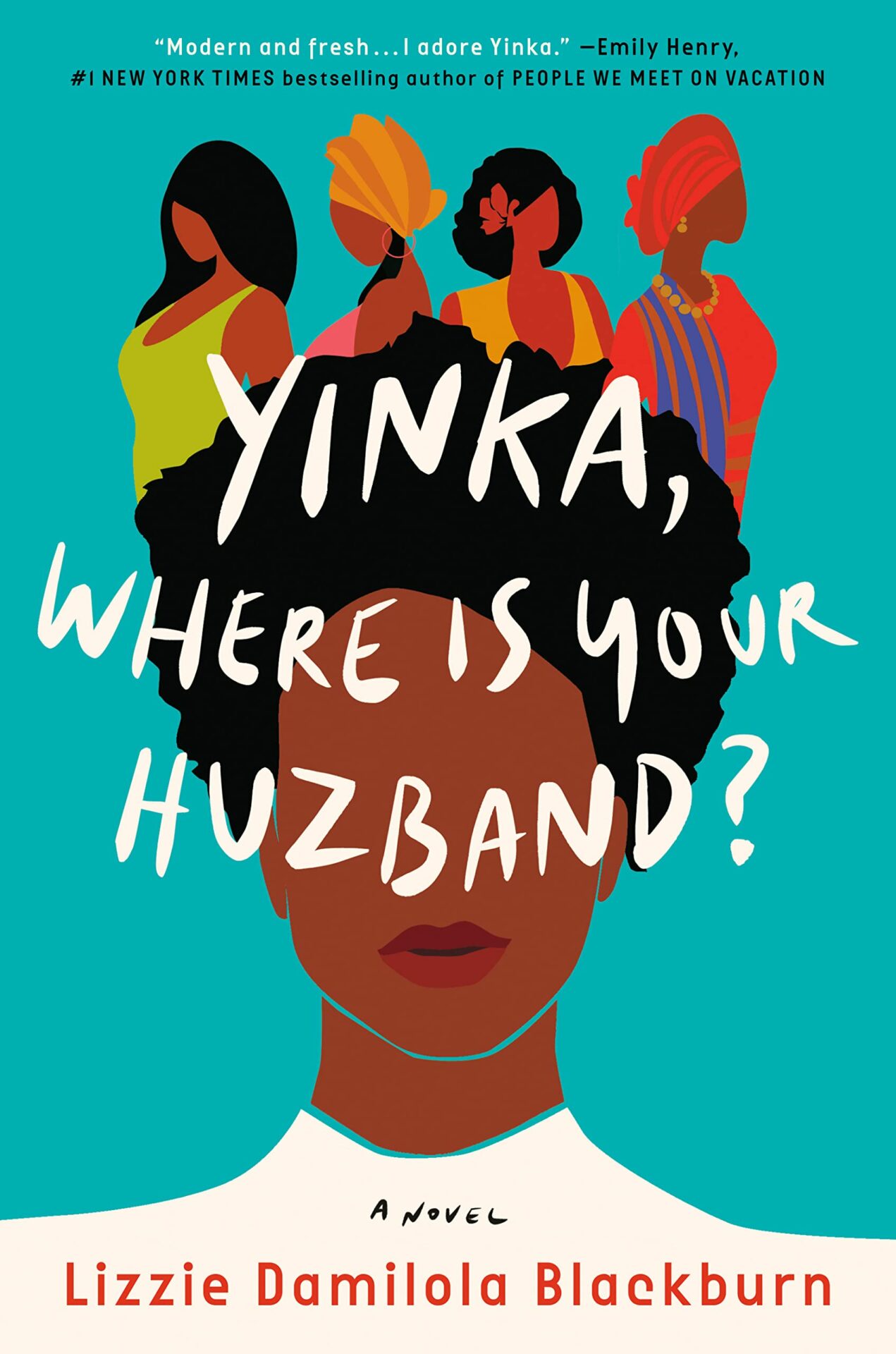
africanliterature, black, Book review, British Nigerian, lizziedamilolablackburn, Nigerian, Self growth, yinkawhereisyourhuzband
READ MORE

January 26, 2025 .
africanliterature, sharjah
READ MORE
November 12, 2023 .
africanliterature
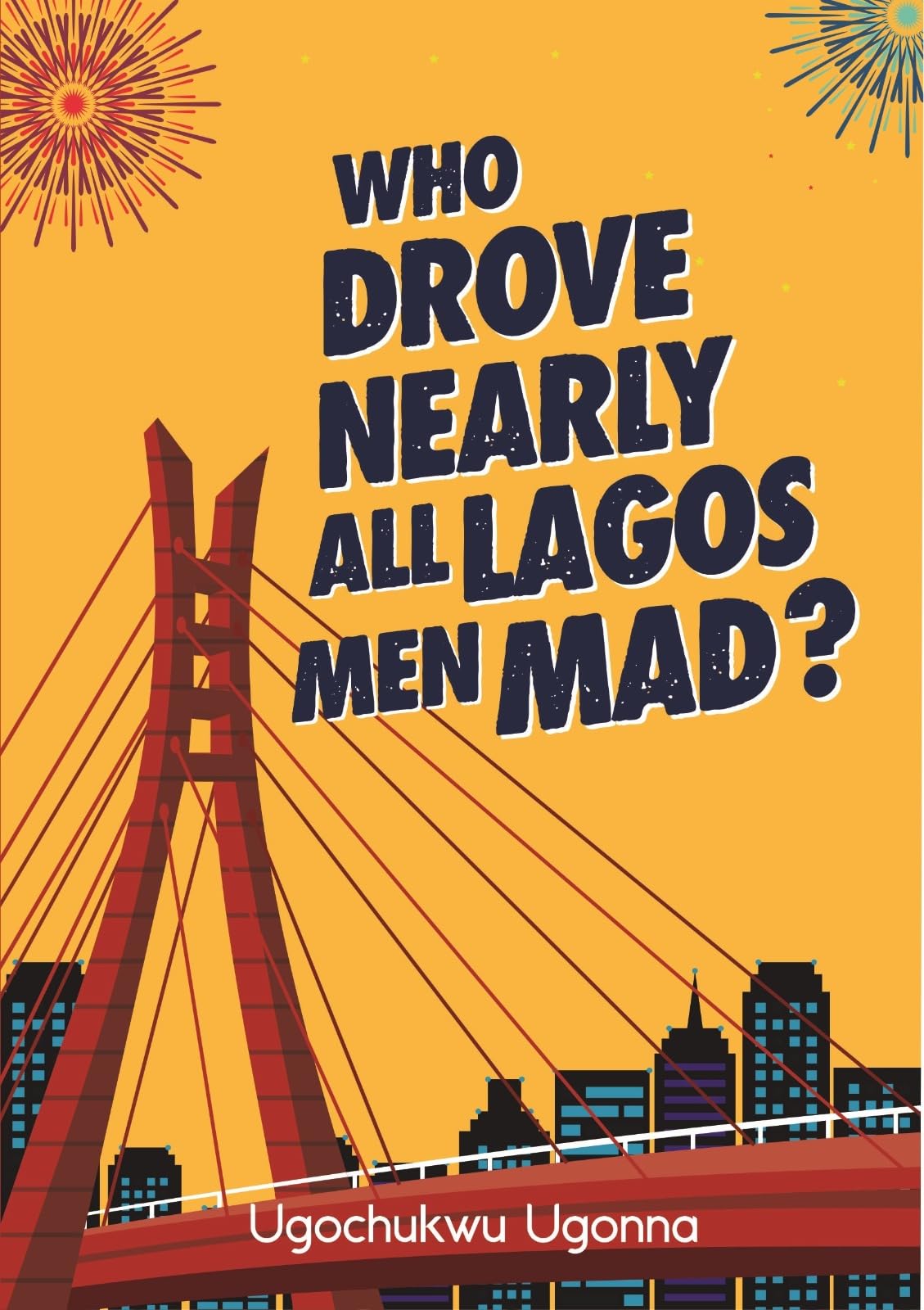
In these tales, women are portrayed as clever and tricky individuals, while men’s descent into madness is often a response to these traits.
READ MORE

December 4, 2023 .
africanliterature
READ MORE
February 3, 2025 .
africanliterature
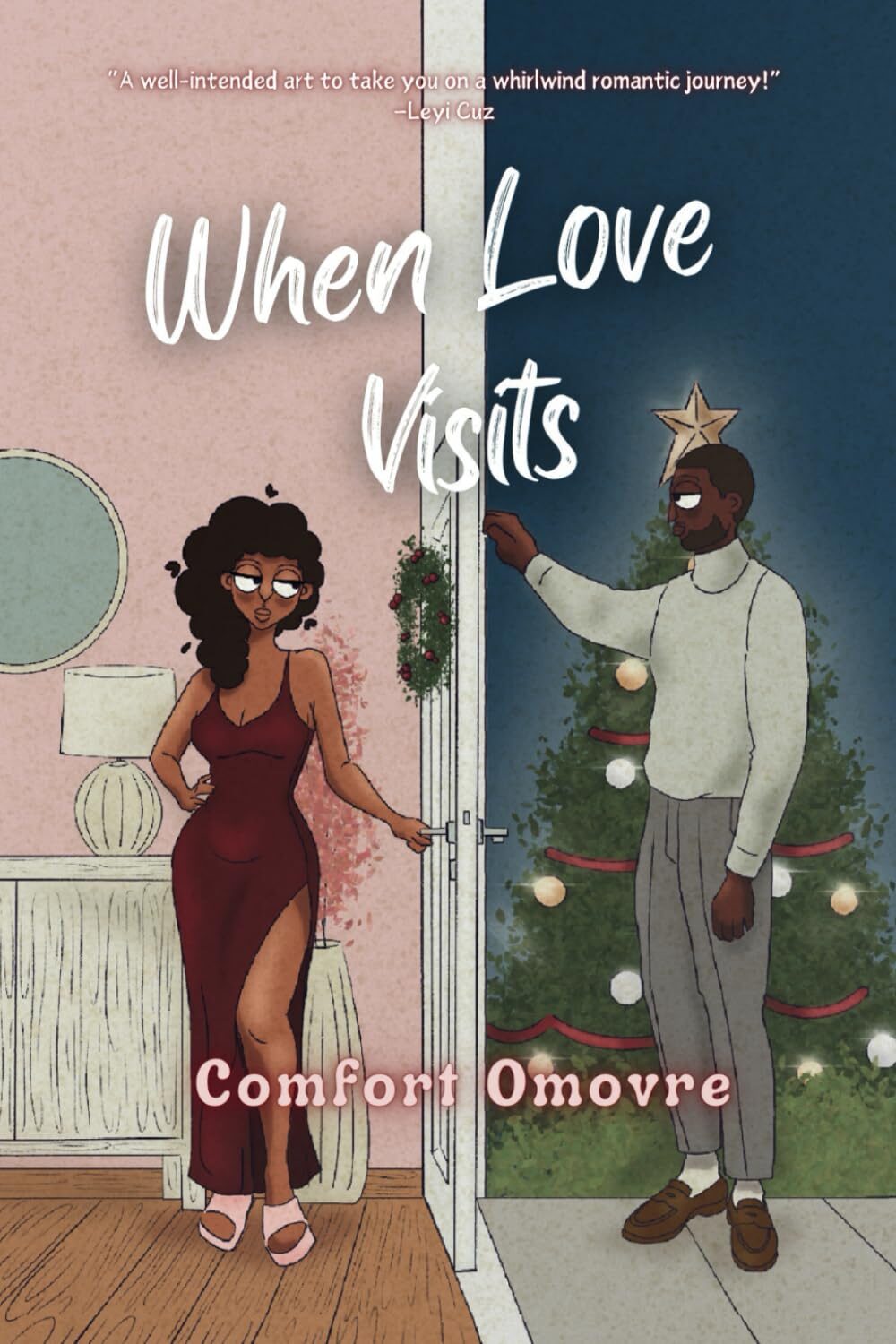
When Love Visits is a contemporary romance novel that narrates how Uju and Tade, both in their thirties and successful fall in love at first sight.
READ MORE

May 7, 2022 .
africanliterature, miracleemekankwor, whathappenedtojanetuzor
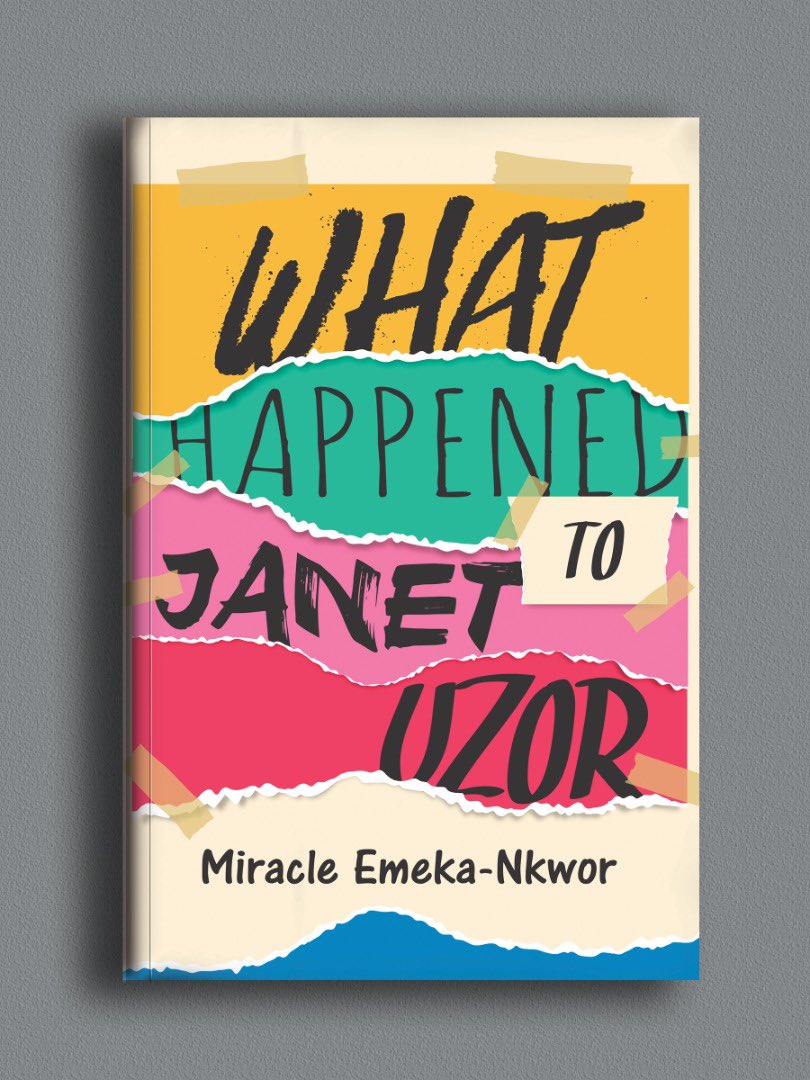
Ebere has a theory that a killer is out there that claims his victim every Christmas, and she believes their best friend Janet was one of his victims.
READ MORE
December 4, 2023 .
africanliterature
I don’t find What Happened to Janet Uzor very hair-raising thrilling, but it has ENOUGH suspense to get you flipping.
READ MORE

May 5, 2024 .
africanliterature
If you liked Dele Weds Destiny, then you’ll love We Were Girls Once. Aiwanose is a wonderful and insightful writer, and I look forward to reading more of her works.
READ MORE

Get our magazine for free!