Close menu
Ranking the best of African Literature













It is very important that writers intending to create 7th-grade books understand what they are getting into.
The 7th grade is a transformation space where children enter teenagehood and begin to face the struggles of adolescence. It is also the prime for transitional literature, a bridge to the wider youthful literary community.
As a result, it is very important that writers intending to create 7th-grade books understand what they are getting into.

As mentioned earlier, 7th-grade books are transitional literature that targets 12- to 13-year-olds and typically range from 50,000 to 70,000 words. These works use richer vocabulary, more extended narratives, and mature themes to support adolescents as they transition from childhood to adolescence.

Writing for this group demands a blend of relatable adolescent themes, dynamic action, and direct language.
To write authentic 7th-grade books, an author must grasp the psychological shift at this age.
At this stage, children seek independence, and their conflicts evolve from external playground disputes to internal struggles over self-image. It is essential for writers to recall personally what this age felt like or to consult real kids to capture their perspective authentically.
Build your plot around a protagonist of a similar age, give them autonomy in decision-making, and avoid having adults resolve their dilemmas. Ensure the characters sound like real kids, but avoid excessive slang that can overwhelm the narrative.
Successful 7th-grade books typically center their plots on three key aspects of early adolescence.
While pacing varies by sub-genre, successful 7th-grade books typically follow a clear, engaging structure.
Therefore, it is important to hook readers quickly and prioritize action and dialogue over heavy descriptive exposition. Balance internal reflection with fast-moving plots by using subplots that feature school, family, and extracurricular activities to ground the central conflict.
When crafting a 7th-grade narrative space that honors your characters’ pain, grant them agency to grow from it, moving beyond cheap shock value to reveal true, hard-won resilience.
Every book should empower readers. Handle each character’s emotional journey with care, creating a deeply satisfying and comforting experience that inspires readers to face their own real-world challenges.
Reading 7th-grade books provides aspiring writers a masterclass in pacing, narrative voice, and world-building.
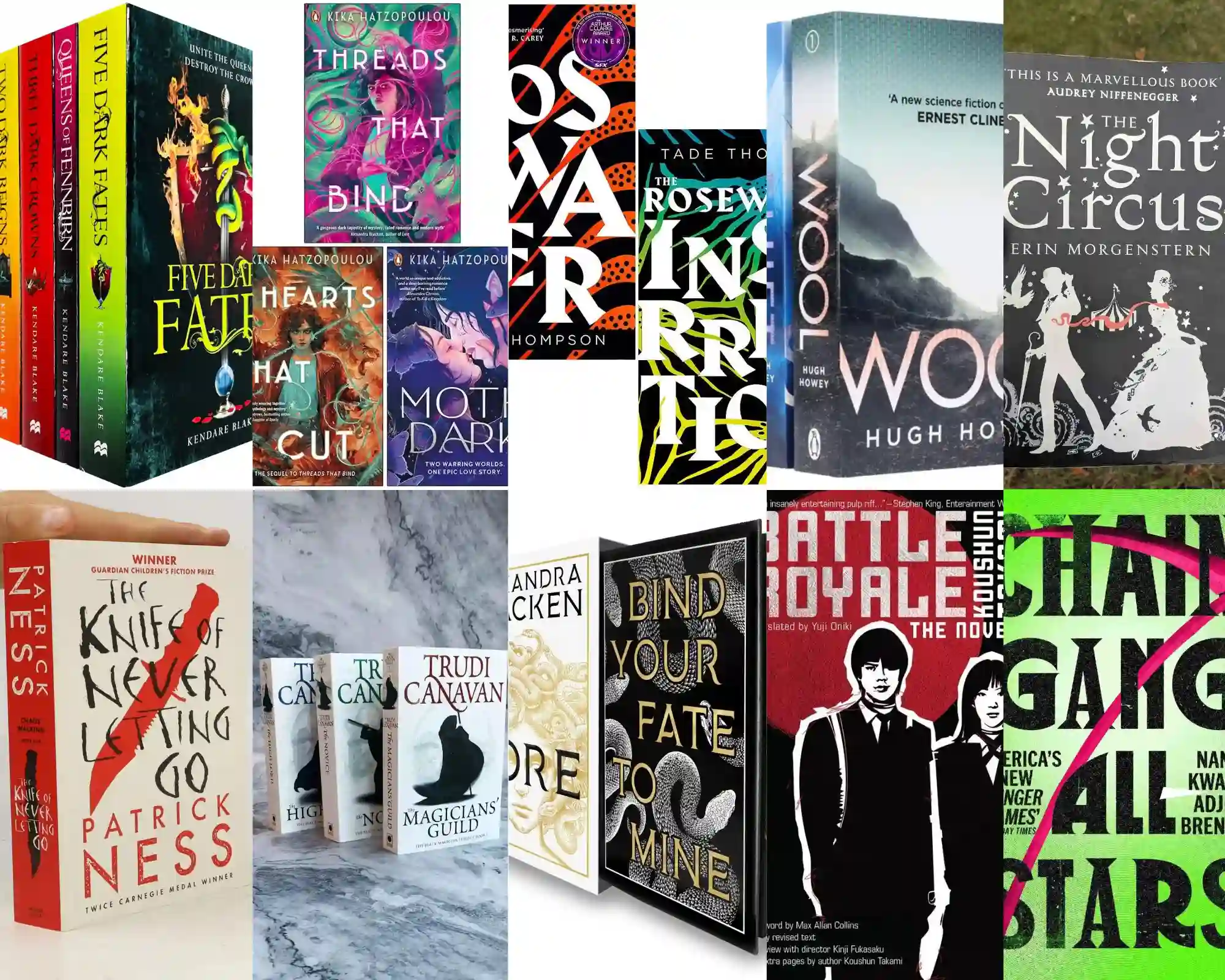
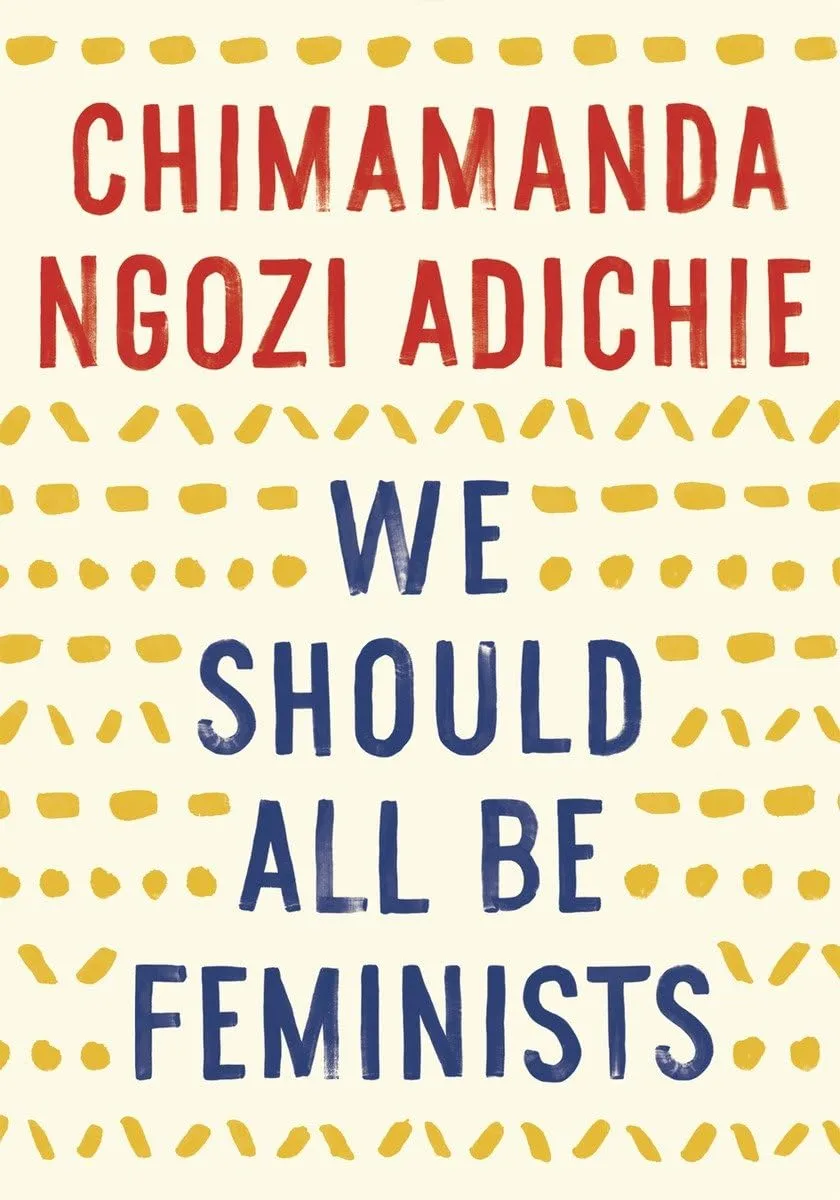
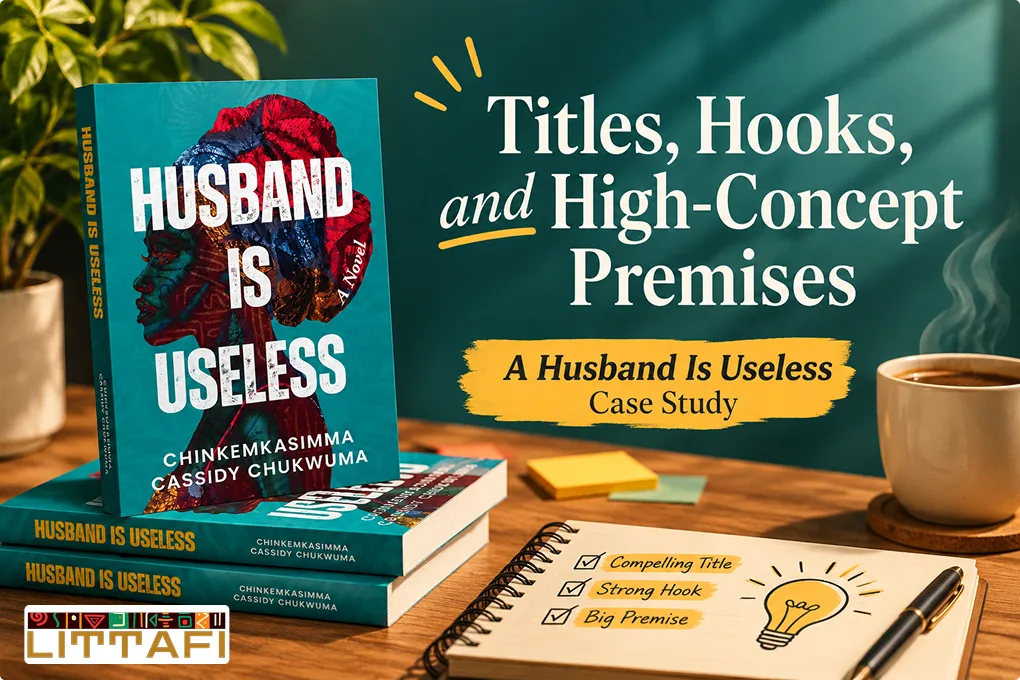
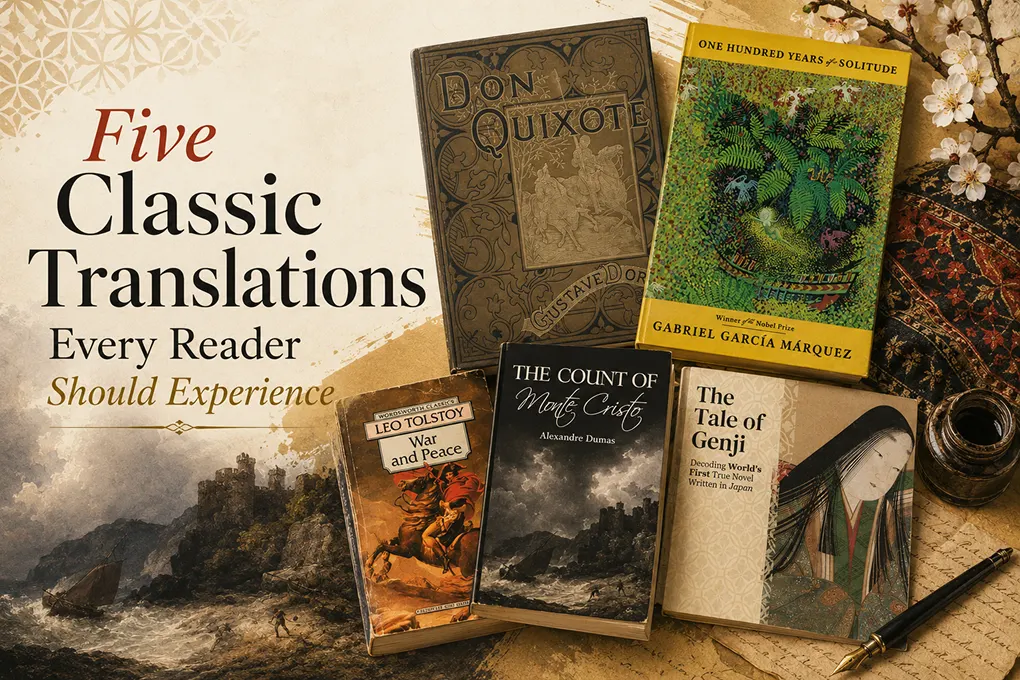
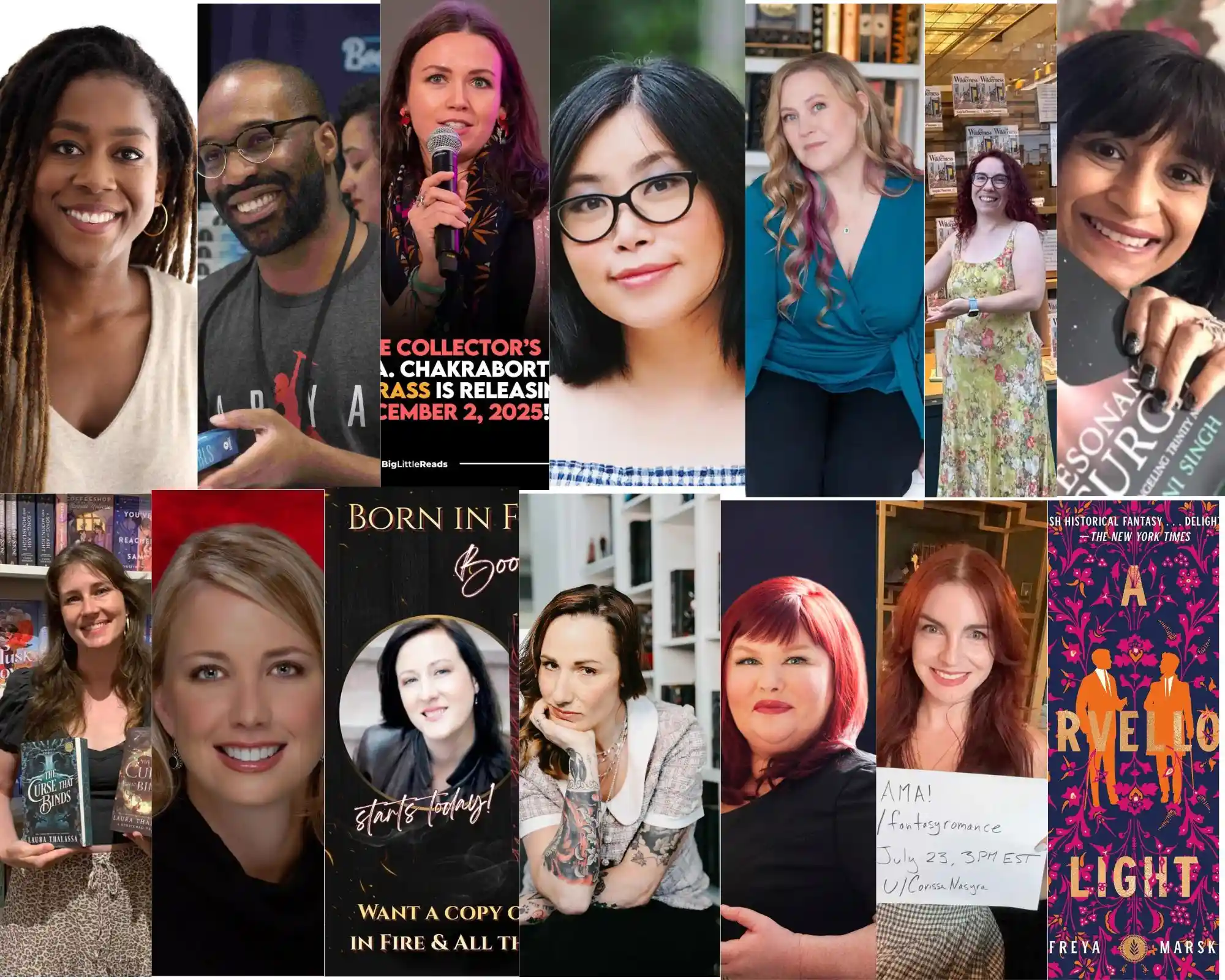
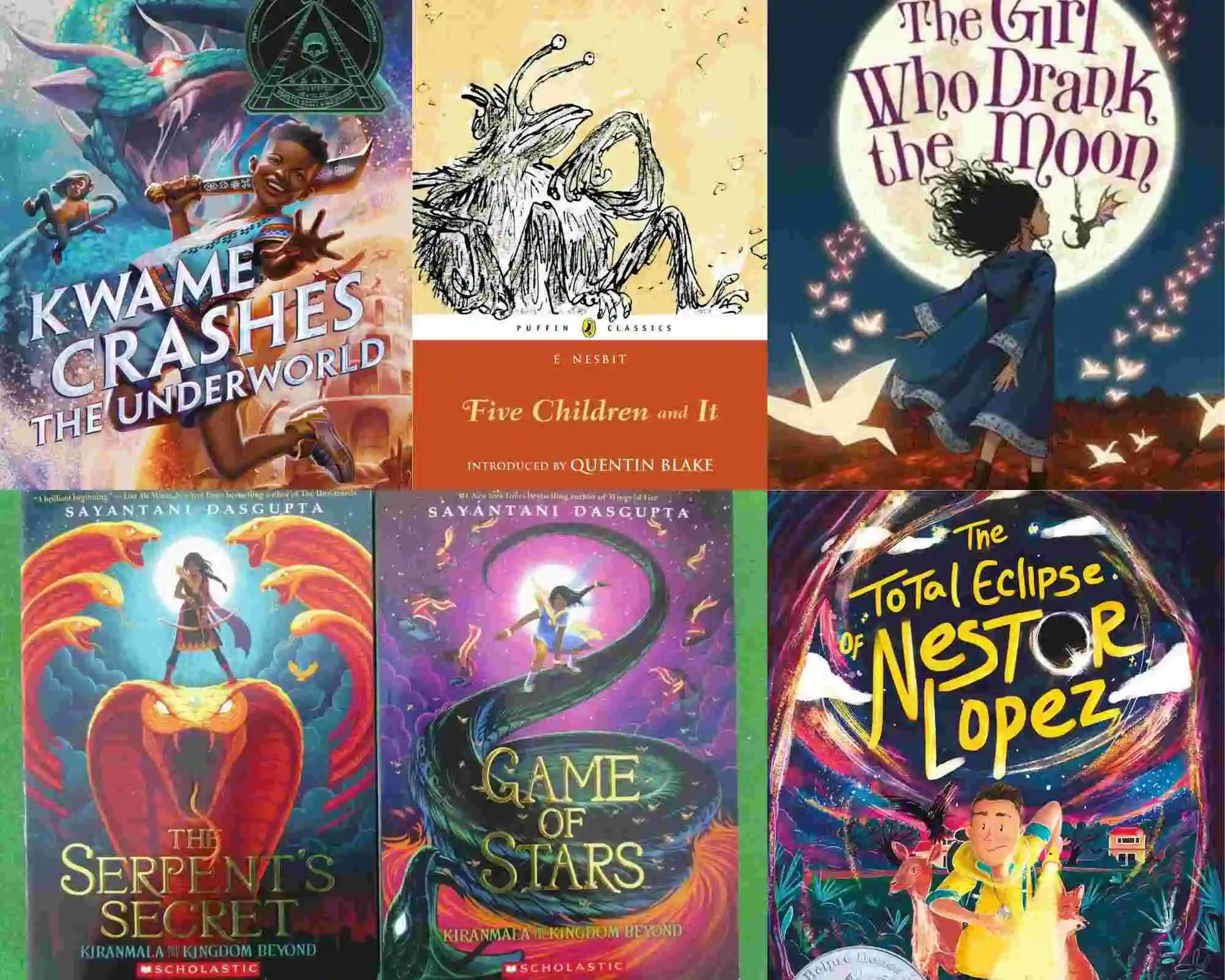
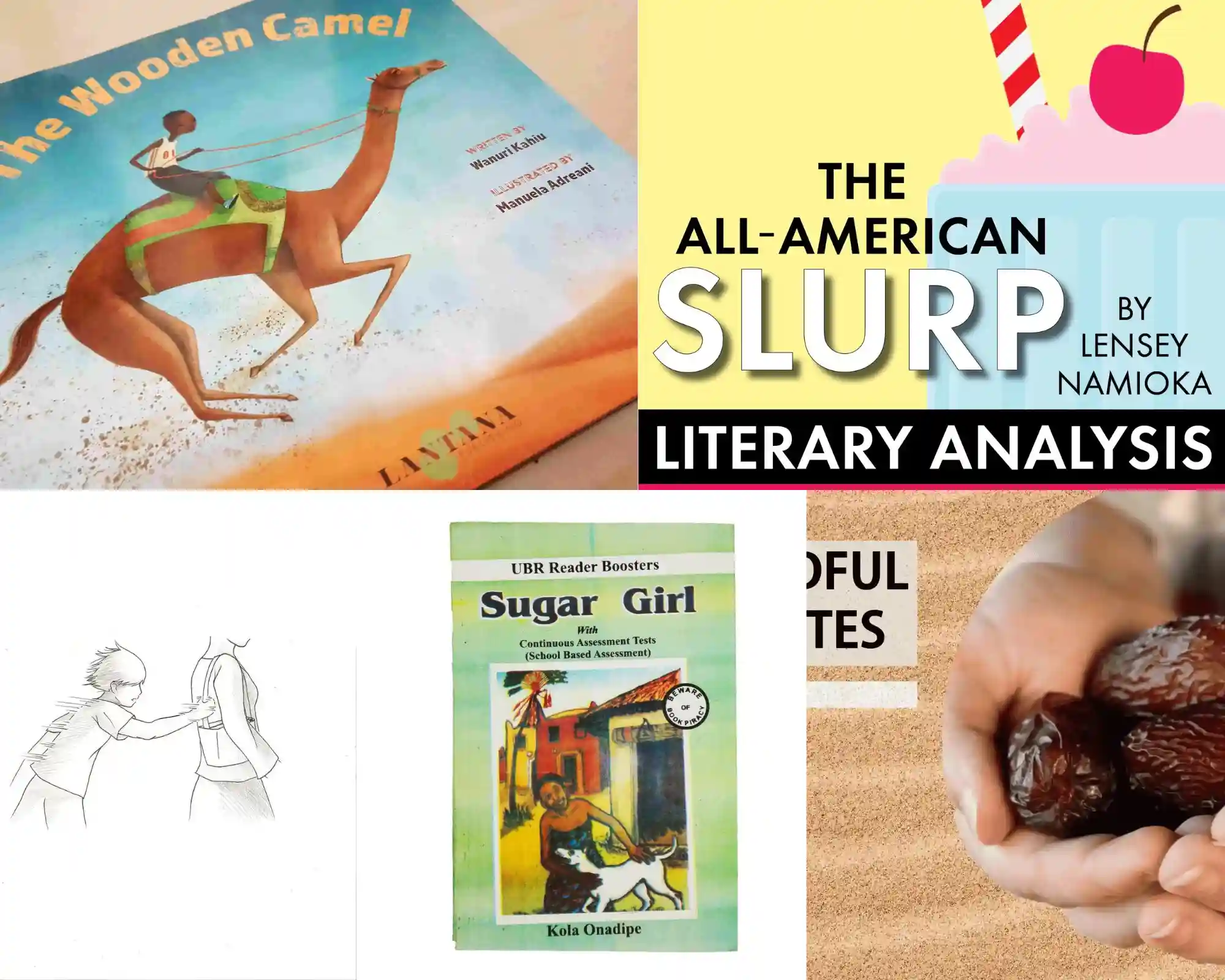
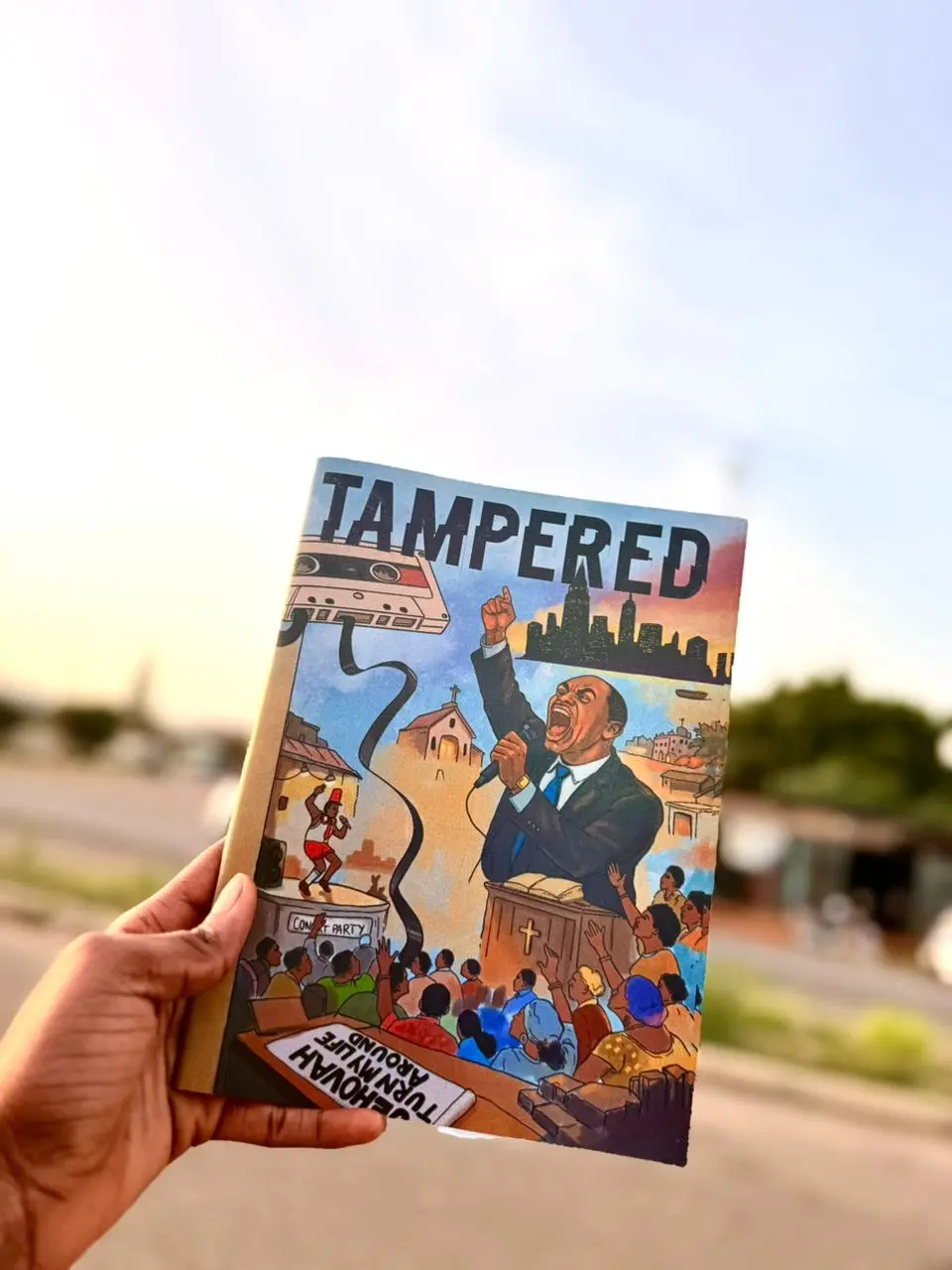
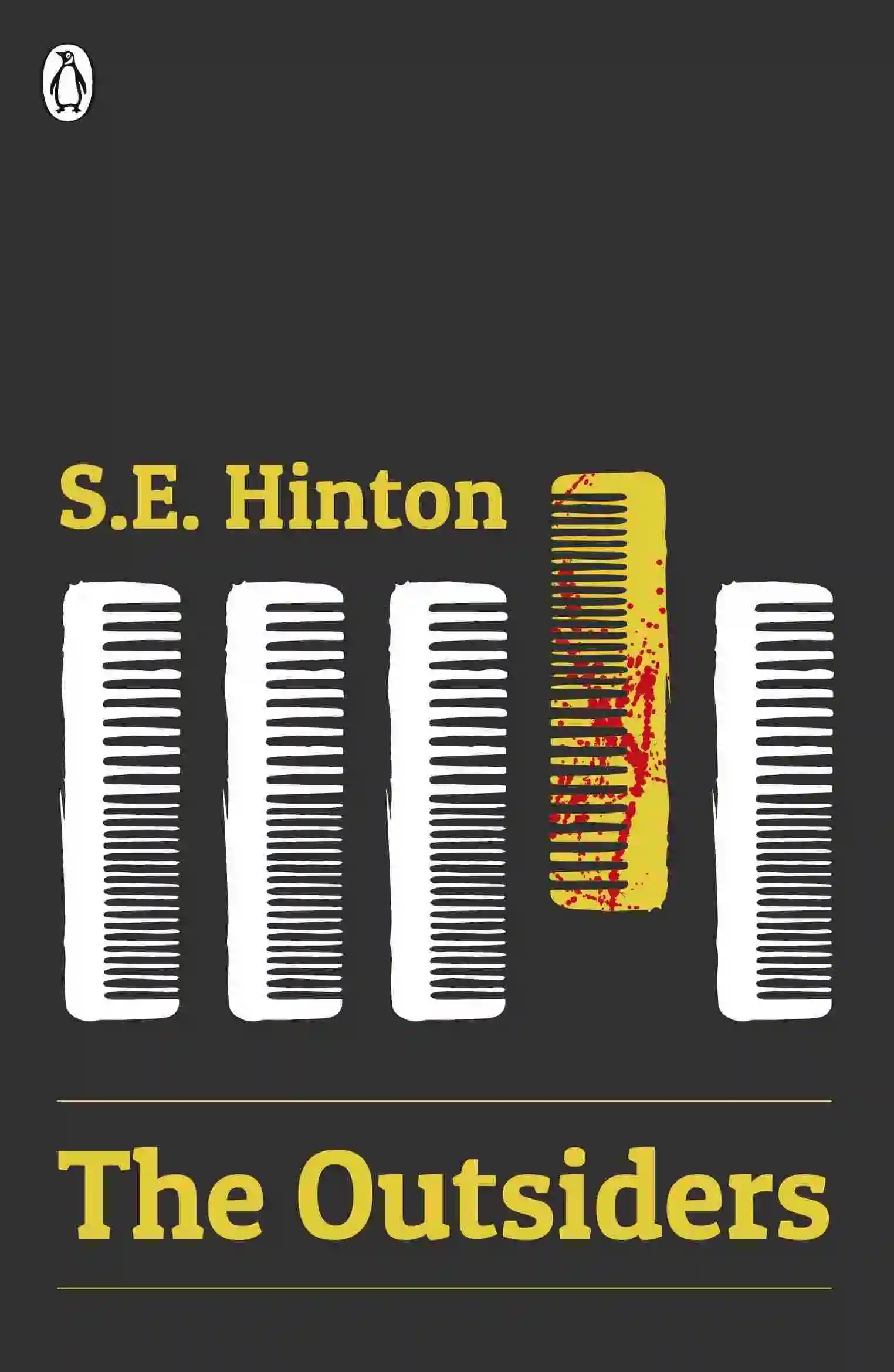
These books span genres and offer vivid examples of structure that you can analyze to enhance your own writing. Genres range from fantasy and adventure to realistic fiction and biography, yet most explore coming-of-age themes. Popular 7th-grade titles for aspiring writers include:

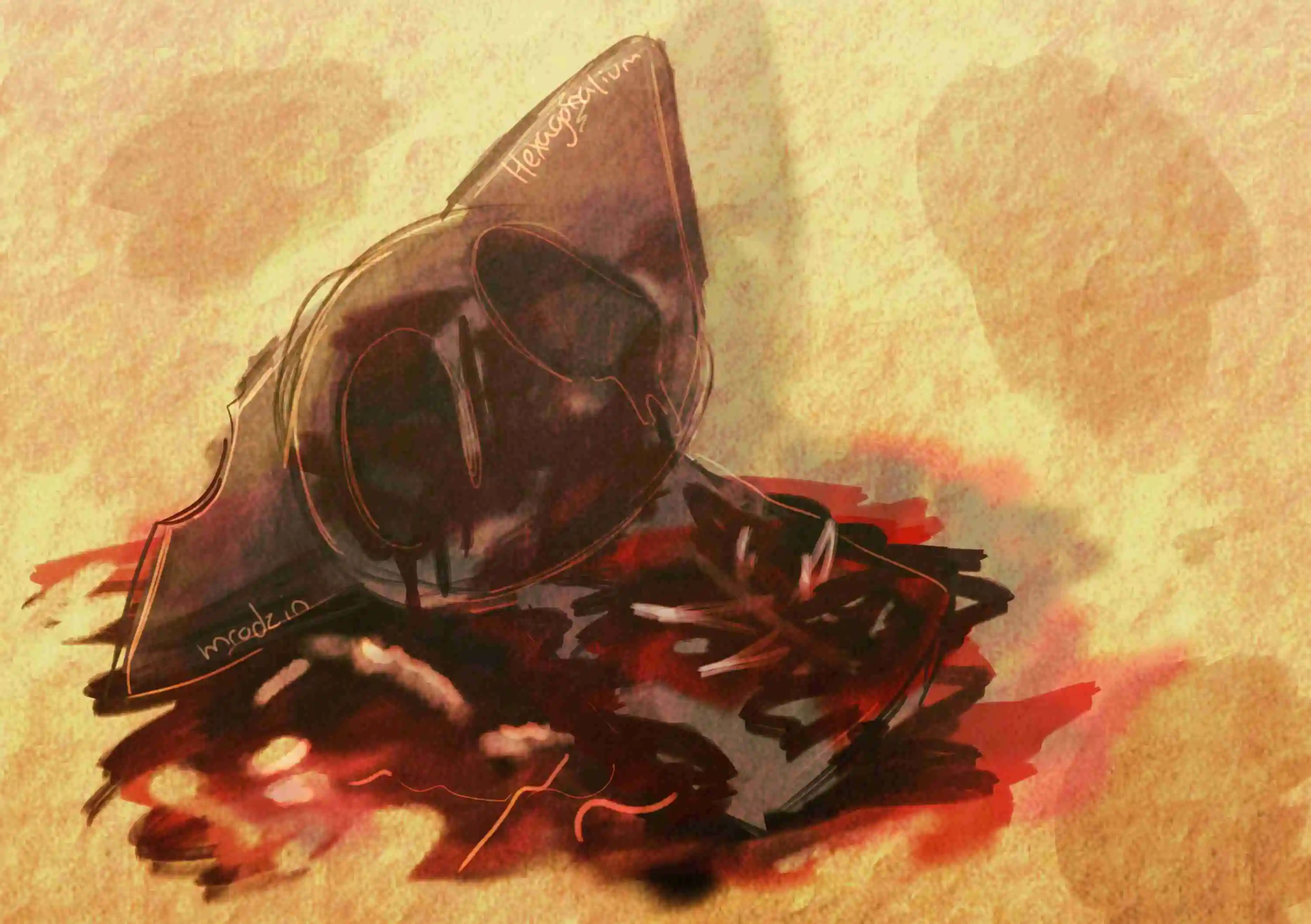
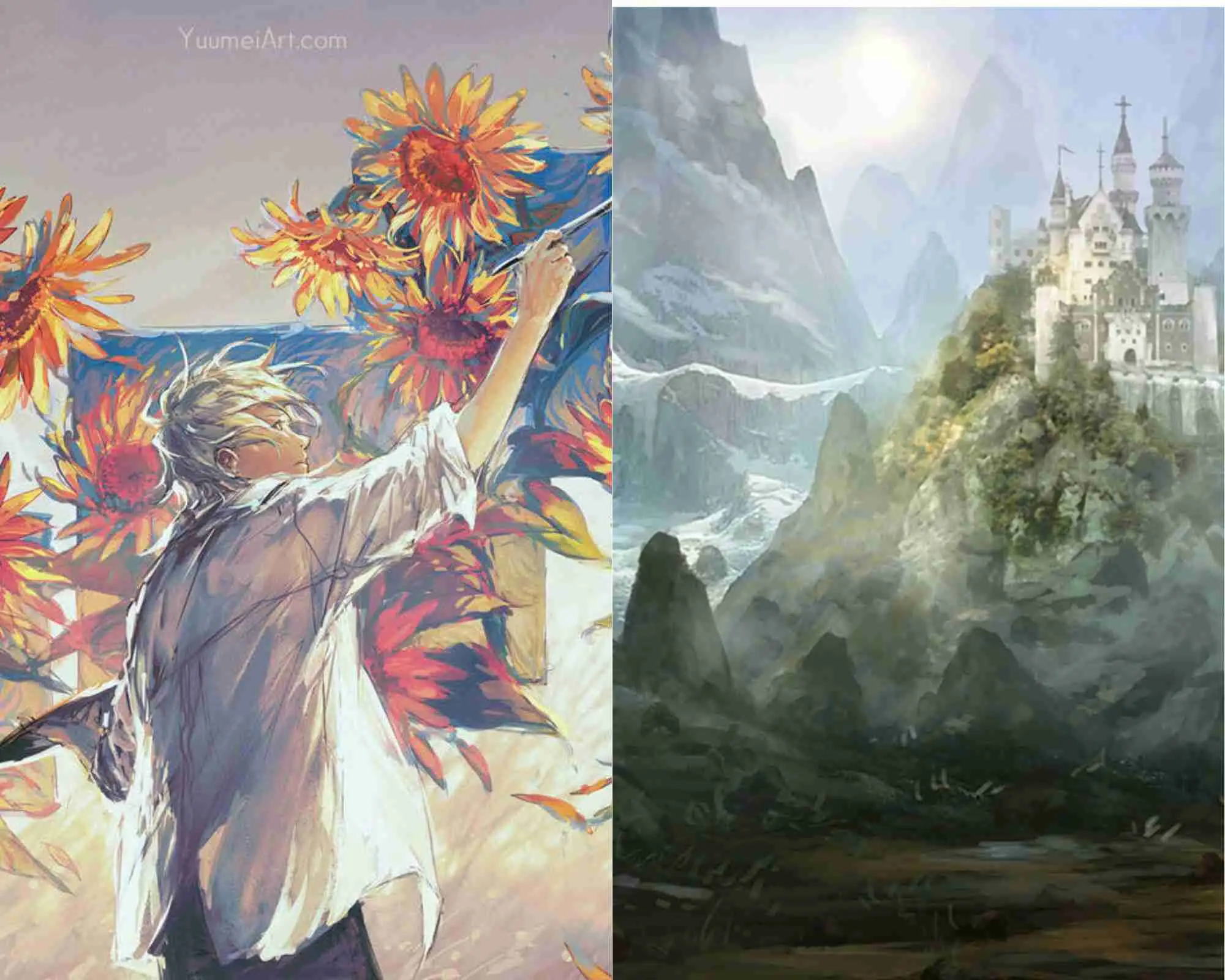
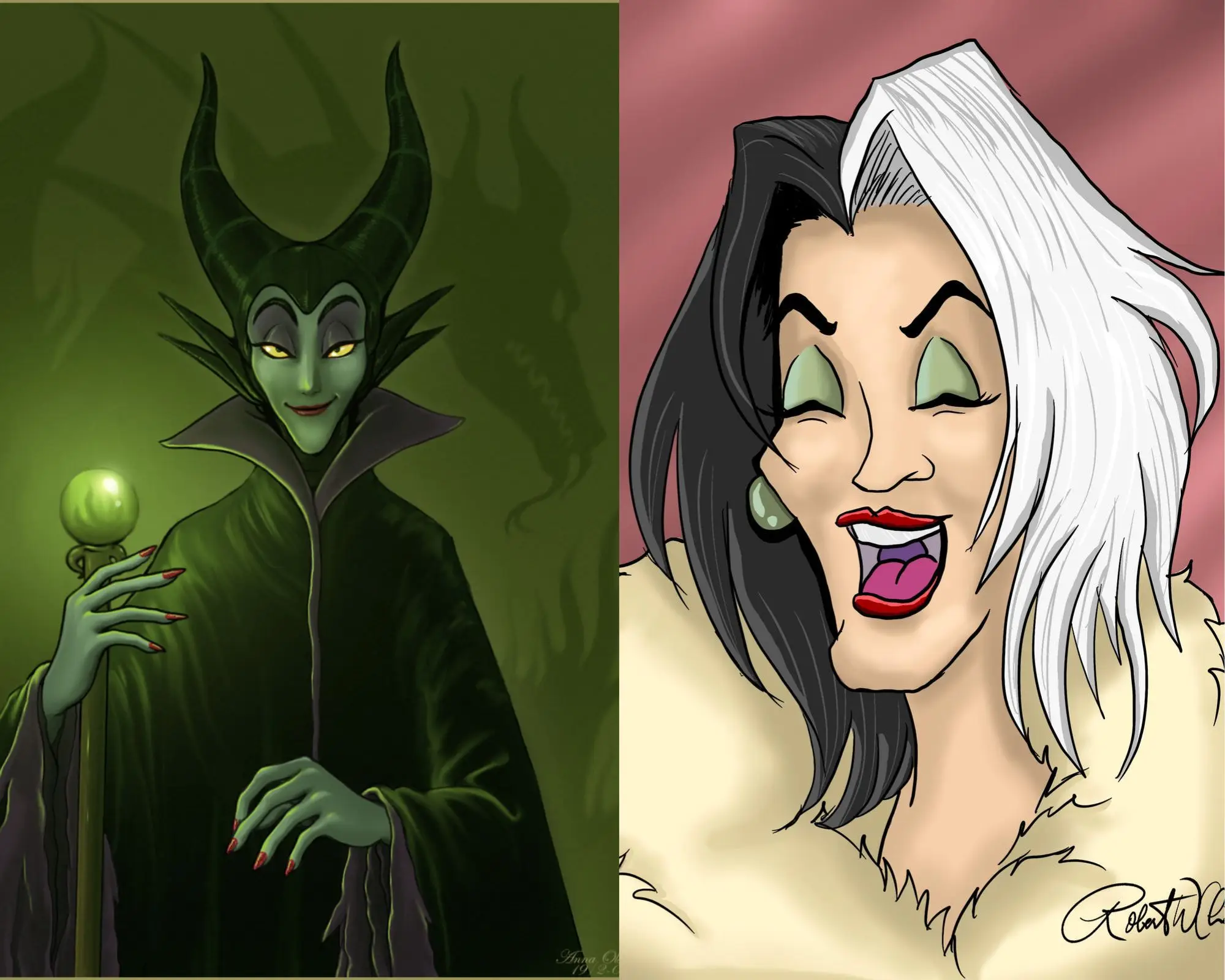
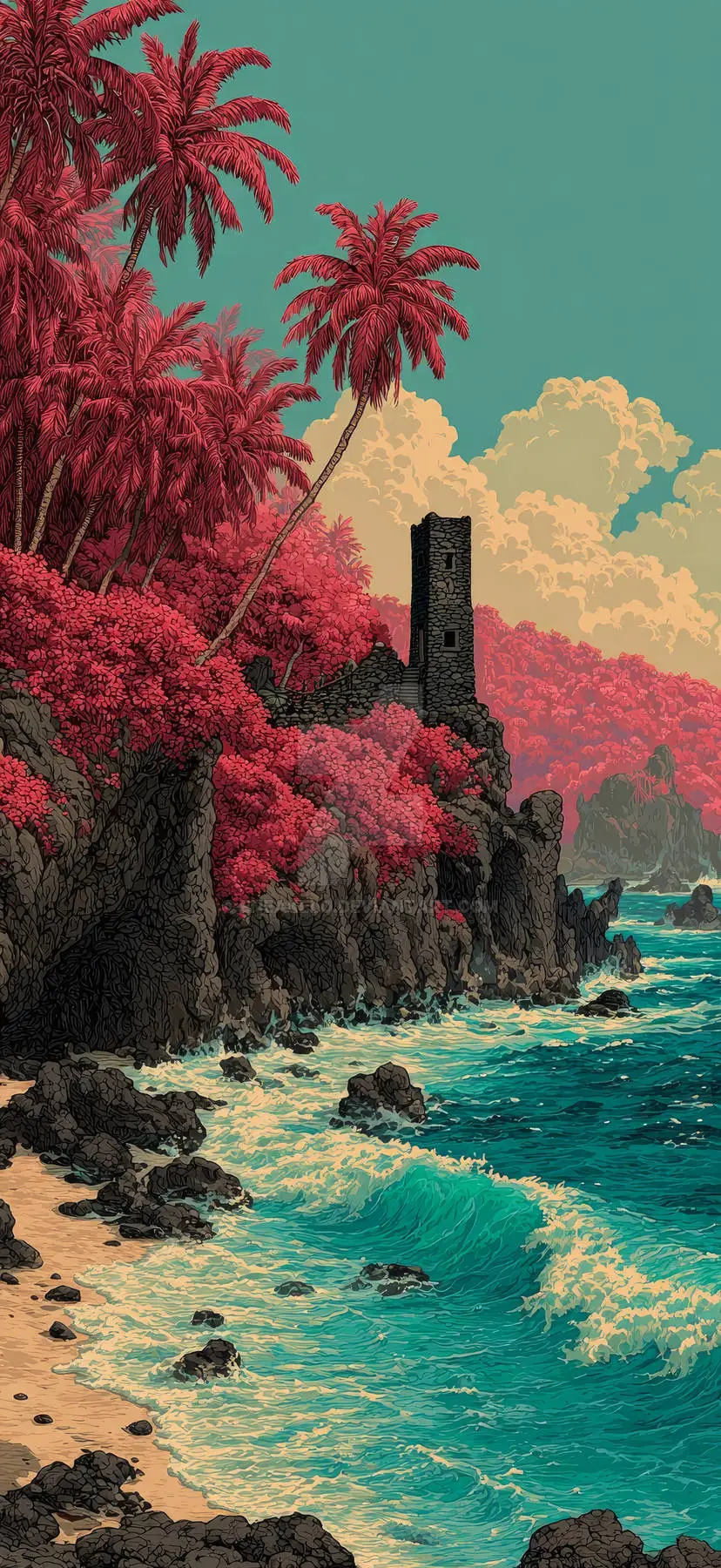
Photo credit: Deviantart
Writers must try not to fall for specific traps:

The author must cut unnecessary scenes with brutal precision.
Because it is easy to be blind to one’s faults, the authors can use beta readers from the target demographic to offer immense value. In the same vein, the dialogue needs vocal testing to expose awkward rhythms.
Additionally, a character arc demands a visible progression. The protagonist in the final chapter must display a fundamental shift from the protagonist in the first chapter.
Lastly, the formatting needs clear chapter breaks, and short chapters create a sense of speed.
Writing for seventh graders is both a responsibility and a privilege. This age marks a chaotic yet beautiful transition. The stories these teens consume leave a lasting mark on their worldviews and act as a compass for their lives.
By respecting their emotional intelligence, crafting authentic voices, and sharing resilient messages, authors create literary companions readers will cherish. The next generation of readers eagerly awaits your story.

Godsgift Isaiah is a music and book whore who enjoys everything about art.
July 20, 2025 .
Animation, Lists
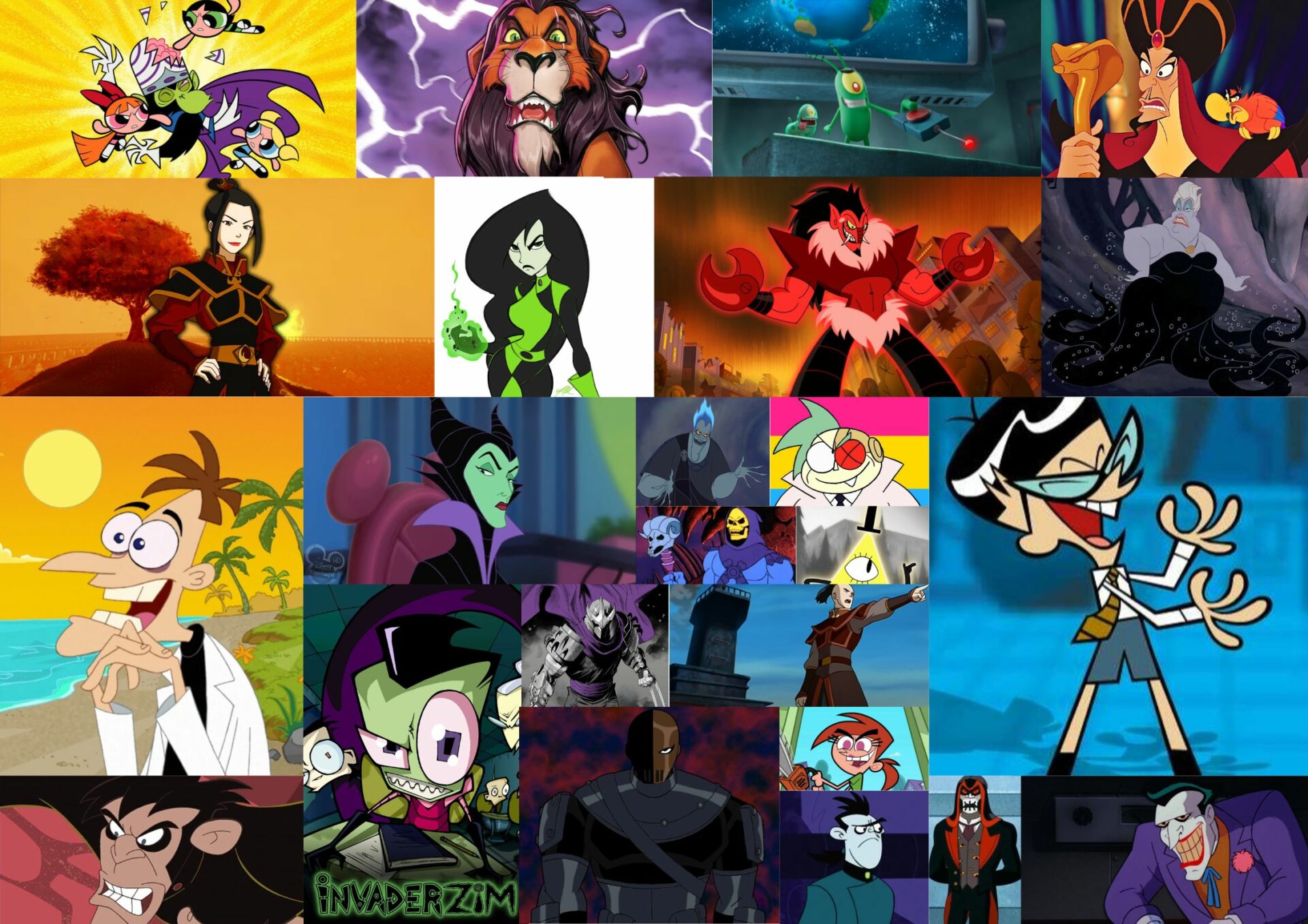
Our list rounds up the top 30 cartoon characters that were villains, each one more wonderfully wicked than the last.
READ MORE
April 29, 2026 .
Lists, Opinions
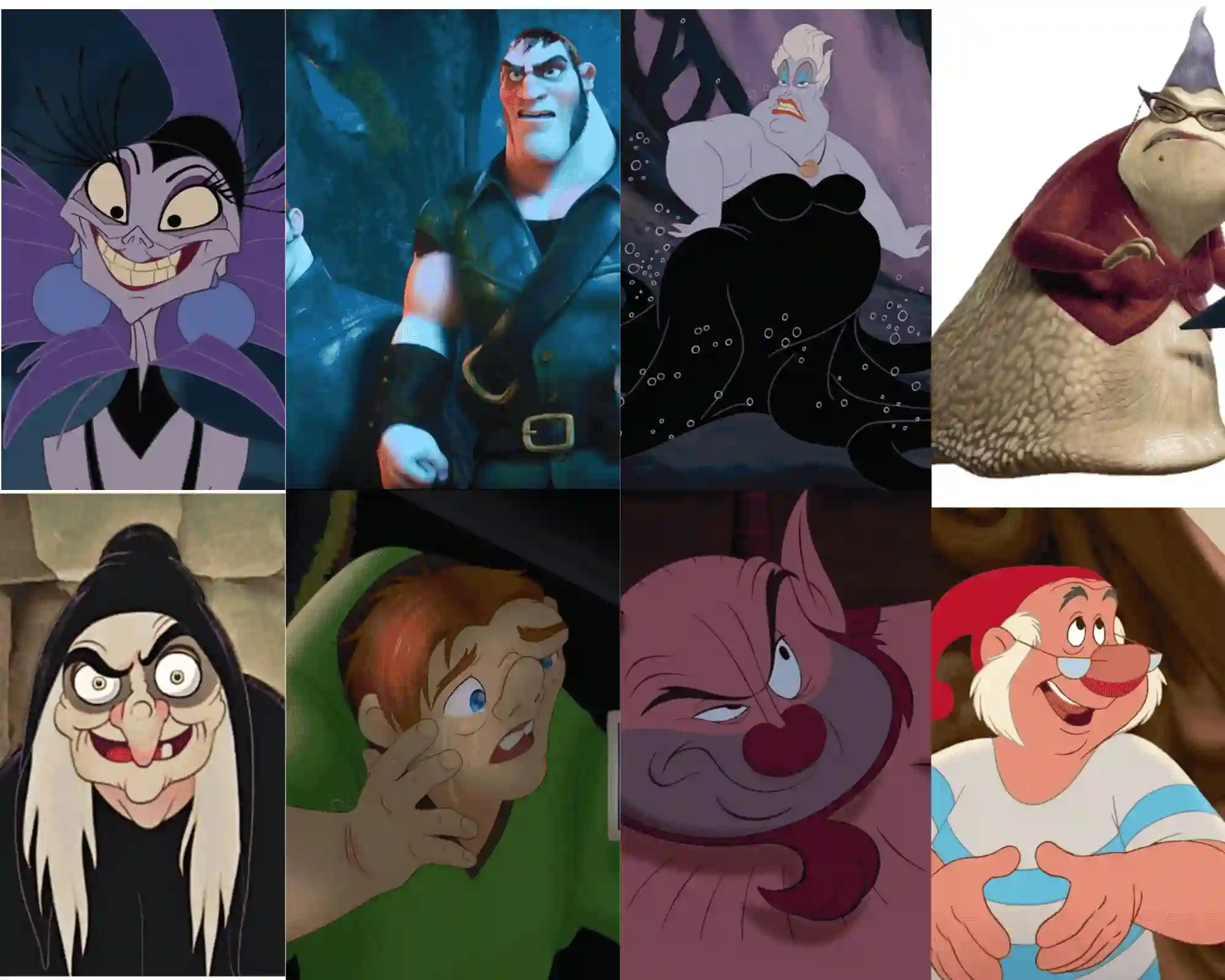
The Mouse is famous for its princesses and princes. However, the studio’s true genius lies in its embrace of “ugly Disney characters”.
READ MORE
May 6, 2026 .
Lists, MCU
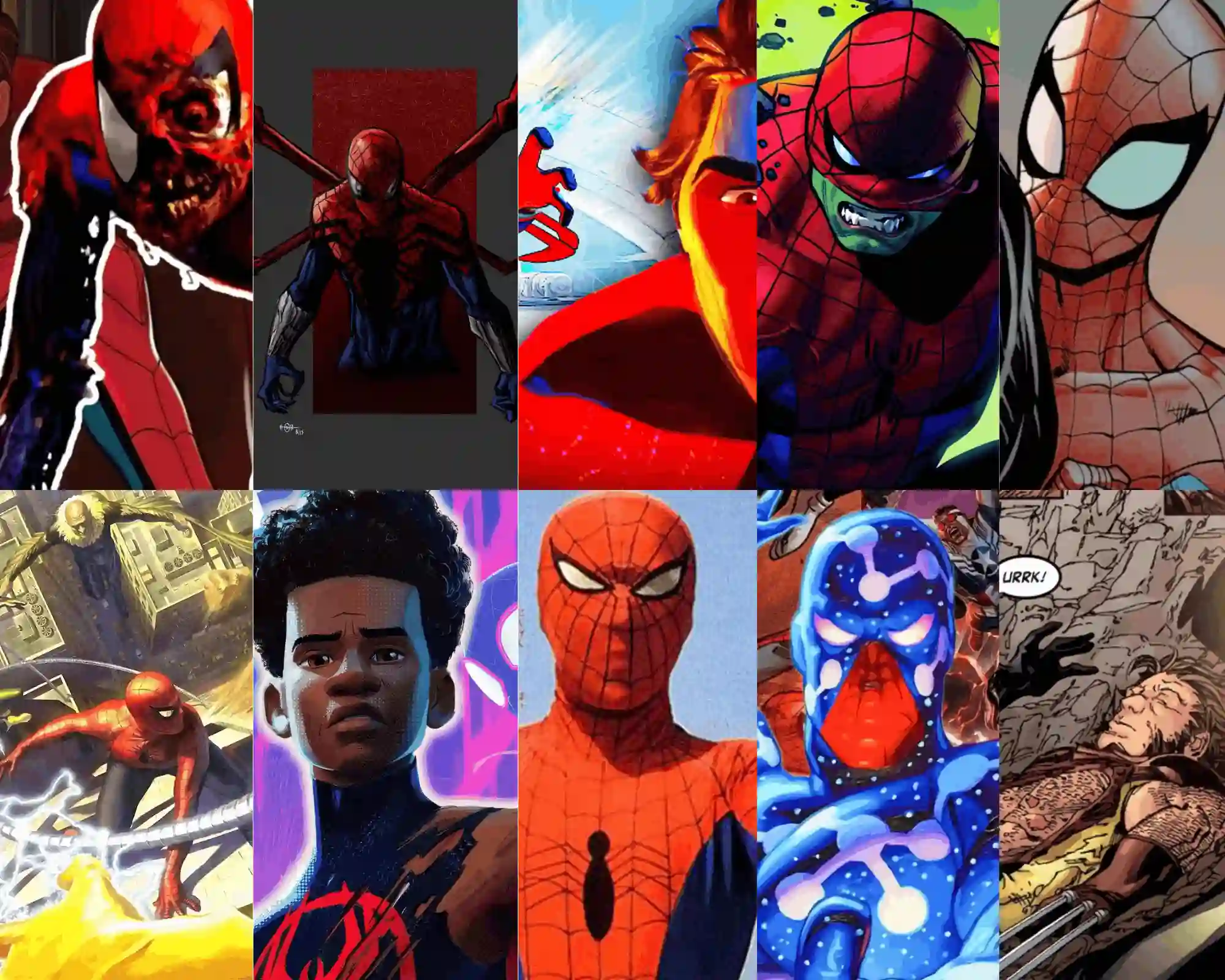
Spider-Man is one of the many superheroes from the Marvel Universe whose stories shaped many childhoods. Who is your strongest Spiderman?
READ MORE
September 12, 2026 .
Lists
What connects these books is how each author uses them. Here are ten sci-fi and fantasy books like The Hunger Games.
READ MORE
June 25, 2026 .
Lists, Opinions
If Game of Thrones taught us anything, it’s that the characters we hate the most tend to outlive everyone else.
READ MORE
July 20, 2025 .
Writer Resources
Discover the differences in First-Person Point of View and Third-Person POV, and how each impacts character connection and narrative style.
READ MORE
May 15, 2026 .
Writer Resources
The tension between writer-centered and reader-centered approaches defines how a story is told and who it serves.
READ MORE
October 22, 2025 .
Essays, Writer Resources
Ever found a book that looks like a comic but tells a complete, well-structured story? Congratulations, it’s a graphic novel.
READ MORE
June 26, 2026 .
Writer Resources
Writing starts with forming ideas, imagination, dreams, and thoughts. And when these condense into a coherent progression, you have a plot.
READ MORE
May 10, 2026 .
Writer Resources
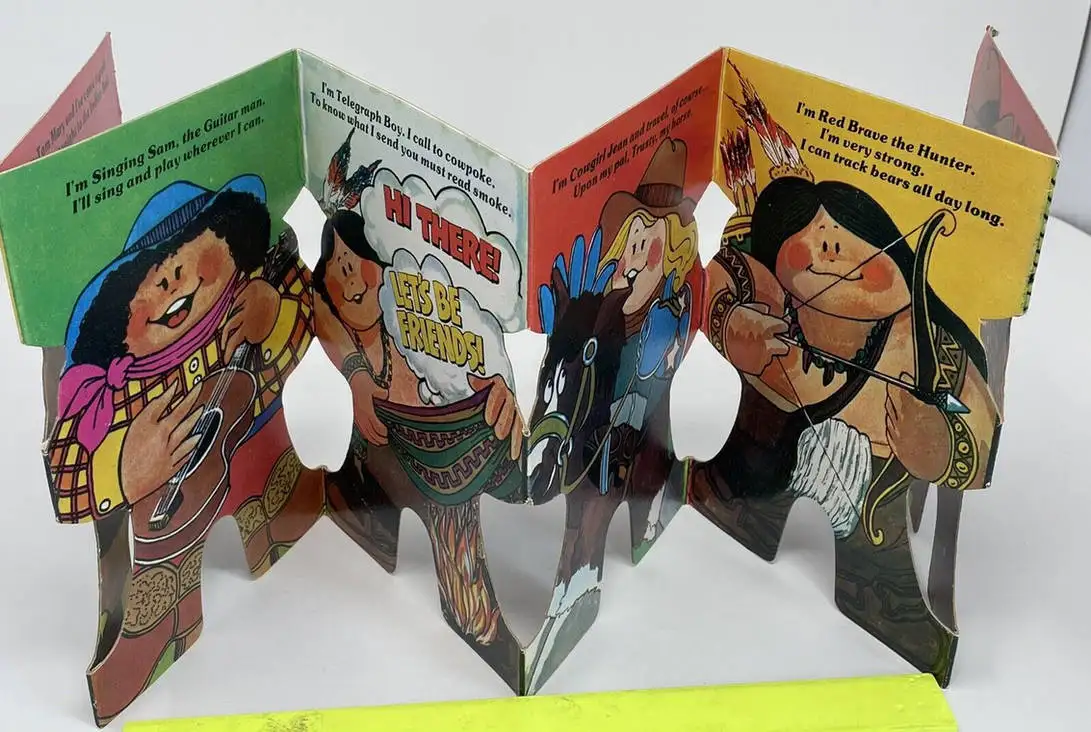
What is a board book, and how does it differ from others? Traditional publishing usually means novels, but published works span much more.
READ MORE
July 24, 2025 .
Essays, Writer Resources
READ MORE
February 8, 2026 .
Writer Resources
Breaking into traditional publishing can feel like decoding a secretive industry. This guide is a resource for finding the right agent.
READ MORE
February 28, 2026 .
Writer Resources
There are three paths in book publishing: traditional, self-publishing, and hybrid. The current focus is on traditional publishing.
READ MORE

July 20, 2025 .
Writer Resources
Today, writers are needed who combine creativity with technical expertise, professionalism, and adaptability.
READ MORE
Get our magazine for free!