
































The story delves into deeper facets of the human condition, unearthing layers of hypocrisy, greed, and jealousy within its diverse characters.

“When one does not know what one seeks, caution is the surest armor.”
Caution is something you should have when you are reading the fifth book of the Malazan series. Just when you believed you had grasped the essence of two distinct story arcs within the first four books, anticipating their eventual convergence to fulfil a grander narrative, the narrative takes an unexpected twist.

It transports you from the continent of Seven Cities to Lether, a realm scarcely mentioned in the preceding volumes. Any amount of caution that you held through your experience based on the previous books wouldn’t suffice to counter the stories you read in Midnight Tides.
Erikson’s style feels extremely eccentric to me at times, as I fail to digest and articulate that the author has written the entire series of ‘Ten Big Books’ in the form of small stories all weaved and bundled together. This feeling was amplified as I was reading this book. There is a timeline revamp here that feels like a glitch, but you’ll understand it sooner if you are an exploring reader like me.
We are thrown into the continent of Lether, just southwest of the Malazan kingdom. This continent is a vast and diverse geographical entity on its own. The Tiste Edur, who are somewhat kin of the Tiste Andii (the kinship is so vast that the writer has to write a spinoff series for it, so let’s not go there), live in their temporary abode. Their legacy dates back thousands of years when their founding father’s atrocity cursed their species and the rest of the continent.

Concepts of slavery are well written in this book, especially with Udinaas. It offers us a direct insight into the clunky thoughts of an enslaved person who, while suffering brutal treatment from the master, still wishes for a chunk of power to make himself feel significant. The characters introduced in this arc become central figures in the subsequent books, shaping most plotlines.
Steven Erikson, thankfully, introduces us to a human community in the Empire of Letheras. While the Malazanverse focuses mainly on the military side of the empires, the Letheras Empire offers a contrasting and necessary aspect of the plot that explores the subtle intricacies of an Empire: politics, mind games, philosophical disparities and the race for power.

The core of Midnight Tides’ plot revolves around the conflicts between the Tiste Edur and the humans of Letheras. While humans and ‘other humans’ are immersed in a relentless power struggle, we discover that the gods of the Malazan world are not distant, omnipotent beings. Instead, they are intricately woven into the story’s fabric, grappling with the complexities of their past and present decisions. The gods and humans go through a rollercoaster of emotions, sparring with their desire for significance, consideration, power and love.
Midnight Tides eloquently delves into the ideologies of capitalism and communism, soaring above the fundamental values of human well-being and empathy, artfully portraying the profound consequences of this ideological flight. Amidst this complex narrative, the theme of compassion resurfaces repeatedly, offering readers fresh insights and moments of realization. The story delves into deeper facets of the human condition, unearthing layers of hypocrisy, greed, and jealousy within its diverse characters.

I find immense satisfaction in delving into the intriguing theological aspects presented by Steven Erikson in this narrative, as it breathes a refreshing vitality into modern literature. In the end, as your battles and ideas converge, you might initially expect it to feel like a repeat of the previous book, but introducing new powers and dynamics prevents that from happening.
Midnight Tides comes alive as we journey alongside the characters through the physical landscapes and their evolutions. It’s as though a part of us is evolving alongside these characters.
With Midnight Tides, I can conclude that Steven Erikson is the best fantasy writer currently.

An intellectual explorer| Reviews everything under earth| Let my honesty prevail
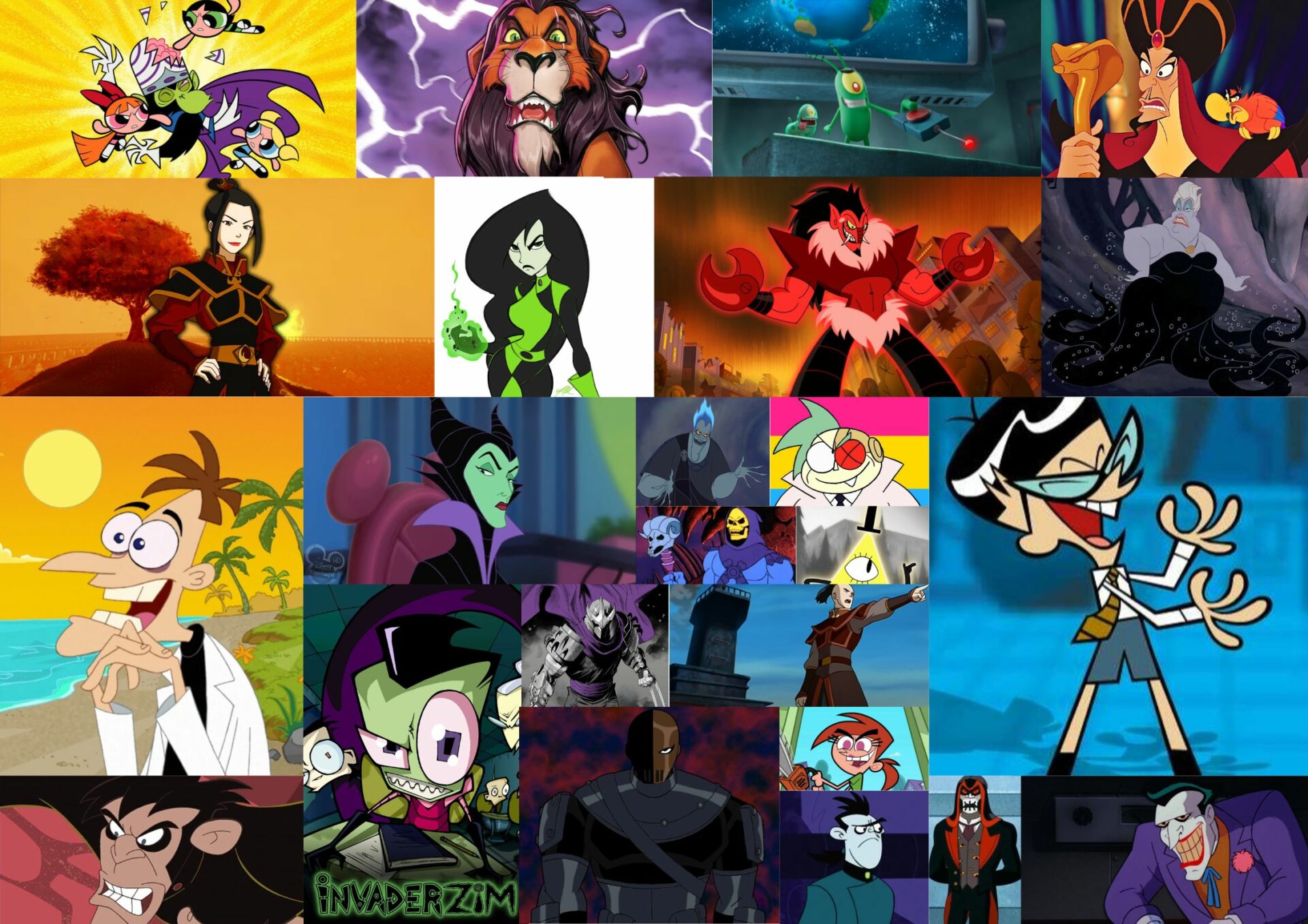
July 20, 2025 .
Animation, Lists
Our list rounds up the top 30 cartoon characters that were villains, each one more wonderfully wicked than the last.
READ MORE
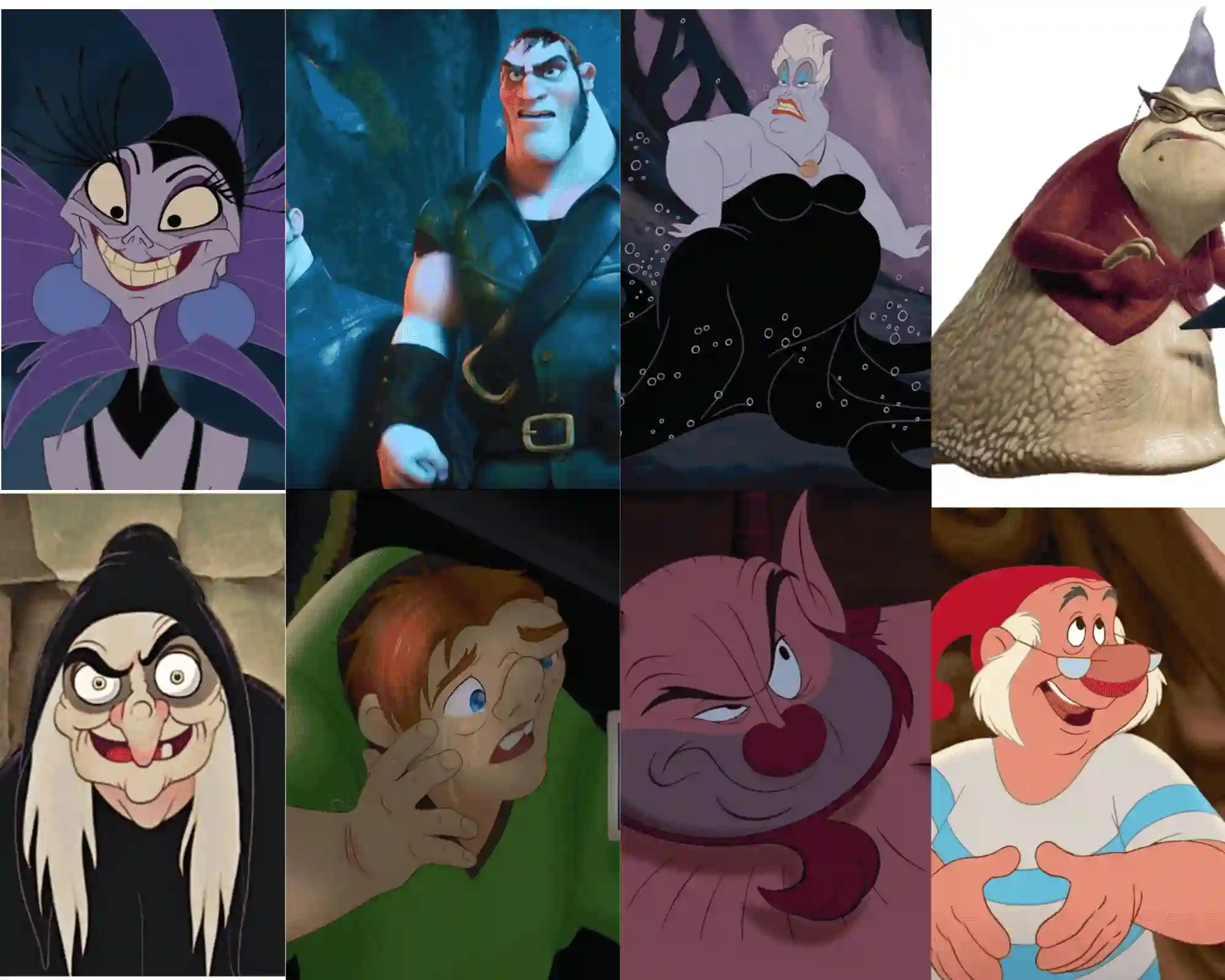
April 29, 2026 .
Lists, Opinions
The Mouse is famous for its princesses and princes. However, the studio’s true genius lies in its embrace of “ugly Disney characters”.
READ MORE
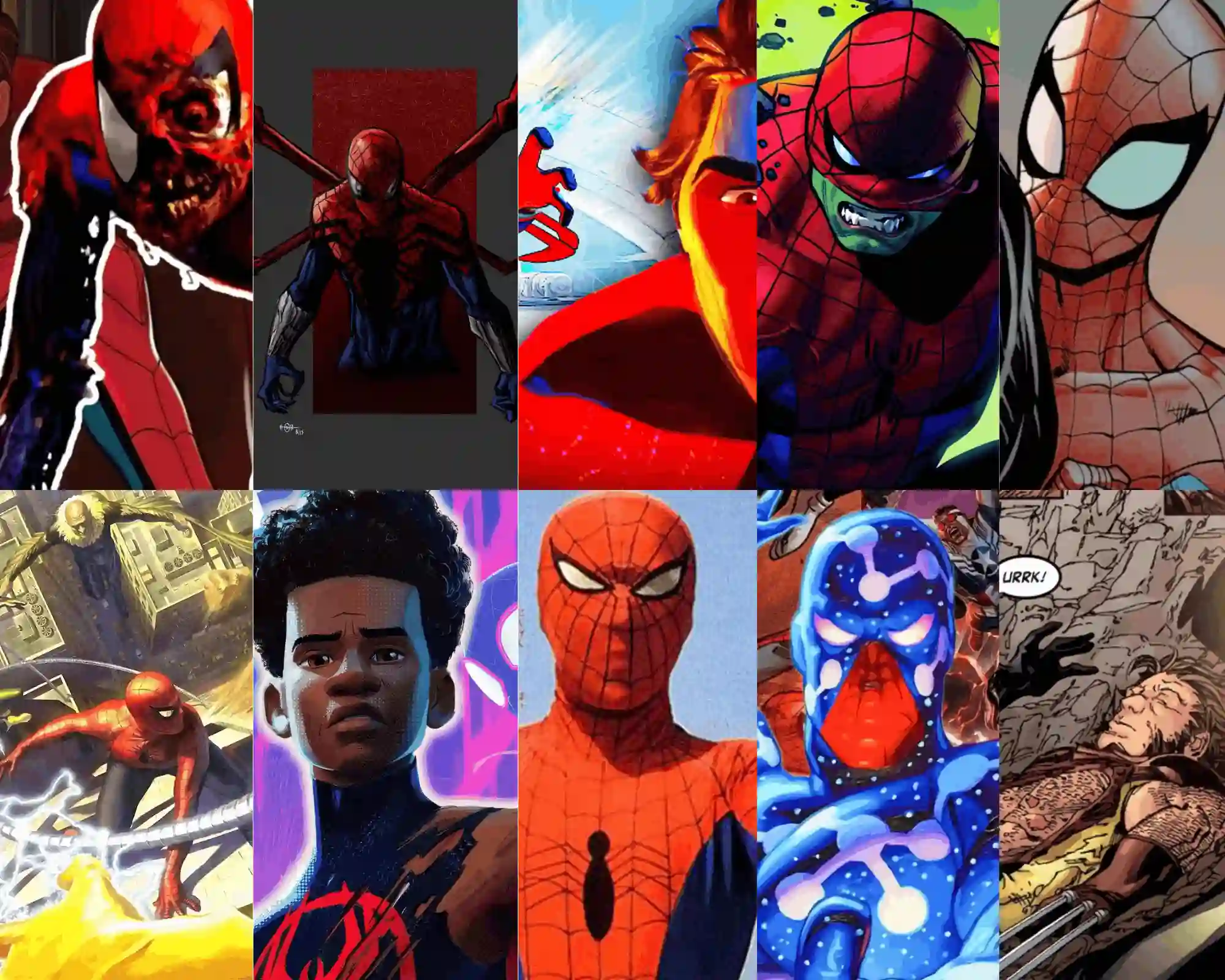
May 6, 2026 .
Lists, MCU
Spider-Man is one of the many superheroes from the Marvel Universe whose stories shaped many childhoods. Who is your strongest Spiderman?
READ MORE
October 28, 2025 .
Debates, Lists, Marvel, MCU
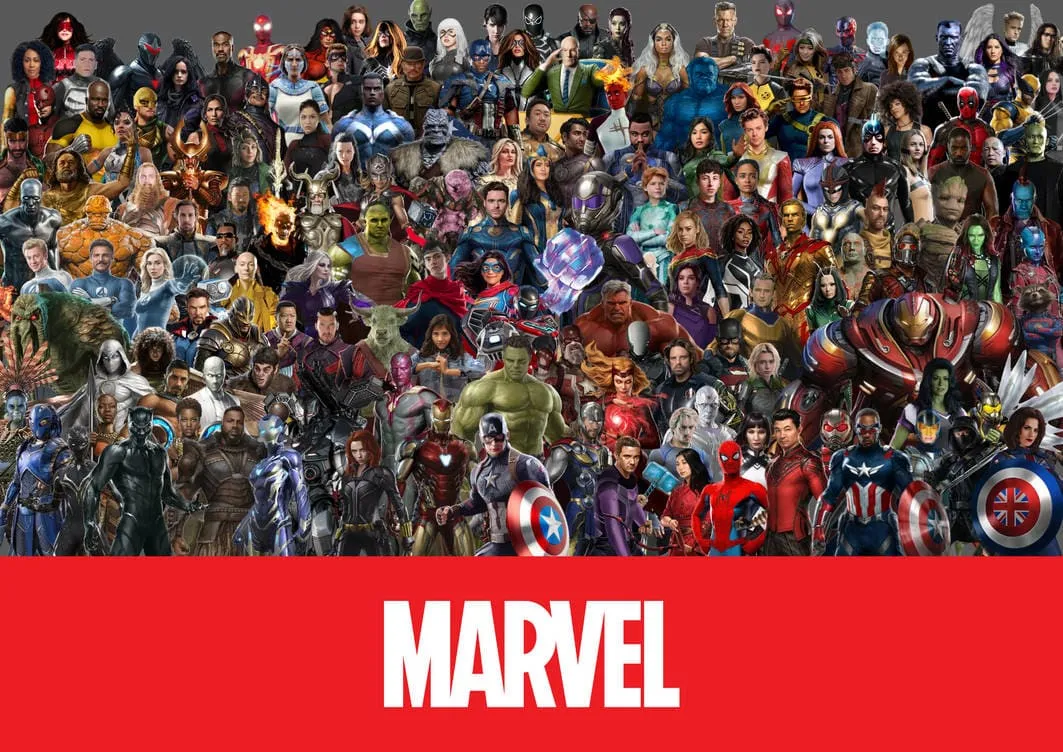
Every Marvel hero brings something to the table. But if we had to pick the top 8 most popular Marvel superheroes, who would make the cut?
READ MORE
February 26, 2026 .
Cartoons, Lists
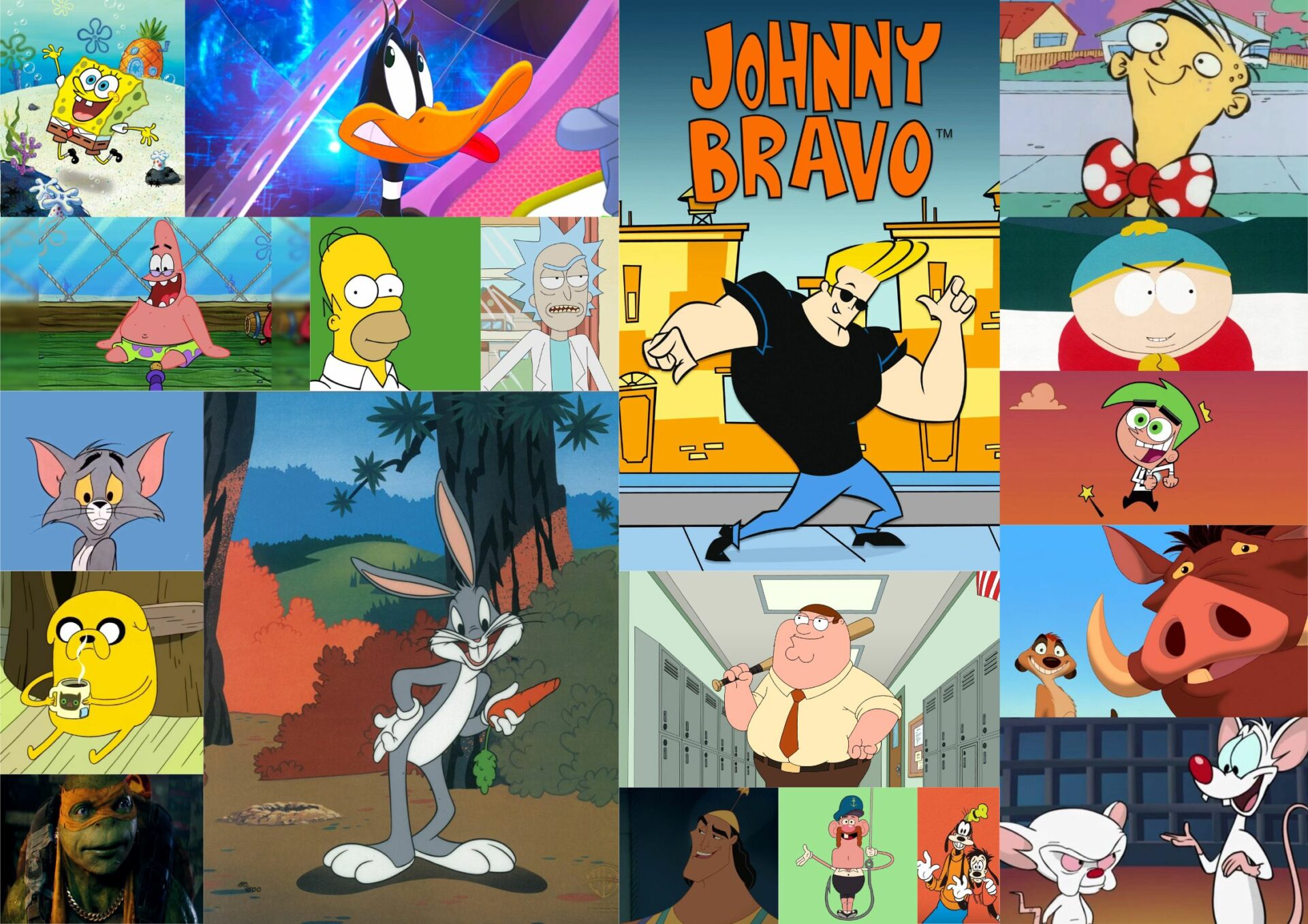
There are some outright funny cartoon characters who exist solely to crack you up, loud, hard, and with zero apology.
READ MORE


June 27, 2023 .
Fantasy
I can confidently say that the Stormlight Archive’s magic system is the best I’ve ever seen in Fantasy Fiction.
READ MORE

March 20, 2023 .
Fantasy, thewheeloftime
Also, the character development has reached a level where readers can actually identify characters by their speech, mannerisms and actions. It’s the height of realism.
READ MORE
April 15, 2025 .
Fantasy
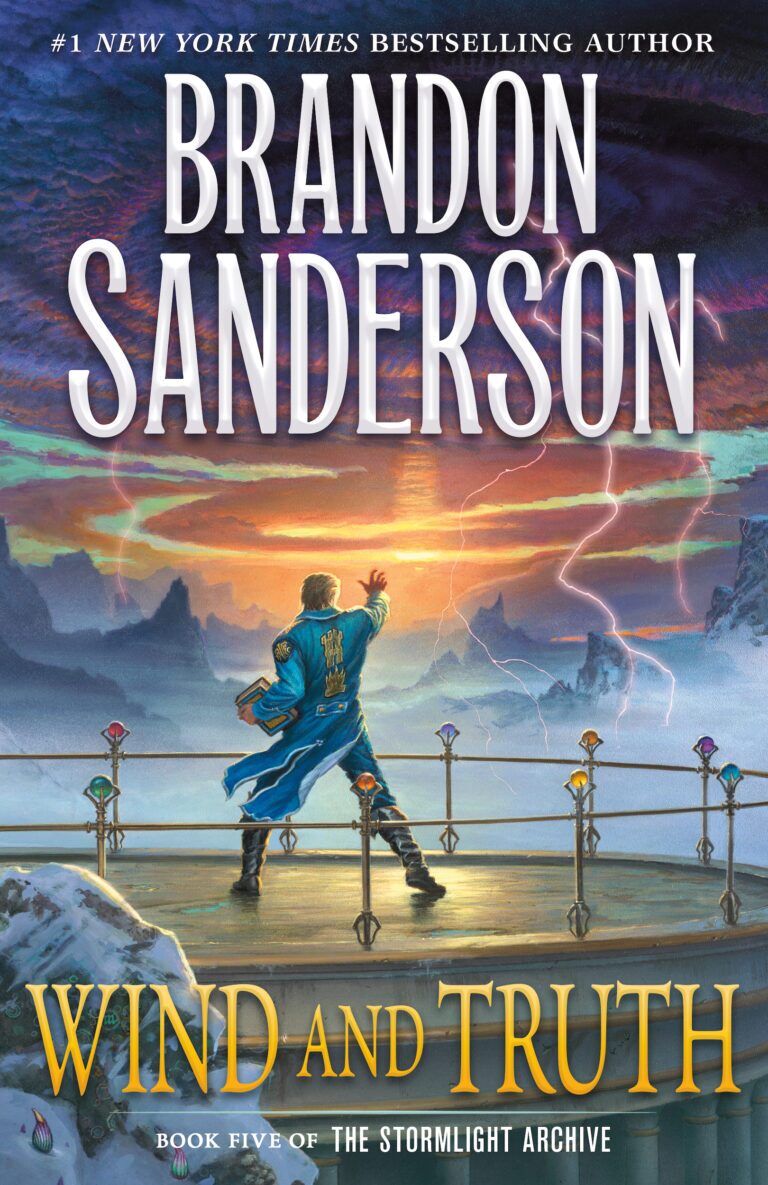
In Wind and Truth, the big boys have shown up on the playground, and the arena must be cleared out ahead of major confrontations.
READ MORE
August 15, 2026 .
Fantasy
Word count tells you how long you’ll live with a series. Named characters per 100,000 words tells you how much room that series gives each person.
READ MORE
July 26, 2025 .
Fantasy, Opinions
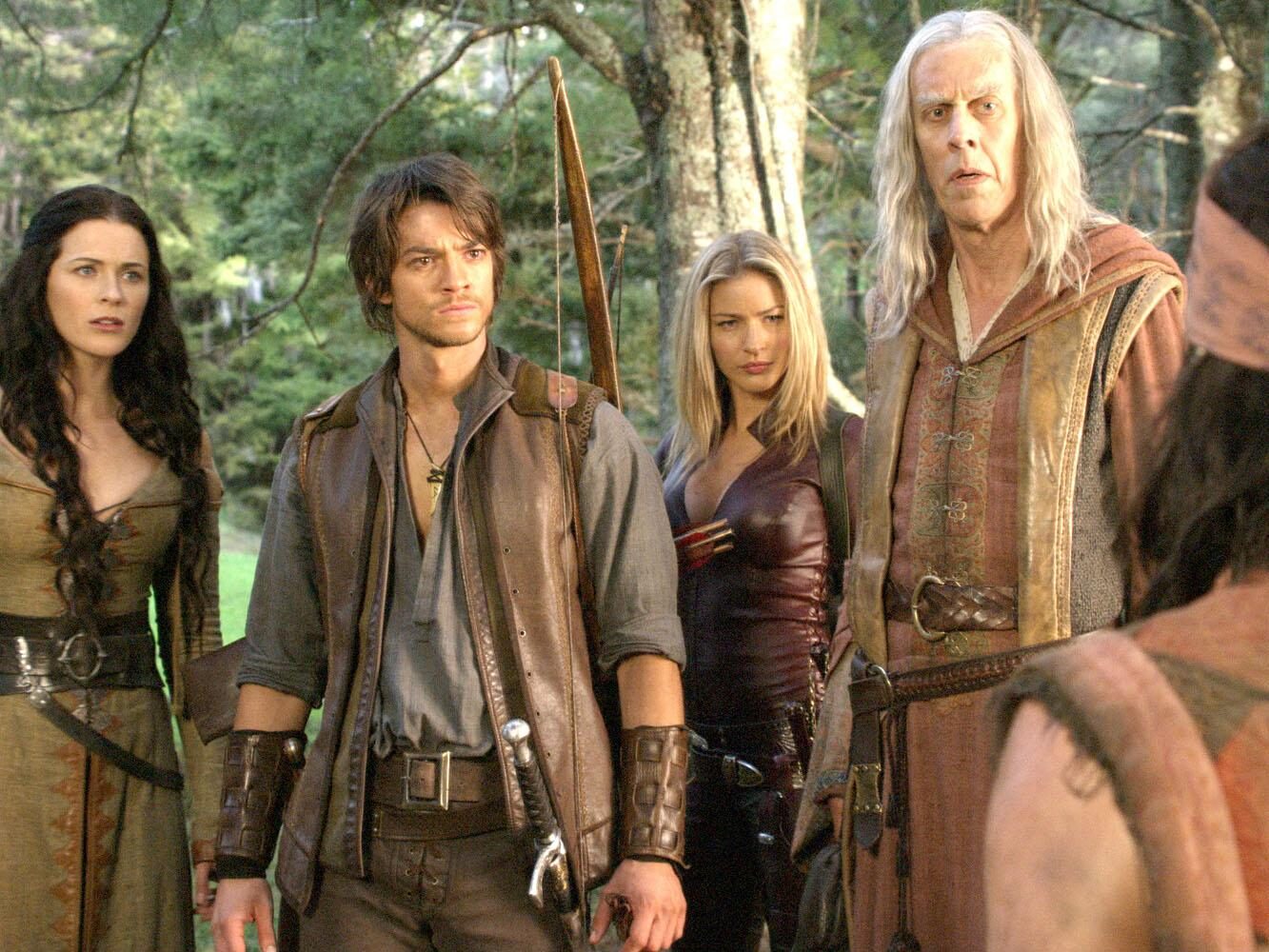
It’s cliche. But it’s rapid. It’s predictable. But it’s enjoyable. For lovers of the classic tropes, Legend of the Seeker is a worthy watch.
READ MORE
July 20, 2025 .
Fantasy, Opinions
Like any well-developed fictional character, there are several exciting, often polarizing sides to Celaena Sardothien, all of which are worth discussing.
READ MORE
September 12, 2025 .
Essays, Fantasy, Opinions
Fantasy is everything that lies in the realm of the fantastic. And, the more deviant from reality it is, the better.
READ MORE
August 10, 2023 .
Fantasy
Another thing I enjoyed was discovering the origin of the name Nameless Republic. I chuckled and gave Suyi an invisible high-five. Àgbà Ìwé!
READ MORE
September 12, 2025 .
Fantasy
Verity of Old is a marked improvement from Memory of Stone, with a massive finale reveal that makes the final book an immediate must-read.
READ MORE
Get our magazine for free!