
Menu






























































If you’re looking to explore non-fiction, studying exceptional memoir examples can be one of the best ways to understand the craft.

Memoirs occupy a unique corner of non-fiction. Unlike autobiographies, which often attempt to document an entire life, memoirs focus on particular experiences and relationships. A good memoir does not simply answer the question, “What happened?” It also asks, “Why did it matter?”
If you’re looking to explore non-fiction, studying exceptional memoir examples can be one of the best ways to understand the craft.
By examining these works closely, writers can gain a clearer sense of how memoir functions as both an art form and a narrative discipline.
Before examining specific memoir examples, it is worth understanding the qualities that separate memorable works from simple life stories.
A strong memoir contains several key elements:
The most successful memoirs are not remarkable because of extraordinary events. Many are powerful because they uncover deeper truths within ordinary experiences. Readers may never share the author’s circumstances, but they recognise the emotions, conflicts, and discoveries at the heart of the story.
Tara Westover offers a striking narrative that reads almost like a psychological thriller, charting a childhood spent completely off the grid in rural Idaho to explore themes of isolation, education, and self-reinvention.
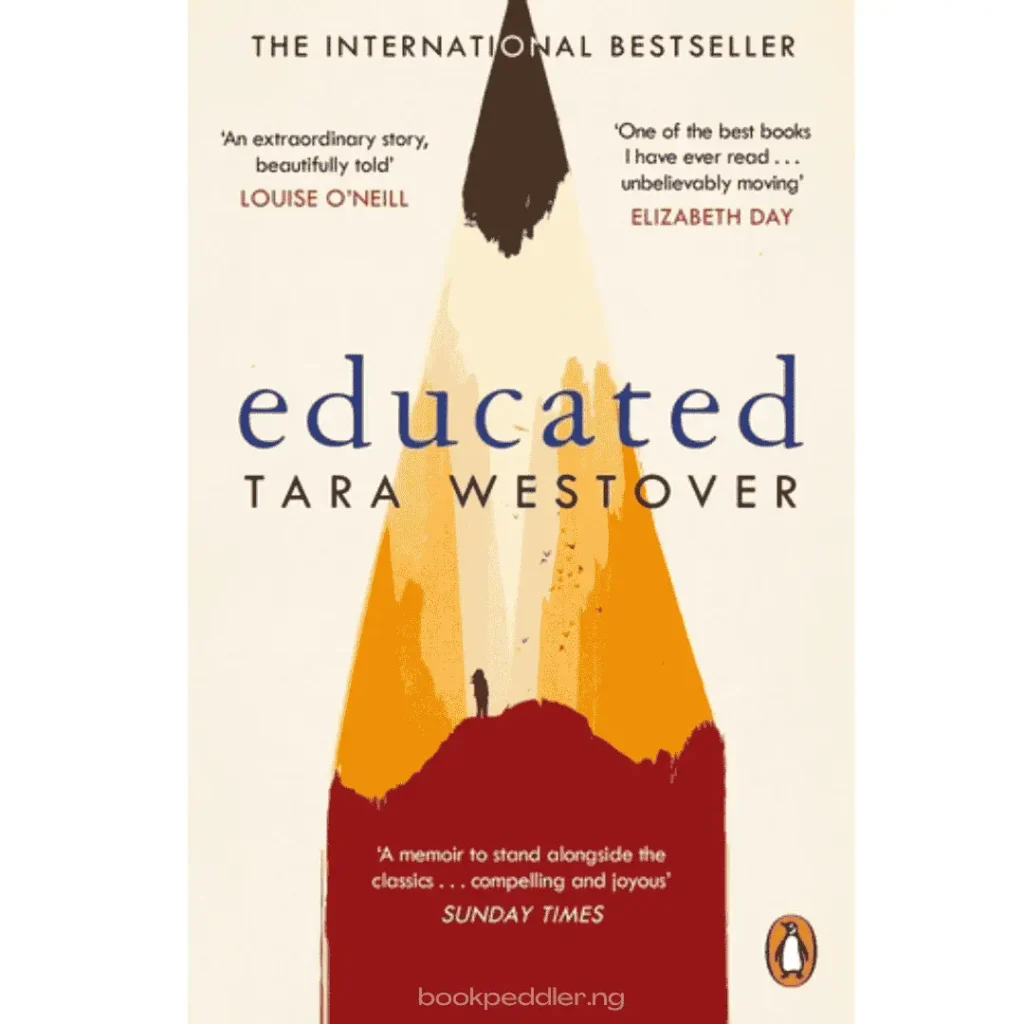
Born to survivalist parents who hoarded food and distrusted the government, Westover had no birth certificate, medical records, or formal schooling. Her early life was completely defined by this extreme familial isolation, shaped by her father’s apocalyptic paranoias and the physical volatility of an older brother.
The narrative shifts dramatically when, at age sixteen, she begins her journey of self-reinvention by teaching herself enough algebra and grammar to pass the ACT and gain admission to Brigham Young University.
What follows is not a simple triumph-of-intellect story, but an agonising internal war over the true meaning of education. As she climbs the academic ladder toward a PhD at Cambridge, the text exposes the devastating alienation that arises when understanding the wider world requires abandoning the shared delusions of one’s family to fully claim oneself.
Jeannette Walls adopts a completely different narrative texture, choosing to paint her chaotic childhood with a sense of whimsical momentum to dissect the complex intersections of resilience, parental dysfunction, and unconditional love.
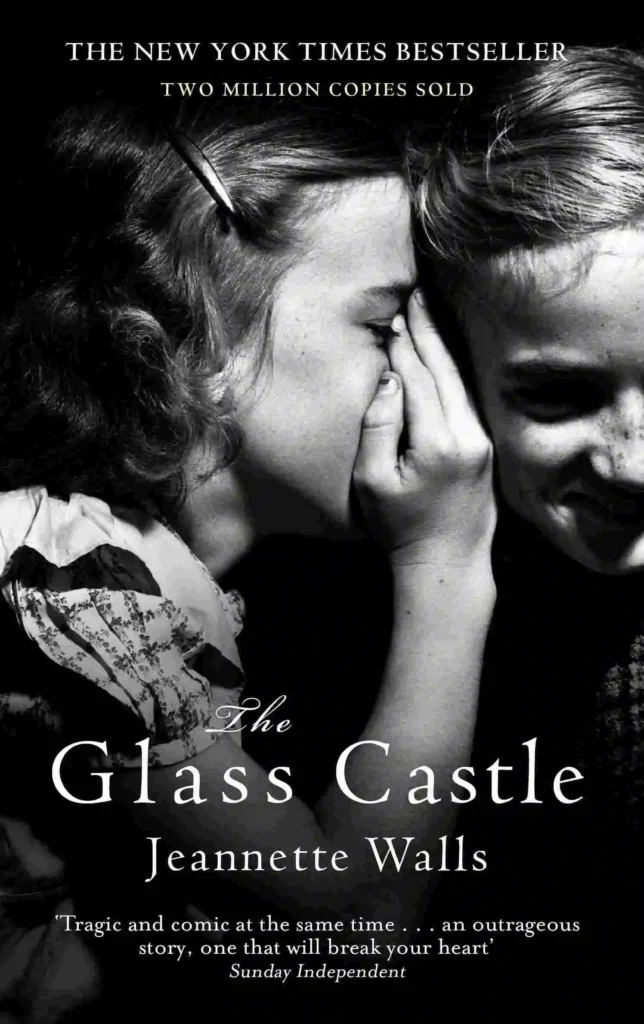
The story follows a nomadic family constantly fleeing debt collectors across Southwestern desert towns and Appalachian mining camps, a lifestyle driven entirely by severe parental dysfunction.
Rather than focusing solely on the grim mechanics of starvation and scavenging, Walls demonstrates incredible resilience by structuring the first half of the book around her father’s grand, romanticised myths.
Chief among these was his blueprint for a self-sustaining architectural masterpiece made of glass, a symbol of their unconditional love and shared illusions.
Breaking away from traditional narrative formats entirely, this memoir delivers a text in which creative obsession and artistic resilience form the bedrock of a part-gritty, blue-collar autobiography and part-technical manual.
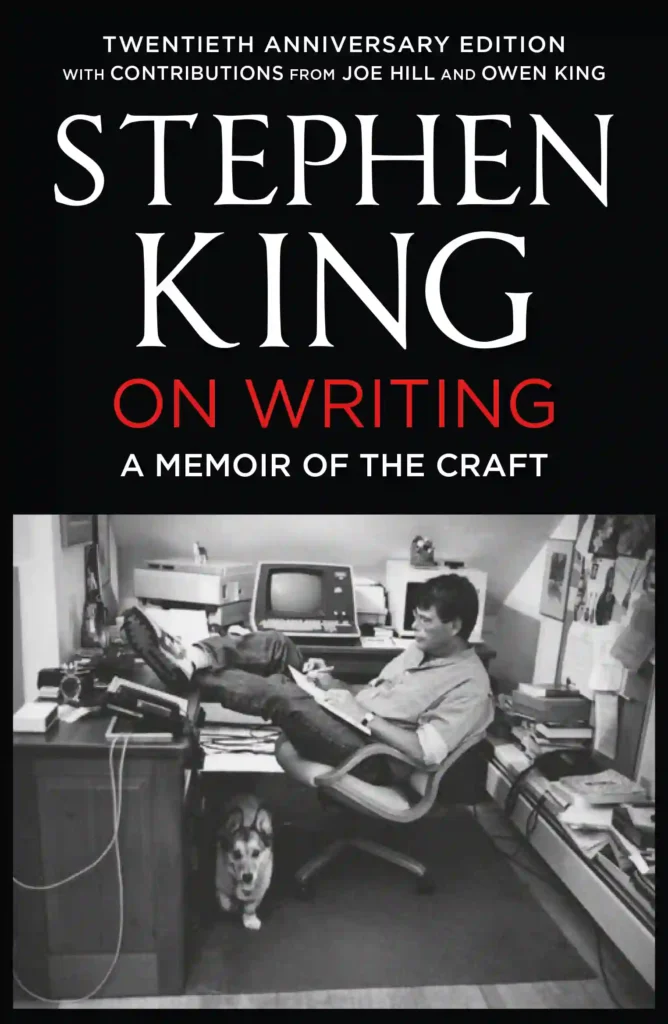
King skips a comprehensive life history to present a series of sharp, vivid snapshots highlighting his early creative obsession: a childhood dominated by ear infections and comic books, a threadbare early marriage lived in a trailer, and the crushing weight of working in an industrial laundry facility while pinning rejection slips to a wall spike.
The memoir takes an unexpected turn when it tackles success, showing that artistic resilience is required not just to escape poverty but to survive.
Instead of celebrating his rise to literary stardom, the prose turns inward to document a quiet, terrifying descent into cocaine and alcohol dependency that threatened to extinguish his craft.
Trevor Noah constructs his narrative as a fast-paced, episodic coming-of-age comedy set against the backdrop of historical atrocities to map out the dynamics of identity, structural injustice, and maternal love.

Born in South Africa during the twilight of apartheid to a Black Xhosa mother and a white Swiss father, Noah’s very identity was a literal violation of the Immorality Act of 1927. ‘
He approaches this harrowing environment of structural injustice not with sombre prose, but through the sharp lens of an outsider who used language as a survival tool to navigate a segregated world.
Maya Angelou delivers a foundational masterpiece of American literature, using lyrical, poetic prose to confront the painful realities of racism, trauma, and the power of literacy as a means of liberation.
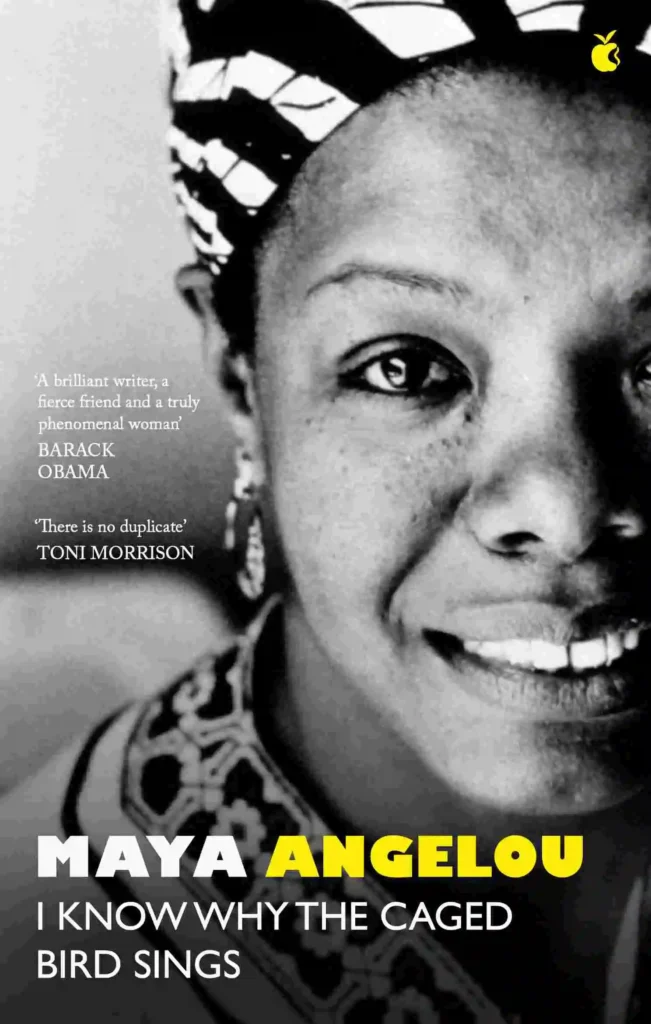
The book traces her early years alongside her brother, Bailey, as they are shuttled between their grandmother’s home in the stamp-sized, segregated town of Stamps, Arkansas, and their progressive but chaotic mother in St. Louis and California.
Angelou directly addresses the intersection of structural racism and deep personal violation, recounting the horrific experience of sexual abuse by her mother’s boyfriend at the age of eight.
This profound philosophical manuscript subverts traditional medical narratives by examining the fragile boundary between life and death through the dual perspectives of a doctor and a dying patient.
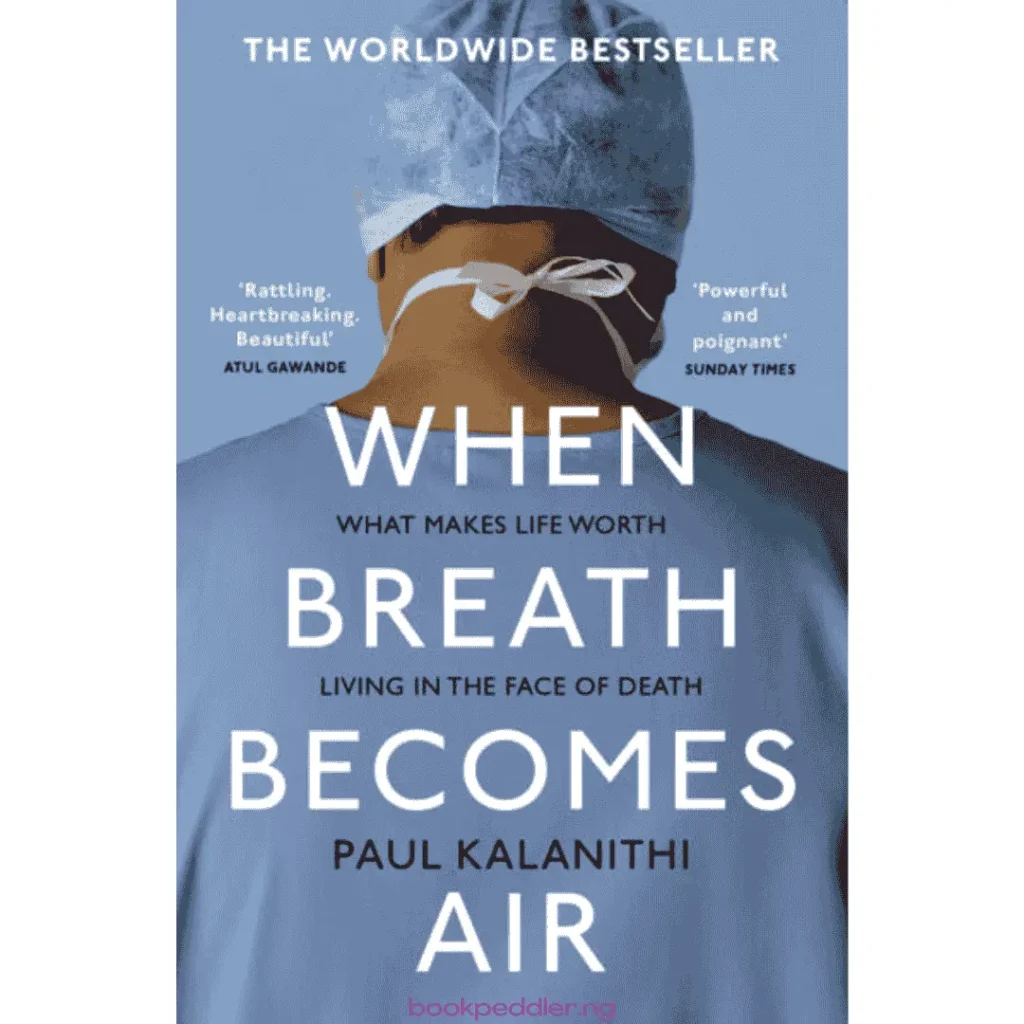
At age thirty-six, on the verge of completing a gruelling ten-year training programme as a neurosurgeon, Kalanithi is diagnosed with stage IV lung cancer.
The memoir does not rely on simple tragedy to evoke emotion. Instead, it traces Kalanithi’s search for meaning as his identity undergoes a devastating fracture: he transitions from a brilliant physician who removes terminal tumours to a helpless patient confined to a hospital bed.
Although these memoir examples differ dramatically in subject matter, setting, and narrative style, they share several storytelling principles. Their success is not simply the result of extraordinary experiences. Rather, it comes from the deliberate choices their authors make regarding voice, structure, characterisation, reflection, and theme. Examining those shared techniques reveals why these books continue to resonate with readers across generations and cultures.
While the subject matter of these narratives is undeniably compelling, raw life experience alone does not make a masterpiece. The specific impact of these works depends entirely on their execution.
One reason memoir examples such as Educated and The Glass Castle remain so powerful is their refusal to shield the narrator from scrutiny. A compelling manuscript requires confronting uncomfortable truths, contradictions, and personal failures without self-protection.
True connection happens when the narrator stays open about the times they were selfish, confused, or entirely wrong. Sharing internal creative struggles, career crises, or direct interpersonal mistakes builds trust with readers rather than attempting to appear flawless on the page.
A clear, memorable perspective shapes how experiences are interpreted, relying on the fascinating gap between the past self who lived through the events and the present self who writes about them.
Born a Crime establishes this by filtering the horrors of a dangerous, institutionalised system through the witty, street-smart voice of an outsider child. The memoir demonstrates that a serious setting can become uniquely accessible through an original style.
A manuscript needs a strong central theme, relationship, or transformation to give the pages direction rather than listing a massive calendar of life events.
Every scene should support the book’s central objective. Educated filters out memories that do not contribute to the slow fracture between family loyalty and personal truth. When Breath Becomes Air remains fixed on the search for meaning in the face of terminal illness, while On Writing focuses almost exclusively on the experiences that shaped King’s literary career.
Portraying real people as multifaceted individuals rather than flat heroes or villains brings the real world onto the page. The Glass Castle avoids turning a neglectful alcoholic father into a one-dimensional antagonist by highlighting his intelligence and affection alongside his failures. Likewise, Born a Crime presents Noah’s mother as deeply admirable while still acknowledging her flaws and contradictions.
The most effective memoir examples ensure that deeply personal experiences connect directly to broader human concerns. Few readers have experienced terminal neurosurgery, yet When Breath Becomes Air resonates because it confronts mortality.
Born a Crime expands beyond its South African setting to explore identity and belonging, while Educated examines the difficult transition from dependence to independence.
Conflict, uncertainty, and internal dilemmas keep readers invested even when large-scale external action is limited. In The Year of Magical Thinking, the central tragedy occurs almost immediately, yet the psychological struggle sustains the narrative. When Breath Becomes Air creates tension through an ongoing race against time.
Concrete details carry emotional weight and make experiences feel tangible. Rather than describing poverty in general terms, The Glass Castle relies on vivid scenes that reveal hardship through action and observation. On Writing similarly anchors its lessons in sensory memories and memorable physical details.
A narrative must feel genuine and trustworthy rather than manufactured for dramatic effect. Educated openly acknowledges the limitations of memory, even noting occasions when family members remember events differently. The Glass Castle presents extreme hardship without self-pity, while On Writing strips away the glamour often associated with literary success.
The most impactful memoirs help readers recognise aspects of their own lives within another person’s story. I Know Why the Caged Bird Sings captures feelings of trauma, silence, and self-discovery with such precision that readers often find their own experiences reflected in Angelou’s journey.
Events must be organised deliberately rather than simply presented chronologically. When Breath Becomes Air divides itself into two contrasting identities: doctor and patient. Born a Crime balances episodic storytelling with historical commentary, creating both narrative momentum and intellectual depth.
Together, these qualities reveal a recurring pattern in successful memoirs. While each author approaches storytelling differently, certain creative decisions appear repeatedly. The following lessons translate those observations into practical guidance for future writing projects.
The value of studying memoir examples lies not only in appreciating great books but in understanding the choices behind them. In the same vein, while no two memoirs are exactly alike, the strongest ones tend to share certain qualities. The following takeaways highlight some of the most important lessons you can learn from these established works.
Write from a place of reflection rather than raw immediacy. Time often provides the insight necessary to understand events and shape them into a coherent narrative. This balance prevents a memoir from becoming a simple emotional release and instead allows it to become a meaningful story.
Tie abstract emotional themes to a recurring object, image, or symbol. The Glass Castle demonstrates how a single symbol can evolve alongside relationships and personal growth, eventually carrying the emotional weight of an entire family history.
Align the prose’s complexity with the narrator’s age and understanding at the time of the events. Childhood memories often become more convincing when filtered through a child’s perspective, only later to be enriched by reflection and interpretation.
Personal experience can serve as evidence for broader observations about creativity, work, or expertise. On Writing excels at combining autobiography with practical instruction, transforming personal history into a resource for aspiring writers.
When writing about grief, illness, or trauma, specific observations often prove more powerful than general emotional statements. Precise details allow readers to experience events directly rather than being told how to feel about them.
Not every memory deserves inclusion. Successful memoir examples filter experiences through a central question or theme. This selective approach helps transform individual memories into a coherent narrative rather than a collection of disconnected anecdotes.
The lessons above address individual techniques, but studying memoir examples also reveals a broader framework. Beneath differences in style and subject matter, many successful memoirs rely on the same foundational principles. These recurring patterns form a useful blueprint for writers approaching their own projects.
Avoid listing events chronologically from birth onward. Instead, identify a central theme such as identity, grief, ambition, family, or belonging. Include only the memories that contribute directly to that theme.
Readers connect with honesty more than perfection. Narrators who conceal mistakes or portray themselves as perpetual victims often struggle to sustain reader interest. The most compelling memoirs embrace flaws, contradictions, and uncomfortable realities.
Exact quotations are rarely available when writing from memory. However, dialogue should still capture the emotional truth of an interaction. Rather than functioning as exposition, conversations should reveal character, conflict, and power dynamics.
Great memoirs are built on more than memorable experiences. They transform unique personal moments into narratives that offer unique, but emotional vulnerability and insight.
Studying successful memoirs reveals that compelling memoir writing depends on reflection, emotional honesty, a clear sense of purpose, and the ability to find meaning in both ordinary and extraordinary moments.

15 Writing-Adjacent Careers for Writers Looking for a Career Change
Authors Spotlight: Khaled Hosseini
The Sound Souls Make When They Die by Chinemefun Chimuanya
If Nollywood Cast Our Favourite African Books: Who Would Play Who?
Best Films About Unexpected Age Gap Romance
Literary Awards and the Racism Card: A Wake-Up Call for Black Africa
Interview with the Vampire Relationships, Ranked
10 Top Recent Films for Action and Comedy Fans
Comma Rules Every Writer Should Know
10 Most Hype-worthy 2026 Book Releases (African Literature Version)
Five Gambling Films That Know the Bet Is Only Half the Story
Movies Where Poker Reveals Who a Character Really Is
July 20, 2025 .
Animation, Lists
Our list rounds up the top 30 cartoon characters that were villains, each one more wonderfully wicked than the last.
READ MORE
April 29, 2026 .
Lists, Opinions
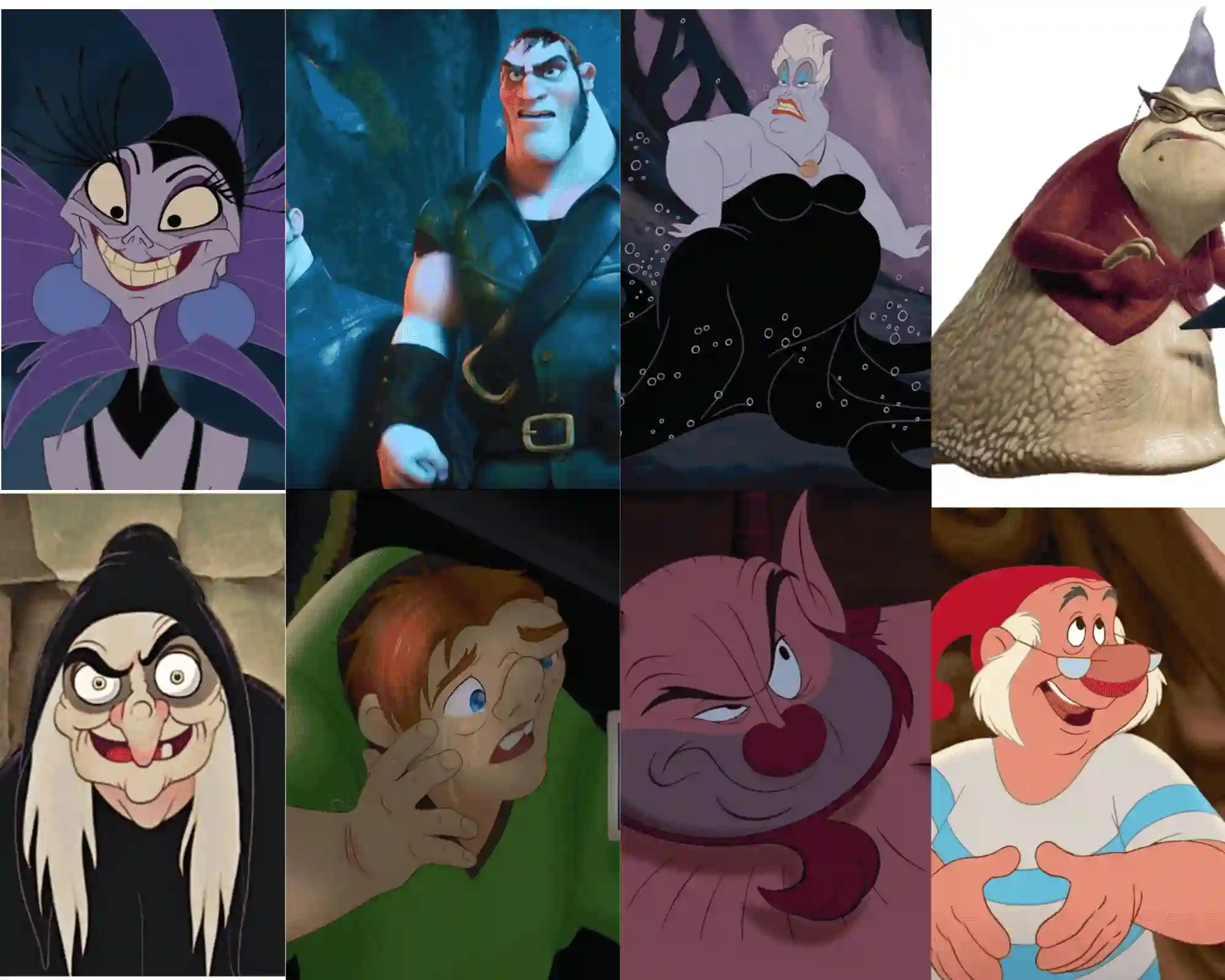
The Mouse is famous for its princesses and princes. However, the studio’s true genius lies in its embrace of “ugly Disney characters”.
READ MORE

November 27, 2025 .
Lists, Mythology
While this isn’t an exhaustive list, it comprises some of the most popular mythical creatures from around the world.
READ MORE

October 28, 2025 .
Lists, Marvel, MCU, Opinions
Let’s go through a list of the top 7 strongest Marvel villains, from the wickedly powerful to the absolutely unstoppable.
READ MORE
February 26, 2026 .
Cartoons, Lists
There are some outright funny cartoon characters who exist solely to crack you up, loud, hard, and with zero apology.
READ MORE

Get our magazine for free!