
Menu




































































The rule of three is a writing principle that helps authors create memorable phrases, build tension, develop characters, and organise ideas.
Good writing depends on more than the words on a page. One technique that brings the necessary elements together is the rule of three.
The rule of three is a writing principle that helps authors create memorable phrases, build tension, develop characters, and organise ideas.
This guide explores the principle, its different forms, its uses across genres, and practical ways to apply the rule of three without making prose predictable.
The rule of three is a writing and storytelling principle that uses three related elements to create a satisfying pattern. These elements might be words, descriptions, examples, events, characters, or stages of an argument.

They can also reinforce one another, build towards a climax, or establish a pattern that a final element unexpectedly breaks.
The technique appears in speeches, novels, poetry, comedy, essays, fairy tales, and screenplays.
Consider the difference between these descriptions:
The second description gives the reader another sensory detail. Silence also changes the atmosphere, suggesting that the room may be abandoned, threatening, or waiting for something to happen. The third element contributes more than length. It changes the impression the first two create.
The rule of three is not a strict requirement that every list or scene must contain exactly three elements.
It is a flexible technique for arranging information and creating an effect. Two elements can establish a contrast, while four or more may be necessary to explain a complicated idea.
The number three is useful when it produces the strongest result, not simply because it is familiar.
The technique can operate within a single sentence or across an entire story.
At sentence level, three words or phrases can establish rhythm and give a description a sense of completion. In a paragraph, three examples can make an argument clearer without overwhelming the reader.
In a scene, three attempts or discoveries can create progression. Across a novel, three encounters with a recurring problem might reveal how a character changes.
The principle can also influence structure. A writer might organise a speech around three central arguments or arrange a sequence of events so that each one raises the stakes.
These uses share a common feature: the elements belong together, but they do not necessarily perform identical functions.
A successful trio therefore requires more than counting. The writer must decide what each element contributes and why the sequence works in that particular order.
The rule of three draws on a familiar pattern. Readers can recognise a sequence, understand its direction, and anticipate how it might end.

Writers can use that expectation to make information easier to follow or create a moment of surprise.
Two elements can suggest a relationship, but a third can make it feel established. For example, a character might lie to a friend, lie to a colleague, and finally lie to someone who has trusted them with a serious secret. The repeated behaviour becomes increasingly difficult to dismiss as an isolated mistake.
The first two events establish a pattern. The third gives the reader stronger grounds to recognise its significance. This is particularly effective when the final element changes the consequences of what came before.
Groups of three can give sentences a natural sense of movement. Consider the line, “She listened, waited, and left.” Each verb advances the action, and the final word completes the sequence.
Writers can also use three-part phrasing to emphasise an idea. A speech might describe a community as “strong in its convictions, generous in its actions, and united in its purpose.” The parallel structure helps the qualities register as parts of a single argument.
However, rhythm depends on sentence length, word choice, and context. A trio of long, complicated phrases may feel heavy rather than memorable. The technique works best when its structure supports the passage’s pace and tone.
Three elements can move beyond repetition by adding something new at each stage. A description might begin with a physical detail, introduce an emotional response, and end with a consequence.
For example, a writer could describe rain striking the windows, a child waiting beside the door, and a birthday cake slowly losing its shape. Together, these details establish the weather, the child’s anticipation, and the disappointment threatening to unfold.
These elements do not merely add information. Their arrangement helps the reader infer a situation the writer does not explain directly.
In informational writing, three supporting points can give a complicated subject a manageable structure. A guide to healthy sleep might discuss regular sleep times, a suitable sleeping environment, and habits that support relaxation.
This arrangement provides readers with clear categories to remember. However, writers should not force a subject into three points when the evidence requires more. Clarity depends on organising information logically, not reducing every topic to the same number of sections.
The rule of three takes several forms. Some depend on word arrangement, while others rely on repetition, progression, or a break in an established pattern.
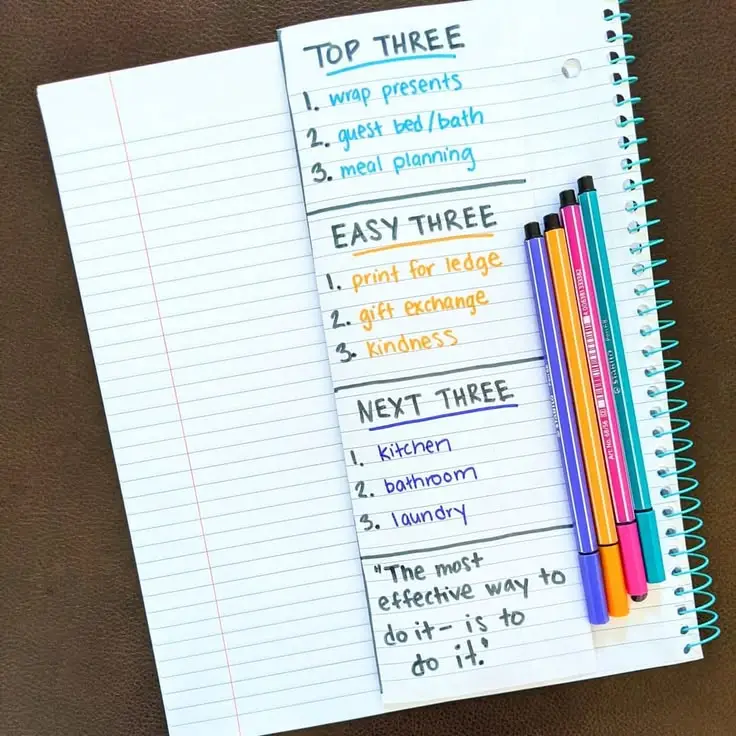
Understanding these differences helps writers choose a structure that suits their purpose.
A three-part list groups three related words, phrases, or ideas. It is one of the simplest applications of the technique.
For example: “The library was quiet, welcoming, and full of light.”
Each description adds something to the setting. “Quiet” establishes the atmosphere, “welcoming” suggests how the space feels, and “full of light” gives the reader a visual impression.
Three-part lists also work in persuasive writing, where a writer may group related benefits, concerns, or qualities. The elements should be distinct enough to justify their inclusion. Three synonyms can create rhythm, but they add little meaning if they mean the same thing.
A three-part sentence arranges three grammatical elements in a coordinated structure. These may be verbs, clauses, phrases, or complete ideas.
Consider: “He opened the letter, read the first line, and put it away.”
The actions follow a clear sequence. The final action also raises a question: why did he stop reading? The sentence provides enough information to establish the moment without explaining everything.
Parallel structure can make this form especially effective. In “She wanted to understand the past, challenge the present, and shape the future,” each phrase follows the same grammatical pattern. The repeated construction creates balance and makes the sentence easier to process.
An ascending trio moves from a smaller or less significant element towards a larger, stronger, or more consequential one. It can heighten emotional intensity, strengthen an argument, or build toward a climax.
For example: “First, the lights flickered. Then the doors locked. Finally, the building began to shake.”
The sequence raises the stakes with each event. The final development feels more serious because the preceding details have prepared the reader for escalation.
Ascending patterns do not need to involve physical danger. A character might lose a small amount of money, miss an important opportunity, and discover that the person responsible is someone they trust. Each revelation deepens the conflict.
A descending trio moves from the most important element towards something smaller, less serious, or more ordinary. Writers can use it to create comic understatement, show diminishing intensity, or bring a dramatic sequence back to everyday life.
For example: “The storm destroyed the bridge, flooded the village square, and soaked his favourite pair of shoes.”
The final detail is comparatively minor. Its placement introduces an understated, slightly comic response to a much larger disaster.
The effect depends on context. If the smaller detail reveals a character’s selfishness, it can also contribute to characterisation. The writer should make the contrast meaningful rather than treating it as an automatic source of humour.
An interrupted trio establishes a pattern before the final element breaks it. The first two elements encourage the reader to expect a continuation, while the third introduces an unexpected development.
For example: “He prepared his notes, rehearsed his speech, and forgot why he had come.”
The first two actions suggest careful preparation. The final clause undermines that expectation, creating humour through the contrast between readiness and failure.
This form can also create unease. A story might establish that a character has heard the same three knocks every night. When the third knock comes from inside the locked room, the familiar pattern becomes a threat.
A repeated trio uses a phrase, image, action, or structure more than once. Repetition creates familiarity, while changes in context can give each occurrence a different meaning.
A character might repeatedly tell herself, “I can manage.” The first use expresses confidence, the second sounds like an attempt to suppress doubt, and the third reveals that she is close to breaking down.
The repeated phrase remains recognisable, but its emotional meaning develops. This makes repetition particularly useful when a writer wants to show a character’s changing relationship with the same problem.
In fiction, the rule of three can organise events, develop conflict, and guide a character towards a consequential decision.
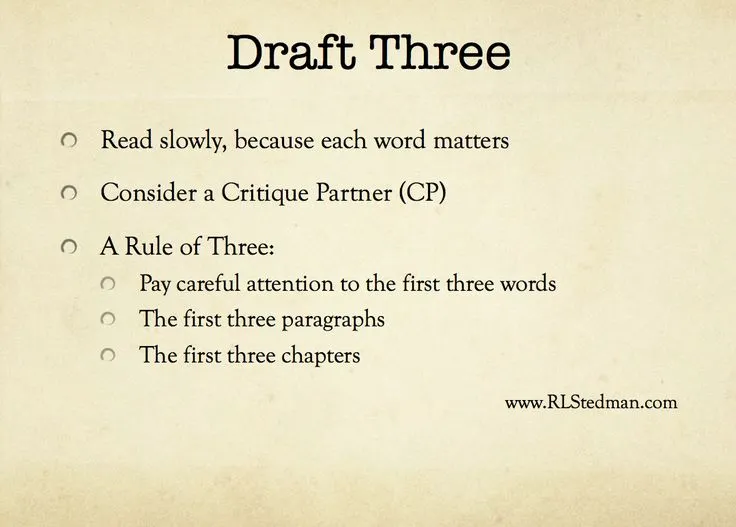
It works best when each occurrence changes the situation rather than simply repeating it.
A character may attempt the same goal three times, with each attempt exposing a weakness or introducing a new complication.
Imagine a young journalist trying to uncover corruption in a local council. Her first attempt fails because she relies on an unverified source. Her second fails when a witness withdraws. During the third, she discovers that her own editor has been suppressing evidence.
The attempts share a purpose, but each produces a different result. The journalist must reconsider not only her methods but also whom she can trust.
This structure works in adventure stories, mysteries, romance, and personal dramas. The attempts should increase the pressure, deepen the problem, or force the protagonist to change strategy. Three identical failures would create repetition without meaningful development.
A character can meet the same person, obstacle, or idea three times, with each encounter revealing something new.
In a romance, two characters might first meet as strangers, then meet again during a disagreement, and finally cooperate when circumstances leave them with a shared responsibility. Their relationship changes because each meeting adds information and complicates their initial impressions.
The encounters do not need to be evenly spaced. Place them to reflect the story’s pacing, and make each one earn its place by developing the relationship or advancing the plot.
Mysteries and dramatic narratives can use three revelations to control how information reaches the reader.
The first revelation might establish a mystery. The second could overturn the reader’s initial explanation. The third might expose the motive or connection that makes the earlier clues meaningful.
For example, a detective learns that a missing person visited an abandoned hotel. She then discovers that someone has recently paid its outstanding electricity bill. Finally, she finds evidence that the hotel owner has been using the building to hide people.
The final revelation connects the earlier discoveries and changes their significance. To make this structure fair, writers should provide enough evidence to make readers reconsider their assumptions. A revelation that introduces an entirely unrelated explanation may feel arbitrary.
A story can also build momentum through three obstacles that grow progressively harder to overcome.
A traveller might first lose access to a familiar road, then discover the only alternative crosses dangerous terrain, and finally learn the guide has concealed an important fact.
Each obstacle changes the problem. The traveller must respond to practical danger, physical difficulty, and a crisis of trust. This progression keeps the conflict from feeling like a series of unrelated inconveniences.
The obstacles should reflect the story’s central tension. If a problem doesn’t connect to the character’s goal or the choices available to them, adding it to create a third challenge may weaken the narrative.
The three-act structure is related to the rule of three, but the two concepts are not interchangeable. The rule of three is a broad technique for organising elements into meaningful groups. The three-act structure is a model for organising a narrative into beginning, middle, and end.
In a conventional three-act story, the first act introduces the protagonist, establishes the central conflict, and presents a development that pushes the story forward. The second act explores the consequences, introduces complications, and increases the pressure. The third act brings the main conflict towards a resolution.
This structure offers a useful framework, but it doesn’t require every act to have exactly three scenes or every plot to follow the same sequence. Writers can use three attempts, three revelations, or three encounters within a three-act narrative, but these are separate choices.
Characterisation depends on what people do, how they respond to pressure, and the patterns readers recognise in their behaviour.

A trio of details or decisions can reveal these qualities without requiring a long explanation.
A character’s choices can show personality more strongly than a list of adjectives. Three decisions in different circumstances may reveal consistent values, contradictions, or gradual change.
For example, a student might share lecture notes with a struggling classmate, refuse to take credit for another person’s work, and admit to an error that could cost her a scholarship. Together, these decisions suggest honesty and generosity, but the final choice makes those qualities cost more.
The writer should avoid making every decision prove the same trait. A more complicated character might be generous in public, selfish at home, and willing to make a difficult sacrifice when someone they love is threatened. The differences create room for interpretation.
A character arc can move through three broad stages: an established belief, a challenge to that belief, and a new understanding.
A young man might begin a story believing that independence means never asking for help. When a family crisis overwhelms him, he tries to manage everything alone and makes it worse. By the end, he learns to accept support without surrendering responsibility.
These stages provide a clear way to think about change. They are not a formula for every character arc, however. Some characters resist change, return to an earlier belief, or discover that their original understanding was partly correct. A writer should follow the character’s circumstances rather than force a neat transformation.
A character can also be introduced through three complementary qualities. One may establish competence, another may reveal a vulnerability, and the third may suggest a contradiction.
A surgeon, for instance, might be precise at work, impatient with uncertainty, and deeply superstitious before an operation. The traits create a more individual impression than three interchangeable descriptions of professionalism.
These qualities should appear through behaviour where possible. A character who claims to be brave but consistently avoids difficult decisions may be more interesting than one whose actions confirm every stated trait. Contradictions give readers something to discover.
A well-chosen trio can make a description more vivid, turn repetition into comedy, or give a sequence of events a clear direction. It can also help readers recognise a pattern before a final detail changes their understanding.
Feel free to change the pattern when necessary, and remove it when the writing works better without it.
The aim is not to make every passage follow a familiar structure, but to choose the structure in a way that the event organization and characterization flow well.

Marvel vs. DC Female Superheroes
15 Writing-Adjacent Careers for Writers Looking for a Career Change
Authors Spotlight: Khaled Hosseini
The Sound Souls Make When They Die by Chinemefun Chimuanya
If Nollywood Cast Our Favourite African Books: Who Would Play Who?
Best Films About Unexpected Age Gap Romance
Literary Awards and the Racism Card: A Wake-Up Call for Black Africa
Interview with the Vampire Relationships, Ranked
10 Top Recent Films for Action and Comedy Fans
Comma Rules Every Writer Should Know
10 Most Hype-worthy 2026 Book Releases (African Literature Version)
Five Gambling Films That Know the Bet Is Only Half the Story
July 20, 2025 .
Animation, Lists
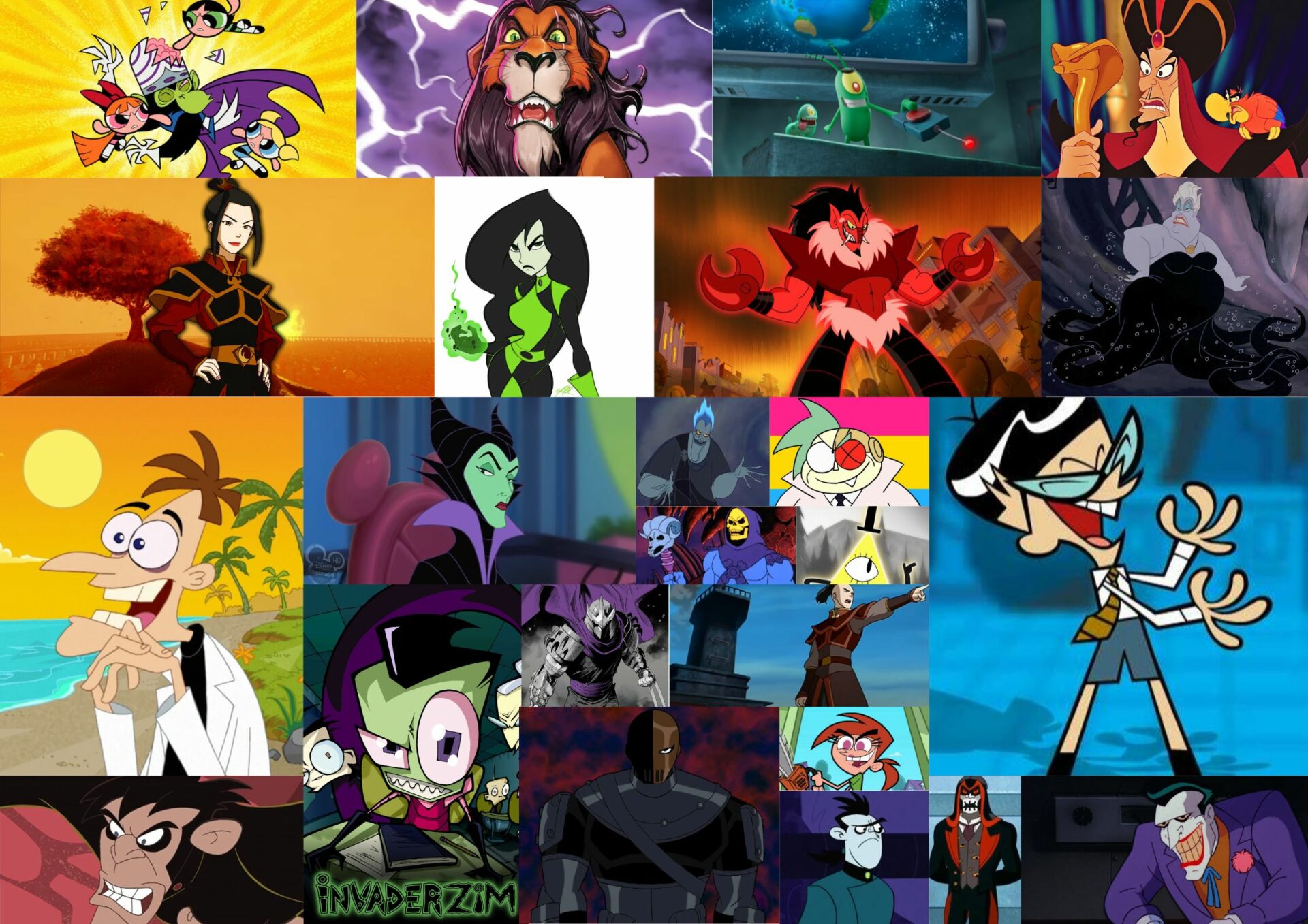
Our list rounds up the top 30 cartoon characters that were villains, each one more wonderfully wicked than the last.
READ MORE
April 29, 2026 .
Lists, Opinions
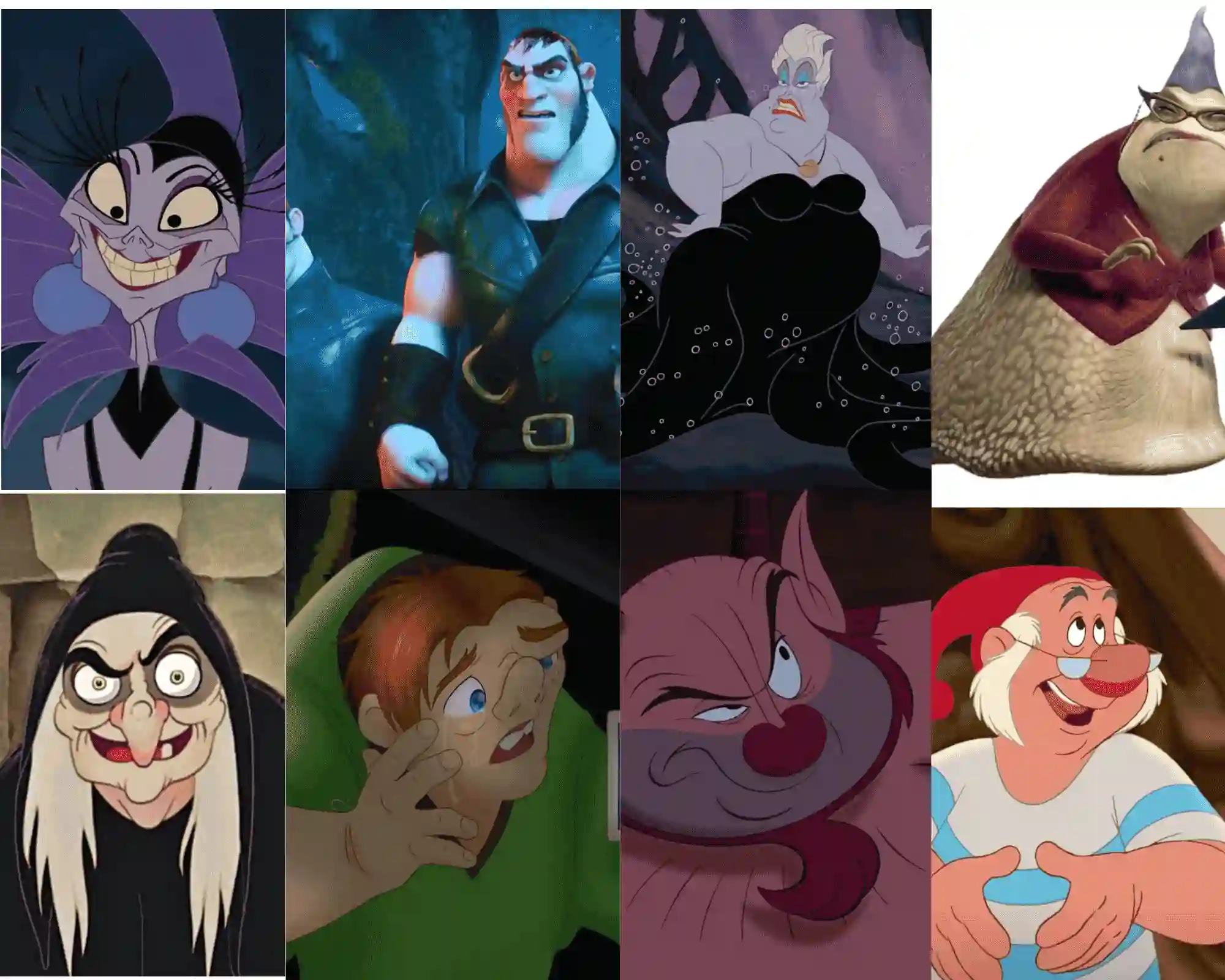
The Mouse is famous for its princesses and princes. However, the studio’s true genius lies in its embrace of “ugly Disney characters”.
READ MORE

November 27, 2025 .
Lists, Mythology
While this isn’t an exhaustive list, it comprises some of the most popular mythical creatures from around the world.
READ MORE

October 28, 2025 .
Lists, Marvel, MCU, Opinions
Let’s go through a list of the top 7 strongest Marvel villains, from the wickedly powerful to the absolutely unstoppable.
READ MORE
February 26, 2026 .
Cartoons, Lists
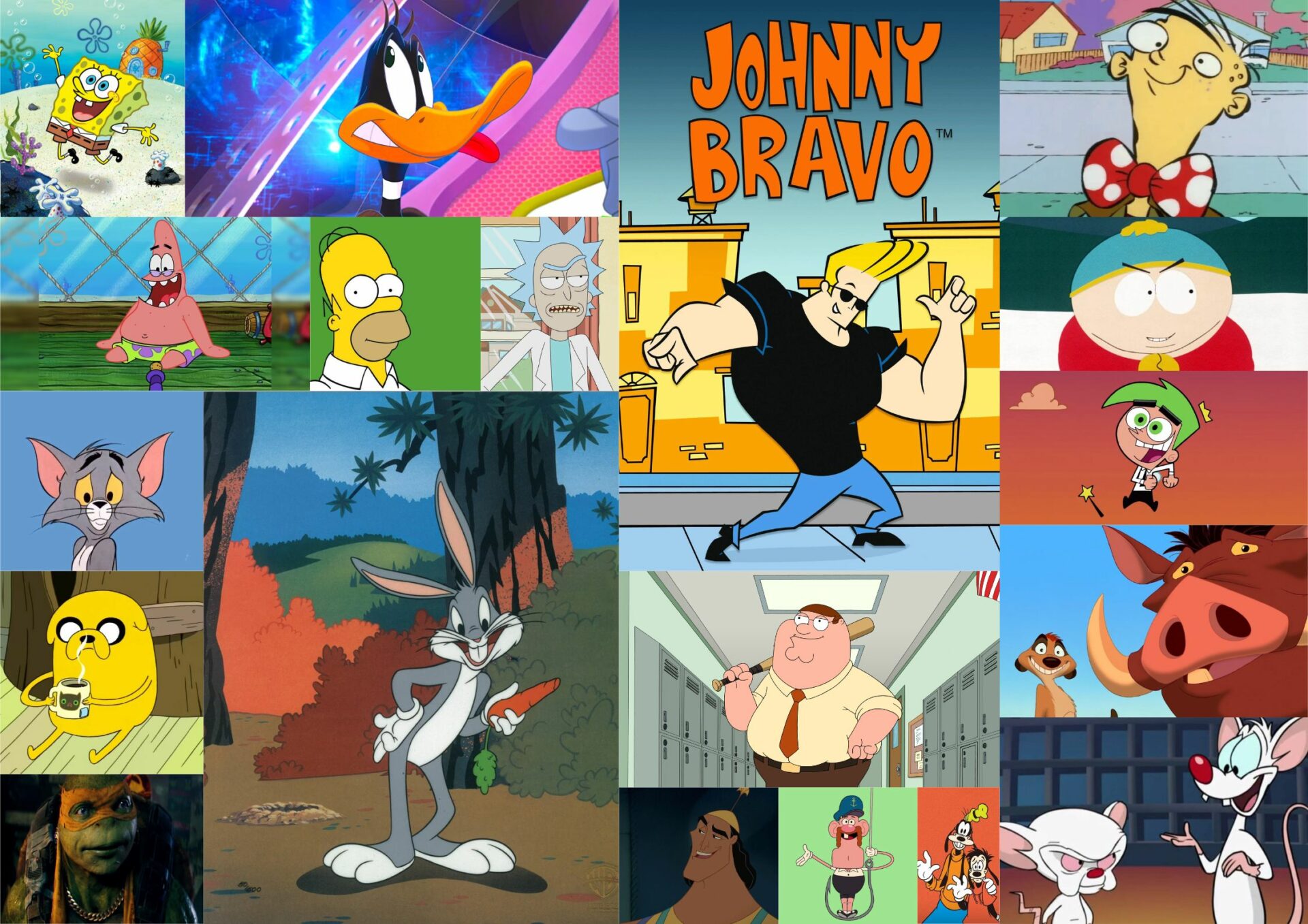
There are some outright funny cartoon characters who exist solely to crack you up, loud, hard, and with zero apology.
READ MORE
August 13, 2026 .
Debates, Writers Resources
An author can publish independently. This has made it difficult to define the relationship between the internet and reading.
READ MORE

Get our magazine for free!