
Menu

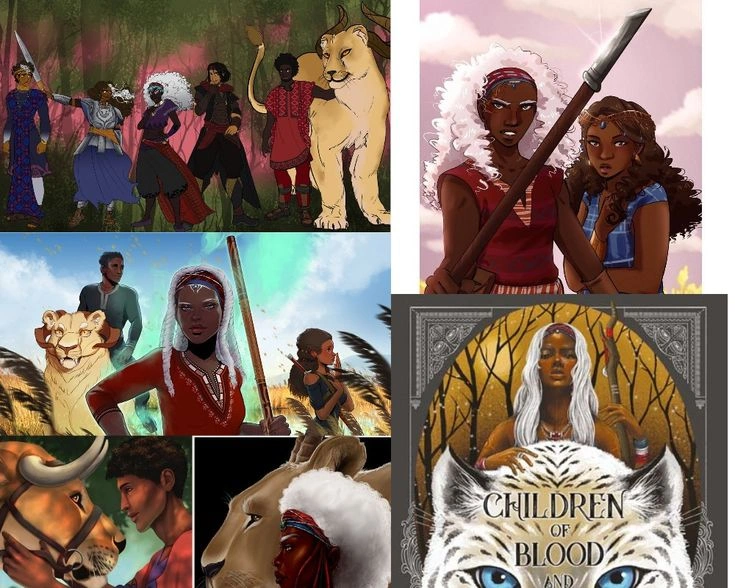





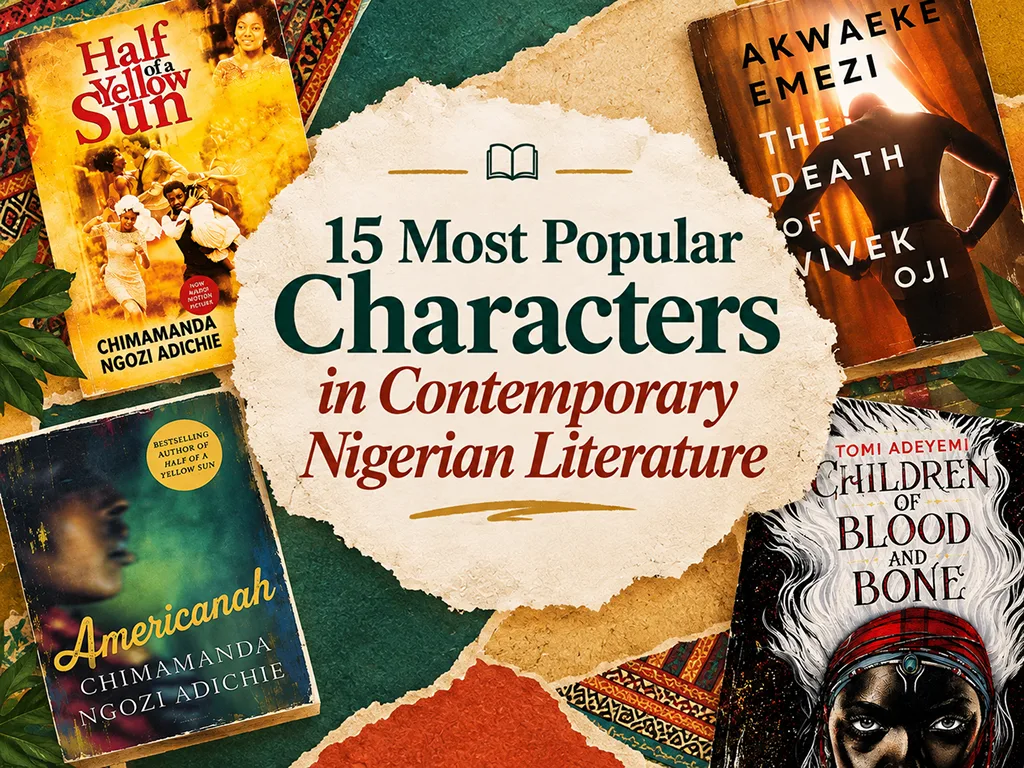
















Movie adaptations spark tons of conversations. Yet, this was a different ballgame for the Tomi Adeyemí book movie adaptation.
Movie adaptations spark tons of conversations, from casting to the final release. Yet, this was a different ballgame for the Tomi Adeyemi book-movie adaptation.
Though still unreleased, the movie adaptation of Children of Blood and Bone hasn’t stopped stirring the pot. From the cast announcement to Tomi Adeyemi severing ties with the movie adaptation, there’s a lot to catch up on.
Let’s dive into the Tomi Adeyemi book-movie adaptation situation.
Children of Blood and Bone was a sensation before it was even published. In 2017, the manuscript landed one of the largest young adult publishing deals ever negotiated.
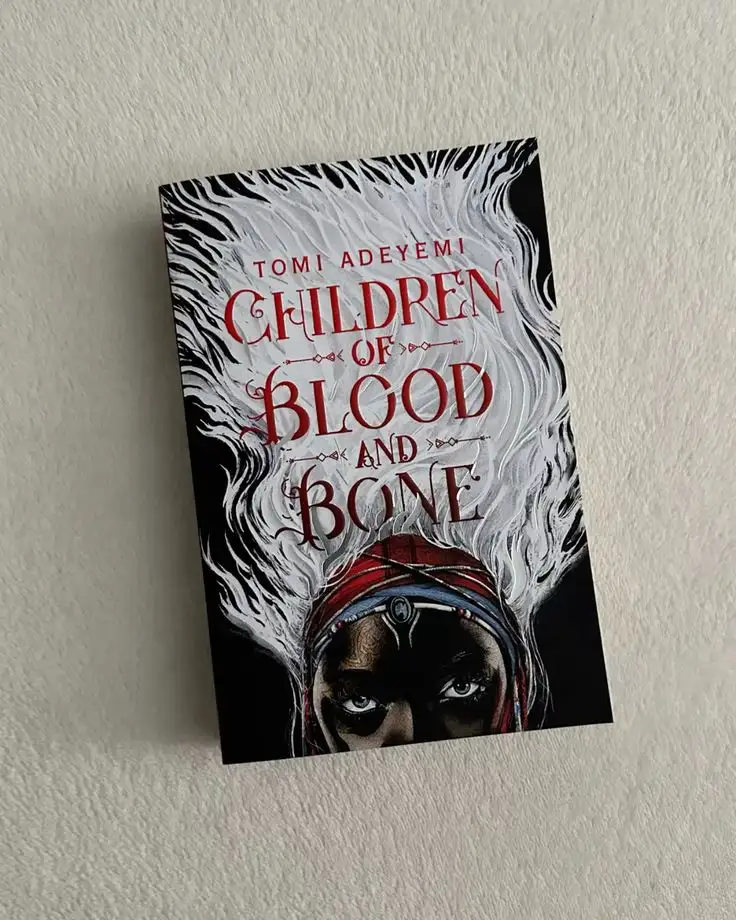
When the book officially launched on March 6, 2018, it received glowing reviews. Within weeks, it topped The New York Times Best Seller list for young adult fiction.
The novel’s success wasn’t just about sales. Adeyemi, a Nigerian-American author, crafted a world rooted in West African mythology and Yoruba culture, centering characters of color in a richly imagined fantasy landscape.
The book explored themes of oppression, systemic racism, and power structures through magic. Critics and readers recognized the work’s depth, praising it as both entertaining fantasy and meaningful social commentary.
In 2017, Fox 2000 Pictures acquired the rights to adapt it.
However, securing the film rights so early created complications. For several years, Fox 2000 sat on the project; then Disney’s 2019 acquisition of 21st Century Fox brought more chaos and disrupted any plans for the movie adaptation.
The rights were later transferred to Lucasfilm. But they showed little urgency in developing the Children of Blood and Bone adaptation, and by late 2021, the film rights ended.
In January 2022, Paramount Pictures acquired the exclusive theatrical rights to Children of Blood and Bone.
This marked a turning point: Paramount treated the project as a priority and gave her a voice in the adaptation, something she had been denied under previous studio stewardship.
In December 2023, the studio announced that acclaimed director Gina Prince-Bythewood would lead the adaptation. Her filmography includes Love & Basketball, The Secret Life of Bees, Beyond the Lights, The Old Guard, and The Woman King, demonstrating her ability to craft stories centered on complex female characters with significant action and emotional depth.
When asked about Prince-Bythewood’s involvement in early 2024, Adeyemi expressed genuine enthusiasm.
In January 2025, Paramount announced the film’s ensemble cast. The lineup included Thuso Mbedu as Zélie, Damson Idris as Prince Inan, Tosin Cole as Tzain, and Amandla Stenberg as Princess Amari.
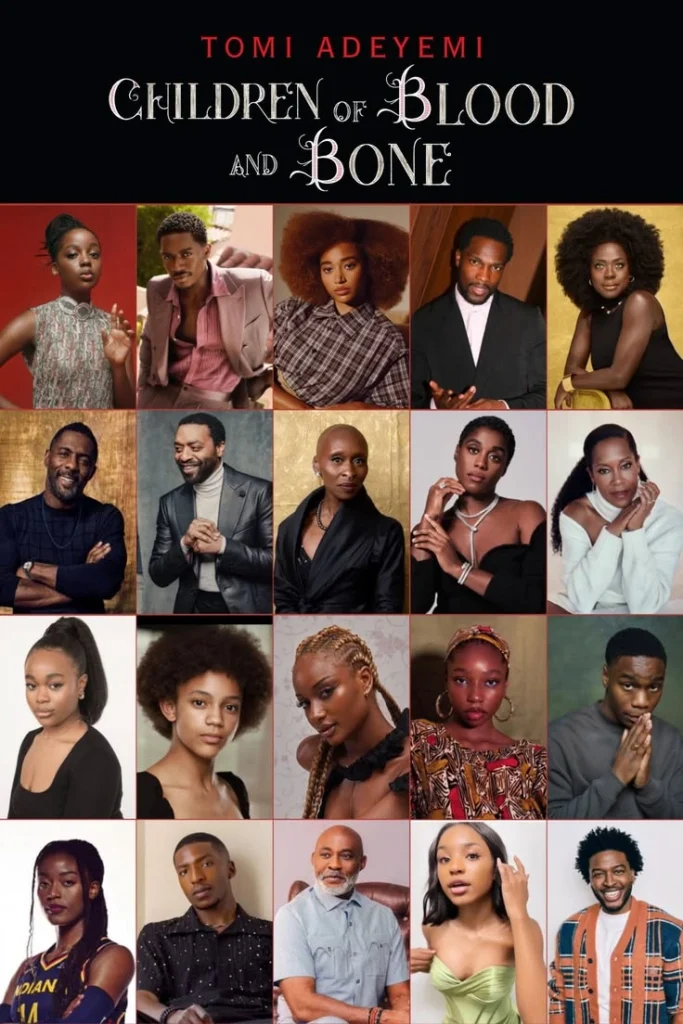
It also had veteran actors including Viola Davis, Chiwetel Ejiofor, Cynthia Erivo, Idris Elba, Lashana Lynch, and Regina King. On the surface, this star-studded production seemed to signal a substantial budget and serious talent acquisition.
However, casting Amandla Stenberg as Princess Amari sparked immediate controversy about the Tomi Adeyemi book-movie adaptation. In the novel, Princess Amari is described as having darker skin.
Stenberg, African-American and Danish, is lighter-skinned, prompting fans to raise concerns about colorism in the casting process.
The debate played out publicly, with many asking whether a darker-skinned actress should have gotten the role. It touched on real issues within Hollywood, where lighter-skinned Black women have historically received more prominent roles due to colourism.
Stenberg responded in a TikTok video posted shortly after the casting announcement, addressing the controversy directly.
More significantly, she also revealed that she had met with Adeyemi directly. According to Stenberg, Adeyemi told her that her performance as Rue in The Hunger Games inspired the creation of the Legacy of Orïsha series.
The casting was shaped not only by colourism, but also by Hollywood name recognition and global box-office appeal over cultural authenticity and Nigeria-based talent.
The most controversial choice was casting Thuso Mbedu, a South African actress, as the protagonist, Zelie Adebola. In the novel, Zelie has “dark onyx skin” and is the story’s unambiguous hero. The absence of a predominantly Nigerian or Nollywood cast was particularly glaring given the source material.
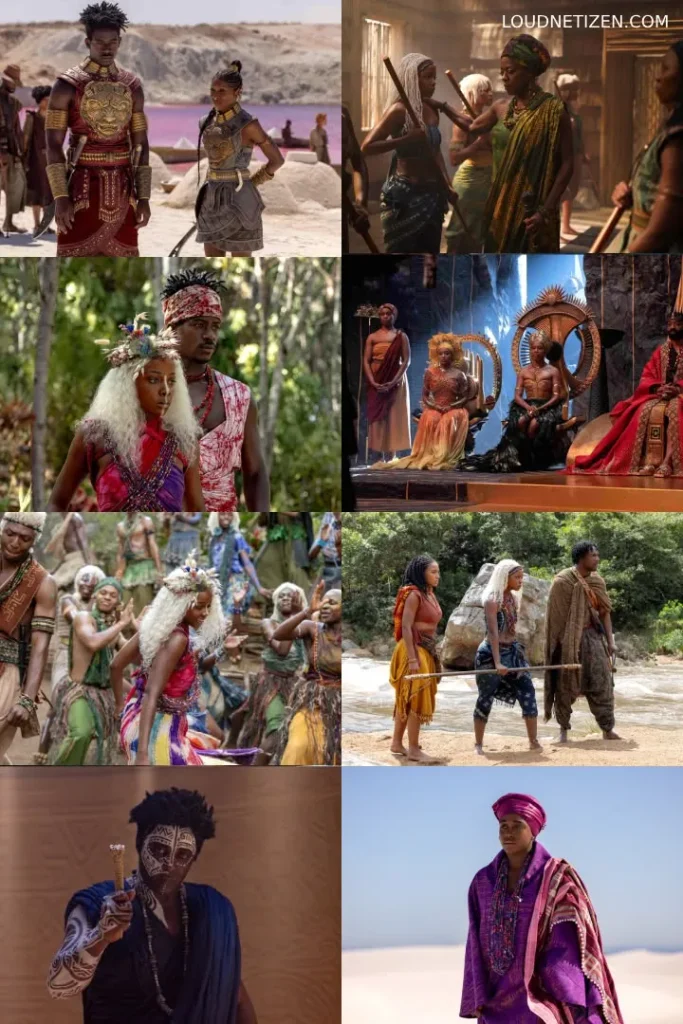
Also, when the film’s first trailer dropped on July 28, 2026, fans and critics immediately noticed something unexpected: viewers described hearing a generalized, invented accent that felt closer to the fictional African nation of Wakanda than to any actual Nigerian dialect.
Rather than having actors attempt Nigerian accents or dialects, the film opted for a manufactured accent that sounded foreign, abstract, and distinctly non-Nigerian.
Adeyemi’s Children of Blood and Bone is rooted in Yoruba spirituality and West African culture, leading to well-deserved observations about the disconnect.
Despite the colorism and other concerns going on online, Adeyemi initially defended the casting publicly.
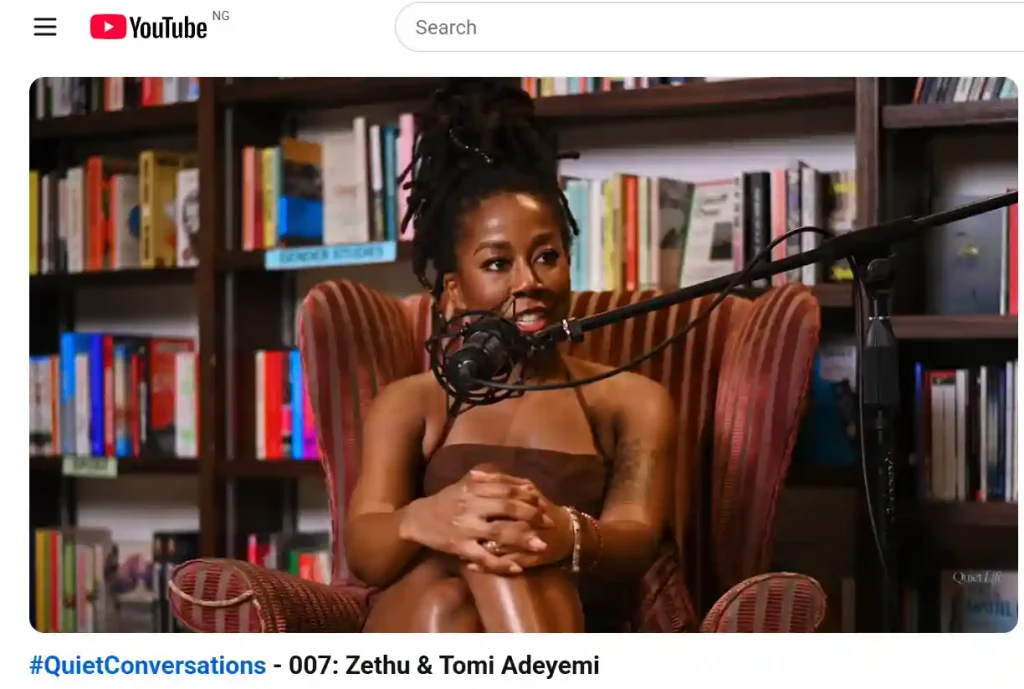
In a June 2025 appearance on the Quiet Conversations podcast, months into production, she praised Stenberg’s performance.
However, according to a Vanity Fair report, tensions began behind the scenes shortly after Stenberg’s February 2025 video.
Some sources said Adeyemi’s perspective shifted after the public discourse around Stenberg’s casting. While Adeyemi was initially involved in and reportedly excited by Stenberg’s casting, the dynamic between the actor and author grew strained.
In early February 2025, just days after Stenberg’s video addressing the colorism allegations, Adeyemi arrived on set to film a cameo appearance.
The scene involved Viola Davis and Thuso Mbedu in what was described as a training sequence. According to sources close to the production, the tension between Adeyemi and Stenberg was visible, and the crew member noticed the strain immediately.
Adeyemi has never publicly detailed the specific incidents that led to her psychological breakdown on set, and this remains one of the most frustrating aspects of the ongoing story.
Despite months passing since her emotional TikTok revelations, both Adeyemi and the production have remained largely silent about concrete details.
In July 2026, Adeyemi posted a now-deleted screengrab from a February 2025 text conversation with Stenberg. The message was direct and cutting: “Do not ever use my name in an interview or video again. Do not text me. Do not call me.”
The screenshot appeared to show that Adeyemi had also blocked Stenberg. This level of finality suggests something had fractured between the two.
Given the timeline and available information, Stenberg’s February 2025 video and subsequent public discussions about colorism likely created a drift.
What remains clear, though, is that something on set broke Adeyemi. On a date she refuses to specify, she left the production”hyperventilating and sobbing.”
One of the most striking aspects of the controversy is the massive gap between what Adeyemi said publicly and what she was experiencing privately.
In May 2026, just weeks before her emotional breakdown became public, Adeyemi celebrated receiving co-writing credit on the screenplay.
Production had wrapped in June 2025 after six months of filming in Cape Town and other locations. The timeline suggests that whatever trauma occurred on set happened months before her May 2026 celebration post.
Director Gina Prince-Bythewood offered her perspective on their working relationship in recent interviews, describing the adaptation process as “beautiful.”
She noted that Adeyemi had loved the screenplay and provided “incredible notes” throughout development. This account differs from Adeyemi’s, suggesting that different people can have genuinely different experiences on the same set.
On July 30, 2026, Adeyemi posted an emotional TikTok video that changed everything. The trailer for Children of Blood and Bone dropped the day before.
Seeing her work being marketed triggered her. Adeyemi described the film as “the worst thing I have ever had to live through,” a statement that shocked many who had watched her defend the project.
In the video, she spoke with visible emotion and revealed ongoing antagonism. She said she would not watch the finished film, promote it, or discuss it further.
Neither Paramount Pictures nor Prince-Bythewood offered substantive responses to Adeyemi’s allegations. Paramount declined to comment. Prince-Bythewood told ELLE she “can’t speak for her” but reiterated that her own experience was positive.
The lack of accountability and detailed engagement with Adeyemi’s concerns raises the question: what went wrong?
As of October 2026, the specific details of what transpired on the set of the Children of Blood and Bone adaptation remain unknown.
This lack of information speaks volumes. When an author describes a major film adaptation as “the worst thing I have ever had to live through,” one would expect some institutional acknowledgment or clarification—instead, silence.
Based on available reporting, the most likely culprits point to the colorism controversy and how it was managed. The casting choice, while Stenberg defended it articulately, sparked legitimate community discussion about representation.
Additionally, the power dynamics inherent in film production could have played a role. Adeyemi co-wrote and executive produced, but she didn’t direct.
Prince-Bythewood held primary authority, and while the director spoke warmly of their collaboration, Adeyemi’s input may have been overruled at times.
This raises critical questions about how Hollywood integrates authors into adaptation processes. On one hand, the author’s involvement as a co-writer and executive producer was more extensive than many authors receive. She had agency, influence, and creative input.
The Tomi Adeyemi book-movie adaptation situation also highlights how reinterpretation can psychologically destabilize authors. Writing a novel is a one-person act of creation. Adapting it to film involves numerous collaborators, compromises, and external pressures.
However, it also raises the question of where the line lies between protecting artistic integrity and possibly limiting creative interpretation.
An author can feel violated watching a team of strangers, even talented ones, reshape their carefully constructed world.
For Adeyemi specifically, the gap between her public statements and her private experience suggests she couldn’t voice objections in real time.
But the result is clear: she internalized significant pain, carried it throughout production, till it reached a crisis point.
The situation is complicated because Paramount Pictures holds adaptation rights to all the other three books in the Legacy of Orïsha trilogy—Children of Virtue and Vengeance, and Children of Anguish and Anarchy.
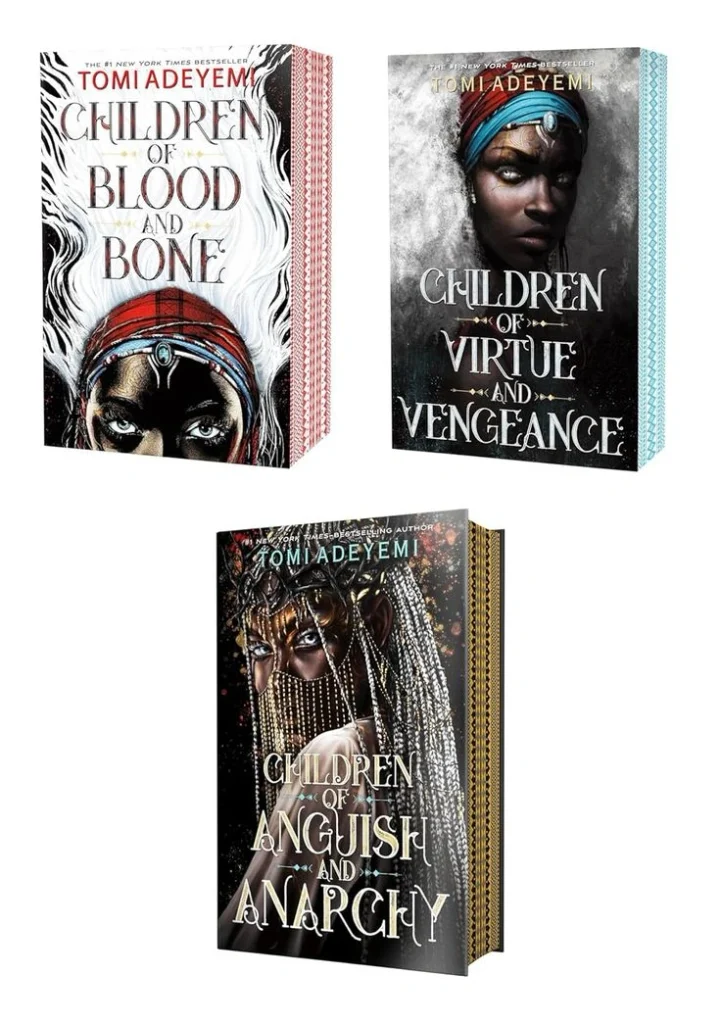
Adeyemi has explicitly stated she would never adapt her books again. This raises the question of what happens with the planned sequels.
Will Paramount proceed with adaptations of the remaining books without Adeyemi’s involvement? Can they do so credibly, given that the author has publicly distanced herself from the entire project? Would continuing to adapt her work against her expressed wishes be ethically defensible?
These are questions that have no easy answers, but they hang over the entire franchise.
As the January 15, 2027 release date approaches, the Tomi Adeyemi book-movie adaptation film sits in a peculiar position. It’s a major studio production with an ensemble cast, significant budget, and an accomplished filmmaker.
By all traditional measures, it should succeed. Yet its author has publicly denounced it.
Critics and audiences will judge the film on its own merits, but this conflict will always cast a shadow over it. This offers no clear villains or heroes, just an unfortunate situation that may never be forgotten.

Godsgift Isaiah is a music and book whore who enjoys everything about art.
What’s Up With the Forced Proximity Romance Trope?
The A B Story 101
Nollywood vs Hollywood: The Ultimate Comparison
10 Things to Expect from Dr. Doom in Avengers Doomsday
8 Fantasy Children’s Books from the 90s That Deserve a Comeback
The Author’s Guide to the Rule of Three II
10 Coolest Swords in History and Fantasy
Marvel vs. DC Female Superheroes
The Author’s Guide to the Rule of Three I
15 Writing-Adjacent Careers for Writers Looking for a Career Change
Authors Spotlight: Khaled Hosseini
The Sound Souls Make When They Die by Chinemefun Chimuanya
July 20, 2025 .
Animation, Lists
Our list rounds up the top 30 cartoon characters that were villains, each one more wonderfully wicked than the last.
READ MORE
April 29, 2026 .
Lists, Opinions
The Mouse is famous for its princesses and princes. However, the studio’s true genius lies in its embrace of “ugly Disney characters”.
READ MORE
November 27, 2025 .
Lists, Mythology
While this isn’t an exhaustive list, it comprises some of the most popular mythical creatures from around the world.
READ MORE
May 6, 2026 .
Lists, MCU
Spider-Man is one of the many superheroes from the Marvel Universe whose stories shaped many childhoods. Who is your strongest Spiderman?
READ MORE
October 28, 2025 .
Debates, Lists, Marvel, MCU
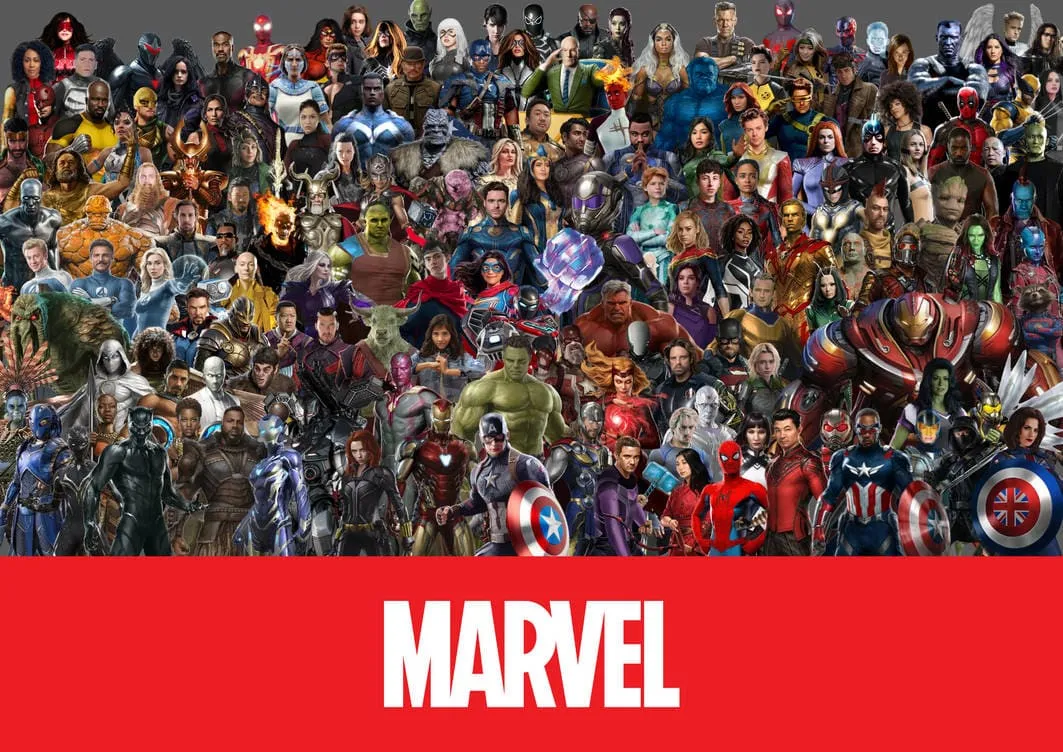
Every Marvel hero brings something to the table. But if we had to pick the top 8 most popular Marvel superheroes, who would make the cut?
READ MORE
September 30, 2026 .
Lists, TV Shows, Upcoming Movies
October isn’t celebrated as the official horror movie month for nothing, and some of these entries prove it.
READ MORE
September 9, 2026 .
Lists, TV Shows, Upcoming Movies
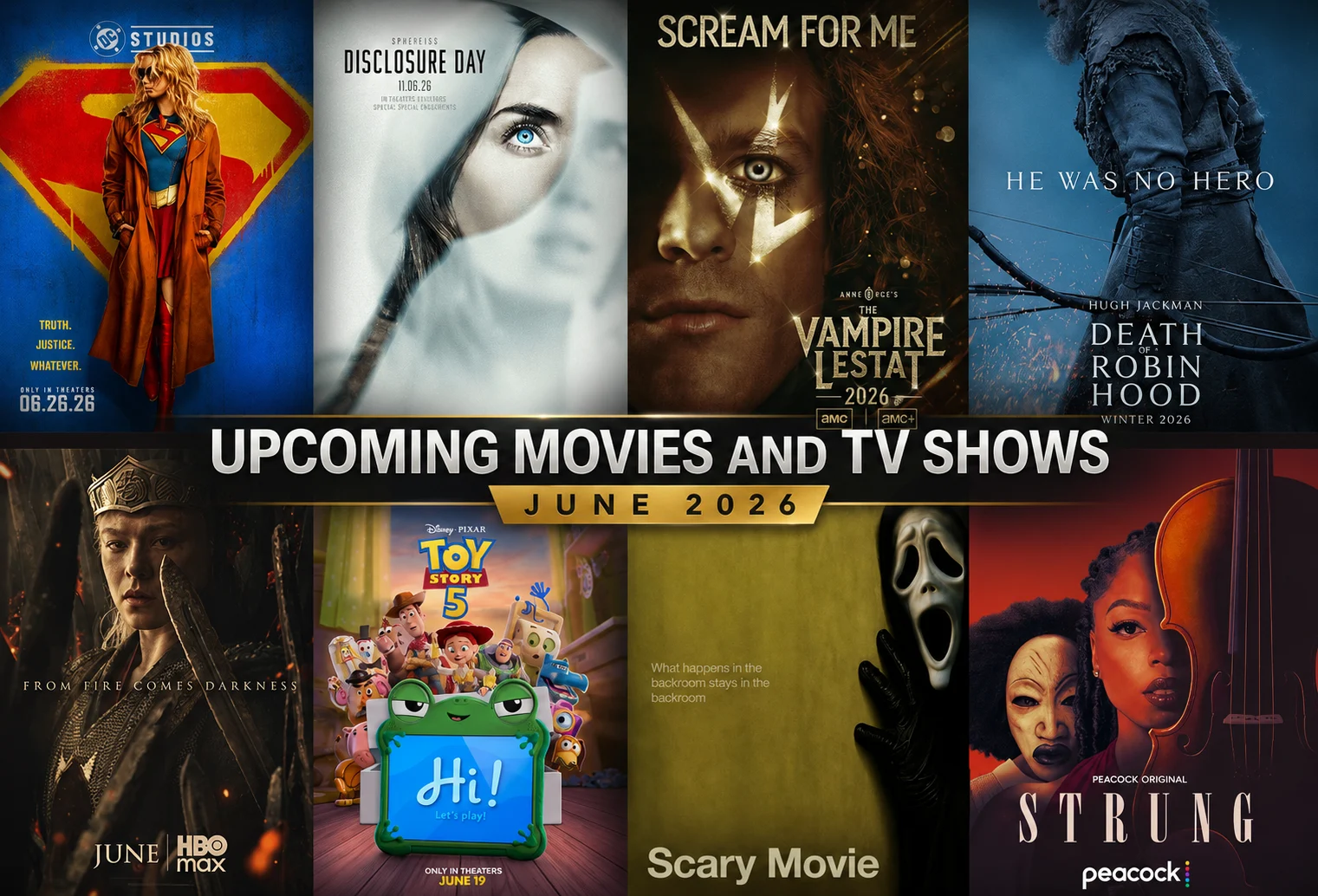
There’s something for everyone from every genre you love.
READ MORE
September 9, 2026 .
Lists, TV Shows, Upcoming Movies
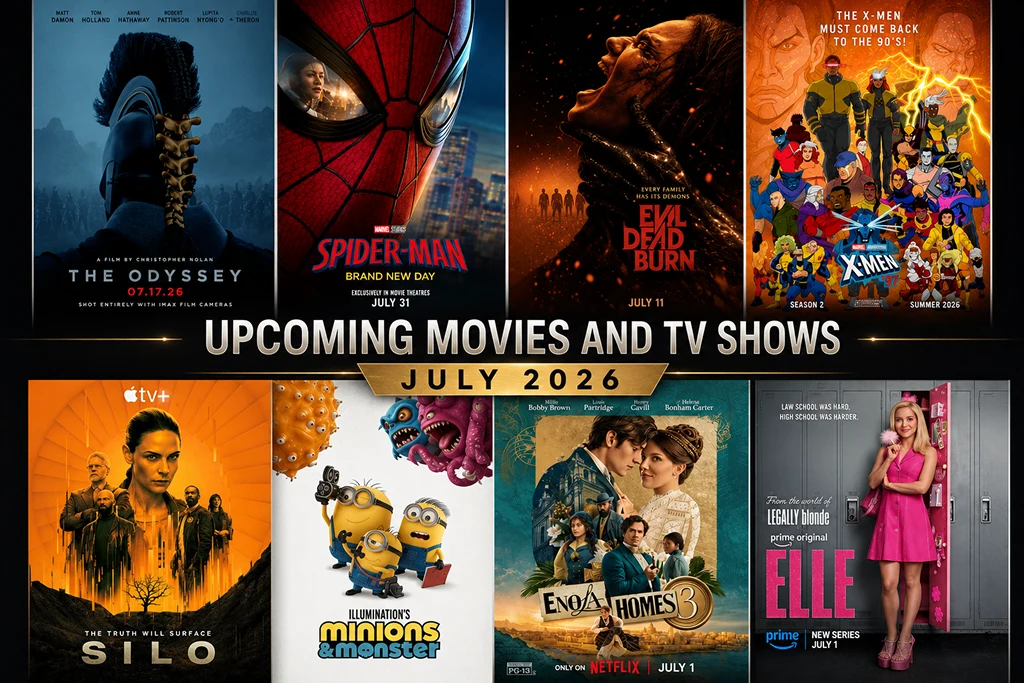
July gears up with the hottest lineups of upcoming movies and TV shows.
READ MORE
September 9, 2026 .
Lists, TV Shows, Upcoming Movies
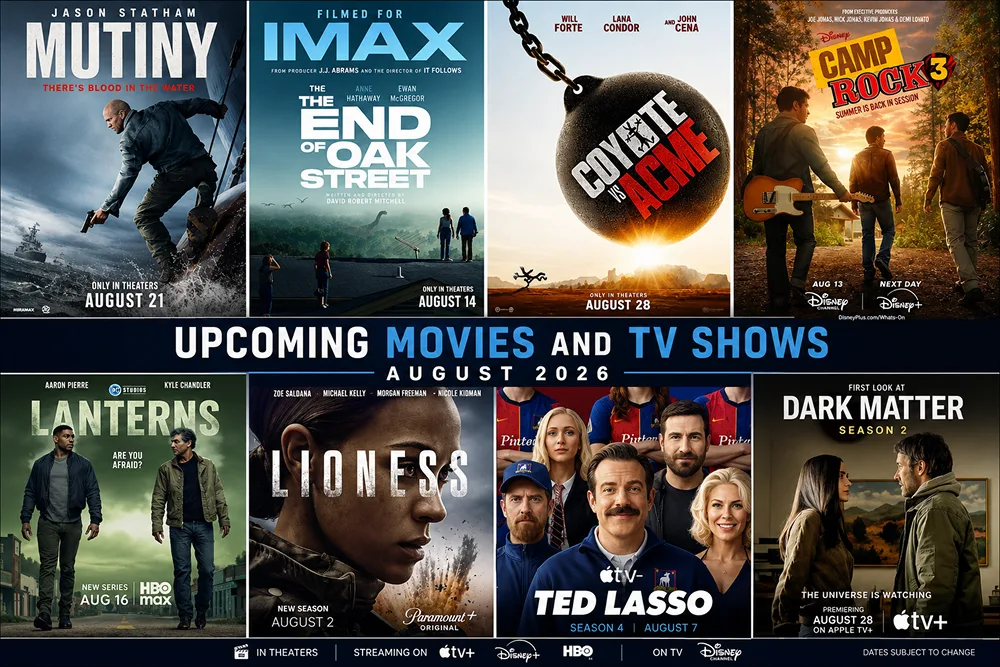
August line-up is here and they don’t disappoint.
READ MORE
April 29, 2026 .
Lists, Opinions
The Mouse is famous for its princesses and princes. However, the studio’s true genius lies in its embrace of “ugly Disney characters”.
READ MORE
September 9, 2026 .
Lists, Upcoming Movies
September’s lineup offers everything from action flicks to buddy comedy to romcom adaptations to keep you entertained all month long.
READ MORE
February 9, 2026 .
Lists
From Masobe to Narrative Landscape and Penguin Random House South Africa, here are the top 9 publishers of African Literature.
READ MORE

July 20, 2025 .
Lists
From Gardens of the Moon, it’s clear that the world of Malazan is richer in history and geographic detail, and than any other fantasy world.
READ MORE

February 23, 2026 .
African Literature, Lists
These are the books that could hold that kind of attention again. Not because they’re flawless, but because they can survive stillness.
READ MORE
Get our magazine for free!