Close menu
Ranking the best of African Literature















Fiction doesn’t promise solutions. It doesn’t moralize. It simply offers a window into someone else’s world and asks: Can you stay here a while?
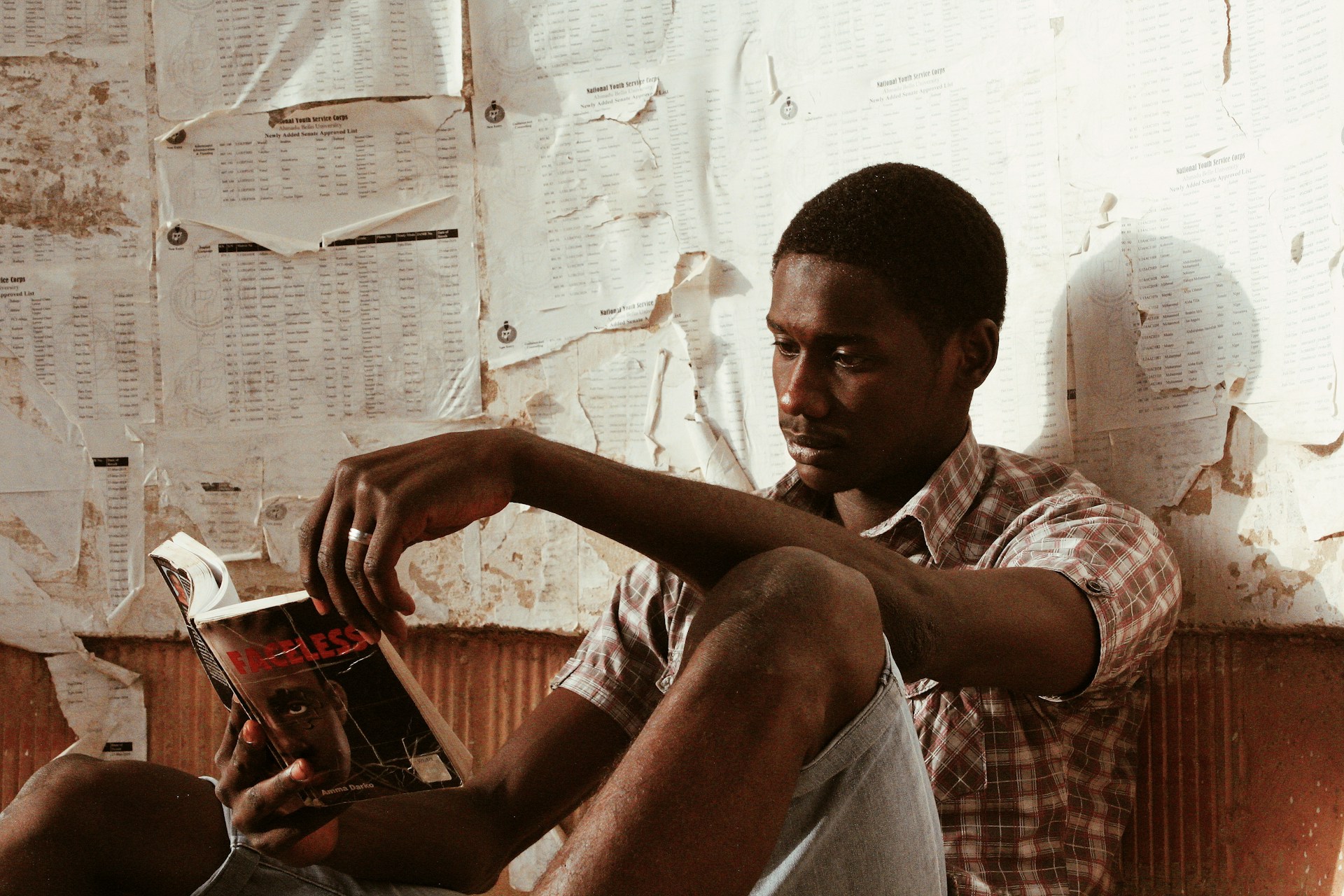
We spend our days brushing shoulders with people whose lives we’ll never understand. But fiction, unlike life, stops us long enough to feel what it’s like to be someone else. And sometimes, that’s the only way we ever do.
Empathy isn’t always innate. Contrary to the popular belief that it comes naturally, it’s often something we learn; awkwardly, slowly, and sometimes too late. Life gives us plenty of opportunities to practice, but it rarely hands us the time or space to imagine another person’s interior world fully. Fiction, though, makes this its sacred task.
I’ve cried over characters who don’t exist, grieved relationships that were never mine, and found myself changed, softened, by the emotional truths of people born only from words. That’s the strange alchemy of fiction: it conjures lives that aren’t real but teaches us something profoundly true about the lives that are.
In real life, people’s pain is often muffled by politeness, distraction, or our own discomfort. We walk past someone sobbing on a bench, scroll past a tragic story, nod sympathetically at a friend’s heartbreak, but still check our phones when they pause to breathe.
Fiction is different. It demands our stillness. It gives us uninterrupted access to the messy, conflicted, and intimate truths of other people’s minds. In fiction, there are no social masks; just unfiltered grief, shame, doubt, desire, and fear. We don’t just observe suffering; we inhabit it.
We become the young girl in Kabul who hides books under her burqa. We are the aging professor who forgets his daughter’s name. We feel the hunger of a boy in wartime, the rage of a woman silenced by centuries.
And in doing so, something shifts in us. Not abstract sympathy, but genuine connection.
Empathy isn’t just about feeling sorry for others; it’s about understanding. And understanding is often where life fails us. Reality, for all its intensity, is also chaotic and messy. We encounter people mid-story, without context or conclusion. A friend’s anger might seem unjustified until we learn the whole history. A stranger’s cruelty might be fear. But we don’t always get to know.
Fiction gives us the luxury of full context. We start at the beginning and, most of the time, stay until the end. We’re given backstory, motivation, and nuance. We’re allowed to sit with contradictions: characters who are both selfish and generous, loving and destructive.
And in recognizing these contradictions in fictional people, we start to recognize them in real people, too.
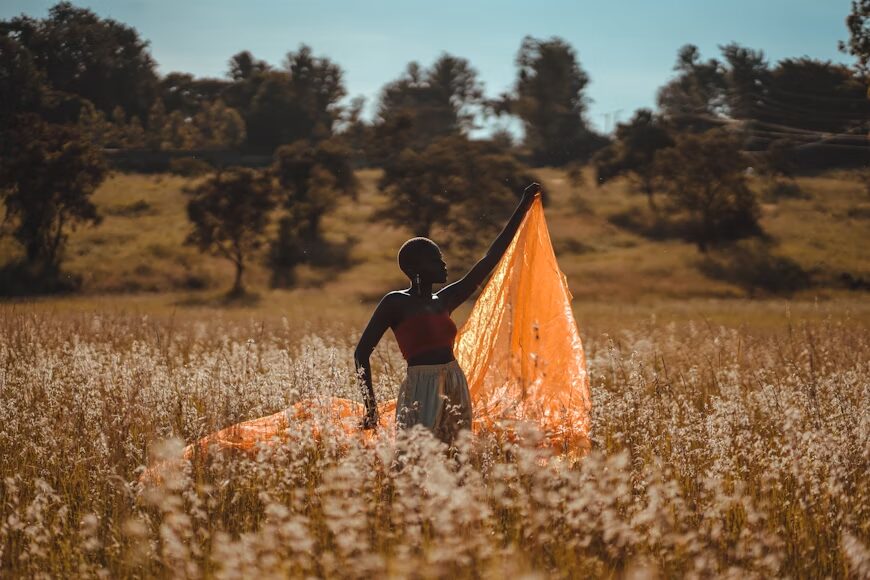
Studies show that readers of literary fiction perform better on tests of emotional intelligence and theory of mind. In other words, they’re better at guessing what others are feeling or thinking. That’s not an accident. Fiction trains us for this exact thing. It enlarges our moral imaginations.
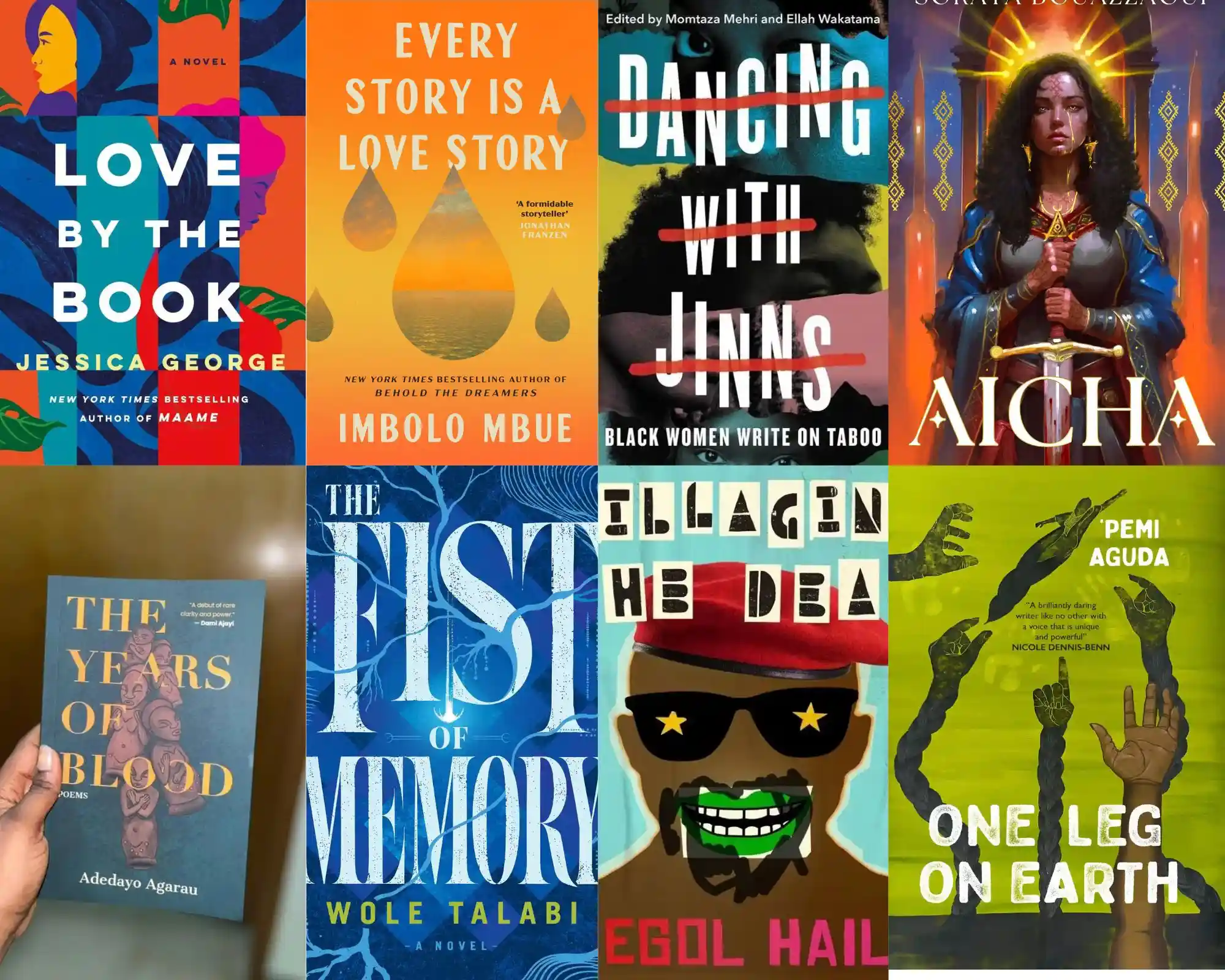
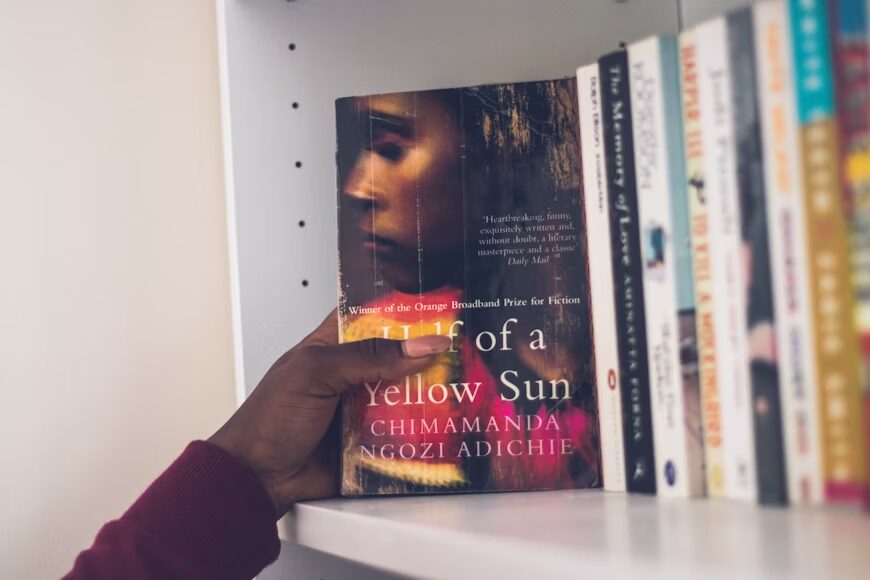
When we read books like Born on a Tuesday, Second Class Citizen, A Little Life, or The God of Small Things, we don’t just consume stories. We expand our emotional bandwidth. We get better at sitting with complexity, at resisting judgment, at responding with care.
And what a world it could be, if more of us learned to do that.
Fiction doesn’t promise solutions. It doesn’t moralize. It simply offers a window into someone else’s world and asks: Can you stay here a while? Can you care, even though it’s not your life?
That invitation is powerful. And when we accept it, we come away not just better readers—but better humans.

15 Writing-Adjacent Careers for Writers Looking for a Career Change
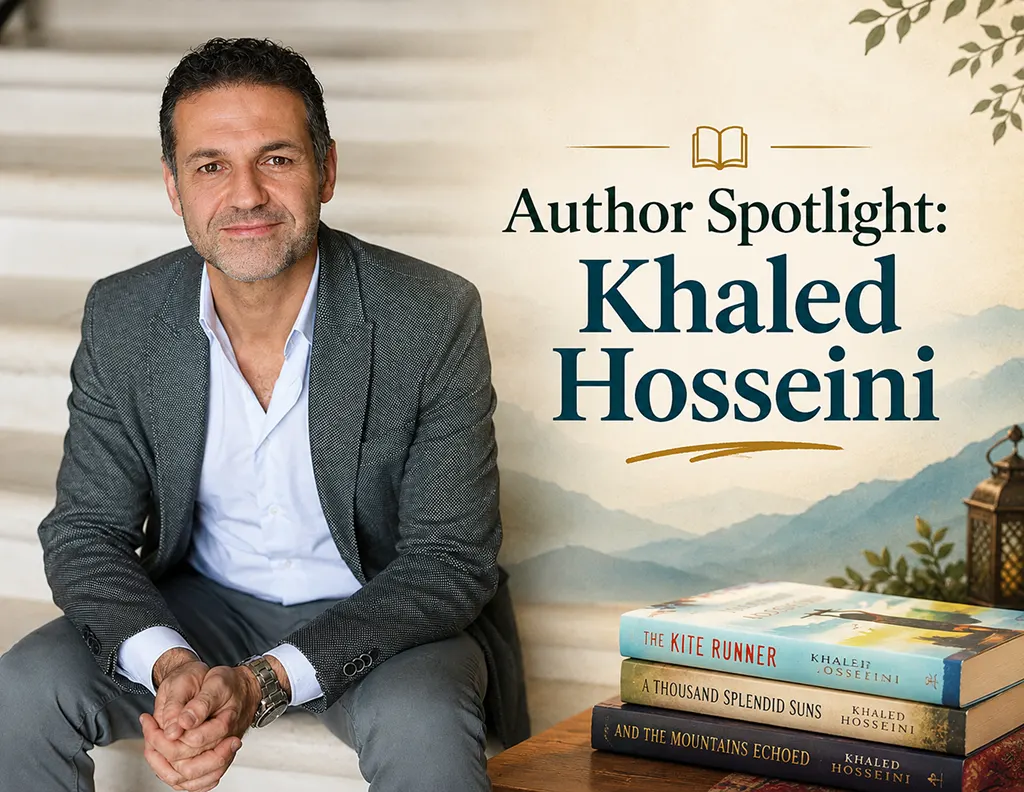
Authors Spotlight: Khaled Hosseini
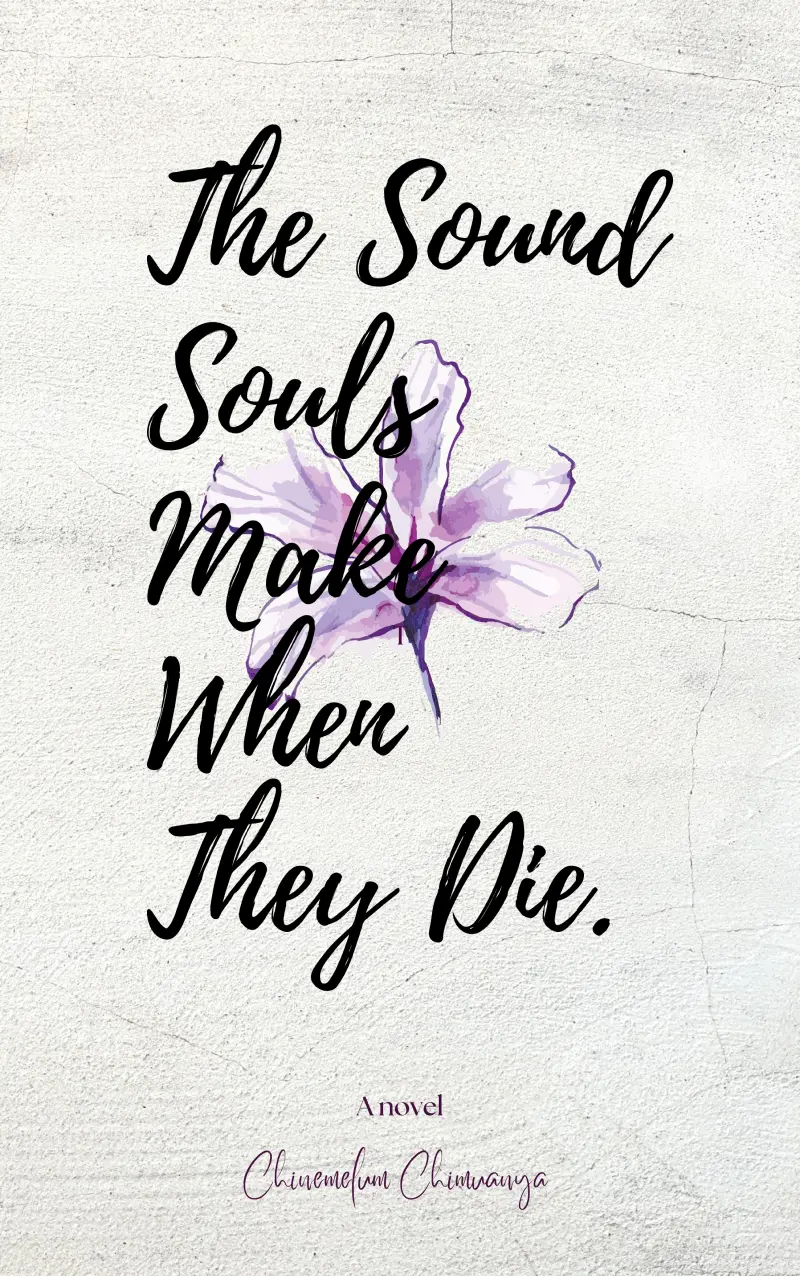
The Sound Souls Make When They Die by Chinemefun Chimuanya
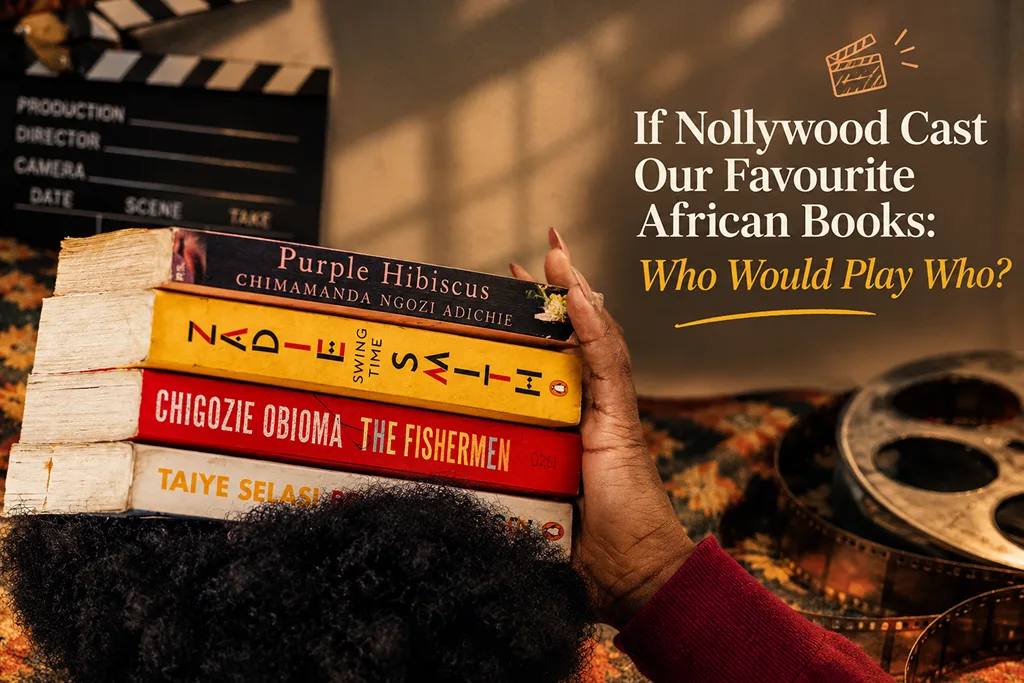
If Nollywood Cast Our Favourite African Books: Who Would Play Who?
Best Films About Unexpected Age Gap Romance
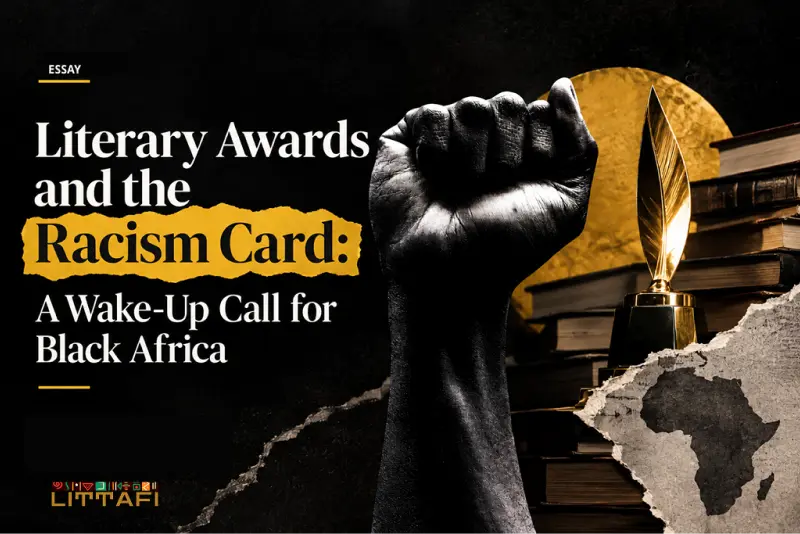
Literary Awards and the Racism Card: A Wake-Up Call for Black Africa
Interview with the Vampire Relationships, Ranked
10 Top Recent Films for Action and Comedy Fans
Comma Rules Every Writer Should Know
10 Most Hype-worthy 2026 Book Releases (African Literature Version)
Five Gambling Films That Know the Bet Is Only Half the Story
Movies Where Poker Reveals Who a Character Really Is
July 20, 2025 .
Animation, Lists
Our list rounds up the top 30 cartoon characters that were villains, each one more wonderfully wicked than the last.
READ MORE
November 27, 2025 .
Lists, Mythology
While this isn’t an exhaustive list, it comprises some of the most popular mythical creatures from around the world.
READ MORE
April 29, 2026 .
Lists, Opinions
The Mouse is famous for its princesses and princes. However, the studio’s true genius lies in its embrace of “ugly Disney characters”.
READ MORE
October 28, 2025 .
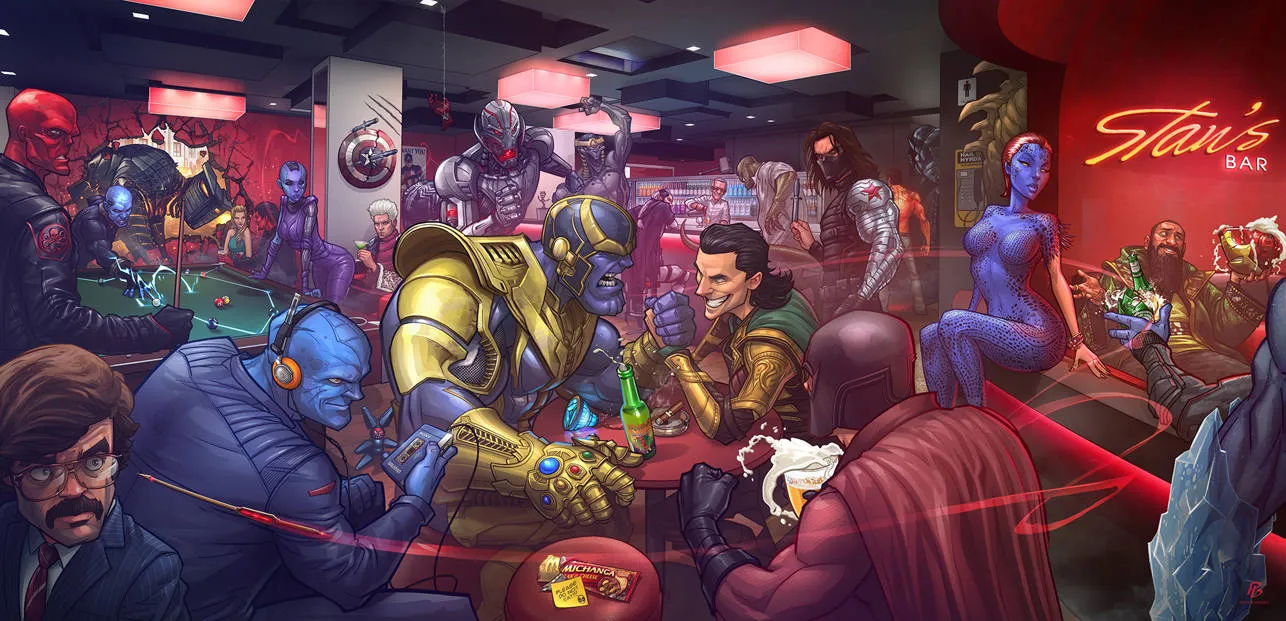
Lists, Marvel, MCU, Opinions
Let’s go through a list of the top 7 strongest Marvel villains, from the wickedly powerful to the absolutely unstoppable.
READ MORE
February 26, 2026 .
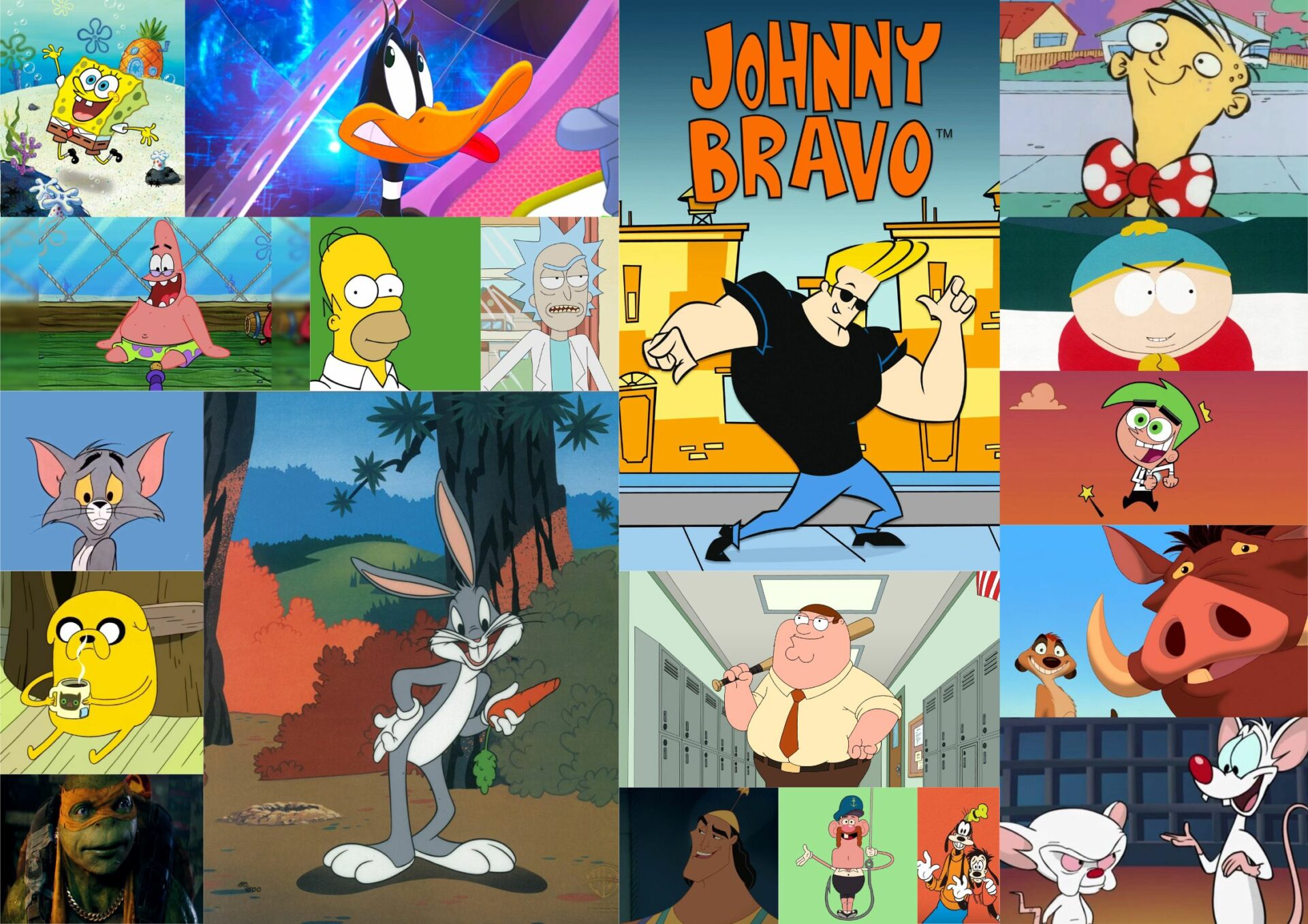
Cartoons, Lists
There are some outright funny cartoon characters who exist solely to crack you up, loud, hard, and with zero apology.
READ MORE

July 20, 2025 .
Essays, Opinions
READ MORE

July 20, 2025 .
Essays, Opinions
READ MORE

July 20, 2025 .
Essays
Except if you have been living under a rock or in outer space since the beginning of time, there is no way you wouldn’t have heard of Wole Soyinka.
READ MORE

July 20, 2025 .
Essays, Opinions
READ MORE
September 12, 2025 .
Essays, Fantasy, Opinions
Fantasy is everything that lies in the realm of the fantastic. And, the more deviant from reality it is, the better.
READ MORE
July 20, 2025 .
Essays, Opinions
African literature embraces inclusivity, harnessing words as a medium to impart wisdom, preserve truths, and honor ancestral struggles.
READ MORE
October 22, 2025 .
Essays, Writer Resources
Ever found a book that looks like a comic but tells a complete, well-structured story? Congratulations, it’s a graphic novel.
READ MORE
July 18, 2026 .
Disney, Essays
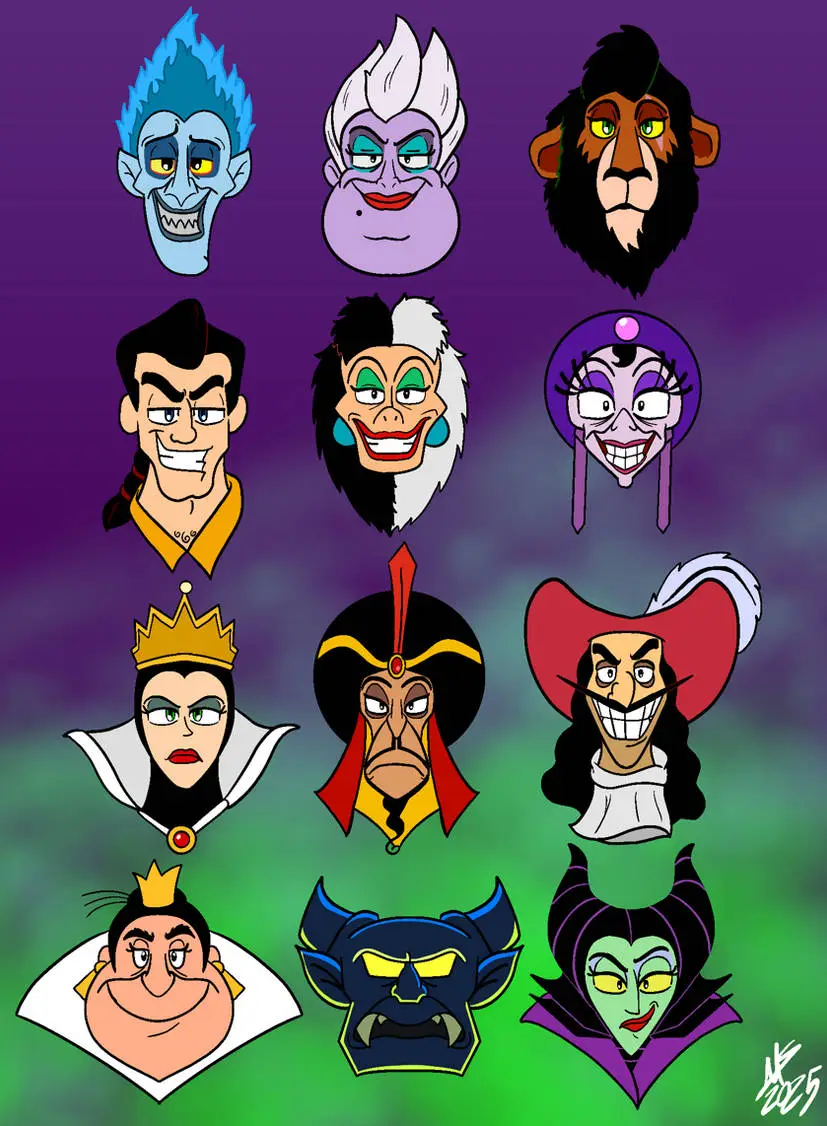
Let’s examine the trend of softening Disney villains, its implications, and viewers’ responses to less sensitive material.
READ MORE
July 24, 2025 .
Essays, Writer Resources
READ MORE
Get our magazine for free!