
Menu






































































The ritual of pairing wine with literary discussion has evolved beyond simply uncorking a bottle. Today’s book clubs increasingly rely on wine chillers to ensure every pour enhances rather than diminishes the experience. Serving wine at the proper temperature unlocks its intended flavor profile—a detail that separates a forgettable evening from one where both the […]

The ritual of pairing wine with literary discussion has evolved beyond simply uncorking a bottle. Today’s book clubs increasingly rely on wine chillers to ensure every pour enhances rather than diminishes the experience. Serving wine at the proper temperature unlocks its intended flavor profile—a detail that separates a forgettable evening from one where both the novel and the Chardonnay leave lasting impressions.
Temperature matters more than most casual drinkers realize. A white wine served too warm tastes flabby and alcoholic; a red served too cold becomes tannic and harsh. Wine chillers solve this problem with precision, transforming what was once guesswork into reliable hospitality.
Wine’s chemical composition responds dramatically to temperature shifts. Volatile compounds that carry aroma evaporate more readily when warm, while cold temperatures suppress both scent and perceived sweetness. Each wine category has a narrow optimal range:
A wine chiller removes the uncertainty. Rather than relying on refrigerators that over-chill or room temperature that’s inevitably too warm, these devices maintain the specific conditions each bottle requires. For book clubs that rotate between members’ homes, this consistency becomes particularly valuable—the same wine tastes equally good whether served in July or January.
Wine preservation stretches back millennia. Ancient civilizations buried clay vessels underground, leveraging the earth’s stable temperature to keep wine drinkable through seasons. Romans advanced the practice with wooden barrels, which not only protected wine during transport but also imparted subtle flavors that became part of regional identity.
Modern wine chillers represent a technological leap from these passive methods. Today’s devices use thermoelectric cooling, compressor systems, or phase-change materials to actively regulate temperature.
Book clubs rarely meet in the same location twice in a row. This rotating venue model makes portability essential for any wine accessory. Portable wine chillers address this need while delivering several practical advantages:
The practical benefits extend beyond temperature. When wine stays properly chilled throughout a two-hour discussion, guests can refill glasses without the wine degrading. This eliminates the awkward choice between drinking quickly or accepting a lukewarm pour.
Not all wine chillers operate on the same principle. Understanding the distinctions helps match the device to your specific needs:
For book clubs, insulated coolers and bottle sleeves typically prove most practical. They require no electricity, work in any location, and handle the 2-4 hour duration of typical gatherings. Electric models make sense for hosts who regularly entertain at home and want set-it-and-forget-it convenience.
Brands offering insulated wine coolers suited to portable entertaining include Vinglacé and Corkcicle.

The Tyrant Overlord. Fantasy buff and avid football fan.
15 Writing-Adjacent Careers for Writers Looking for a Career Change
Authors Spotlight: Khaled Hosseini
The Sound Souls Make When They Die by Chinemefun Chimuanya
If Nollywood Cast Our Favourite African Books: Who Would Play Who?
Best Films About Unexpected Age Gap Romance
Literary Awards and the Racism Card: A Wake-Up Call for Black Africa
Interview with the Vampire Relationships, Ranked
10 Top Recent Films for Action and Comedy Fans
Comma Rules Every Writer Should Know
10 Most Hype-worthy 2026 Book Releases (African Literature Version)
Five Gambling Films That Know the Bet Is Only Half the Story
Movies Where Poker Reveals Who a Character Really Is
July 20, 2025 .
Animation, Lists
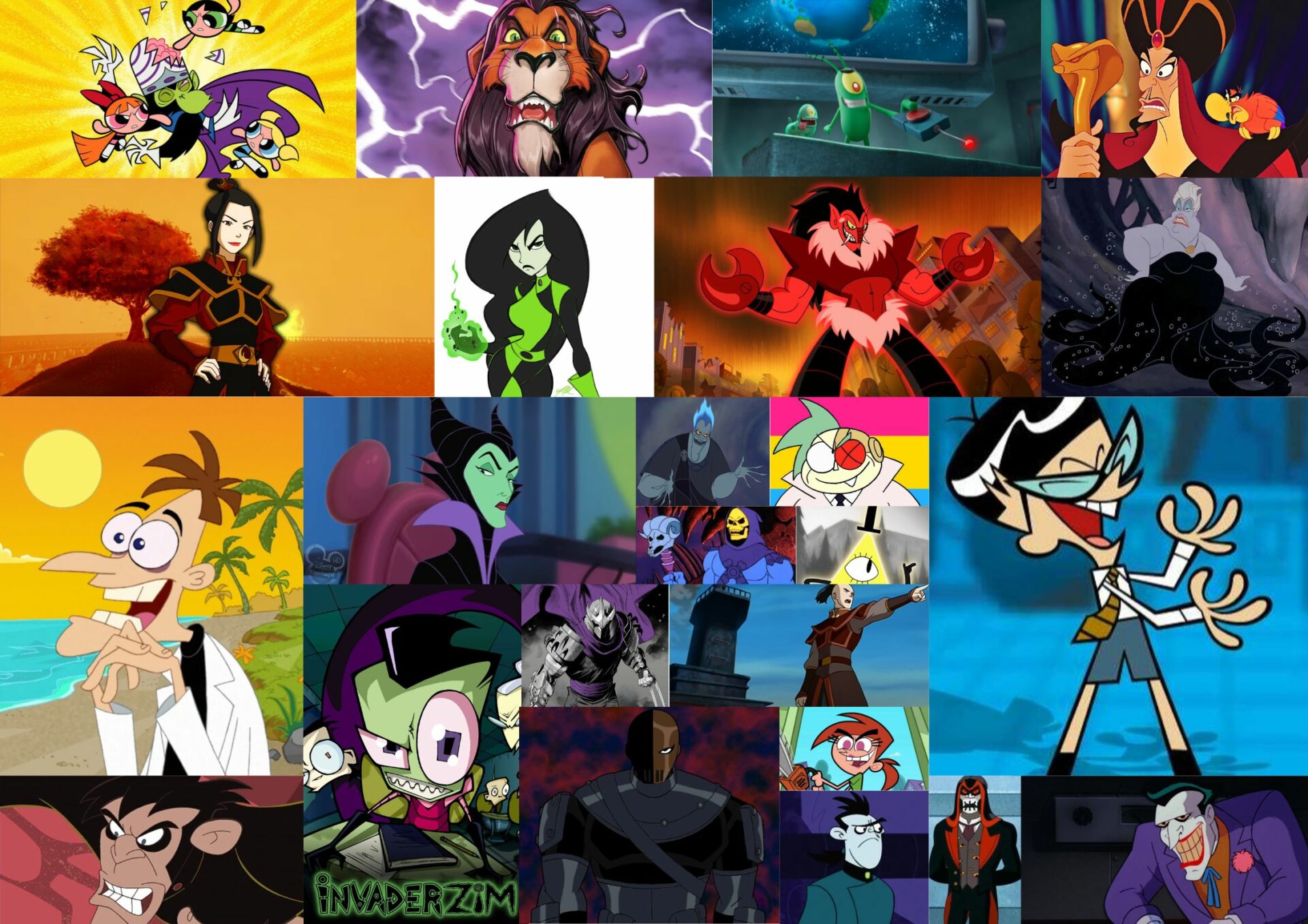
Our list rounds up the top 30 cartoon characters that were villains, each one more wonderfully wicked than the last.
READ MORE

November 27, 2025 .
Lists, Mythology
While this isn’t an exhaustive list, it comprises some of the most popular mythical creatures from around the world.
READ MORE
April 29, 2026 .
Lists, Opinions
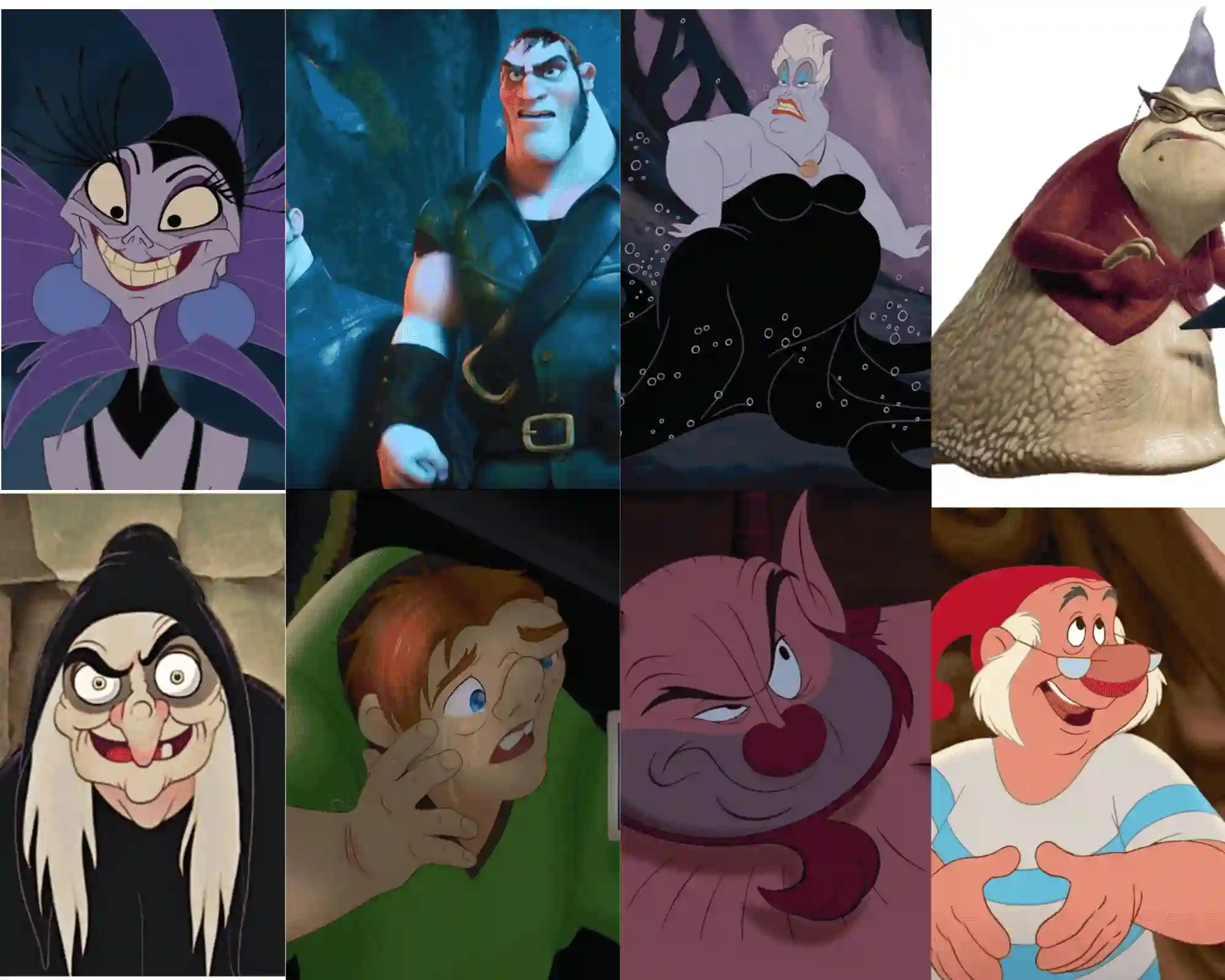
The Mouse is famous for its princesses and princes. However, the studio’s true genius lies in its embrace of “ugly Disney characters”.
READ MORE

October 28, 2025 .
Lists, Marvel, MCU, Opinions
Let’s go through a list of the top 7 strongest Marvel villains, from the wickedly powerful to the absolutely unstoppable.
READ MORE

May 6, 2026 .
Lists, MCU
Spider-Man is one of the many superheroes from the Marvel Universe whose stories shaped many childhoods. Who is your strongest Spiderman?
READ MORE

Get our magazine for free!