















































In the end, Parlour Wife is not without merit. It’s readable, even engaging at points, but its flaws hold it back from being truly memorable.

The Parlour Wife is a coming-of-age story about Kehinde, a timid, people-pleasing “golden girl.” It feels like a well-worn trope: a young woman in colonial Nigeria grappling with duty and desire, but by the second chapter, the story finds a certain rhythm.
It’s clear African literature needs to stretch beyond these familiar narratives, but this novel still manages to sit among the better executions of the genre.
Kehinde’s temperament is painted with care: gentle and eager to please, but also burdened by resentment, which makes her niceness appear pretentious rather than kind.
The first part ends with her tentative steps toward independence, with the author using colonial Nigeria’s backdrop to cleverly mirror her personal struggle; the stirrings of dissent in the nation echoing her own bid for freedom.
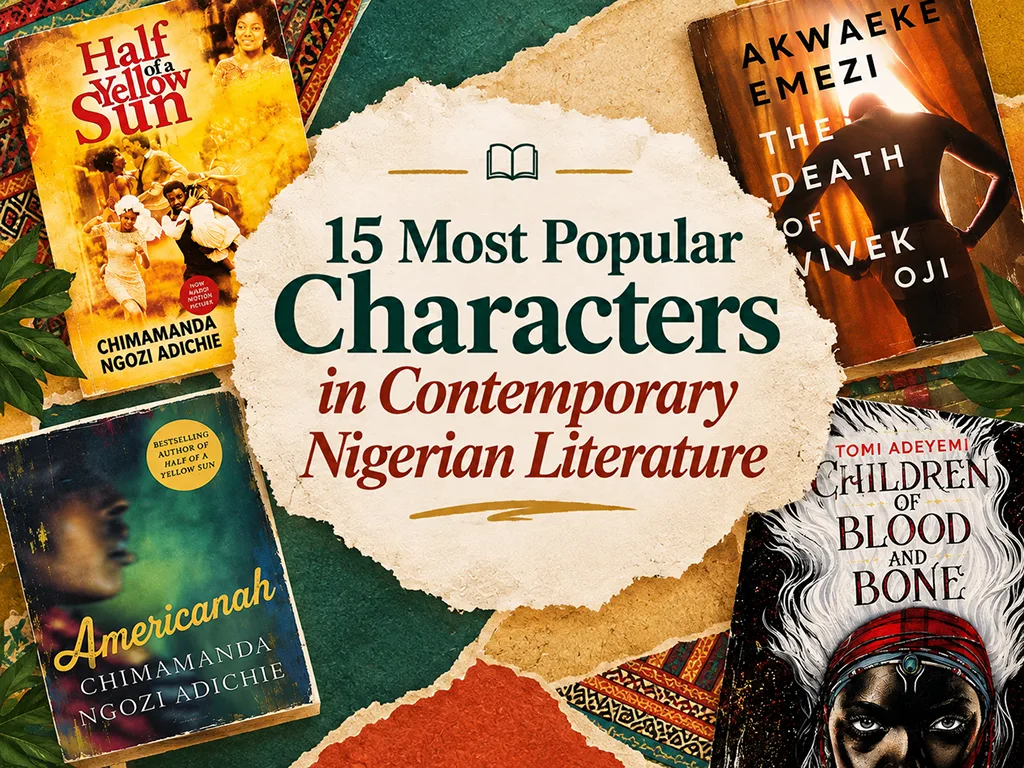
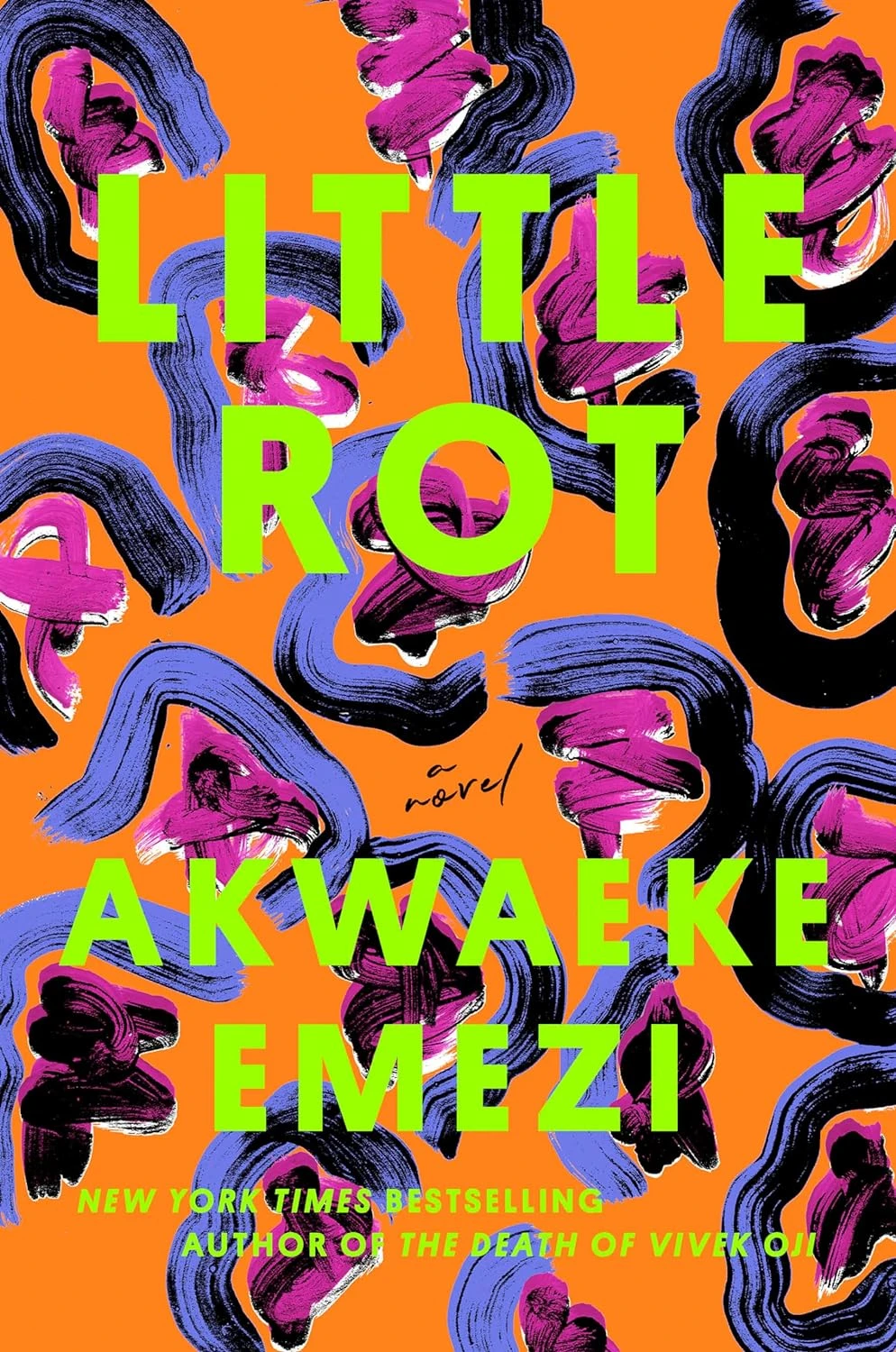
Still, this literary technique, though effective, has been recycled so often in Nigerian fiction that it has lost much of its appeal. Books like Aiwanose Odafen’s Tomorrow I Become a Woman and Akwaeke Emezi’s The Death of Vivek Oji have also leaned on this approach, using political or cultural upheaval as a mirror for personal transformation. It works, but it is becoming a hallmark of contemporary Nigerian literature and, at this point, it feels more overused than innovative.
One of the greatest missed opportunities in The Parlour Wife is the relationship between Kehinde and her twin, Taiwo. We only get glimpses of Taiwo’s war experiences through letters, but imagine if the author had actually given us Taiwo’s perspective on the battlefield.
It would have added a counterbalance to Kehinde’s sheltered narrative, grounding the story in the stark reality of war rather than leaving us with yet another retelling of a young woman’s “awakening.”
That shift would have been the boost this book so desperately needed. By keeping Taiwo at a distance, the novel closed off what could have been a fresh and compelling direction.
Similarly, secondary characters like Baba Tope are underdeveloped. We see him brutalizing a man on the lawn, but we’re given no real background about his business dealings or motives. Instead of being textured, he becomes another caricature of “man with power = man with violence.”
If his personal history or the corruption in his trade had been explored, the novel might have gained a stronger layer of social commentary on class and exploitation. From a reader’s perspective, he was laughable rather than feared, and it made little sense that his household trembled before a man who, to us, had no depth or menace. The weaknesses, however, are difficult to ignore.
Character development is rushed, especially for Kehinde and her family, leaving the reader with a protagonist you can pity but not fully root for. She feels like someone you might know from afar, not close enough to defend, not endearing enough to love.
Even the narration sometimes betrays the story, tending to ramble in places. Entire passages can be skimmed without missing anything significant, which dilutes her voice and disconnects the reader from her journey.
The cultural details, particularly around food, are also jarring. Where in Nigeria is akara made with okra and prawns? Or beetroot salad served in a fisherman’s home? And saving akara batter for lunch would surely end in sourness.
These inaccuracies break the flow and reveal a shaky grasp of Nigerian cuisine. Authors need to understand that these books are as much for pleasure as for information. To a foreign reader, details like this aren’t just quirks; they shape how Nigerian culture is imagined. And if someone comes away thinking we mix okra into akara batter, then the novel has failed its local and global audiences.
In the end, The Parlour Wife is not without merit. It is readable and occasionally engaging, and Kehinde’s early steps toward independence hold promise. However, the flaws, thin character arcs, missed opportunities with Taiwo, caricatured side characters, rambling narration, and cultural inaccuracies ultimately weigh it down.
What could have been a layered, memorable story ends up feeling like a retread of overused tropes. It’s a novel you may like in passing, but not one you’ll return to.
Kehinde herself often drifts from sheltered to outright frustrating. Some choices, like using Emeka as her courier between her and the LMWA or parading stepchildren with her lover, read less as youthful naivety and more as reckless foolishness. The author seems bent on portraying her as wise, but her actions betray otherwise. It’s difficult to forgive this as innocence when it feels more like a lack of sense.
The secondary characters fall flat. They are too polarized between good and evil and lack the balance and human complexity that make them compelling. You like them, but never deeply.
In the end, Parlour Wife is not without merit. It’s readable, even engaging at points, but its flaws—cultural missteps, thin character arcs, rambling point of view, and tired tropes—hold it back from being truly memorable.

Hi I'm Tega, I am a microbiologist with a lifelong passion for reading, I fell in love with books as child (where I was briefly obsessed with Enid Blyton, lol) reading is simply my escape and hobby and sometimes doubles as therapy for me . My favorite genres are African lit, historical fiction, memoirs/biographies and fantasy. I do beta reading and post book reviews which you can check out on my Instagram @ te_ga_o.
July 20, 2025 .
Animation, Lists
Our list rounds up the top 30 cartoon characters that were villains, each one more wonderfully wicked than the last.
READ MORE
April 29, 2026 .
Lists, Opinions
The Mouse is famous for its princesses and princes. However, the studio’s true genius lies in its embrace of “ugly Disney characters”.
READ MORE

October 28, 2025 .
Debates, Lists, Marvel, MCU
Every Marvel hero brings something to the table. But if we had to pick the top 8 most popular Marvel superheroes, who would make the cut?
READ MORE
February 26, 2026 .
Cartoons, Lists
There are some outright funny cartoon characters who exist solely to crack you up, loud, hard, and with zero apology.
READ MORE

November 27, 2025 .
Lists, Mythology
While this isn’t an exhaustive list, it comprises some of the most popular mythical creatures from around the world.
READ MORE

September 2, 2025 .
African Literature
So yes, Your Tomorrow Was Today is guaranteed to be a book that will touch you, regardless of gender, interests or philosophy.
READ MORE
September 16, 2025 .
African Literature
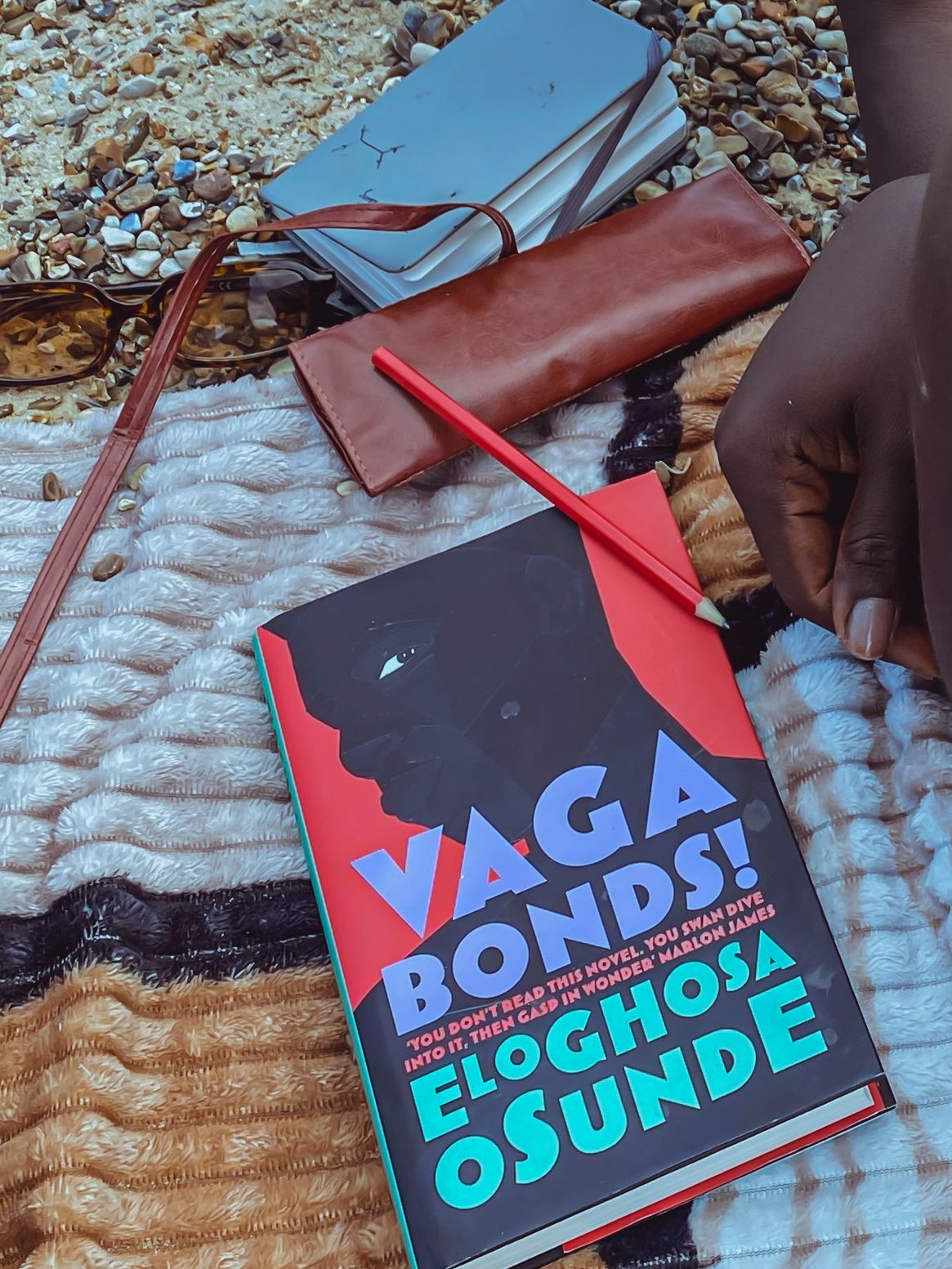
Eloghosa Osunde writes in a way that keeps the reader in awe and gives shivers. Refreshing. Subliminal. Surreal. Daring.
READ MORE

February 23, 2026 .
African Literature, Lists
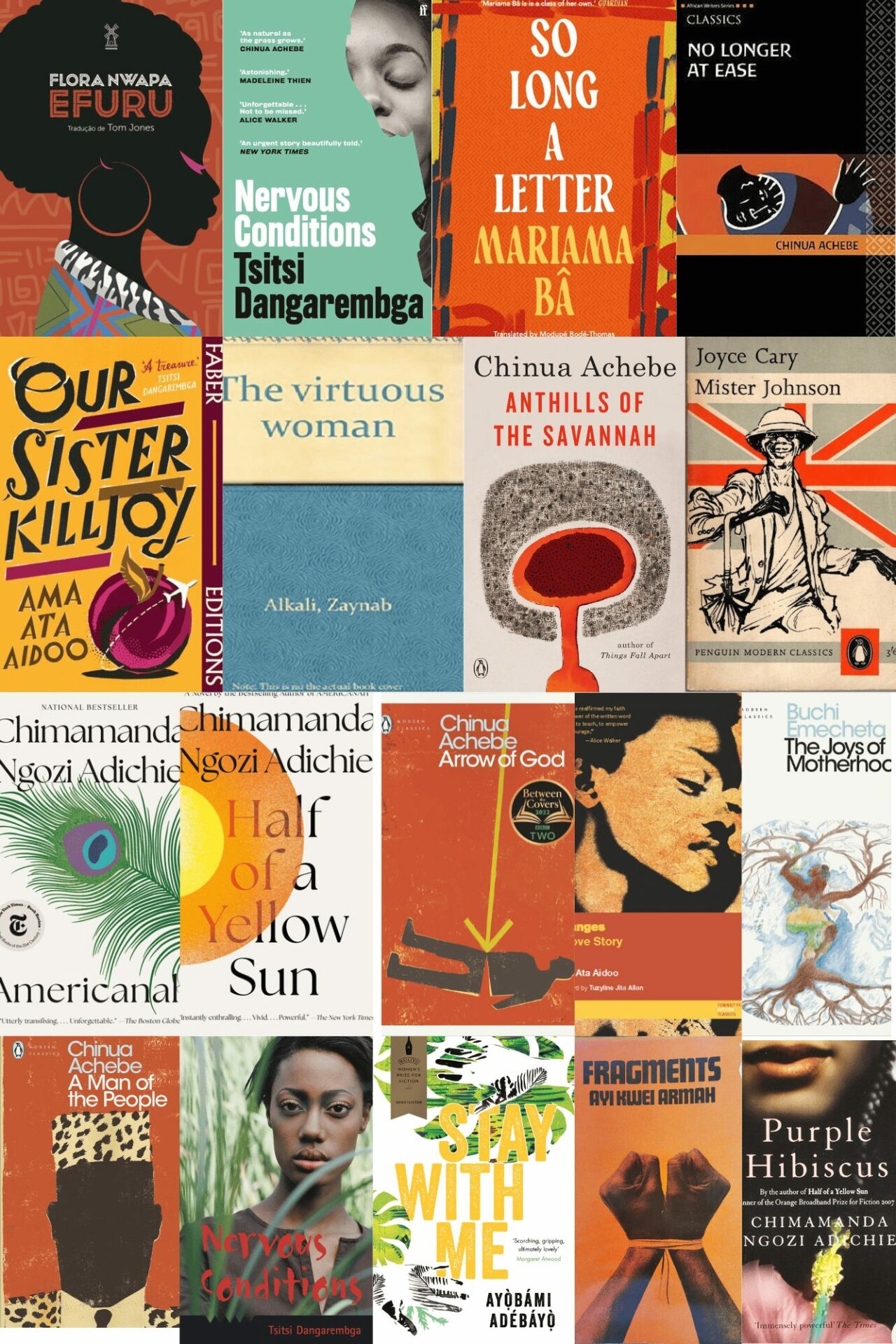
These are the books that could hold that kind of attention again. Not because they’re flawless, but because they can survive stillness.
READ MORE
July 22, 2025 .
African Literature, Lists
Some African literary characters deserve applause. These ones? They come with virtually all the negative personality traits.
READ MORE

August 9, 2025 .
African Literature, Lists
In these 15 quotes about grief, we see its many forms: communal, private, raging, and numb. Through their words, we find courage to rise.
READ MORE
September 2, 2026 .
African Literature, Opinions
A provocative title can spark curiosity and start conversations, but it also sets a very high bar for the book.
READ MORE

October 23, 2023 .
African Literature
The book revolves around 3 people: a husband, his wife, and her best friend. It’s told from all 3 aspects, and the whole plot is set in one day.
READ MORE
October 23, 2025 .
African Literature
READ MORE

January 15, 2024 .
African Literature, chikaunigwe
I read this because I loved Chika’s debut novel and couldn’t wait to get into it. For me, this didn’t top it, but it was a good read.
READ MORE
Get our magazine for free!