








































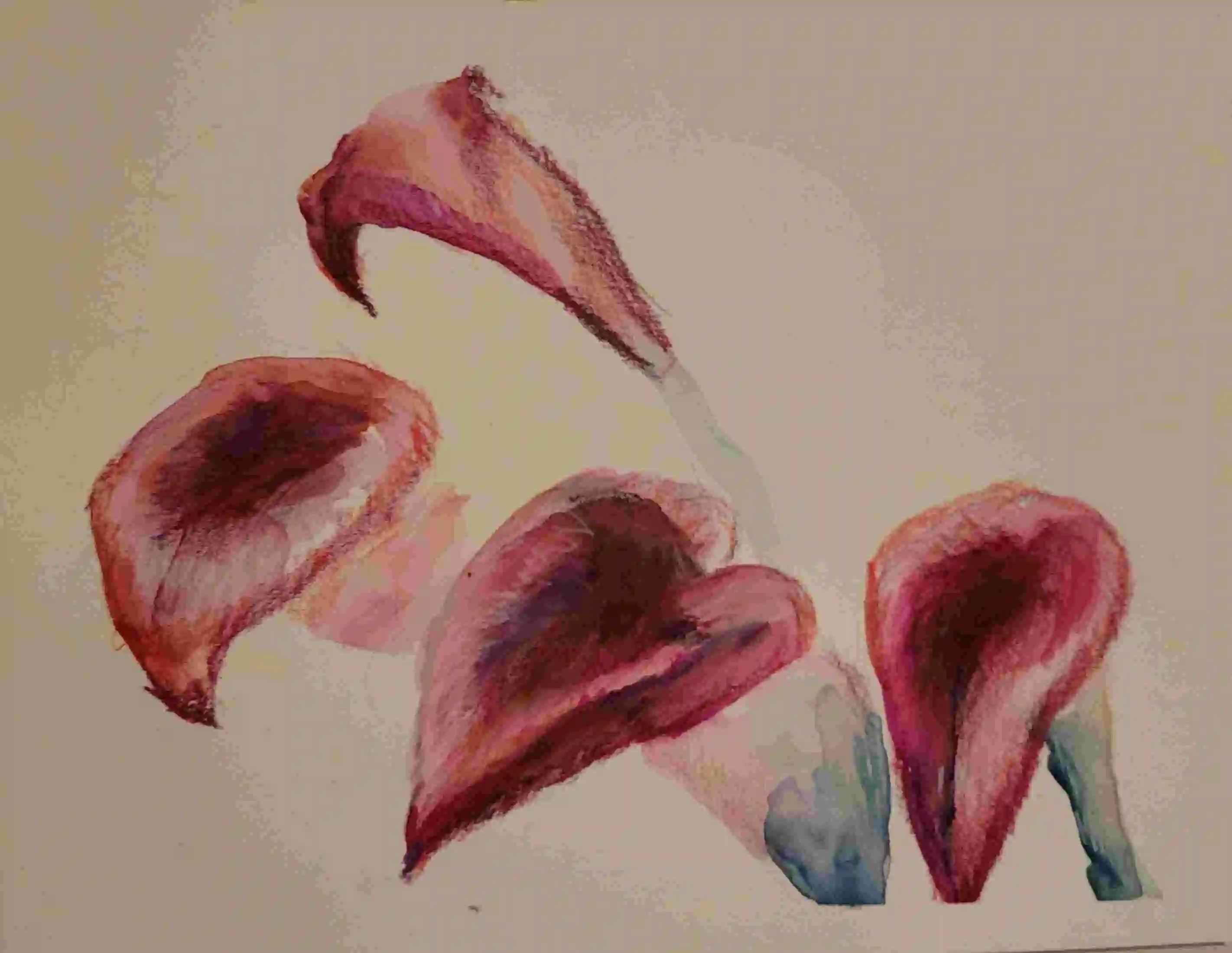
Protecting books from damage is an important task. Fortunately, it is possible to master and implement a few smart book storage ideas.
From ancient Mesopotamia to Gutenberg’s printing press, there has always been a need to keep books safe.
The preservation of books is the preservation of cultural and historical records. This is why collecting books, particularly beautifully bound hardcovers, can easily transition from a casual hobby into an irresistible addiction.
As a result, protecting these books from damage is an important task. Fortunately, it is possible to master and implement a few smart book storage ideas that will ensure that these treasures remain in good condition.
Preserving books is like caring for children that require consistent care.

Before falling into the dopamine rush buying books gives, you must first address three basic aspects of book preservation.
Many collectors assume that book storage begins and ends with carpentry, but the air surrounding the pages matters just as much as the wood supporting them.
Paper is like a sponge; it absorbs and releases moisture from the room to match the atmosphere. This process can place immense stress on bindings, causing pages to ripple and book spines to warp. Proper book storage ideas require a stable environment.
Extreme swings in climate can cause paper to become brittle and book glue to dry out. The ideal environment for a personal library hovers around 21°C (70°F) with a stable relative humidity of 40% to 50%.
Storing precious texts in basements, attics, or garages acts as an open invitation for mold, mildew, and severe warping. Conversely, air that is too dry causes bindings and pages to contract and crack.
Direct sunlight is the enemy of books.
When mapping out book storage ideas, pick windowless interior walls for large bookcases because it is always the safest bet. However, do not shove a bookcase completely against the wall. It gives room for trapped pockets of cool air and condensation, which invites mold and insects.
Instead, leave a simple five-centimetre gap between the back of the shelf and the wall to allow air to circulate freely. For cramped rooms, keep a low-speed ceiling fan or a quiet air purifier to ensure the atmosphere stays fresh.

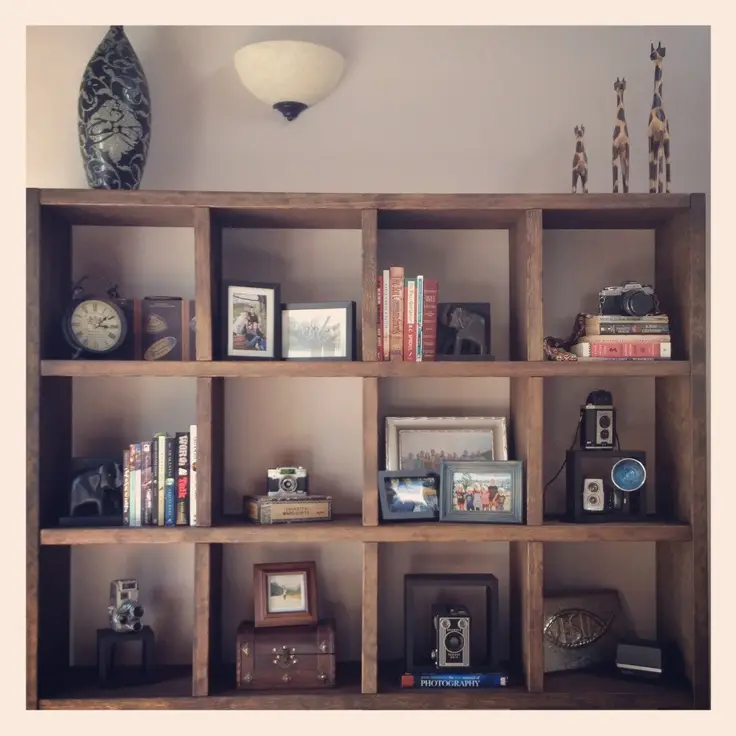
When standard shelving units are depleted, exploring alternative book storage ideas becomes necessary. These are ideas you can use without compromising the books.
Built-in alcoves are one way to transform bare walls into floor-to-ceiling libraries that maximize space beautifully.
Pros: Flexible design, can support a lot of books, it is visually appealing.
Cons: Very expensive, takes time to make, the closeness to the walls can cause mold or mildew.
When shelf depth allows, placing books in two rows per shelf can double the storage capacity instantly.
To keep this method functional, place less frequently read hardcovers or reference books in the back row and raise the back row slightly using wooden risers, making sure that the spines of hidden books remain visible.
Pros: Requires less cost, protects rare books from sunlight, good for space maximization.
Cons: Hidden books are easily forgotten, retrieving hidden books can be really difficult, and books not exposed to air can get spoiled.
For limited layouts, slide books with their spines facing upward into the space under a bed or a coffee table. This low-profile storage works beautifully beneath coffee tables that have lower compartments.
Pros: Easily accessible, excellent dust protection, Ideal for small apartments
Cons: Caters to a limited size of books, books are prone to accidents, physical strains can occur caused by constant bending, kneeling or pulling the book drawers.
Installing floating shelves or picture ledges allows for sorting favorite books by genre or displaying eye-catching covers in a beautiful horizontal display.
Wall-mounted shelves utilize higher wall space that usually remains empty, keeping the books safe from pets and small children.
Pros: It gives the illusion of space, turns book hoarding into an artwork display, and uses awkward spaces in a room.
Cons: It has a weight limit; shelves have a high risk of falling.
Using industrial iron pipes and thick timber planks provides immense weight-bearing capacity. Also, they can safely store massive encyclopaedias and heavy art books without fear of structural failure.
Pros: Can carry huge books; it is easily customizable.
Cons: They are very heavy; the rough surfaces can harm the books.
Other book storage ideas include corner bookshelves, rolling carts, baskets (Yes, baskets, especially picnic baskets, are a good way of protecting books), wooden crates, and wire racks.

How books are shelved heavily influences their long-term use. Improper shelving can ruin them.
Note: Never pull a book off the shelf by hooking your finger over the top of the spine; this can tear the binding. Instead, push the books on either side slightly inward to grab the center book.
For genuinely rare or highly loved books, shelves may not provide adequate protection.

Employing archival storage materials like dust jackets, mylar sleeves, and clamshell boxes can extend their lifespan.
Dust jackets are vulnerable to accidental tears, spills, and scratches, so covering jackets in clear Mylar sleeves provides an excellent protective barrier.
For valuable first editions or signed copies, custom-fitted clamshell boxes offer the ultimate defense. These rigid enclosures protect books from dust, insect damage, and sudden temperature fluctuations.
Understanding that preserving books is a lot of work is the first step to buying books. Don’t just purchase books; create ways to keep them safe.

Godsgift Isaiah is a music and book whore who enjoys everything about art.
July 20, 2025 .
Animation, Lists
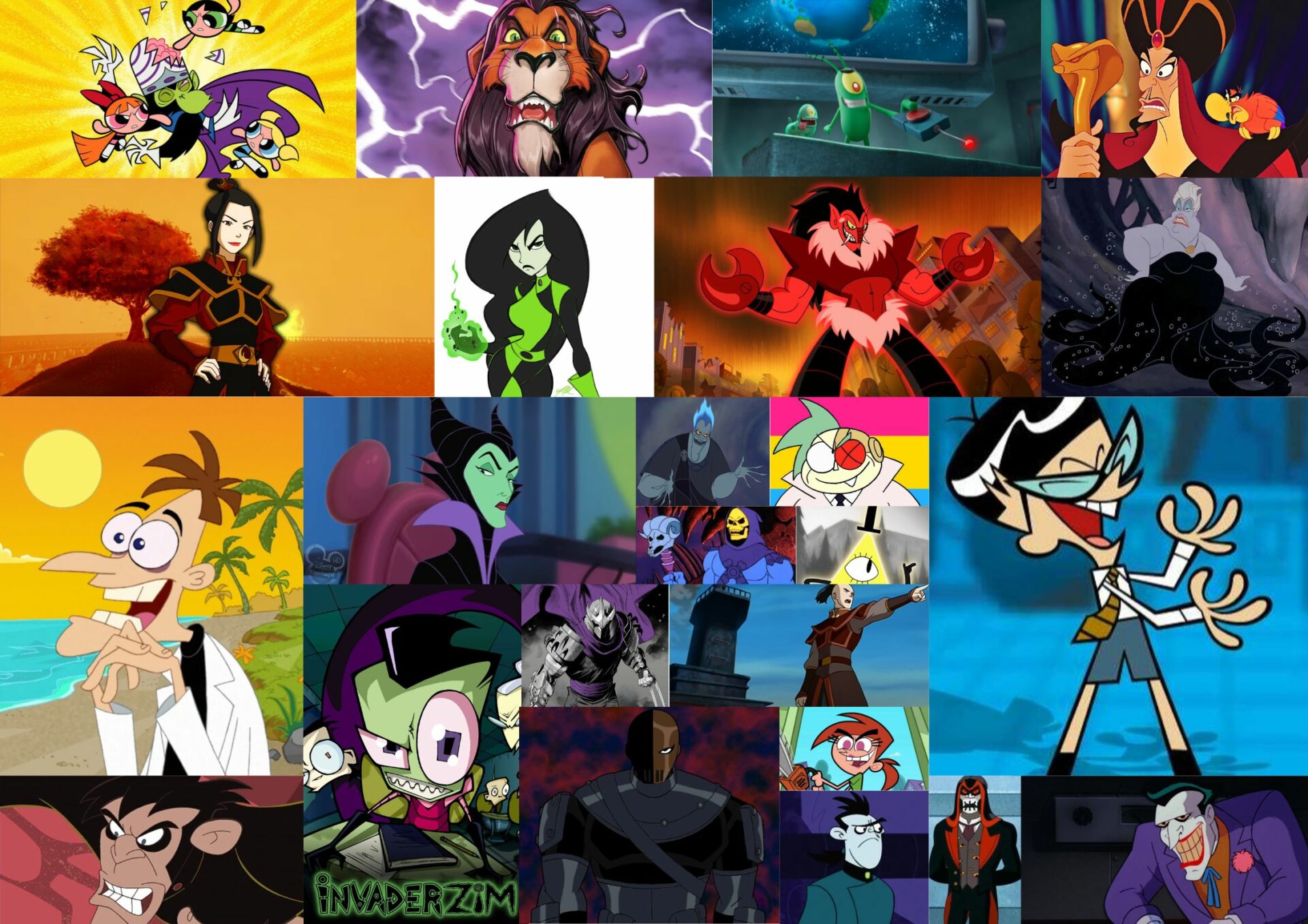
Our list rounds up the top 30 cartoon characters that were villains, each one more wonderfully wicked than the last.
READ MORE
April 29, 2026 .
Lists, Opinions
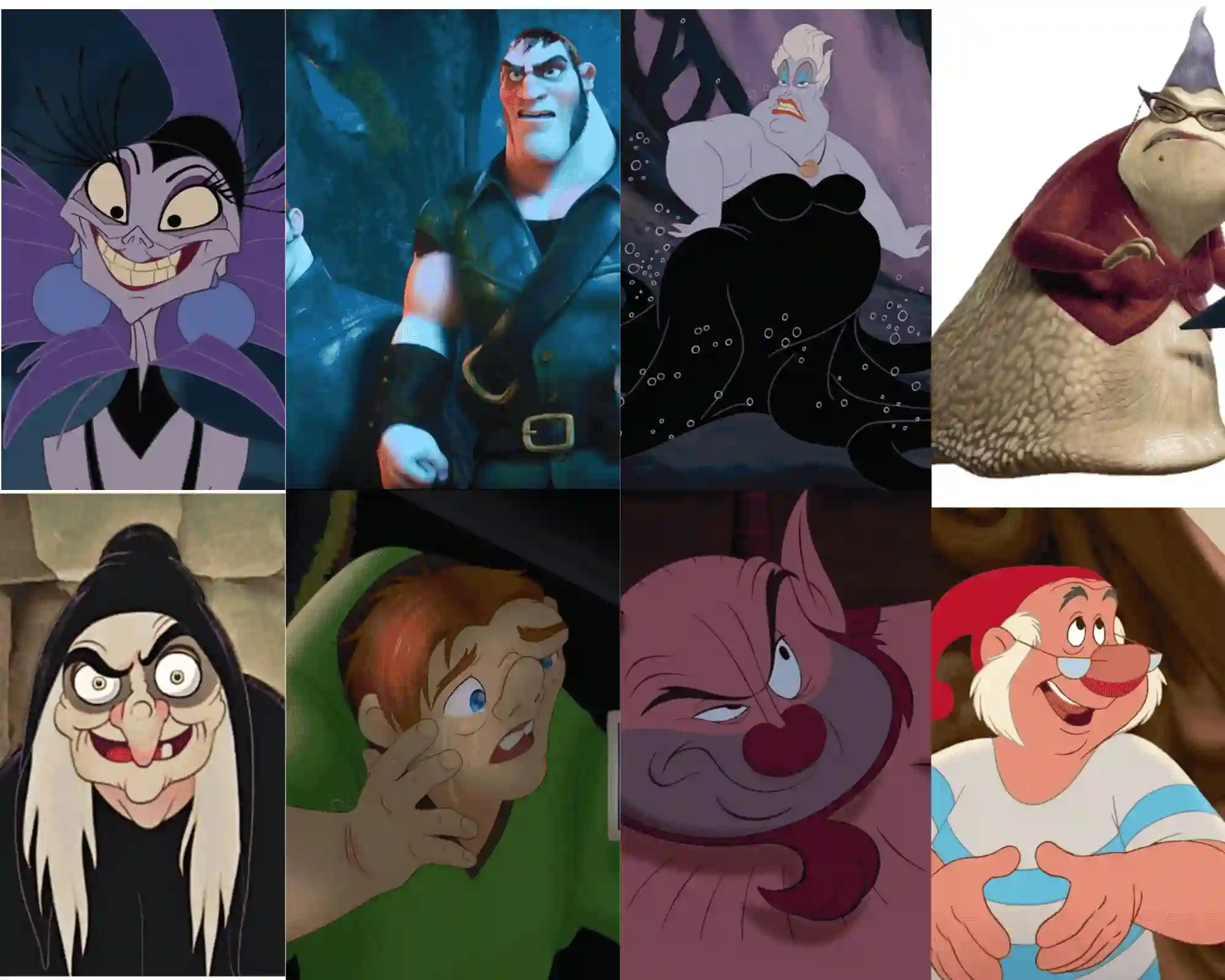
The Mouse is famous for its princesses and princes. However, the studio’s true genius lies in its embrace of “ugly Disney characters”.
READ MORE
May 6, 2026 .
Lists, MCU
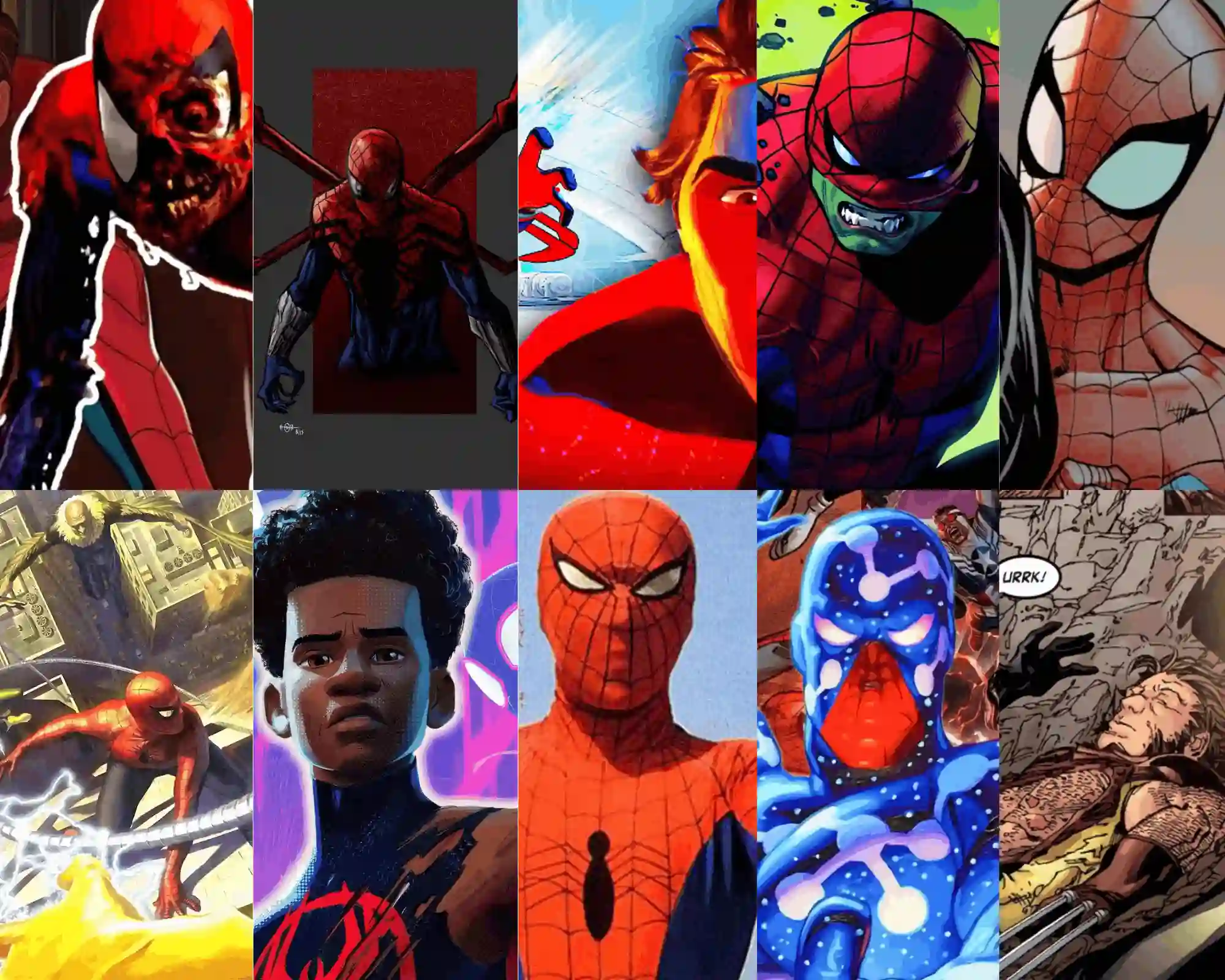
Spider-Man is one of the many superheroes from the Marvel Universe whose stories shaped many childhoods. Who is your strongest Spiderman?
READ MORE
February 26, 2026 .
Cartoons, Lists
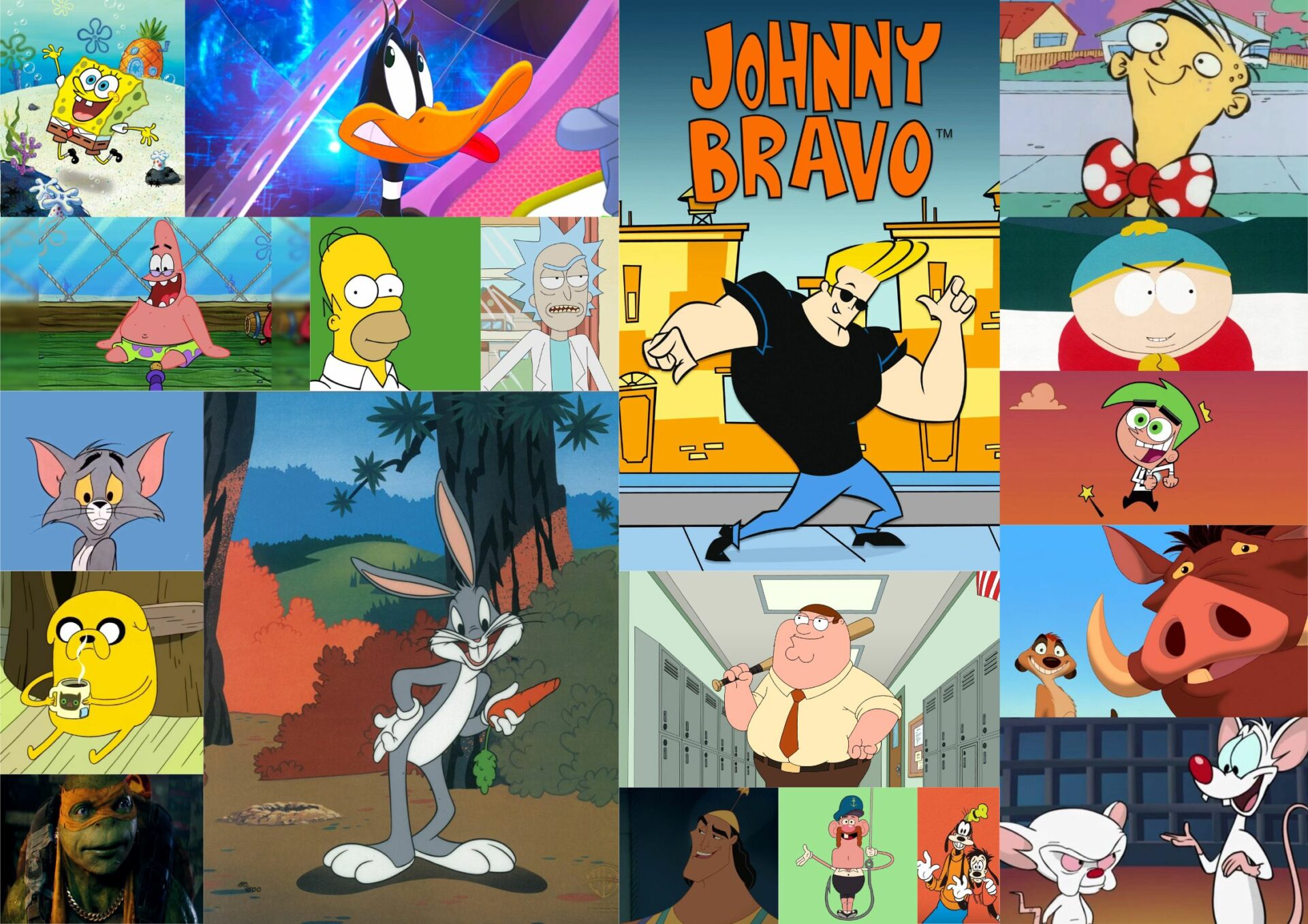
There are some outright funny cartoon characters who exist solely to crack you up, loud, hard, and with zero apology.
READ MORE
October 28, 2025 .
Lists, Marvel, MCU, Opinions
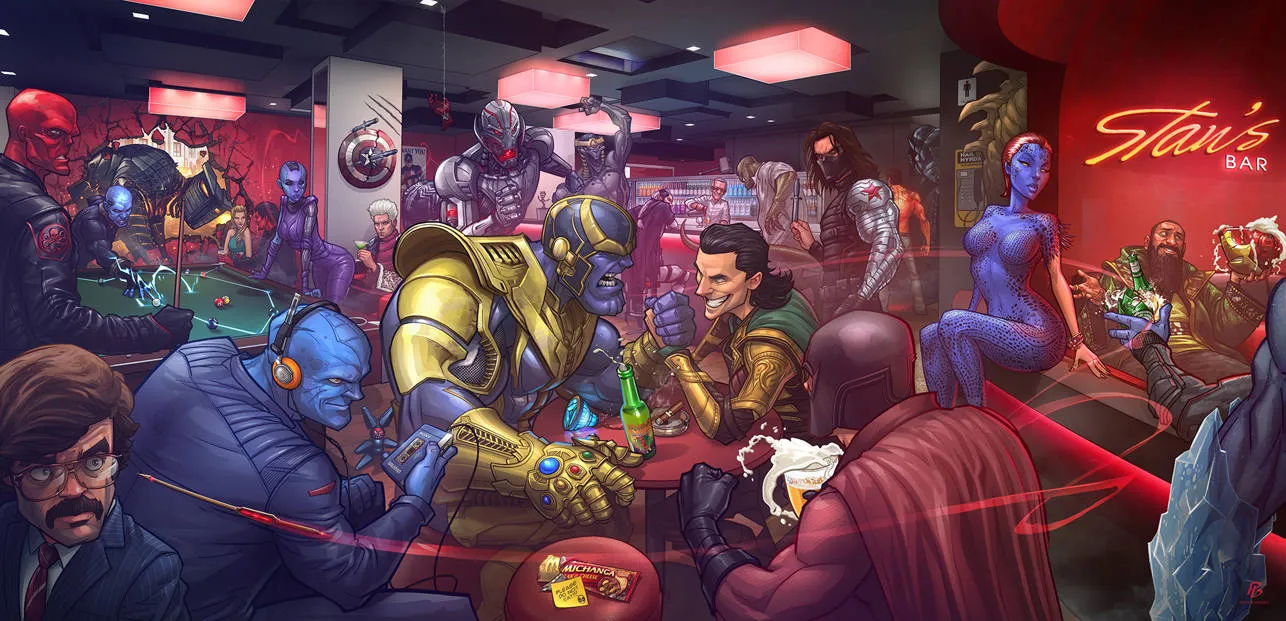
Let’s go through a list of the top 7 strongest Marvel villains, from the wickedly powerful to the absolutely unstoppable.
READ MORE
July 20, 2025 .
Writer Resources
Discover the differences in First-Person Point of View and Third-Person POV, and how each impacts character connection and narrative style.
READ MORE
May 15, 2026 .
Writer Resources
The tension between writer-centered and reader-centered approaches defines how a story is told and who it serves.
READ MORE

October 22, 2025 .
Essays, Writer Resources
Ever found a book that looks like a comic but tells a complete, well-structured story? Congratulations, it’s a graphic novel.
READ MORE
June 26, 2026 .
Writer Resources
Writing starts with forming ideas, imagination, dreams, and thoughts. And when these condense into a coherent progression, you have a plot.
READ MORE
May 10, 2026 .
Writer Resources
What is a board book, and how does it differ from others? Traditional publishing usually means novels, but published works span much more.
READ MORE
July 24, 2025 .
Essays, Writer Resources
READ MORE
February 8, 2026 .
Writer Resources
Breaking into traditional publishing can feel like decoding a secretive industry. This guide is a resource for finding the right agent.
READ MORE
February 28, 2026 .
Writer Resources
There are three paths in book publishing: traditional, self-publishing, and hybrid. The current focus is on traditional publishing.
READ MORE

July 20, 2025 .
Writer Resources
Today, writers are needed who combine creativity with technical expertise, professionalism, and adaptability.
READ MORE
Get our magazine for free!