

Menu






























































The forced proximity trope is a permanent resident in books, television shows, and films. It needs a serious conversation
A particular kind of romance seems to have an unreasonable amount of faith in inconvenience.
Two people meet, dislike each other for reasons ranging from conflicting values to one mildly annoying comment. Suddenly they spend the next several chapters or episodes finding increasingly ridiculous reasons to be in the same room.
Somewhere between the arguments and awkward silences, hostility gives way to attraction. Before long, the two people who could barely tolerate each other are acting as though they have discovered the meaning of life in one another.
And just like that, romance is born. The forced proximity trope is a permanent resident in books, television shows, and films.
At its best, it creates tension, reveals hidden sides of characters, and gives relationships room to develop. At its worst, it keeps two people together until the story convinces the audience their attraction makes sense.
The problem is not that people who dislike each other cannot fall in love. First impressions can be wrong, and circumstances can reveal qualities that might otherwise go unnoticed.
The issue is assuming proximity alone explains emotional intimacy. Somewhere along the way, being stuck together became interchangeable with getting to know each other, and enduring someone became evidence of compatibility.
Honestly, the forced proximity trope needs a serious conversation.
One of the strangest things about forced-proximity romances is how often it confuses familiarity with compatibility.

Familiarity develops when people spend enough time together to recognise each other’s habits, personalities, and routines.
Compatibility is more complicated. It concerns whether their values, needs, and ways of relating to others can coexist in a satisfying relationship.
The two can overlap, but neither guarantees the other. Spending several nights in the same cabin might reveal that someone is thoughtful, attentive, or unexpectedly kind.
Those discoveries can inspire attraction. They might also reveal that the person is inconsiderate, emotionally immature, or unable to respect boundaries. Both outcomes are plausible, but some stories seem determined to allow only one.
An argument becomes sexual tension. A simple act of kindness reveals a hidden heart of gold. A moment of jealousy becomes proof of deep feelings.
Almost every interaction is interpreted in a way that brings the characters closer to romance, regardless of what their behaviour actually suggests.
In The Proposal, Margaret Tate and Andrew Paxton enter a fake engagement to address a problem involving Margaret’s immigration status.

Their relationship begins with a significant power imbalance because Margaret is Andrew’s boss, and the arrangement is hardly a free expression of mutual affection.
Eventually, their time together reveals more sympathetic sides of both characters, but the film also invites viewers to accept a romantic outcome after a premise built on pressure and deception.
That does not automatically make the romance unconvincing. It does, however, raise a question the circumstances cannot answer on their own: what makes these two people genuinely suited to each other?
Would they still be interested if they met at a party, had a brief conversation, and went their separate ways? Would they choose to spend time together without a shared assignment, an emergency, or a single available hotel room?
If the story cannot make that connection believable, it has established situational intimacy rather than convincing romantic compatibility.
Being stuck with someone can make their presence unusually significant, especially when they are the only familiar person in an uncomfortable situation.
That does not make the resulting feelings fake, but it does mean the story needs to do more than point to the time they have spent together.
Apparently, all it takes to find a soulmate is to have nowhere else to go.
Some forced proximity romances take this a step further by putting their characters through a crisis.

Difficult experiences can change how people see each other. Surviving something together, however, does not automatically make two people suitable partners.
When the alternative is facing danger alone, another person’s presence can become profoundly reassuring. That reassurance can grow into affection, but the two experiences aren’t interchangeable.
Sometimes, a crisis creates resentment. Sometimes, it exposes incompatible coping mechanisms. Two people might even be grateful to have survived the same experience without wanting to remain involved in each other’s lives.
The comparison to Stockholm syndrome is deliberately provocative, but it raises a question worth considering: what does affection mean when someone has little meaningful freedom to leave?
Stockholm syndrome is a contested term and should not be used casually to describe every fictional couple stuck together.
Still, relationships involving fear, dependency, and a lack of alternatives deserve careful treatment. A character might begin relying on someone because that person offers comfort in an otherwise frightening situation.
These reactions are complicated, not necessarily romantic. Fiction can explore such dynamics without pretending they are healthy.
Imagine a character who develops feelings while trapped with someone, only to reassess those feelings after gaining independence.
A romance doesn’t need to develop under perfect circumstances, but the story should let its characters discover what their feelings mean once the immediate crisis has passed.
Otherwise, it risks presenting dependency as devotion and isolation as intimacy.
Forced proximity frequently overlaps with enemies to lovers, another popular romance trope.

The combination can work beautifully when characters have understandable motivations, meaningful disagreements, and reasons to reconsider their initial judgements.
The trouble begins when writers exaggerate hostility to create stronger romantic tension. One character insults the other, dismisses their abilities, or deliberately makes their life difficult.
The audience is then expected to interpret their eventual attraction as the natural conclusion of all that conflict.
But hostility isn’t inherently romantic, and disrespect doesn’t become harmless just because the person responsible is attractive.
There is a difference between disagreeing with someone’s opinions and treating them badly. Two characters can have competing goals or sharply different personalities without humiliating each other.
Their disagreements can reveal intelligence, conviction, and the limits of their assumptions. They can challenge each other without making cruelty the foundation of their relationship.
Pride and Prejudice offers a more convincing approach.
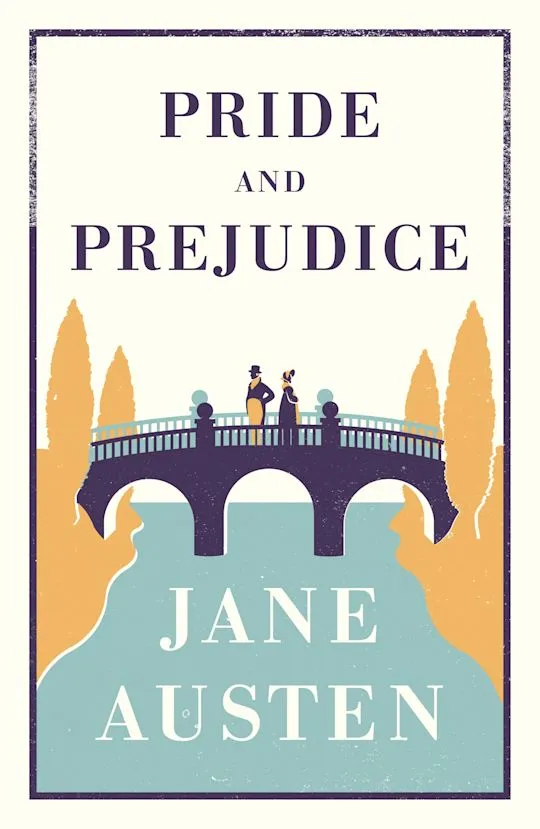
Elizabeth Bennet initially sees Mr Darcy as arrogant, while Darcy’s pride and social prejudices shape how he treats her.
Their relationship changes through more than repeated encounters. Both characters must confront their shortcomings, reconsider their assumptions, and recognise the other’s worth.
Their attraction becomes believable because they come to understand each other. Darcy’s eventual proposal follows meaningful evidence of personal growth, while Elizabeth learns that her own judgements have not always been fair.
The romance develops through self-reflection and changed perceptions, not simply because the characters have spent enough time arguing.
Compare that with romances in which one character spends most of the story being cruel before a sad childhood revelation suddenly makes them desirable.
A difficult past can explain behaviour, but it does not automatically excuse it. Understanding why someone acts a certain way is not the same as approving of their actions. If a character has caused harm, a credible change should involve accountability and different behaviour over time.
The forced proximity trope already gives characters opportunities to observe each other beyond first impressions. The missed opportunity is treating observation alone as sufficient.
Knowing why someone is difficult doesn’t necessarily make them easier to live with, and discovering their vulnerable side doesn’t erase the need for them to change.
Perhaps the biggest weakness of forced-proximity romances is how often their premises stop making sense once the characters develop feelings.
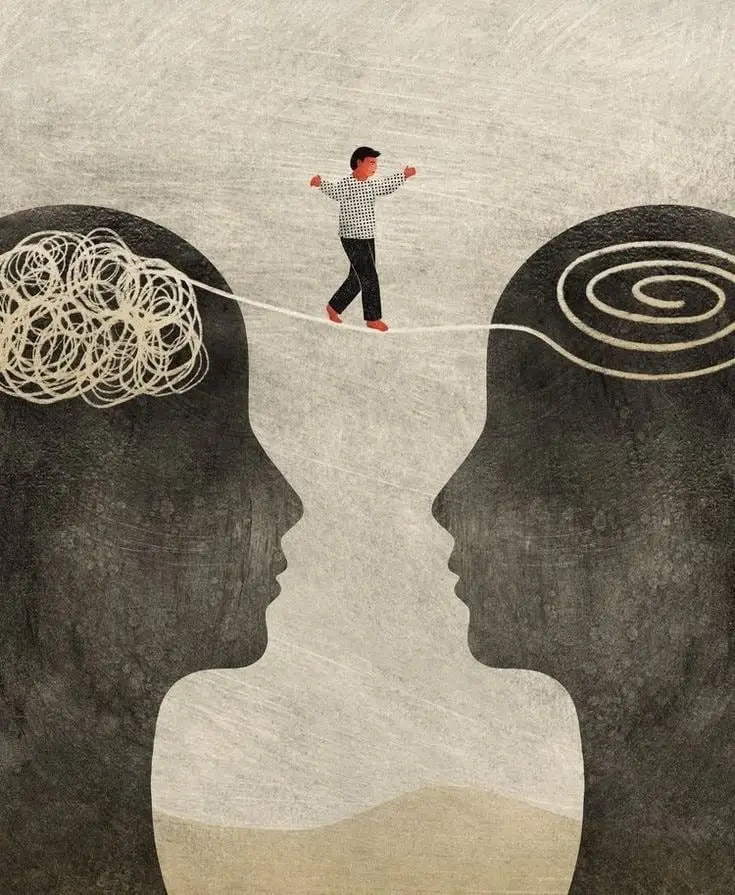
The assignment ends, the trip concludes, or alternative living arrangements become available, yet the characters keep acting as though they have no choice but to stay together.
Their interactions still rely on coincidences and manufactured obstacles because the story never establishes why they would seek each other out voluntarily.
At some point, the original reason for their proximity stops working.
Four Weddings and a Funeral offers a useful contrast. Charles and Carrie repeatedly meet at social gatherings, and their connection grows through these encounters.
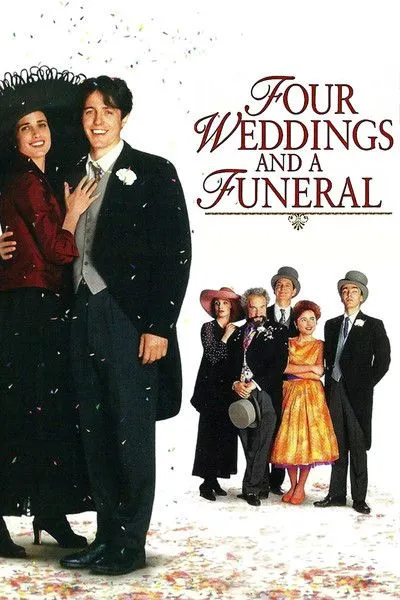
Although this isn’t a conventional forced-proximity romance, it shows how recurring encounters can build romantic momentum without trapping the characters together. Their relationship develops through decisions, missed opportunities, and changing circumstances.
A compelling romance should not need to manufacture reasons for two characters to interact indefinitely. The circumstances can bring them together, but the characters must eventually provide their own reasons to stay.
A more convincing forced-proximity story lets the arrangement change as the relationship develops. Initially, the characters might have no choice but to cooperate.
Later, they might begin seeking each other out. Eventually, they should be able to decide whether the relationship continues.
That progression matters because romantic persistence is not automatically admirable. It becomes questionable when someone repeatedly ignores discomfort, excuses disrespect, or sacrifices their well-being while waiting for the other person to change. Love should not be a reward for tolerating mistreatment.
People can grow through relationships, but that growth requires effort from the person changing. Another person’s patience cannot substitute for accountability or emotional maturity.
A character who has been inconsiderate must do more than reveal a painful past or offer one unexpectedly tender moment. They need to recognise the harm they caused and show they are willing to behave differently.
Love can inspire growth, but it cannot do the growing for someone.
The popularity of forced proximity deserves more than a dismissive explanation about lazy writing.
For one, forced proximity is an efficient storytelling device.
It brings characters together, limits their chances to avoid difficult conversations, and creates repeated interactions without needing an elaborate explanation for every meeting.
Many people want to be understood beyond their public image. They want someone to recognise their fears, appreciate their strengths, and remain interested after the initial novelty wears off.
This phenomenon is best explained through the popular hotel room mix-up.
A ridiculous hotel booking can set the stage for awkward conversations and unexpected tenderness. Readers do not necessarily need to believe the situation would happen to enjoy the story.
What they need is a convincing emotional progression within that situation. The characters can find themselves in an implausible predicament, but their changing feelings should still make sense.
The most satisfying part of a romance isn’t necessarily the moment two characters finally “kiss”. It is the accumulation of conversations, mistakes, and gradual discovery that makes the moment meaningful.
Forced proximity can create opportunities for these things, but the circumstances should eventually give way to choice. That is what separates a relationship sustained by the plot from one sustained by the characters themselves.
A convincing romance gives its characters room to discover what they like about each other, confront what does not work, and decide whether the connection is worth pursuing.
Perhaps it is time to stop asking how long two people need to be stuck together before they fall in love and start asking what they have actually learned about each other in the meantime.
If the only reason two characters are together is that the plot will not let them leave, the romance has a serious problem.
And if they stay together after the circumstances change, but the story cannot explain why they genuinely like each other, then it may not be a love story at all.
Perhaps it is just a hostage situation with excellent cinematography or narration.

The A B Story 101
The Tomi Adeyemi Book-Movie Adaptation Debacle, Explained
Nollywood vs Hollywood: The Ultimate Comparison
10 Things to Expect from Dr. Doom in Avengers Doomsday
8 Fantasy Children’s Books from the 90s That Deserve a Comeback
The Author’s Guide to the Rule of Three II
10 Coolest Swords in History and Fantasy
Marvel vs. DC Female Superheroes
The Author’s Guide to the Rule of Three I
15 Writing-Adjacent Careers for Writers Looking for a Career Change
Authors Spotlight: Khaled Hosseini
The Sound Souls Make When They Die by Chinemefun Chimuanya
July 20, 2025 .
Animation, Lists
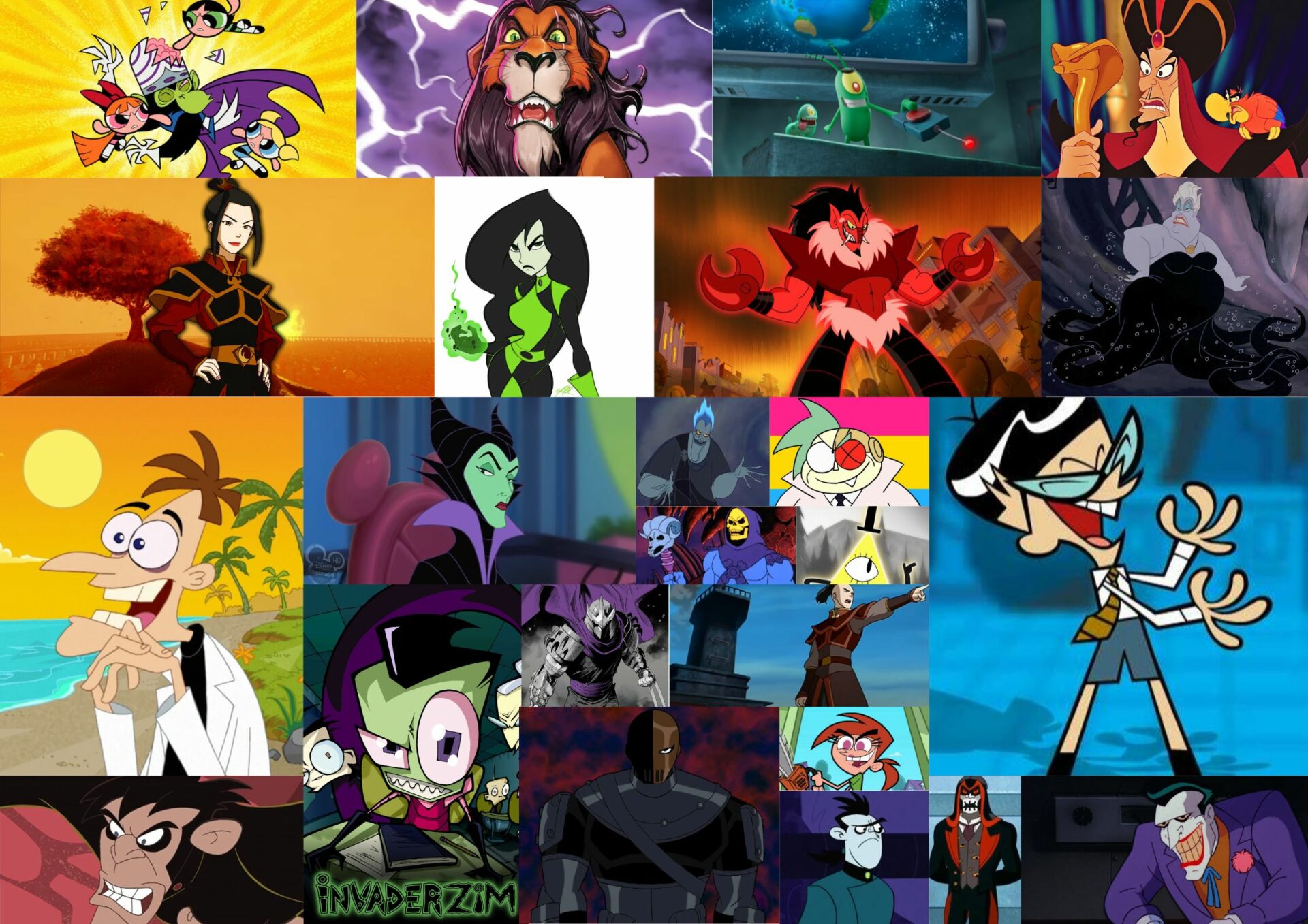
Our list rounds up the top 30 cartoon characters that were villains, each one more wonderfully wicked than the last.
READ MORE
April 29, 2026 .
Lists, Opinions
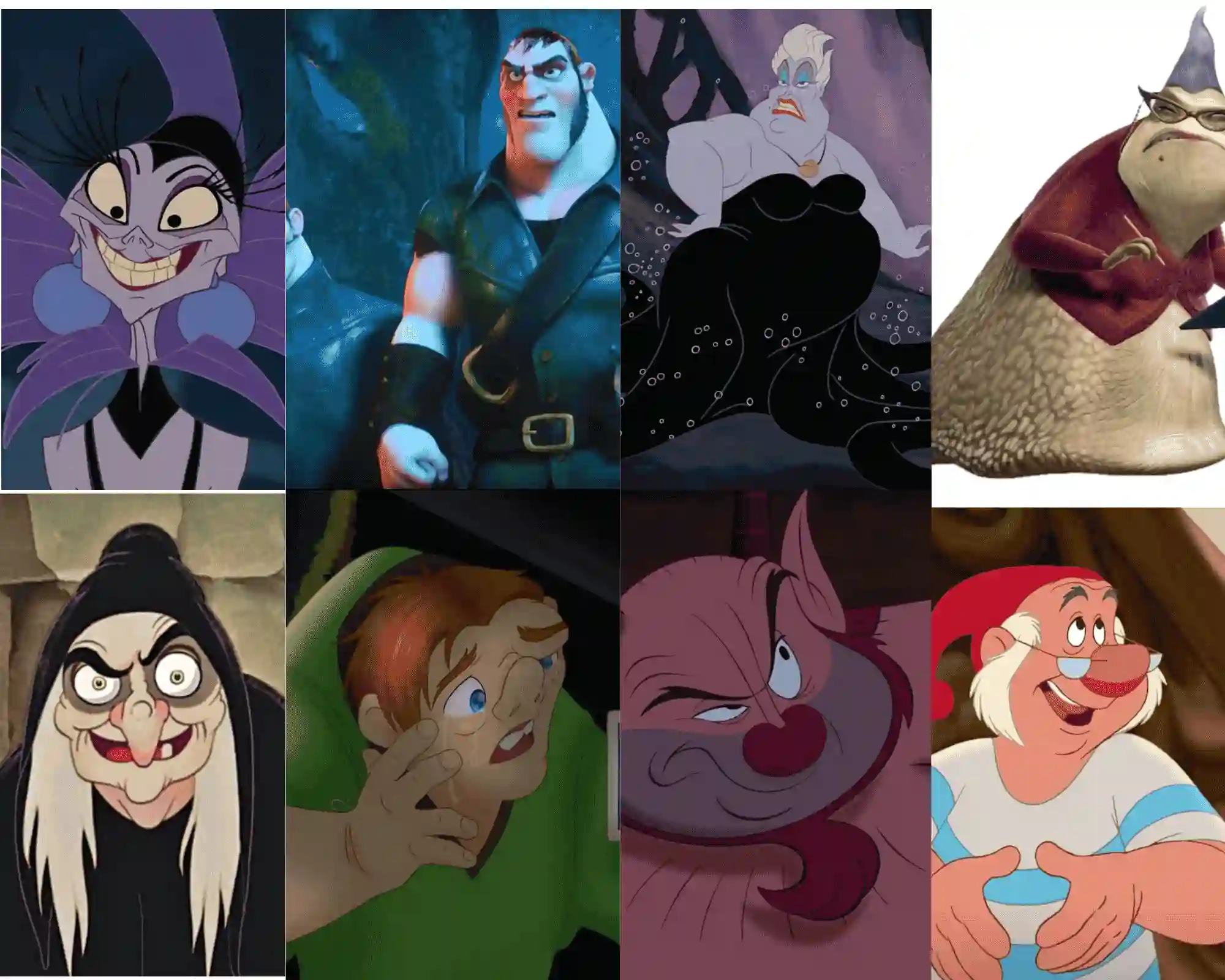
The Mouse is famous for its princesses and princes. However, the studio’s true genius lies in its embrace of “ugly Disney characters”.
READ MORE

November 27, 2025 .
Lists, Mythology
While this isn’t an exhaustive list, it comprises some of the most popular mythical creatures from around the world.
READ MORE

May 6, 2026 .
Lists, MCU
Spider-Man is one of the many superheroes from the Marvel Universe whose stories shaped many childhoods. Who is your strongest Spiderman?
READ MORE

October 28, 2025 .
Debates, Lists, Marvel, MCU
Every Marvel hero brings something to the table. But if we had to pick the top 8 most popular Marvel superheroes, who would make the cut?
READ MORE

July 20, 2025 .
Opinions
Book recommendations from random places don’t always cut it, and you often end up feeling unsatisfied with them.
READ MORE

July 20, 2025 .
Essays, Opinions
READ MORE

July 20, 2025 .
Essays, Opinions
READ MORE

September 11, 2026 .
Opinions
Book reviews aren’t just a jumble of words on how a book made you feel but also a veritable document that you can quickly refer to when your memories temporarily fail you.
READ MORE

July 20, 2025 .
Opinions
Reading hundreds of pages for a single book can be like facing Smaug, Chiefest of Calamities, but a short story is a small dragon that you can easily conquer.
READ MORE

July 20, 2025 .
Debates, Opinions
Reading nonfiction about what interests you can provide more color and context that might make your fiction reading experience more enjoyable.
READ MORE

September 12, 2025 .
Opinions
In a fast-paced world, reading asks us to slow down, surrender, and sit with another person’s words long enough for them to settle inside us.
READ MORE

November 24, 2025 .
Debates, Opinions
Reading is active while watching movies is passive. The act of turning pages creates a pause that enhances understanding.
READ MORE

July 26, 2025 .
Fantasy, Opinions
It’s cliche. But it’s rapid. It’s predictable. But it’s enjoyable. For lovers of the classic tropes, Legend of the Seeker is a worthy watch.
READ MORE

Get our magazine for free!