
Menu




















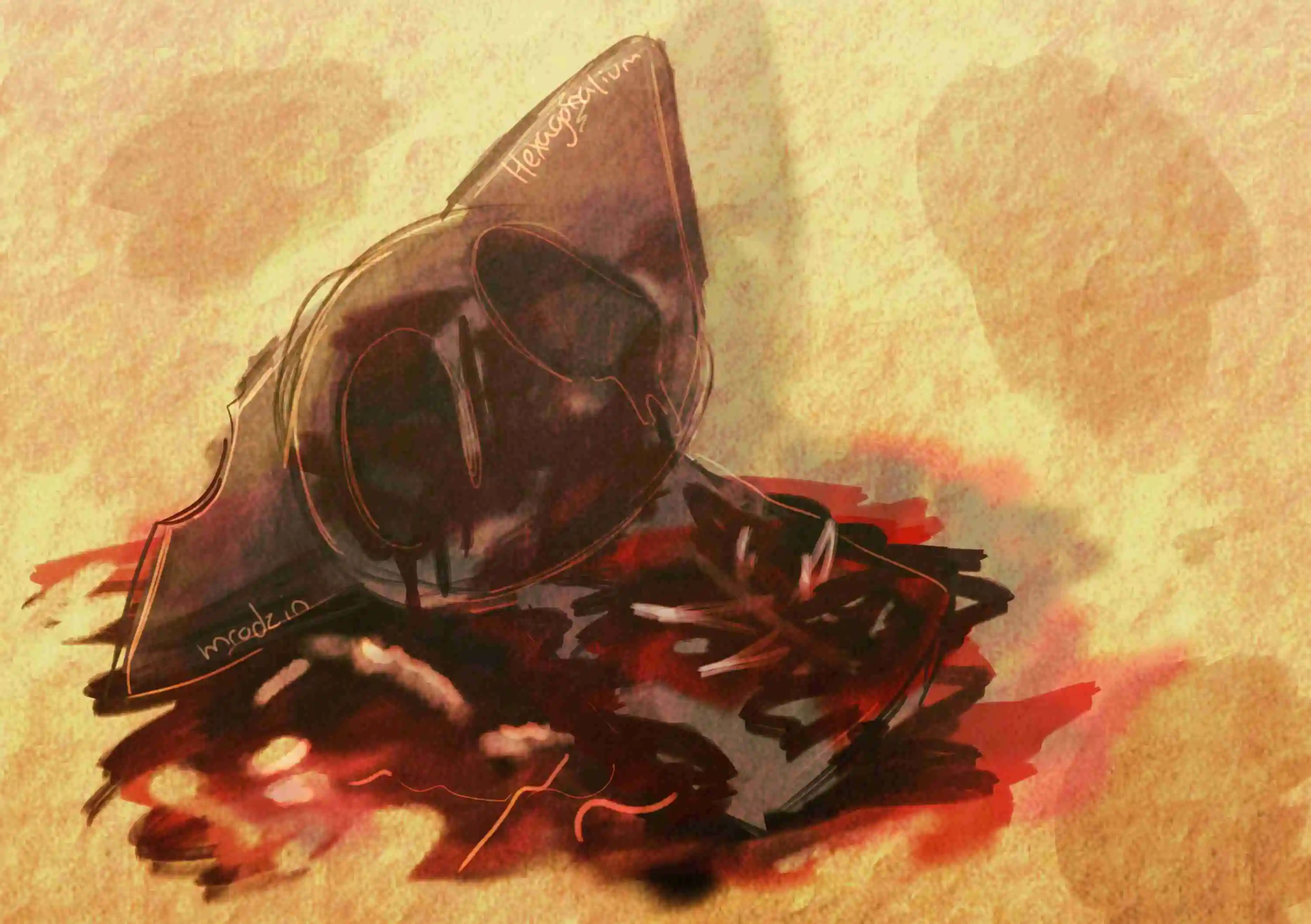





Like every major movement in art history, gore art is an emotional language designed to process humanity’s most overwhelming experiences.
The human relationship with physical vulnerability is complicated.
Because of this, gore art often gets a bad reputation, frequently dismissed as cheap shock value, mindless violence, or an unhealthy obsession with societal taboos. But gore has never been simply about making people look away.
Like every major movement in art history, gore art is an emotional language designed to process humanity’s most overwhelming experiences: profound grief, existential terror, religious awe, and social trauma.
Far from being a modern invention born of cinematic special effects, visceral art dates back to medieval times, serving as a consistent canvas for the most vulnerable truths.
At its simplest, gore art refers to creative works that prominently depict blood, bodily injury, mutilation, decay, death, or other forms of graphic physical imagery.
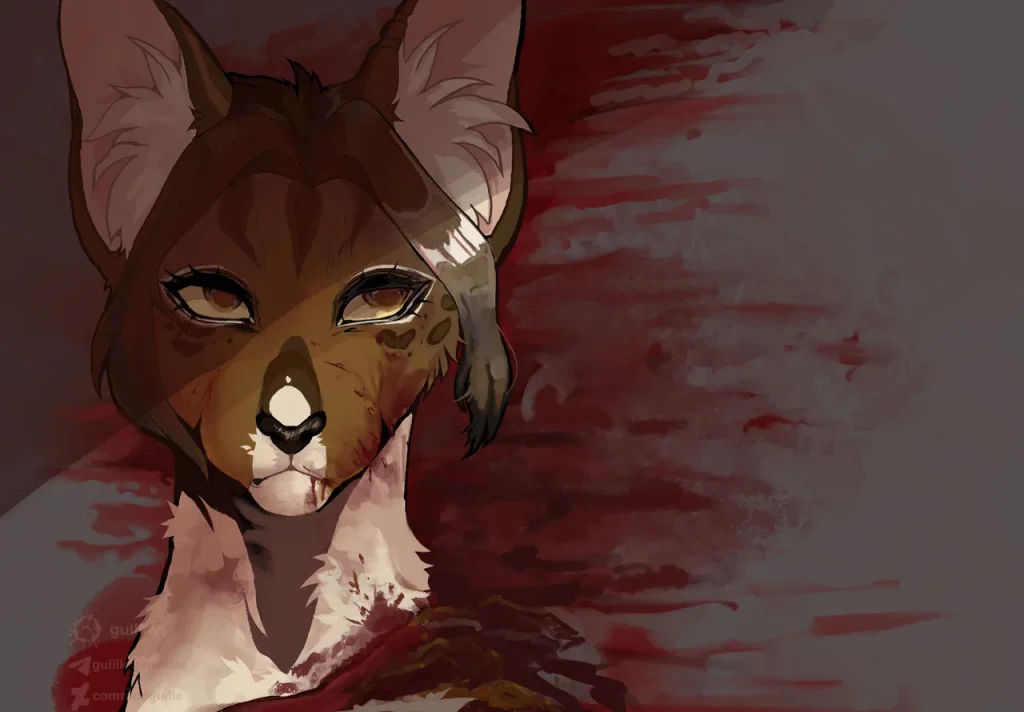
Gore art is not necessarily a formal historical art movement with a single manifesto or defined period. Rather, it is a broad term for visual work that deliberately depicts these graphic images.
Medieval artworks portrayed death through skeletal figures and decaying bodies. Baroque painters presented violently wounded saints with extraordinary anatomical detail. Later artists turned towards war, political violence, psychological horror, and the grotesque.
The idea that graphic imagery is a product of modern horror culture is misleading. Human beings have been fascinated by death for thousands of years.
Shock art is often used as a way of facing and processing the darker aspects of human experience, particularly in the context of trauma and anxiety.
This theory is supported by research in the field of psychology, which has long shown that exposure to violent or disturbing imagery can have a profound impact on viewers’ emotional and cognitive states.
Ancient mythology contains stories of murder, sacrifice, dismemberment, monsters, punishment, and resurrection. Religious paintings have depicted martyrdom and crucifixion.
Religious traditions across different cultures have represented suffering and death through visual storytelling. The body has long served as a canvas for communicating ideas about morality, spirituality, mortality, and violence.
What changed over time was not humanity’s interest in death, but how artists chose to represent it.
The depiction of blood, guts, and visceral violence in art is not new. It is an ancient form of human expression.
Over millennia, gore art has evolved from sacred and moral storytelling into political subversion, shock value, and digitized, subcultural aesthetics.
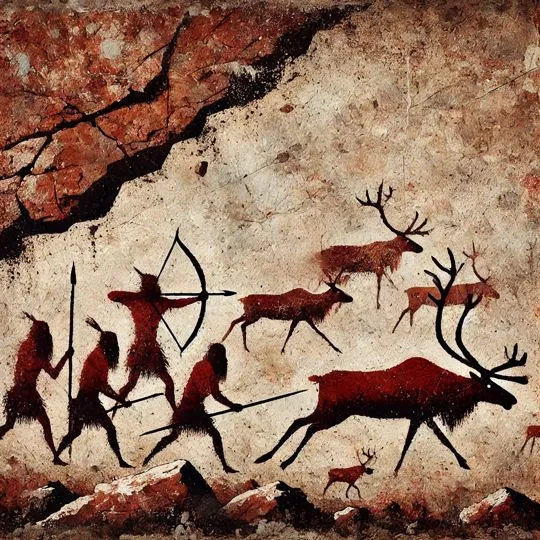
The earliest depictions of blood date back to prehistoric cave paintings. These scenes were closely tied to survival, tribal rituals, and primeval beliefs.
In the pre-modern world, the body was closely connected to religious and moral ideas. Graphic depictions of suffering were consequently rarely meaningless.
Medieval and Renaissance artists frequently portrayed the crucifixion and martyrdom of saints, using wounds and blood to communicate sacrifice, devotion, and spiritual triumph.
The macabre also appeared through memento mori, an artistic tradition centred on the reminder of mortality. Skulls, skeletons, corpses, and decaying objects reminded viewers that wealth, beauty, and earthly life were temporary. But religious authority was not the only institution using graphic imagery.
Governments and courts also recognised the power of displaying bodily punishment. Gerard David’s The Judgement of Cambyses (1498), for example, depicts the corrupt judge Sisamnes being flayed alive.
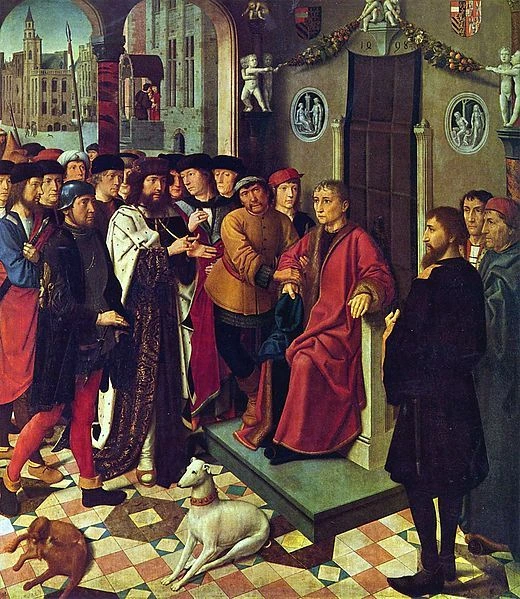
Painted for a civic setting, the gruesome scene warned against corruption and the consequences of abusing judicial power. Gore, in this period, could therefore serve two authorities: God and the state.
The twentieth century transformed gore by giving it movement. The theatrical tradition of Paris’s Grand Guignol had already demonstrated that audiences could be fascinated by staged blood and mutilation.
Cinema expanded those possibilities through editing, sound, practical effects, makeup, and increasingly realistic representations of bodily destruction.
Gore could now unfold before an audience. Practical special effects made wounds, mutilations, and transformations increasingly convincing, while splatter cinema pushed graphic violence toward theatrical excess.
Films such as Ruggero Deodato’s Cannibal Holocaust (1980) also demonstrated how realistic gore could blur the line between fiction and reality, raising questions about exploitation, journalism, and the ethics of watching suffering.
At the other extreme, films such as Tobe Hooper’s The Texas Chainsaw Massacre 2 (1986) used exaggerated violence almost as dark comedy and social satire. Gore art could now be political, satirical, theatrical, or deliberately absurd.
Another major development was body horror. Instead of focusing solely on external violence, body-horror artists explored mutation, infection, transformation, disease, and the loss of control over one’s own physical form. This made gore increasingly psychological.
The damaged body could represent anxieties surrounding illness, ageing, identity, sexuality, and the loss of bodily autonomy.
The digital age has taken gore even further away from physical reality. Despite critics’ objections, Gore continued to find a place in popular culture, particularly in cinema and literature.
Digital illustration, photographic manipulation, animation, 3D modelling, and internet culture have allowed artists to distort the human body without the limitations of physical materials.
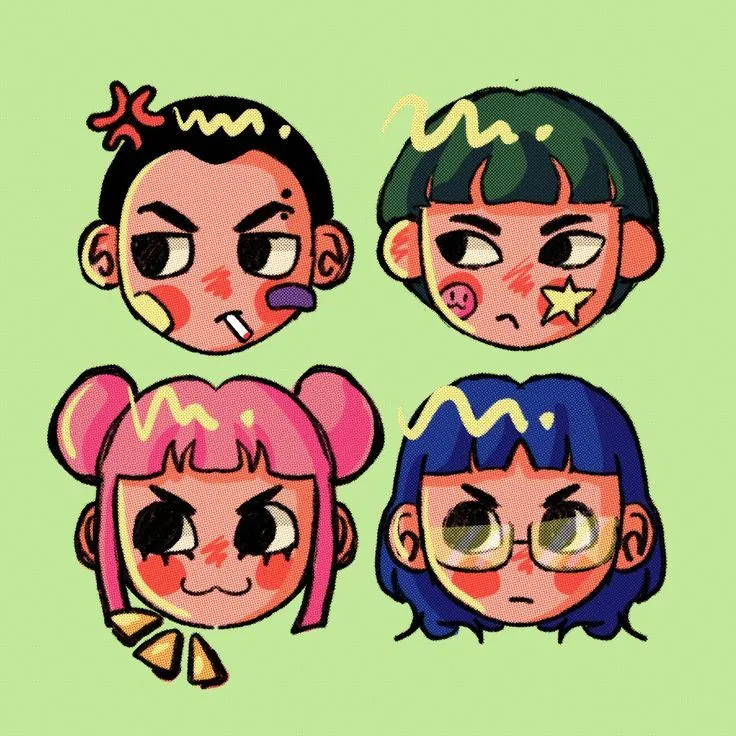
Contemporary aesthetics such as “candy gore” demonstrate this shift by combining disturbing imagery with pastel colours, cartoon-like forms, and visually sweet motifs.
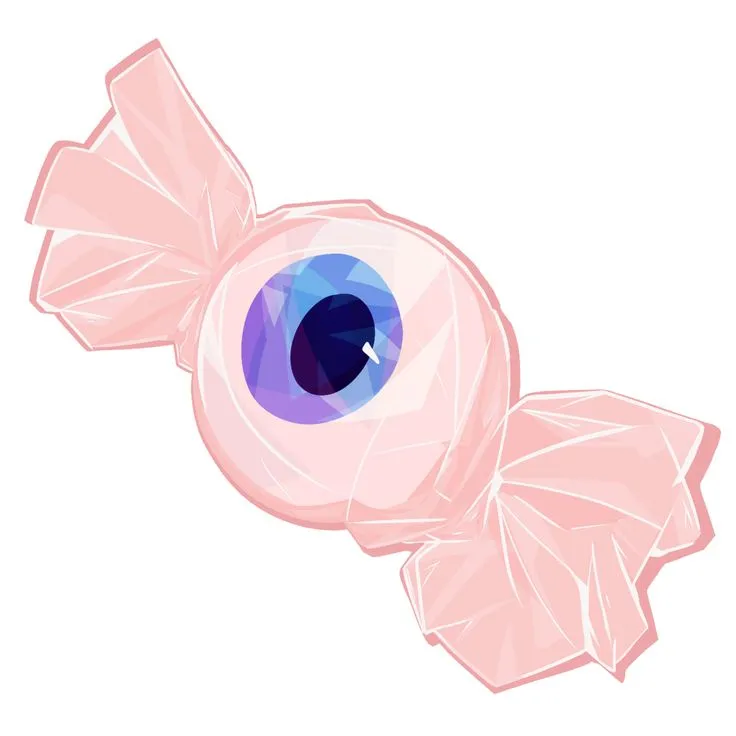
The contradiction between cute aesthetics and grotesque imagery creates a new kind of discomfort.
Meanwhile, artists have begun exploring gore without depicting human bodies at all.
In recent years, gore aesthetics has undergone a significant transformation, as artists and creators have begun to approach the subject with a newfound level of sophistication and depth.
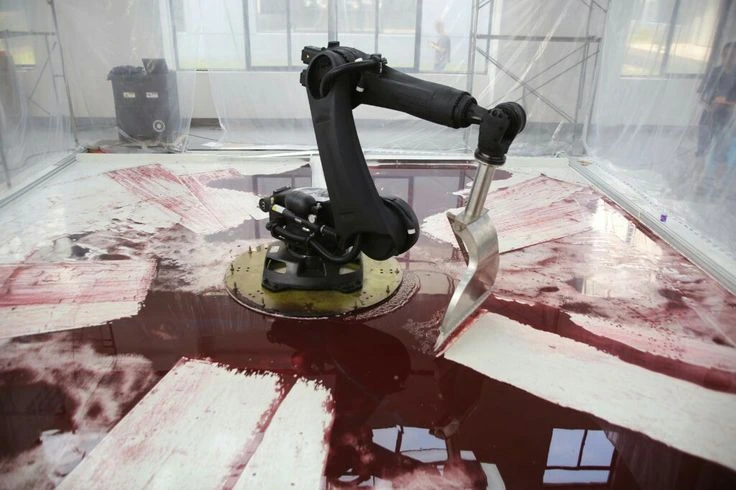
Sun Yuan and Peng Yu’s Can’t Help Myself (2016), for instance, uses an industrial robotic arm repeatedly attempting to contain a pool of dark-red liquid.
The installation transforms mechanical repetition into something resembling desperation, raising questions about surveillance, labour, borders, and automated systems.
Hieronymus Bosch became renowned for his strange and disturbing depictions of human temptation, punishment, and damnation.
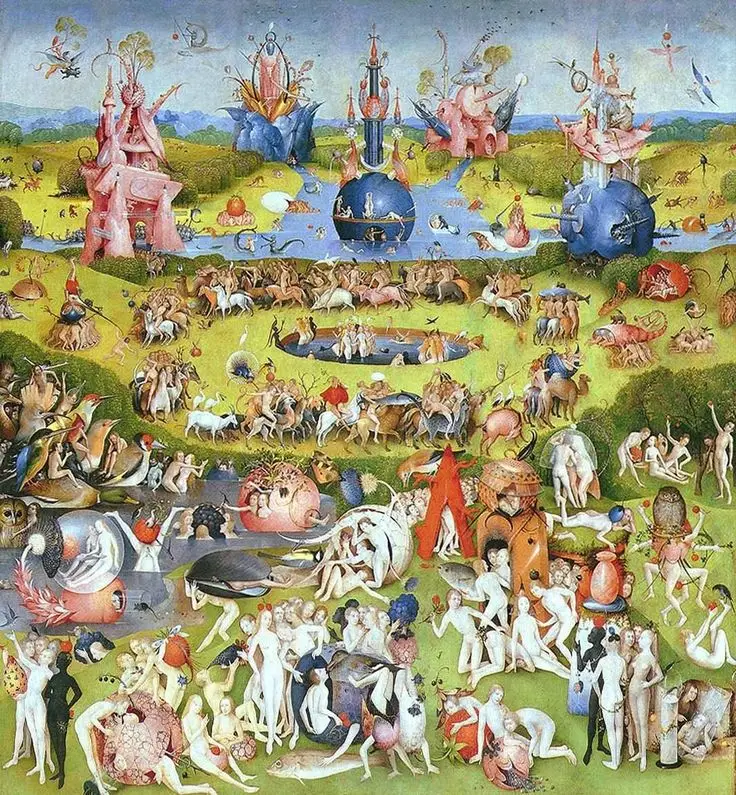
In The Garden of Earthly Delights (1480–1505), grotesque creatures, tortured bodies, and bizarre scenes of hell turn the human imagination into a nightmarish landscape. His work demonstrates how gore and horror could function as moral warnings.
Caravaggio brought remarkable realism to violent biblical scenes.
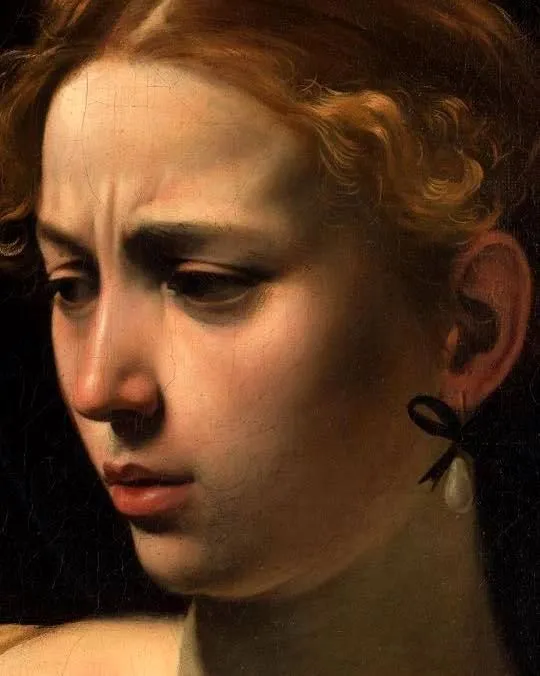
In Judith Beheading Holofernes (1598–1599), the artist captures the exact moment Judith decapitates the Assyrian general Holofernes.
The blood, physical struggle, and expressions of disgust make the scene unusually visceral, while Judith’s conflicting emotions add a psychological dimension to the violence.
Théodore Géricault explored death with an almost unsettling physical intimacy while preparing The Raft of the Medusa (1818–1819).
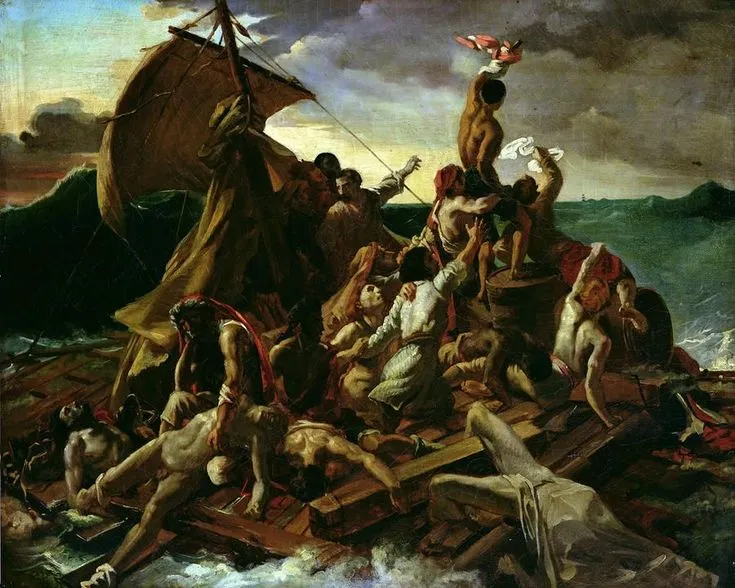
His studies of corpses and severed body parts helped him realistically portray the effects of starvation and death. The resulting work uses physical suffering not simply for horror, but to expose human desperation and institutional failure.
Maggie Dunlap is known for works that deliberately blur the boundary between staged art and the visual language of real crime scenes.
For her True Crime Series (2020–2022), for instance, she shared unsettlingly realistic digital imagery of manufactured bloodbaths online.
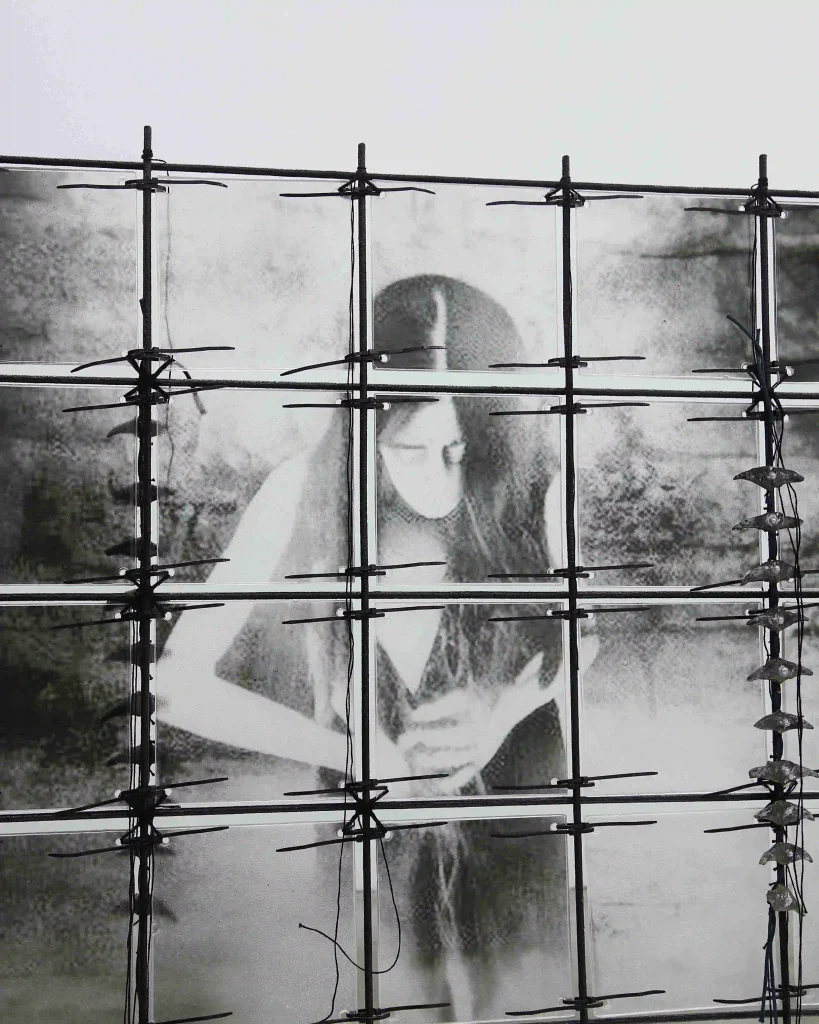
Dunlap’s work directly reflects the contemporary fascination with crime imagery and the voyeuristic relationship audiences have developed with gruesome content online.
Jordan Wolfson takes a more theatrical and psychologically disturbing approach.
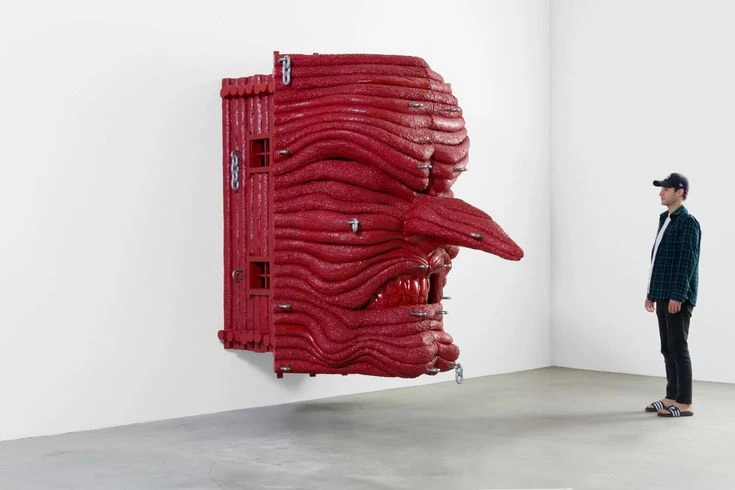
His Coloured Sculpture (2016), an animatronic figure presented in a deliberately provocative manner, combines violence, sexuality, technology, and spectacle.
The work demonstrates how contemporary gore can become unsettling without relying exclusively on conventional images of blood and bodily injury.
The evolution of gore art ultimately mirrors society’s evolution. The underlying fascination has not.
Gore art continues to ask uncomfortable questions about death, vulnerability, violence, power, and what it means to inhabit a human body. The “blood” may be shocking, but throughout history, what the blood represents has mattered far more.

15 Writing-Adjacent Careers for Writers Looking for a Career Change
Authors Spotlight: Khaled Hosseini
The Sound Souls Make When They Die by Chinemefun Chimuanya
If Nollywood Cast Our Favourite African Books: Who Would Play Who?
Best Films About Unexpected Age Gap Romance
Literary Awards and the Racism Card: A Wake-Up Call for Black Africa
Interview with the Vampire Relationships, Ranked
10 Top Recent Films for Action and Comedy Fans
Comma Rules Every Writer Should Know
10 Most Hype-worthy 2026 Book Releases (African Literature Version)
Five Gambling Films That Know the Bet Is Only Half the Story
Movies Where Poker Reveals Who a Character Really Is
July 20, 2025 .
Animation, Lists
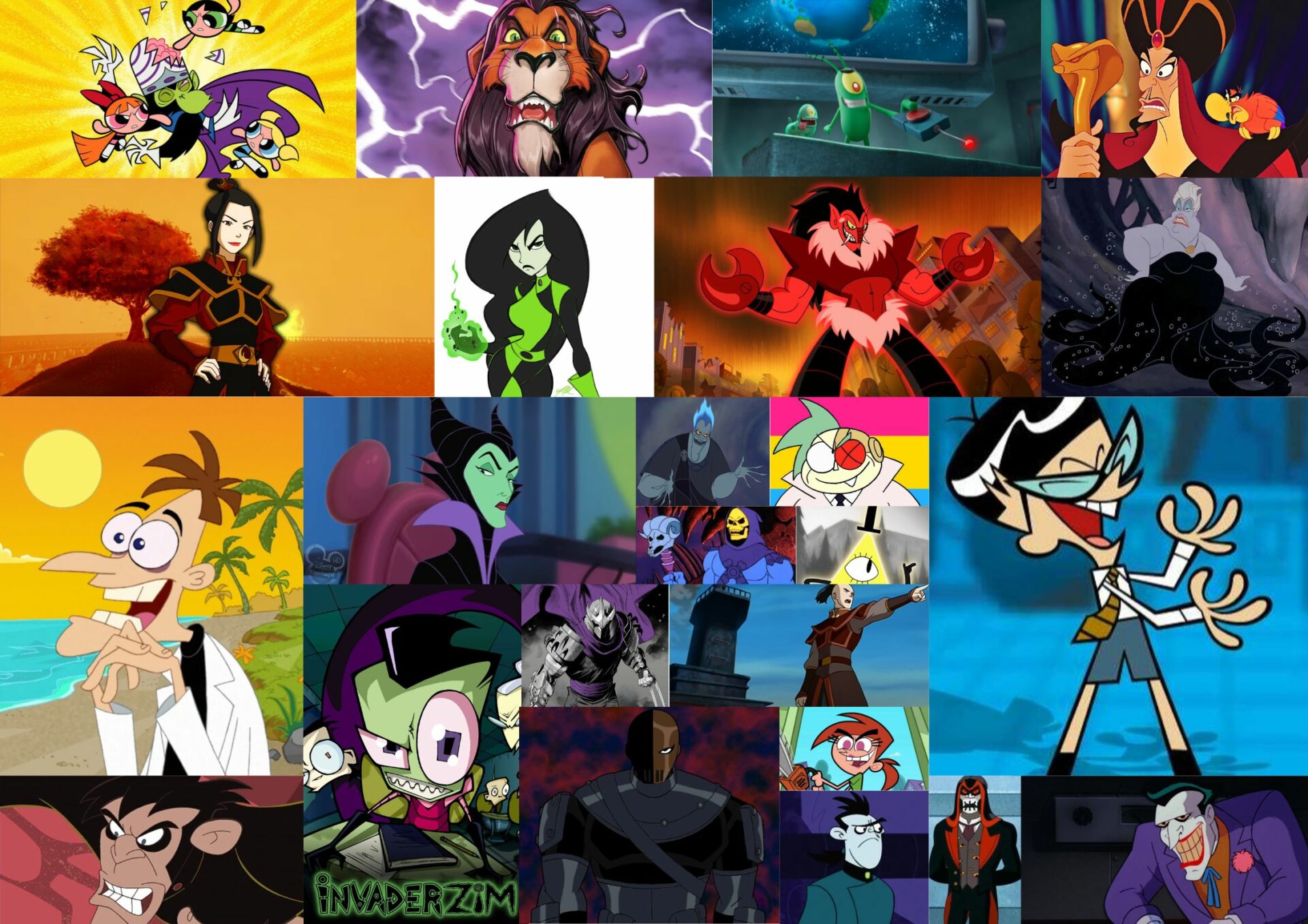
Our list rounds up the top 30 cartoon characters that were villains, each one more wonderfully wicked than the last.
READ MORE
November 27, 2025 .
Lists, Mythology
While this isn’t an exhaustive list, it comprises some of the most popular mythical creatures from around the world.
READ MORE
April 29, 2026 .
Lists, Opinions
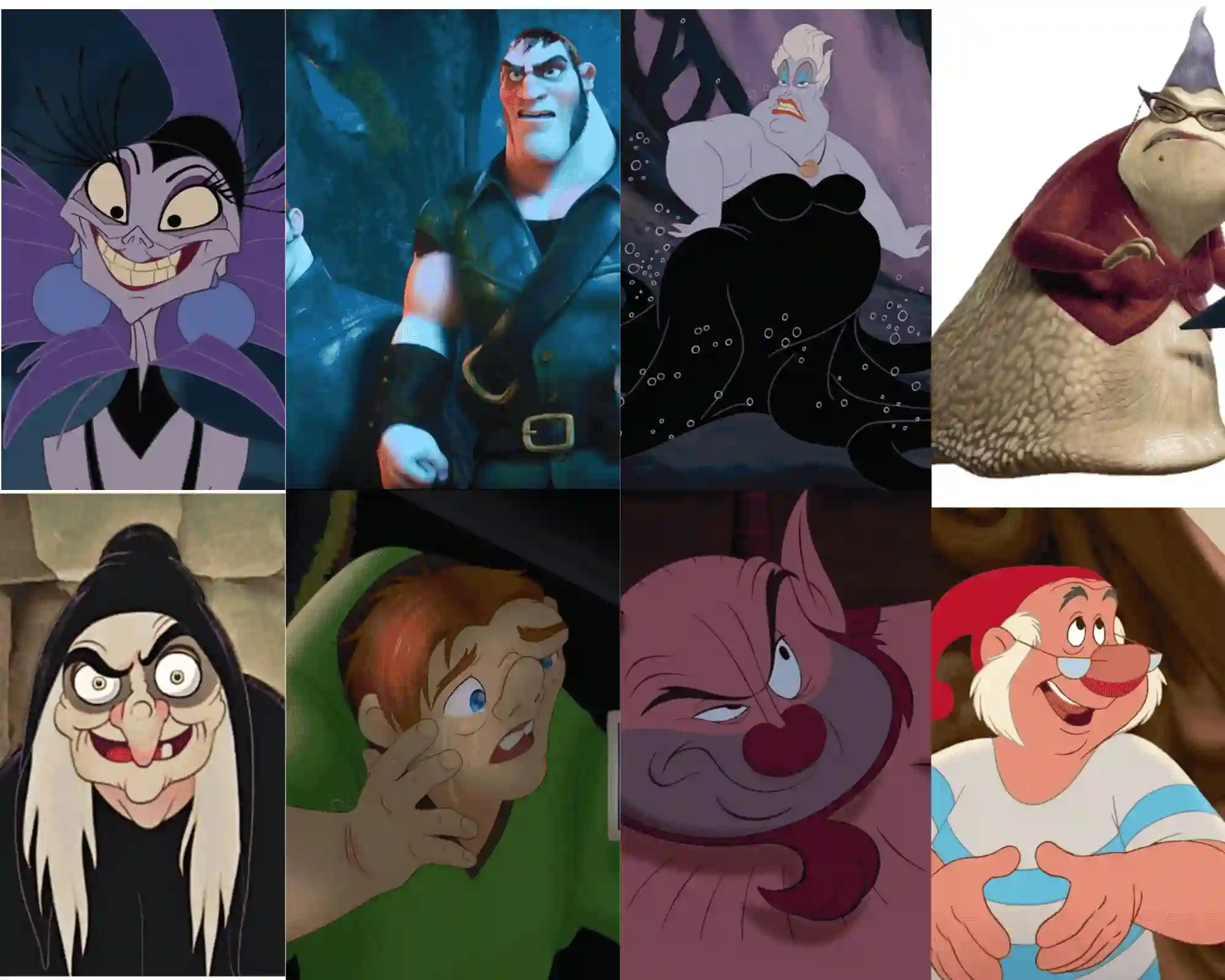
The Mouse is famous for its princesses and princes. However, the studio’s true genius lies in its embrace of “ugly Disney characters”.
READ MORE
October 28, 2025 .
Lists, Marvel, MCU, Opinions
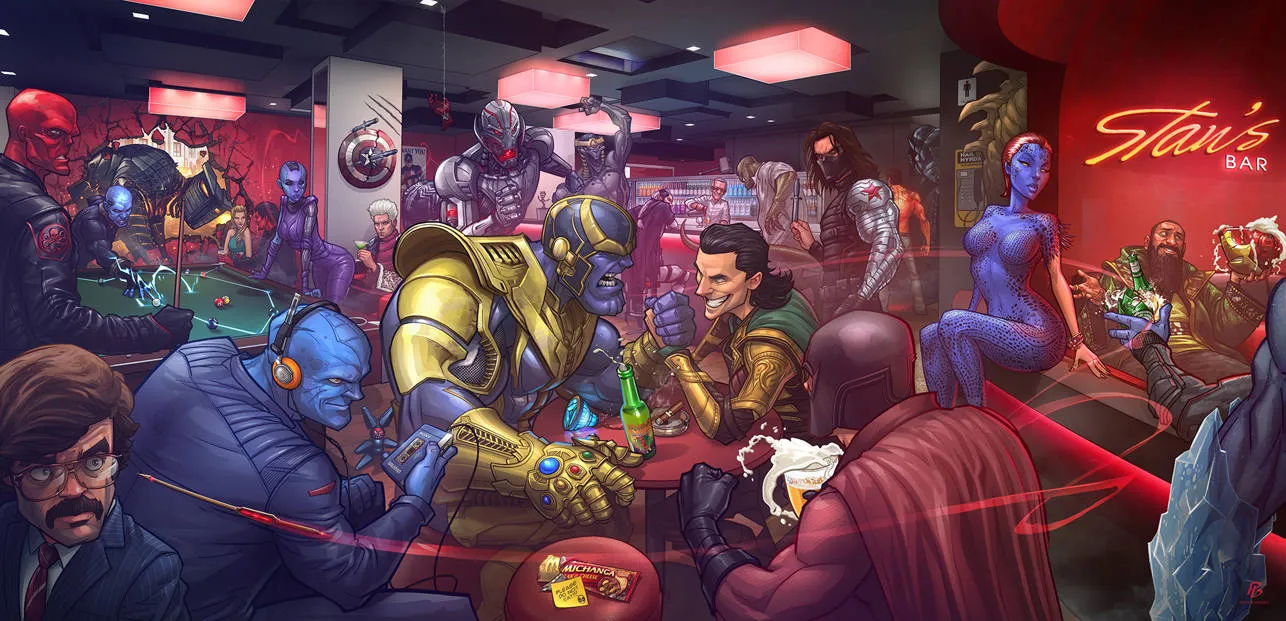
Let’s go through a list of the top 7 strongest Marvel villains, from the wickedly powerful to the absolutely unstoppable.
READ MORE
February 26, 2026 .
Cartoons, Lists
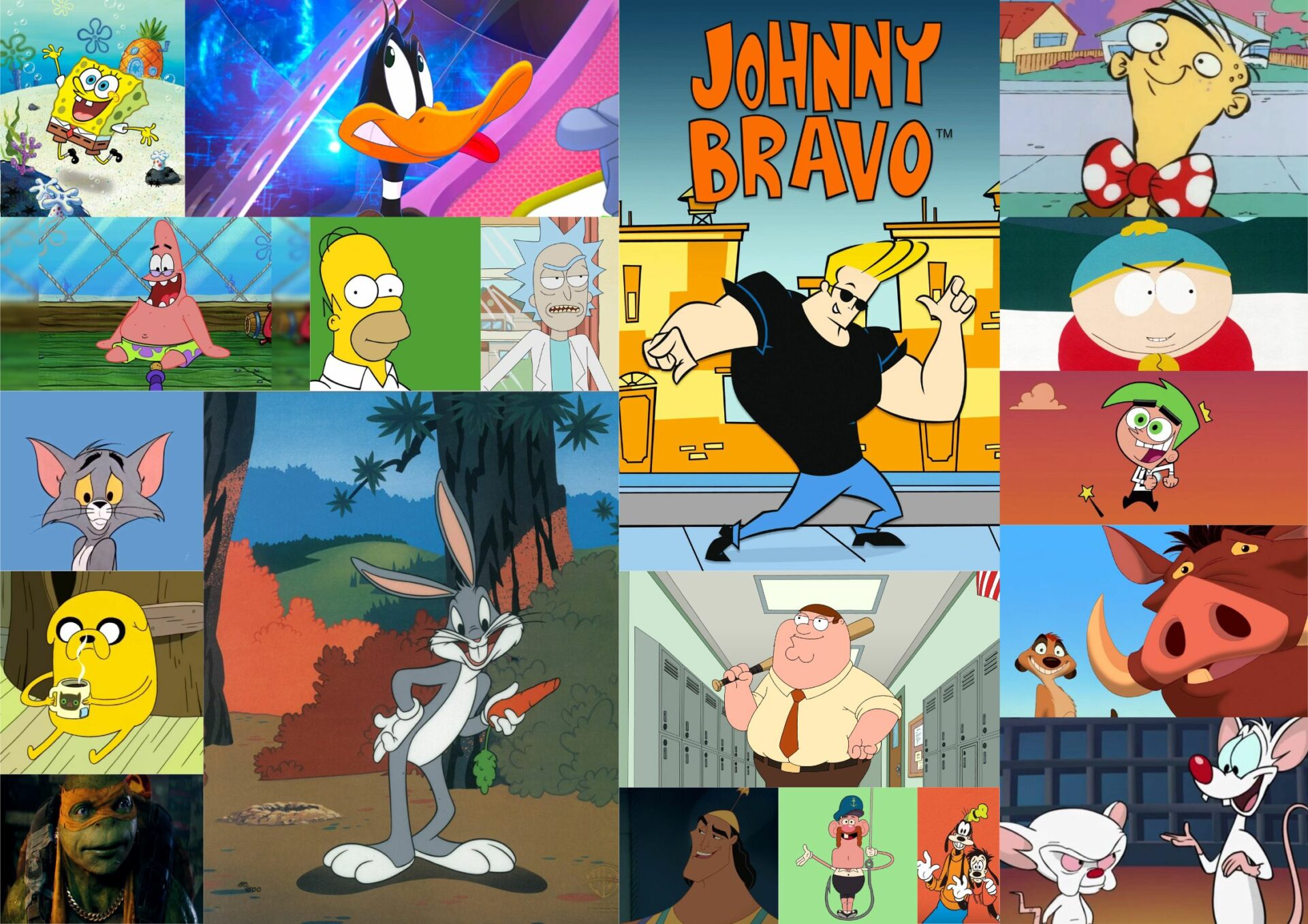
There are some outright funny cartoon characters who exist solely to crack you up, loud, hard, and with zero apology.
READ MORE

July 20, 2025 .
Essays, Opinions
READ MORE

July 20, 2025 .
Essays, Opinions
READ MORE

July 20, 2025 .
Essays
Except if you have been living under a rock or in outer space since the beginning of time, there is no way you wouldn’t have heard of Wole Soyinka.
READ MORE

July 20, 2025 .
Essays, Opinions
READ MORE
September 12, 2025 .
Essays, Fantasy, Opinions
Fantasy is everything that lies in the realm of the fantastic. And, the more deviant from reality it is, the better.
READ MORE
July 20, 2025 .
Essays, Opinions
African literature embraces inclusivity, harnessing words as a medium to impart wisdom, preserve truths, and honor ancestral struggles.
READ MORE
October 22, 2025 .
Essays, Writer Resources
Ever found a book that looks like a comic but tells a complete, well-structured story? Congratulations, it’s a graphic novel.
READ MORE
July 18, 2026 .
Disney, Essays
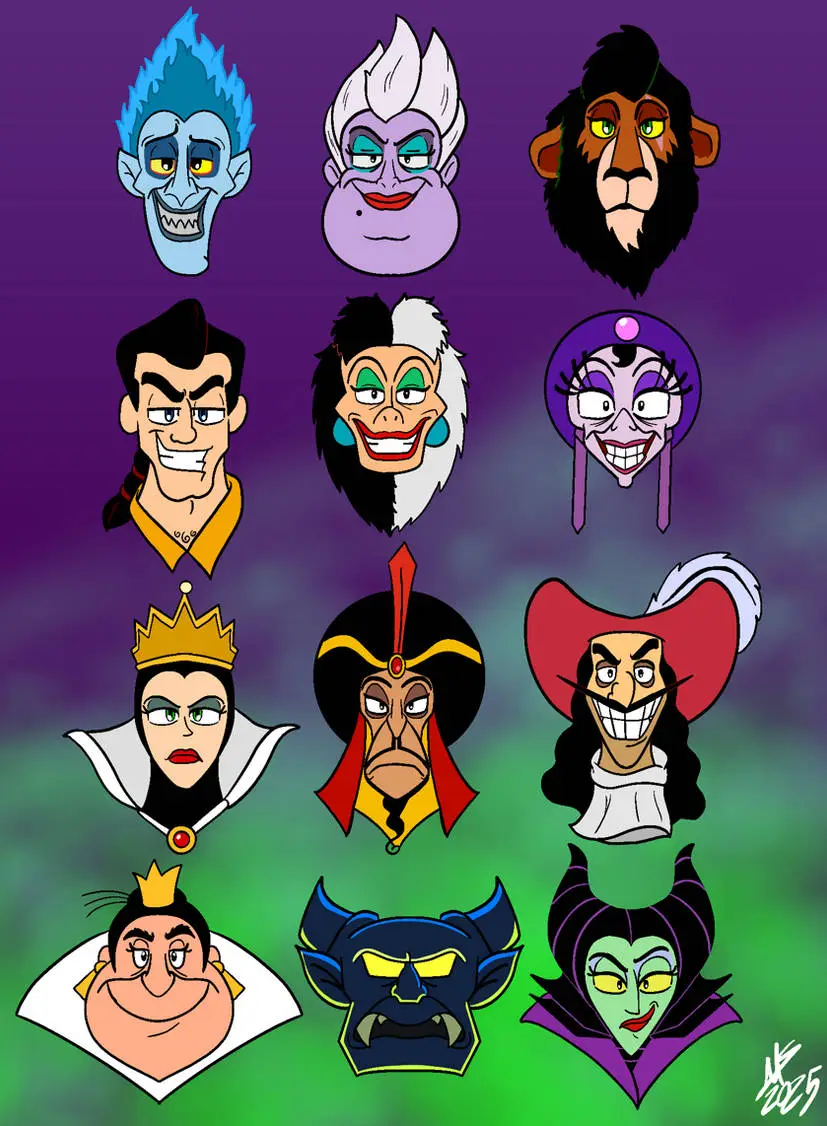
Let’s examine the trend of softening Disney villains, its implications, and viewers’ responses to less sensitive material.
READ MORE
July 24, 2025 .
Essays, Writer Resources
READ MORE
Get our magazine for free!